A collection’s protection begins with an intelligible account of the collection itself. What is held, where it is kept, how it moves and which documents describe it are practical questions before they become questions about a policy. The most useful first conversation gives a specialist enough context to ask better questions.
Start with the actual collection
Chubb’s Italian Fine Art page describes cover for valuable objects and private collections, including contexts involving storage, transit and display. ARTE Generali’s Italian materials also present specialist art insurance and related assistance. These official offers show a relevant service landscape. They do not establish a quotation, the terms of a particular contract or which product suits an individual reader.
Before requesting advice, prepare an accurate inventory and identify what remains uncertain. Separate a current description from an old valuation, and keep the issuer and date of each document visible. An intermediary can then explain what further information is required. The owner should not have to improvise the collection’s identity during a conversation about protecting it.
Describe use as well as possession. Are works intended for display in more than one location? Is a loan or movement being considered? Who is responsible for arranging services? These are examples of circumstances to disclose to the appointed professional. Their significance for any cover must be explained through the relevant proposal and policy documents.
Give each document its proper role
A purchase invoice, an appraisal, a condition report and a provenance record are not interchangeable. Keep them connected to the exact object, with their dates and scope. Ask the intermediary which documents are required for the proposed arrangement and whether any need updating. A complete-looking folder may still contain information that answers a different question.
The same care applies to values. Do not assume that the number in an old sale record is the figure relevant to a current insurance discussion. Ask the professional to explain the basis required and how it should be documented. This article does not calculate a suitable value or recommend an amount of cover.

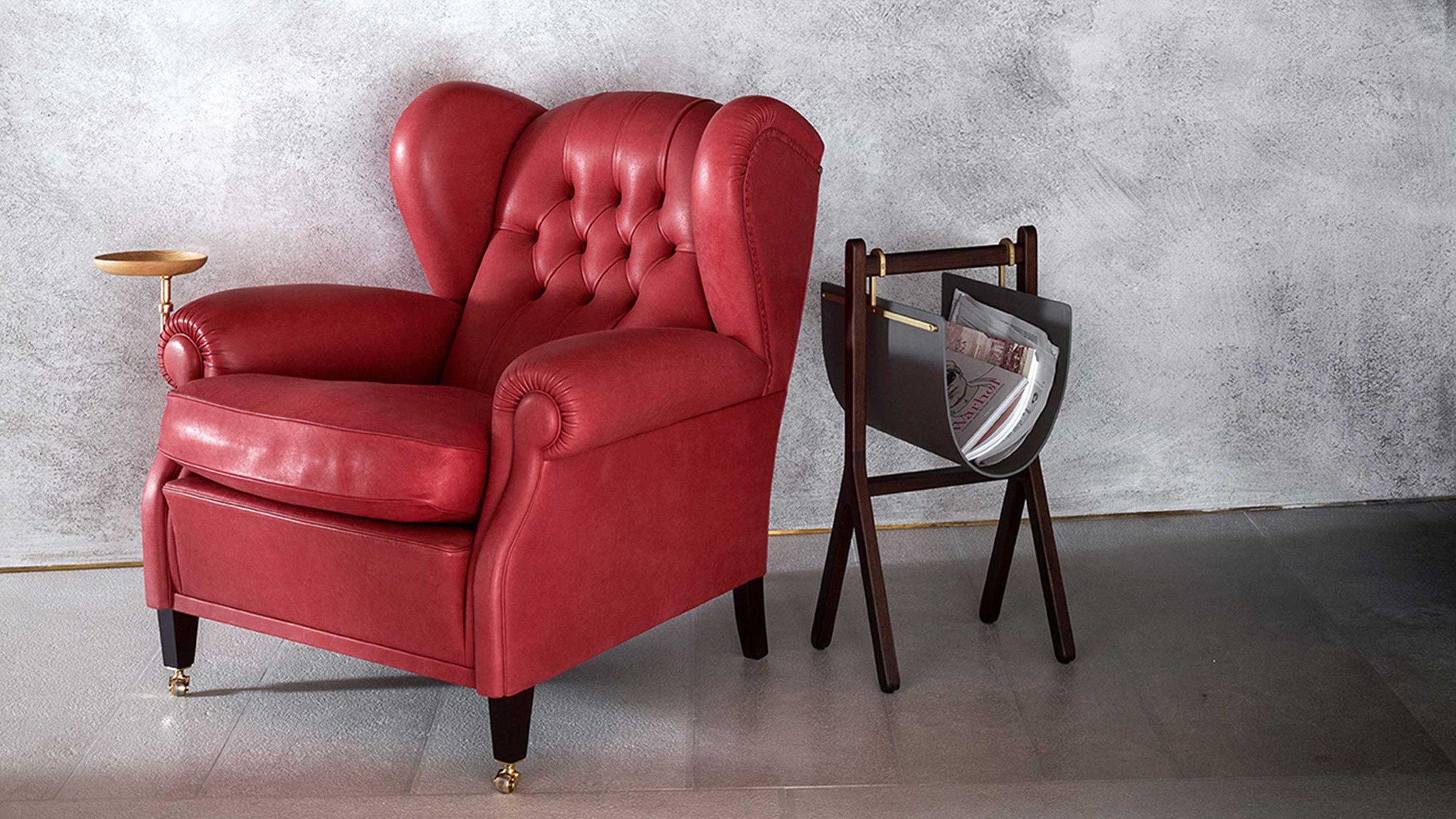
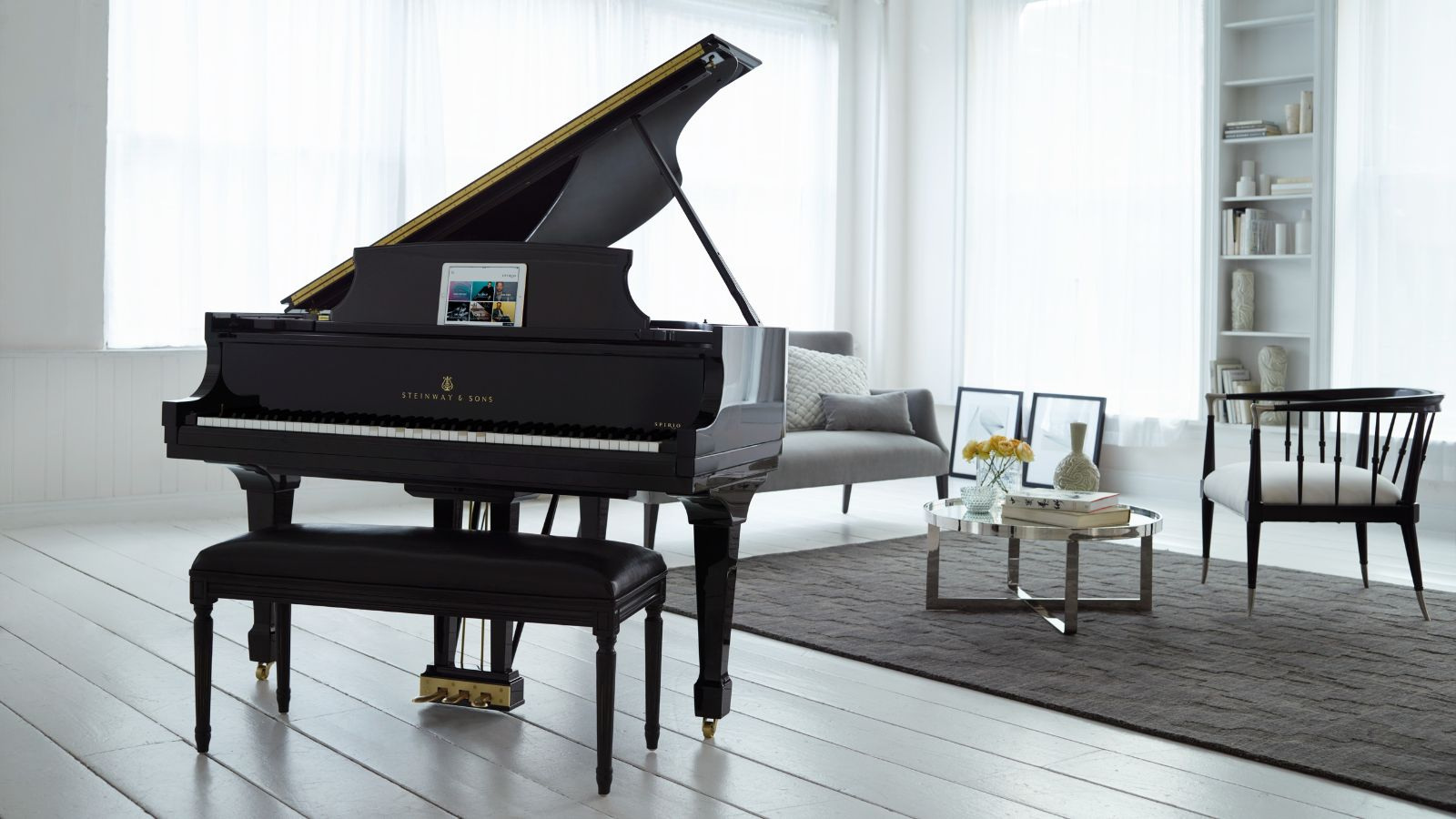
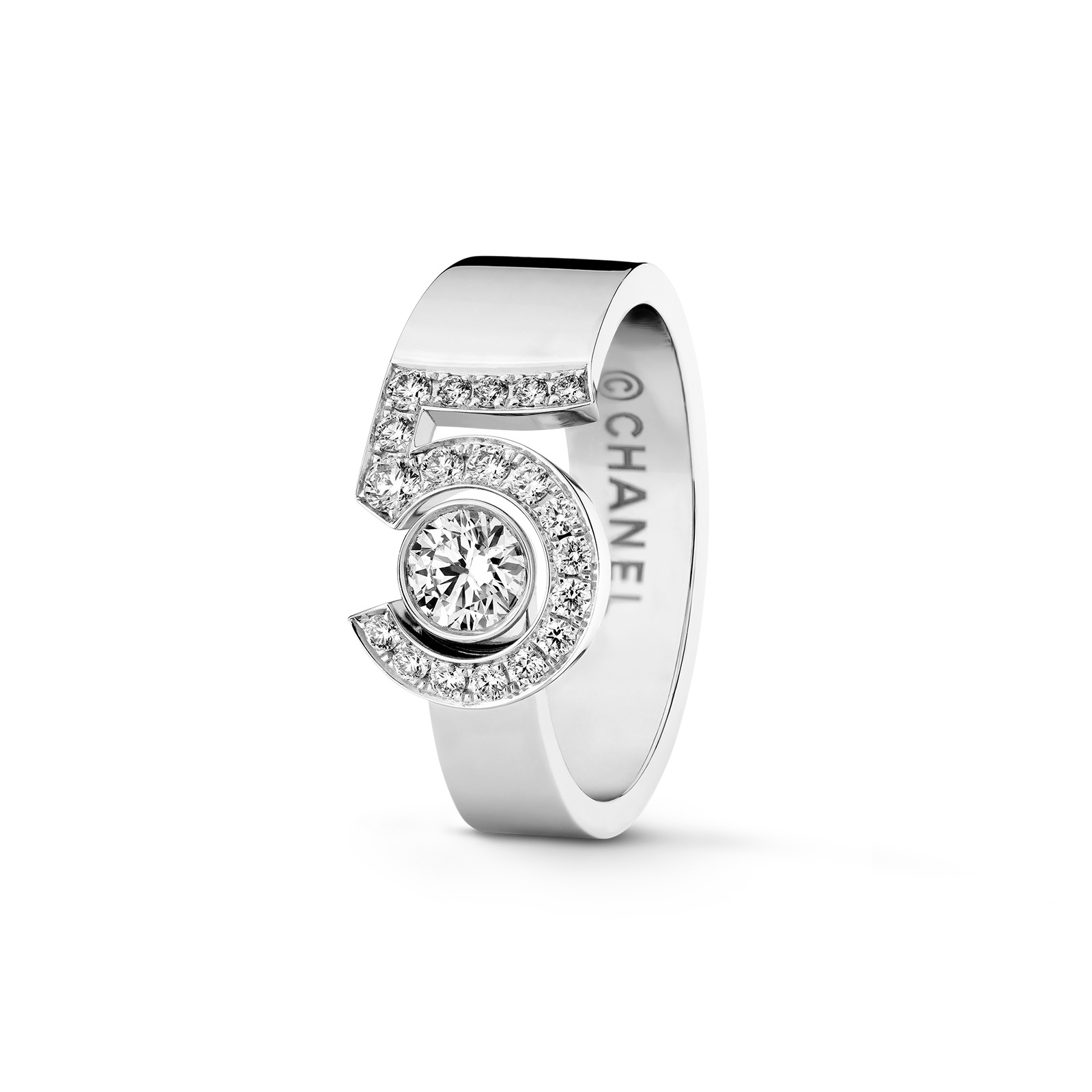
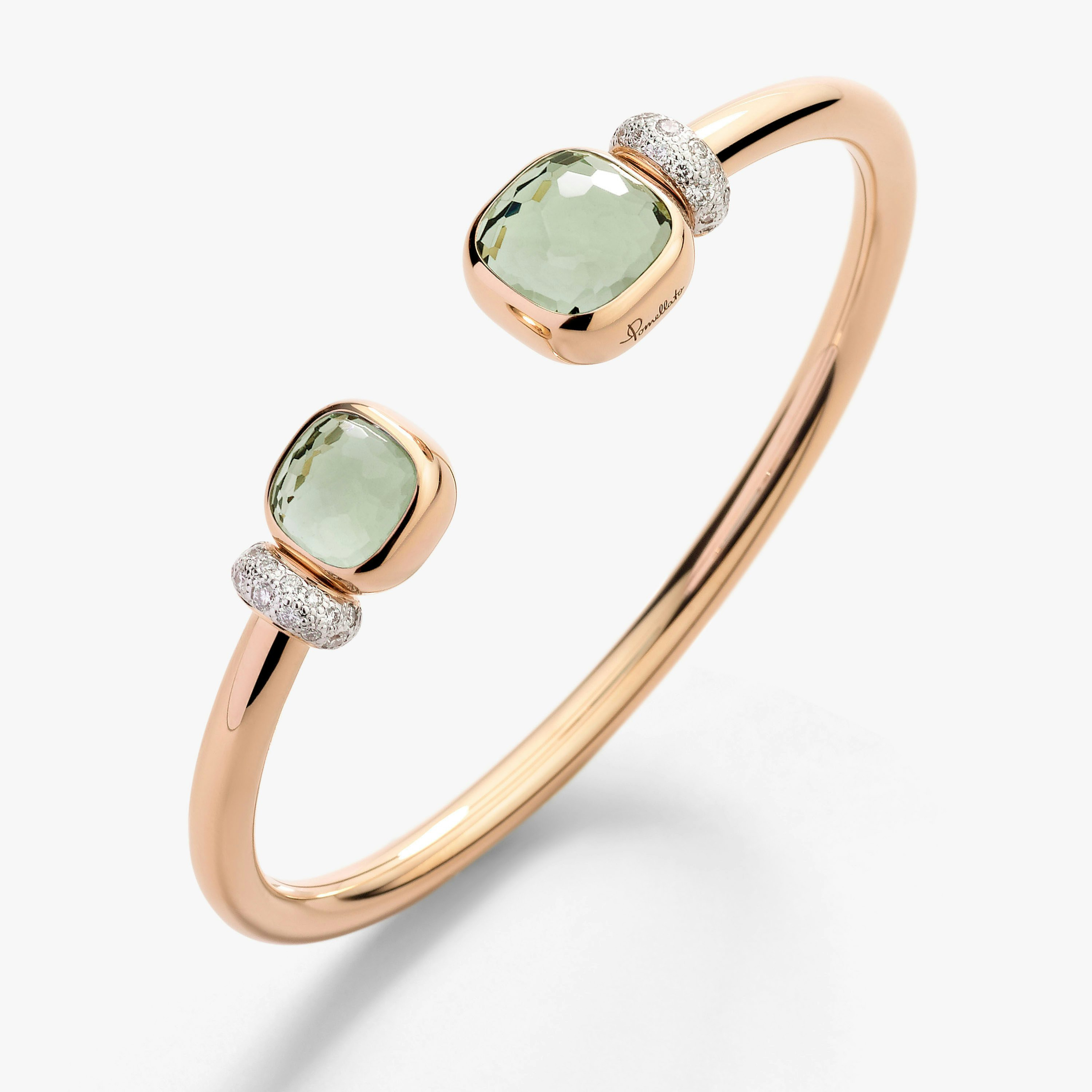
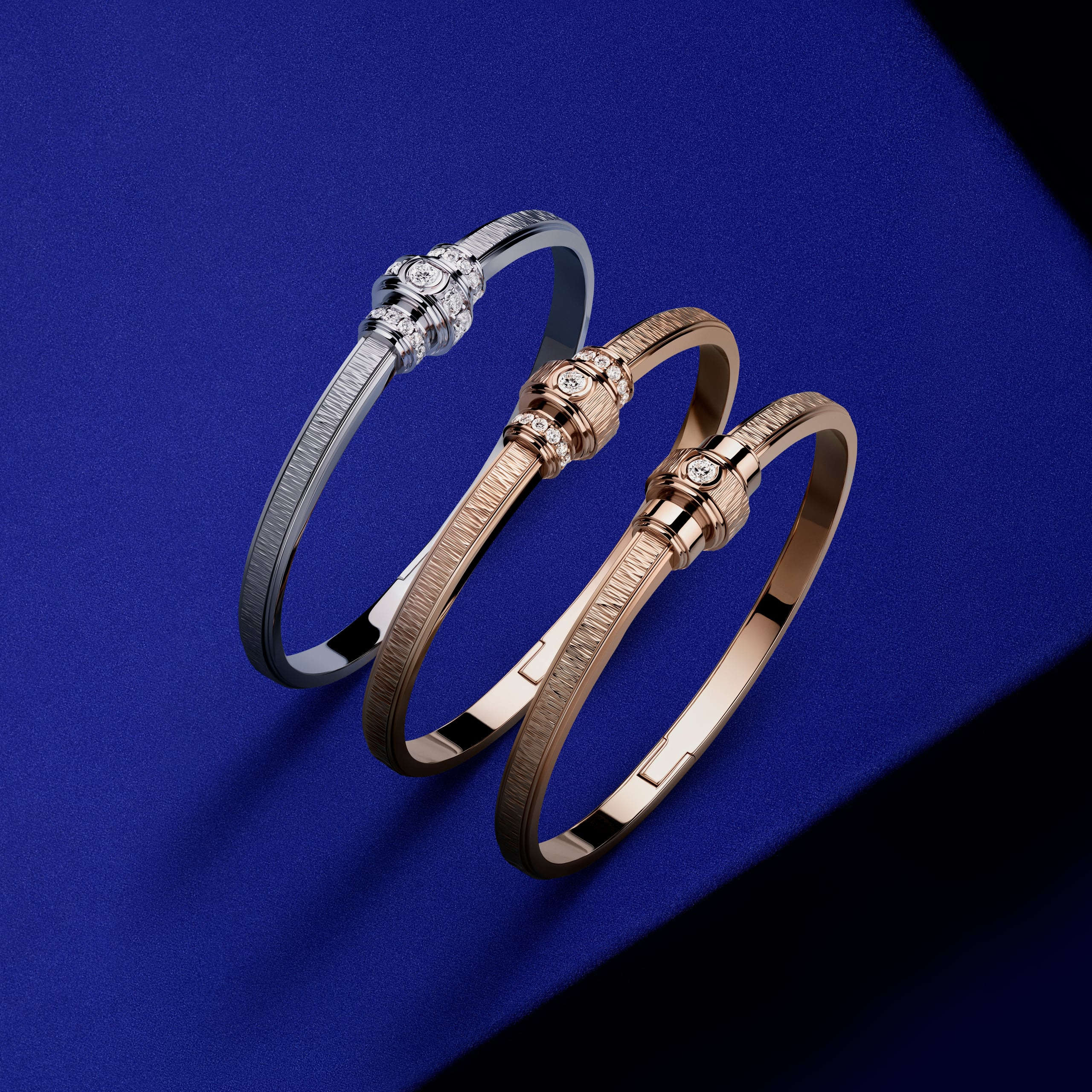
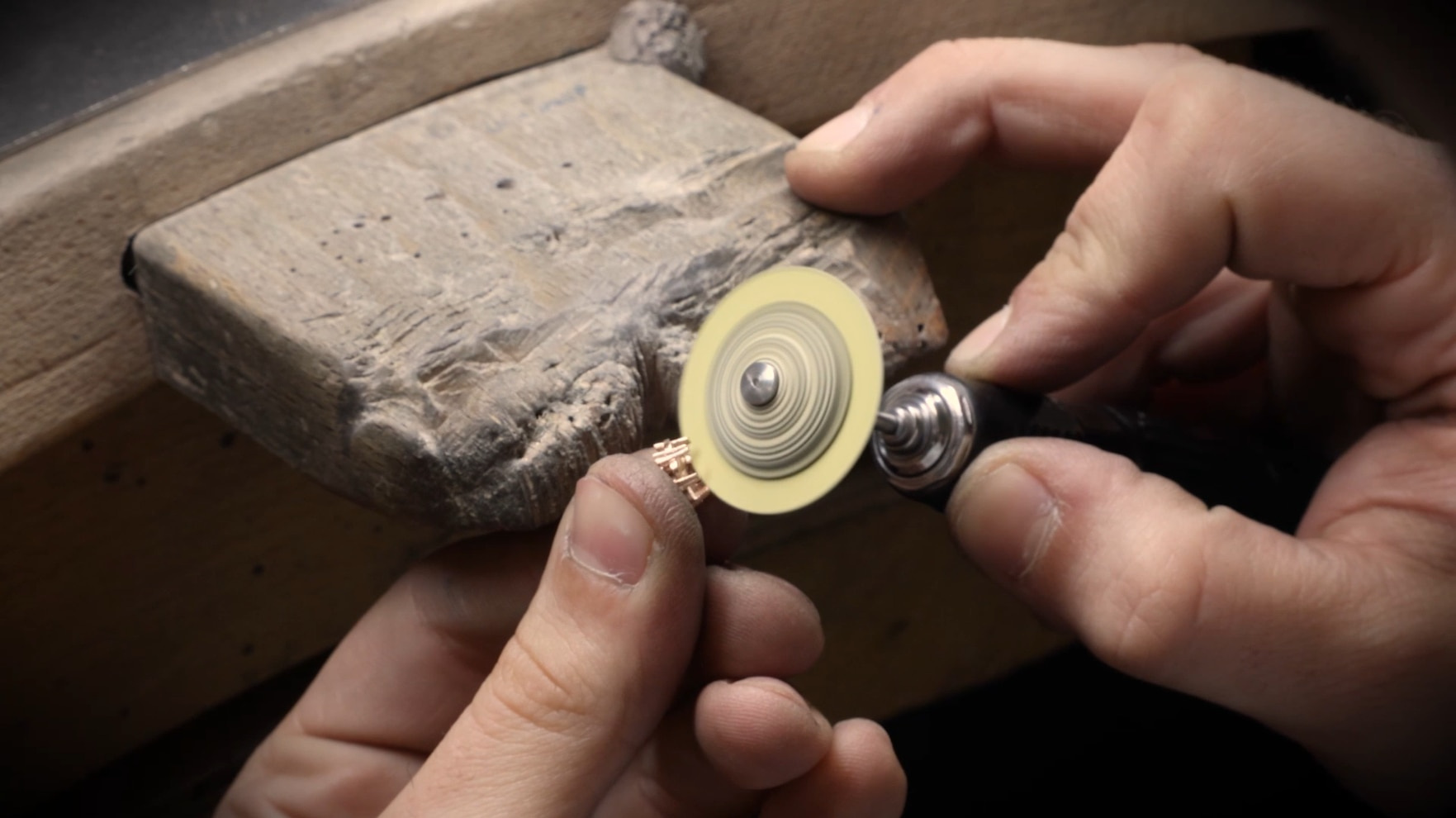
The images accompanying the feature are named official illustrations of objects, spaces and the specialist service context. They do not establish that a pictured work or product is insured by a named company. A beautiful photograph should help the reader recognise what requires care without implying a private client relationship that has not been documented.
Ask about the life between locations
An object may spend time outside its usual room: with a specialist, in storage, in transit or on loan. Prepare a clear description of any proposed movement and ask how it should be addressed. Do not infer that a general reference to transit on a website settles every stage, route or circumstance of a particular plan.
Identify the people arranging the work. A transport provider, conservator and insurance intermediary may each need different information. Agree who shares the relevant records and who confirms that outstanding questions are resolved before the activity proceeds. The owner can coordinate the conversation without attempting to replace specialist judgement.
If circumstances change after the initial discussion, return to the responsible professional. A new location, a different use or a newly acquired object may require attention under the applicable arrangements. Ask how changes should be notified and recorded. The answer should come from the actual documents and appointed adviser, rather than a general magazine checklist.
Prepare a better first meeting
| Information to organise | Why it helps the conversation | Question for the professional |
|---|---|---|
| Object identity | Connects the discussion to exact items | Which descriptions need further detail? |
| Supporting documents | Shows the source and date of information | What additional evidence is required? |
| Locations and intended use | Makes the proposed circumstances explicit | How are these addressed in the proposal? |
| Planned movements | Identifies changes from ordinary display | What must be confirmed before movement? |
| Responsible contacts | Clarifies who can provide information | Who should receive and approve updates? |
The table organises a discussion; it does not interpret a policy or establish cover. Request the relevant pre-contractual information and a clear explanation of the proposal’s scope, conditions, exclusions and responsibilities from the authorised professional. Keep the final documents available to the people who administer the collection.
When comparing offers, compare the actual terms and circumstances considered. An attractive headline or a familiar brand is not a substitute for understanding what has been proposed. Ask the adviser to explain meaningful differences in plain language and retain that explanation with the quotation. Personal suitability and contractual interpretation belong with the appropriately qualified adviser.
Build continuity into the record
Assign a person to keep the administrative record current. When new documents arrive, attach them to the correct item rather than leaving them in an inbox. Record when information was supplied to the intermediary and retain the resulting confirmation or request for further detail. A clear history makes later conversations easier to begin.
Review the arrangement with the professional when the collection or its use changes, and follow the requirements of the actual contract. The goal is not to create anxiety around ownership. It is to make the collection understandable enough that specialist advice can be specific, and that the owner knows where to find the documents governing the relationship.
The Luxe Digital view
Specialist protection deserves a precise brief. Organise the objects, documents, locations and intended activities, then ask the appointed professional to explain the proposed arrangement and its limits. The practical starting point is clarity: an owner and adviser discussing the same collection, with the same current information.
Specialist protection deserves a precise brief.
Sources & credits
Sources and methodology
Independent editorial analysis of the identified primary records and official imagery, checked on 15 October 2026. Project and product descriptions are attributed to their publishers; commissioning frameworks, hypothetical scenarios and editorial judgements are LuxeDigital’s own analysis. We did not visit, purchase, test or audit the illustrated installations, services, software or passport flows. The scope is general editorial information. It does not establish private ownership, authenticity, condition, insurance cover, personal suitability or a provider’s future performance. Images retain their identified subject and context; illustrative product photographs are not private collection evidence.
Named illustrative studies in the LuxeDigital archive:
- Boucheron Histoire de Style 2026: A Portrait in Four Jewels.
- CHANEL N°5: The Architecture of a Number.
- Pomellato Nudo: Two Green Stones, One Open Bangle.
- Piaget Possession: A Ring Designed Around a Turning Band.
- Laurence Graff Signature: The Facet as a Gold Form.
- Fleurette: Seven Diamonds and the Space Around a Flower.