An illuminated wine cabinet can make a collection look beautifully ordered. The harder question arrives when a particular bottle has to be found, reached and returned to its place. EuroCave Revelation is an interesting reference because its presentation makes the internal arrangement part of the proposition, rather than hiding it behind a headline capacity.


Decide what the cabinet is for
EuroCave identifies Revelation as a single-temperature maturing cabinet, offered in small and large sizes. Its buying guide distinguishes maturing from serving requirements. These are useful boundaries for the reader: a collection held for longer-term storage and bottles being prepared for an occasion do not necessarily create the same brief.
Start by describing how the collection is used. Which bottles are expected to remain undisturbed, and which are regularly brought to the table? How often does the selection change? This is an organisational exercise, not a recommendation about when to drink a particular wine. The supplier can explain which current product and configuration correspond to the intended use.
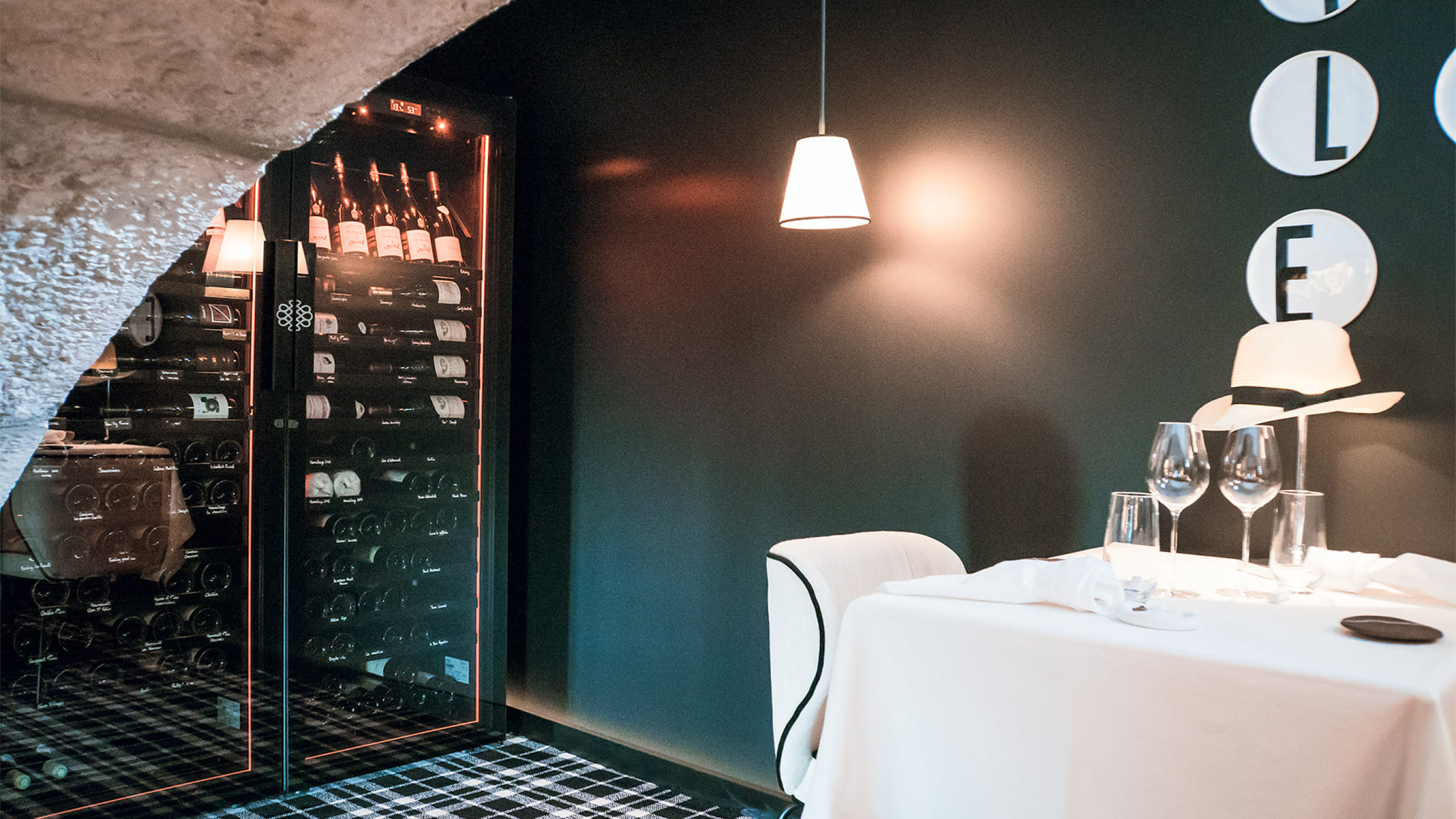
The room belongs in that discussion from the beginning. A cabinet in a living area, a dedicated storage space and a hospitality setting each have their own expectations for access and presentation. The official photographs provide examples of different settings; they do not establish that another room has the same installation conditions or that every cabinet shown has the same specification.
Read the shelf before the capacity
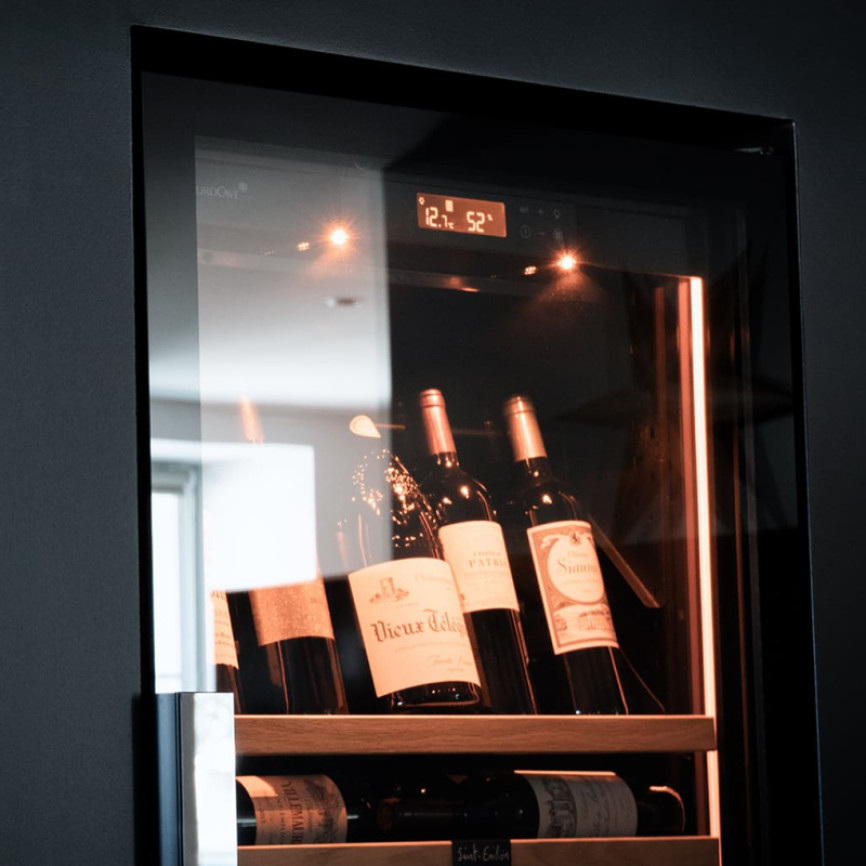
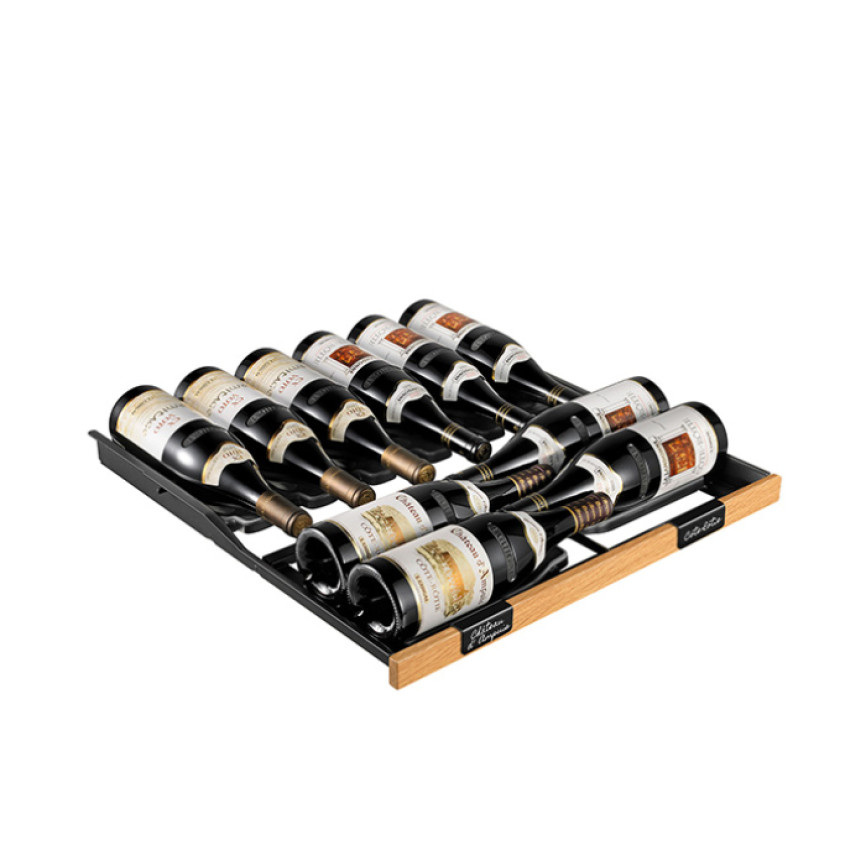
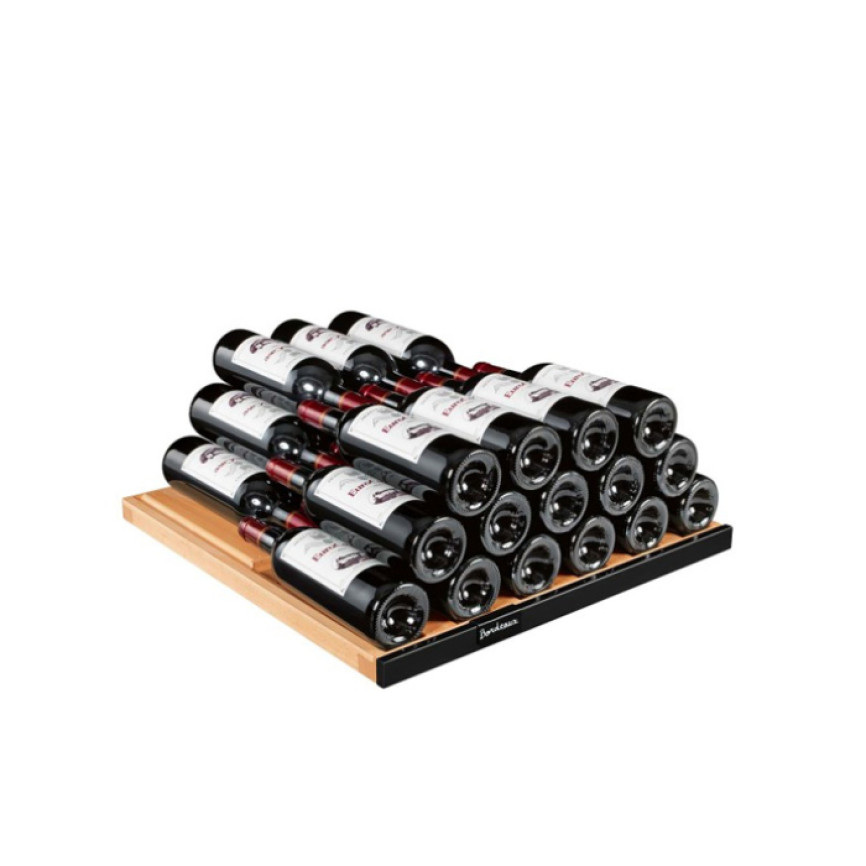
Revelation’s product material describes configurable shelving. The published images show a clear visual difference between bottles presented for reading, a sliding arrangement and denser storage. Those configurations suggest different relationships between visibility, access and the use of space inside the cabinet.
For an owner, the important demonstration is the one that reflects the actual collection. Bring a description of the bottle formats and the arrangement you want to maintain. Ask the supplier to explain capacity for the exact proposed configuration, rather than treating a collection-wide headline as the answer for every shelf layout.
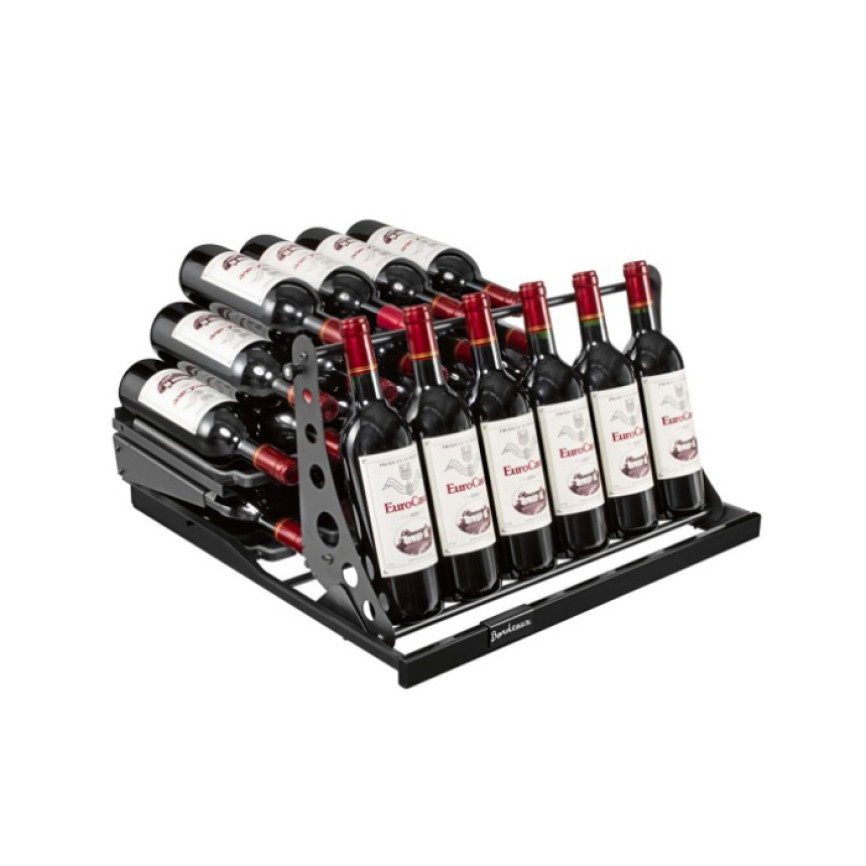
A useful exercise is to follow the retrieval of one bottle. What needs to move before it can be reached? How easy is it to read the label? Where will a new arrival go? These are proposed questions for a demonstration, not the results of a product test. They help distinguish a cabinet that photographs well from an arrangement that the owner can understand and use.
Give the collection a location system
A beautiful display does not remove the need to know where things are. An owner can organise a simple location record by cabinet and shelf, with enough detail to connect a bottle to its place. The system should match how the household actually retrieves and replaces items, rather than becoming a separate archive that nobody maintains.
Begin with a small set of consistent descriptions. Distinguish a physical location from a general category such as wines for an occasion. If a bottle moves, the record should follow the move. These are editorial suggestions for a private collection; no automatic inventory or tracking capability is attributed to Revelation.
The same discipline helps when someone else assists with the collection. A clear location reference reduces reliance on one person’s memory. It also makes a supplier discussion about future capacity more specific: the question becomes how the existing arrangement works and what needs to change, rather than simply asking for a larger number on the product sheet.
Monitoring is part of an ownership routine
EuroCave’s Revelation record describes a temperature and humidity display and visual alarms. Those are manufacturer-described features, not evidence of independently measured stability or an assurance about the condition of any bottle. The appropriate current instructions should explain the operation and meaning of the indications for the actual model.
Decide who will notice and respond to a message from the cabinet. In a regularly occupied home, that may be straightforward; in a property used occasionally, it deserves an explicit conversation. The question is about responsibility. Do not infer remote alerts, supervision or a particular service response from the presence of a display in a photograph.
Keep the product identity and service information alongside the collection’s practical records. An owner contacting support should be able to identify the cabinet and describe the issue through the appropriate channel. The supplier’s instructions, rather than a general editorial article, govern adjustments, care and any response to a fault indication.
Integrate the cabinet into a real room
EuroCave states that built-in use requires attention to air circulation and electrical installation and directs readers to supplier advice. That is a valuable qualification to the attractive room photographs. A fitted alcove should be resolved as an installation, not assumed to work because another setting looks similar.
Discuss the exact model with the responsible supplier and project team before surrounding joinery is completed. Explain the room’s use, the proposed position and the access needed for the household and future service. No universal ventilation clearance or electrical specification is given here. The requirements belong to the actual product and installation.
The visual ambition can remain central while those questions are answered. A cabinet can sit discreetly within a room or make the collection a focal point. The more useful commission brings that choice together with a clear internal layout and a realistic operating routine. Presentation and continuing care should be parts of the same brief.
Questions beyond the bottle count
| Decision | Question for the supplier | Information to retain |
|---|---|---|
| Use | Does the proposed model match maturing or serving needs? | Exact product and intended use |
| Shelving | How does the actual collection fit the chosen arrangement? | Confirmed configuration and capacity basis |
| Retrieval | Can the desired bottles be reached as expected? | A workable location convention |
| Indications | What do the model’s displays and alarms require? | Current instructions and service contact |
| Installation | What does this position require? | The supplier’s model-specific installation information |
This is a structure for a purchase and ownership conversation, rather than a ranking of wine cabinets. It keeps the exact configuration visible and leaves technical requirements with the appropriate professionals. It also helps the owner distinguish the display they admire from the arrangement they actually need.
The Luxe Digital view
A collection becomes easier to live with when its arrangement is understandable. Revelation’s official presentation is a useful starting point because the shelf, the bottle and the surrounding room are all visible parts of the story.
The stronger ownership decision is to connect those parts before ordering. Establish the intended use, demonstrate the proposed arrangement and decide how the collection and cabinet will be looked after. An elegant cabinet can frame the bottles; a considered routine makes that elegance useful after the first evening.
A collection becomes easier to live with when its arrangement is understandable.
Sources & credits
Sources and methodology
Independent ownership and reference analysis of the named official records and imagery, checked on 15 October 2026. Launch specifications and later product records retain their own dates and references. Images show the identified configurations. Original visual and commissioning analysis of the exact official product/project records and identified images. No visit, interview, comfort test or performance measurement claimed. Existing projects retain their dates; product versions, showroom photographs, sample images and official visualisations are identified separately.