The first useful act in caring for an important piece of furniture may be to identify it properly. Before a discussion about a new covering or a repair, a maker needs to know which object is involved and what the owner is asking. A few organised records can turn an uncertain enquiry into a much clearer conversation.
Begin with the actual object
Poltrona Frau’s assistance FAQ gives a concrete starting point: contact the store where the product was purchased or an authorised retailer, providing a photograph and identifying label where possible. This guide develops that practical route into an owner’s dossier. It does not assess a damaged object or prescribe a treatment.
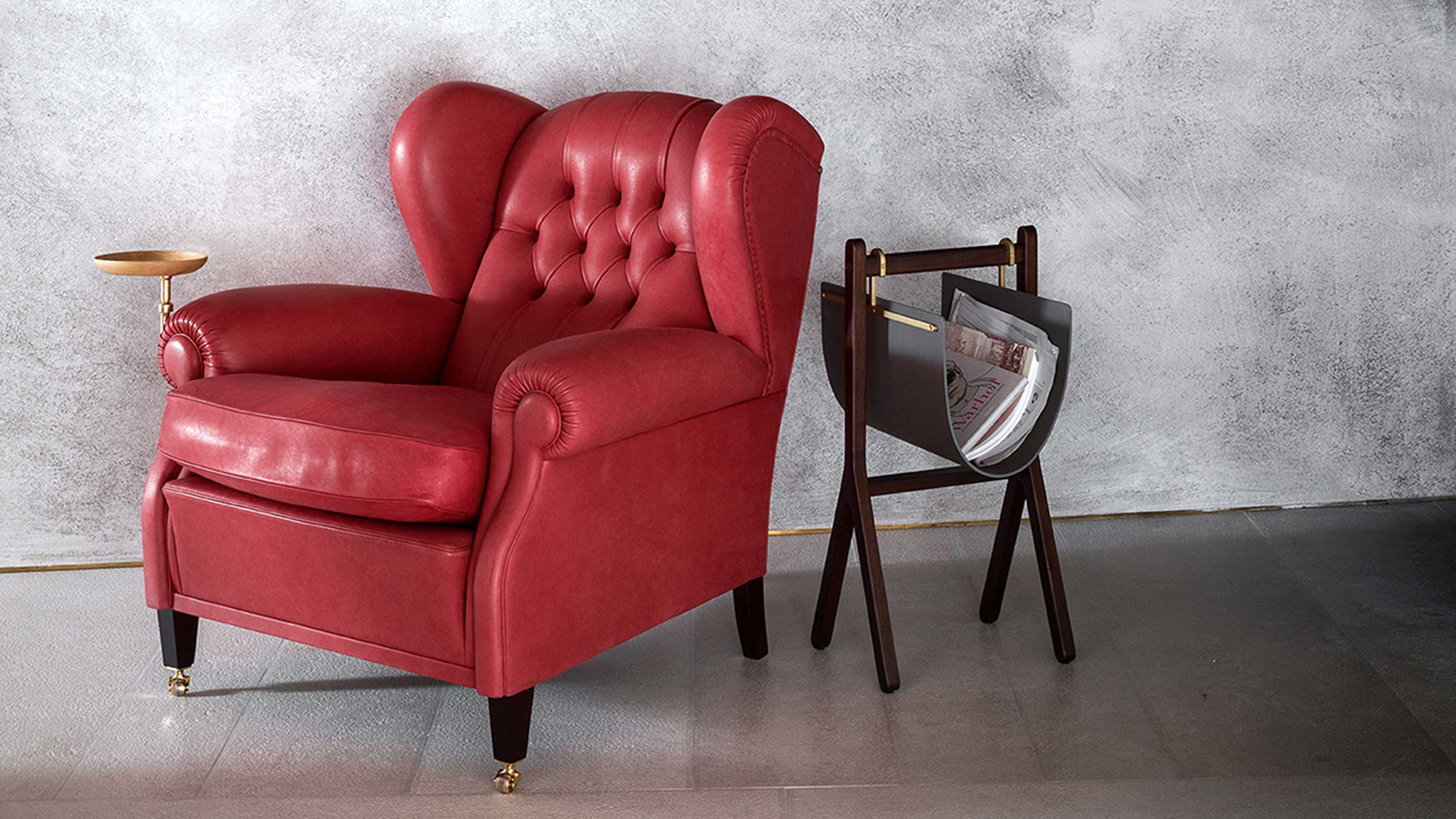
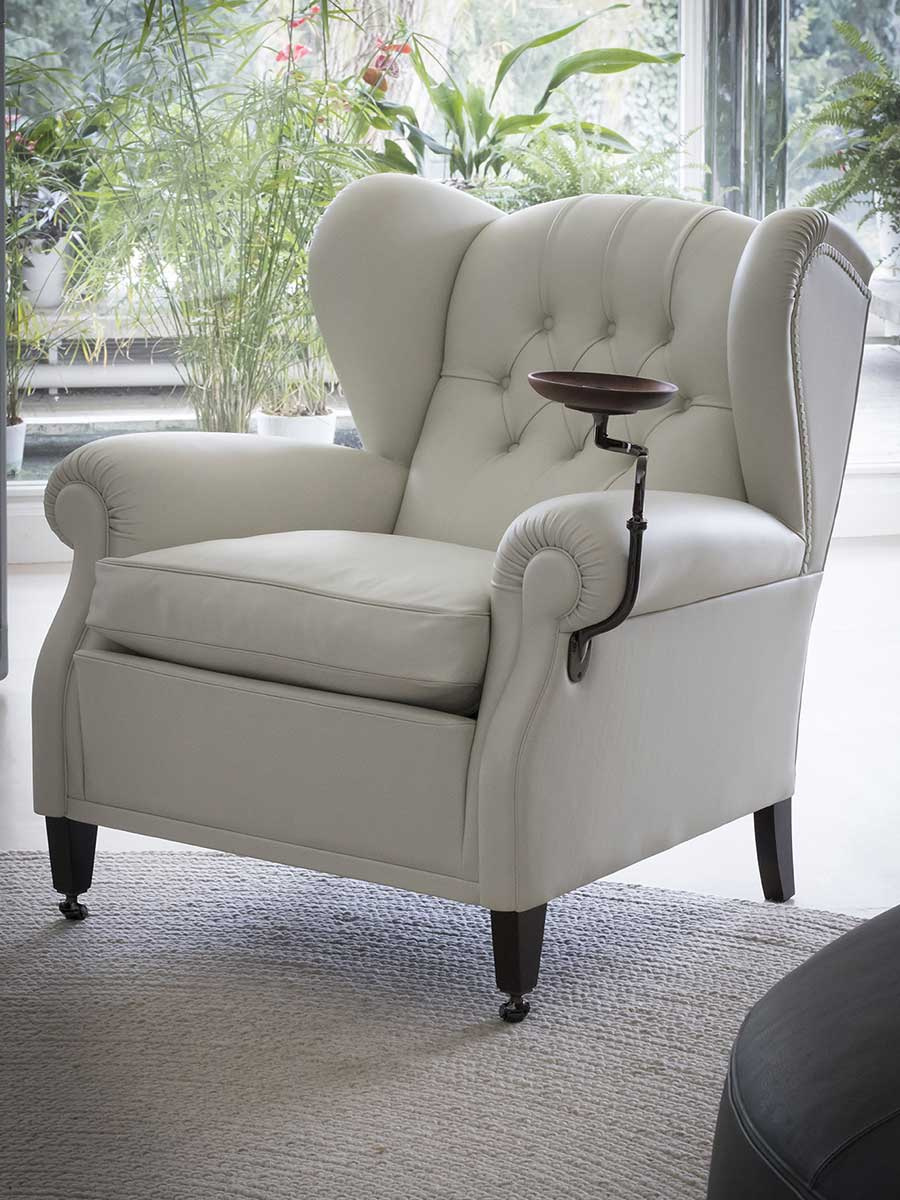
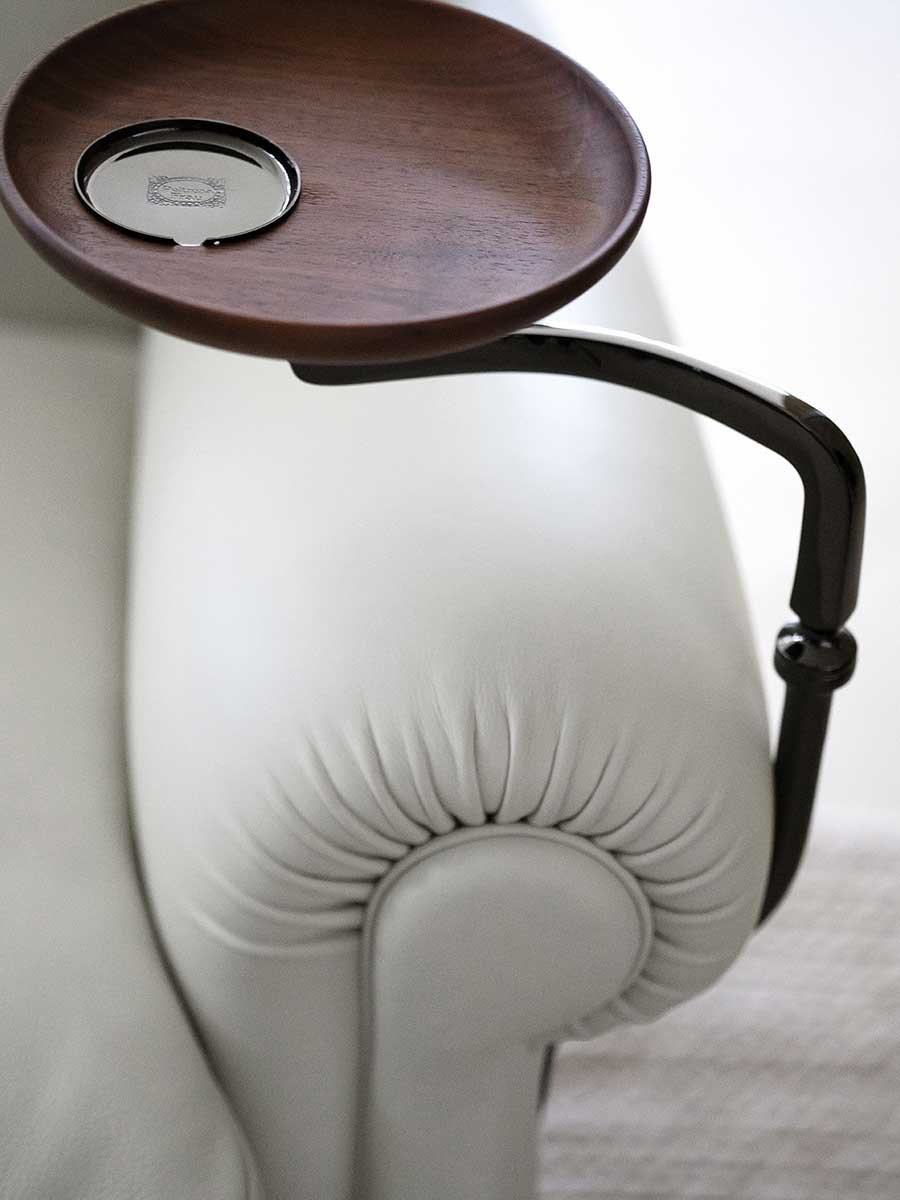
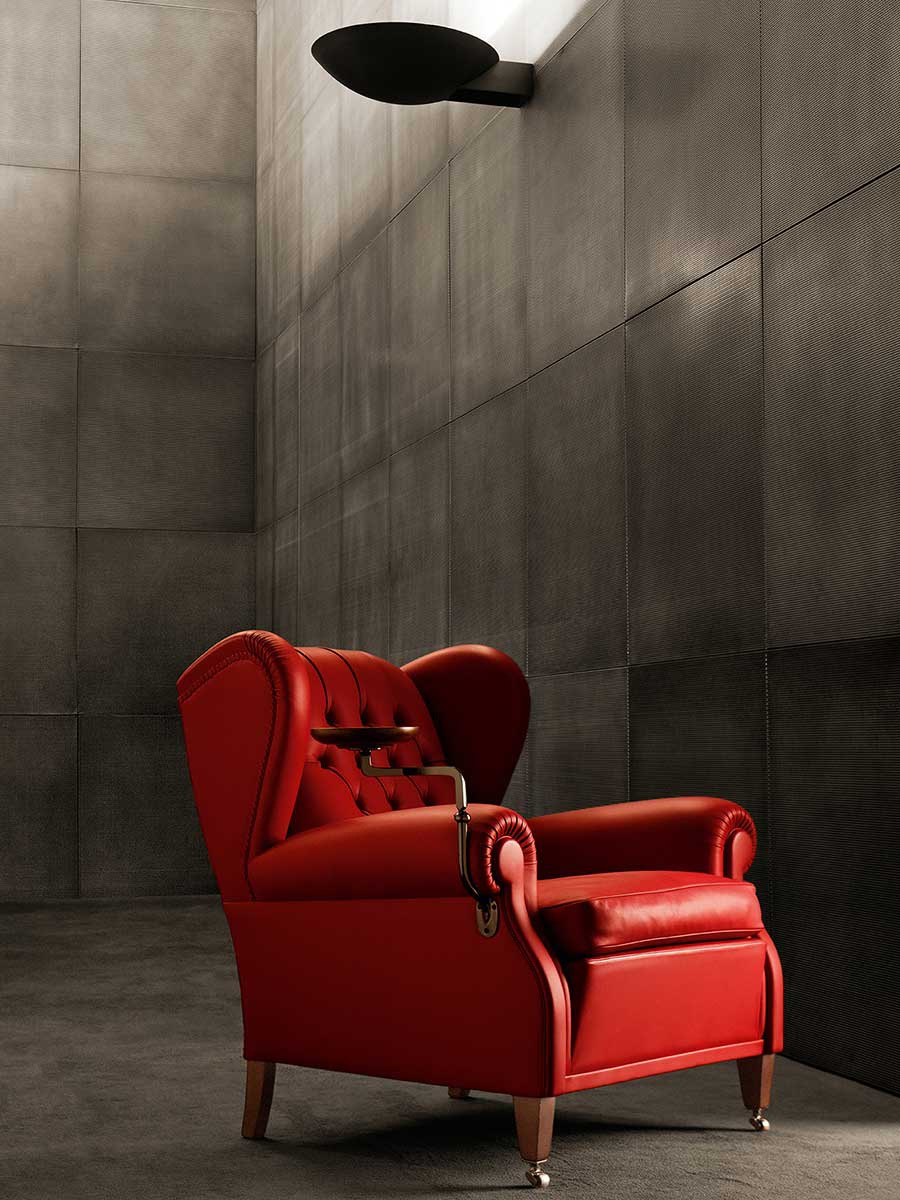
The official images of the 1919 armchair illustrate why identification matters. Poltrona Frau names Renzo Frau as its designer and describes details including a capitonné backrest and an optional arm-mounted bookstand. A recognisable silhouette is helpful, but it should not substitute for identifying the particular piece, version and finish involved in an enquiry.
Begin with whatever reliable records already exist. An order, invoice or previous service correspondence may supply information that a general room photograph cannot. Keep the original document intact and make a separate note of the details being used to identify the object. Where something remains unknown, describe it as unknown rather than filling the gap with a similar current product listing.
Photograph for understanding
A photograph made for a service enquiry has a different purpose from an atmospheric interior image. The person receiving it needs to understand the object as a whole and then see the area being discussed. A sequence that moves from the room to the complete piece and then the relevant detail is often easier to interpret than a single tight close-up.
This is an editorial proposal for organising an enquiry, not the manufacturer’s complete photographic protocol. Ask the service channel if it needs particular views. Photograph the identifying label only where it can be reached without risk, and do not dismantle the piece to obtain an image. The relevant professionals can explain what further examination is appropriate.
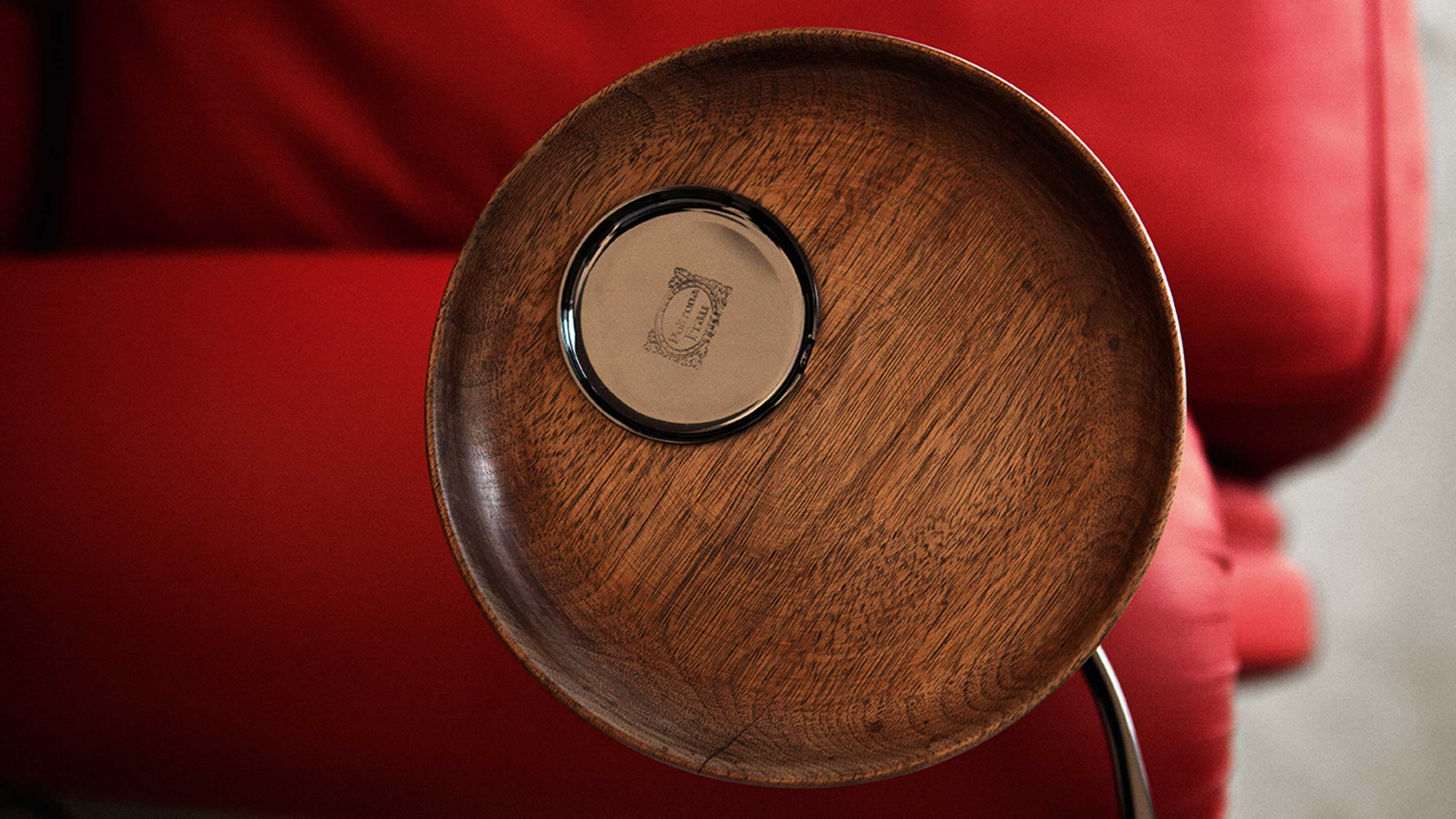
Keep the pictures connected to short descriptions. State which part is shown and what prompted the enquiry. A photograph of the arm, back or base is more useful when its relationship to the whole piece remains clear. Avoid using a current catalogue image as evidence of the condition of the object at home; it can only illustrate the model or feature being discussed.
Separate a concern from a diagnosis
An owner can describe what they have noticed without deciding why it happened. Explain the visible change, where it occurs and when it was first observed, if known. Record any relevant previous work or treatment accurately. The purpose is to supply the specialist with a dependable account, rather than an unverified explanation that may direct the conversation too early.
The request should also distinguish the concern from the desired outcome. A repair enquiry, a question about cleaning and a wish to change the appearance of a piece are different starting points. The appropriate response may depend on the object and its current state. No repairability, colour match or availability of a replacement material should be assumed from the present product catalogue.
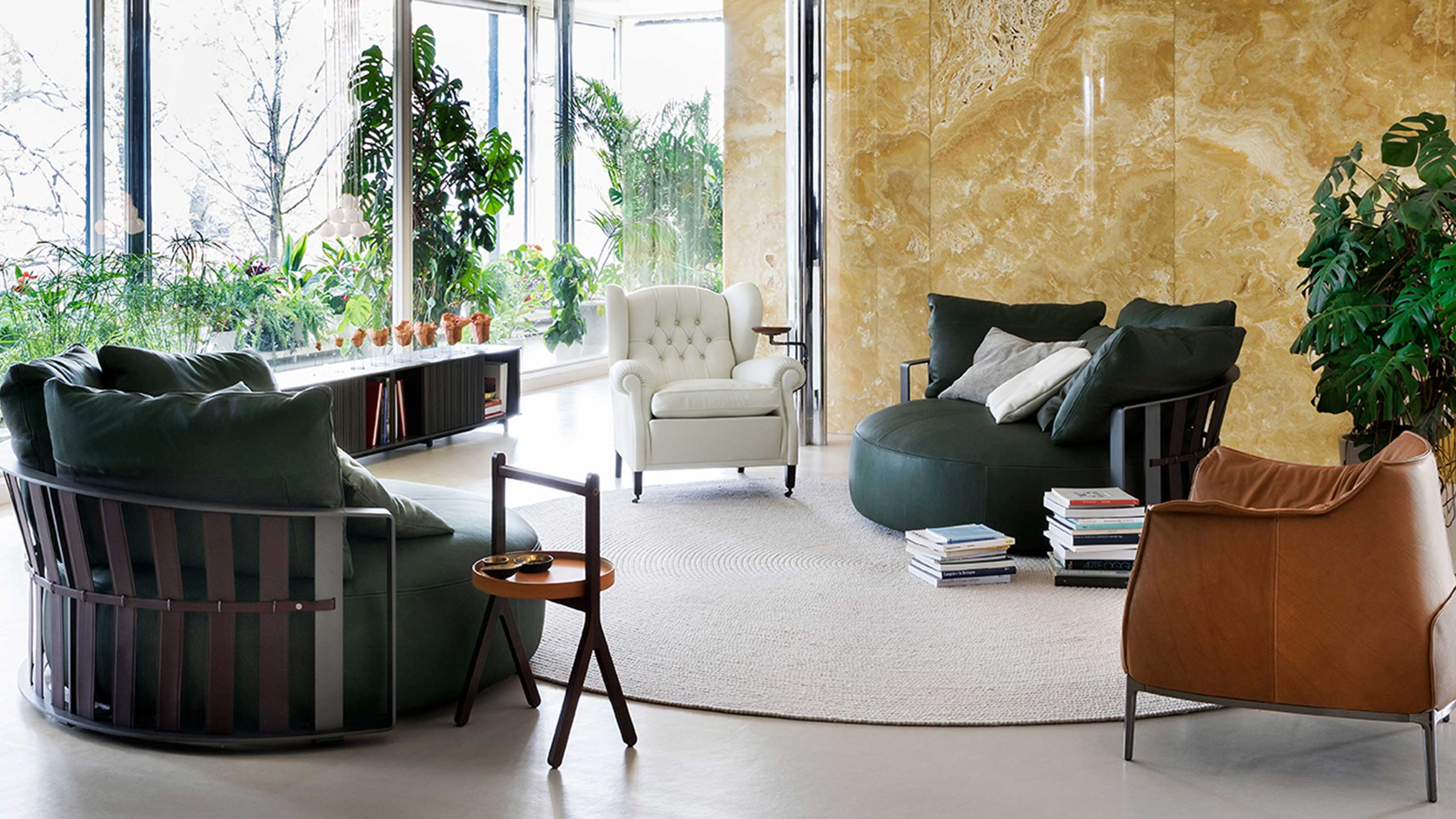
Be equally clear about uncertainty. A remembered purchase date is not the same as a dated invoice, and an unidentified previous treatment should not be described as the maker’s own work. A concise, candid account gives the authorised service channel a firmer basis for deciding what information or inspection is needed next.
Explain what you want to preserve
Before discussing a change to an older piece, decide which aspects of it matter to you. It may be the appearance of the leather, the relationship with another piece, a family association or a particular detail. These are the owner’s priorities for a conversation, rather than instructions to perform a particular intervention.
The 1919 imagery offers a useful visual exercise. A frontal view emphasises the backrest and arms; a side view makes the silhouette and optional support more legible. Looking around the object helps an owner describe the features they care about. The current images remain catalogue illustrations, not examples of a successful restoration or a promise about how another chair can be treated.
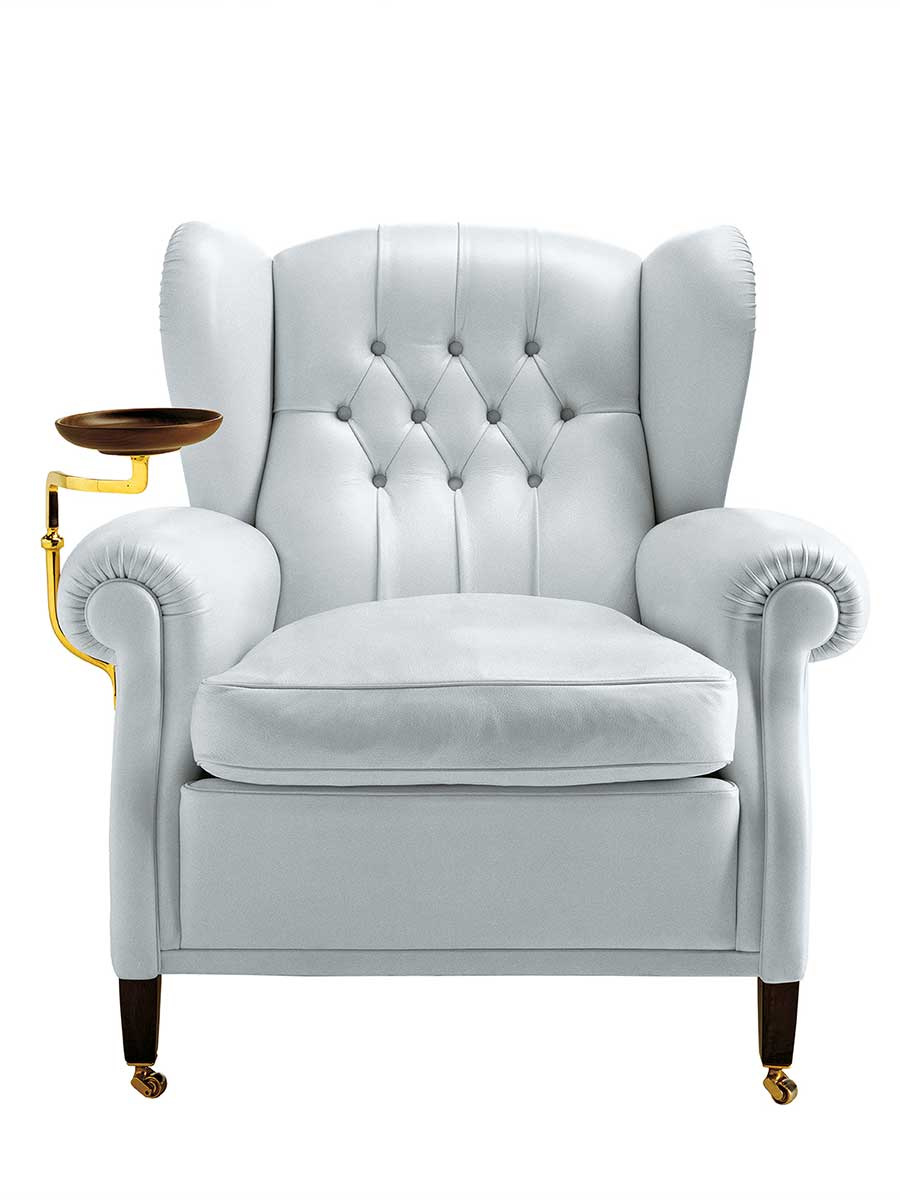
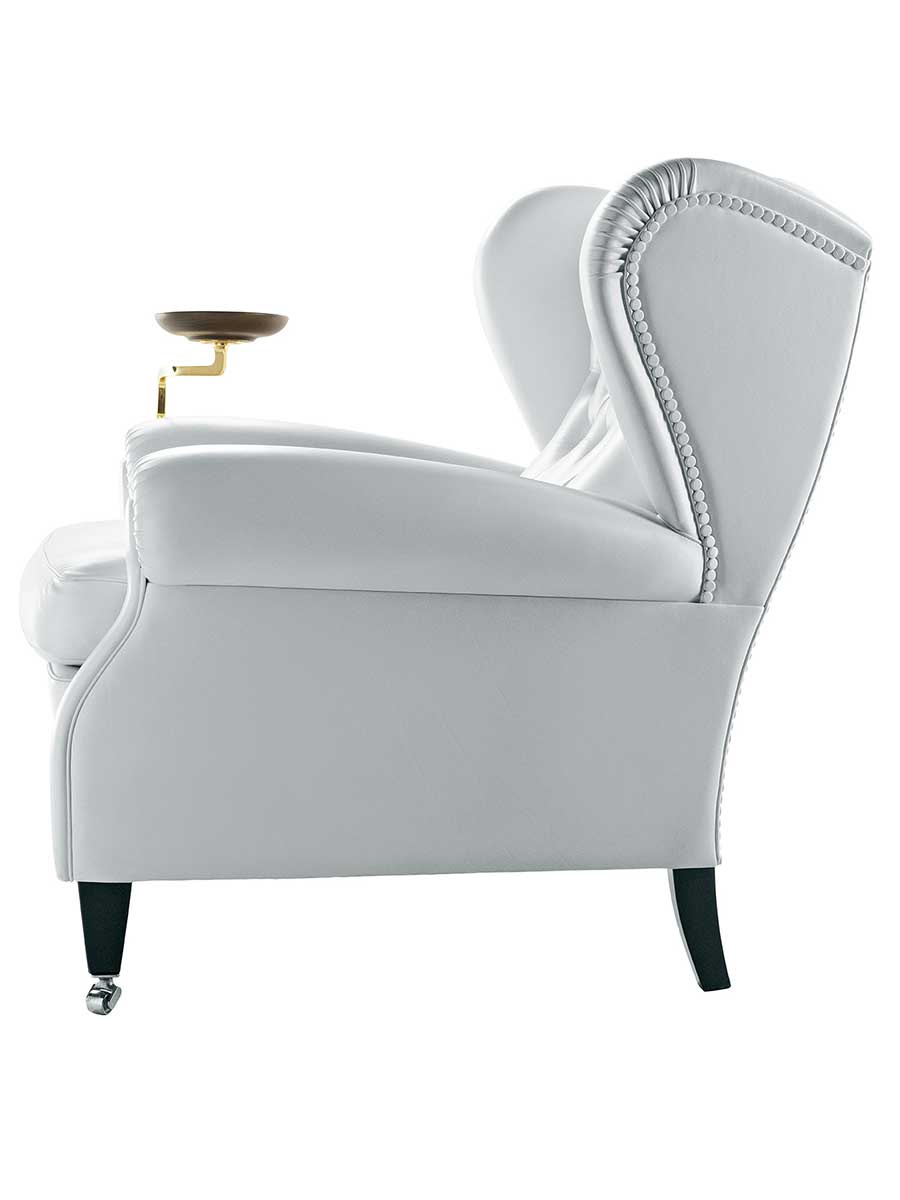
Ask the service provider to explain the options for the actual piece and the implications of each proposed intervention. If the wish is primarily aesthetic, make that explicit. If retaining as much existing material as possible is the priority, say so. A clear objective helps the discussion stay focused while leaving the professional assessment with the people examining the object.
Establish a usable service route
Poltrona Frau’s FAQ directs owners towards product-specific care instructions or customer service for maintenance information. It also identifies an assistance route for repair and possible new coverings. The fact that a route exists does not establish the outcome for an individual object. The useful next step is an enquiry with enough identity and context to be assessed.
Ask which information should accompany the request and who will coordinate the response. If the piece was acquired through a designer or has changed ownership, explain the records available rather than assuming that the original purchasing relationship can be reconstructed. Keep the enquiry, photographs and replies together so that the same object does not acquire several inconsistent descriptions.
Where a proposal is made, retain its exact scope and any stated exclusions. Clarify arrangements for examination, transport or further communication through the service provider. This guide does not interpret warranty coverage or prescribe the handling of a valuable piece. Those questions depend on the relevant terms, the actual object and the responsible professionals.
A dossier that stays useful
| Part of the record | What the owner can supply | What remains for the service channel |
|---|---|---|
| Identity | Available order information and a safely accessible label | Confirm the particular model and version |
| Whole object | Clear views of the piece and its context | Request further views or examination |
| Concern | A dated description of the observed change | Assess cause, condition and appropriate options |
| Priorities | Features or existing material the owner hopes to retain | Explain the implications of proposed work |
| Outcome | The agreed scope and subsequent correspondence | Document the work actually undertaken |
Keep the dossier after the immediate enquiry has been resolved. A future question should begin with the object’s accumulated record, not with a search for whichever photograph happens to be on a phone. Preserve the distinction between a proposal, an approval and work that has actually been completed.
The same approach remains useful if no intervention is recommended. Retain the response and the context in which it was given. An ownership record should describe what is known, including a decision to seek further examination or leave the piece as it is. It should not turn an unanswered request into an assumed professional endorsement.
The Luxe Digital view
Care begins with a clear account of the object in front of you. An assistance dossier does not replace expertise; it helps the owner and the specialist begin with the same piece, the same observations and a more precise objective.
The most durable record connects identity, condition enquiries and the work eventually undertaken without blurring them. For furniture intended to remain part of a home over time, that clarity is a quiet form of continuity. It gives the next conversation a better starting point, whether it concerns maintenance, an intervention or simply understanding what has been kept.
Care begins with a clear account of the object in front of you.
Sources & credits
Sources and methodology
Independent ownership and reference analysis of the named official records and imagery, checked on 15 October 2026. Launch specifications and later product records retain their own dates and references. Images show the identified configurations. Original visual and commissioning analysis of the exact official product/project records and identified images. No visit, interview, comfort test or performance measurement claimed. Existing projects retain their dates; product versions, showroom photographs, sample images and official visualisations are identified separately.