A collection becomes easier to live with when its records are as considered as its display. The useful inventory connects each object to the documents, photographs and people that explain it. Its first achievement is modest and valuable: when someone asks a precise question, the owner can find a precise answer.

Begin with the object, not the spreadsheet
A pair of earrings, a painting and a watch do not need identical descriptions. They do need identities that remain stable when a room changes, a new adviser joins or an old photograph is replaced. Give each object a collection reference that belongs to the record rather than its current location. Keep the original maker’s identifiers in separate fields, transcribed carefully and photographed where appropriate.
ICOM’s Object ID standard provides a useful starting point for documenting cultural objects. Its checklist includes photographs and descriptive information. That is an identification framework, not a declaration of title, authenticity or financial value. Our proposed private inventory builds around that distinction: a good record makes evidence retrievable without pretending that every attachment proves every claim.
Start with a small, deliberately varied group. Choose an object with a certificate, one with an incomplete history, one that travels and one whose description is easily confused with another. Those four records will expose more practical weaknesses than importing hundreds of titles at once. Record the unresolved questions as questions, with a named person responsible for pursuing them. An empty field is more honest than a polished assumption.
Photograph for recognition and for reference
A beautiful image answers one question: what does this object look like? A useful record may need other views. Separate a complete identification photograph from details of marks, inscriptions, components and packaging. Keep the date, photographer and relationship between images clear. An image of the front should not silently stand in for a view of the reverse.
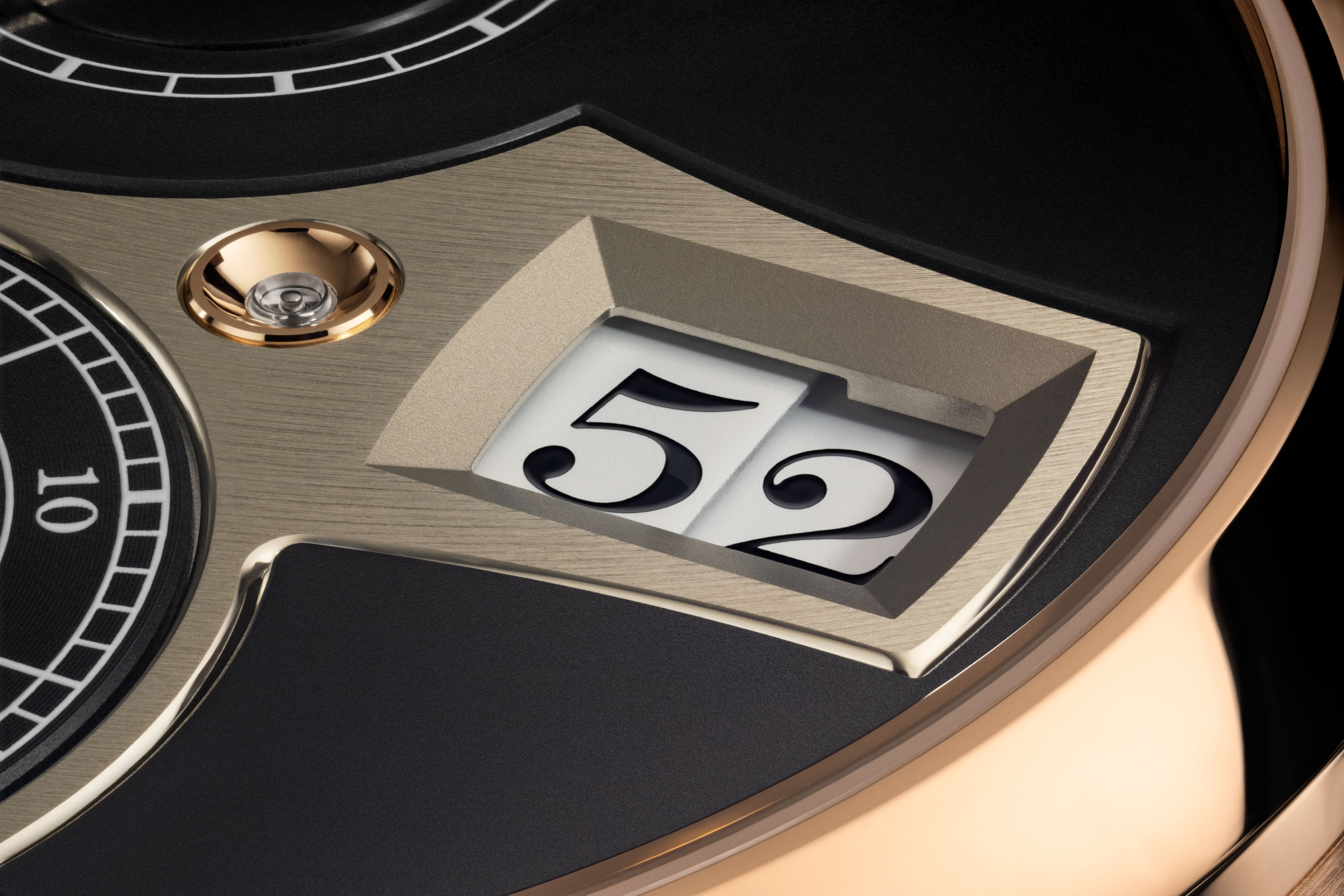
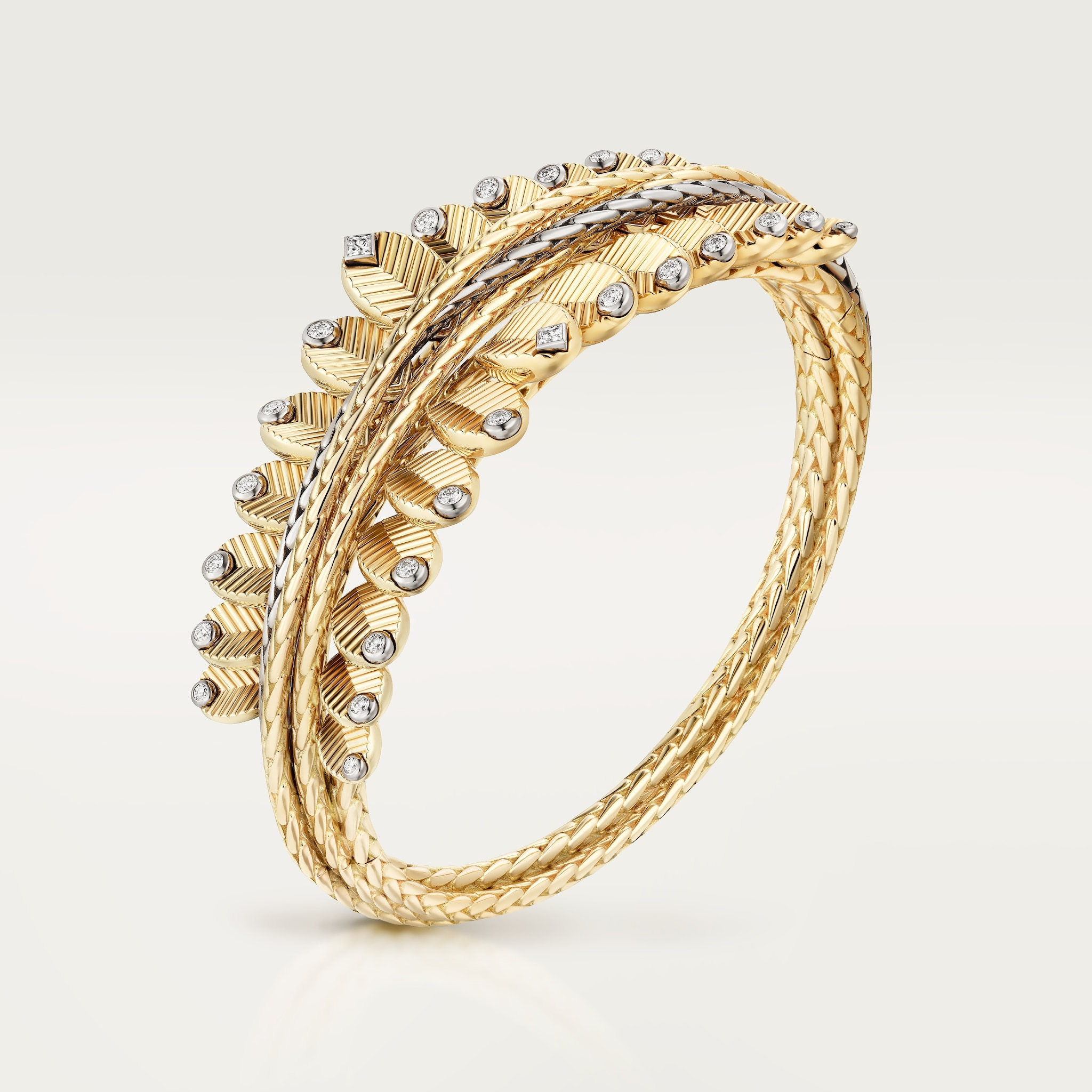
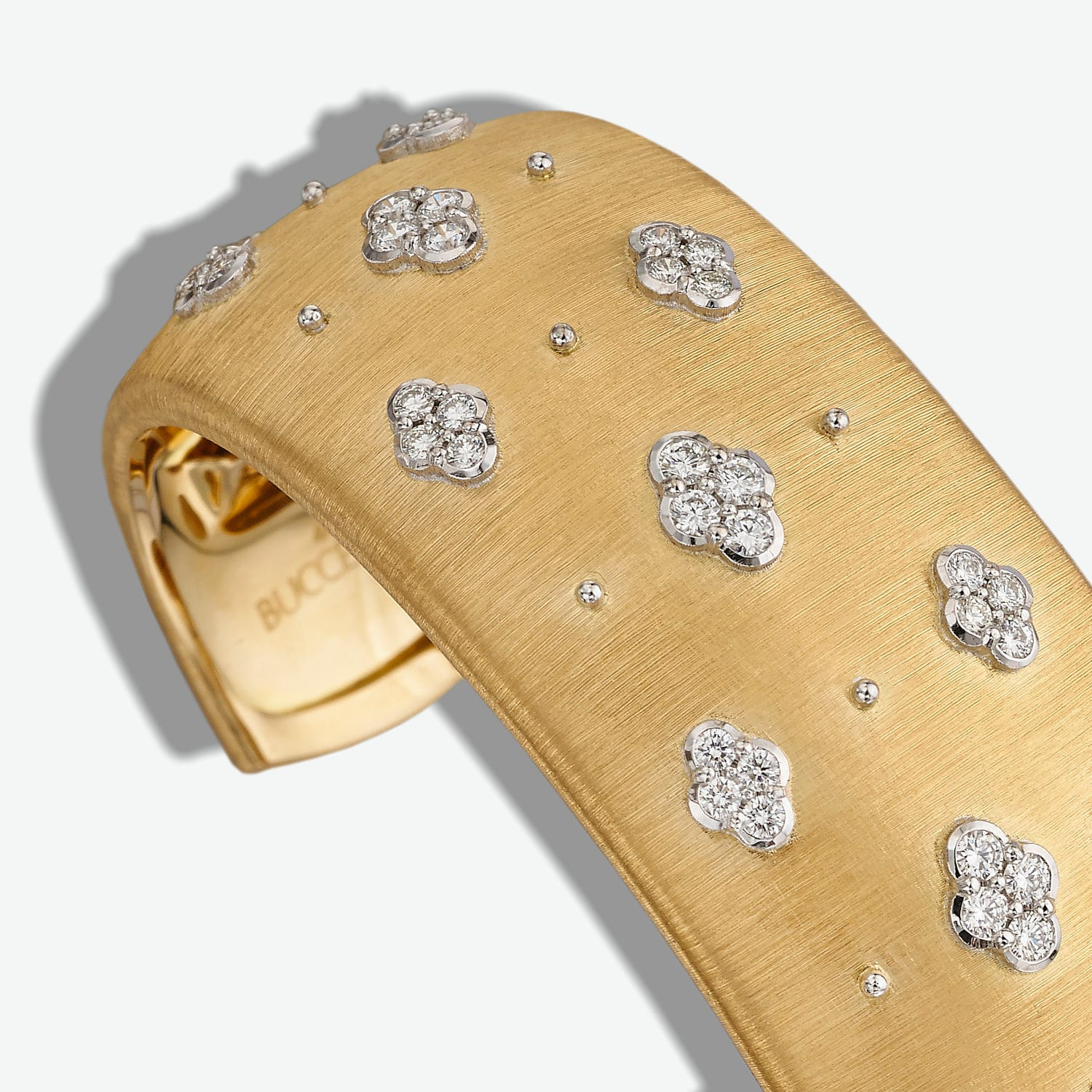
The jewellery and watch photographs accompanying this guide are named official illustrations. They show why scale, surfaces and configuration deserve separate attention; they are not condition records of a privately examined collection. For an actual inventory, commission the views appropriate to the material and ask the relevant specialist how to obtain them safely. Photographing an object should not require an owner to dismantle it or disturb a fragile mounting.
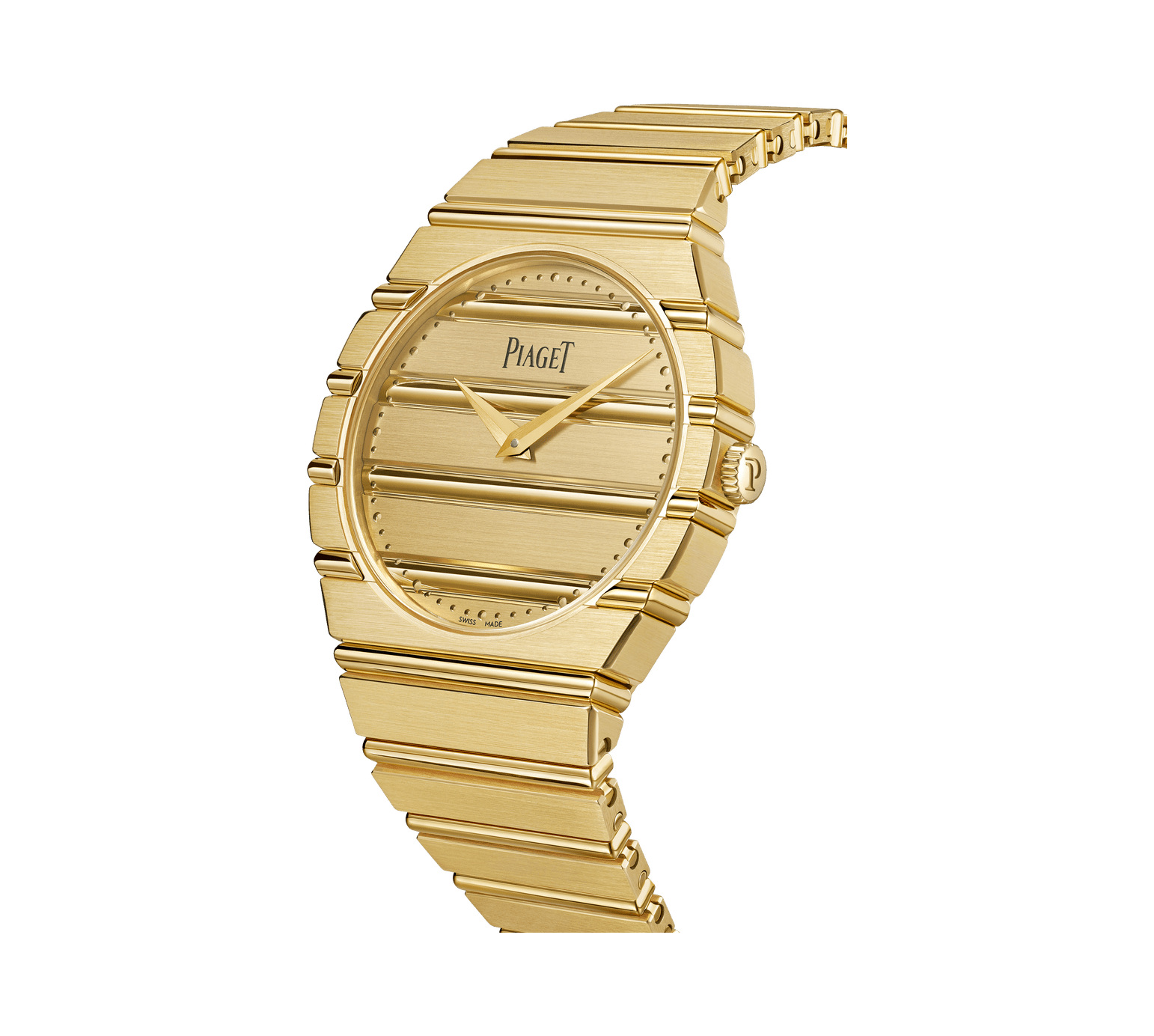
Preserve a full-resolution master and generate convenient viewing copies. Meaningful filenames help, but the image should also be attached to the correct object record. If a document refers to several objects, record that relationship explicitly. A single photograph of a suite is useful context; it does not replace individual identification when pieces can move separately.
Give documents different jobs
An invoice, a maker’s certificate, a previous sale description and a service receipt contribute different information. Store the original files with their issuer and date. Then describe what each supports. A later description should not overwrite an earlier document merely because it uses a more attractive attribution. Conflicting records belong together, with the conflict visible.
Artlogic’s collector platform provides a commercial example of keeping artwork records and associated documentation together. The purchasing question is broader than whether a system accepts attachments. Ask how an owner can identify the source of an entry, distinguish an old valuation from a current instruction, and retrieve the original document without losing its context. A software demonstration should use your proposed record structure rather than an immaculate sample collection.
Keep legal ownership information distinct from descriptive provenance and from operational custody. The person storing an object may not own it; the person authorised to arrange transport may not be authorised to sell it. The inventory can record those distinctions and the relevant documents. It should not resolve a disputed title through a dropdown selection.
Build the record you will actually maintain
| Record layer | What to keep | What to avoid assuming |
|---|---|---|
| Identity | Stable reference, maker identifiers, precise description | A similar image identifies the exact object |
| Evidence | Original documents, issuer, date and scope | Every certificate proves ownership |
| Location | Current custodian, site and movement history | Location establishes legal title |
| Condition | Dated specialist report and relevant images | A catalogue photograph establishes condition |
| Administration | Responsible person, review date and open questions | A complete-looking file is up to date |
Treat this as an editorial working model, not a universal professional standard. A collection of contemporary paintings will need fields that a group of mechanical watches does not. What should remain consistent is the separation between observation, documentary evidence, professional opinion and an owner’s own notes. That separation makes a record understandable to the next person who must use it.
Design the naming convention before the import, and test a change of location before committing to a platform. Can an assistant move an item operationally without editing its description? Can the owner retrieve the previous location? Can the next adviser understand why a field changed? These are useful questions even when a simple, well-managed folder system is sufficient.
Share a purpose, not an entire collection
Prepare different views for different tasks. A conservator needs a different packet from a prospective lender, a transport company or an insurance intermediary. Decide which fields each recipient requires, how long access should remain open and who approves the disclosure. The aim is to provide enough information to do the work without circulating a complete map of possessions and locations by habit.
Before choosing software, ask for a demonstration of export, access removal and the treatment of attached documents. A spreadsheet export may omit the files that give the entries meaning. Request a sample departure package, open it outside the system and check whether another person could reconstruct one complete object record. Keep the commercial proposal separate from the result of that practical exercise.
The simplest maintenance rhythm is tied to events. New acquisition, movement, loan, service and new specialist opinion each prompt a review. Assign someone to make the change and someone to resolve uncertainty. A periodic review then becomes a check on the process rather than an archaeological exercise. The record should be useful while the collection is being enjoyed, not only when something goes wrong.
Test the record with an ordinary request
Before expanding the inventory, give a trusted administrator a simple task using sample information: prepare the documents needed to discuss one object with a specialist. Ask them to identify the latest relevant report, find its images and explain which questions remain open. If the task requires the owner’s memory at every step, improve the record structure before entering more objects.
Then test the reverse journey. A new document arrives with a slightly different object description. Who checks the match, where is the original retained and who approves any change to the main entry? Write down a short procedure that fits the people doing the work. An inventory remains coherent through repeated ordinary decisions, not through an elaborate structure that nobody maintains.
Keep a concise index of the collection’s administrative rules with the records. Explain references, document names, responsible roles and the treatment of unresolved information. Someone joining later should be able to understand those choices without asking why an old spreadsheet used a particular abbreviation. The small investment in explanation is part of preserving the knowledge around the objects.
The Luxe Digital view
The best inventory makes an object easier to understand without reducing it to a row. Its value lies in the connections: between a visible detail and a document, between a movement and a responsible person, between an owner’s knowledge and the next generation’s ability to use it. Begin small, preserve originals and choose a system by the quality of those connections.
The best inventory makes an object easier to understand without reducing it to a row.
Sources & credits
Sources and methodology
Independent editorial analysis of the identified primary records and official imagery, checked on 15 October 2026. Project and product descriptions are attributed to their publishers; commissioning frameworks, hypothetical scenarios and editorial judgements are LuxeDigital’s own analysis. We did not visit, purchase, test or audit the illustrated installations, services, software or passport flows. The scope is general editorial information. It does not establish private ownership, authenticity, condition, insurance cover, personal suitability or a provider’s future performance. Images retain their identified subject and context; illustrative product photographs are not private collection evidence.
Named illustrative studies in the LuxeDigital archive:
- Boucheron Quatre: Four Surfaces, One Graphic Identity.
- A. Lange & Söhne Zeitwerk: The Shape of a Minute.
- Boucheron Histoire de Style 2026: A Portrait in Four Jewels.
- Grain de Café: A Coffee Bean Becomes a Gold Silhouette.
- Piaget Polo 79: The Bracelet Draws the Dial.
- Buccellati Macri: Reading the Lines in Hand-Engraved Gold.