A connected home begins with a description of life inside it. Before selecting a platform, write down what should happen when people arrive, move between rooms, entertain, leave and ask for help. That account becomes the brief against which the technology can be designed and judged.


Describe a day before naming a system
Start with the household rather than the application. Who lives in the home, who visits and who supports it? Which actions should be available without explanation? A second residence may have long intervals without the owner present. A family home may need controls that make sense to several generations. These are proposed briefing considerations, not assumptions about a particular property.
Write three or four ordinary sequences in plain language. Arrival after dark, a quiet morning, an evening with guests and departure provide a useful range. Describe the desired result and the people involved. Let the integrator explain the technical options. A brief that specifies every device too early can make it harder to recognise a simpler solution.
Use the same discipline for exceptions. What should the household do if its preferred application is unavailable? How should a visitor operate essential room functions? Which questions require an electrician, a security professional or another specialist? Ask the team to define these boundaries rather than allowing them to emerge during installation.
Put rooms and people on the same drawing
An interior plan records furniture, circulation and sightlines. Add the proposed positions of controls and the activities they serve. A location that looks discreet on an elevation may be awkward to find when entering with luggage. Discuss reach, labelling and the relationship between a control and the room it changes. Resolve those choices before finishes make them difficult to revisit.
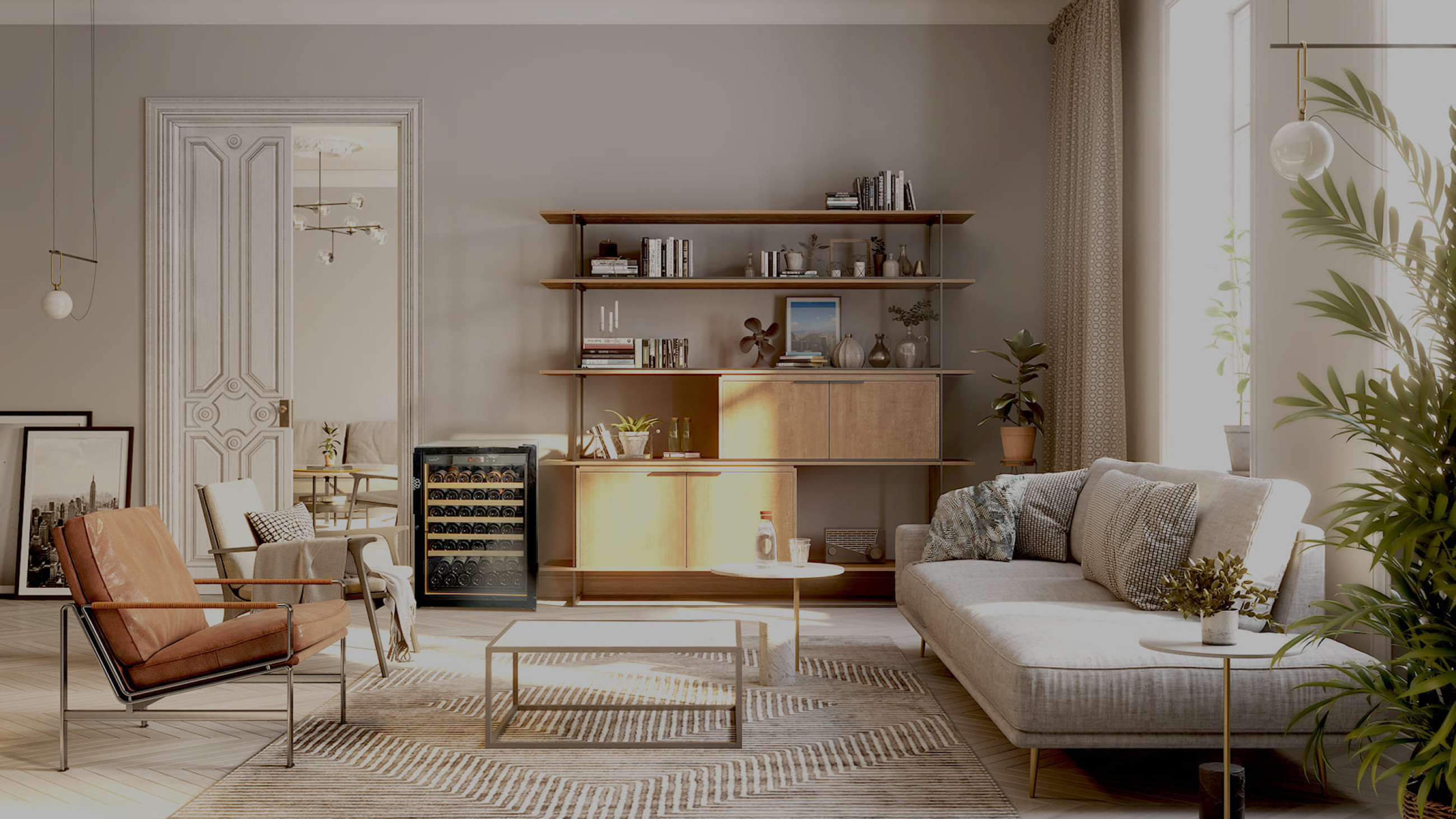
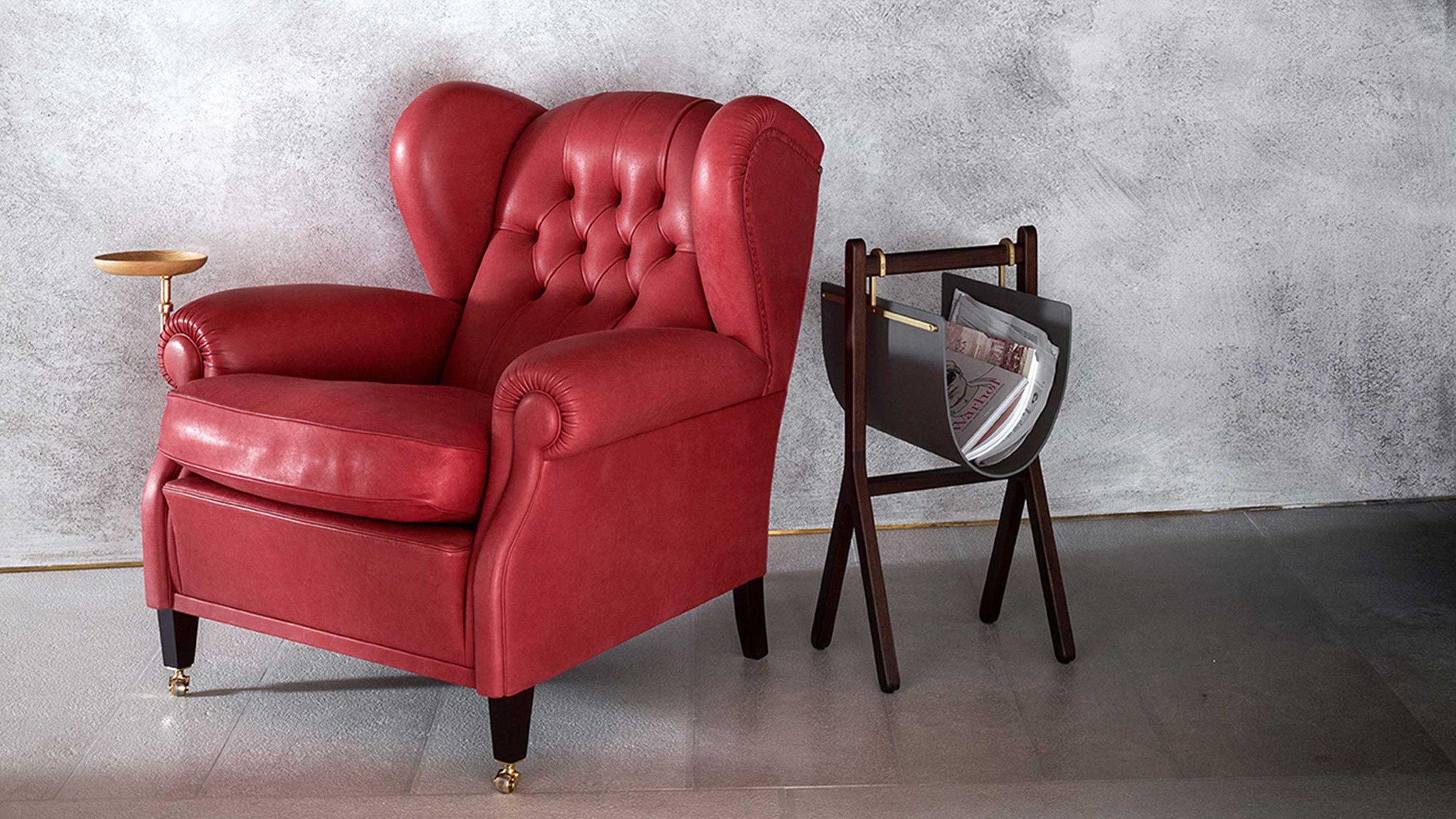
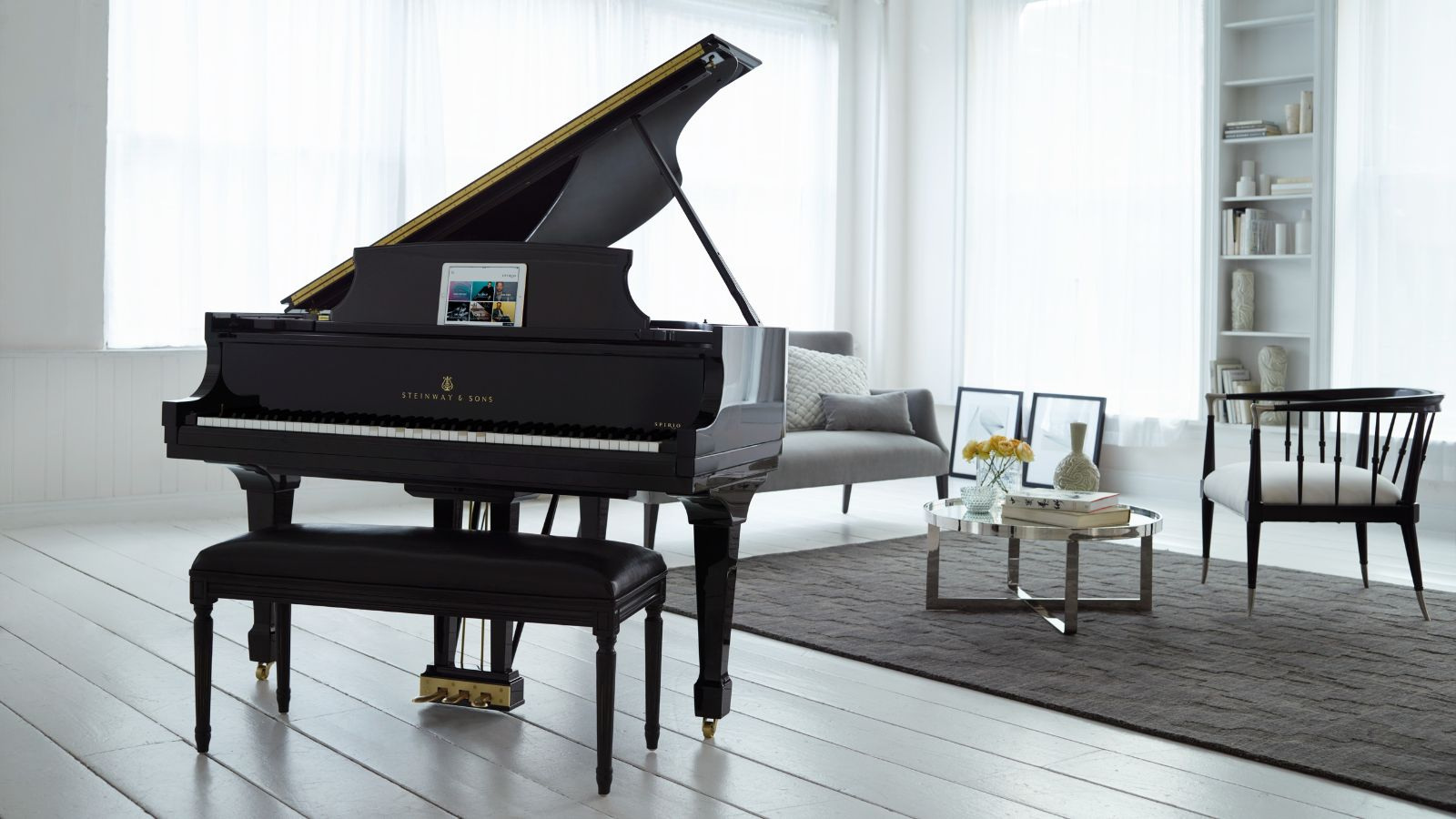
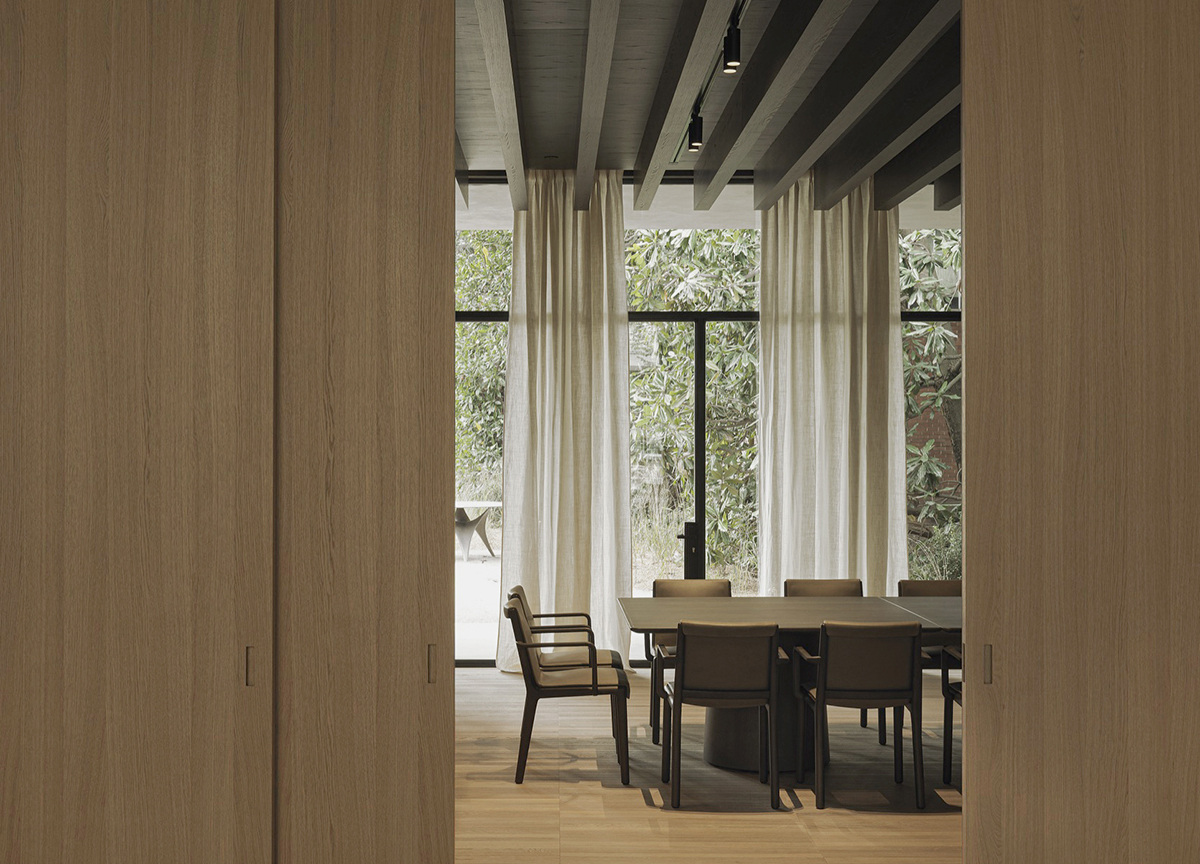
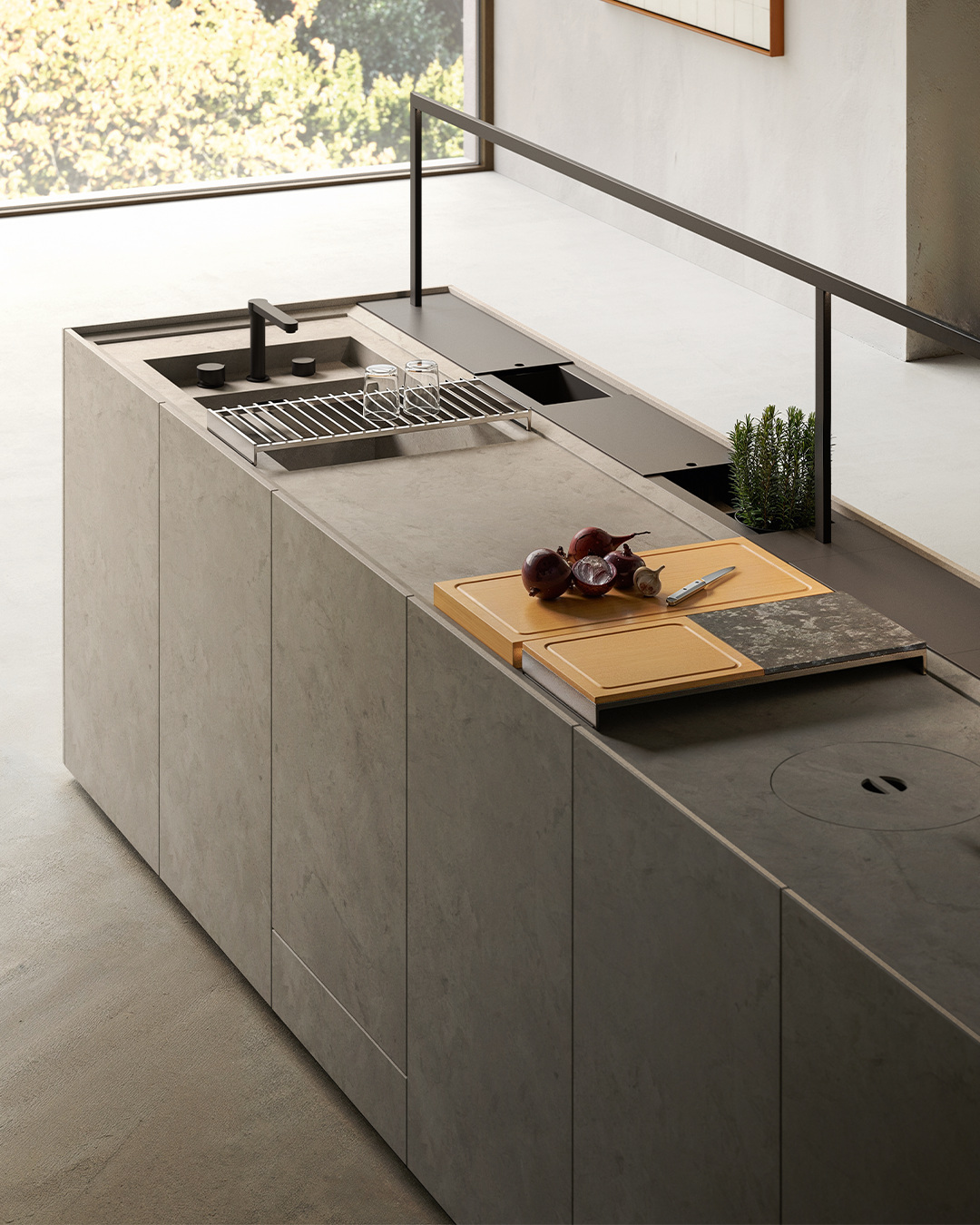
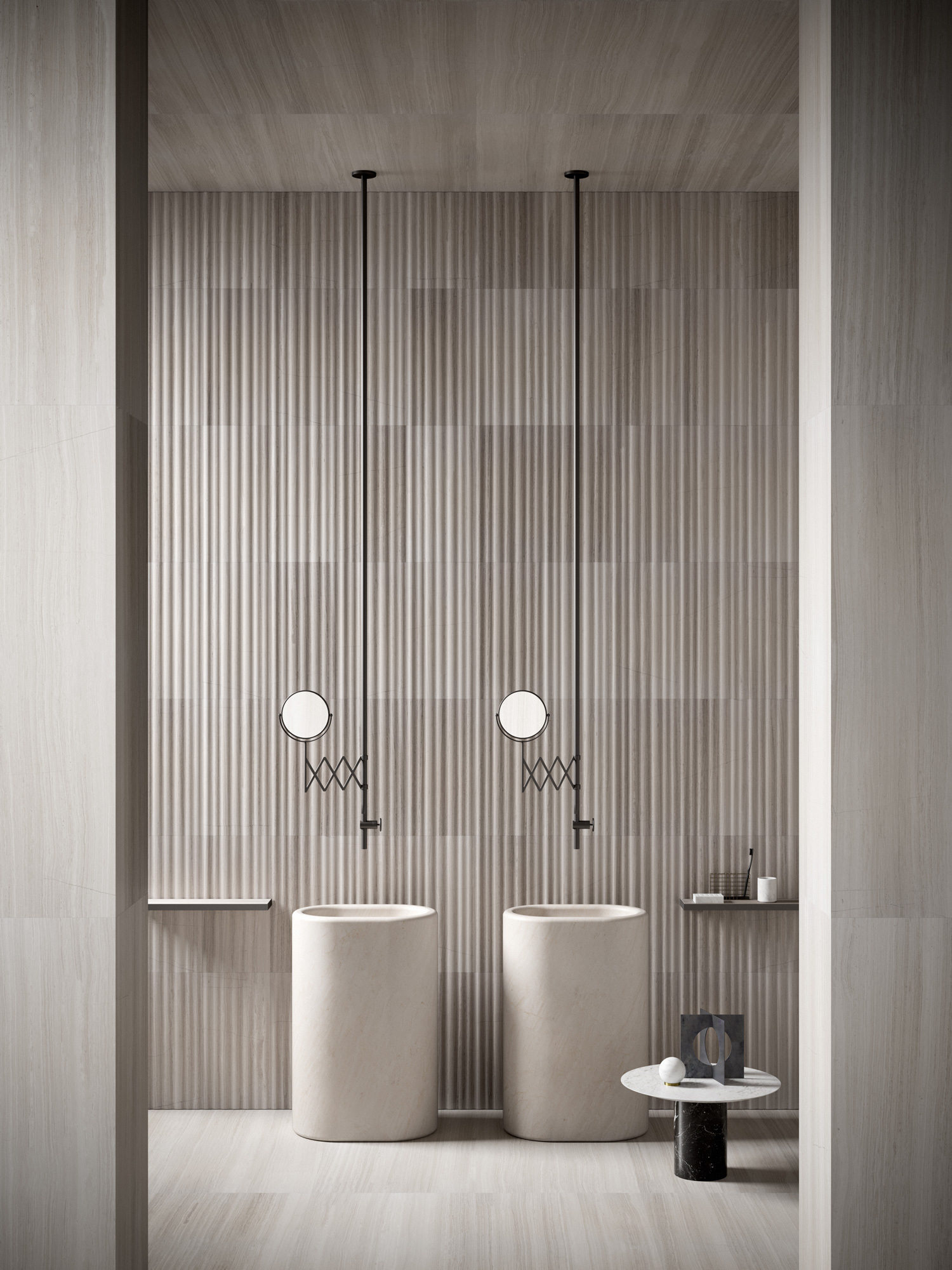
The official design photographs illustrating this guide are identified examples of rooms and material relationships. They are not proof that the illustrated spaces contain a particular control system. Their role is to keep the commissioning conversation rooted in architecture: the light above a table, the edge of a seating area, the view through an opening and the sequence of rooms.

Ask the design team and technology team to review those relationships together. If a screen is part of the brief, consider its inactive state as carefully as its active one. If speakers or sensors affect a surface, settle the intended appearance and the access needed for later work. The owner should see an agreed proposal rather than separate drawings that have never been reconciled.
Treat integration as a defined promise
Crestron’s residential materials describe control across several home functions and an ecosystem of supported products. A purchasing brief should turn that broad proposition into a project-specific list. Ask which exact devices, versions and functions are included, who confirms compatibility and what must be demonstrated before acceptance. The presence of two brand names in a presentation does not define the work between them.
Separate the desired outcome from the mechanism. For example, the owner may want a room prepared for an evening gathering. The supplier should explain which actions are included, which depend on other systems and how the routine can be changed. Record that answer in the project documents so that the installed configuration can be compared with the approved scope.
Discuss the point of responsibility between trades. A network, a lighting installation and an audiovisual system can each have their own specialist. Ask who coordinates the interfaces and who investigates a problem that crosses them. A clear lead contact helps the owner obtain an answer without having to diagnose the cause first.
Make the brief testable
| Brief item | Describe the intended result | Ask the supplier to demonstrate |
|---|---|---|
| Arrival | The household can enter and use the agreed rooms | The actual controls and routine |
| Everyday adjustment | Common changes require a clear action | Labels, response and available alternatives |
| Guests | Visitors can use agreed functions | A limited, understandable route |
| Departure | The agreed household sequence is completed | Included actions and exclusions |
| Support | The owner knows how to obtain help | Contacts, scope and escalation |
This is an editorial structure for a conversation, not a technical safety or installation specification. The appointed professionals must determine what is suitable for the building and systems concerned. Its purpose is to make expectations observable and prevent a feature list from becoming the only definition of completion.
Agree who witnesses acceptance and how outstanding items are recorded. A room can look finished while a routine remains unresolved. Keep those two states separate. Ask for a written list with a responsible party and a route to closure. The final demonstration should use the configuration that will remain in the home, not a temporary presentation setup.
Budget for the relationship after installation
Ask what the proposal includes after handover. Is there an agreed adjustment period? How are later changes priced? Who holds the project documentation, and what will another authorised provider need to understand the installation? Record the answers before choosing a system. The practical quality of ownership depends partly on these less visible arrangements.
Request a realistic example of a future change. A television may be replaced, a room may change use or a new household member may need access. Ask the supplier to explain the process rather than promising universal future compatibility. The useful commitment is a clear method for assessing and implementing change, with the limits of the original scope understood.
Keep access responsibilities explicit. Identify which accounts the owner controls, which are administered by a service provider and how permissions change when people leave. Sensitive details belong in a secure handover, not a magazine article or a publicly circulated project sheet. The brief should specify that a suitable arrangement is required without embedding private credentials in ordinary documentation.
Keep complexity proportional to use
Review each proposed routine against a real need. A function that exists mainly to impress during a demonstration may be less useful than a straightforward control the household uses every day. Ask what can be simplified, what requires continuing administration and what the owner is expected to learn. Sophistication should be reflected in a considered experience, not an ever-expanding list of dependencies.
A short, accurate brief can be more demanding than a long product schedule because it asks the team to connect equipment with outcomes. Revisit it when the household changes. Keep the current version with the project records, and preserve earlier decisions that explain the installation. This makes the next conversation about a room or system much easier to begin.
Give the proposal a stable version
Record the date and version of the brief supplied to each bidder. If a room or requirement changes during the process, send the same clarification to the relevant parties and ask how it affects their proposal. Otherwise, apparently competing prices may be answering different questions. A controlled brief makes comparison more useful without requiring the owner to become an installation specialist.
Keep preferences separate from requirements that another professional must assess. The owner can describe the desired appearance and use; the appointed team must explain feasibility, constraints and dependencies. Preserve those answers with the proposal. When a choice is made, record the reason in a sentence that the next project participant can understand. That modest history helps prevent settled decisions being reopened without their context.
The Luxe Digital view
The strongest connected-home brief describes people, places and ordinary actions with precision. It gives the integrator freedom to propose a solution and gives the owner a clear basis for judging it. Begin with the life of the house, and make every technical promise answer to that brief.
The strongest connected-home brief describes people, places and ordinary actions with precision.
Sources & credits
Sources and methodology
Independent editorial analysis of the identified primary records and official imagery, checked on 15 October 2026. Project and product descriptions are attributed to their publishers; commissioning frameworks, hypothetical scenarios and editorial judgements are LuxeDigital’s own analysis. We did not visit, purchase, test or audit the illustrated installations, services, software or passport flows. The scope is general editorial information. It does not establish private ownership, authenticity, condition, insurance cover, personal suitability or a provider’s future performance. Images retain their identified subject and context; illustrative product photographs are not private collection evidence.
Named illustrative studies in the LuxeDigital archive:
- Molteni&C Pavilion: A Courtyard Becomes a Room.
- Boffi Combine Evolution: The Kitchen Finds a Social Edge.
- Rimadesio Modulor: When the Wall Becomes the Interior.
- Saint-Germain: The Curve as a Room-Planning Tool.
- Flos IC Lights: The Space Around a Sphere.
- Living Tokyo: The Room Written in Stone and Shadow.