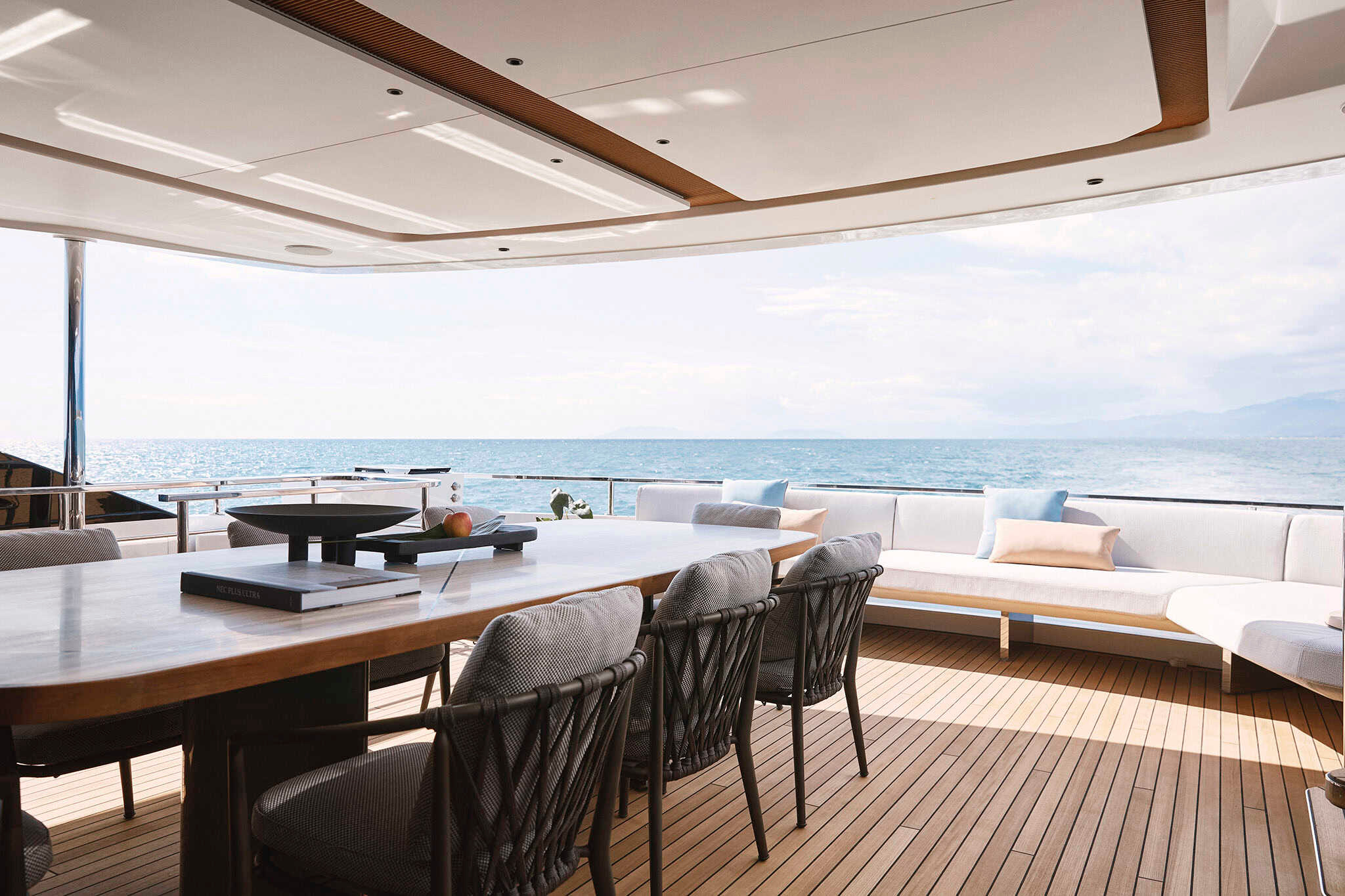
A useful yacht charter brief begins with a day, not a model name. Describe where the party expects to gather, how much time it wants on the water, which meals matter and what privacy should mean aboard. The photographs can then help translate those preferences into spaces. Without that first account, a beautiful gallery risks becoming a sequence of attractions with no clear relationship to the trip.
Write the day before choosing the vessel
Begin with a simple sequence. Where would the party like to have breakfast? Is the afternoon chiefly about swimming, reading, visiting a place ashore or spending time together aboard? Should the evening centre on one shared table, or does the group want several settings available at the same time? The answers help establish what the yacht is being asked to support.
This is a planning exercise rather than an itinerary guarantee. It creates a useful conversation with the broker, owner representative and crew. Conditions, permissions and operational decisions belong to the actual trip and its professionals. The brief should communicate preferences clearly enough for those people to explain what is realistic, what needs confirmation and where an alternative would be better.
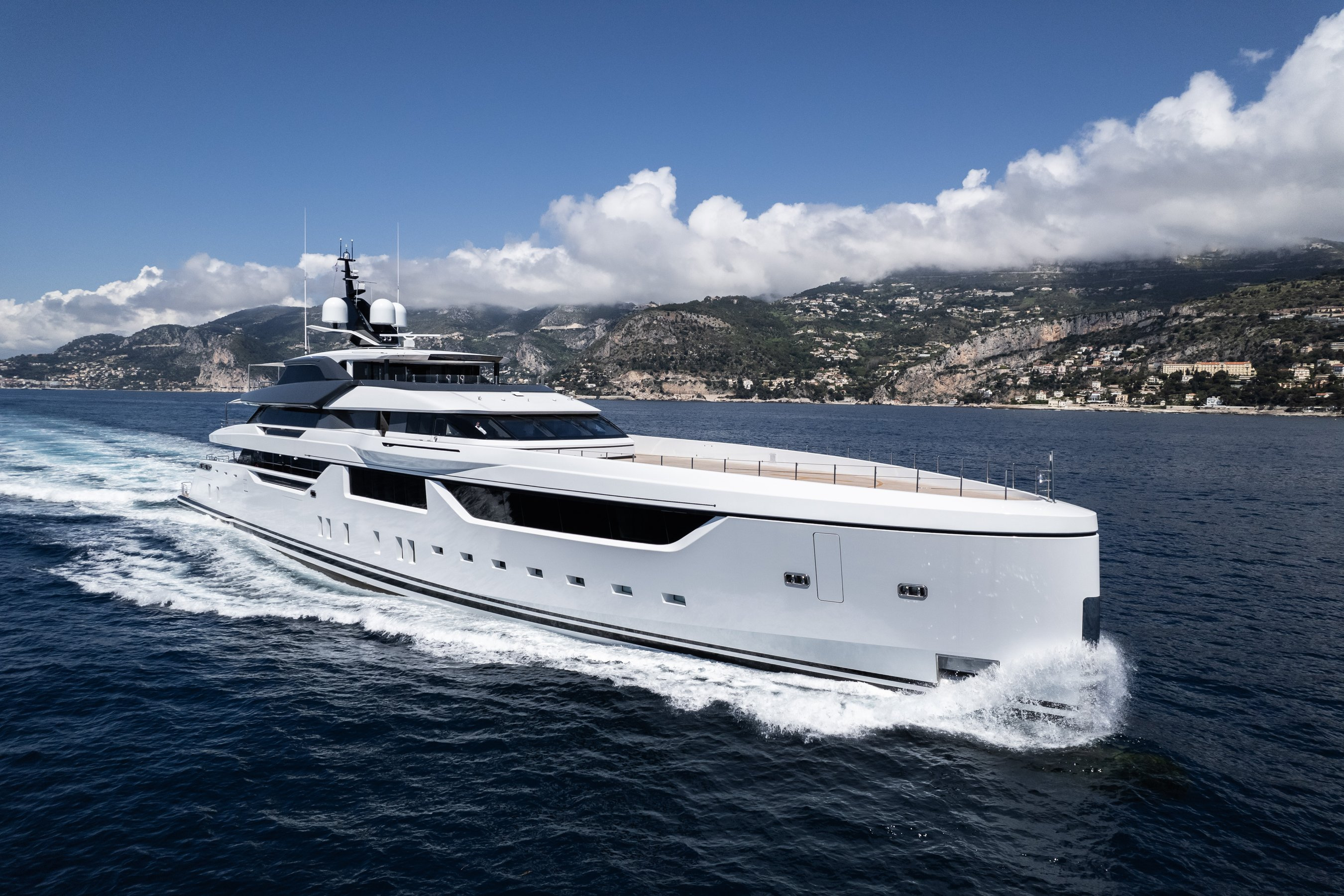
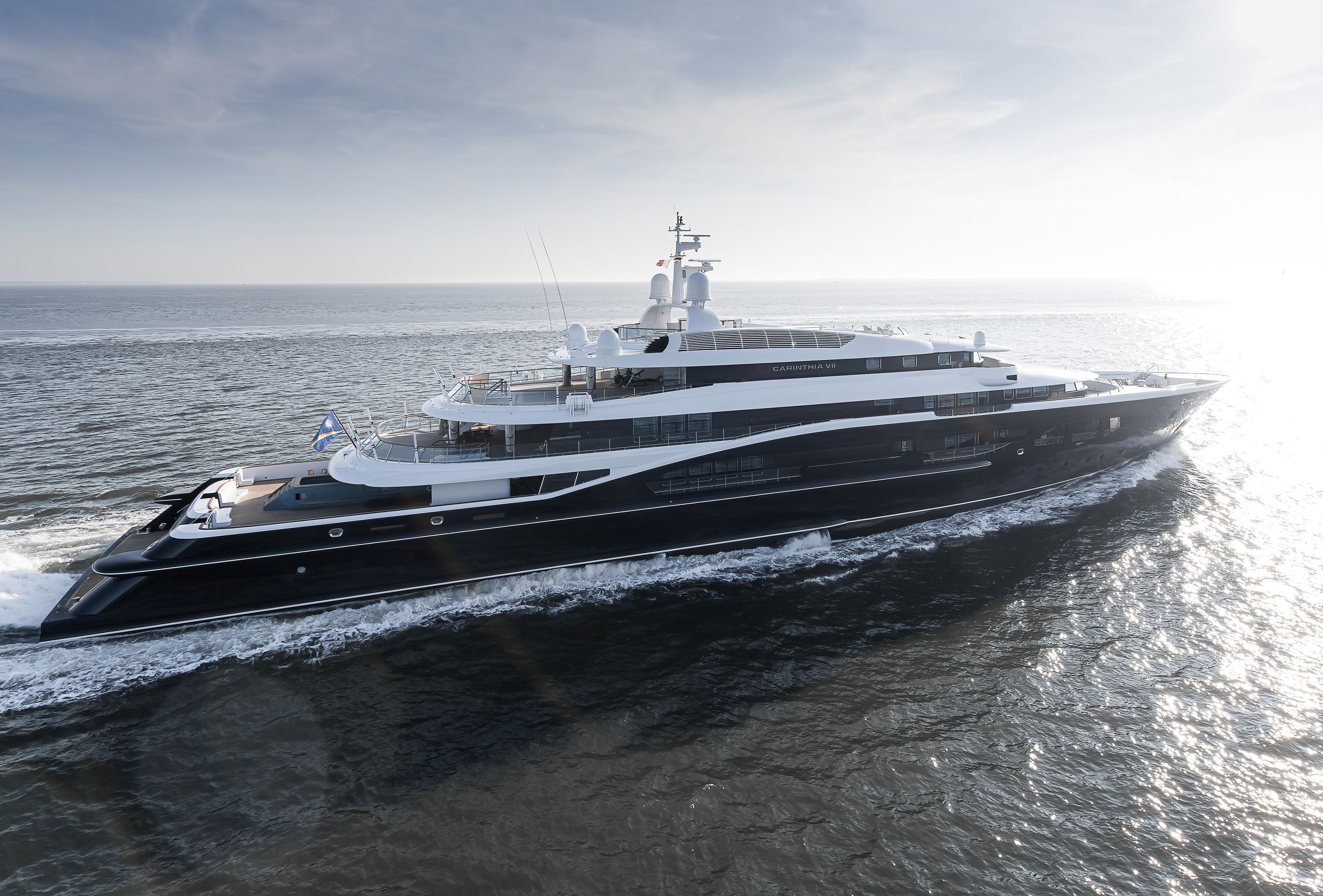
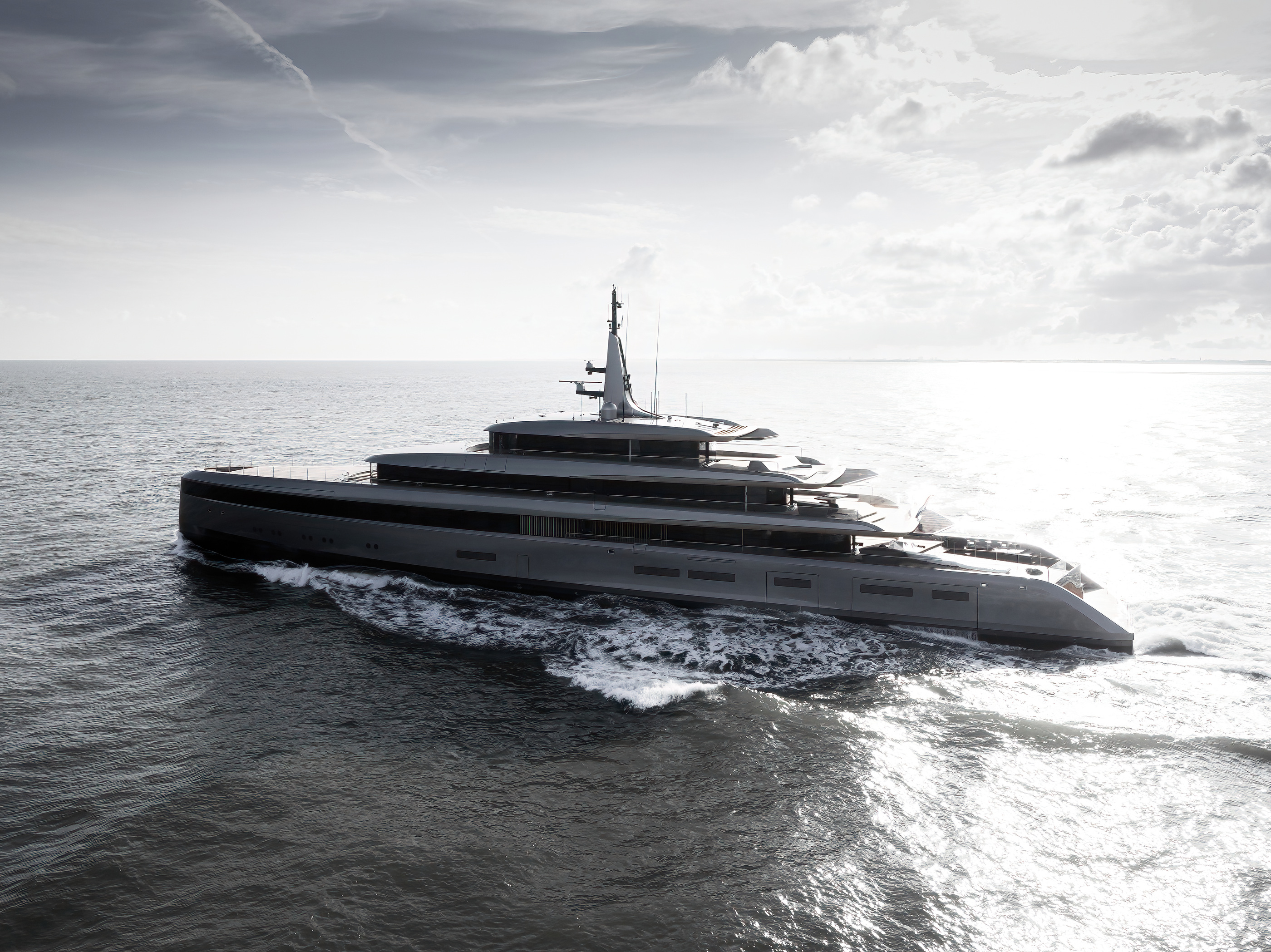
Named yacht images can be valuable reference material without being proposed charter listings. This guide uses the published Sirena 42M and Azimut Grande Trideck design studies to illustrate different relationships between decks and rooms. Their inclusion does not establish charter availability, suitability, price or regulatory eligibility for an individual vessel.
Describe the party as people, not just a total
The number of guests is a starting point, but it does not describe how they want to travel together. A group of couples may value the relationship between cabins differently from a family or a party in which some guests want a quieter routine. The brief becomes more useful when it explains those relationships without assuming that every berth carries the same meaning for every traveller.
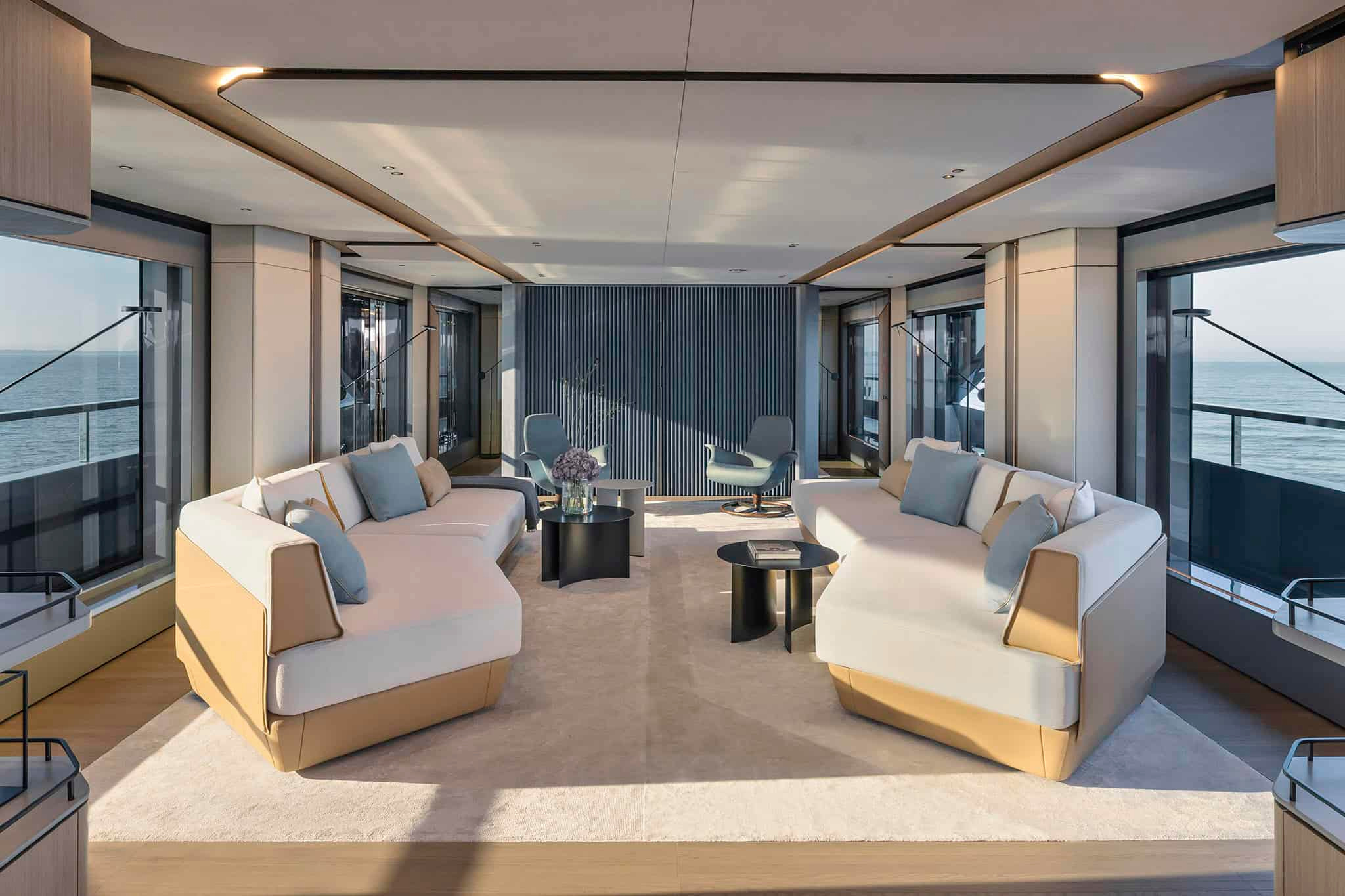
Distinguish shared time from private time. Some people may want to gather throughout the day; others may value a separate reading place or a route to a cabin that does not cross the principal social setting. These are spatial preferences. They can be expressed without declaring one arrangement universally superior or asking the photographs to prove something they cannot show.
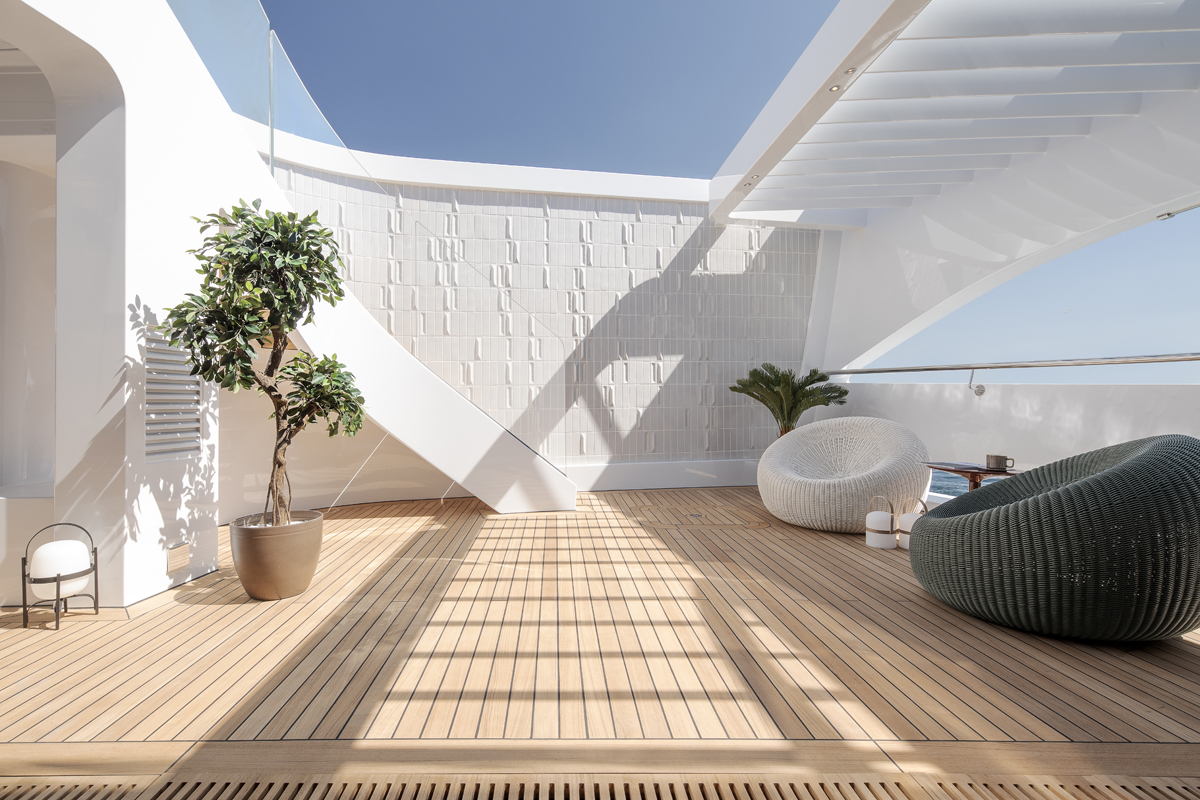
Where a particular access need is important, state it directly and ask the professional responsible for the exact yacht to confirm the relevant arrangement. A wide-looking passage in an image is not a measured accessibility assessment. The practical value of the photograph is to identify the place that needs a precise answer, then carry that question into the documented selection process.
Match activities to actual places
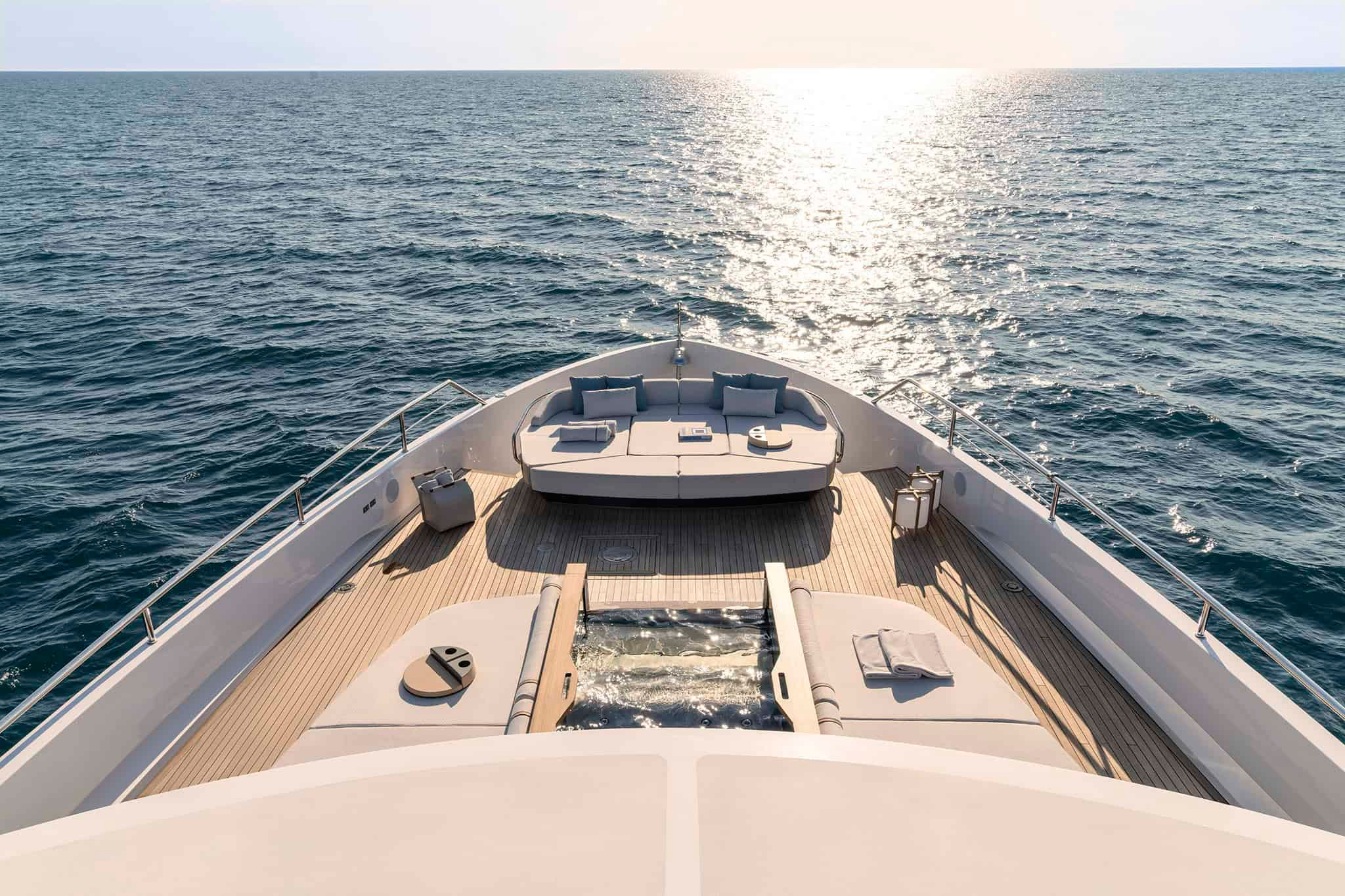
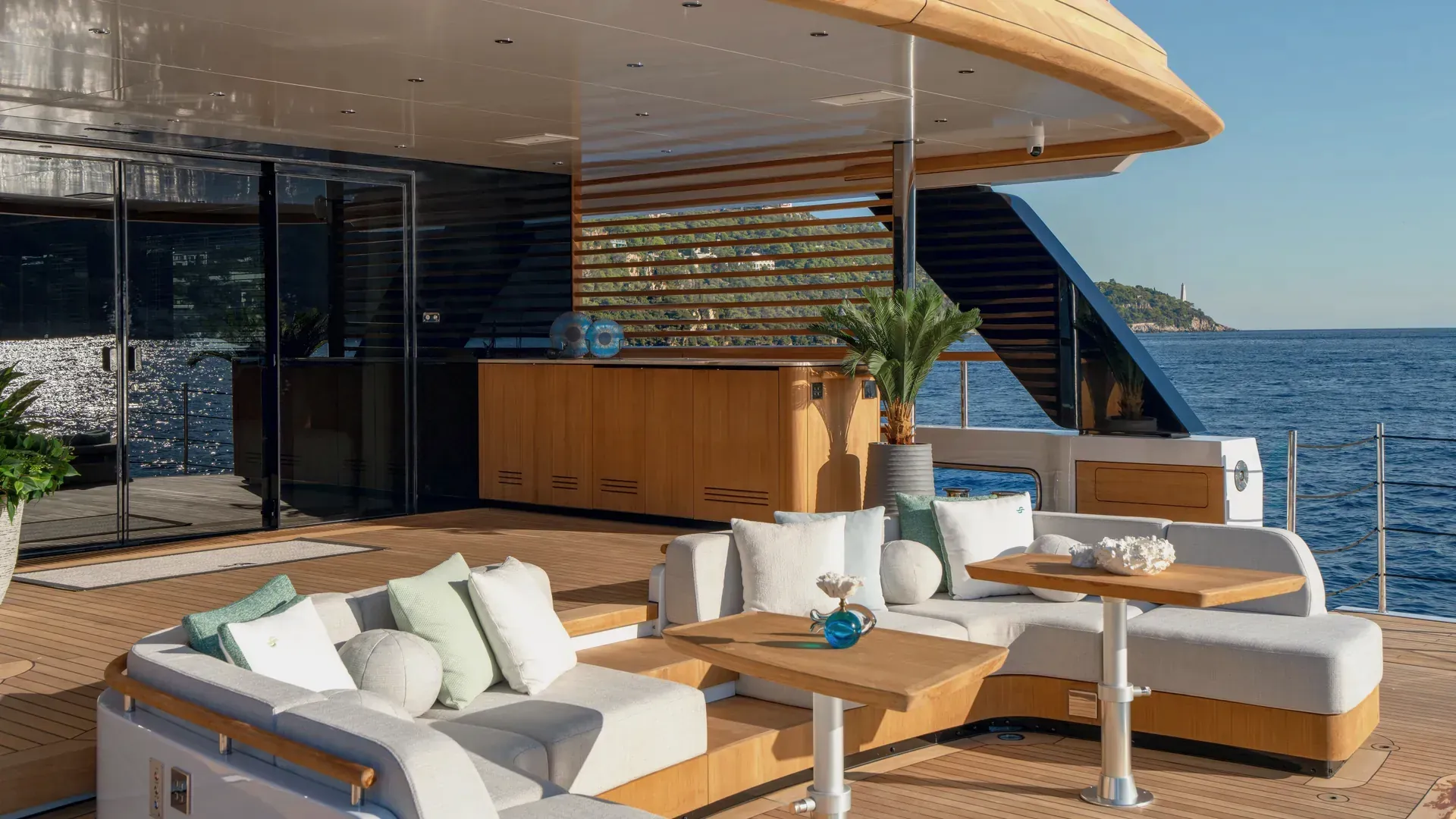
An exterior gallery may include a foredeck lounge, an aft dining setting, a sheltered upper terrace and a lower platform. Rather than treating all of them as one large category called outdoor space, connect each to an intended use. One might suit a quiet morning; another a group meal; another watching activities near the water. The distinctions help explain why the party is attracted to a particular arrangement.
In the Grande Trideck imagery, several exterior levels are deliberately differentiated. The existing LuxeDigital article reads the raised terrace, patio and beach area as related but distinct settings. Sirena’s 42M sequence provides another example of how shared spaces can be organised around seating, pool and the sea. These are reference studies in spatial design, not promises about a charter offer.
The brief can use those examples as a vocabulary. Instead of asking for something that looks like an image, explain the relationship that matters: a covered table near the saloon, a separate forward setting or a route towards the water that remains legible when the main deck is occupied. That description is more adaptable than a demand for one photographed room.
Ask for the complete arrangement
An individual photograph is selective by nature. It gives one position, one direction and one moment. The general arrangement supplies another kind of information: where the room sits, what connects to it and how the decks relate. Ask for the plan associated with the actual yacht under discussion rather than relying on a generic model image or a different owner’s interior.
Read the plan with the party’s day beside it. Follow the route between cabins, shared rooms, dining settings and the water. Mark where a preference depends on a change of level, a moving platform or a particular piece of equipment. These are prompts for a professional explanation, not reasons to infer a procedure from the drawing alone.
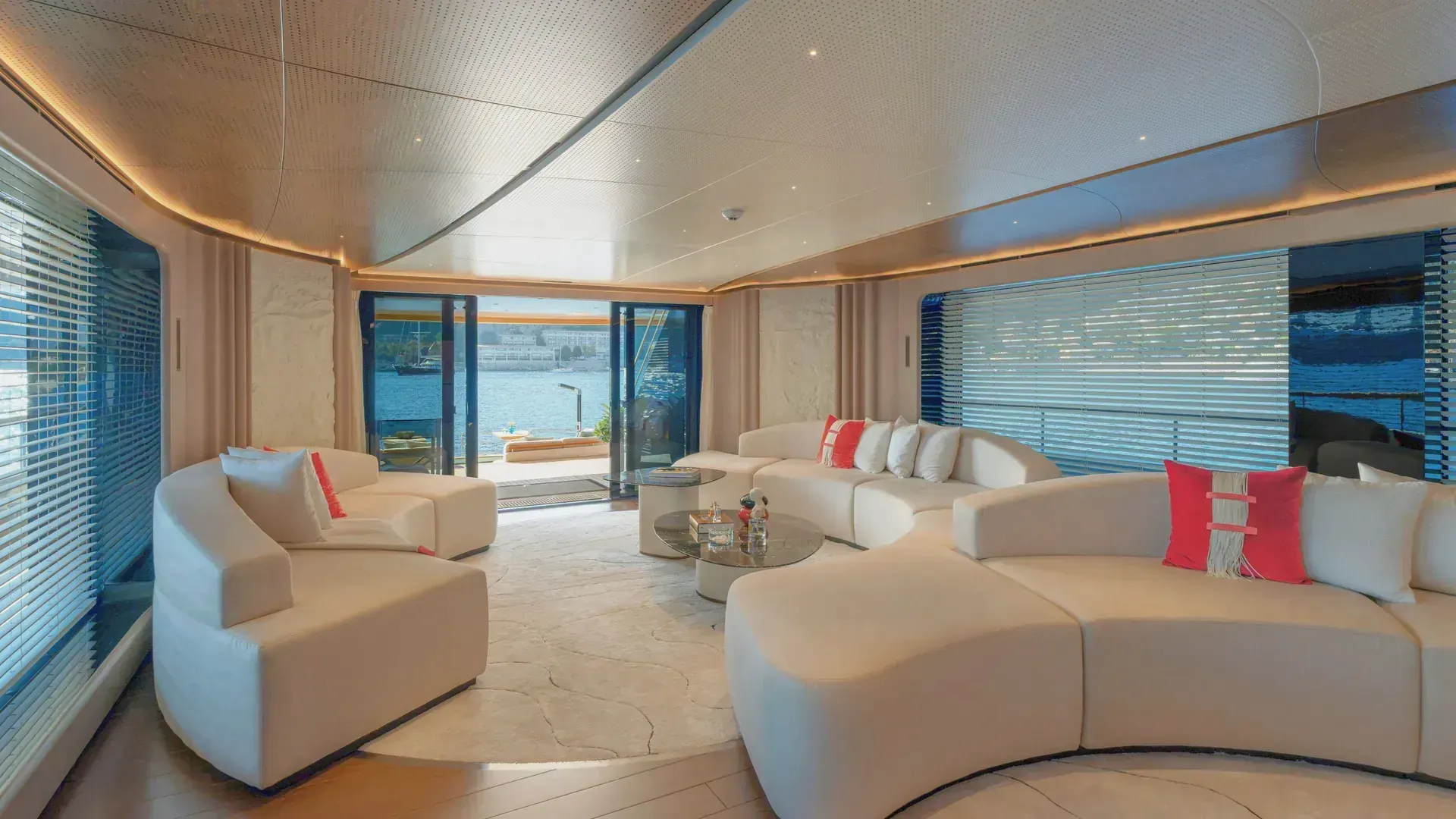
Keep options and examples separate. A manufacturer may illustrate more than one interior arrangement, and a model can evolve through several documented presentations. A room shown in one configuration should not be assumed to accompany a feature photographed in another. The useful unit of comparison is the complete, current vessel record rather than a collage of the most appealing images.
Give meals and quiet time equal attention
Dining is often represented by the most formal table in the gallery. A charter brief benefits from a wider account: which meals are shared, how formal the party wants them to feel and whether a sheltered alternative matters. The answer may involve different settings over the day. The point is to communicate the desired rhythm rather than assume that the largest table is always the right centre.
Quiet time deserves the same specificity. A photograph of a secluded-looking seat may be attractive because of its view, its distance from the principal group or the degree of shelter around it. Identify which quality is important. A broker can then compare the actual arrangements more intelligently, including yachts whose visual styling differs from the original reference.
The same discipline helps with activities. State what the party hopes to do and ask what is available, suitable and permitted on the exact yacht. Equipment in a manufacturer’s image is not a current inventory. Availability, briefing and operating conditions require confirmation from the relevant professionals, with alternatives discussed before the trip rather than assumed from the gallery.
Build a brief someone can answer
Organise the final note into requirements, preferences and questions. Requirements should be explicit enough to check. Preferences explain the desired character of the day. Questions identify the gaps in the current information. This structure keeps an appealing visual reference useful without allowing it to become an unsupported promise about the selected vessel.
| Part of the brief | Useful description | Confirmation needed |
|---|---|---|
| Party and privacy | Who travels together and which relationships matter | Exact cabin arrangement and current vessel record |
| Shared time | Preferred places and rhythm of gathering | Suitable settings aboard the specific yacht |
| Dining | Desired formality, meal pattern and shelter | Available arrangements and professional planning |
| Water activities | Activities the party hopes to enjoy | Inventory, suitability and crew-managed use |
| Route and timing | Priorities and acceptable alternatives | Feasibility assessed by the responsible professionals |
The Luxe Digital view
A strong charter brief turns the attraction of a yacht into a clear account of how the party wants to live aboard. It does not need to predict every hour or eliminate the pleasure of discovery. It needs to give the photographs a role: illustrating relationships, revealing questions and helping the professionals match the trip to an actual vessel. That is where an attractive selection becomes a considered one.
A strong charter brief turns the attraction of a yacht into a clear account of how the party wants to live aboard.
Sources & credits
Sources and methodology
Independent design and reference analysis of the named official records and imagery, checked on 15 October 2026. Launch specifications and later product records retain their own dates and references. Images show the identified configurations. Independent study of official records and identified model imagery,without a claimed visit,sea trial or charter availability. BenettiOasis42M scenes are project visualisations; layout options and earlier design versions remain distinct.
- LuxeDigital / Sirena Yachts / Azimut Yachts — named reference and design record.
- LuxeDigital / Sirena Yachts / Azimut Yachts — named reference and design record.
Illustrations also accompany these published LuxeDigital studies: