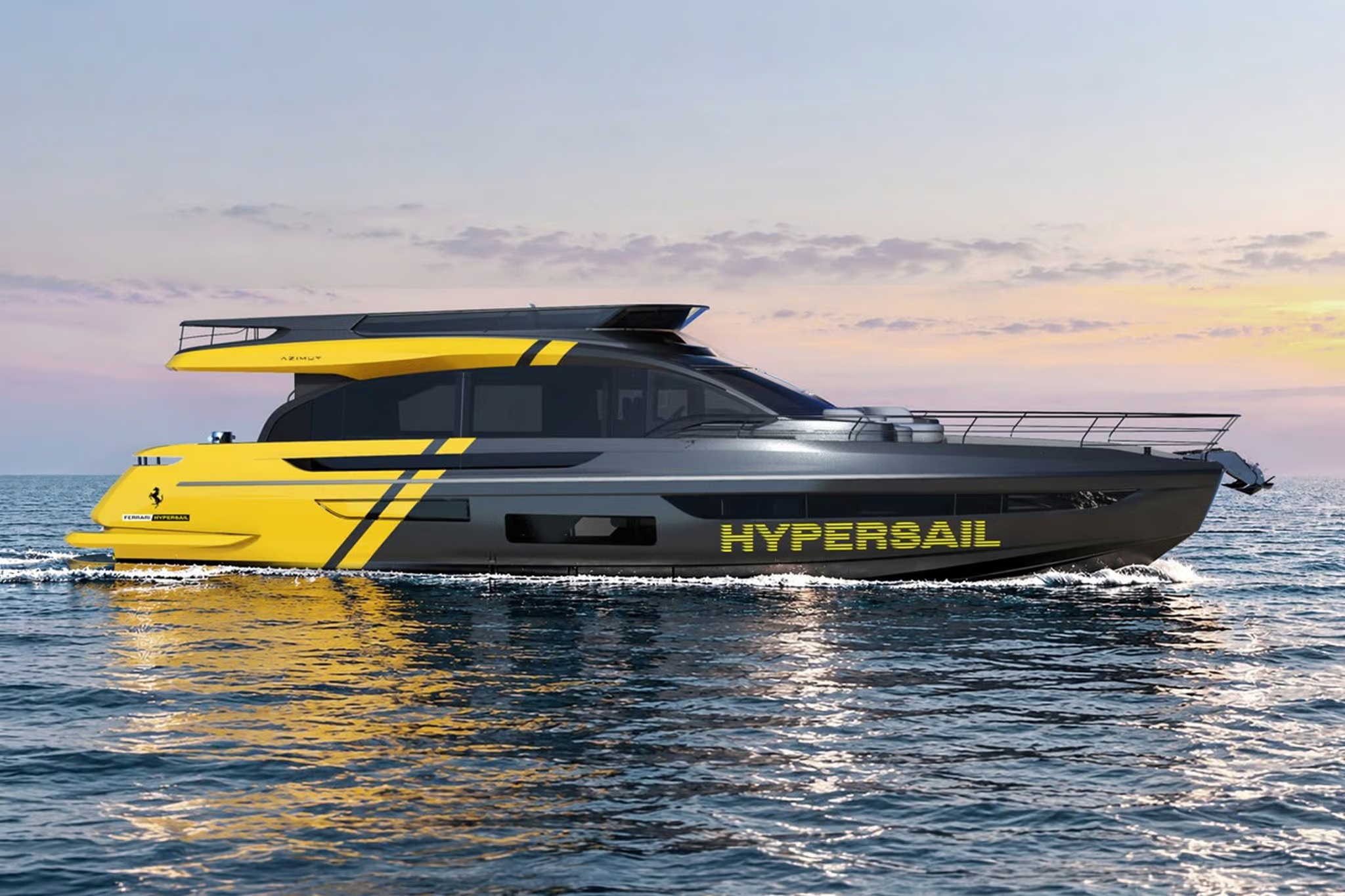
A yacht usually begins with a picture of the life it will make possible. The Azimut Fly 72 x Ferrari Hypersail begins with a different scene: a foiling prototype being brought up to speed before it carries its own rig. The yellow-and-grey project visuals are striking, but the more revealing idea is the brief behind them. A familiar cruising platform has been rethought around the work of another boat.
Two boats, one testing programme
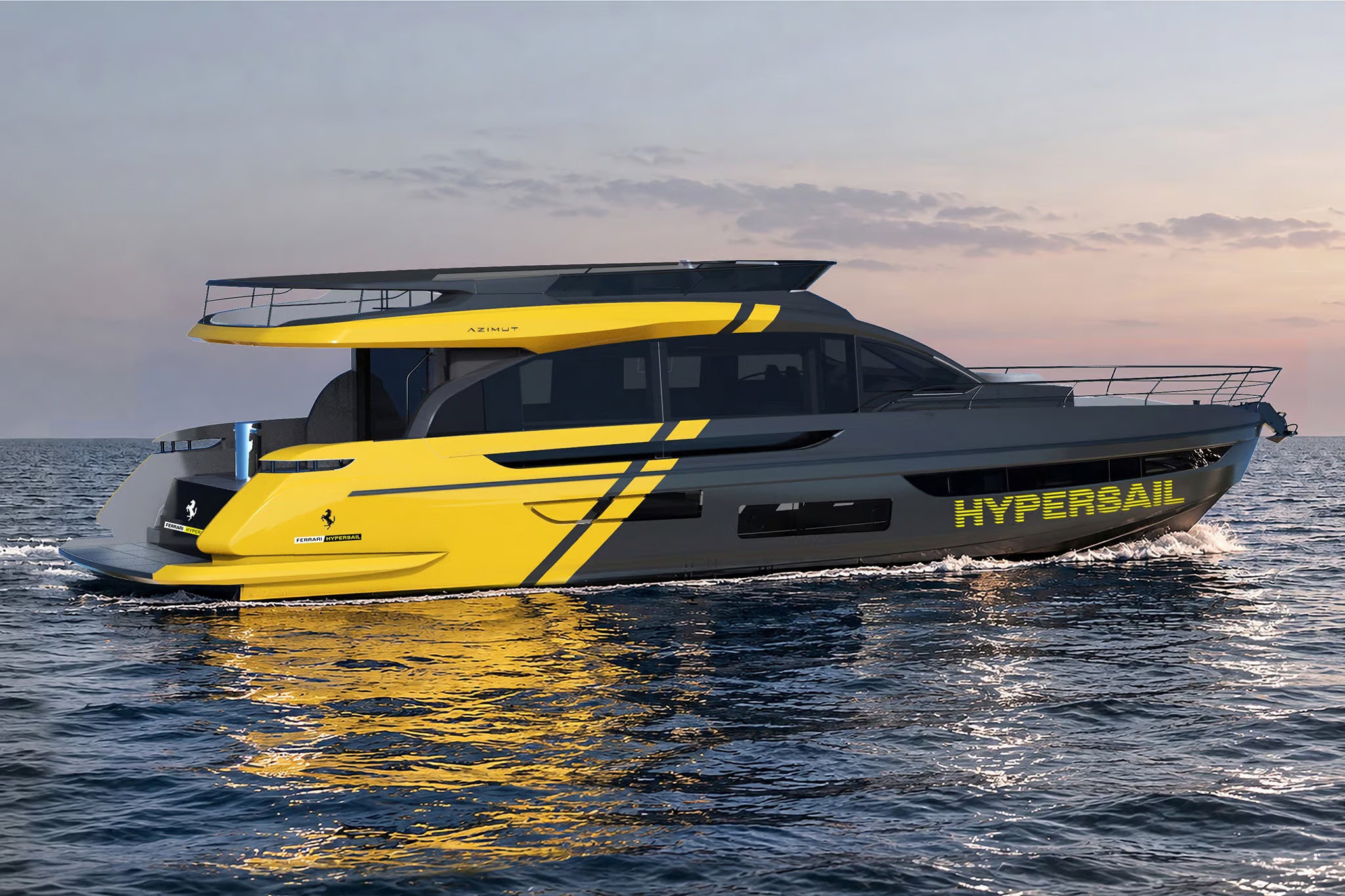
Azimut’s 2 October 2026 announcement identifies the Fly 72 x Ferrari Hypersail as a customised tow boat for the prototype’s initial flight testing and subsequent campaigns. The same record places Hypersail’s operational base at the Azimut shipyard in Livorno. North Sails describes the racing project itself as a 100-foot foiling monohull. These are separate vessels with different responsibilities, brought together by the requirements of a test programme.
That distinction makes the collaboration more interesting. A support boat does not need to imitate the racing yacht’s form to participate in its development. It has to provide the conditions in which the prototype can be worked on, observed and tested. The design question concerns the relationship between the two: how the support vessel’s structure, equipment and working spaces serve the programme.
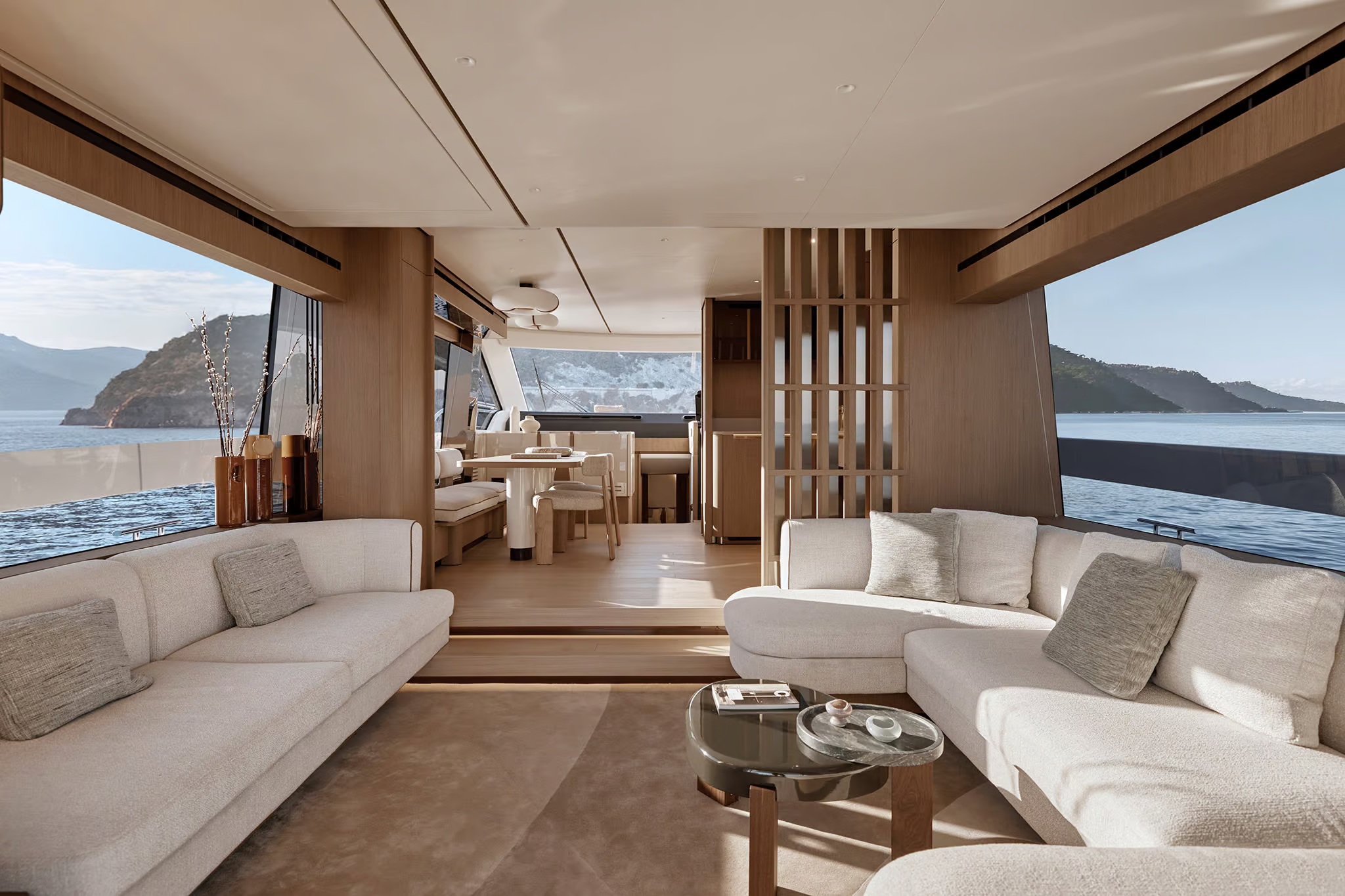
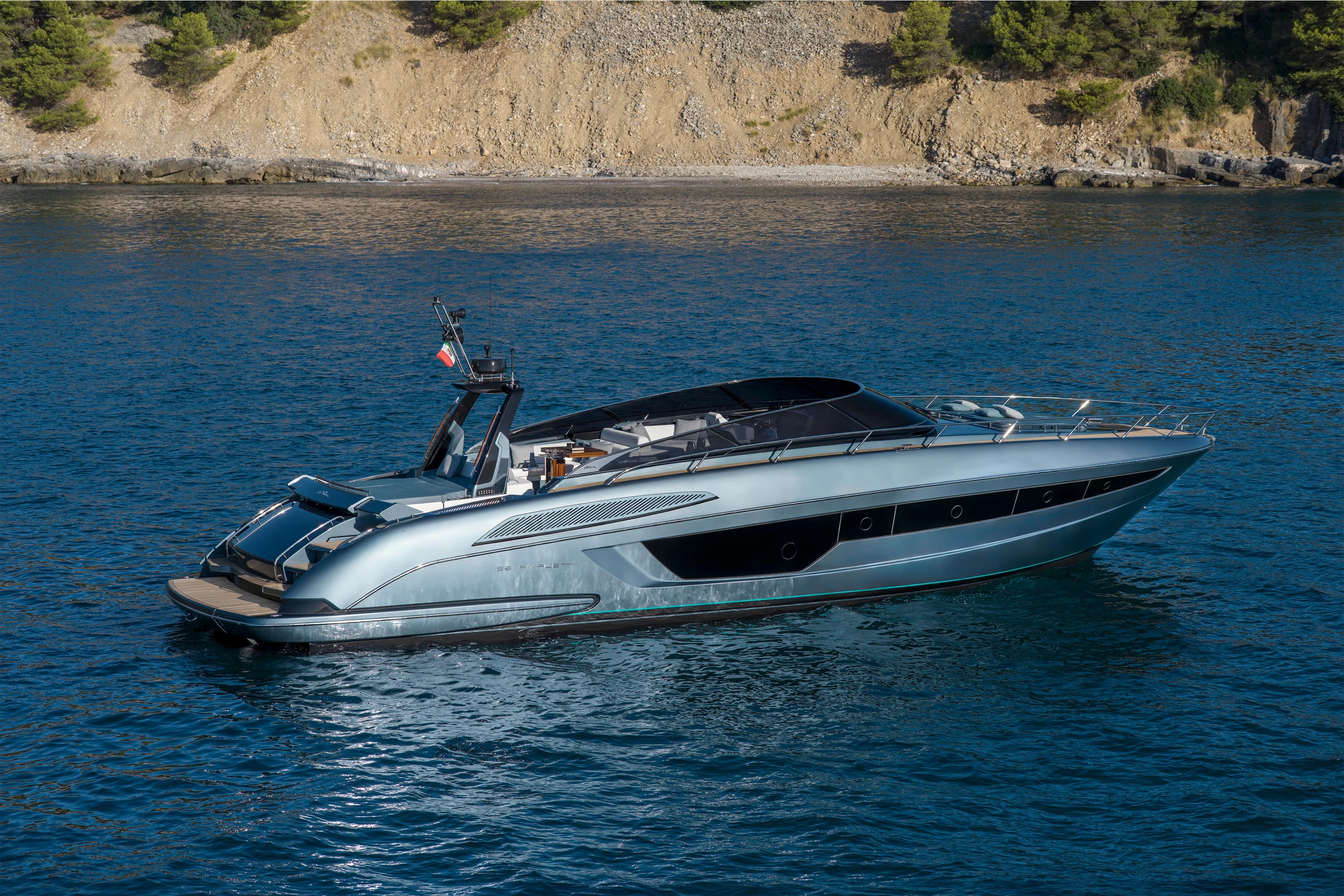
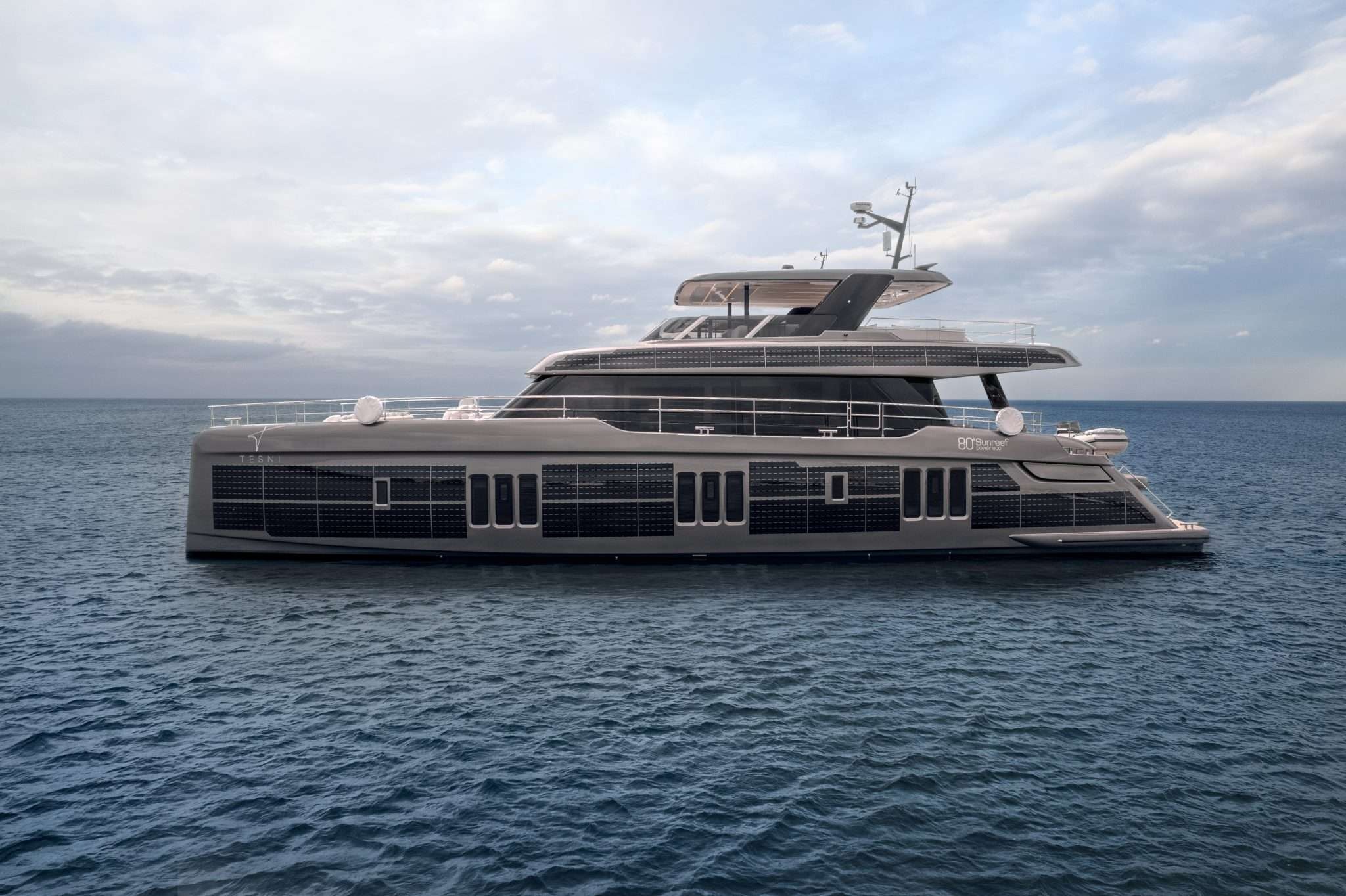
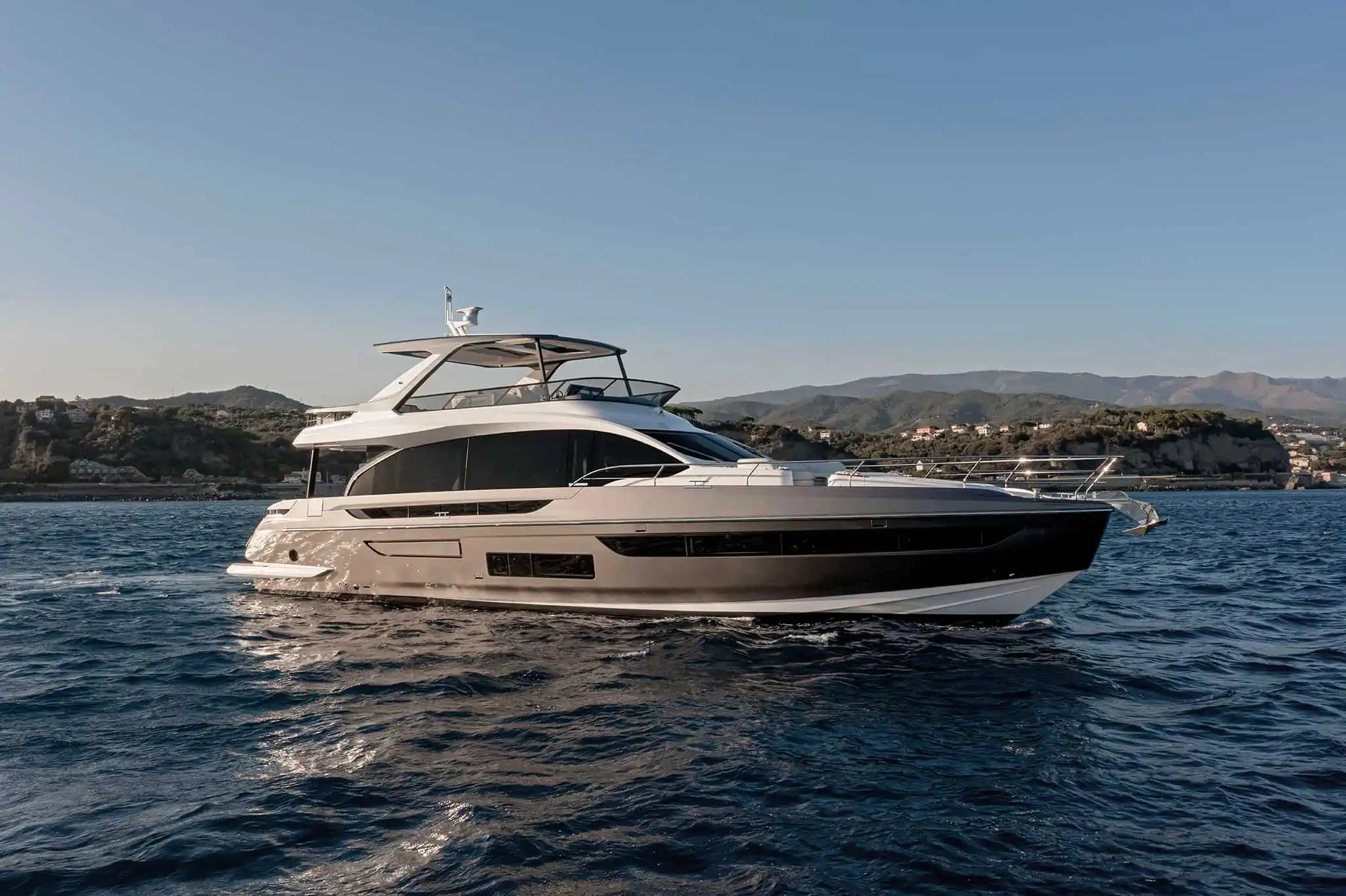
The standard Fly 72 photograph provides a useful point of reference, with its recognisable flybridge silhouette and cruising proportions. It is a separate production-model image, not a photograph of the customised vessel. Comparing that outline with Azimut’s yellow-and-grey visuals makes the starting platform legible while leaving the conversion’s engineering claims attached to the actual project record.
The brief changes the architecture
Azimut describes a target of bringing the prototype to around 30 knots during initial trials without mast and sails. To support that task, the builder reports a six-tonne weight reduction and the integration of 4,000 horsepower. These are manufacturer statements about the customised programme, not independently measured results or a specification that can be transferred to a standard Fly 72 order.
Read as a design brief, the important point is coordination. More power, lower weight and a dedicated towing function have to belong to the same vessel. A headline figure can attract attention; the more substantial story concerns the way several decisions are brought into one project. The body, systems and working deck each acquire a role within the larger purpose.
This is also what separates a technical collaboration from a change of paint. The visual identity makes the boat recognisable from a distance, but Azimut’s explanation concerns its underlying arrangement. For a reader interested in yacht design, the pleasure lies in understanding how a particular assignment can redirect an existing platform without making its origins disappear.
A connection designed for the task
The builder records a special tow post and refers to strength testing for static and dynamic stresses. The published material does not provide a construction manual, a load schedule or enough information to reconstruct the connection. What it does establish is that the towing role was treated as a specific structural requirement, rather than an ordinary accessory added to the stern.
That is a useful way to read purposeful design. The most consequential element may be less visually prominent than the hull or hardtop. A connection, an attachment point or a route for the people working around it can determine how a vessel fulfils its assignment. Here, the press record gives those responsibilities a place alongside the more visible transformation.
The same attention should apply when following the testing story over time. A planned role, a completed installation and a demonstrated result are different stages. The October announcement describes the support programme and its intended tasks. Later trial reporting will be most informative when it identifies which vessel, configuration and activity the evidence actually concerns.
The identity of the racing project
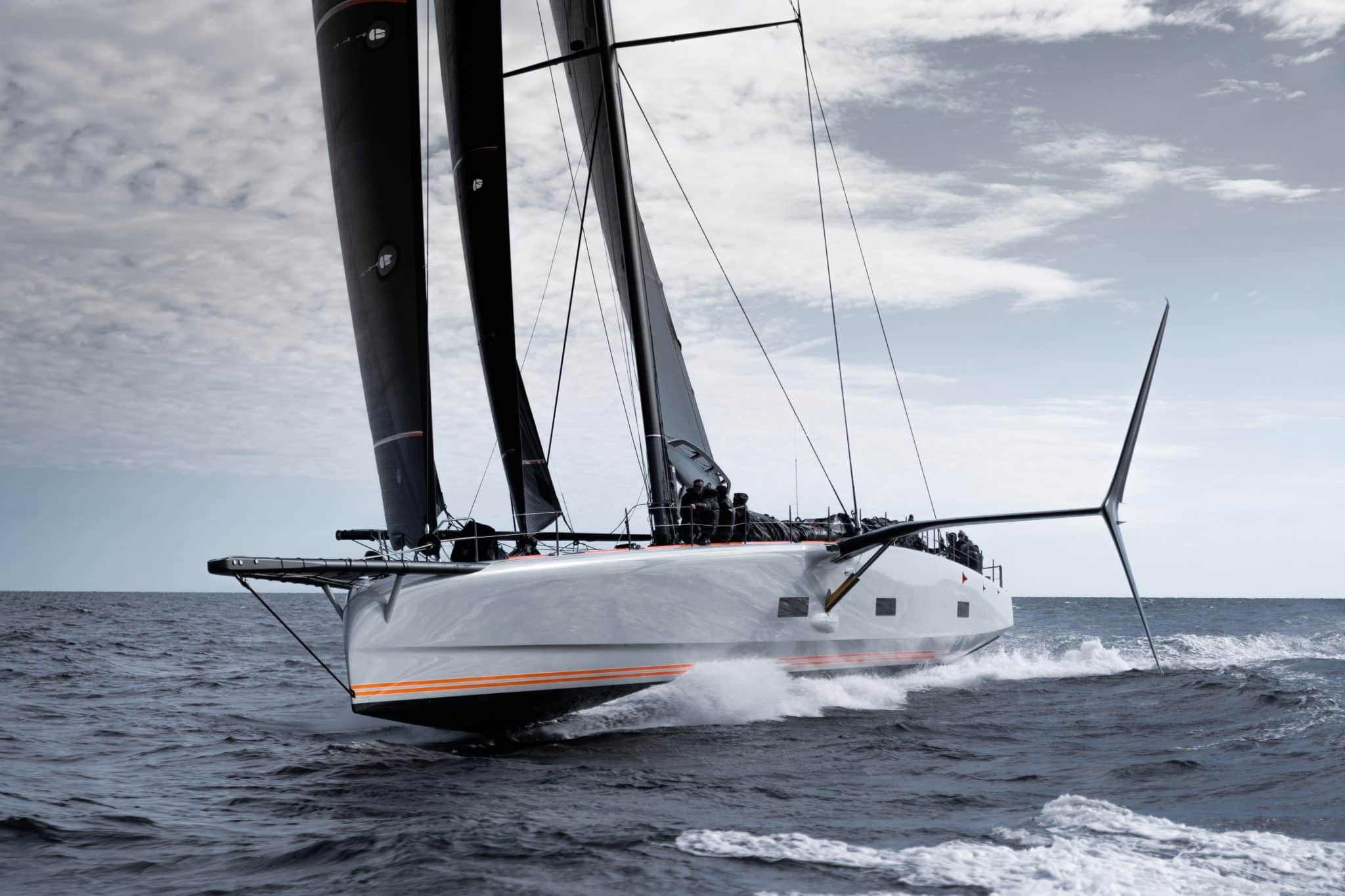
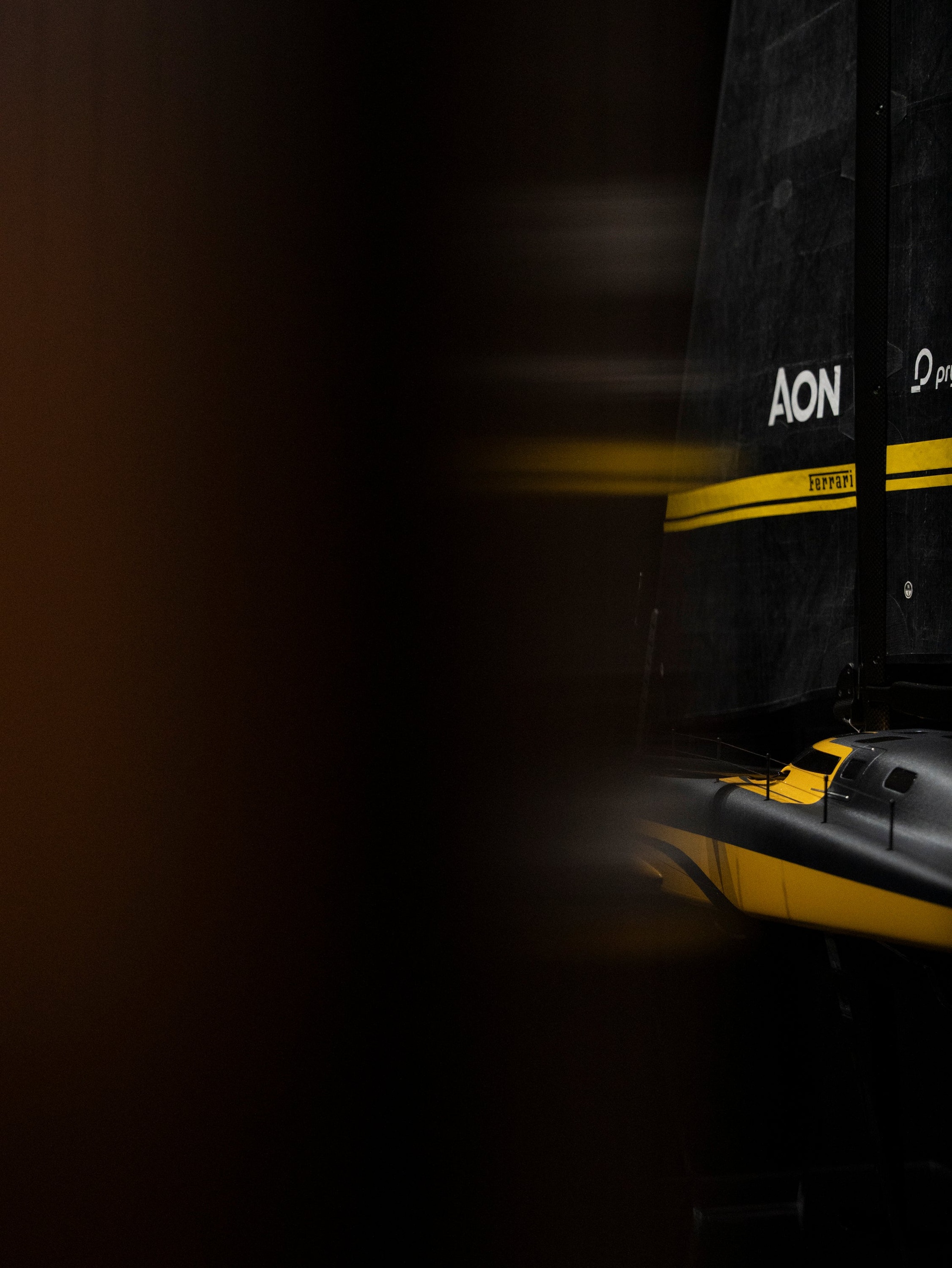
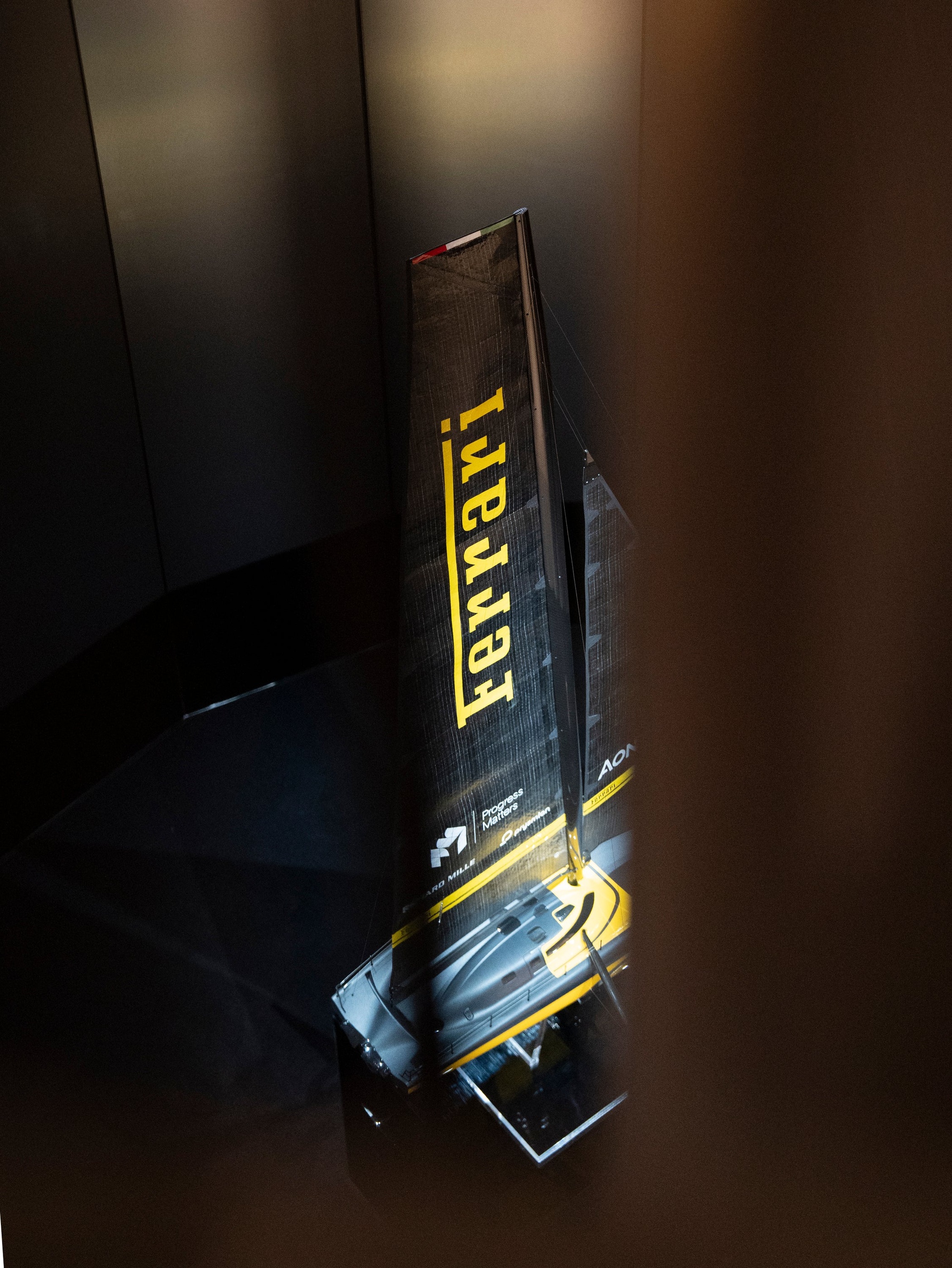
North Sails’ official material places the 100-foot prototype within a wider programme of sail design and engineering. Its published livery imagery uses yellow and grey to make the slender racing form legible against a dark field. The selected livery views depict a display model: its tall rig and narrow body have a different visual character from the broad, inhabited profile of the support boat.
Keeping those forms distinct improves the story. One expresses the geometry of an offshore racing prototype; the other retains a flybridge platform’s architectural presence. The shared identity does not make them interchangeable. It connects two different types of work within one programme, which is a more compelling proposition than presenting the motor yacht as the racing machine itself.
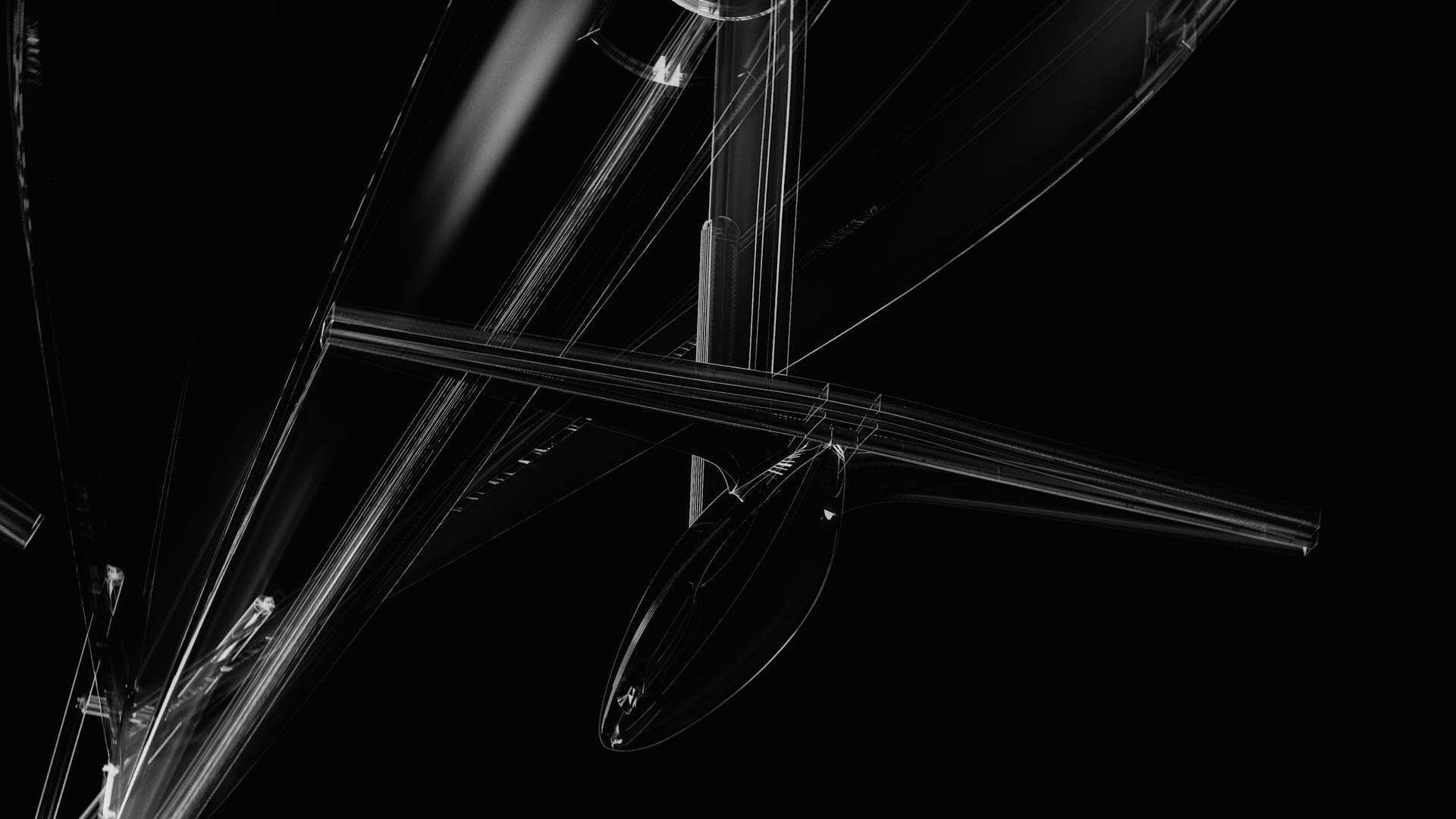
The dark technical graphic is useful for the same reason. It introduces a schematic reading of the prototype alongside the more recognisable project visuals. It belongs to North Sails’ official presentation, rather than serving as proof of a completed sea trial. Its contribution is explanatory: a change in scale and viewpoint that helps the reader understand the larger project.
From the surface to the structure
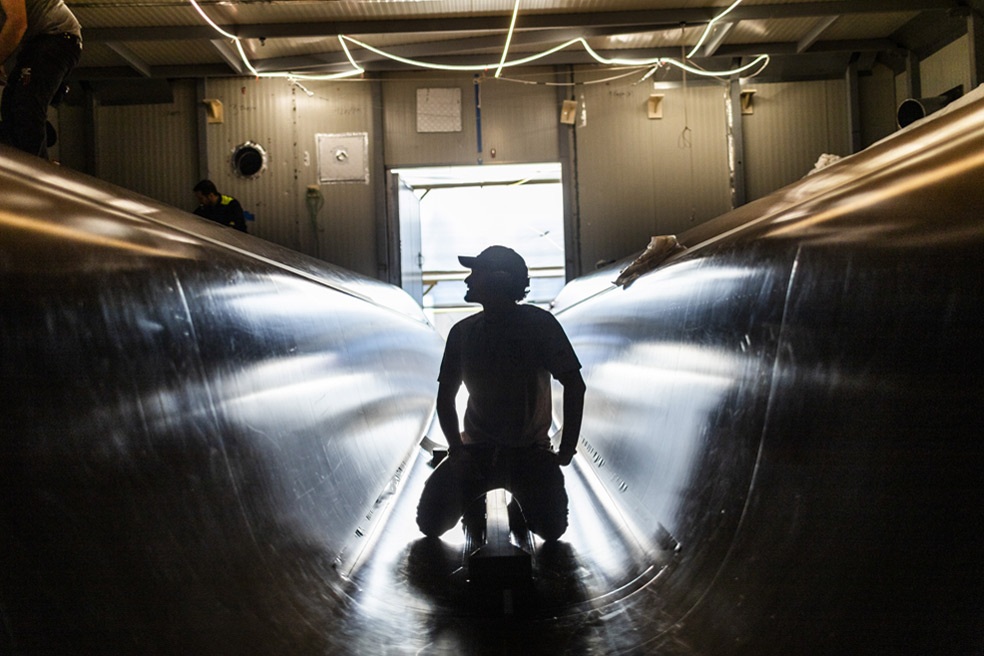
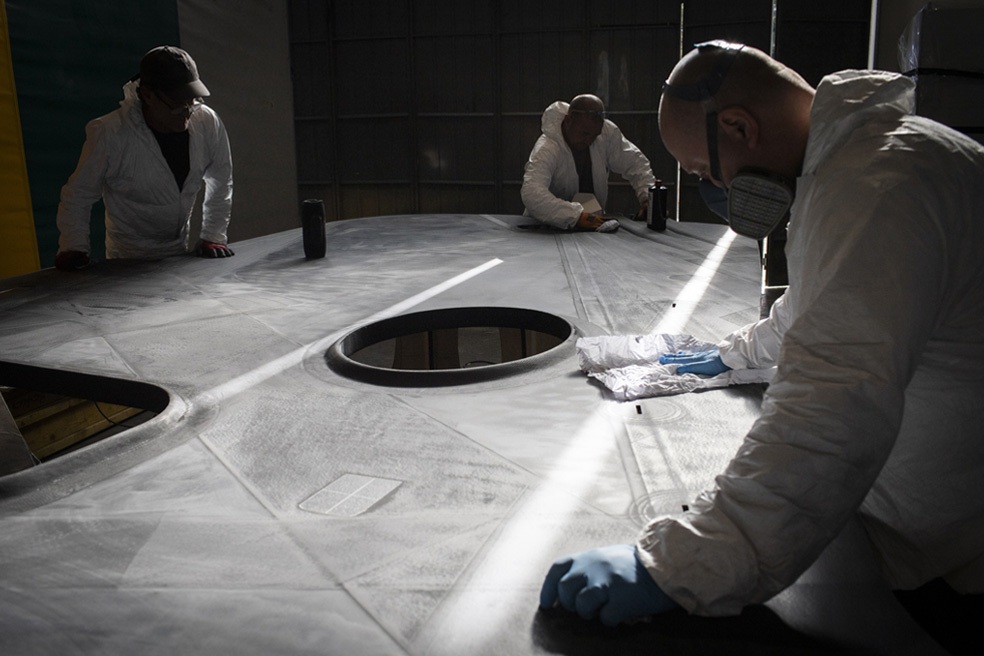
Boero’s project account documents its role in the Hypersail collaboration and the livery presentation in Milan on 21 April 2026. The accompanying process photographs bring the subject closer to the working surface. People, tools and a broad prepared plane replace the clean silhouette of the presentation imagery. These images concern the racing project, not the customised Fly 72 interior or its towing installation.
Their value is the change of register. A highly finished colour scheme begins to feel more substantial when the edit also makes room for the work around a surface. The photographs do not establish a measurable aerodynamic advantage or a universal coating specification. They show another participating discipline within a programme whose appearance and engineering are being developed together.
For specialist suppliers, that is an editorially rich territory. A finished object can be understood through the contribution of the people and materials around it, provided each role remains clearly identified. The support boat, sails and coatings deserve distinct descriptions. Their connection is the programme, rather than a suggestion that every partner supplies the same thing.
Read the programme precisely
| Subject | Documented role | Keep distinct |
|---|---|---|
| Ferrari Hypersail | 100-foot foiling monohull programme | Racing prototype rather than a cruising motor yacht |
| Fly 72 x Ferrari Hypersail | Custom support and tow boat | Project configuration rather than the standard model |
| Initial towing brief | Around 30 knots without the prototype’s mast and sails | Intended test condition rather than a measured public trial result |
| Published project imagery | Design, livery and workshop views | Visual evidence of a particular context, not proof of every programme milestone |
The collaboration is strongest when those distinctions remain visible. It gives the familiar Fly 72 outline an unexpected purpose and makes the support ecosystem part of the design story. The boat behind the test becomes worth looking at in its own right: an example of a clear assignment shaping the object that has to carry it out.
Sources & credits
Methodology and sources
Independent interpretation of the participating companies’ primary records and official media. The customised Fly 72 and Hypersail presentation images are project visuals, not independently verified trial photographs. The standard Fly 72 is a contextual comparison; Boero’s process images concern the racing project. No onboard visit, trial result or engineering certification is claimed.