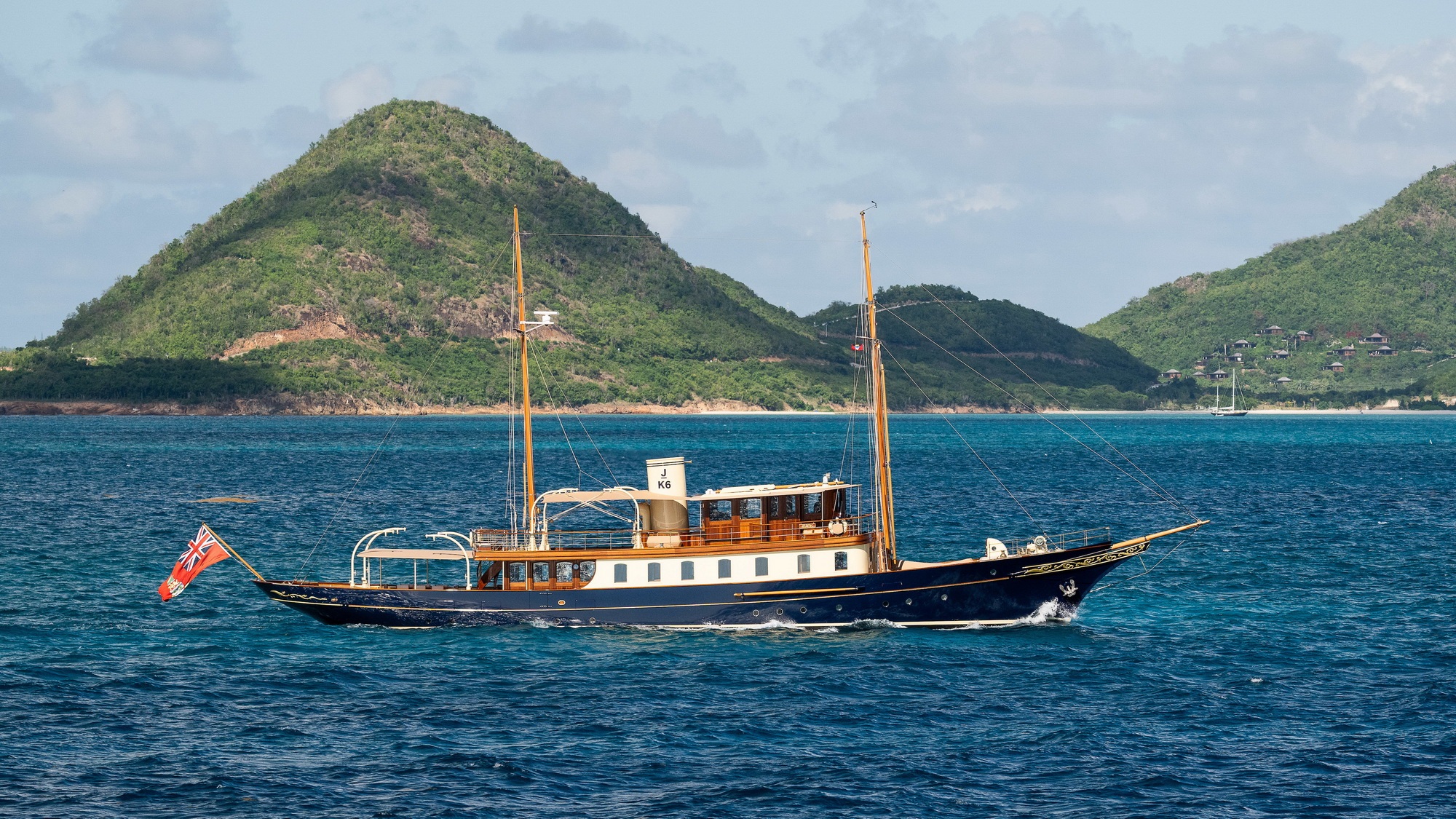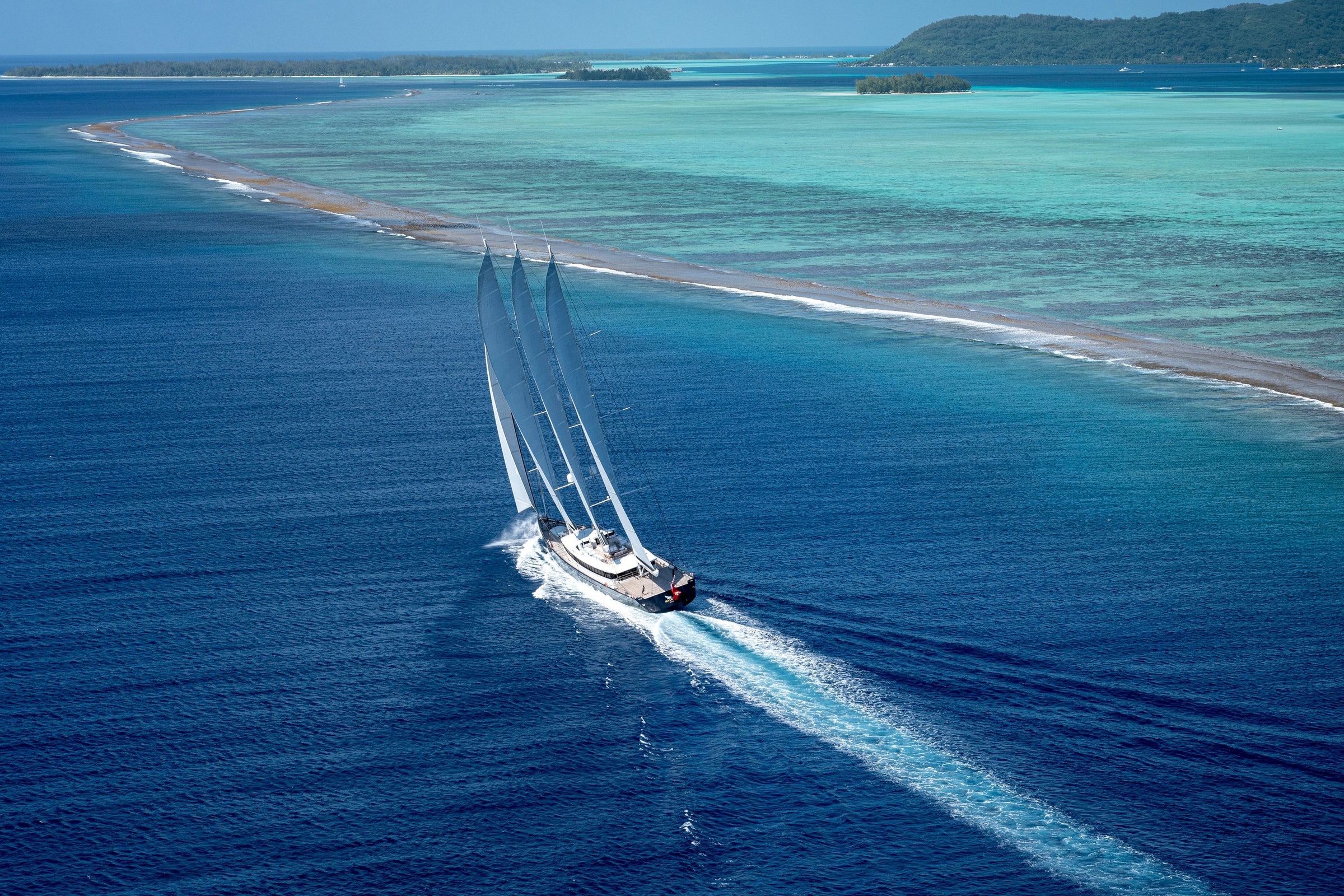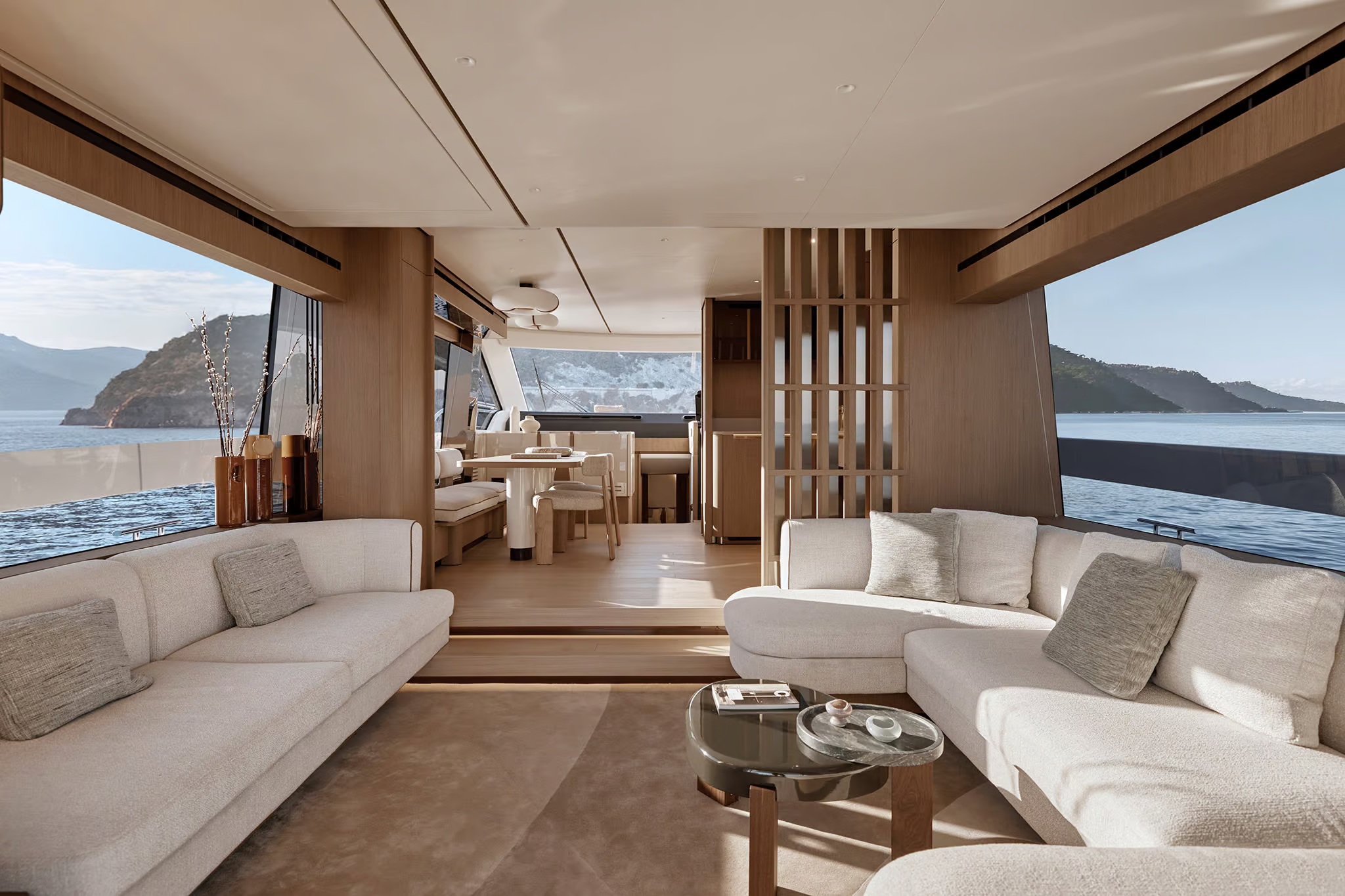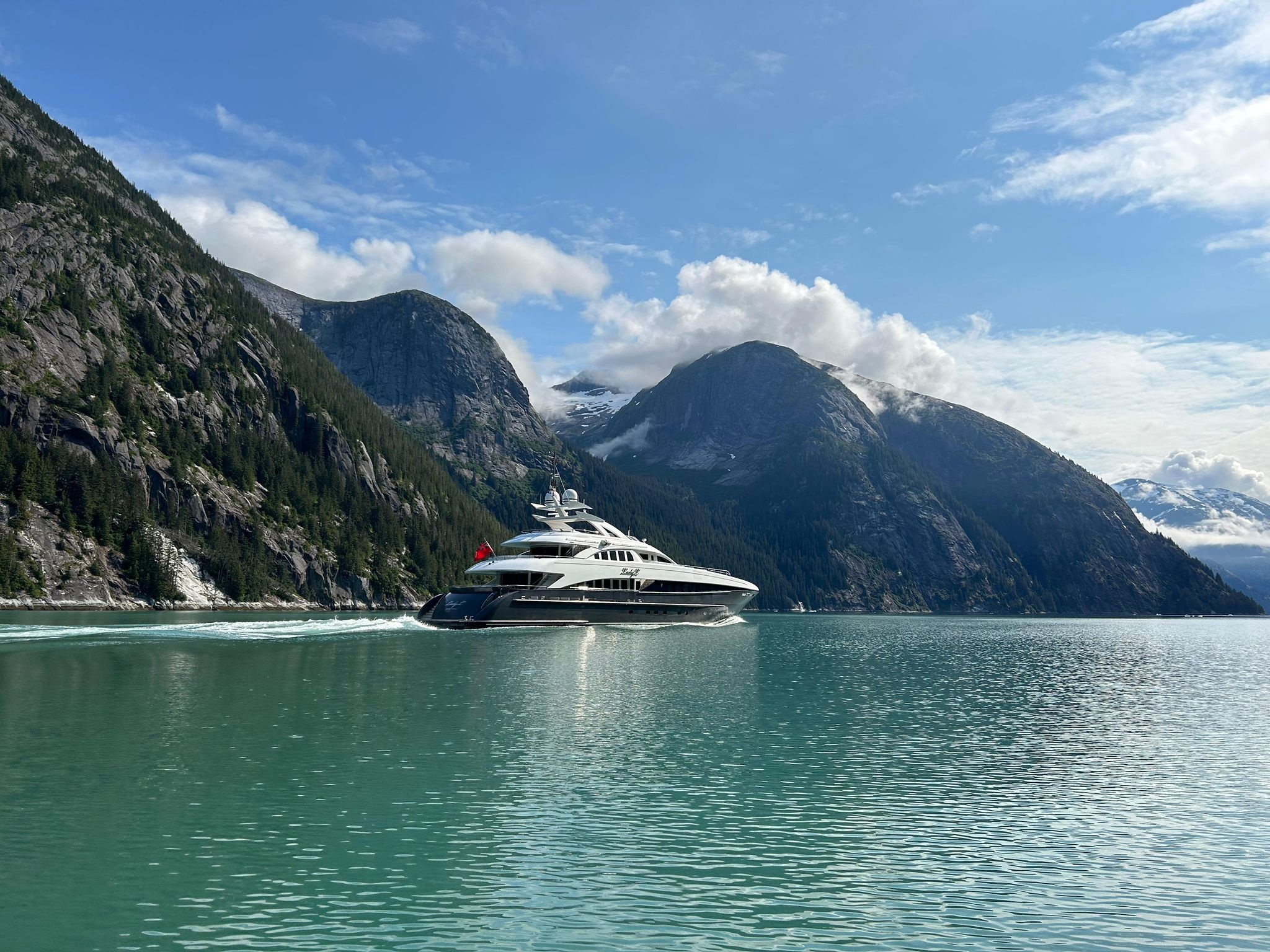
A yacht is easy to recognise in a photograph. An insurance brief has a more demanding job: it must describe the vessel, the people operating it and the programme they intend to undertake. The quality of that description shapes the conversation before a proposal arrives.
Describe the yacht you intend to use
Begin with the vessel as she exists today. Put the registered identity, build information, principal particulars and current specification in one place. Add a dated account of meaningful alterations. A broker should be able to distinguish the original build from a later machinery change, a revised guest arrangement or an extended period of work without reconstructing the story from several presentation brochures.
The useful document is concise, with supporting records behind it. A page of verified particulars can introduce the yacht; dated specifications, maintenance records and project documents provide the depth. Photographs explain an arrangement especially well when their date and subject are clear. They do a different job from a condition report, a machinery record or an insurance schedule.
Pantaenius presents its superyacht service as an individual risk assessment, with several types of insurance organised around ownership and operation. That is a useful starting point for the brief. Describe the whole programme, then ask the specialist to identify which parts of it need separate consideration. A single attractive description of the yacht cannot carry all those distinctions.
Give the programme a calendar
The same vessel can have several different lives within one year. There may be private weeks aboard, a charter programme, a delivery passage and a yard period. A clear calendar makes those changes visible. Explain the intended cruising areas, the broad timing and the way the boat will be used in each period. Mark decisions that are still provisional rather than allowing an early itinerary to become an assumed commitment.
There is a practical difference between naming a region and describing a passage. Pantaenius’ published Alaska account, for example, discusses a detailed passage plan in that particular operating context. It illustrates why the geographical line in a brief can need further explanation. It does not establish a universal rule for every vessel, voyage or policy.
Ask the broker how proposed changes should be communicated and recorded. If a programme develops after the first discussion, the working brief should develop with it. A revised itinerary is easier to consider when the previous version, the new version and the question requiring a response are all apparent.
Ask the survey to answer a defined question
An owner’s survey instruction deserves its own short brief. State the purpose of the appointment, identify who is commissioning it and ask the surveyor to set out the proposed scope, access requirements, exclusions and form of report. A pre-purchase decision and an insurer’s condition enquiry may overlap, but the people relying on the report still need to understand what was actually examined.
The International Institute of Marine Surveying’s small-craft code distinguishes survey purposes. Pantaenius UK’s hull-insurance FAQ provides a separate, insurer-specific example: underwriters may request a recent condition survey, and an existing purchase survey may sometimes be sufficient. The acceptance of a particular report remains a question for the relevant parties. These published examples should not be turned into a promise about an individual superyacht.
The owner can make the discussion much better by assembling the available evidence in advance. List previous reports, significant repairs and the records held by the captain or manager. Ask which documents the surveyor needs before attendance and what access will be available. If an area cannot be examined, the report should make that limitation intelligible to the person reading it later.
Make the yard period visible
A refit introduces its own sequence of responsibilities. The useful conversation starts with what is planned, where it will happen and who is coordinating the work. Describe major changes to structure, machinery or systems, together with the expected programme and the records that will be produced. Keep an evolving work list separate from work already completed and accepted.
Pantaenius’ superyacht programme includes distinct categories around new builds and major refits. The editorial lesson is to give the work its own place in the insurance discussion. Ask the specialist how the proposed yard period relates to the arrangement being considered, and obtain the response in the documents supplied for that yacht. The yard’s programme, an owner’s instruction and an insurance proposal each answer different questions.
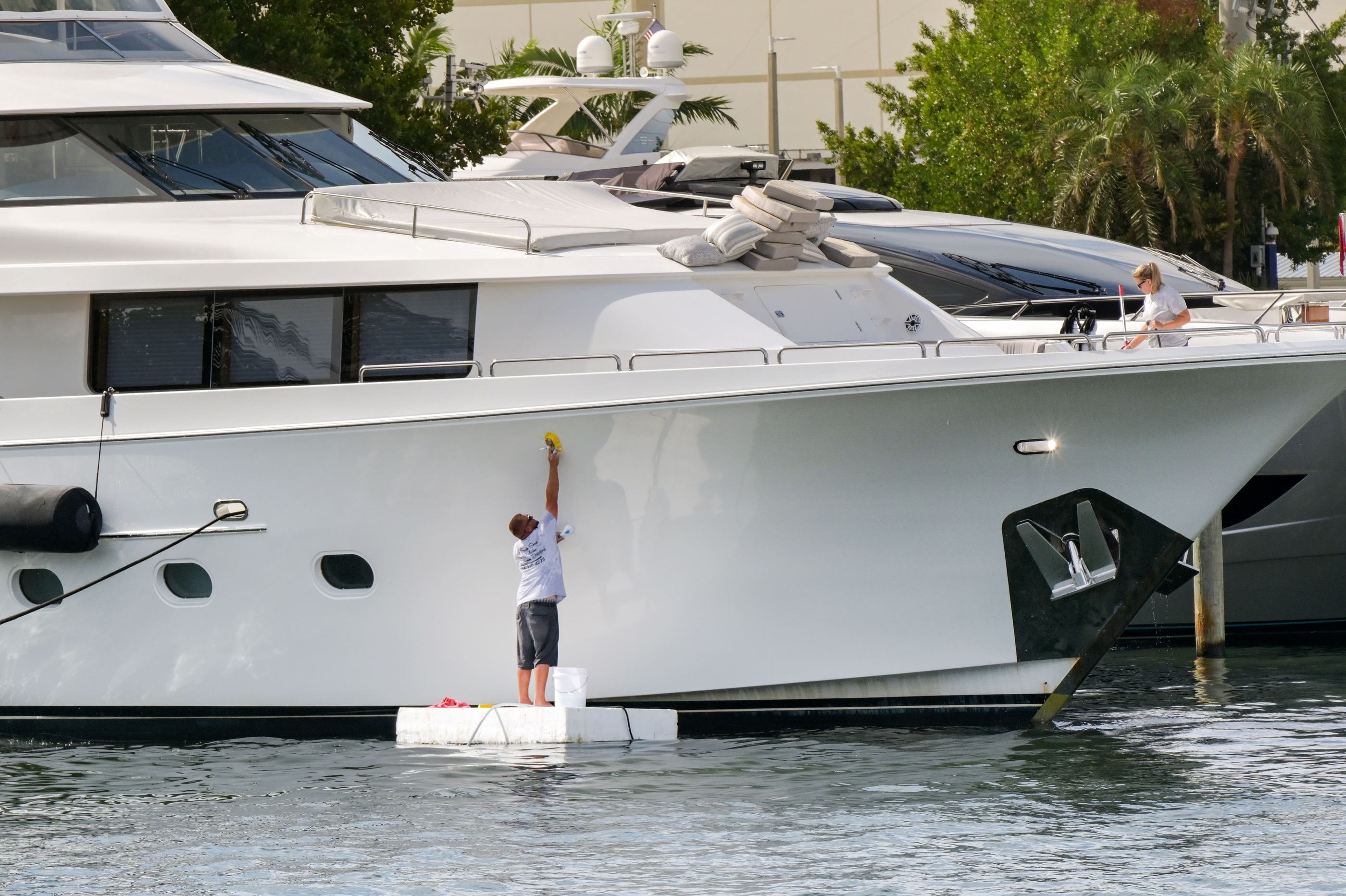
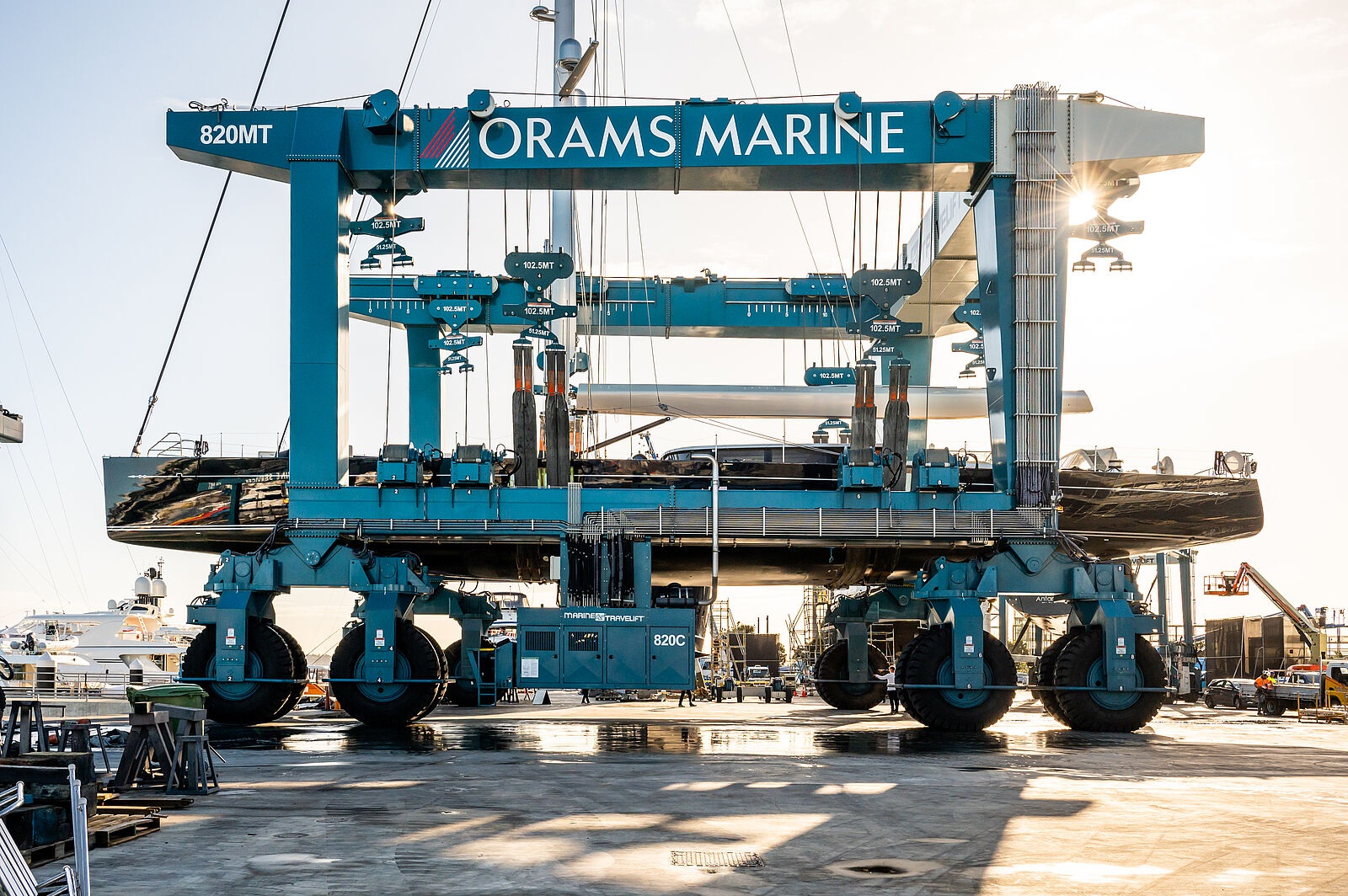
The Orams Marine photograph in this story makes the point visually: lifting equipment, working areas and the vessel form a different setting from a bay at anchor. It is published maintenance context. It is not evidence that a particular yacht, lift or project is covered by a policy reviewed by Luxe Digital.
Count the equipment that travels with you
The working inventory should reach beyond the hull. Ask how tenders, associated craft, specialist equipment and valuable items are described in the proposed documents. Identify them accurately and explain their intended use. Where the programme involves a chase boat, a towed tender or equipment moving between locations, make that arrangement clear to the team considering it.
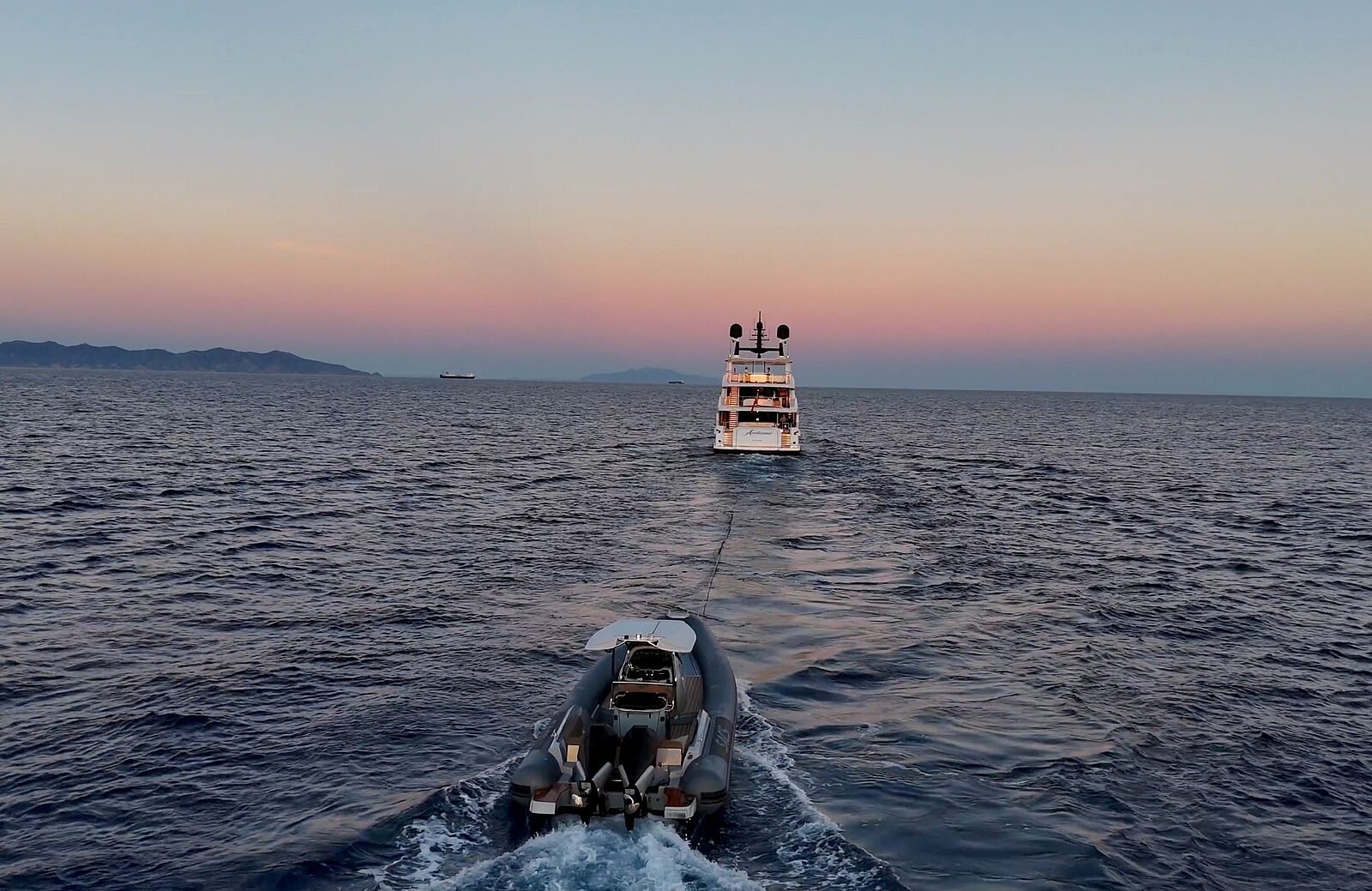
Pantaenius’ published account of Andiamo’s tender monitoring is a useful example of how an apparently simple accessory can have an operating story of its own. The photograph shows a tender following the larger yacht. The owner’s briefing question is which vessel, equipment and operation the proposal is intended to address, together with the documents that confirm that understanding.
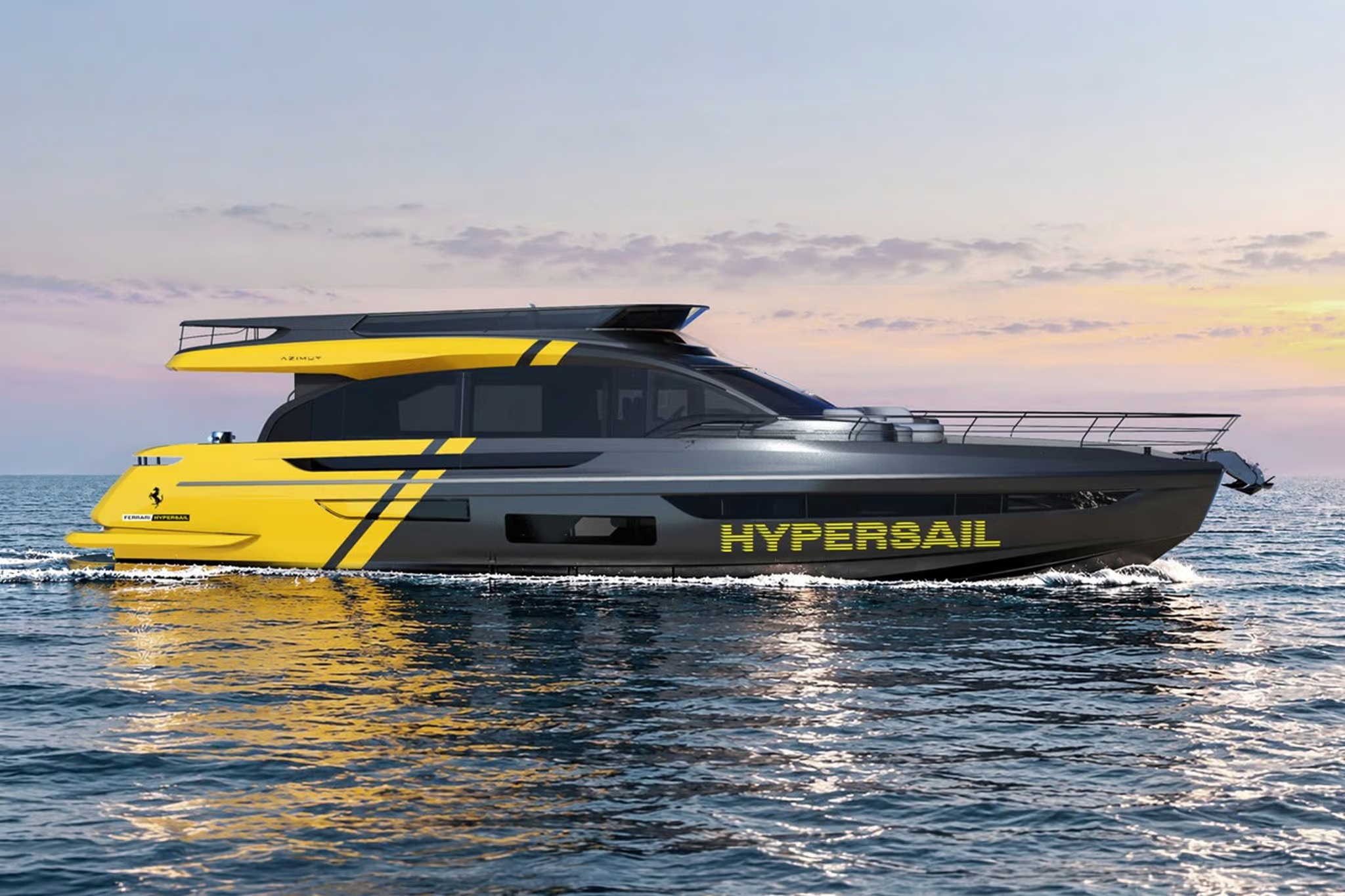
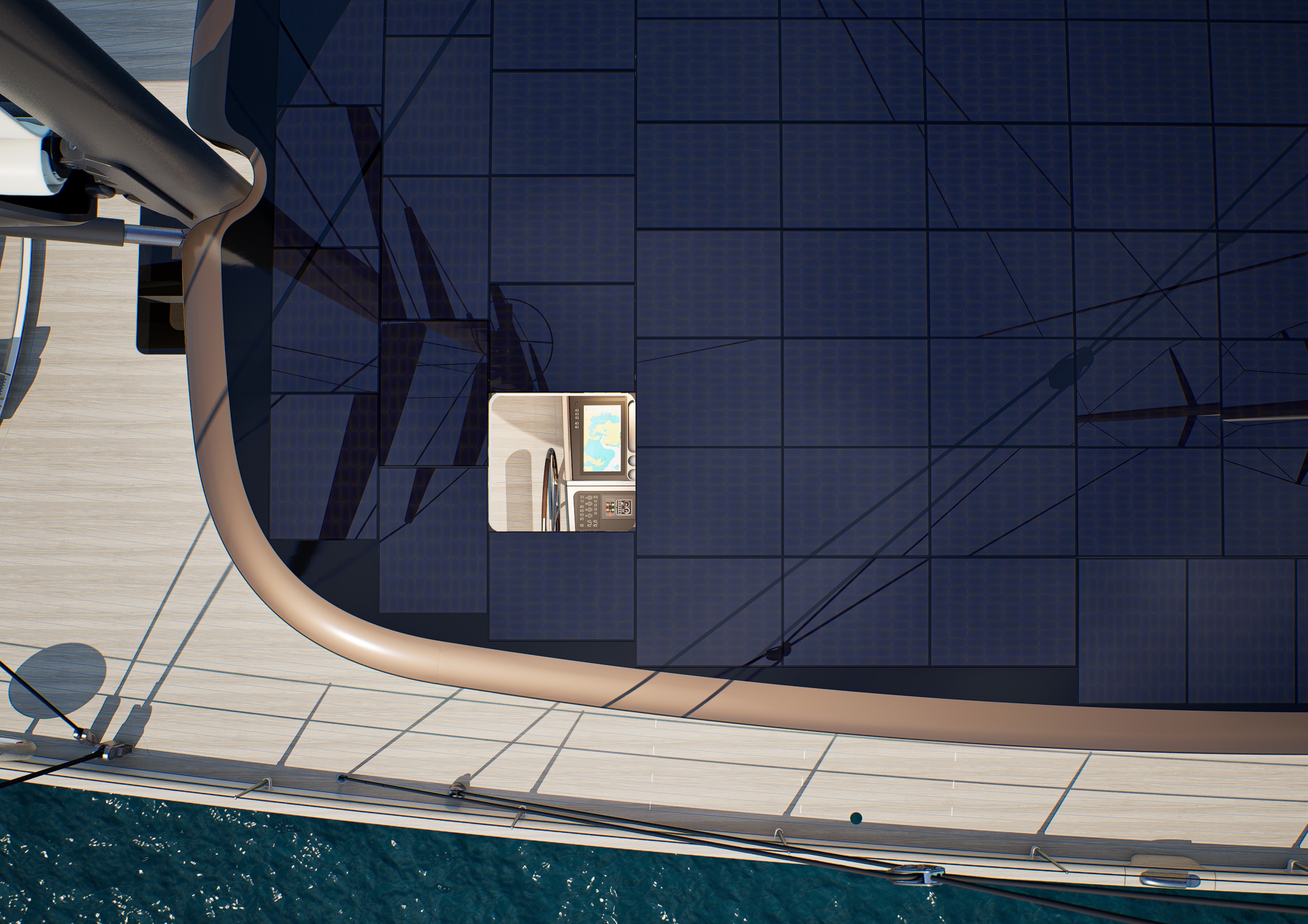
New technology deserves the same precision. A design presentation can describe the intended arrangement; technical documentation and operating records provide another kind of evidence. The Project Zero visual shown here belongs to a published design story. It is included to illustrate that distinction, without making an assertion about its insurance acceptance, present operating status or environmental performance.
Put the brief in a usable order
Keep the first version small enough to read. The following structure is an editorial preparation tool for a discussion with the appropriate specialists. It is not an application form, a universal survey specification or a statement of policy terms.
| Part of the brief | Record to assemble | Question to resolve |
|---|---|---|
| Vessel and configuration | Current particulars and dated changes | Which version of the yacht is being considered? |
| Use and geography | Private, charter, passage and yard calendar | How should each intended operation be described? |
| Condition and survey | Existing reports, repair history and access information | What further examination or evidence is requested? |
| Equipment and associated craft | Identified inventory and operating arrangements | How are these items addressed in the proposal? |
| Work and handover | Planned scope, responsible contacts and completion records | What changes need a further written response? |
Give each attachment a date and a meaningful name. A reader should be able to tell a recent report from an earlier one without opening every file. Keep unanswered questions in a short accompanying list, with a named person responsible for obtaining each response. That small act of organisation can make a complicated technical conversation far more productive.
Keep a record that can move with the yacht
Once the proposal is discussed, retain the final documents with the version of the brief they answer. Ask the broker to explain the applicable terms, limits, conditions and next steps for the actual vessel and programme. A useful archive connects the question asked, the evidence supplied and the response received. It also leaves a clear starting point for the next review.
The objective is a better specialist conversation, grounded in a yacht that someone can identify and a programme they can understand. That clarity belongs to the everyday quality of ownership: it helps the captain, manager, surveyor and broker work from a common account of the vessel.
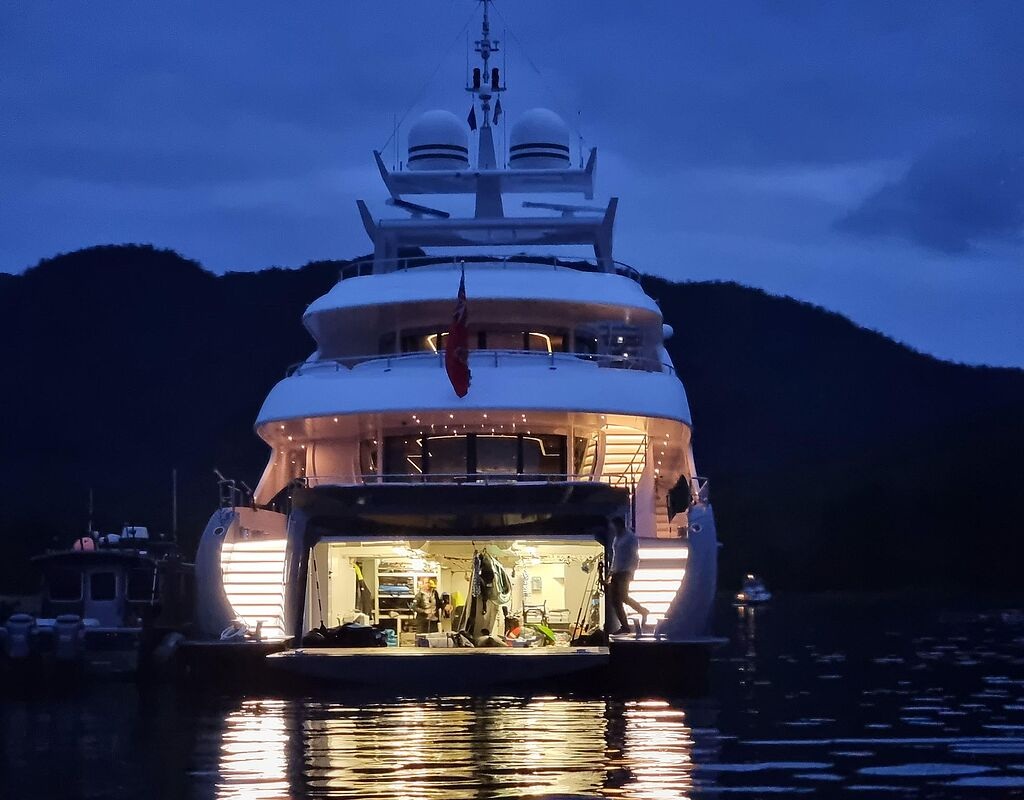
This guide uses Pantaenius’ published superyacht material, a specifically identified UK FAQ and the IIMS code as examples. It makes no recommendation of a policy or assurance of cover. The selected official photographs illustrate different operating contexts; Luxe Digital has not reviewed insurance for the vessels pictured.
Sources & credits
Methodology and sources
Prepared from the primary publications below, accessed 5 November 2026. Examples retain their stated market and project context; practical questions are original editorial guidance. No individual policy or survey report was reviewed.