A compelling charter yacht brings layout, service, reliability and cruising programme into alignment. For the owner, competitiveness begins with understanding the guests it suits, strengthening that experience and making its distinctive qualities easy for a broker to recognise.
A family-friendly cabin plan with awkward water access, or an elaborate toy inventory without the crew to deliver it, leaves the proposition unfinished. A broker needs a clear reason to propose the yacht; the guest needs good reasons to enjoy it. The owner's task is to strengthen that fit.
For an owner, the exercise begins with the yacht's strengths. Is it particularly good for multigenerational cruising, entertaining or active days on the water? Do the cabin plan, service and operating arrangements support that promise? A useful review identifies what to maintain, what to explain more clearly and which changes deserve investment. Explore the broader owner perspective in Yacht Intelligence.
Competitiveness is a system, not a popularity score
Review competitiveness in parts: guest proposition, spaces, service, reliability, representation, pricing context and calendar. Looking at them separately helps distinguish a product weakness from a communication problem, and both from a change in the operating programme.
MYBA’s guidance for charter managers is instructive because it treats the yacht’s market representation as a living operational record. It calls for regular updates to seasonal location, home ports, refit details, water-sports equipment, amenities, crew profile, owner use, shipyard works, unavailable periods and the layout or general arrangement. It also calls for prompt communication when crew, refit timing, mechanical condition or equipment changes after contract.
The aim is a yacht whose strengths are easy to explain and dependable in use. That gives a charter manager and retail broker a clearer basis for matching it to a client brief.
Start with a clear guest proposition
A yacht may be highly capable yet difficult to position because its strengths are described as a miscellaneous list: spa, cinema, toys, dining, speed, volume. The better exercise is to define what those attributes make possible for a particular type of charter experience.
Fraser describes starting with owner objectives, stakeholder collaboration and an assessment of what attracts clients to comparable yachts before defining the programme and prospective charterer profile. The useful discipline is to decide what the yacht is for before deciding what to change.
“Multigenerational cruising with strong privacy”, “high-service entertaining with distinct social zones” or “active water access supported by substantial tender capacity” are more actionable than “luxury lifestyle”. Each can be tested against the general arrangement, crew skills, equipment, maintenance burden and cruising programme. Features that reinforce the principal use case deserve protection; features that create disproportionate complexity deserve scrutiny.
Make the layout work harder than the headline dimensions
Length, beam and gross tonnage do not explain how usable volume is allocated. Luxe Digital’s Superyacht Specifications Explained makes the same distinction from a reference perspective: similar headline dimensions can conceal very different spatial planning.
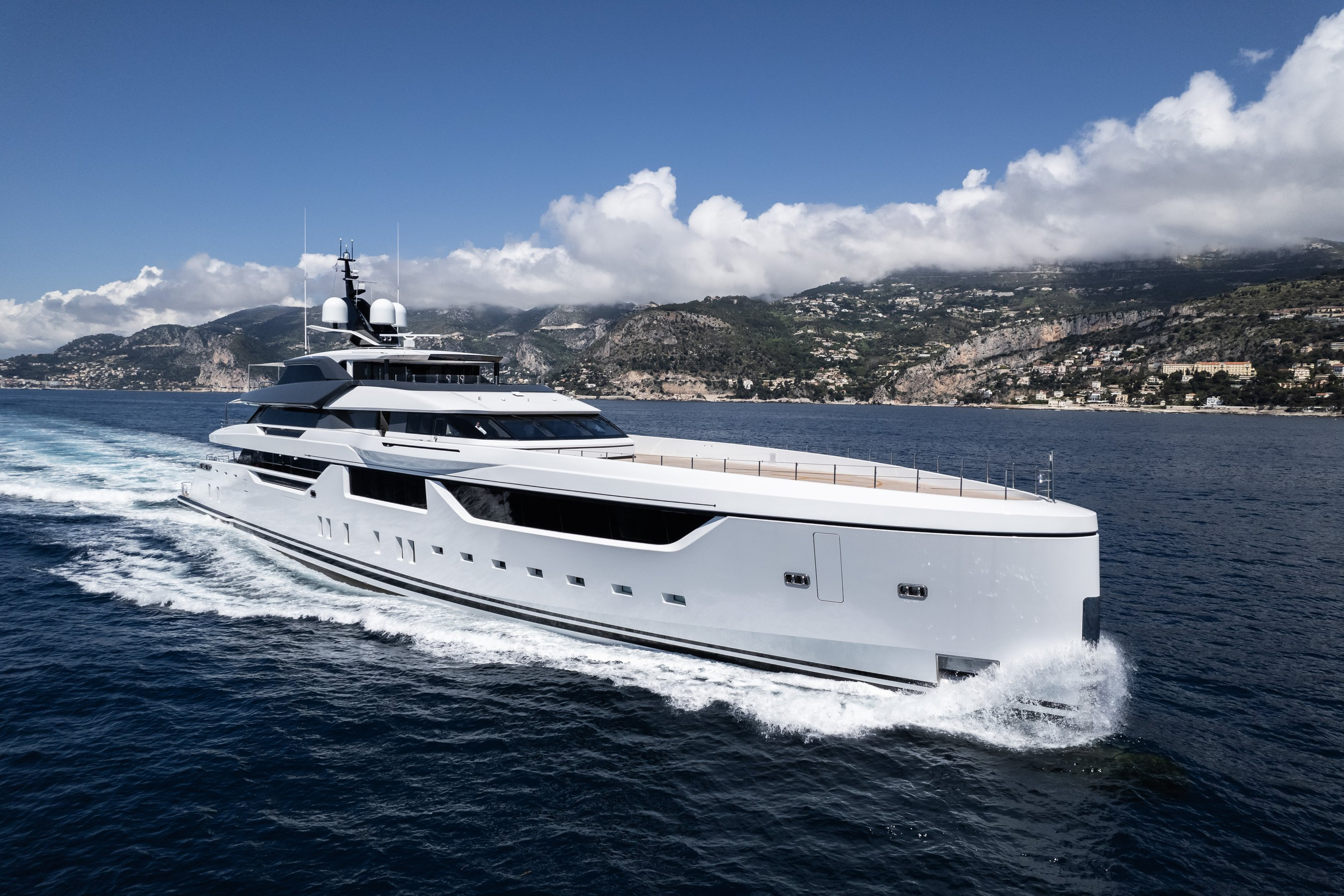
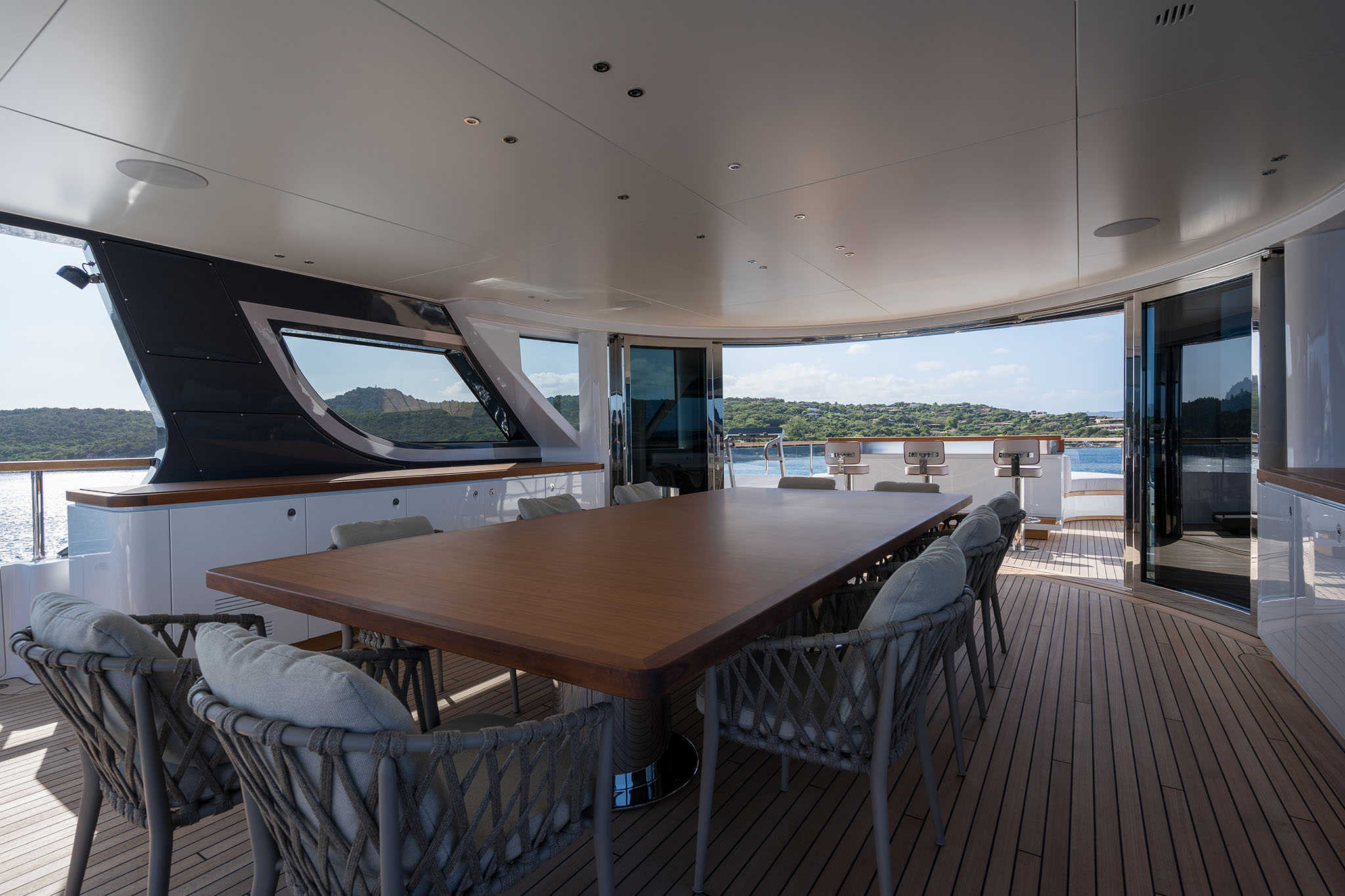
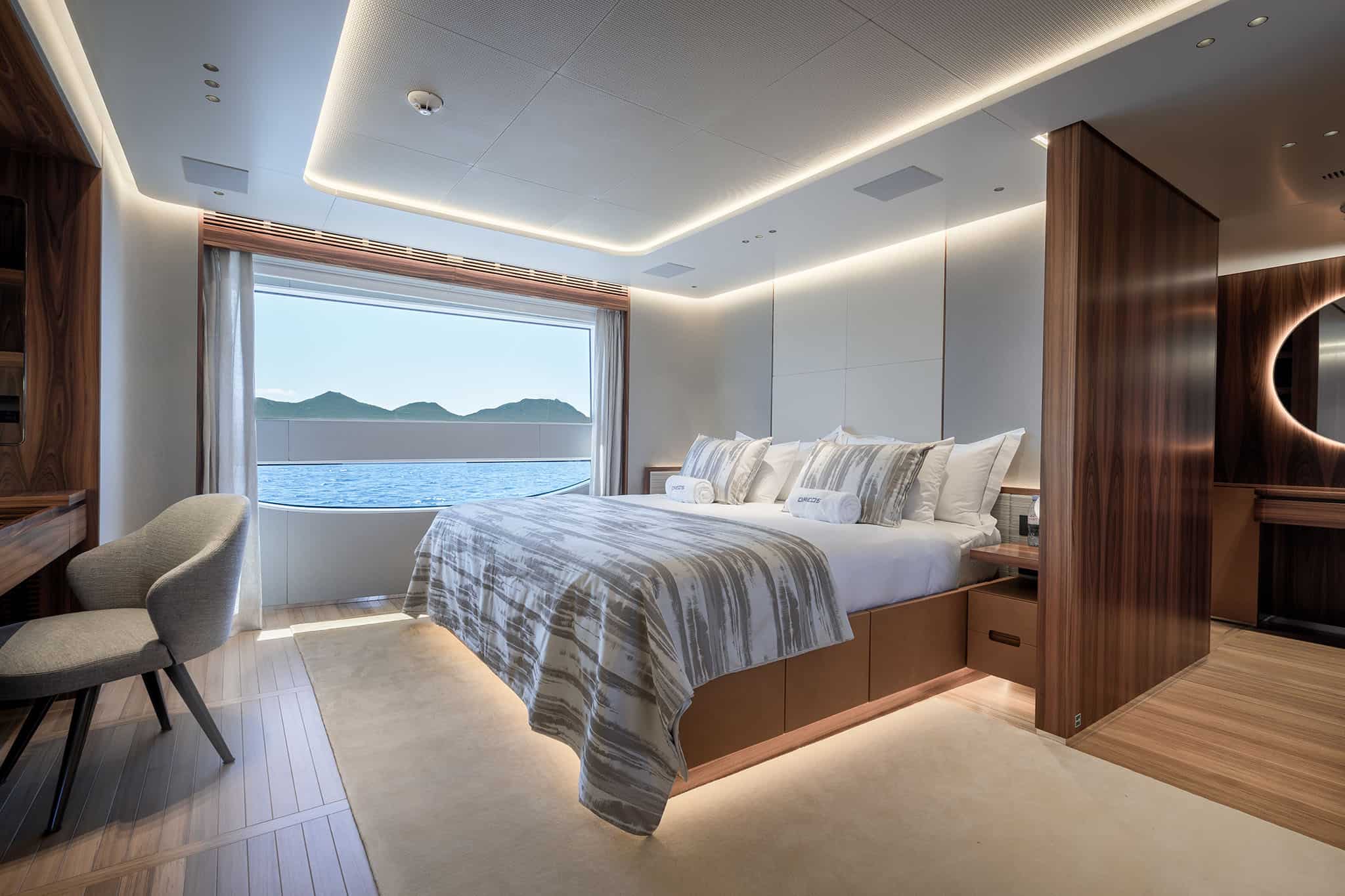
On TALISMAN MAITON, Burgess records six guest cabins: a main-deck master and VIP, two lower-deck doubles and two double/twin convertible cabins. That flexibility gives the manager something specific to discuss with different party structures. Show it in the deck plan and current photography rather than leaving it buried in the specification.
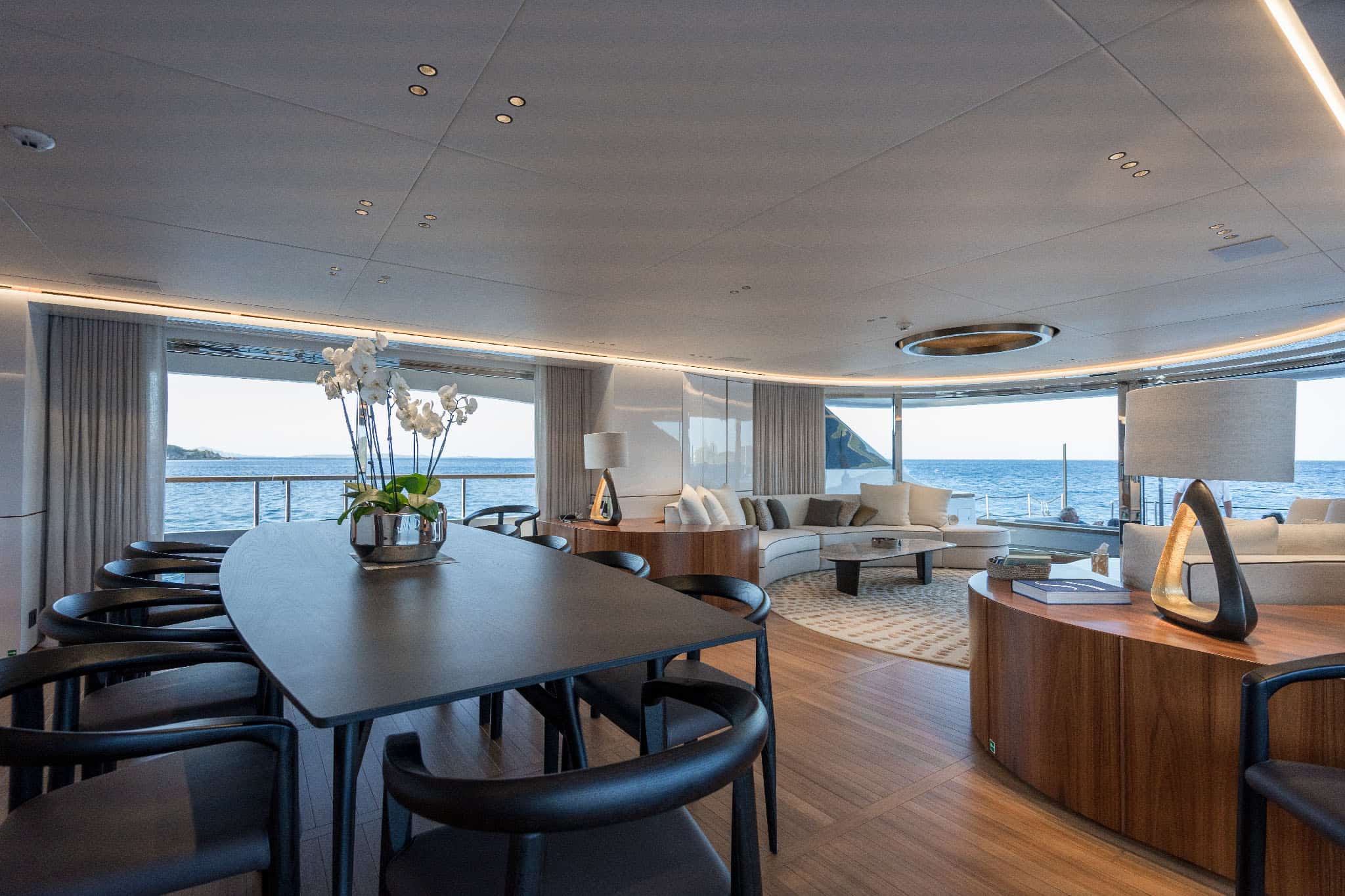
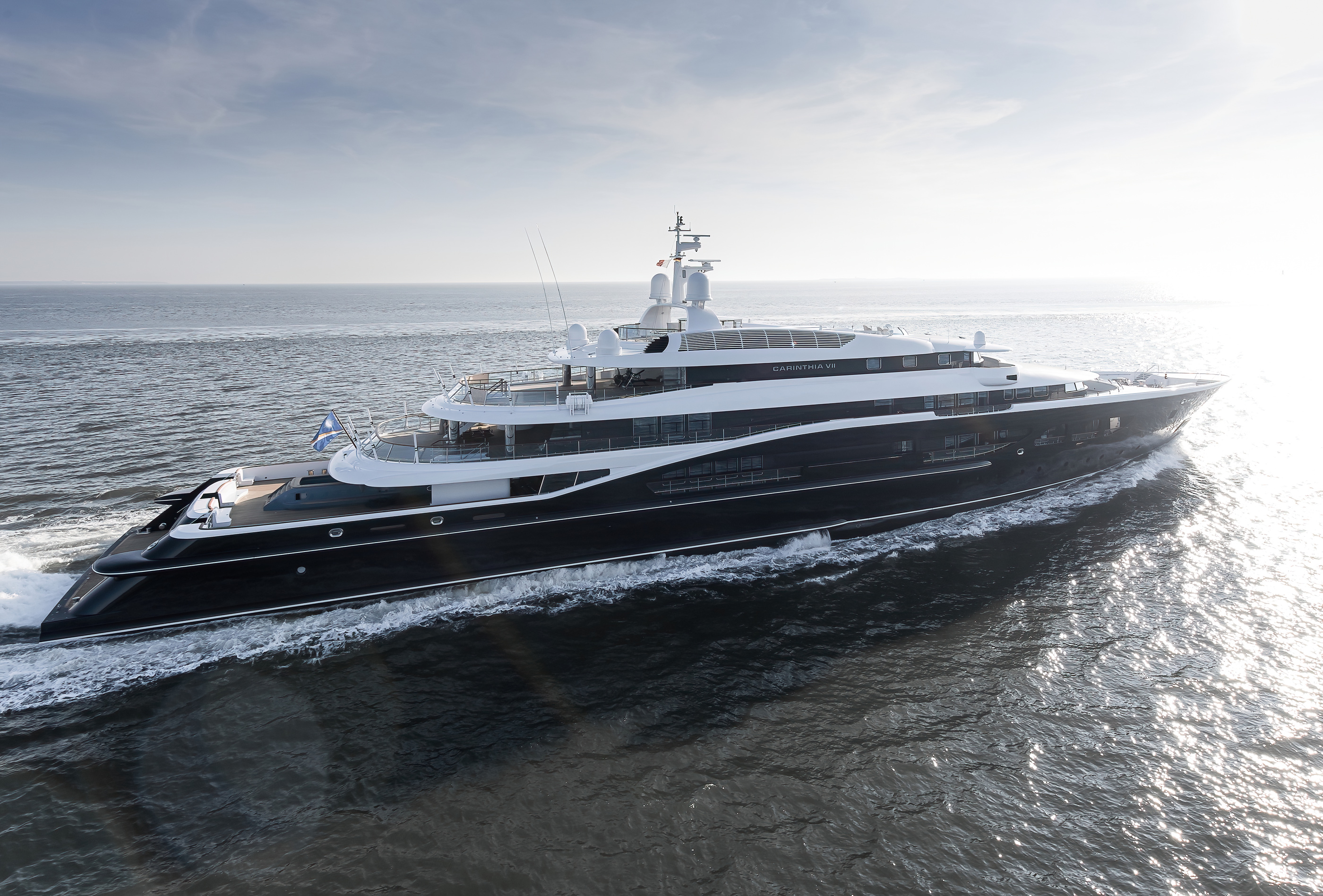
CARINTHIA VII illustrates a different proposition. Fraser records eight guest cabins across a much larger yacht, while Lürssen’s 2023 refit record describes new wellness and leisure elements alongside technical changes. The lesson is not that more cabins, decks or amenities are automatically better. It is that guest capacity, privacy, social zones and circulation need to tell the same story.
An owner review should therefore map the general arrangement against real charter use: arrival, day-to-night circulation, quiet versus active zones, service routes, dining, water access and any recurring accessibility constraint. Proposed alterations should solve a defined problem rather than chase a fashionable feature.
Crew continuity and service are part of the product
The same physical yacht can present differently with a stable, trained team than with repeated changes in key roles. MYBA makes crew profile part of the information that should be kept current and requires notification of crew changes once a charter has been contracted. It also says managers should ensure captains and relevant crew understand their charter responsibilities.
Service capability should be described as carefully as the yacht itself. A culinary focus depends on the current galley team; an active watersports programme depends on people able to deliver it. Ask the manager which capabilities have continuity and which rely on a particular crew appointment, then keep the marketed description aligned with the team actually on board.
The owner-side questions are practical: Is there continuity in the captain and heads of department? Does the service concept match the yacht’s proposition? Are culinary, watersports or wellness capabilities current rather than inherited from an old brochure? Can the team operate the equipment being marketed? Training, retention or staffing investment is most defensible when it closes a repeated service gap identified in onboard or broker feedback.
Reliability comes before novelty
A proposition is fragile when a marketed feature is frequently unavailable, refit work overruns into the calendar or recurrent defects consume crew attention. MYBA specifically identifies refit delays, mechanical issues and changes in amenities or water-sports equipment as matters that should be communicated promptly to the retail broker after contract.
CARINTHIA VII's 2023 refit gives a concrete example. Lürssen describes new fitness and swimming facilities, zero-speed stabilisers and work bringing the yacht into class for commercial use. Fraser records the 2002/2023 build and refit history. The changes touch both guest experience and operating capability: two distinct reasons to consider refit, each requiring its own assessment.
An owner should separate defects that threaten reliability, product weaknesses that repeatedly limit the proposition, and optional enhancements whose benefit is difficult to evidence. The first category generally demands attention. The second needs a clear use case and technical feasibility review. The third is where rejecting expenditure may be the most disciplined decision.
Treat tenders, toys and connectivity as operating inventory
Equipment lists age quickly. Tenders change, toys are replaced, certifications lapse and connectivity packages evolve. The current Burgess listing for TALISMAN MAITON gives a detailed tender and toy inventory, then explicitly states that tenders and toys are subject to regular upgrades and changes and that the latest information should be checked. It makes the same qualification for fitness, wellness, communication and entertainment equipment.
That distinction should govern owner records as well. “Installed” and “operational for the next charter” are not the same statement.
A useful register distinguishes owned from rented or rendezvous equipment; permanent from portable; operational from awaiting service; qualification or certification dependencies; replacement cycle; storage and launch constraints; and whether the item supports the yacht’s primary proposition. Connectivity deserves the same treatment because hardware, coverage and service plans can change independently of core specifications.
Market what is true, current and distinctive
Burgess describes a visual narrative built through photography, video, advertising and public relations. For an owner, the useful question is what each channel helps a prospective charterer understand about the present yacht.
The owner-side standard should be stricter: every material should make the current yacht easier to understand without widening the gap between expectation and delivery. Refresh imagery after a meaningful refit; show the cabin mix rather than only public spaces; document tender and water-access arrangements; keep deck plans aligned with the live configuration; and remove images of features that no longer exist.
MYBA’s guidance reinforces the same point by calling for regular updates to layout, refit details, amenities, equipment, crew profile and operating calendar. A broker should be able to answer “Which cabins convert?”, “Which tender is carried?”, “What changed in the refit?” and “Which periods are unavailable?” from the yacht's current material. Resolve missing details before commissioning a wider campaign.
Position price as context, not a standalone signal
Price belongs in the positioning conversation. Start with the yacht's guest proposition, then compare rates for relevant dates and cruising regions. Distinguish a published asking rate from the terms of a completed booking: they answer different questions.
Fraser describes assessment of comparable yachts as part of programme development. Ask the manager to explain the comparison set and the differences that matter: guest configuration, service, refit, location, season and booking terms.
The rate position should make sense alongside those characteristics. Compare like periods and regions, identify the available evidence and revisit the decision when the yacht or programme changes. Published asking rates are one input; the manager's current transaction evidence, where available for this purpose, supplies different context.
Calendar and geography are part of the product
A yacht cannot be positioned independently of where and when it can operate. MYBA includes winter and summer location, home ports, owner use, shipyard works and unavailable periods among the information a charter manager should maintain. Fraser likewise treats calendar management and positioning as part of the management task.
Private use is a legitimate owner priority, but it should be fixed early enough for the remaining programme to be described clearly. The same applies to shipyard periods, class work, maintenance and delivery time between regions. The useful measure is not maximum theoretical availability; it is credible availability that respects owner priorities and technical reality.
Geography also needs to fit the yacht. Draft, range, tender capability, certification and local rules can constrain the operating programme. Those points require vessel-specific and jurisdiction-specific verification; they should never be inferred from the marketing plan alone.
Distribution is an operating discipline
Excellent photography and a coherent proposition are not enough if information moves slowly. MYBA says charter managers should keep professional listing data current, disclose relevant restrictions and alert retail brokers to material changes. Retail brokers are also encouraged to pass client feedback to the charter manager where possible.
Distribution is therefore a two-way operating system: the manager supplies current information; the retail broker tests it against real client briefs; the yacht and owner team decide what to maintain, clarify or change.
Useful owner-side measures are procedural rather than speculative: how quickly material changes enter the professional record; whether updated photography and deck plans are distributed consistently; whether enquiry questions receive accurate answers; whether owner-use and yard periods are clearly blocked; and whether broker comments are captured for review. The aim is to reduce friction between the yacht as operated and the yacht as represented, not to manufacture activity metrics.
Use feedback to improve the next charter
Collect feedback with enough context to use it. MYBA asks retail brokers, where possible, to pass client feedback to the charter manager after a charter. Put that alongside crew debriefs, defect records and recurrent pre-charter questions. Look for independent observations that identify the same practical issue, rather than letting one preference drive the programme.
The owner should look for recurrence and source quality. Repeated independent comments about confusing cabin flexibility deserve more attention than a vague request to “modernise”. Recurrent failure of the same equipment deserves more attention than adding a new toy. Persistent uncertainty about whether an amenity still exists may point first to a documentation problem, not a capital project.
Record the date, context and source of feedback, then test whether it points to an issue within the owner's or management team's control. A request becomes useful when it identifies an experience to improve and a practical way to improve it.
The maintain–clarify–improve–invest–reject matrix
The review should end with actions rather than a longer wish list.
| Decision | Use it when | Typical owner-side examples | Evidence required before action |
|---|---|---|---|
| Maintain | The factor is reliable, proposition-critical and well represented | Stable senior crew, dependable tender, effective social zone | Operating records plus consistent feedback |
| Clarify | The capability exists but the record is stale or ambiguous | Convertible cabins, refit scope, current toy list, connectivity package | Verified configuration, dated imagery/specification and update owner |
| Improve | The asset is adequate but delivery or process is inconsistent | Service training, maintenance response, broker-information workflow | Repeated operational evidence and a defined corrective measure |
| Invest | A material constraint cannot be solved by process or clarification | Refit of a weak guest area, stabilisation work, tender replacement | Technical feasibility, cost, downtime, compliance and a documented use case |
| Reject | The proposal lacks a defined problem, evidence or operational fit | Fashion-led amenity, redundant toy, cosmetic change without proposition logic | Written rejection rationale and evidence gap |
“Invest” is not the top rung. If the yacht is sound but badly documented, clarification may be more valuable than construction. If a skill gap is the issue, training may be more proportionate than a physical change. If an amenity adds maintenance burden without strengthening the use case, rejection can be the more competitive decision.
Review should also be event-driven: after a major refit, change of captain or senior crew, material equipment change, revised owner-use plan, new cruising region or repeated substantive feedback. Those events are also recheck triggers for any published description of the yacht.
Bring the review back to the next season
End the review with a short programme of decisions. Protect the strengths guests and brokers understand, refresh ambiguous material and assign a responsible person to each practical improvement. Keep proposed capital work separate until its cost, downtime and technical implications have been assessed.
The captain, management team and relevant technical, class, flag, insurance and financial advisers should assess vessel-specific changes. The commercial review gives them a defined problem to solve rather than a wish list of fashionable amenities.
Return to the review when a refit, senior crew appointment or cruising-region change alters the offer. Competitiveness is maintained through those decisions, not settled permanently by a new brochure or an additional feature.
Key takeaways
- Define the guest experience the yacht is particularly well equipped to deliver.
- Match layout, current crew capability, equipment and reliability to that experience.
- Use photography and plans to explain the present yacht, including meaningful refit changes.
- Review pricing and availability against a clearly defined season, region and comparison set.
- Turn repeated, contextualised feedback into specific improvements rather than a longer amenity list.
- End with proportionate decisions: maintain, clarify, improve, invest or reject.
Sources & credits
Methodology and sources
Revised on 13 September 2026 using MYBA workflows, current builder records and attributed brokerage material. Yacht examples illustrate configuration and refit choices rather than measured demand or financial return. MYBA's workflow PDF is dated January 2019; historical tax and contract-version passages are excluded. The CARINTHIA VII example uses the documented refit changes without a pool-length figure, on which builder and broker sources differ.
- MYBA — Documents
- MYBA Charter Committee — Guidelines for Retail Charter Brokers and Charter Managers
- Fraser — Yacht Charter Management
- Burgess — Charter Management
- Burgess — Yacht Marketing
- Fraser — CARINTHIA VII Yacht for Charter
- Lürssen — CARINTHIA VII
- Burgess — TALISMAN MAITON Motor Yacht for Charter