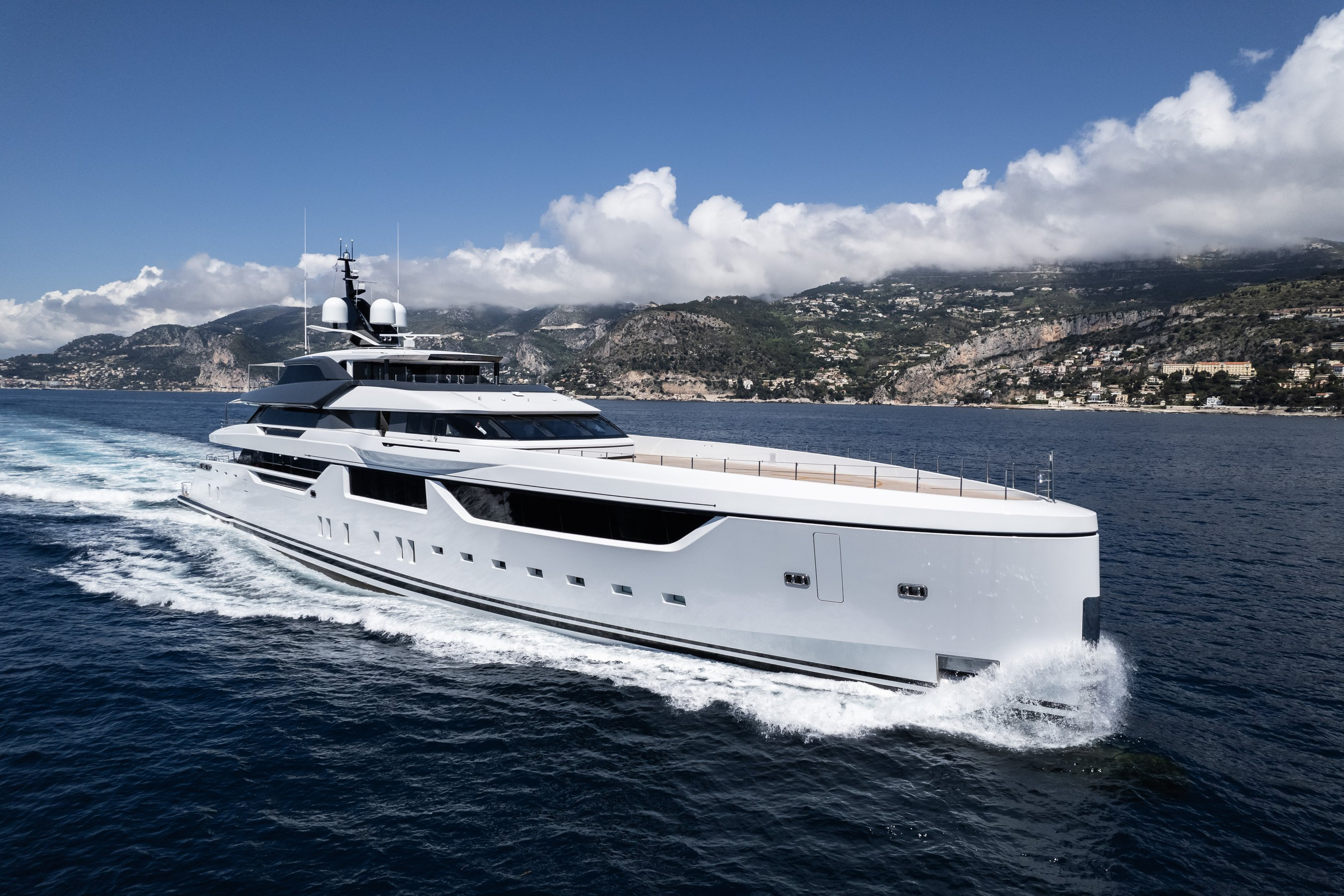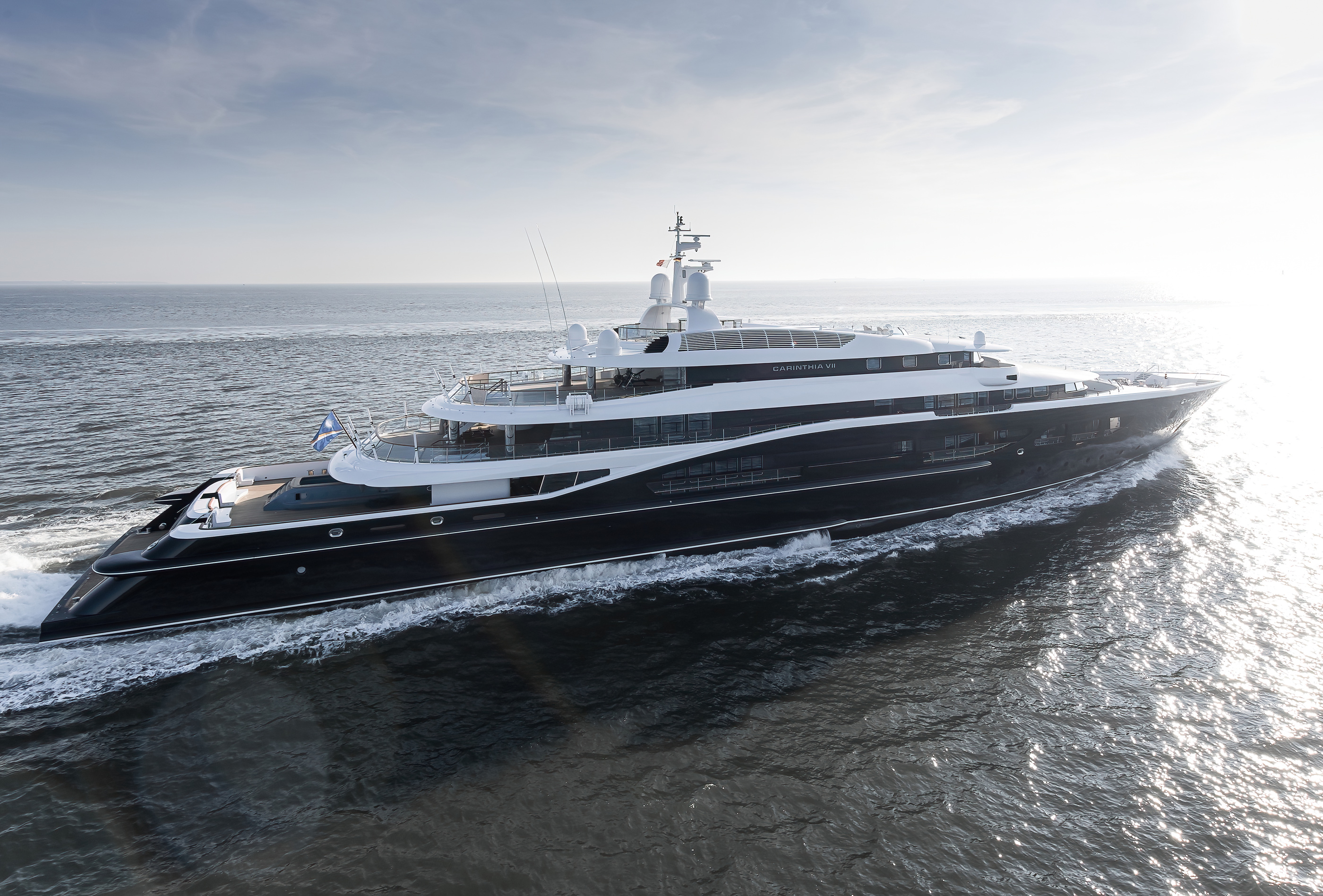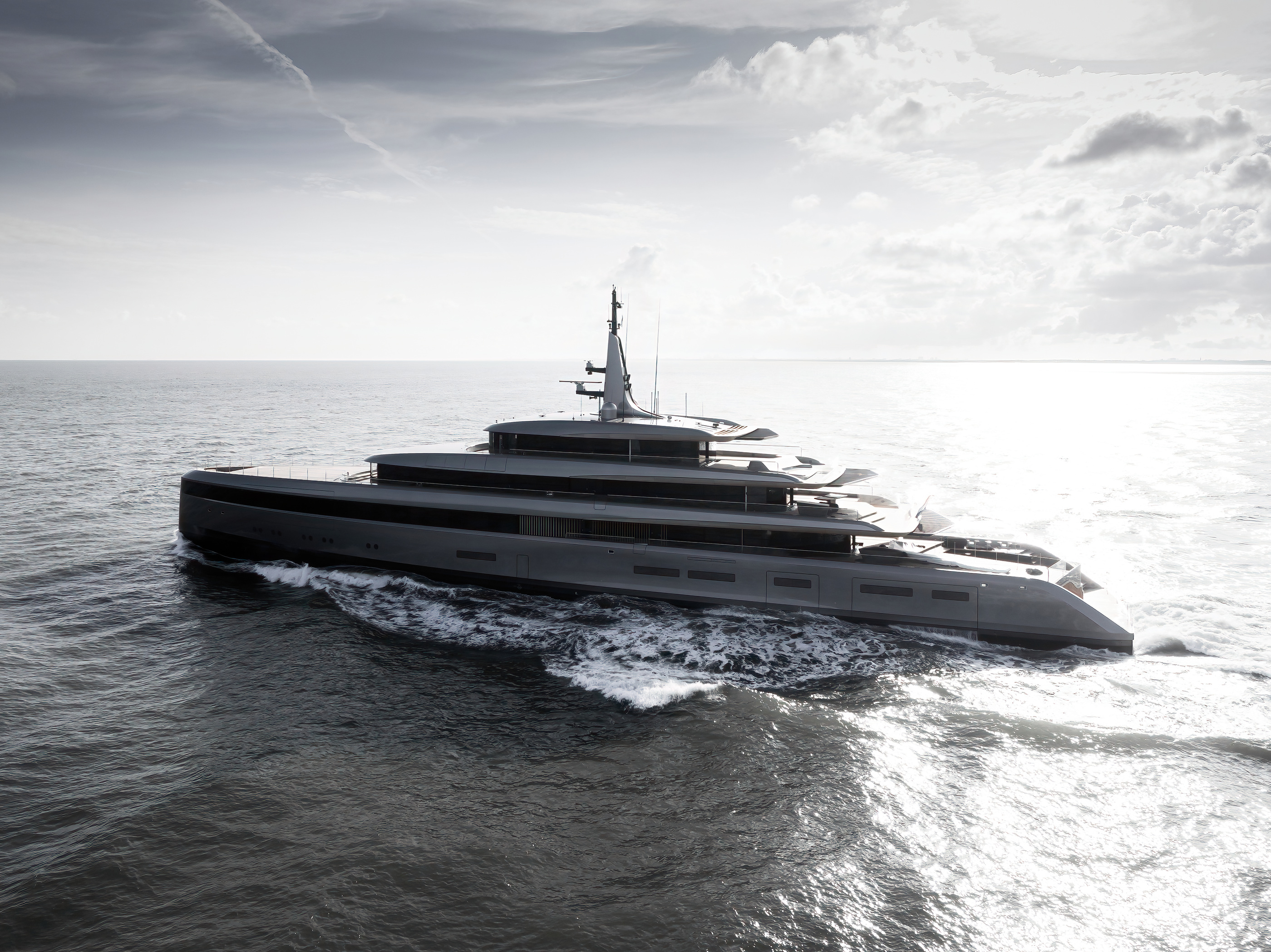
Length, beam, draft and gross tonnage describe different parts of a yacht's physical envelope. Length is a longitudinal measure, beam describes maximum width, draft indicates how far the hull extends below the waterline, and gross tonnage measures enclosed internal volume under a defined convention. Gross tonnage is not the yacht's weight. Reading the four together is more useful than ranking yachts by one headline number.
Specification fact unit
- Length overall and load-line length are different measurement bases.
- Beam is width, but maximum beam does not describe the complete hull form.
- Draft needs a loading condition and may change materially between configurations.
- Gross tonnage is a calculated index based on enclosed volume, not a mass unit.
- Displacement is a mass concept and must never be substituted for gross tonnage.
- Evidence boundary: definitions and declared figures do not certify a particular vessel or provide navigation clearance.
Length: define the reference
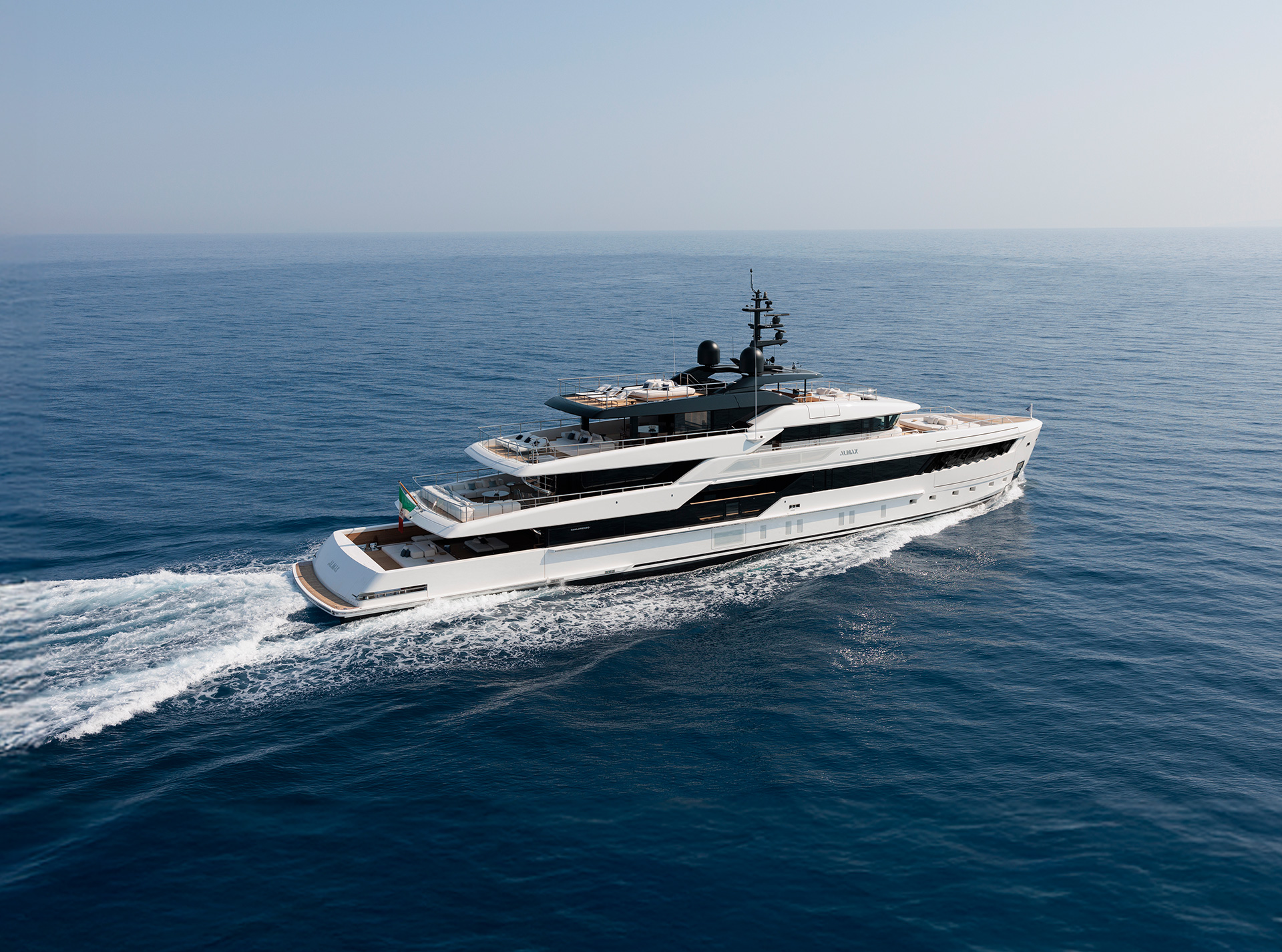

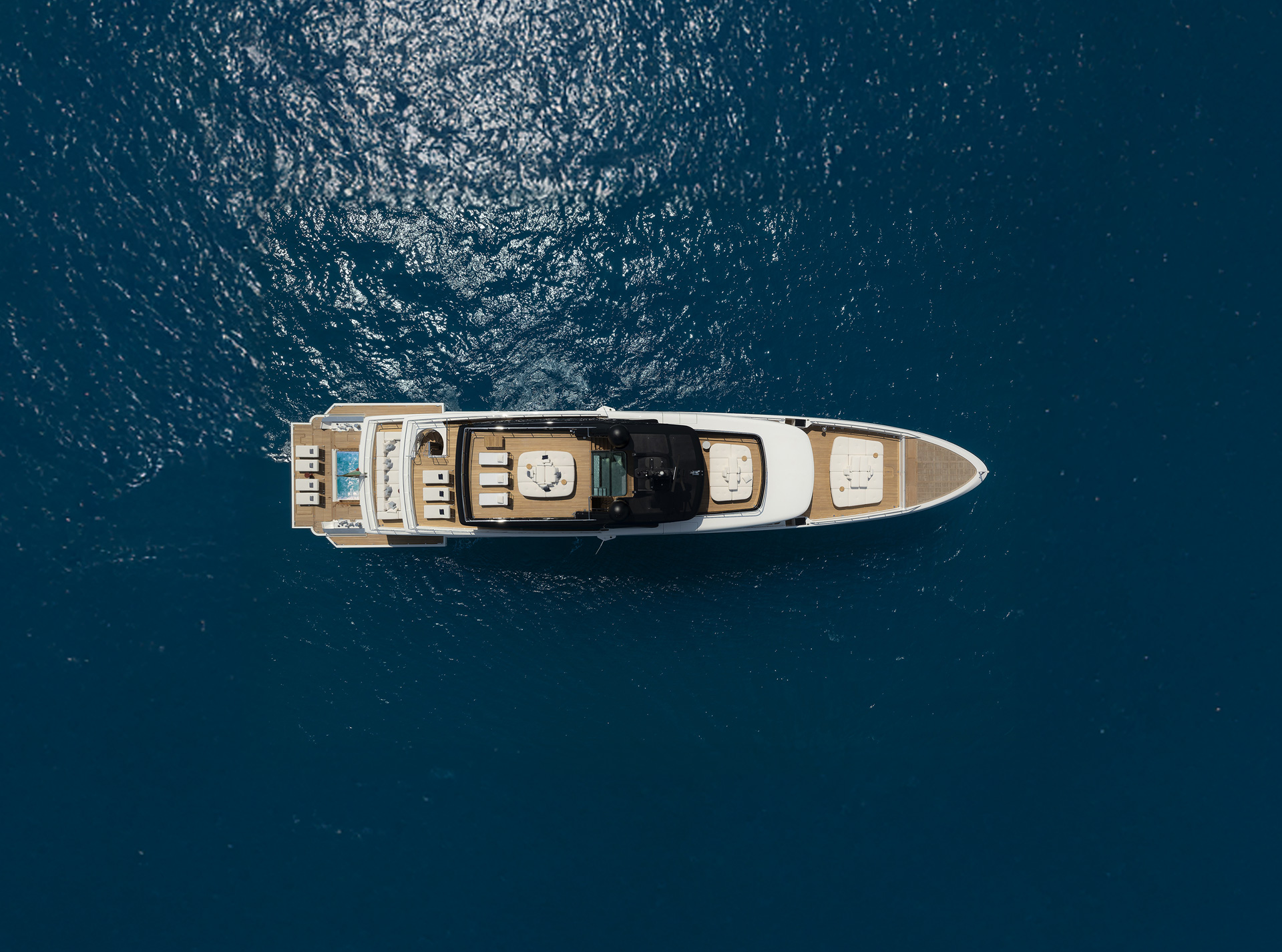
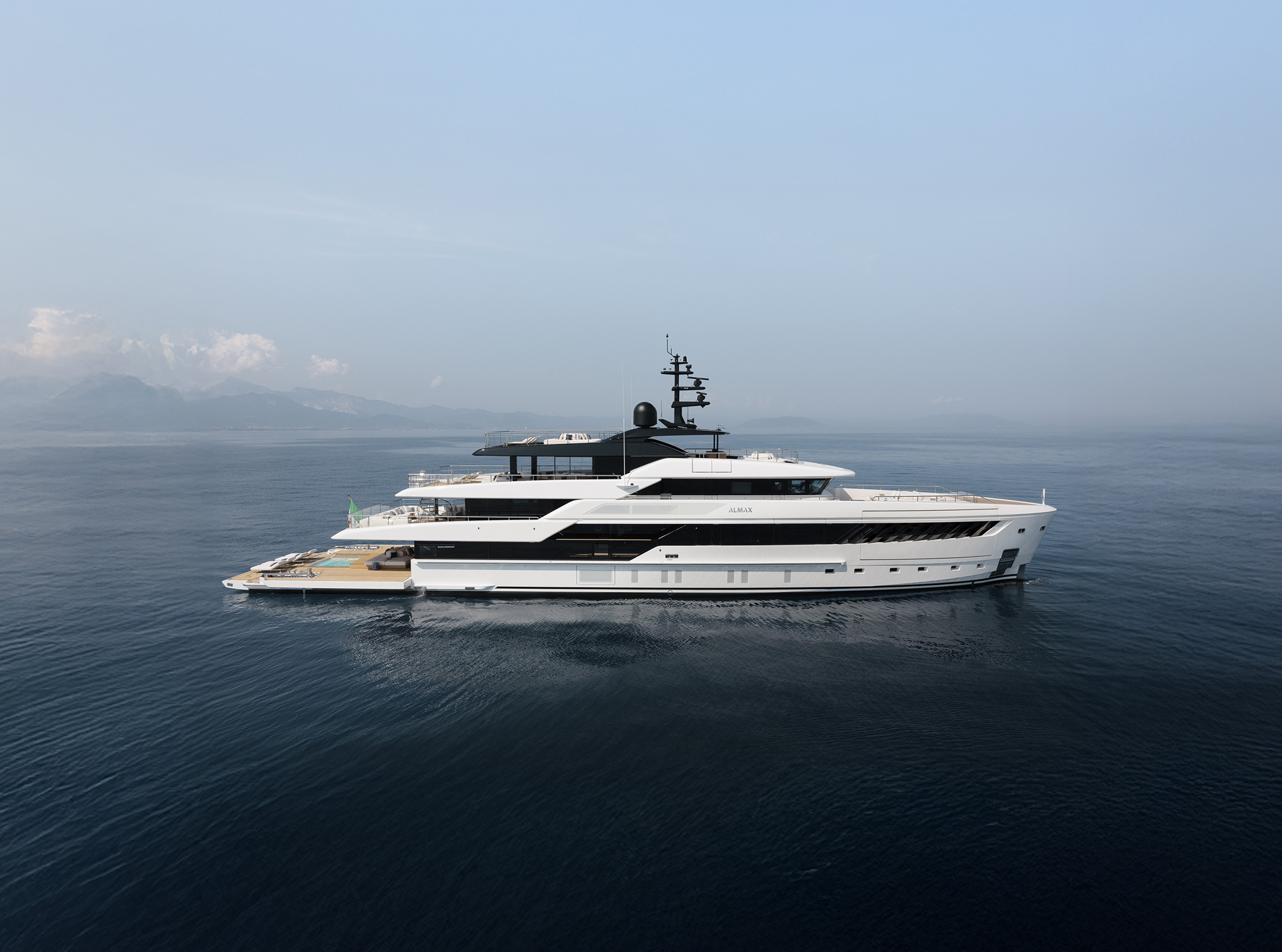
“Length” can mean length overall, load-line length or another regulatory measure. Editorial specifications should name the basis rather than publish a bare number. Length overall usually captures the furthest fixed points of the vessel, but detachable equipment or measurement conventions can change what is included. A source-led profile should retain the builder's unit and definition, convert only when necessary, and disclose rounding.
Length affects berth availability, marina charges, manoeuvring and some regulatory thresholds, but it does not reveal the distribution of usable space. Two yachts of equal length can have very different beam, deck count, hull form and internal volume.
Beam: width with consequences
Beam influences stability, resistance, interior width and the practical geometry of marinas and lifting facilities. More beam can create generous accommodation, but the naval architect must balance hydrodynamic efficiency, structure and seakeeping. Maximum beam also does not show where that width occurs or how much is lost to structure, machinery and circulation.
Draft: the access constraint
Draft is the vertical distance between the waterline and the deepest part of the hull or appendage under a stated loading condition. It affects access to shallow anchorages, ports and maintenance facilities. Published draft can vary with load, fuel, stores and water. A sailing yacht may also have a lifting keel, making a single figure incomplete.
For itinerary planning, draft should be compared with current charts, local notices, tides and harbour guidance. A marketing specification is not a navigation instruction.
Gross tonnage: volume, not mass
The International Maritime Organization's Tonnage Measurement Convention defines gross tonnage through the moulded volume of enclosed spaces and a calculation coefficient. It is a dimensionless index, although it is commonly written as “GT”. It should never be converted into tonnes of weight.
Gross tonnage is useful because it helps compare the broad scale of enclosed volume and triggers regulatory consequences. It still does not say how well that volume is planned. Machinery rooms, tanks, crew areas, storage, circulation and guest accommodation all occupy it.
How Luxe Digital will publish specifications
Each entity record should preserve the source, measurement name, unit and verification date. Conflicting official figures should not be silently averaged; they should be reconciled or displayed with an explanation. Builder data can establish the declared specification, while class, flag or registry documentation may provide a stronger verification layer where legitimately available.
Displacement: the missing fifth term
Displacement describes the mass of water displaced by the vessel and therefore relates to vessel mass under a stated condition. It is not interchangeable with gross tonnage. A light-displacement figure, full-load displacement and an estimate at another operating state can differ because fuel, water, stores, tenders, equipment and people change the vessel's condition.
Editorial tables should state the condition or reproduce the source's exact label. If the source gives no condition, the record should say so. Converting tonnes to another mass unit is possible; converting GT into tonnes is not, because the underlying quantities are different.
Displacement also does not by itself reveal efficiency or seakeeping. Hull form, speed, loading, propulsion and operating profile remain material. A heavier vessel is not automatically worse, and a lighter declaration is not automatically a better design.
Waterline length and regulatory length
Length overall is intuitive for readers, but naval architecture and regulation use other longitudinal measures. Waterline length changes with hull geometry and loading. Load-line length follows a defined regulatory basis and can influence which requirements apply. A builder page may feature the most communicative dimension while a code or certificate uses another.
The editorial obligation is to keep those measures distinct. A profile should not replace a technical certificate's load-line length with the builder's LOA simply because both are called length. When a threshold matters, the governing document and administration decide which definition applies.
Overhangs, swim platforms, bowsprits, beach-club structures and detachable equipment can complicate the physical envelope. Marina acceptance should therefore be confirmed against the vessel's actual particulars and the marina's own method, not inferred from a rounded online number.
Air draft and height constraints
Air draft is the vertical distance from the waterline to the vessel's highest relevant fixed point under a stated condition. It matters for bridges, covered facilities, cranes and some routes. It is separate from draft below the waterline and deserves its own field.
Masts, antennas and equipment may have operating or lowered states. A generic height copied from a sales page cannot establish clearance. The captain and relevant authorities must use current vessel documentation, water levels, charted information and local notices.
This illustrates a general rule: specifications are inputs to professional planning, not instructions. Luxe Digital can explain what the figures mean; it cannot turn an entity page into a passage plan.
Why equal length does not mean equal space





Two 50-metre yachts can differ materially in beam, deck count, superstructure volume, machinery arrangement and regulatory treatment. One may prioritise exterior deck area; another may allocate more enclosed volume to guest accommodation, crew circulation, storage or technical spaces.
Gross tonnage provides a broader enclosed-volume signal, but it still cannot grade space quality. Headroom, window geometry, stair positions, service routes and furniture determine whether volume feels coherent. A high GT within a given length can indicate a fuller envelope; it does not prove better proportions or experience.
The correct next step is a general arrangement plan and, where access exists, physical inspection. Editorial language should distinguish declared scale from observed spatial performance.
Sailing yachts and variable geometry
Sailing yachts make bare comparisons especially fragile. Fixed and lifting keels can create multiple draft states. Masts and rigs add air-draft constraints. Appendages, bowsprits and transom arrangements complicate overall dimensions. Sailing displacement also needs a condition.
When two figures exist, both may be correct for different modes. The record should name the mode rather than pick the smaller or larger value. A lifting-keel minimum is not the yacht's universal draft, and its maximum draft is not necessarily the condition used for every harbour movement.
A publication-ready data contract
Every specification field should include the value, original unit, definition, operating condition, publisher, source URL, source date and lastVerifiedAt. A converted value should retain its conversion method and rounding. Conflicts should create an editorial task, not an average.
Vessel entities must remain draft/noindex when a material figure lacks provenance or when the model variant cannot be identified. Builder, model and individual hull are different entity levels. A family-level specification must not be presented as the delivered particulars of a named yacht.
The minimum verification sequence is: identify entity and variant; capture the exact official statement; compare legitimate class, flag or registry evidence when available; record discrepancies; recheck at publication; and disclose what remains unverified.
Owner-side questions
- Which length definition controls the intended berth or regulatory threshold?
- Is beam stated in the normal closed configuration or a deployed mode?
- Which loading condition governs draft and displacement?
- Does the yacht have variable keel, mast or platform geometry?
- Which certificate or official particulars support each figure?
- Is gross tonnage being misdescribed anywhere as weight?
- Are tenders, toys and optional equipment included in the stated condition?
- When were the figures last verified against the actual vessel?
Editorial verdict
No single headline number describes a yacht's usable capability. Length frames longitudinal scale, beam frames width, draft frames underwater access and gross tonnage frames enclosed-volume scale. Displacement and air draft add different operational information. The authoritative comparison is the one that preserves definitions, conditions and entity level—even when that produces fewer comparable cells.
Key takeaways
- Length, beam and draft are dimensions; gross tonnage is a calculated volume index.
- Gross tonnage is not displacement and not weight.
- Draft changes with loading and must not be treated as navigational clearance.
- Every specification needs a named source, definition, unit and verification date.
Sources & credits
Methodology and sources
This evergreen guide uses the IMO Tonnage Measurement Convention, current UK Sport or Pleasure Vessel Code guidance and Lloyd's Register yacht-notation context, rechecked on 30 August 2026. It provides definitions, not vessel-specific certification, navigation instruction or a verdict on the photographed yacht.
- IMO: International Convention on Tonnage Measurement of Ships
- UK Maritime and Coastguard Agency: Sport or Pleasure Vessel Code guidance
- Lloyd's Register: yacht notation guidance
Media: official Sanlorenzo 50Steel photography is used as a visual study of exterior envelope, deck distribution, circulation and enclosed-space consequences. The imagery does not certify the vessel's dimensions, tonnage, loading condition, clearance or operating capability.