Before agreeing a viewing, ask for a file that belongs to the exact car. The specification, service record and proposed inspection should describe one identifiable machine, rather than three attractive but loosely connected accounts. That is the beginning of a useful pre-owned acquisition: understanding what is being offered, what has been examined and what still needs an answer before the keys change hands.


Two views of the same car
An exceptional car invites close looking. Paint, upholstery, controls and the relationship between its wheels and body can all influence the wish to own it. Documentation deserves the same attention, because it gives those visible details a position in the car’s history. The question is whether the record makes the particular vehicle more understandable.
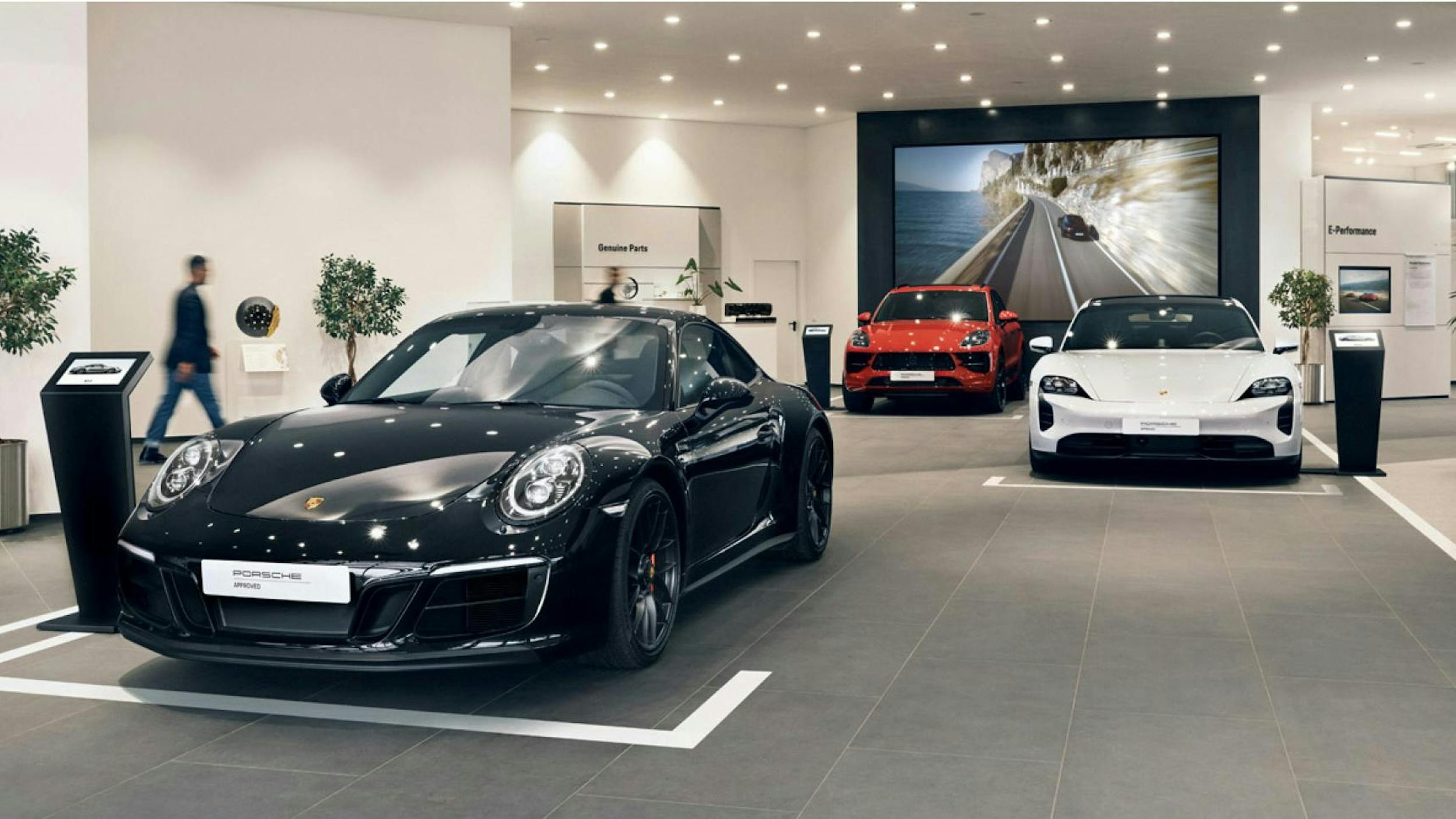
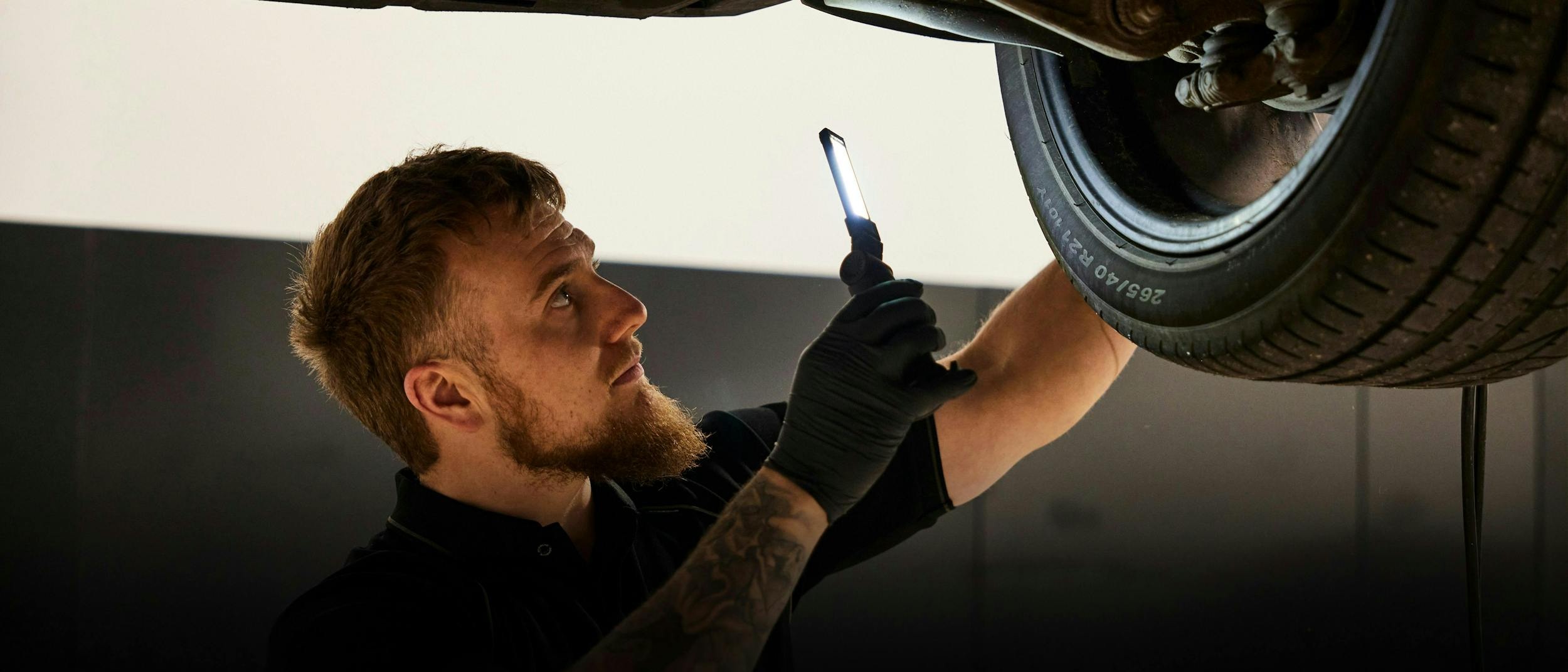
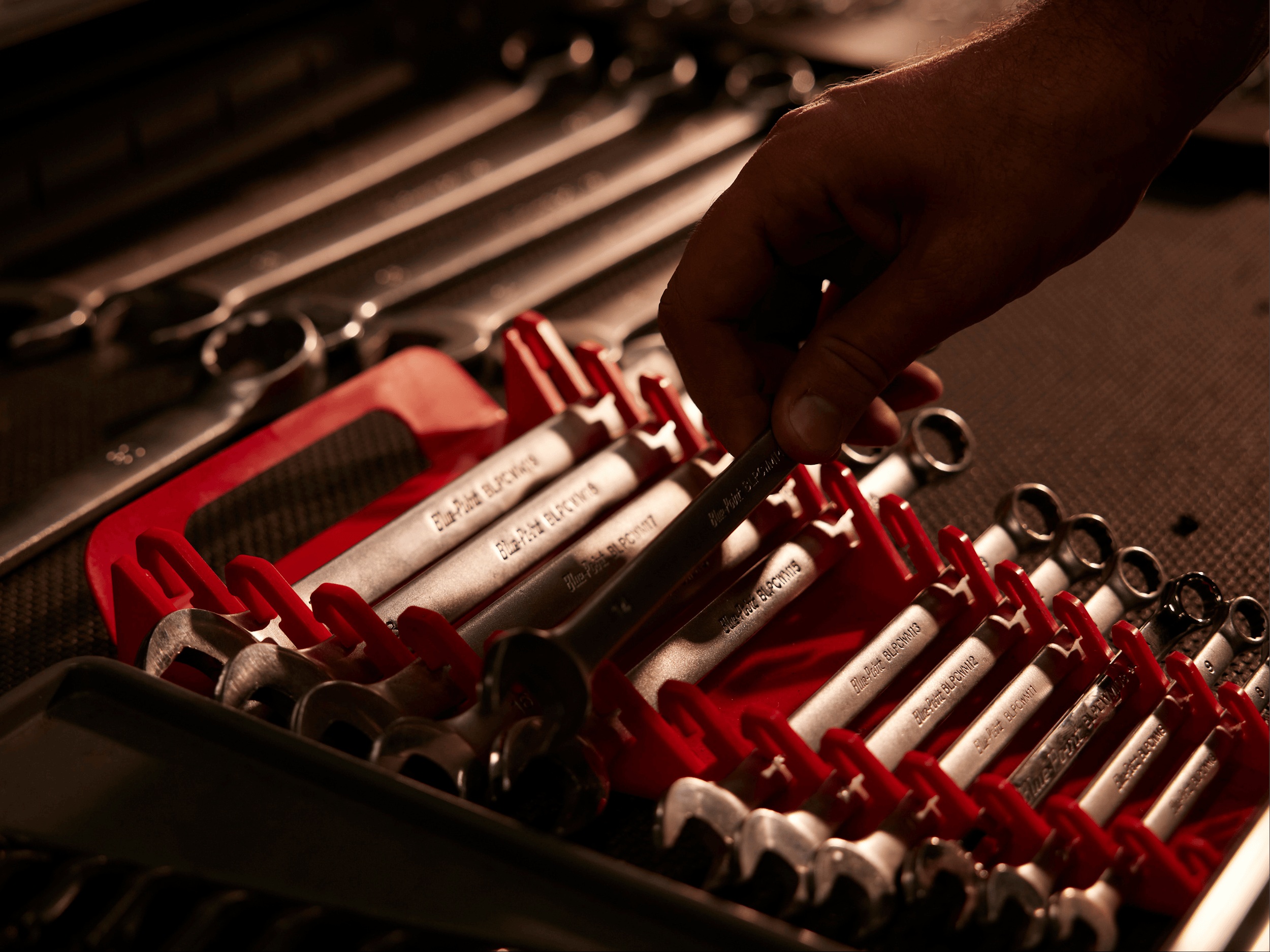
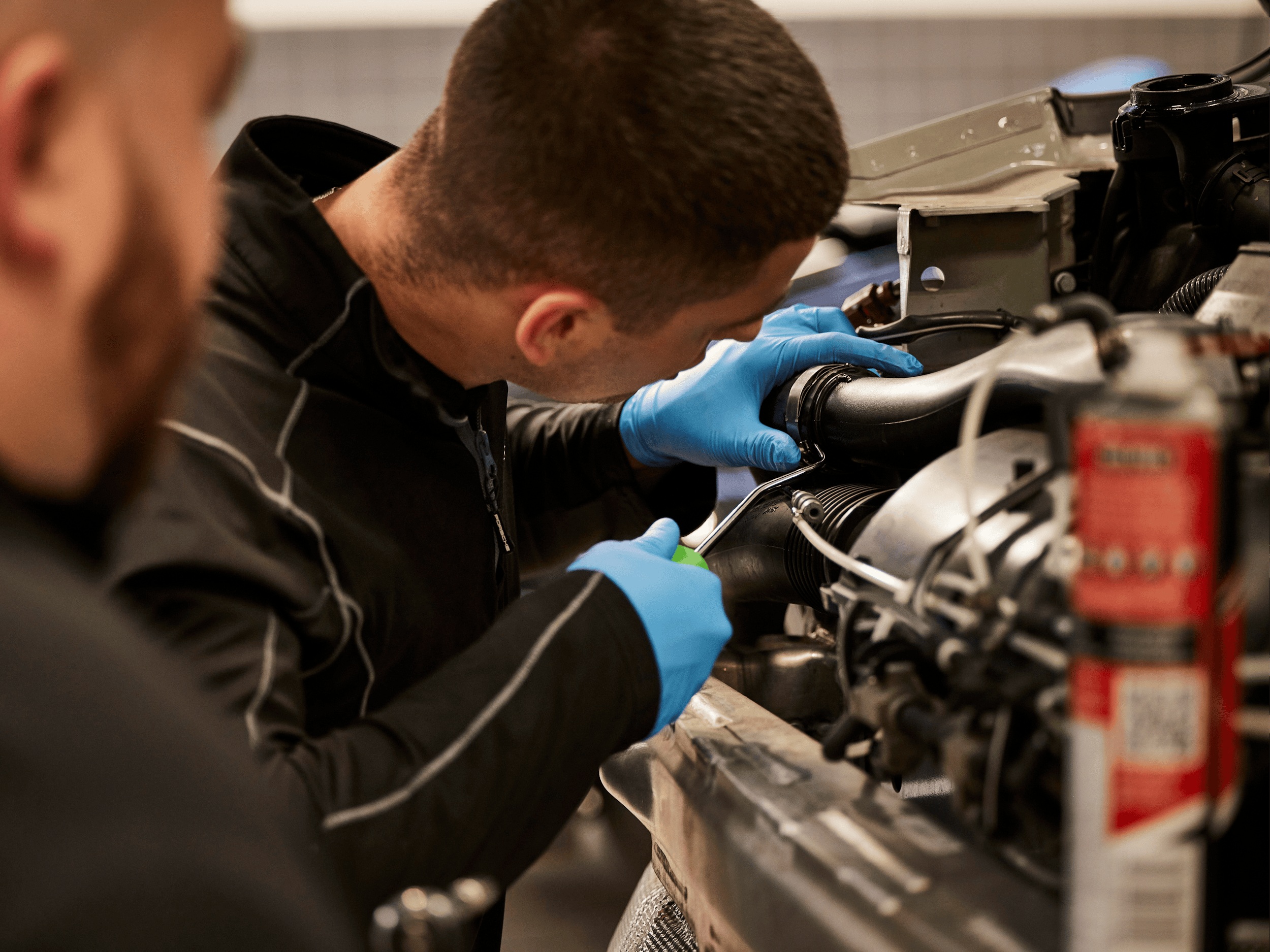
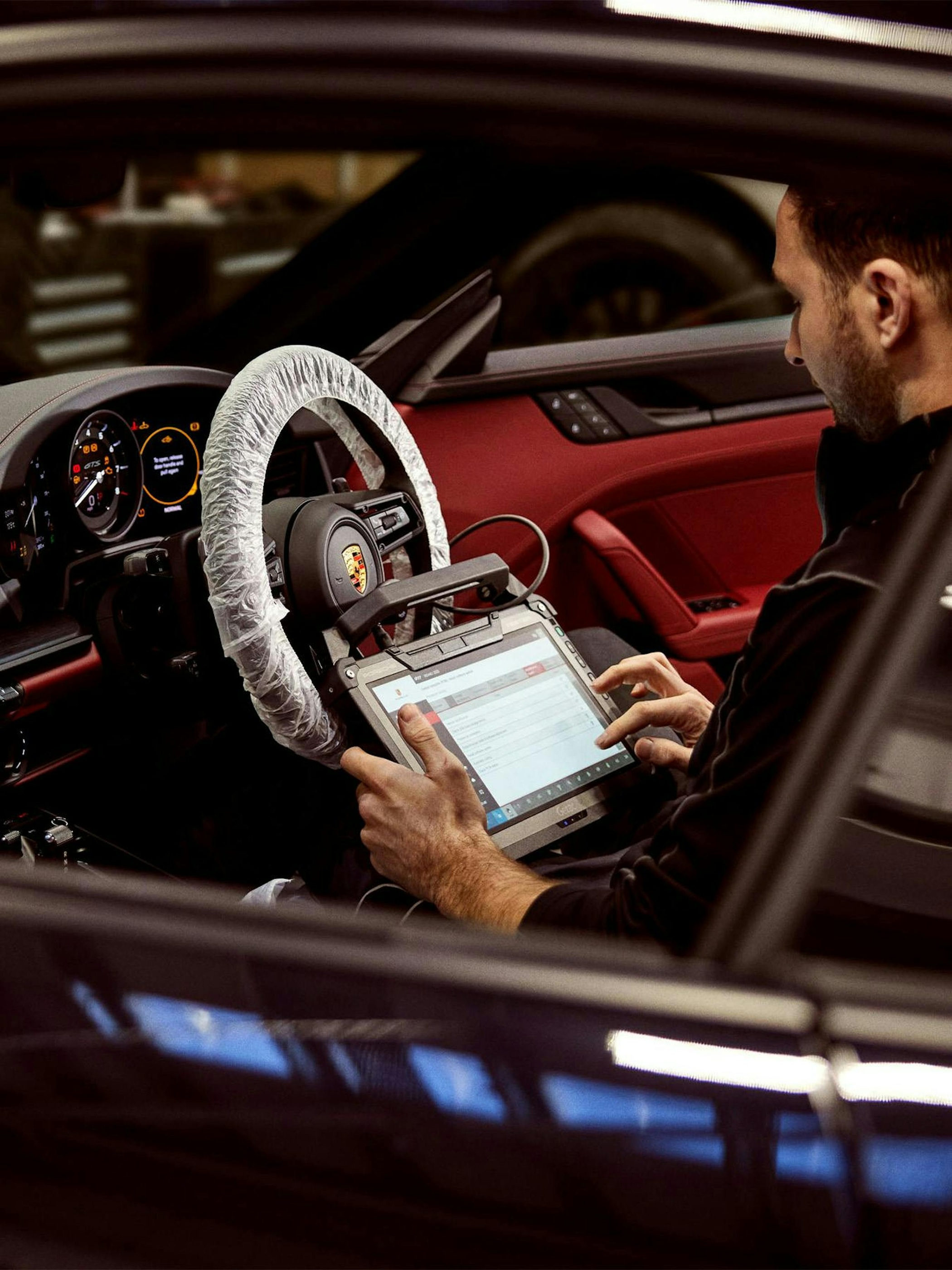
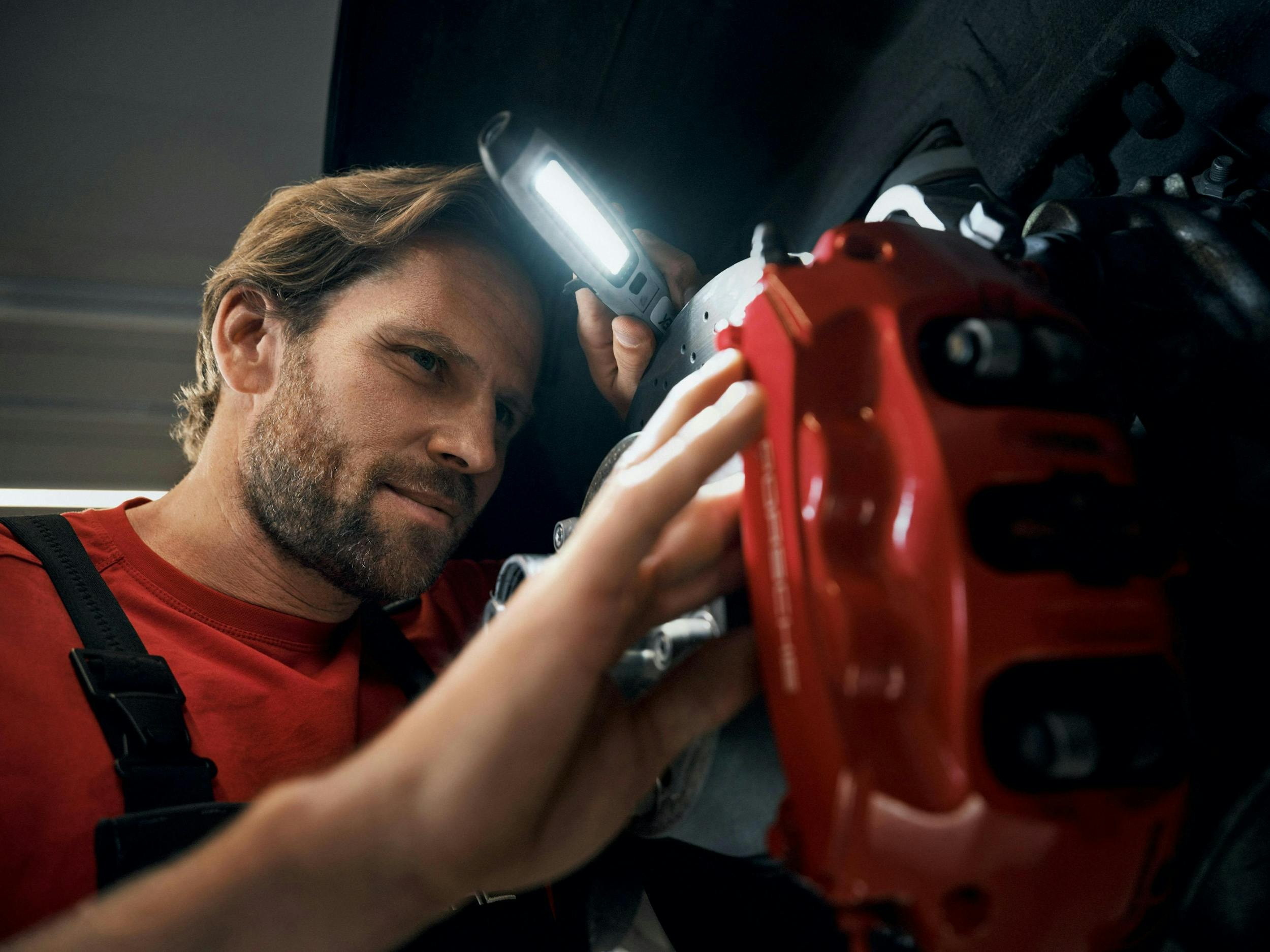
Porsche’s UK Approved material offers a concrete reference. Its vehicle-preparation account describes a 111-point checklist covering the vehicle alongside its documentation and history. The accompanying photographs move between a showroom, a technician beneath a raised car, diagnostic equipment and workshop tools. These are official illustrations of the programme, not an inspection commissioned by LuxeDigital or evidence about a car currently offered to our reader.
Read that distinction positively. A well-organised process gives the buyer better questions to ask. Request the actual assessment and preparation information relevant to the proposed purchase, rather than assuming that a programme description supplies the complete individual file. Keep the people responsible for each answer visible from the beginning.
Start with identity and specification
Ask the seller to identify the car precisely, then connect the relevant documents to that identity. Model designation, year, market specification and the recorded vehicle identifier should be coherent across the material supplied. An interesting option deserves a documented reference, particularly when it is central to the reason for choosing this example.
Keep the original specification separate from later changes. A wheel, interior component or entertainment upgrade may be entirely appropriate to the owner’s taste, but it belongs to a different question from how the car was first supplied. Ask what changed, when and what record accompanies it. The purpose is clarity, rather than treating every modification as either an automatic advantage or an automatic defect.
For a personal commission, distinguish the design story from the evidence for the car under consideration. Our Batur Convertible study explains how a palette can move between body, cockpit and detail. It does not authenticate the specification of another Batur. The same care applies to any unusually finished or individually equipped car: obtain the record for that particular example.
Read service history as a sequence
A service record becomes more informative when it can be read chronologically. Ask for the available dated entries, recorded mileages, work descriptions and supporting invoices or reports. Keep what was recommended distinct from what was authorised and what was actually completed. A quotation is useful context, but it is not a completed intervention.
Write down the gaps as questions. A missing document may have an explanation or another reliable source; it should not be silently replaced by an assumption. Equally, a thick folder does not answer every question merely by being substantial. The value lies in connecting entries to the exact car and to the work they describe.
Avoid turning this reading into a remote diagnosis. A buyer can organise the record and identify uncertainties without claiming the competence to assess every component from an invoice. Give the relevant specialist the history in advance and explain the intended use. A car for occasional weekends and one expected to make regular continental journeys may prompt different practical discussions.
Give the inspection a question
Commissioning an assessment is more useful when its scope is understood. Ask who will examine the car, which systems and areas the work includes, what documents are reviewed and what form of report will be supplied. Establish how limitations, inaccessible areas and matters needing further investigation will be recorded. The result should be a dated account with a stated purpose.
Porsche’s UK benefits page describes checks of condition, functionality, documentation and history, including diagnostic information within its history-check account. That is a description of the named programme. It should not be extended into a promise that every seller or every inspection elsewhere performs the same work. Ask for the actual process being offered.
Where an electric or hybrid car is involved, make the relevant battery information an explicit part of the conversation. Porsche’s UK Approved overview includes high-voltage battery checks in its electric and plug-in-hybrid account. For a proposed purchase, ask which evidence is available, its date and what the result establishes. A broad phrase about battery health needs an identified report and context.
Separate preparation from future support
The next useful distinction is between work completed before delivery and support that may apply afterwards. Request a written account of agreed preparation, any outstanding items and the documents that will accompany collection. If a specific point influenced the decision to buy, it should remain identifiable in that account.
Read any warranty or assistance proposal as its own document. Confirm the actual provider, market, applicable vehicle, dates, scope and process for seeking assistance. This guide does not interpret an individual contract or promise an entitlement. The practical objective is to leave with the terms that belong to the purchase, rather than a recollection of general programme language.
For example, the current UK Porsche material presents its Approved offering alongside a minimum warranty period, while the separate Approved Warranty page explains that product on its own terms. Their relationship is a reason to ask for the precise documents being supplied. It is not a basis for transferring a UK description to another country or another marque.
The viewing and handover file
Use a short shared record to keep the conversation legible. The following is an editorial enquiry framework, not an inspection checklist or a substitute for the relevant professional’s report. Its value is that each question has a place for an answer and a person responsible for it.
| Record | What to request | What it helps clarify |
|---|---|---|
| Identity | Exact vehicle reference and matching documents | Whether the file concerns the car offered |
| Specification | Original configuration and recorded changes | Which details belong to this example |
| Service sequence | Dated work, mileage and supporting records | What is documented over time |
| Assessment | Named examiner, scope, date and report | What was actually examined |
| Battery, where relevant | Identified report and explanation | What the supplied battery information establishes |
| Preparation | Agreed work and completion record | What will be resolved before collection |
| Future support | Purchase-specific terms and contact route | How to raise a later enquiry |
| Collection | Keys, documents, instructions and outstanding items | What the handover actually includes |
Bring the file to the viewing, but leave room to look at the car. Ask the person showing it to connect the documents with the equipment and details in front of you. Record unresolved points clearly and agree how they will be answered. A calm viewing is easier when the conversation is about one identifiable machine rather than a series of remembered assurances.
At collection, keep a dated handover record with the final documents. Note the items received and any agreed follow-up. Store later correspondence alongside the same vehicle identity. The file will then remain useful when the next service, specialist enquiry or change of ownership begins.
The Luxe Digital view
The strongest acquisition file makes a desirable car easier to understand. It connects its specification, documented past, present assessment and proposed next chapter without asking one document to prove everything. That clarity protects the pleasure of choosing an unusual machine, because its character can be appreciated alongside a coherent account of what is known.
Begin with the exact car, give the specialist a clear question and retain the final record. The showroom photograph may start the interest. A properly connected dossier gives the ownership conversation somewhere reliable to begin.
Sources & credits
Sources and methodology
Independent ownership analysis and an original enquiry framework, checked on 6 November 2026 against the named UK Porsche records. Official programme photography illustrates separate showroom and workshop scenes; it is not a report on a particular vehicle for sale. No viewing, diagnostic session, purchase, physical inspection or legal review was performed by LuxeDigital. Programme descriptions retain their market and verification date; obtain the actual purchase documents and relevant professional advice for a proposed acquisition.