Plan the electric grand tour from the places where the car will spend time. The driveway, a familiar hotel and a well-chosen stop are different parts of the same journey. A useful ownership brief connects them before departure, so that charging supports the trip instead of becoming the only thing the trip is organised around.
The car and the interval
An electric grand tourer changes the relationship between movement and waiting. Some energy can be replenished while the car is parked for another reason; another stop may be made specifically to continue the journey. Those are different intervals, and each deserves its own question. Where will the car be, how long will it remain there and what arrangements are actually available?
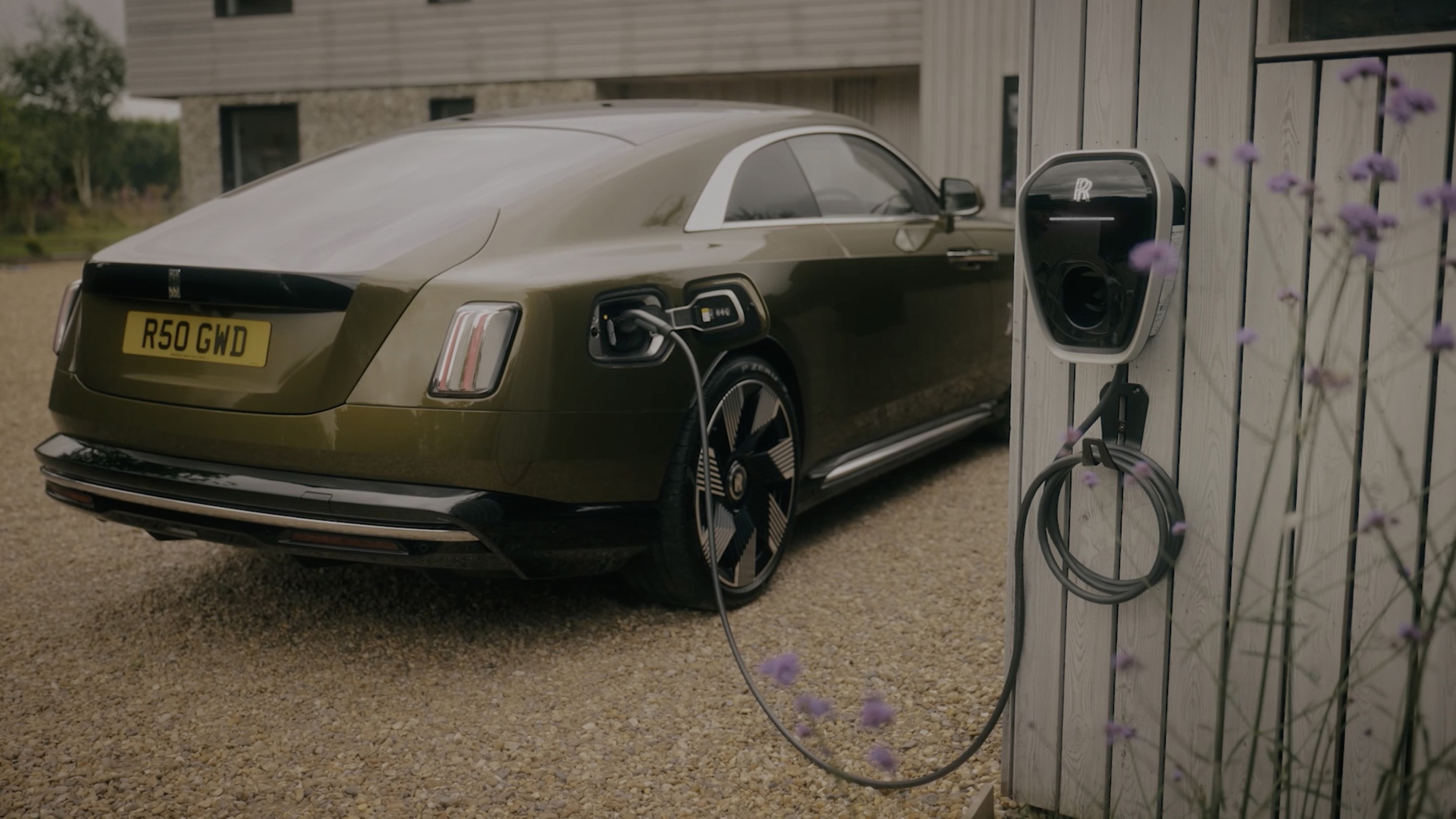
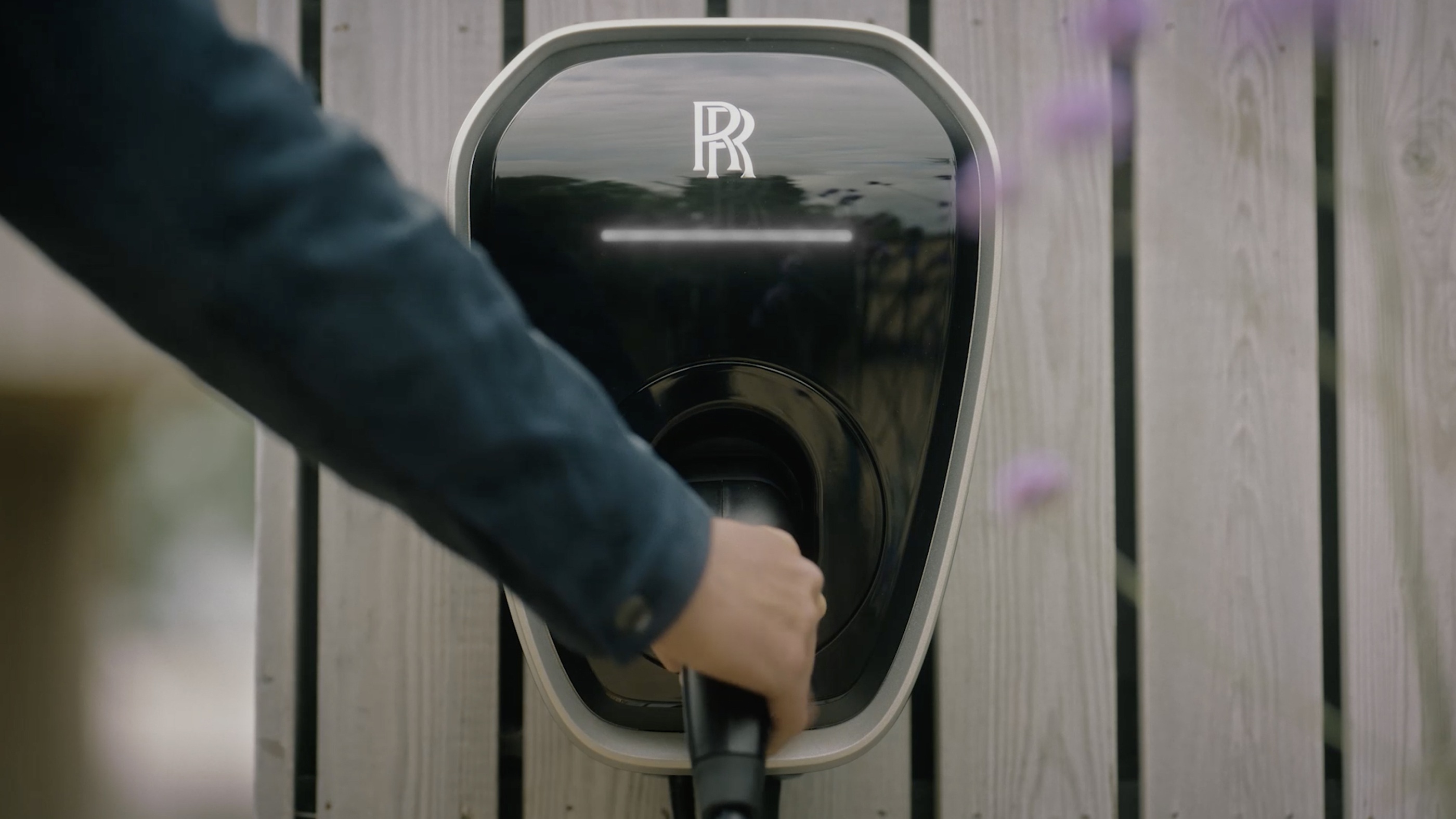
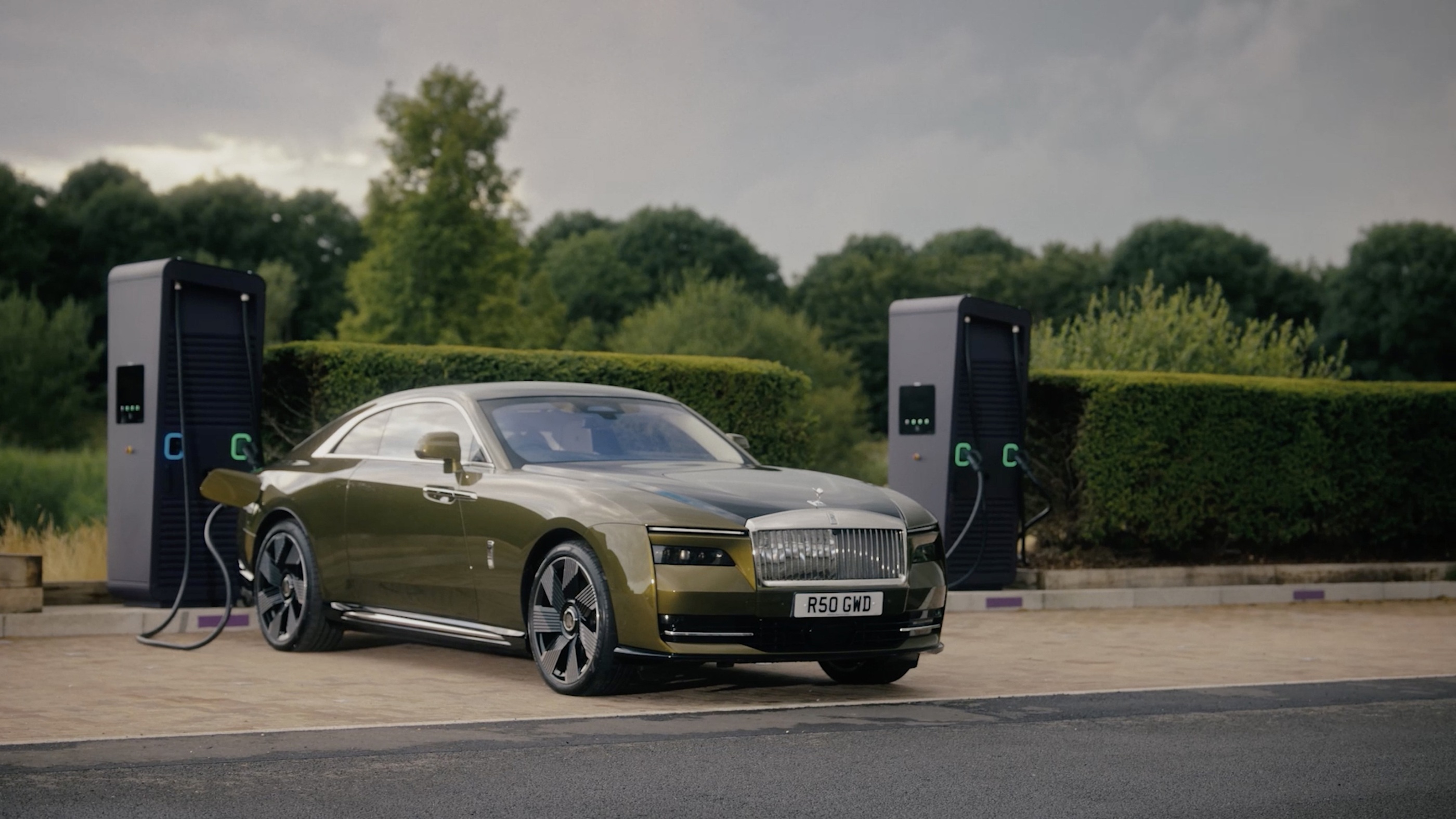
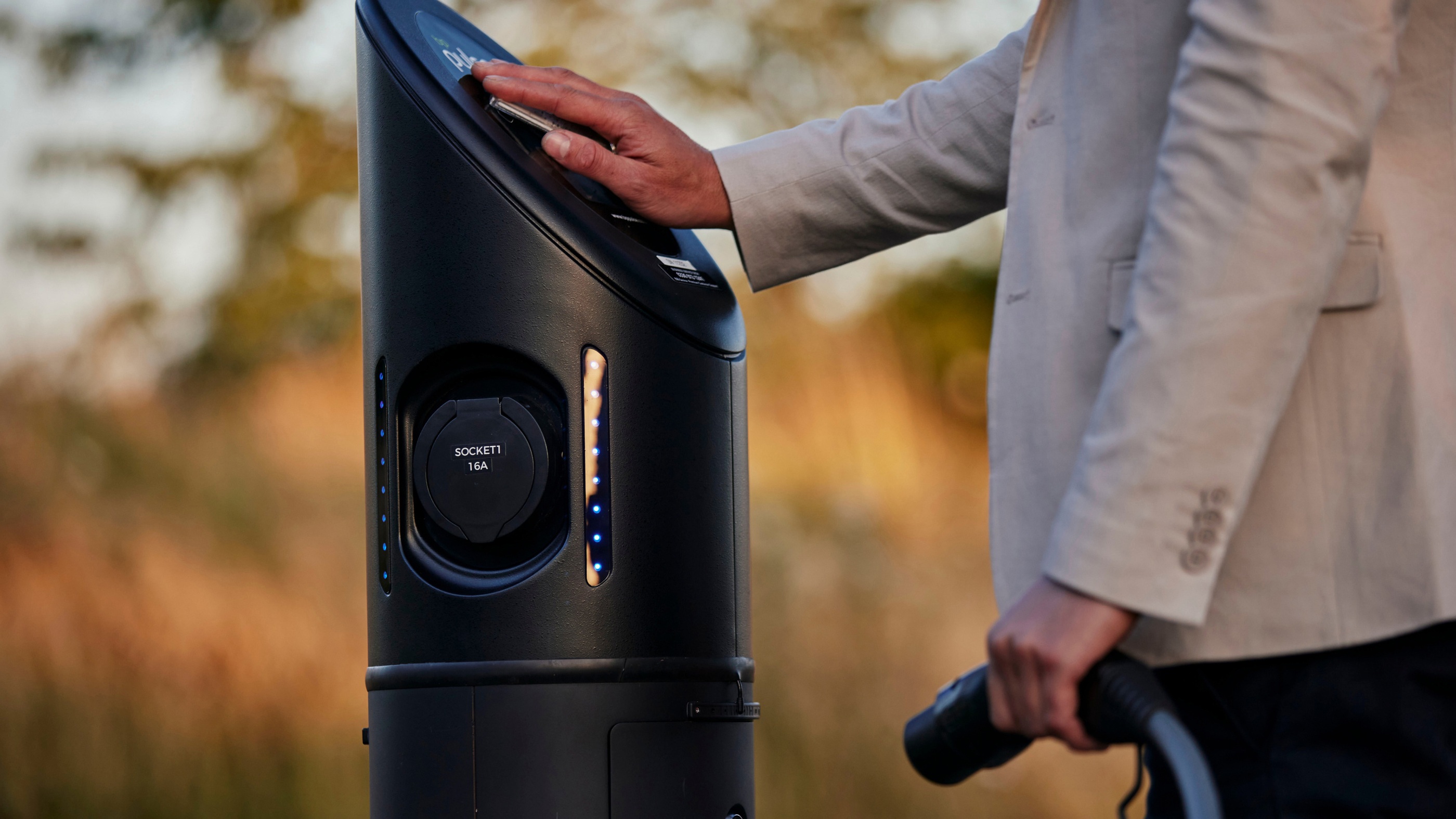
The official Spectre charging photographs make this distinction unusually tangible. A car stands beside a private charging point; another scene places it at a public station; close views show the cable, payment and the information on a phone. They are illustrations published by Rolls-Royce, not facilities inspected or charging sessions tested by LuxeDigital.
The enduring idea is the sequence, rather than a particular advertised charging time. Match the actual car and its market specification to the intended places. Then ask the relevant people to explain the arrangements that turn those places into a workable routine. A beautiful destination can remain the reason for the journey once the practical connections are understood.
Begin where the car sleeps
Describe the parking space before choosing equipment. Identify where the car normally stands, how people walk around it and where a cable would run. Include the ordinary activities that share the space: luggage, a bicycle, another vehicle or someone leaving early. The charging position belongs to that lived arrangement, not only to a product photograph.
Give those observations to a qualified installer or the appropriate project team. Ask for a site-specific assessment and a clear proposed scope, including any permissions, electrical work and responsibilities relevant to that location. This is a commissioning conversation, not an invitation to specify wiring or installation methods from a magazine article.
Keep equipment capability separate from what the completed installation will supply to the particular car. Ask the team to explain the proposed arrangement in terms of the time the vehicle is ordinarily parked. A larger headline rating is not, by itself, an account of the installed result or a reason to choose one proposal over another.
Give the week a departure plan
Write down the real week: regular journeys, the days when the car is used less and the departures that cannot move. The useful question is whether the charging routine supports those habits without constant intervention. Start with the recurring pattern, then discuss the exceptions that matter.
Rolls-Royce describes setting a departure plan through Spectre’s in-car system or the Whispers app. Its charging guidance also distinguishes routine use from longer trips and notes that temperature can affect charging time. Treat that as model-specific manufacturer guidance, rather than a universal setting to apply to every electric car. Use the instructions for the actual vehicle.
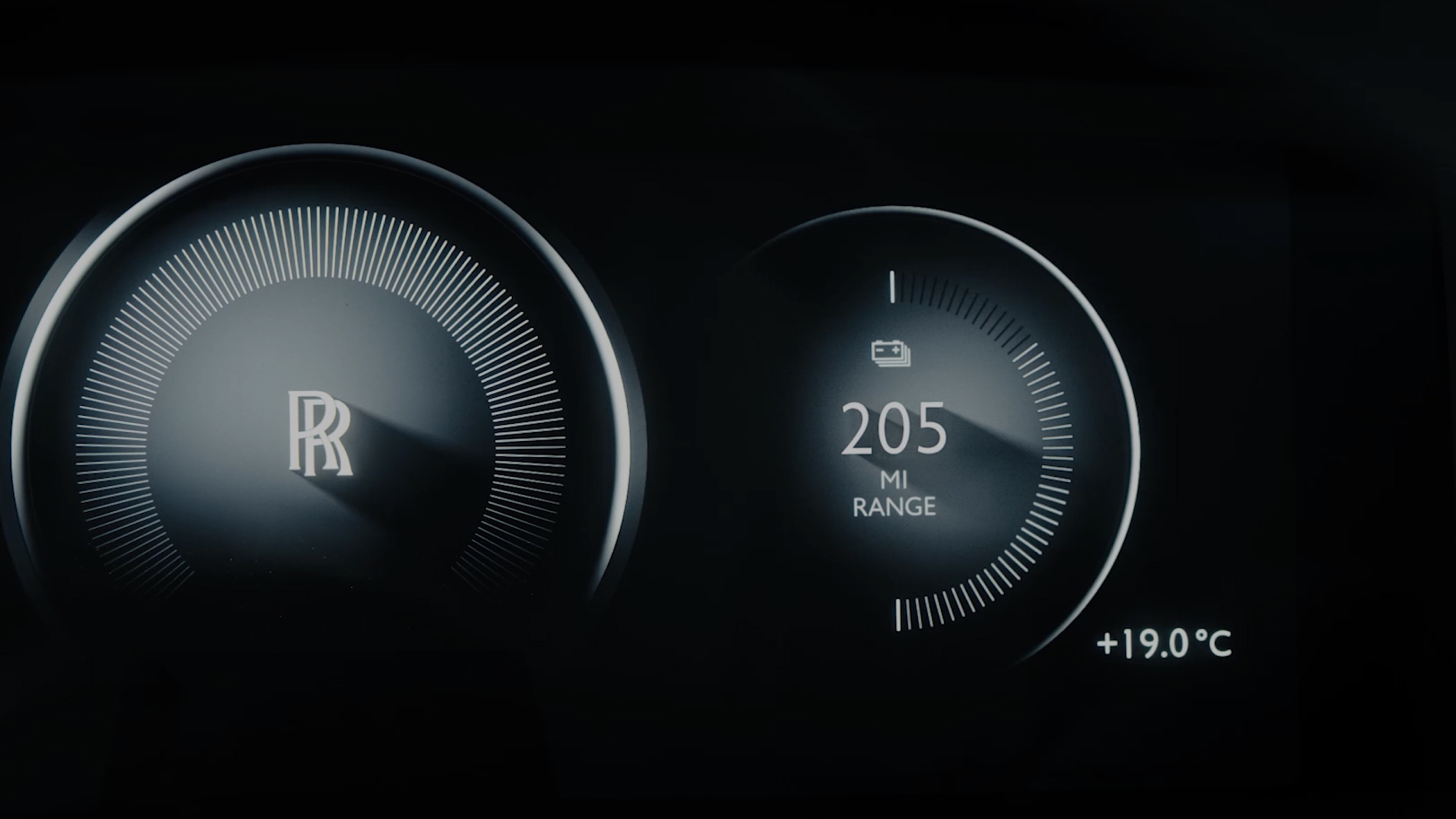
Ask the handover team to demonstrate the relevant functions where they will be used. Find the status information, set an ordinary departure and identify how to change it. Include another person who regularly drives the car. A feature becomes more useful when the household understands its place in the routine, rather than merely knowing that it appears on an equipment list.
Read a stop through the whole journey
For a longer drive, identify the essential arrival and work backwards. A fixed appointment, a hotel check-in and an unhurried lunch create different constraints. Allow the charging plan to serve the actual purpose of the trip, with an alternative that remains acceptable if the preferred stop cannot be used.
Before relying on a station, check the connector, access arrangements and the information available for the intended time. Keep finding a location distinct from knowing that it can be used on arrival. A map entry does not establish that a bay is accessible, available or operating for the car at that moment.
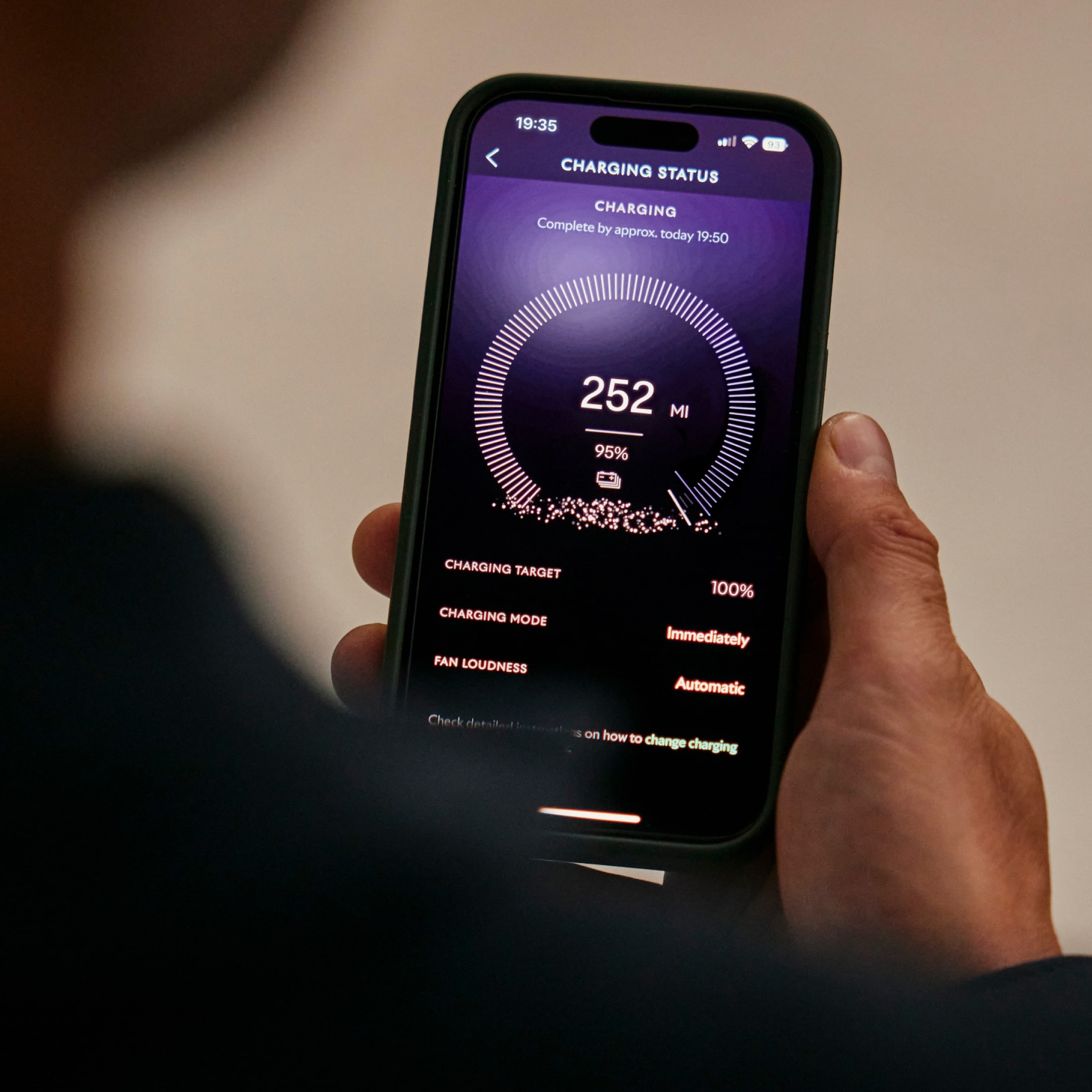
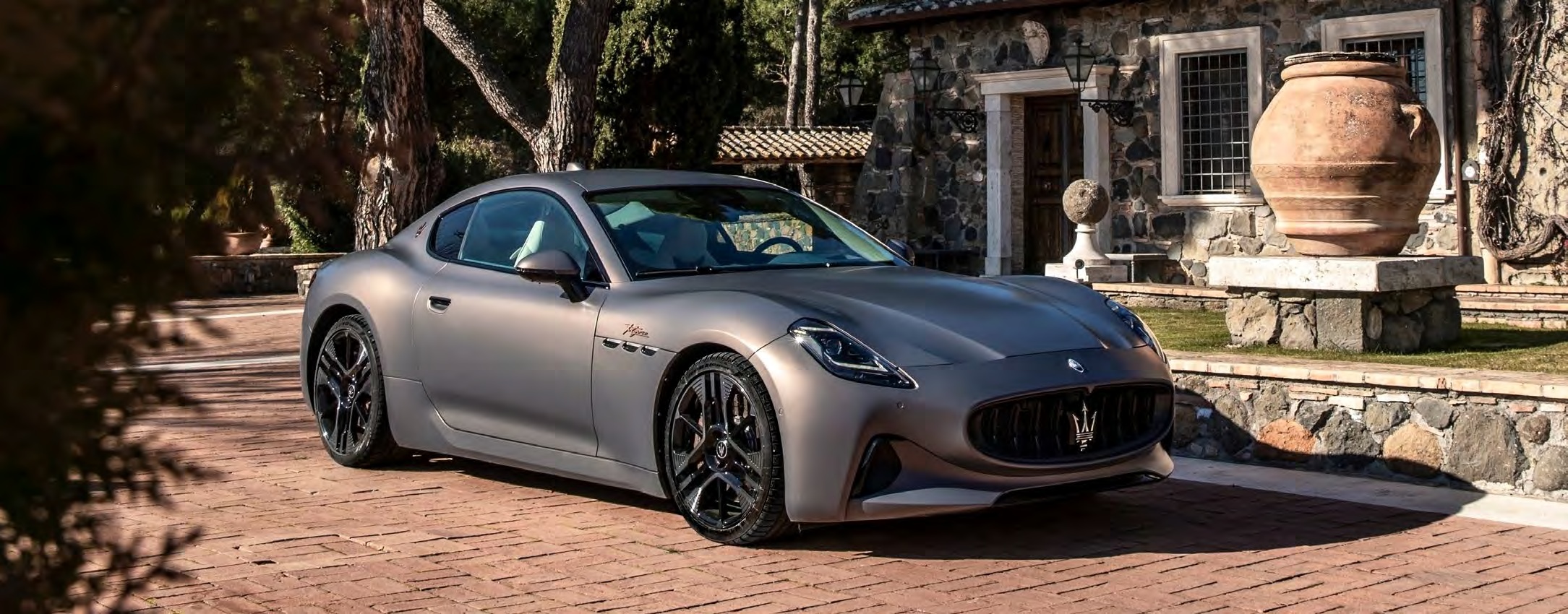
Maserati’s Connect description provides a useful second reference. For Folgore, it describes a station locator with connector and power information, alongside smartphone controls for climate and charging schedules. These are supplier-described functions. Confirm which services, subscriptions and current capabilities belong to the actual model, market and account; this article does not report an app test.
The distinction matters when comparing cars as well. Our Folgore design study reads the GranTurismo through its battery packaging and cabin. That architecture is valuable context, but the route still needs a practical plan. A shared category label such as electric grand tourer does not make two models’ connectors, instructions or charging arrangements interchangeable.
Ask the destination a better question
An accommodation listing that mentions charging is a starting point for a conversation. Ask who operates it, how guests gain access, whether a space needs to be requested and which costs or conditions apply. Clarify the relationship between parking the car and using the charger; those may be separate arrangements.
Then connect the answer to departure. If several guests use the facility, how is the available time organised? What happens if the intended point is unavailable? Record the answer relevant to the booking, rather than assuming that a photograph of a charger settles the matter for every stay.
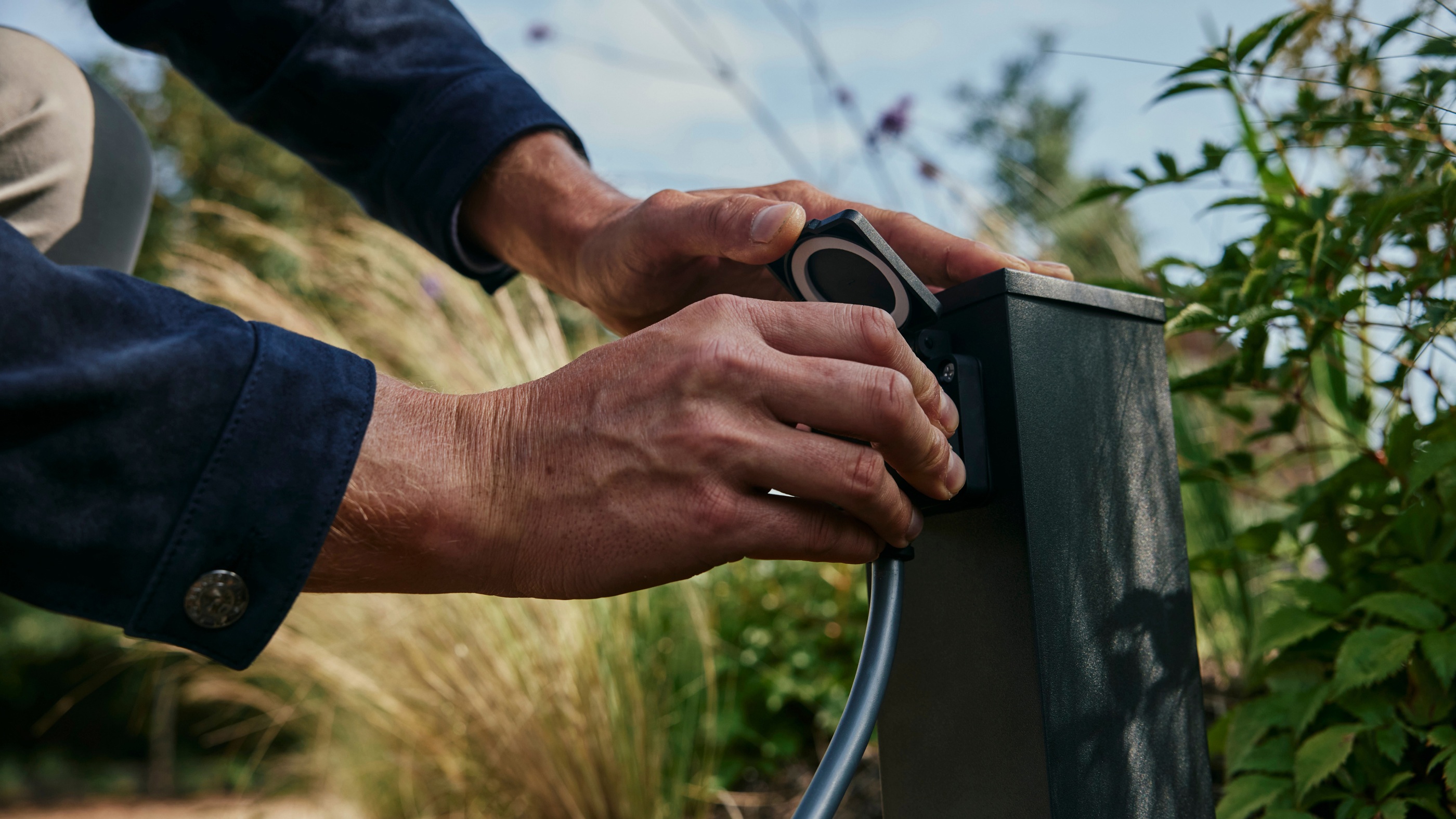

The most useful alternative may be somewhere the traveller already wants to stop. It should still be verified through the relevant operator. This approach leaves the destination in charge of the holiday: the landscape, meal or appointment remains the reason for being there, while the charging arrangement has a clear and proportionate role.
The charging brief
Keep a compact record for the vehicle, household and journey. It can be updated when the car, equipment, account or travel pattern changes. The table is an editorial framework for questions, not an electrical design, route recommendation or promise of range.
| Moment | Question to resolve | Record to keep |
|---|---|---|
| Home parking | Where does the car stand and how is the space used? | Site-specific installation proposal and responsibilities |
| Ordinary week | When is the car parked and when must it leave? | Vehicle-specific routine and demonstration notes |
| Before departure | Which status and instructions apply to this car? | Current vehicle guidance and chosen journey plan |
| On the route | Is the intended stop usable for this vehicle? | Operator access information and an acceptable alternative |
| At the hotel | How are guest parking and charging arranged? | Booking-specific confirmation, conditions and contact |
| Accounts and cables | What access and equipment are needed? | Relevant account, cable and support information |
| A change of plan | Who can explain or resolve the problem? | Appropriate vehicle, installation and station contacts |
Keep sensitive account access separate from a travel note shared widely. A companion needs to know how the agreed routine works; that does not require every private administrative credential to be copied into the same document. Ask the relevant team how authorised drivers should be set up.
Handover should include a rehearsal
Before relying on the arrangement for an important trip, ask for a practical explanation of its normal sequence. Locate the equipment supplied with the car, understand the relevant instructions and identify the support route. Resolve uncertainty with the manufacturer, installer or station operator responsible for that part of the arrangement.
The same principle applies after a change of phone, account, vehicle or installation. Keep the brief aligned with what is actually in use. A clear handover is an ownership record that continues beyond the day the car arrives, rather than a presentation that must be remembered perfectly months later.

The Luxe Digital view
The best starting point for an electric grand tour is a clear account of time and place. Understand the ordinary parking interval, confirm the destination and leave the route enough flexibility. Charging can then become one considered part of the journey, instead of an abstract competition between headline figures.
The photographs show the car, the cable and the human gesture that connects them. The owner’s task is to connect that gesture to a routine that fits. Begin with the actual week and the actual trip; let the technology answer that brief.
Sources & credits
Sources and methodology
Independent ownership analysis and original commissioning questions, checked on 6 November 2026. Rolls-Royce’s official Spectre charging imagery illustrates separate situations; displayed app and instrument values are examples, not our measured range or live station information. Manufacturer-described functions remain model- and market-specific. No drive, app trial, electrical assessment or charging session was performed by LuxeDigital. Obtain current instructions, a qualified installation assessment and booking/operator confirmation for the actual arrangements.