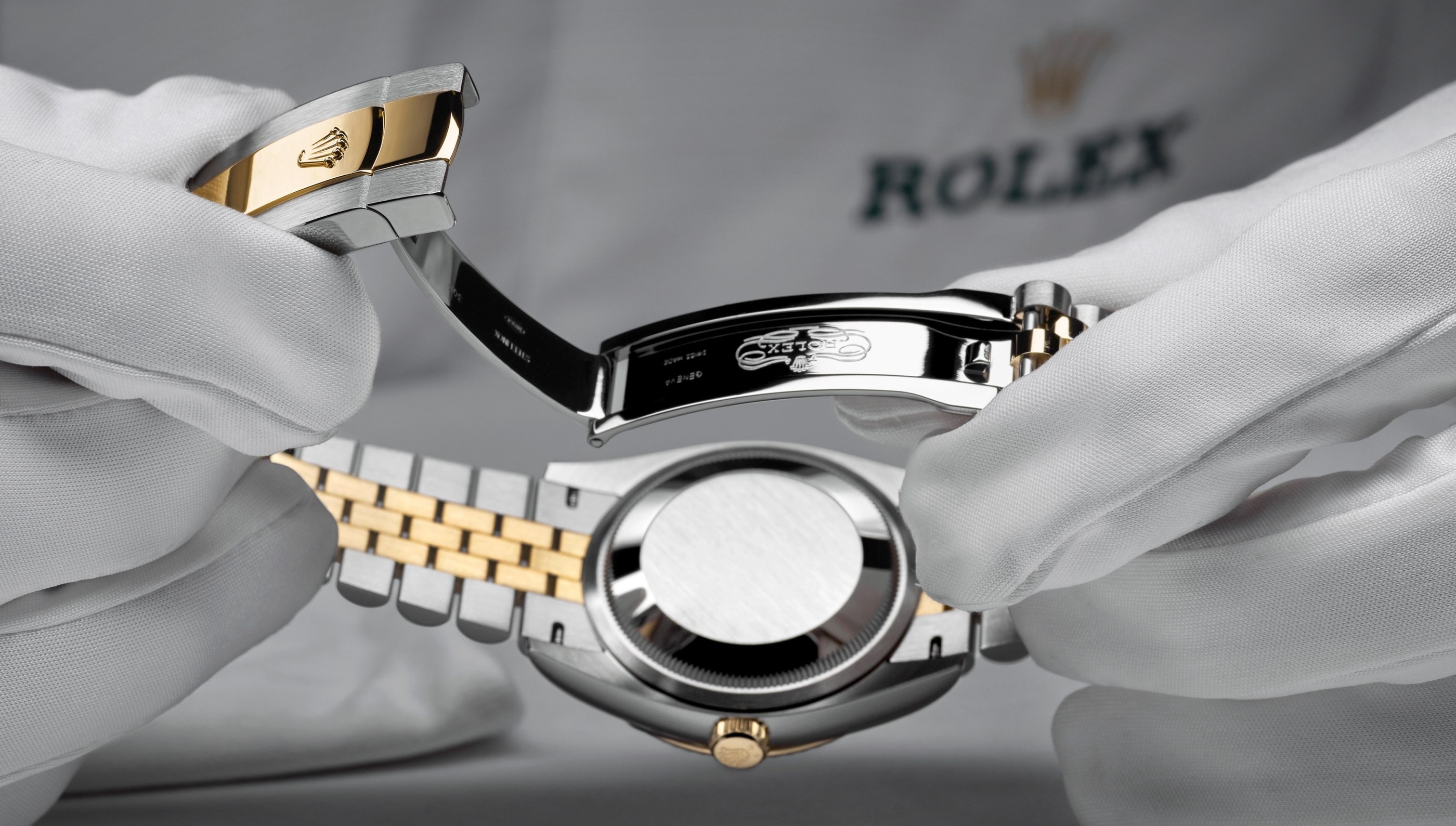
A service begins before the case is opened. It begins with a decision about the watch you want back: the familiar object you wear every day, a carefully preserved older piece, or a recent acquisition whose working history is incomplete. Rolex’s published servicing sequence makes a useful starting point for that conversation. The owner’s contribution is a clear brief, written while the watch and its records are still together.
Begin with the watch you actually wear
Put the watch on a clean surface beside the documents you have. Start with identification: the reference as recorded, the individual number where available, the bracelet or strap being submitted and the name under which the service will be booked. Photograph the front, back, clasp and both sides in even light. A photograph is useful because it preserves a starting condition, including the small marks that are easily forgotten during an absence.
Then describe a normal week. Does the watch stay on the wrist, spend several days in a drawer, or alternate with other pieces? Is the problem constant or intermittent? A short account of actual use gives the receiving team something more useful than an ambitious diagnosis. Write down when you first noticed the change and what you observed, keeping guesses about its cause separate.
If you have recently bought the watch, gather the seller’s description, the dated invoice and any earlier service paperwork. Read them as separate records. A listing’s statement about a service is worth following up with the document it refers to; the two need not describe the same scope of work. This small exercise often turns an uncertain history into a set of precise questions that can be answered at intake.
The estimate is a decision point
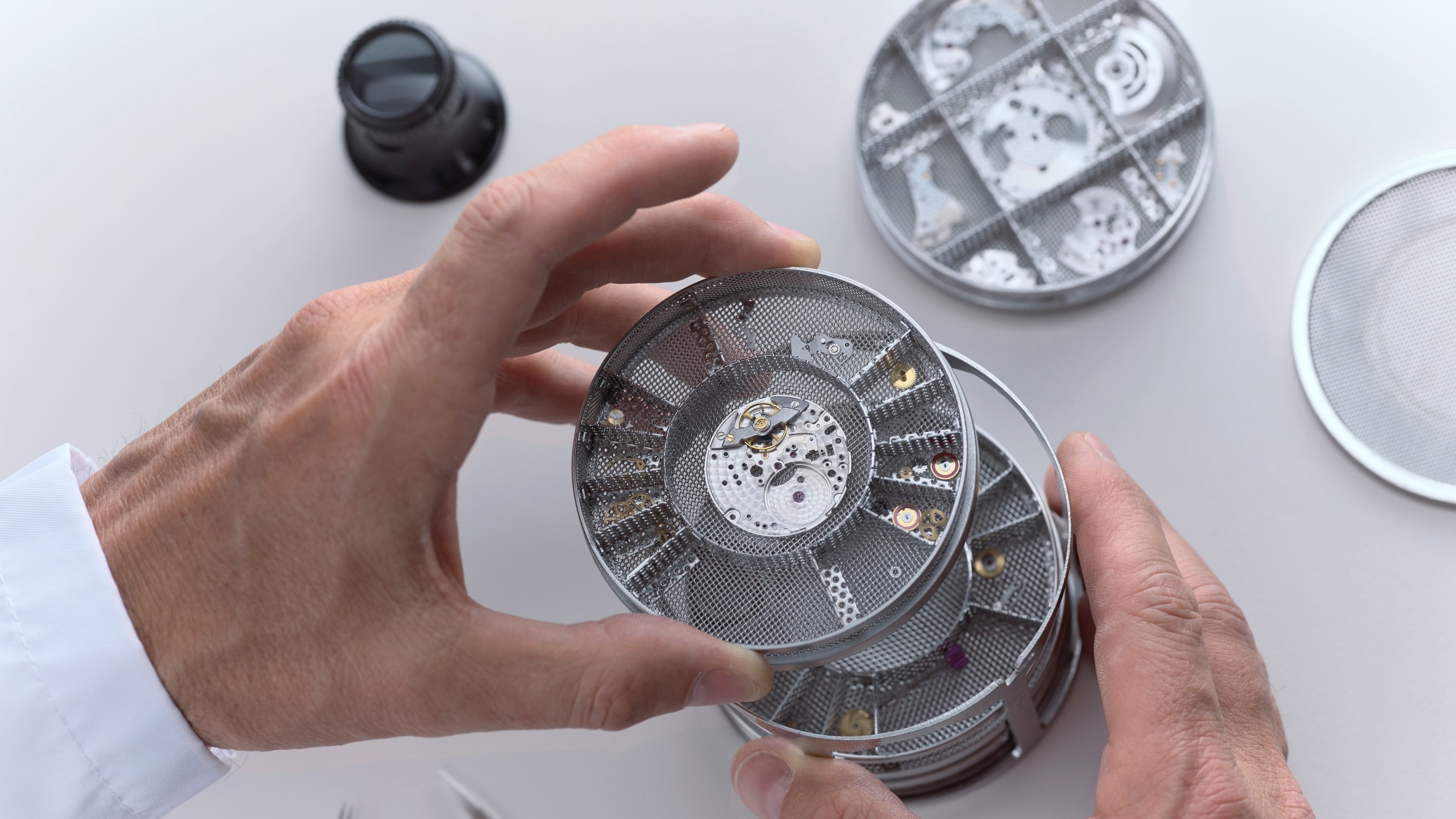
Rolex describes an examination followed by an estimate, with work beginning after approval. It also separates the movement, case and bracelet during servicing. That sequence gives the owner a natural moment to clarify scope before several different kinds of work become one apparently simple instruction.
Ask the receiving team to explain the proposed operations in plain language. Which respond to the reported problem? Which concern the external appearance? Which parts are proposed for replacement? A useful estimate should make it possible to understand the decision you are taking, even when the technical diagnosis belongs to the watchmaker. Keep a copy of the version you approve and of any later agreed revision.
This matters particularly when the watch has a personal history. A graduation gift, an inherited bracelet and an earlier dial may carry meaning that a service desk cannot infer from a reference number. Tell the team what you want to preserve. A request is the beginning of a discussion about what the provider can undertake; it is most effective when the reason is clear and the response is recorded.
Separate function from the finish
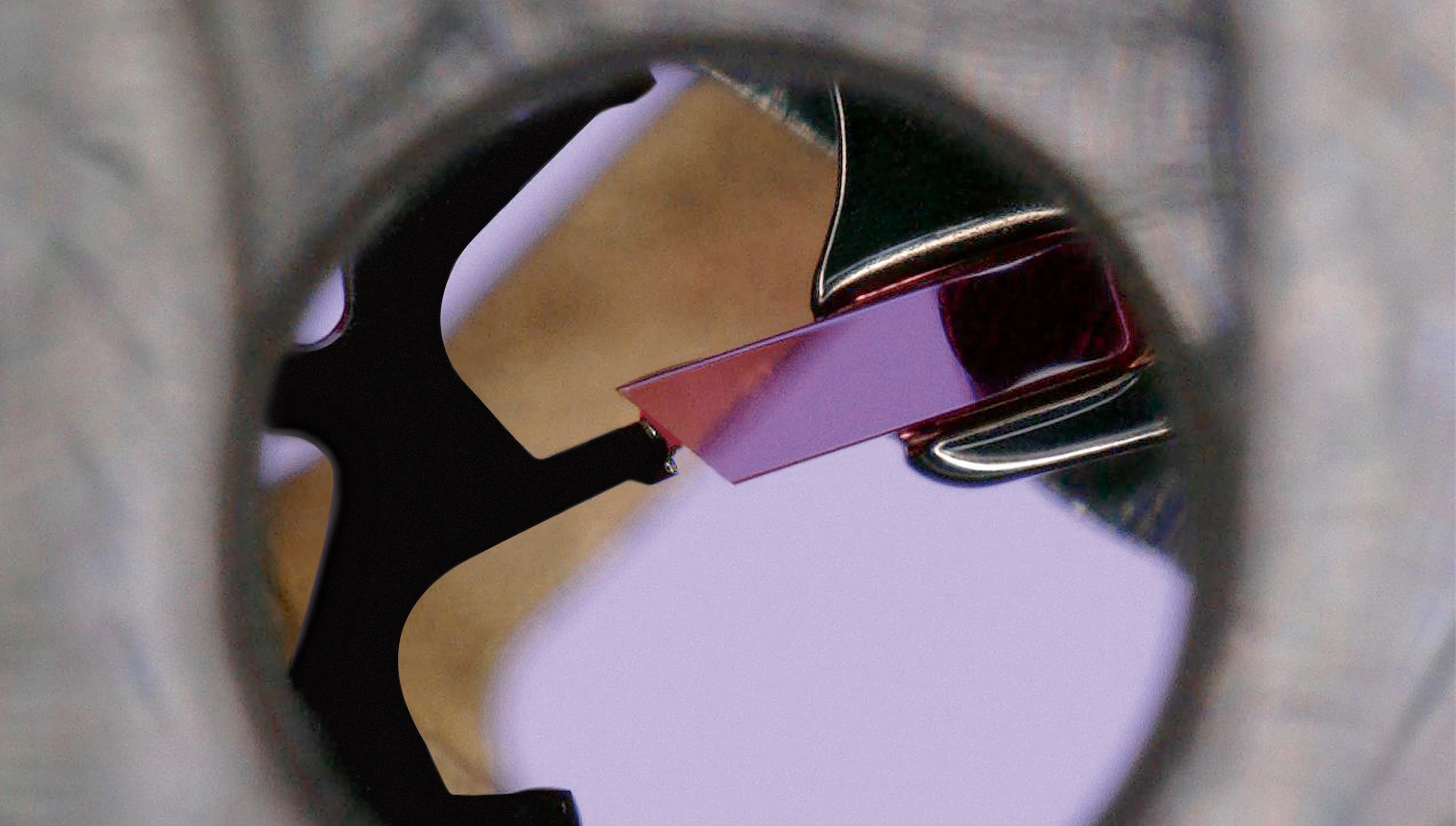
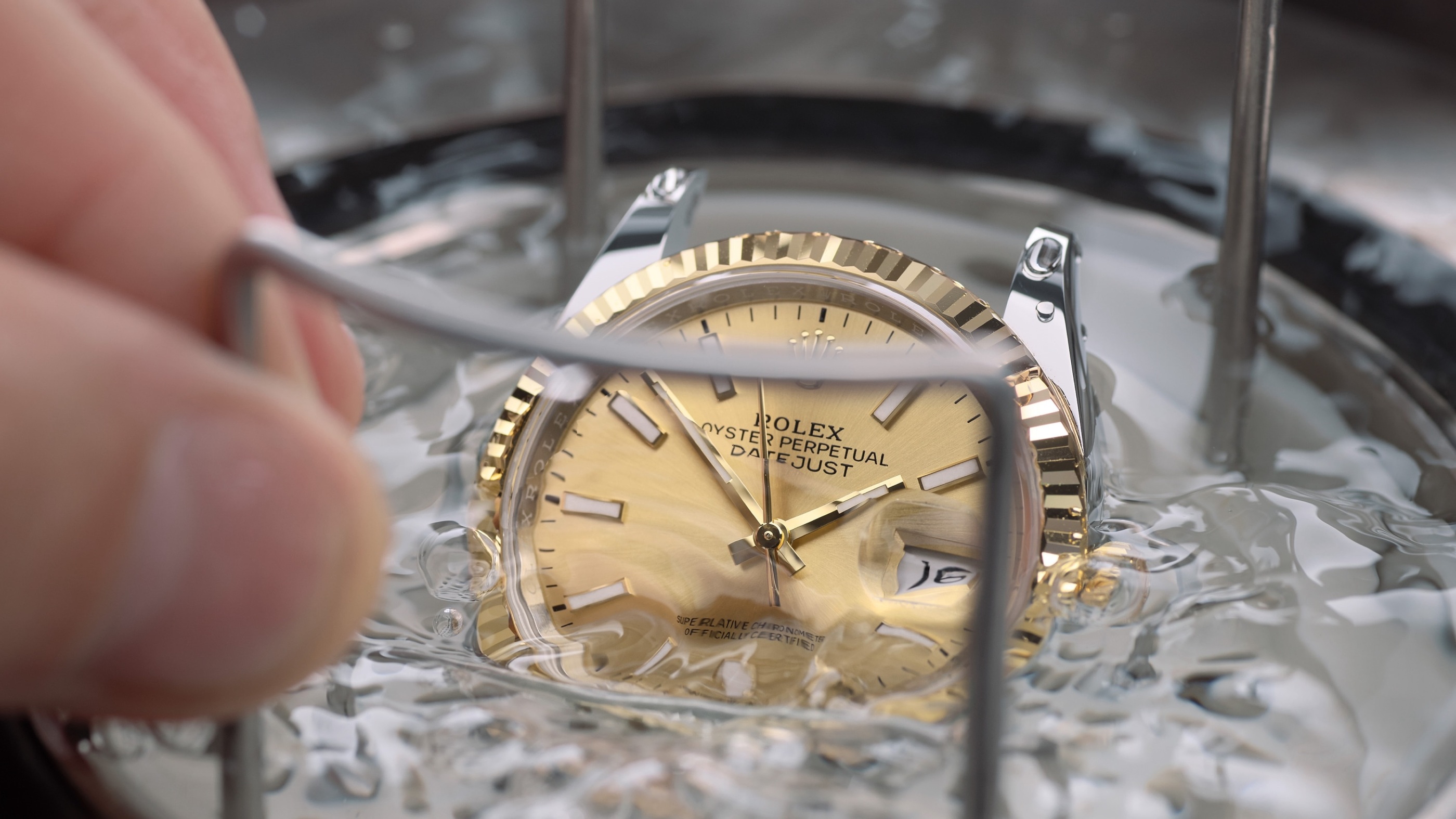
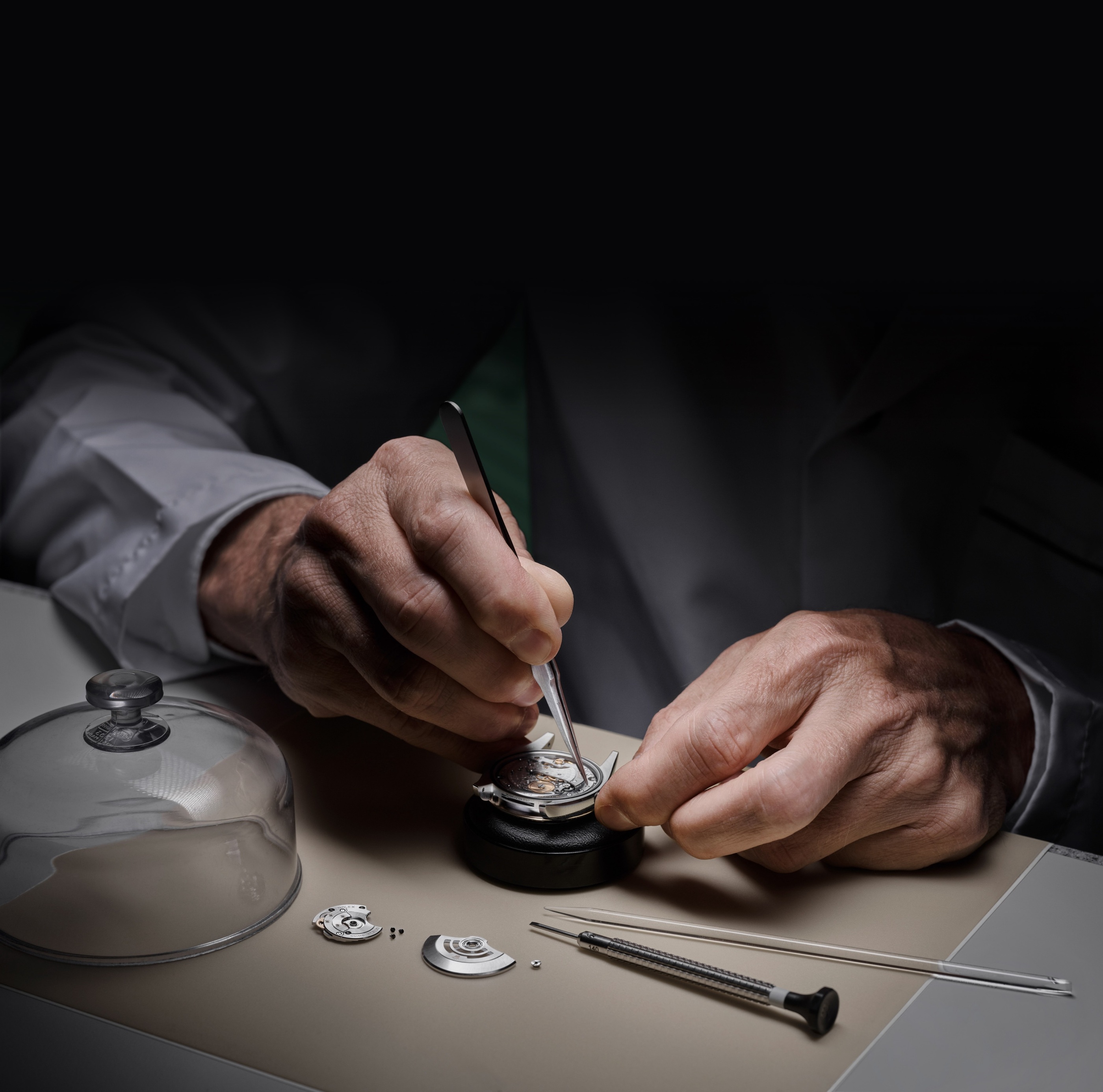
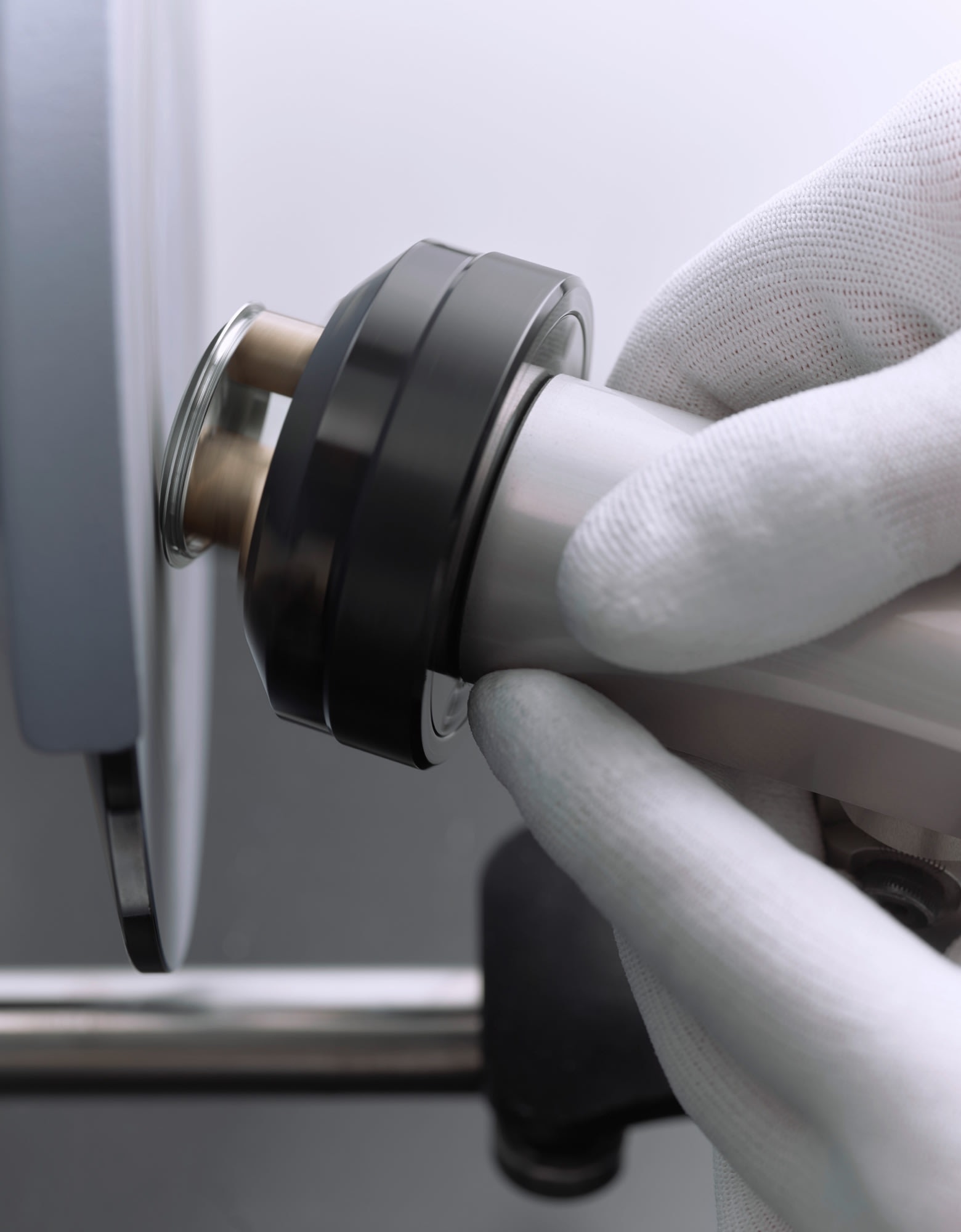
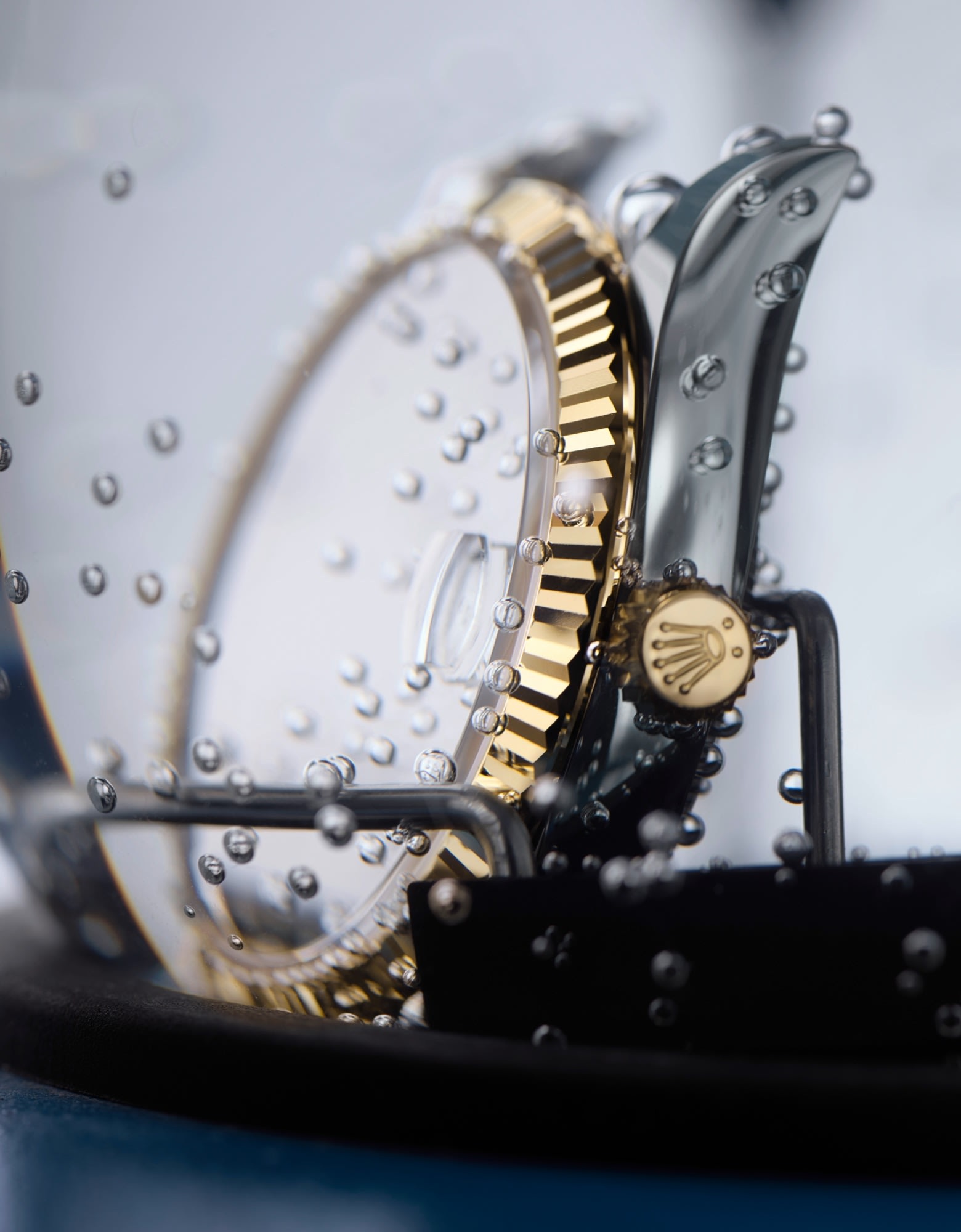
The movement’s work and the case’s surfaces answer different questions. One concerns how the mechanism functions; the other concerns how the object looks and feels. Rolex’s procedure describes replacement of components that no longer meet its requirements, as well as refinishing of the case and bracelet on request. Owners should therefore discuss both the technical scope and the treatment of visible surfaces explicitly.
Choose words carefully. “Make it like new” may express enthusiasm while leaving your priorities unclear. “Please discuss any refinishing with me before proceeding” is a more useful opening when existing surfaces matter to you. Ask how your preference will appear on the job record and whether it changes what the provider can offer. Do not assume that a general conversation has become a specific recorded instruction.
The same discipline applies to parts. If a dial, hands, bracelet component or crown is under discussion, ask what is being proposed and why. Ask what the documentation will say about the completed intervention. The objective is a well-understood outcome, rather than an attempt to direct the watchmaker’s diagnosis from a photograph or a discussion forum.
A one-page brief that can be used
The best service brief is short enough to read at the counter. Give each request its own line and leave room for the receiving team’s answer. Bring the original supporting records for discussion, while agreeing which items actually need to remain with the watch. Keep your own copies organised under the same individual identity.
| Part of the brief | What to record | What to clarify at intake |
|---|---|---|
| Identity | Reference, individual number and submitted bracelet or strap | How the watch will be identified on the receipt |
| Observed behaviour | A dated, factual description of the change you noticed | Which observations are useful for the assessment |
| Earlier work | Copies of the service records you hold | Which interventions the new assessment can confirm |
| External appearance | The surfaces and details you want discussed | How any refinishing request will be recorded |
| Proposed parts | Questions arising from the estimate | Scope, reason and documentation of any replacement |
| Return and records | Contact details and the documents expected back | How changes to scope and collection arrangements are agreed |
Use the brief as a conversation aid. If a point remains unresolved, ask for clarification before approving the relevant work. Where the provider’s requirements and your wishes differ, understanding that difference early is more useful than discovering it when the watch returns. Keep the exchange with the estimate so that another member of the household could follow what was agreed.
Read the return as a new chapter
At collection, compare the completed-work record with the approved estimate. Ask about any change you do not understand and make sure the watch’s identity is consistent across the receipt and accompanying documents. Take time to discuss operation and care with the receiving team, especially if the watch will be returning to a different pattern of use.
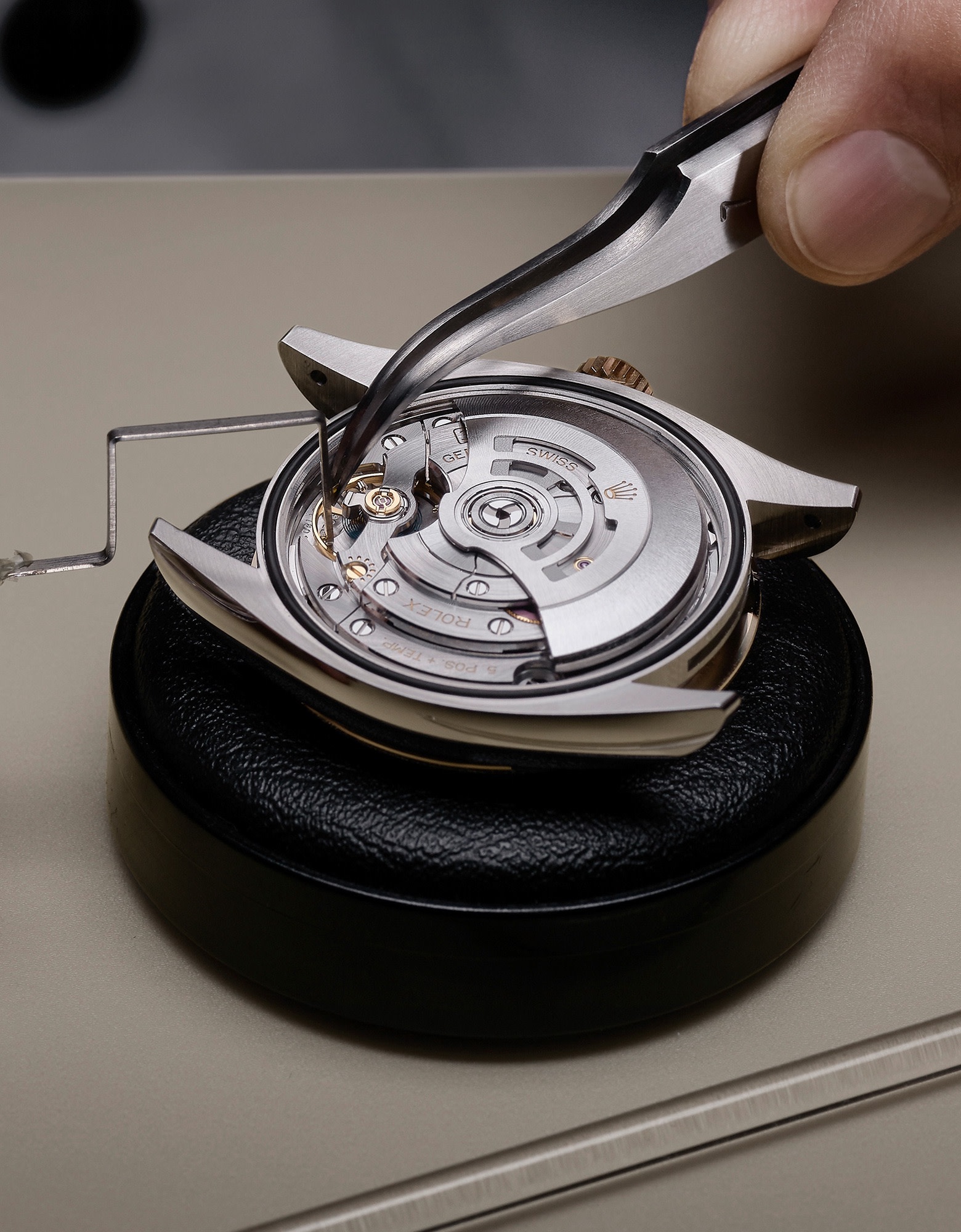
Rolex’s service information describes functional testing and final checks. Its separate Service Card page says a full service at an authorised centre returns with a card carrying an international two-year guarantee; an NFC-enabled phone can access watch information from that card. Keep the card and the detailed paperwork together, and ask which information remains available through each. A convenient digital access point and a written record do different jobs in your own collection file.
Add a dated note describing why the watch went in and what was completed. Keep the intake photographs as the earlier chapter, rather than replacing them with new images. When the watch next changes hands within a family, or simply comes out of a drawer after a long interval, the file can explain its history without relying on somebody’s memory of a conversation.
The value of a clear instruction
A considered brief makes room for both technical competence and personal attachment. It tells the receiving team how the object is used, what has been observed and which decisions deserve a conversation. It also helps an owner judge an estimate by its actual content instead of by the reassuring simplicity of the word “service”.
Before leaving the watch, read the receipt once more. Before approving the work, read the scope. On return, keep the evidence of what was done. That is a modest routine, but one with lasting usefulness: the service becomes an intelligible part of the watch’s life, ready to inform the next decision rather than disappear into a missing envelope.
Sources & credits
Methodology and sources
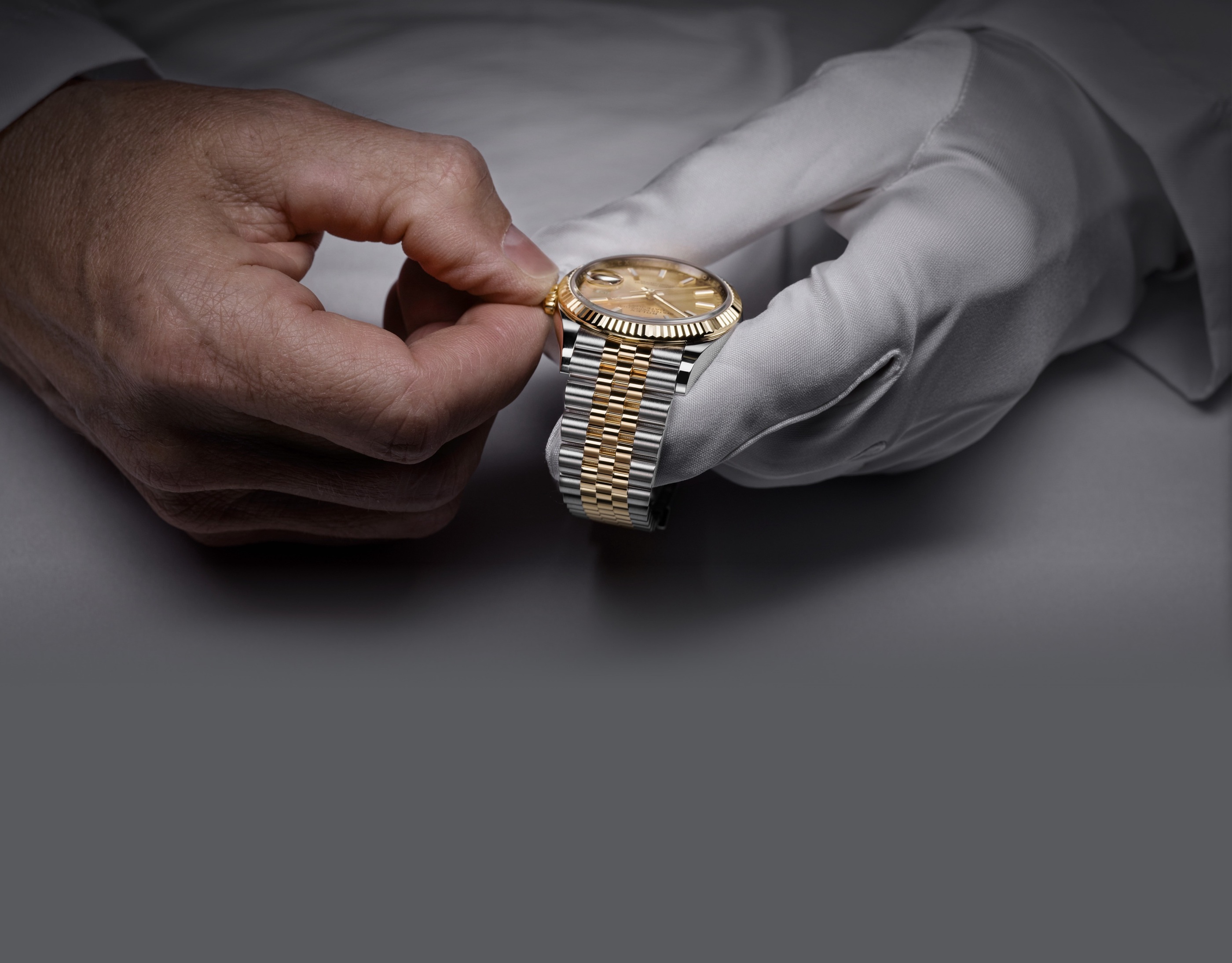
This is an editorial framework for preparing an intake conversation, illustrated with Rolex’s official servicing photography. It is not a report of a commissioned service, an inspection of an individual watch or a statement that every provider follows the same process. Scope and applicable guarantee terms should be confirmed with the receiving centre for the actual watch.