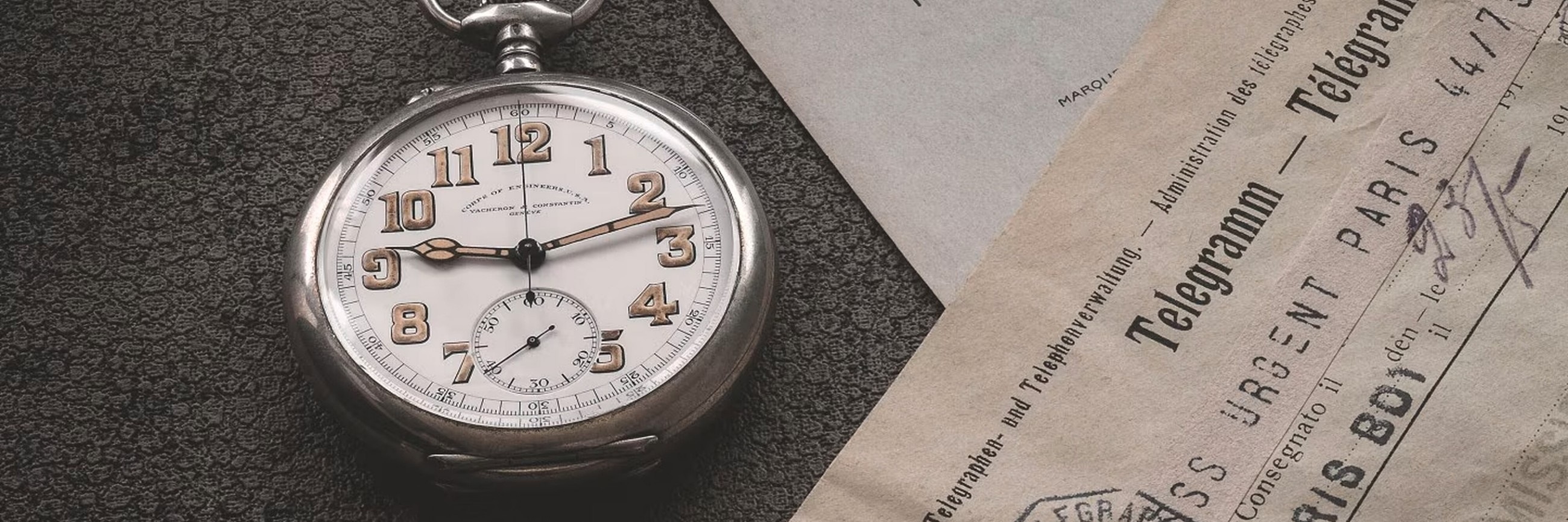
A vintage watch can invite two kinds of attention at once: pleasure in its form and curiosity about how it reached the present. Vacheron Constantin’s Les Collectionneurs brings those interests into the same appointment. The programme sources and restores older watches, pairing an object with a manufacturer-led account of it. For the prospective owner, the rewarding work is to read the watch and that account together.
Begin with the object in front of you
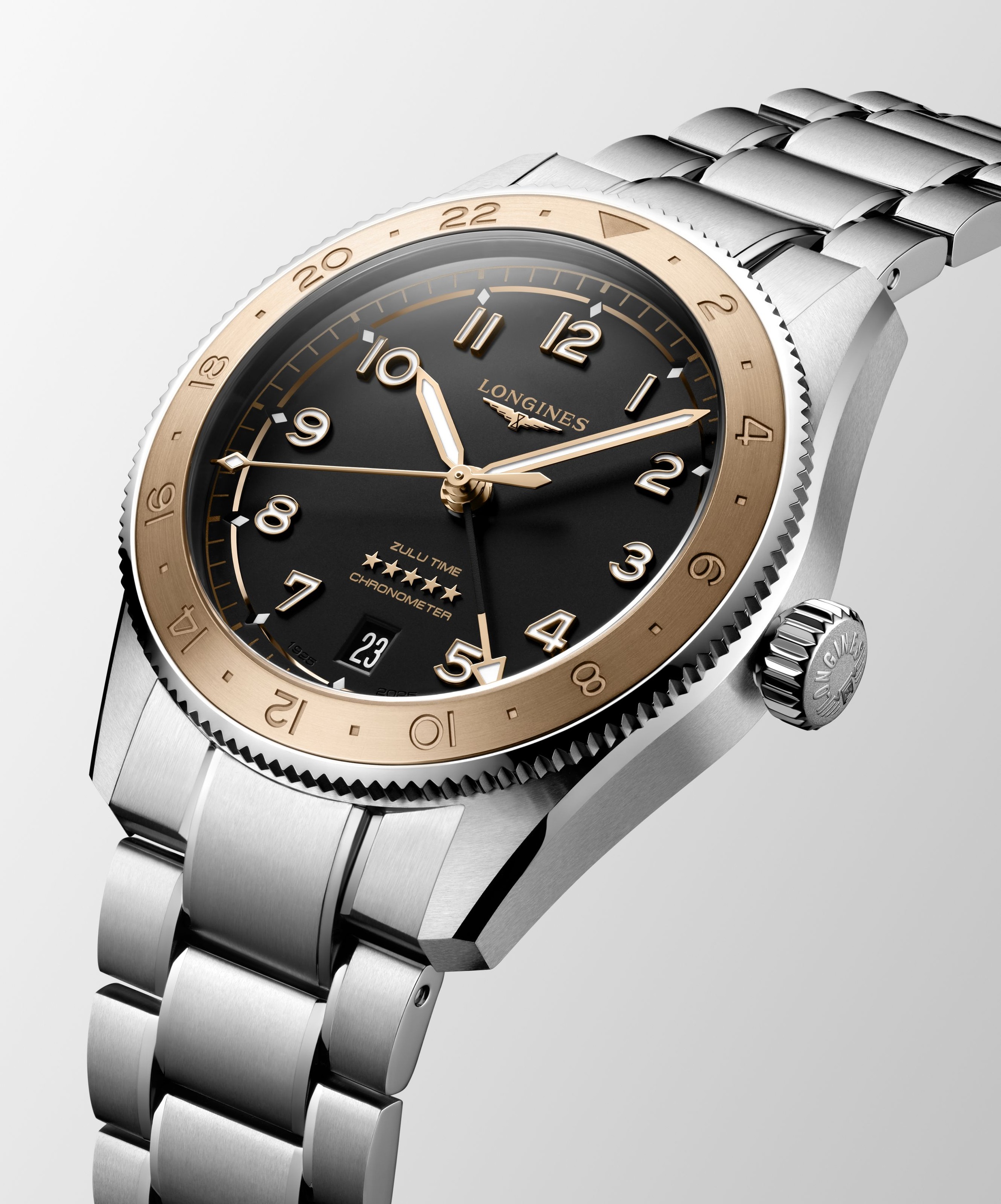
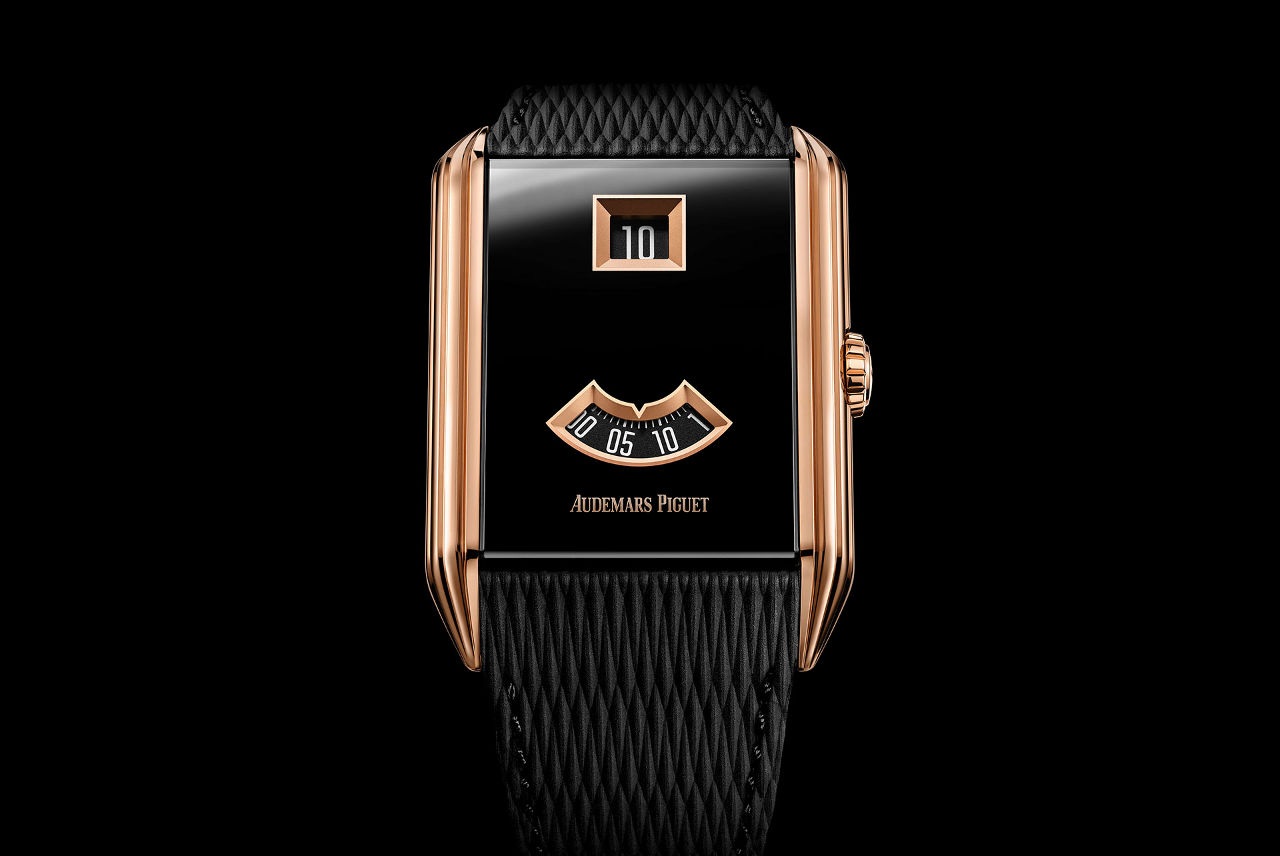
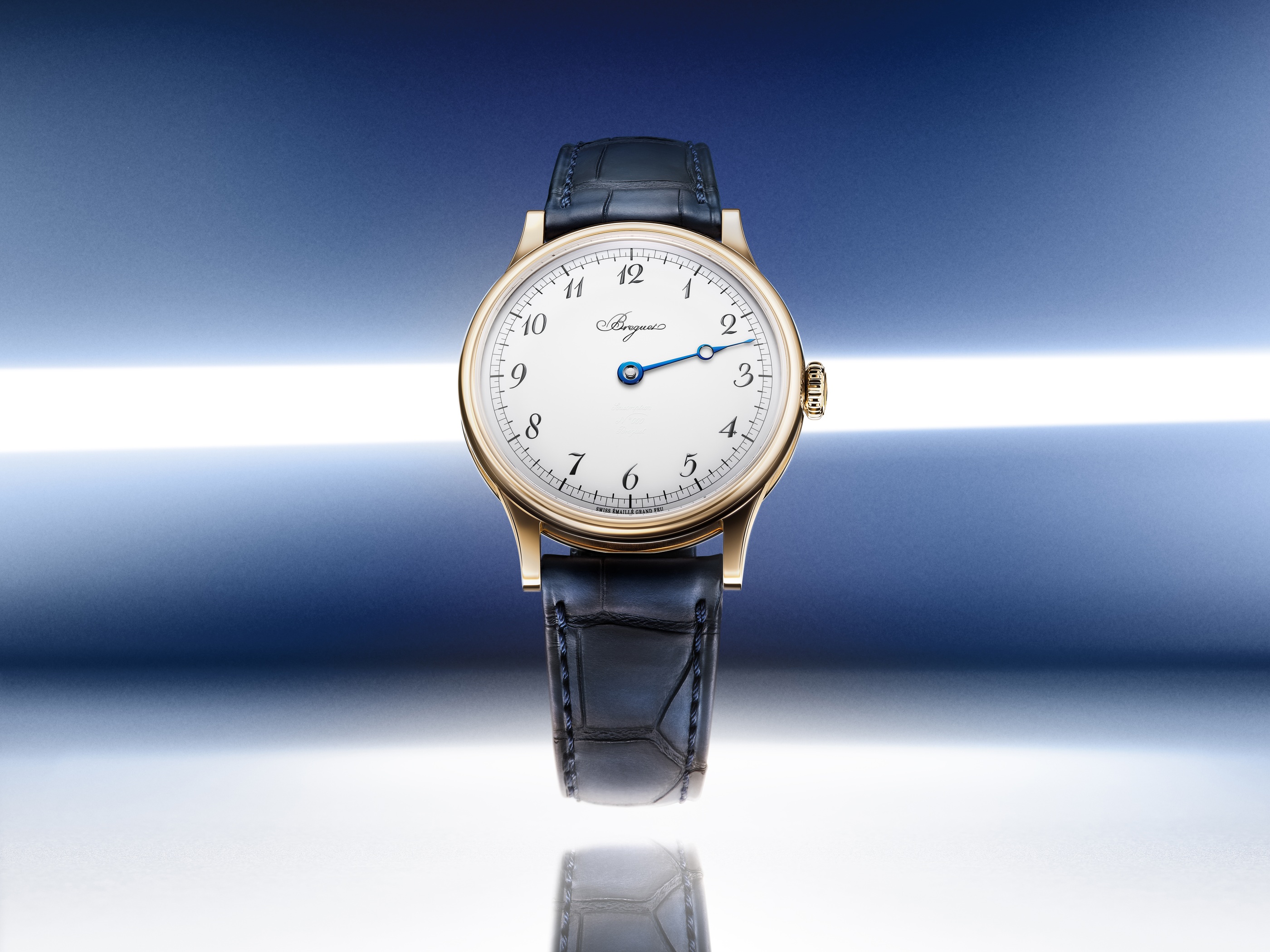
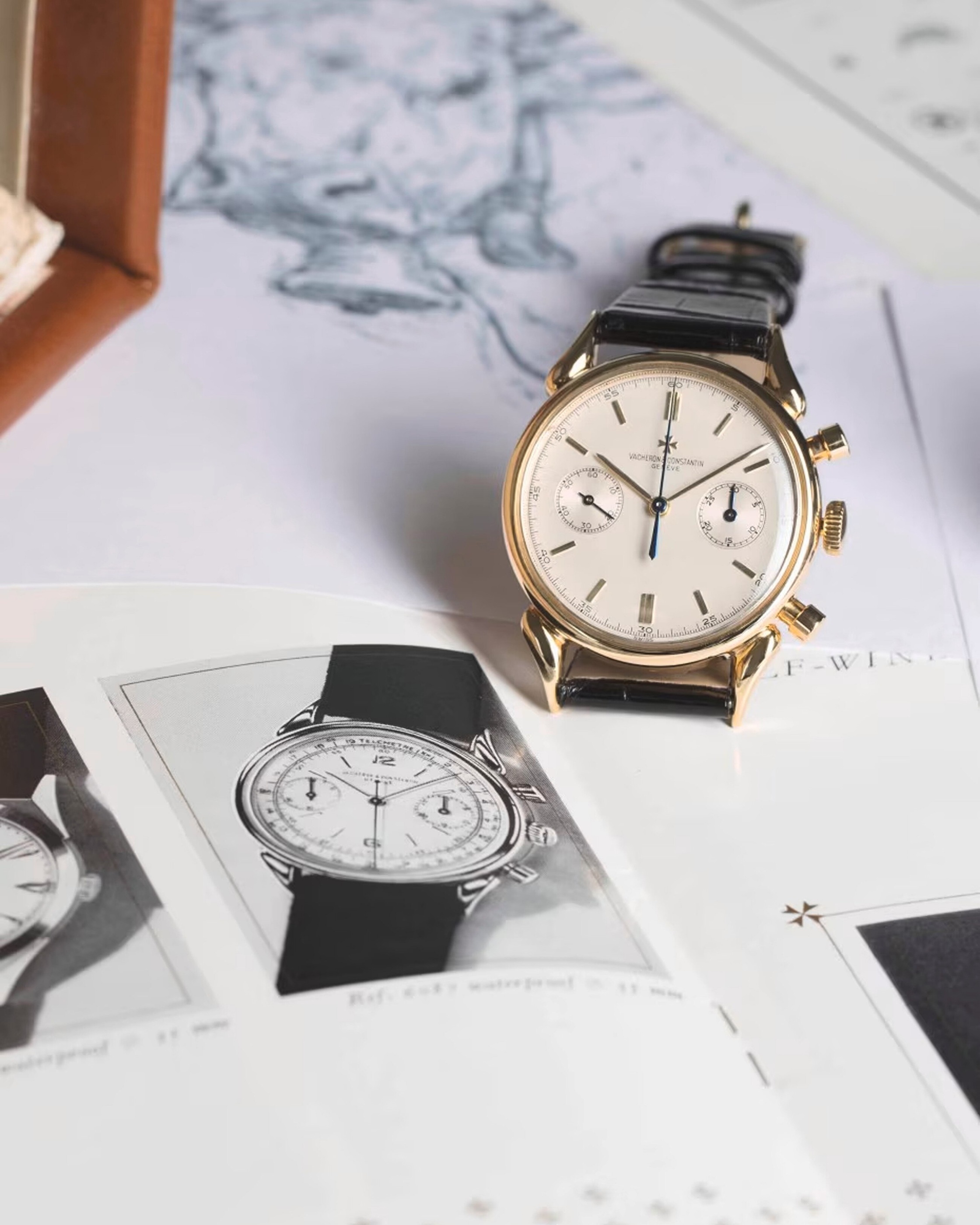
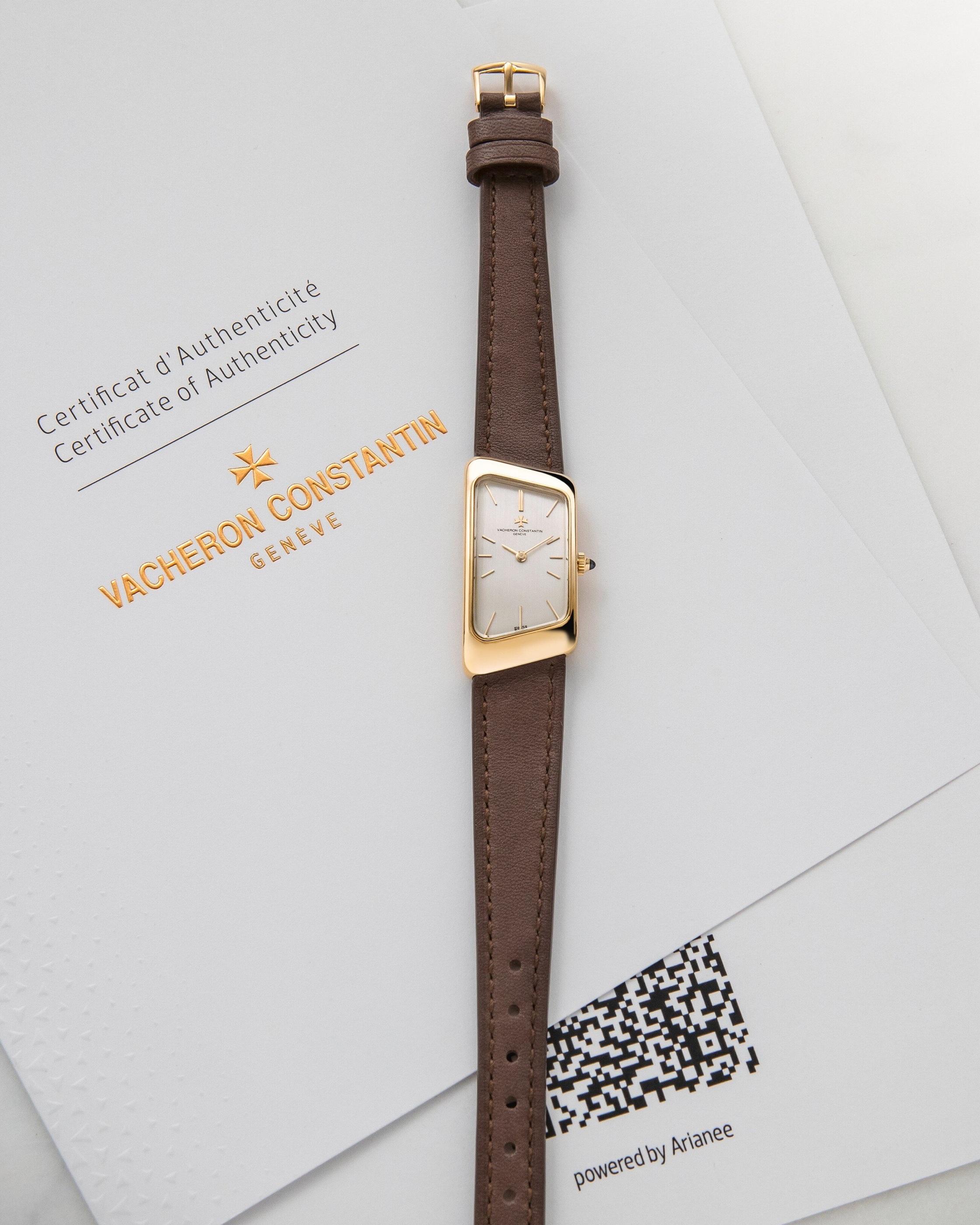
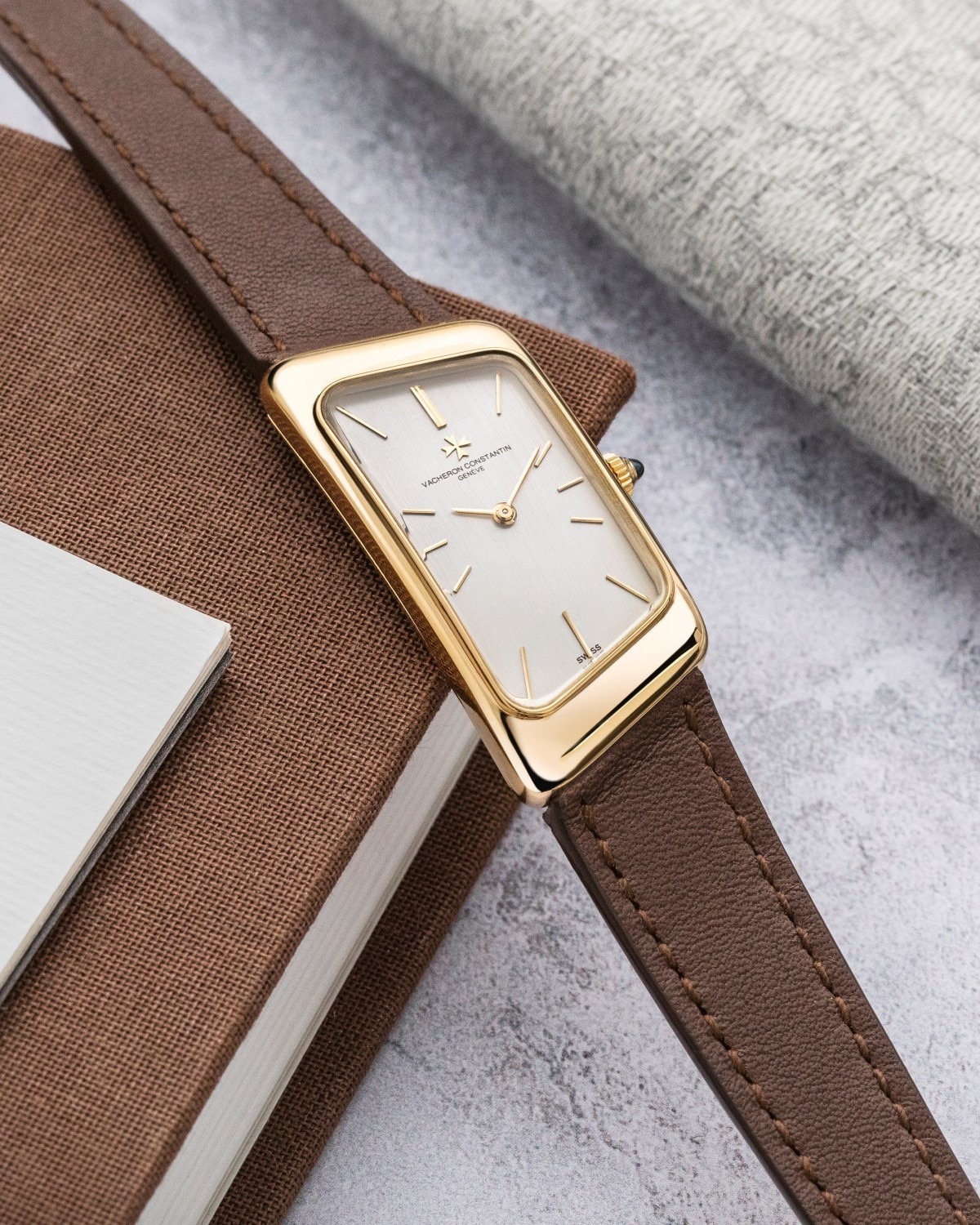
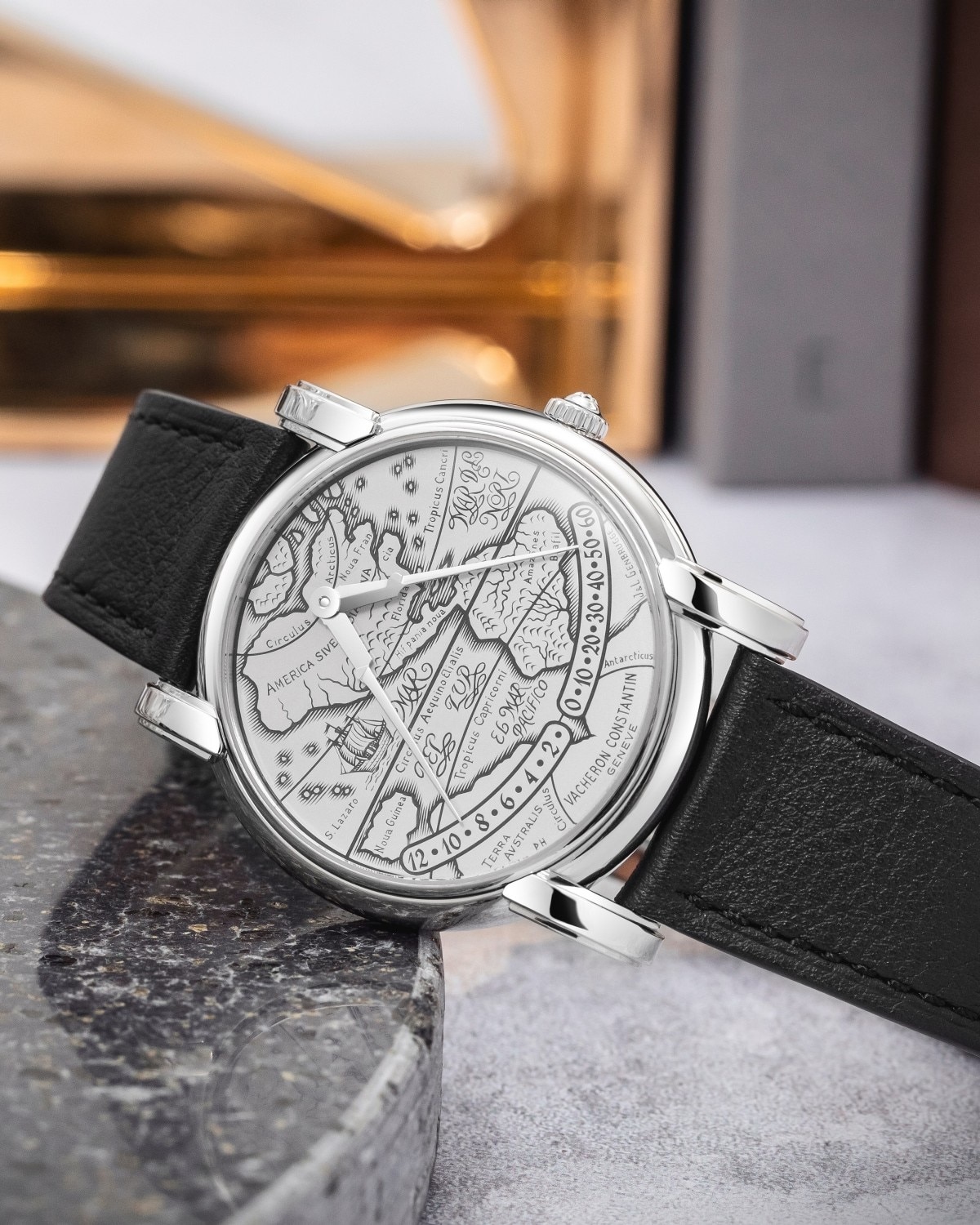
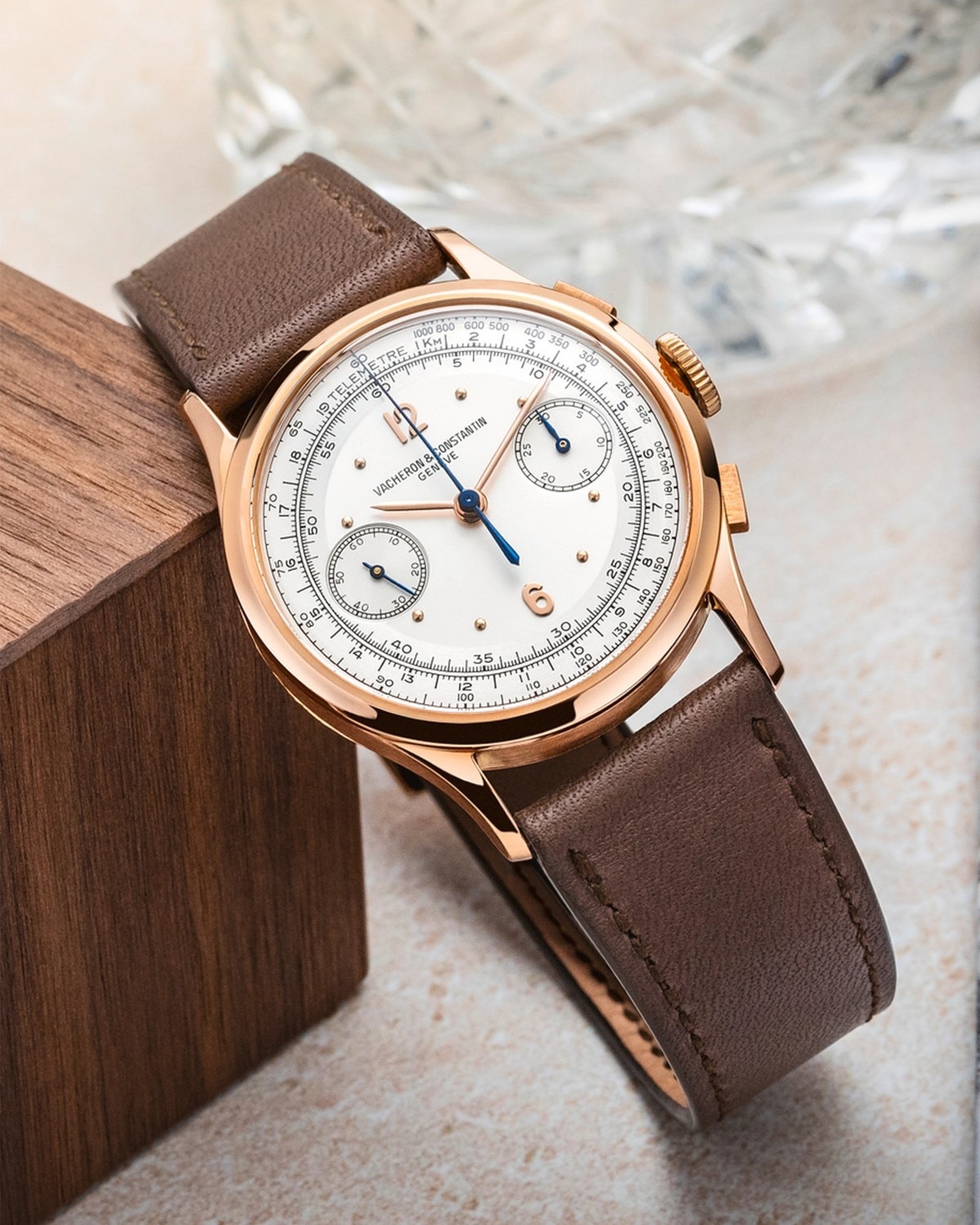
The watches pictured in the Maison’s programme resist the idea that vintage has a single appearance. The rectangular Prestige de la France, reference 15207, makes its first impression through an elongated case. The Mercator, reference 43050, places a map at the centre of the dial. The chronograph reference 4072 gives its registers room inside a round face. They offer different ways into the collection before any discussion of a price or a year.
Those differences are useful at an appointment. Start by describing what draws you to the individual watch: the scale, the dial, the way the case meets the strap, or a particular reading of the time. Ask to see it under ordinary light and from the side. A watch presented through its history is still an object you must want to live with, and that response deserves space of its own.
The programme’s published gallery is an introduction to that vocabulary. It is not an inventory promise. A photograph of a reference on the website does not establish that the pictured example will be available in a particular boutique when you arrive. Ask for the identity and documentation of the actual watch proposed for the meeting, so that the conversation can move from a collection name to one specific object.
What the programme puts around the watch
Vacheron Constantin dates Les Collectionneurs to 2008 and describes a selection that is renewed annually. The Maison says its experts source the watches, authenticate them at the Manufacture and have them restored by specialist watchmakers. Its stated package includes a certificate of authenticity, a digital passport and a two-year guarantee.
That framework gives the buyer several distinct things to discuss. The object has its visible characteristics; the restoration has a scope; the certificate has a description; the guarantee has its applicable terms. Treating these as separate parts of one acquisition makes the appointment more informative than a conversation dominated by the broad reassurance of “manufacturer restored”.
Ask which documents accompany the individual example and how they identify it. Ask what the completed restoration record describes and how the guarantee will be supplied. Where a digital passport is included, request a demonstration of access and the steps relevant to a change of owner. You need not arrive as a technical specialist to ask for a clear account of what will travel with the watch.
Restoration is a series of choices
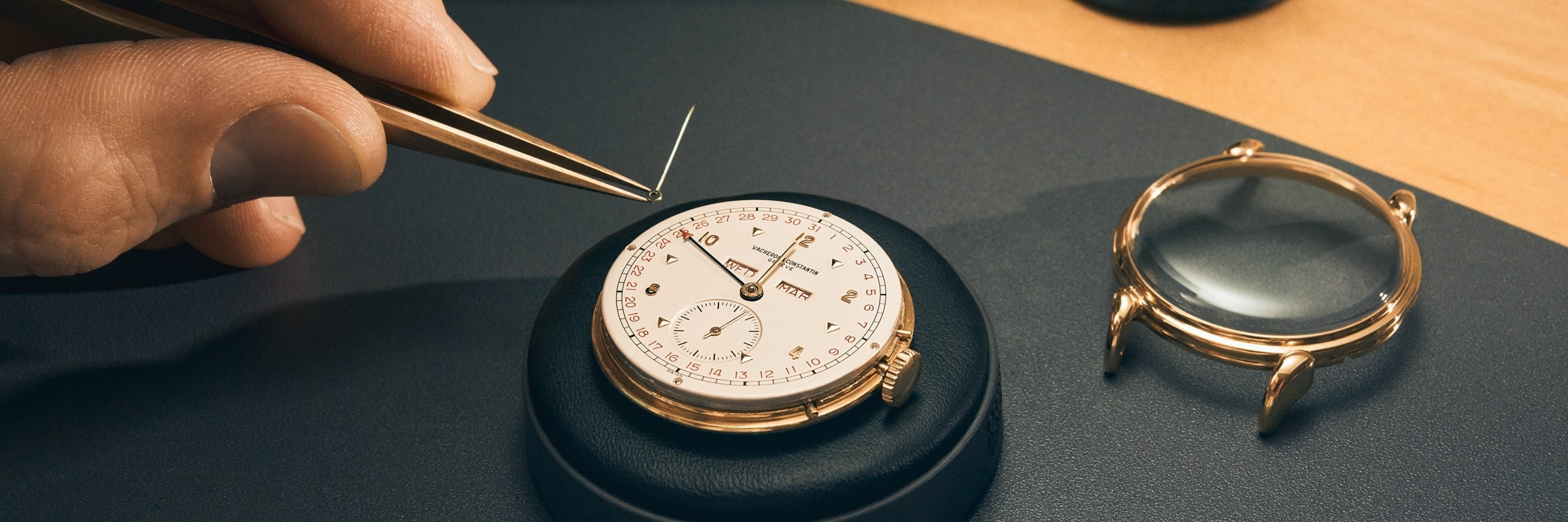
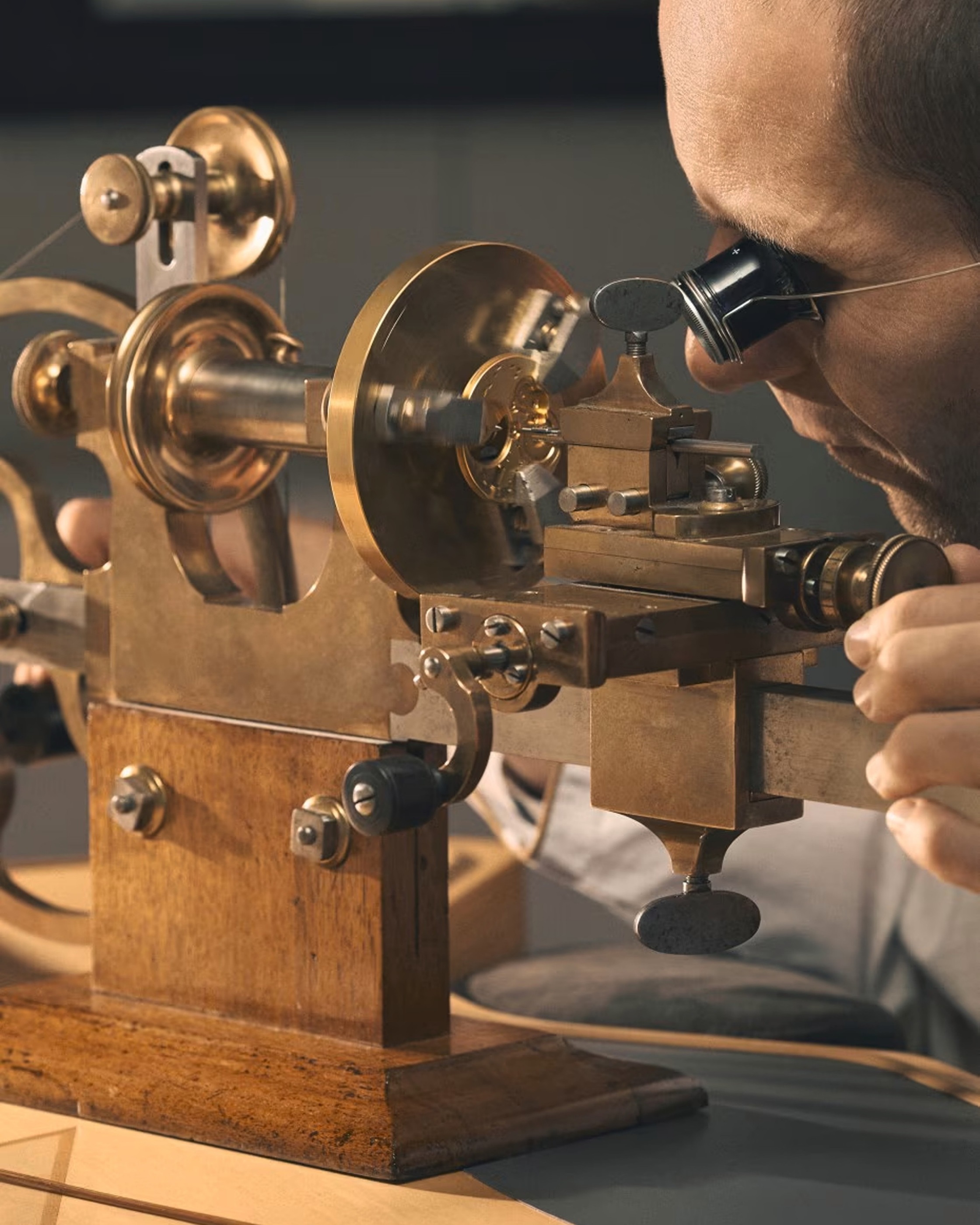
Vacheron Constantin’s restoration account begins with heritage research and then an assessment of the work required. It describes using preserved components where possible and remaking a component when necessary. The published intention is to bring the watch as close as possible to its original functional and aesthetic condition, taking its age into account.
That account invites a more interesting question than whether the watch has simply been “done”. What was retained, what was repaired and what needed to be made again for this example? A movement intervention and an external-surface intervention are different decisions. Asking for their description allows the buyer to understand the specific watch rather than infer an entire treatment from the programme’s name.
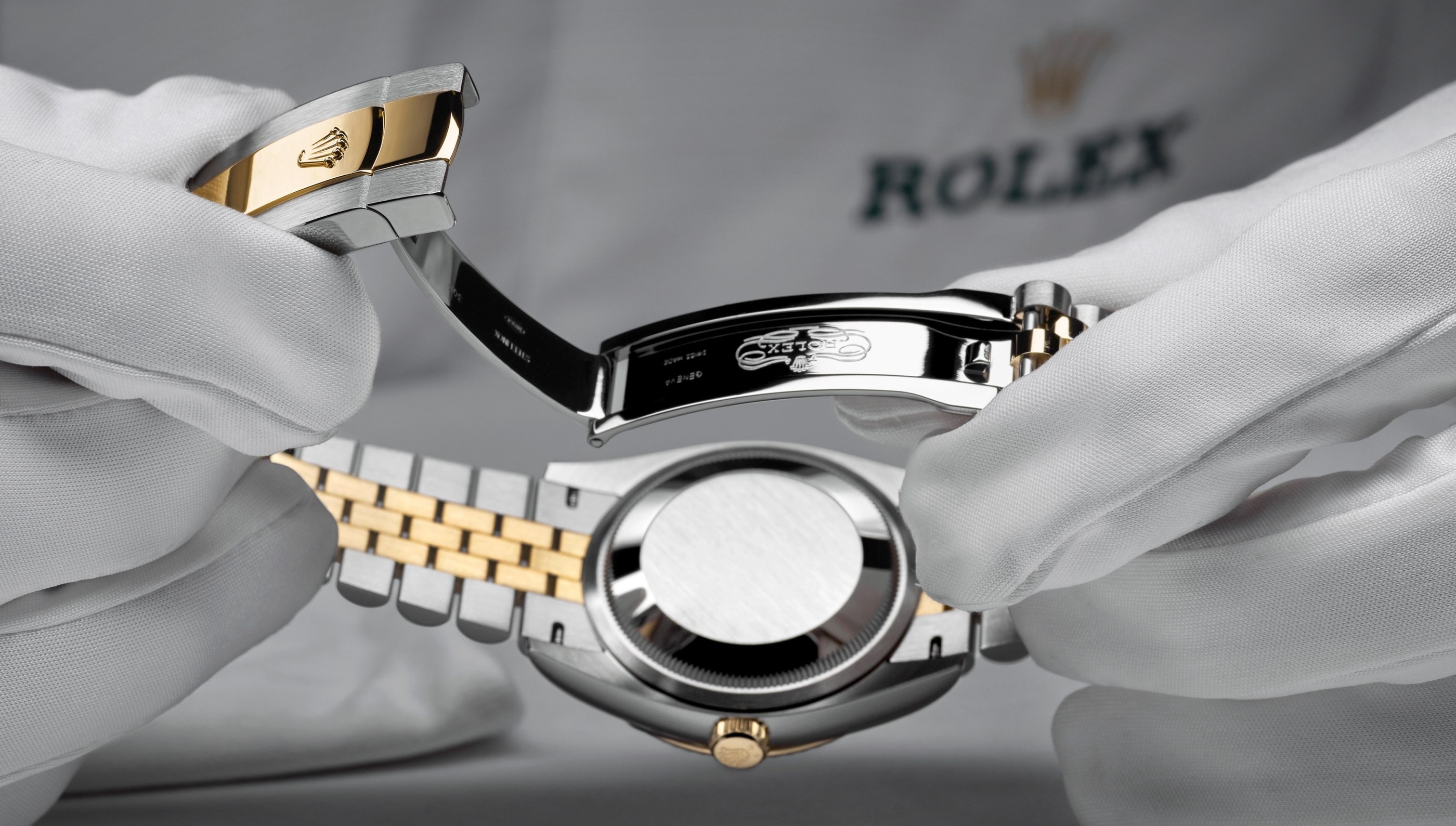
The official workshop photographs show hands, tools and research at different scales. They explain the kinds of work the Maison undertakes, but they are not a before-and-after file for every watch in the programme. Keep the general capabilities and the history of the proposed example connected through actual records. That distinction leaves room for admiration of the craft while keeping the acquisition conversation precise.
A document has a particular job
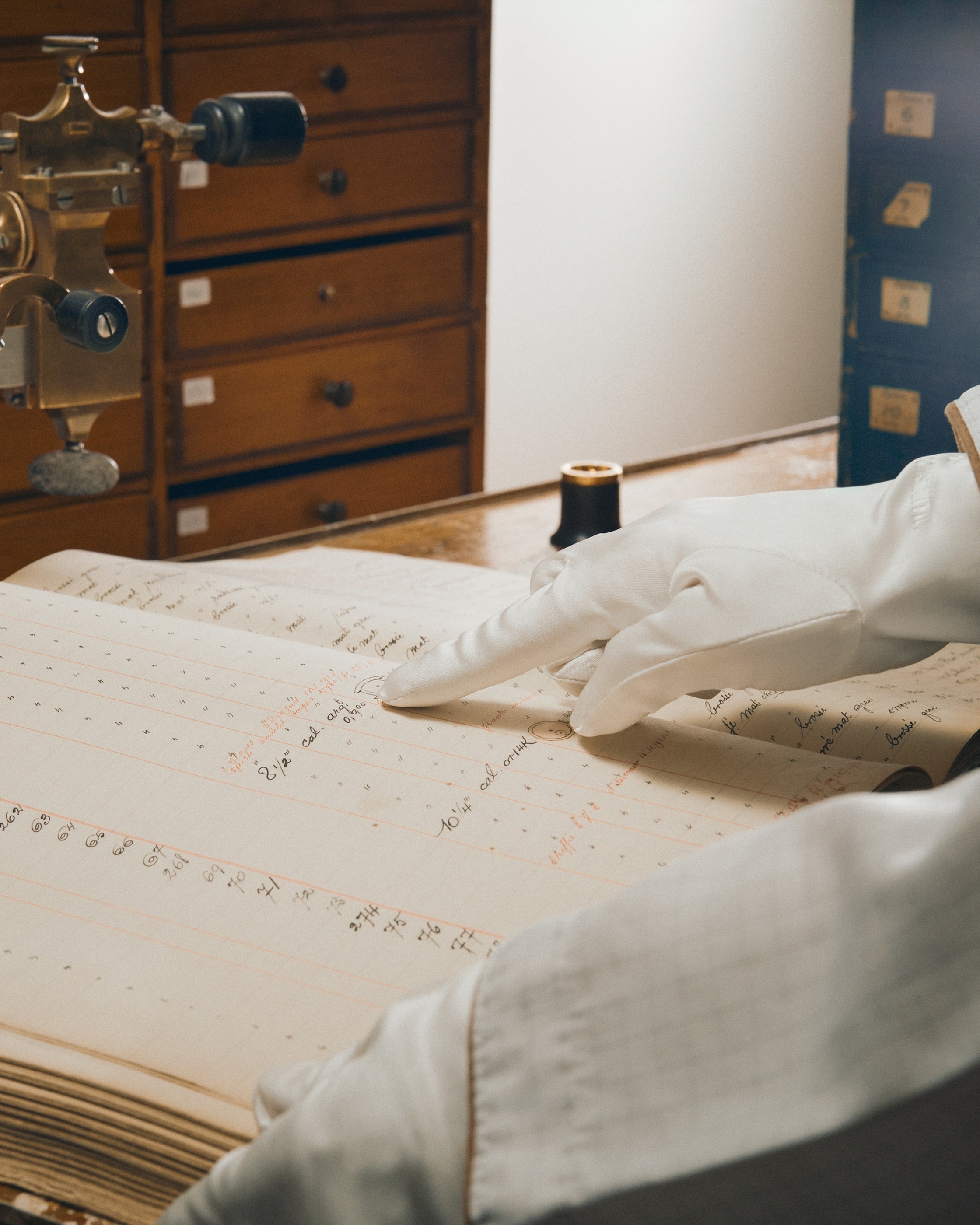
The Maison’s heritage services distinguish a certificate of authenticity from an archive extract and a document for insurance purposes. Its certificate process calls for examination by heritage experts. The insurance document, by contrast, refers to the last recorded retail list price, while the Maison directs enquiries about the collector’s market to a specialist auction house.
The practical point is to read the title, scope and individual identifiers of the document you are being shown. A useful appointment establishes which record accompanies the watch, when it was issued and what questions it answers. The presence of a formal document is a reason to read it closely, rather than a reason to stop asking about condition or completed work.
Nor does a manufacturer document automatically tell a complete story of personal ownership. If the seller offers an earlier owner’s name, an event or a long period in one family as part of the watch’s appeal, ask what supports that separate account. Keep a documented characteristic, a documented intervention and an anecdote in their respective places. Each can be interesting without being made to carry the others.
Make the appointment specific
A focused appointment lets the pleasure of discovery coexist with a usable record. Agree which example you are going to see and which supporting material can be discussed. Bring a short list of the points that matter to you and leave room for the conversation to reveal something you had not thought to ask.
| Part of the acquisition | What to look at | Useful question |
|---|---|---|
| The object | Case, dial, display and attachment | Which exact example and individual identifiers are being offered? |
| The intervention | The completed restoration account | What was retained, repaired or replaced? |
| The certificate | Description and identity | How does this document correspond to the watch in front of us? |
| The passport | Access and associated information | What needs to happen when the watch changes owner? |
| The guarantee | Supplied terms and dates | What applies to this acquisition and how is support requested? |
| The earlier story | Records supporting any additional history | Which parts of that history are evidenced? |
Write a short account of the appointment afterwards. Include the things you liked as well as the questions still open. It is easier to make a considered decision when the watch’s visual appeal and the information supporting it are both present in the same note. A hurried photograph of a display tray rarely captures either particularly well.
Keep the pleasure and the record together
The most compelling outcome is a watch whose attraction survives a closer reading. A shaped case remains shaped; an unusual display remains engaging; the smaller details become more interesting because the accompanying account is clear. The records should help you see the object more intelligently, rather than take its place.
Les Collectionneurs is valuable as a way of framing that encounter. It puts the maker’s continuing relationship with older work into the acquisition itself. The prospective owner can respond by asking about the individual example, understanding its intervention and keeping the resulting file intact. The next chapter then begins with a watch worth looking at and a story that can be followed.
Sources & credits
Methodology and sources
An independent editorial reading of the Maison’s programme and published heritage services. Official programme photographs illustrate identified references; document and workshop images illustrate those services and are not claimed as records of the same specimen. No boutique appointment, inspection or purchase was undertaken. Individual availability, prices, market performance and guarantee terms require confirmation for the proposed acquisition.