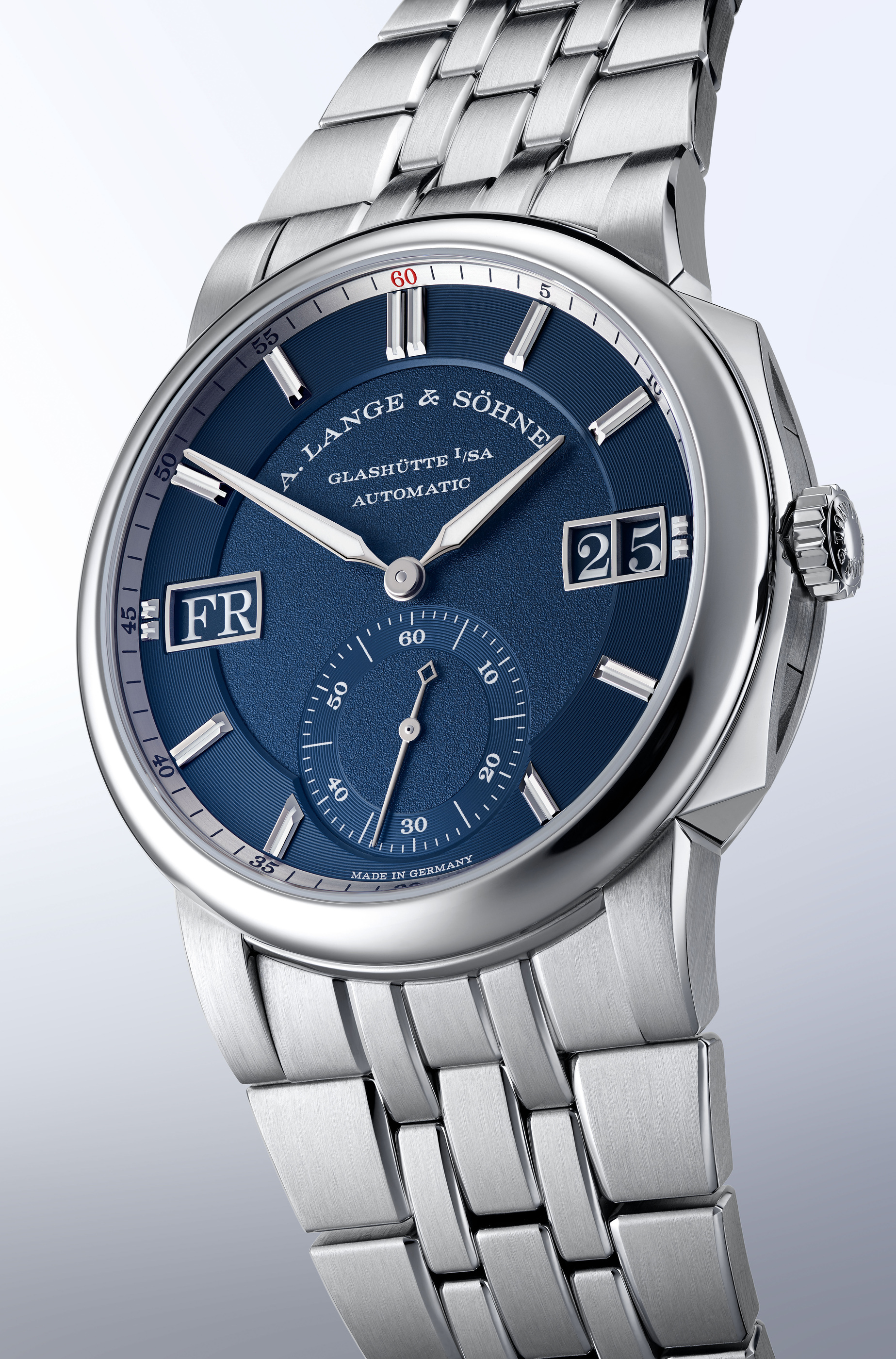
Answer first
COSC, Master Chronometer and the Geneva Seal are not three grades on a single ladder. They are different assurance systems with different eligibility rules, test objects and claims. COSC certifies the precision of an individual movement against chronometer criteria. METAS Master Chronometer certification evaluates a finished watch against a broader programme that includes chronometric performance and declared functional characteristics. The Geneva Seal combines Geneva provenance requirements with workmanship and watch-performance criteria defined by its governing rules.
The useful question is therefore not “which logo is best?” but “what was tested, by whom, at what stage, against which published requirement?” A certification can support a precise claim inside its scope. It does not prove every aspect of quality, durability, finishing or long-term ownership.
Key takeaways
- A COSC certificate concerns a specific movement and its chronometric performance under the organisation's test protocol.
- Master Chronometer is applied to the completed watch under the METAS certification framework; its scope is broader than rate alone.
- The Geneva Seal is available only to eligible Geneva-made watches and combines origin, craftsmanship and performance requirements.
- The systems are not interchangeable and should not be converted into an invented score.
- A logo is meaningful only when the reference, certificate or verification route can be connected to the watch in question.
- None of these marks replaces condition assessment, service history or an authorised water-resistance test for a used watch.
The comparison at a glance
| System | Governing body | Principal test object | Core question it can answer | What it does not establish by itself |
|---|---|---|---|---|
| COSC certified chronometer | Controle Officiel Suisse des Chronometres | Individual movement | Did this movement satisfy COSC chronometer criteria during controlled testing? | Finished-case performance, water resistance, magnetic resistance of the complete watch, condition years later |
| Master Chronometer | Swiss Federal Institute of Metrology (METAS), through an approved certification programme | Finished watch | Did this watch satisfy the published Master Chronometer requirements, including chronometric and declared functional checks? | Universal superiority over watches outside the programme, future condition after wear or service |
| Geneva Seal | State of Geneva / TIMELAB under the published Poincon de Geneve rules | Eligible movement and watch | Does the watch meet the seal's Geneva-origin, workmanship and performance requirements? | Market value, rarity, owner-specific condition or an unlimited guarantee |
This table describes scope, not prestige. A watch may qualify for more than one system, for another certification, or for none while still being technically accomplished. Absence of a mark is not evidence of failure unless the maker explicitly claims the certification for that reference.
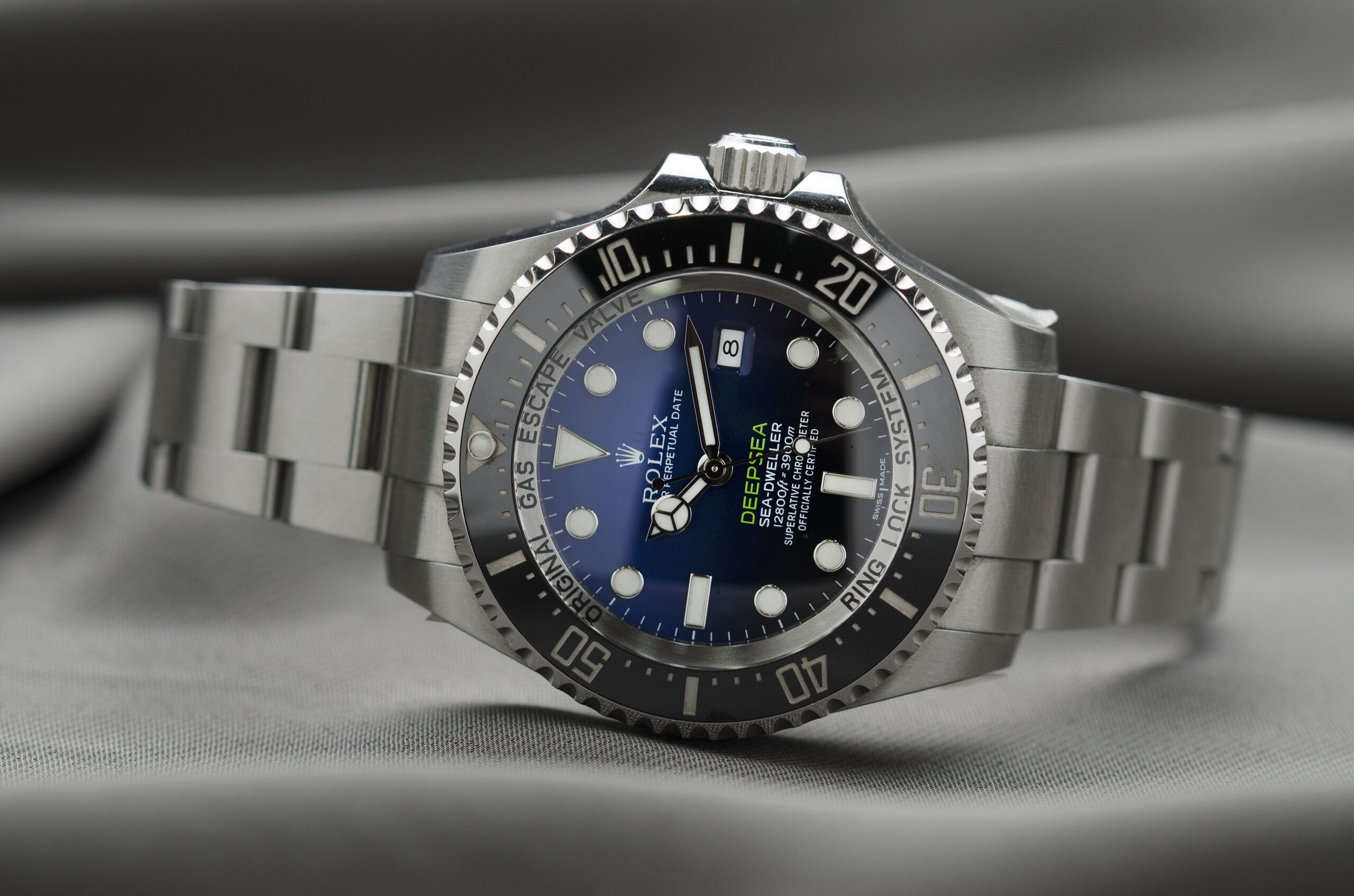
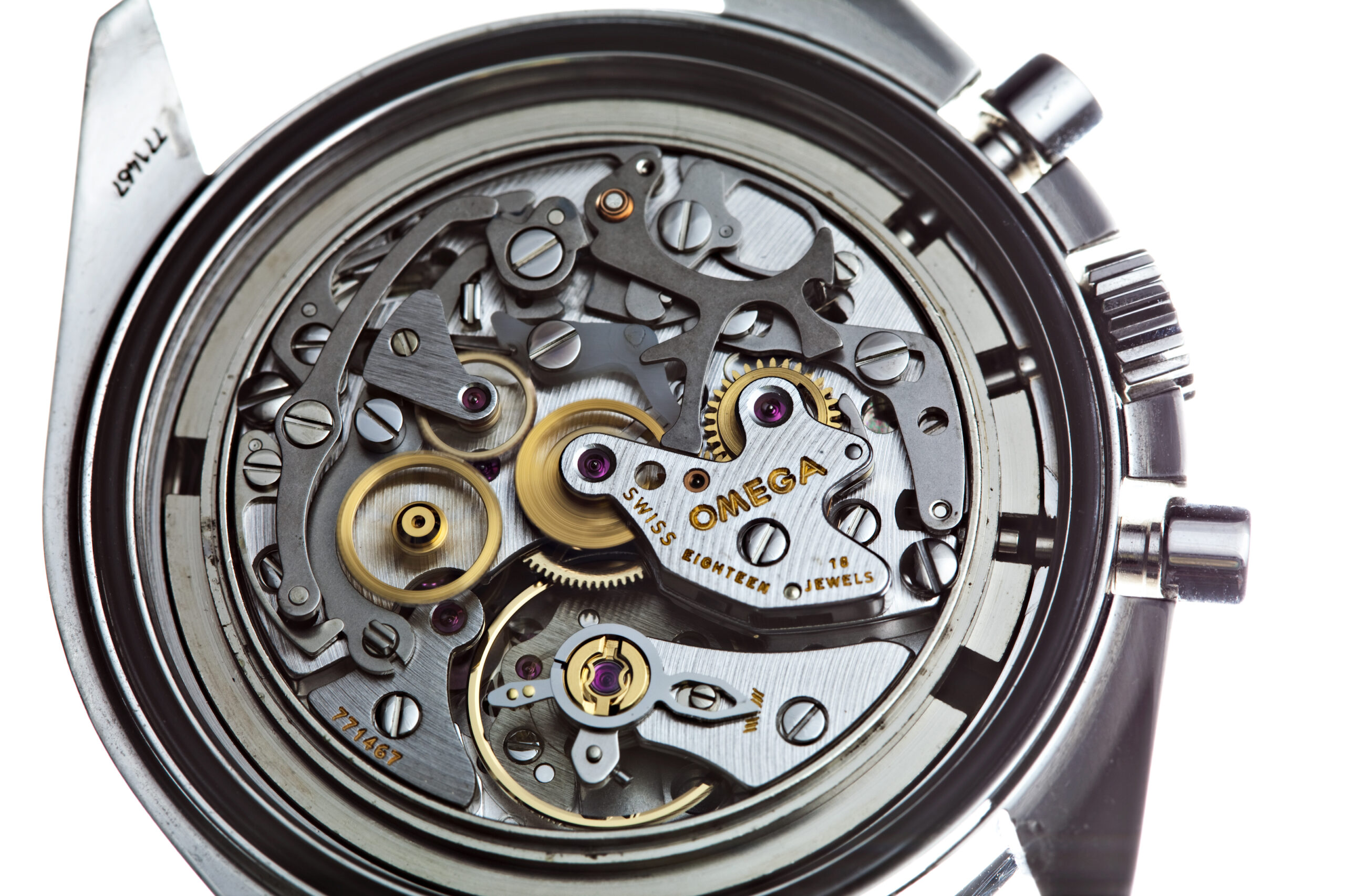
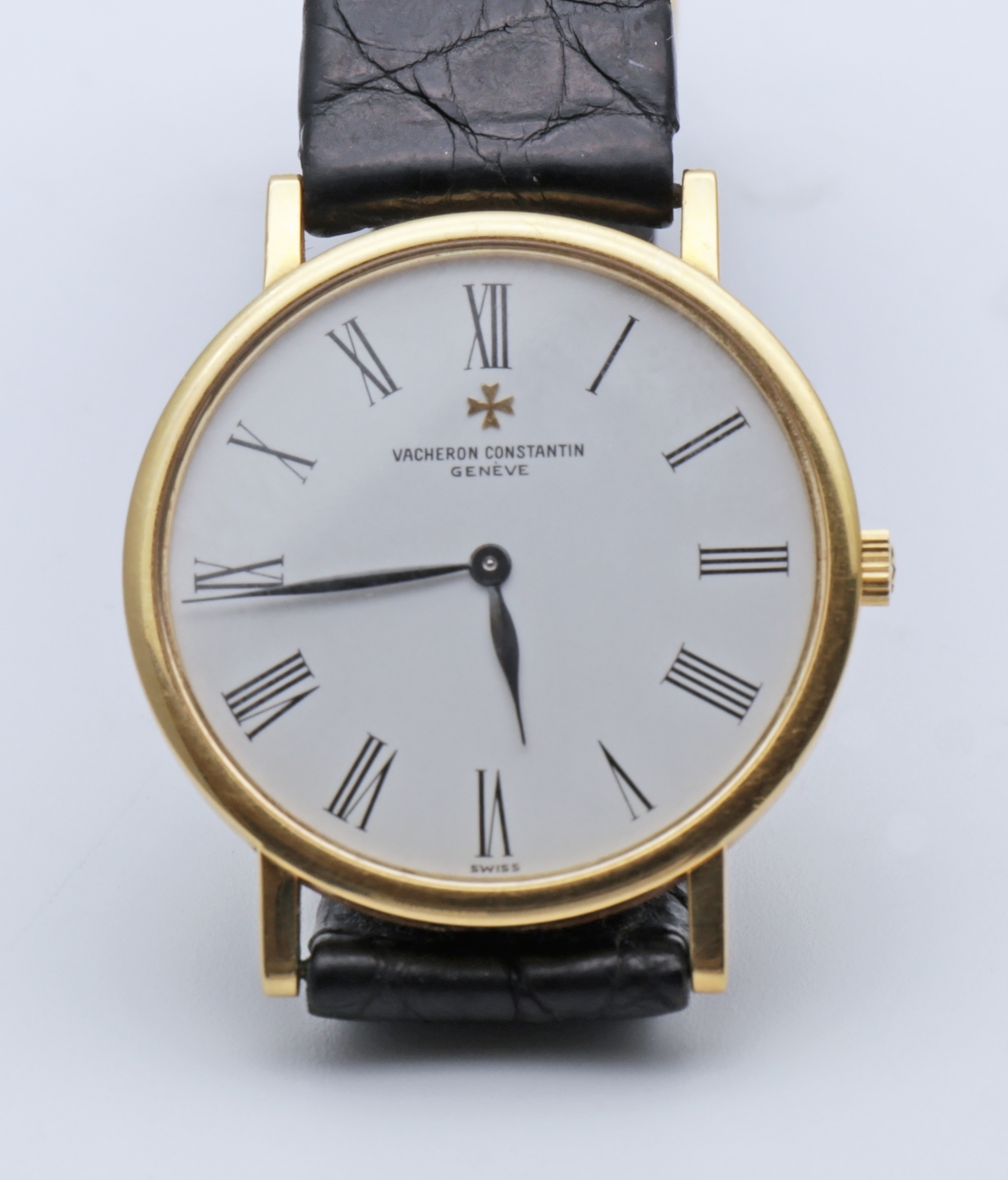
COSC: a movement-level chronometer certificate
COSC is an independent Swiss non-profit organisation created by the cantons associated with its testing offices and the Federation of the Swiss Watch Industry. Its public explanation describes a certified chronometer as a precision timekeeping instrument whose movement has been individually tested and identified.
The distinction between movement and completed watch matters. During COSC testing, the movement is evaluated under controlled conditions and across prescribed positions and temperatures. The published chronometer criteria include daily-rate and rate-variation measures. For the familiar mechanical wristwatch category, the often-quoted average daily-rate tolerance of minus four to plus six seconds per day is only one criterion inside the protocol; it should not be presented as the complete test.
A COSC certificate can therefore support a statement about the tested movement at the time of certification. It does not, on its own, tell the reader how the movement performs after casing, transport, years of wear, magnetisation, impact or an undocumented repair. A manufacturer may add its own finished-watch controls after COSC, but those controls are separate claims and must be attributed to that manufacturer.
How to read a COSC claim
Ask four things:
- Is the manufacturer claiming COSC certification for the exact reference or calibre?
- Is the certificate or watch identifier available to connect the claim to the individual movement?
- Is the published number a COSC criterion, a manufacturer specification or a current measurement by a watchmaker?
- Has the watch been serviced or altered since certification?
That last question does not invalidate the historical certificate. It changes what the certificate can prove about present condition.
Master Chronometer: testing the complete watch
Master Chronometer is a certification framework administered by METAS, Switzerland's federal metrology institute. The published technical requirements cover the finished watch rather than only an uncased movement. The programme examines chronometric behaviour in defined conditions and verifies declared characteristics such as water resistance and power reserve. It also includes resistance to a strong magnetic field within the stated protocol.
This broader test object is the central difference. The case, hands, dial, seals and assembled movement are present when the watch is assessed. That makes the certification directly relevant to the performance of the completed product at the point of testing.
It still requires disciplined language. “Master Chronometer” should not be expanded into claims that the protocol does not make. It does not promise that a watch can never become magnetised, that every component is immune to damage, or that water resistance is permanent. Gaskets age, cases can be opened and watches can be subjected to conditions beyond their rating. The certificate records conformity during certification; ownership care remains necessary.
Manufacturer participation and independence
METAS defines and supervises the certification requirements, while the testing can be integrated into an approved manufacturer's process under the certification system. That is different from treating a maker's marketing page as independent proof. Editorial copy should cite the METAS requirement for the scope of the certification and cite the manufacturer only for the fact that a particular reference is declared and traceable as Master Chronometer.
The Geneva Seal: provenance, craft and performance
The Poincon de Geneve, commonly called the Geneva Seal, is governed by the State of Geneva through its designated certification structure. Eligibility is geographically bounded: the movement must meet the applicable Geneva production and assembly requirements. The published rules also address movement construction and finishing, and the modern seal includes tests of the completed watch's functions and reliability.
This makes the Geneva Seal unusually multidimensional. It is not merely a decorative-finishing badge, nor is it simply a timing certificate. Its rules establish a defined standard for eligible Geneva watchmaking and provide an official control framework.
The seal must nevertheless be read at reference level. A maison based in Geneva may produce some watches with the seal and others without it. Brand location alone does not confer certification. The presence of the hallmark and the applicable certificate or documentation are the relevant evidence.
Craftsmanship is specific, not atmospheric
When an article says that the Geneva Seal covers finishing, it should identify the type of requirement rather than substitute vague language such as “hand-finished to perfection.” The rules address components and execution through stated criteria. Whether a collector prefers that visual vocabulary is an aesthetic judgement, not a certification result.
What the three systems leave unanswered
Certification narrows uncertainty; it does not eliminate it. None of the three systems, by itself, answers these ownership questions:
- What is the watch's current amplitude, rate and beat error?
- Is the case over-polished, damaged or no longer within original geometry?
- Are the dial, hands, bezel and movement components original to the watch?
- Has water resistance been retested after the most recent opening?
- Is the service history complete and supported by documents?
- Is the watch correctly represented in an auction or dealer listing?
- What is a fair transaction price?
Those questions require present-condition evidence, provenance and, where appropriate, inspection by a qualified watchmaker. Certification should be one field in an evidence record, not a substitute for the record.
A practical verification workflow
1. Start with the exact watch
Record the manufacturer, collection, reference, calibre and serial or certificate identifiers where it is lawful and safe to do so. Do not infer certification from a visually similar model.
2. Separate authority from manufacturer
Use the certifying body's current rules to explain what the mark means. Use the manufacturer's official specification to establish that the exact reference participates. A dealer listing is a lead, not the final authority.
3. Preserve the date and version
Certification requirements evolve. Record the rule version or access date used in the article. Do not apply a 2026 rule retrospectively to a vintage watch unless the authority confirms that the rule governed that watch.
4. Verify the identifier
Where a certificate, QR code or online verification route exists, confirm that the identifiers are coherent. Do not publish full serial numbers in a way that creates fraud or privacy risk.
5. Add current-condition evidence
For a used watch, request a recent inspection, timegrapher results where relevant, pressure testing where water resistance matters, and service documentation. State who performed the test and when.
Common mistakes in watch coverage
“COSC means the watch runs within minus four to plus six forever”
Incorrect. That range is associated with one mechanical-chronometer criterion under controlled certification testing. It is not a lifetime guarantee and does not describe every COSC category or every real-world wearing pattern.
“Master Chronometer is just COSC plus magnetism”
Misleading. The decisive editorial point is that the METAS framework assesses the complete watch against a published group of requirements. Reducing it to a slogan hides the test object and the other declared checks.
“Geneva-made means Geneva Seal”
Incorrect. The seal has an eligibility and certification process. Geographic association or a Geneva address is insufficient.
“More certificates automatically means a better watch”
Unsupported. Certification strategy varies by manufacturer and product. Design, finishing choices, serviceability, ergonomics, provenance and current condition sit outside any simple logo count.
Frequently asked questions
Is a COSC watch more accurate than every non-COSC watch?
No. COSC proves that the submitted movement met COSC's criteria during testing. A non-COSC watch may be regulated to a different standard, and present performance depends on the individual watch and its condition.
Does Master Chronometer guarantee water resistance for life?
No. It verifies the declared characteristic within the certification process. Seals age and any case opening or impact can affect resistance. Follow the maker's testing and service guidance.
Is the Geneva Seal only about decoration?
No. Its published framework includes Geneva-origin, workmanship and completed-watch performance requirements. The exact applicable rule version remains important.
Can a vintage watch be judged by today's certification rules?
Not automatically. Use the requirements in force when the watch was certified and avoid retroactive claims unless the authority provides a basis.
Sources & credits
Methodology, sources and limitations
This guide compares the public scope of three assurance systems. It relies on the certifying authorities, not on retailer summaries, and distinguishes authority rules from manufacturer participation claims. It does not test a watch, authenticate a certificate or rank brands. Requirements must be rechecked immediately before publication because protocols and documents can change.
Primary sources:
- COSC, “Certified chronometer”: cosc.swiss
- METAS, Master Chronometer technical requirements: metas.ch
- Poincon de Geneve, State guarantee: poincondegeneve.ch
- Poincon de Geneve, 2026 rules: poincondegeneve.ch
Source review: 1 September 2026. Certification protocols can evolve; the linked primary records remain authoritative for their current scope.