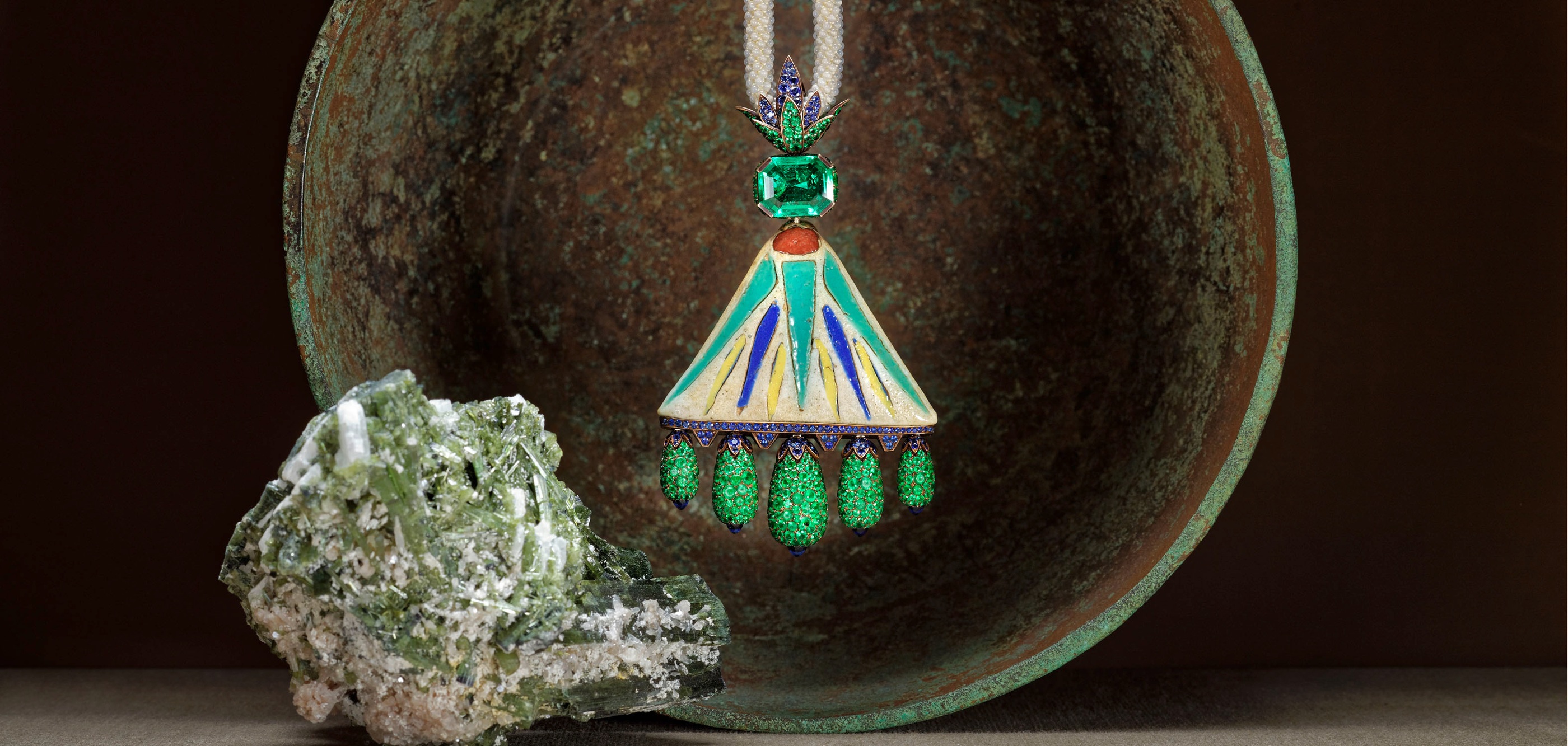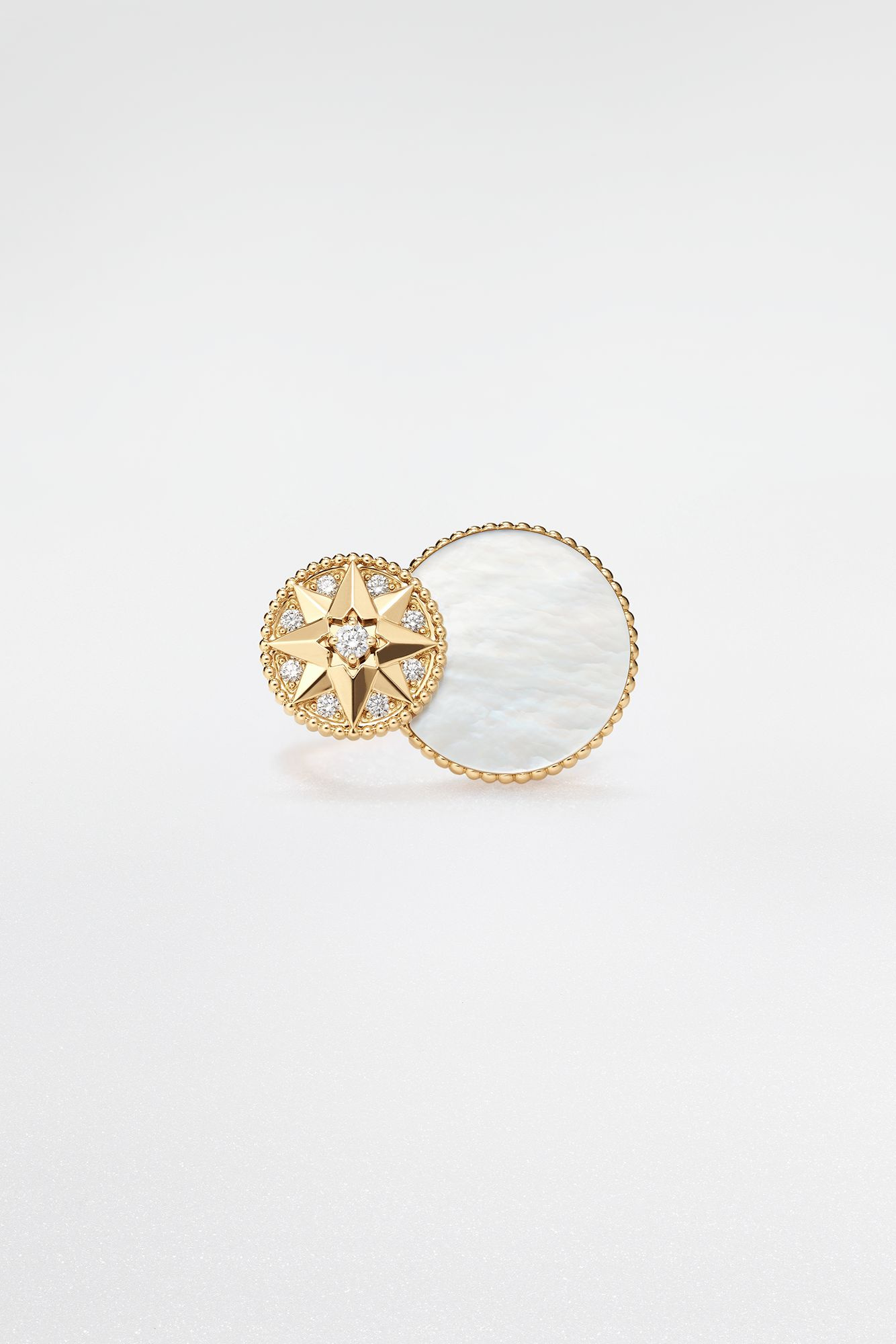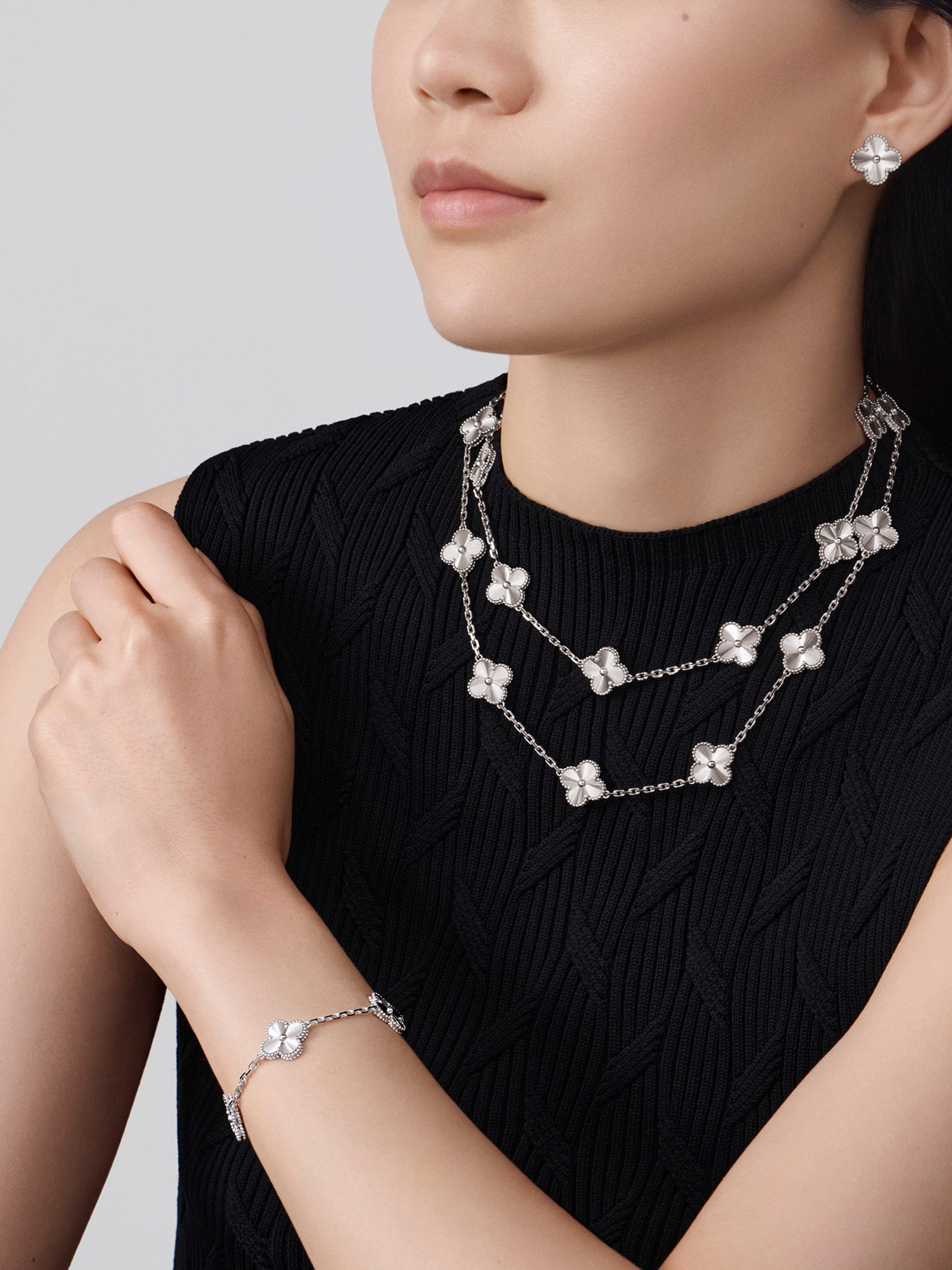
A jewel has a life between the moments when it is worn. It is taken off, placed somewhere, packed for a journey and brought back to the wrist or neckline. Those small transitions are where a considered care routine begins. Van Cleef & Arpels’ published guidance offers a useful way to connect the pleasure of wearing a creation with an understanding of its particular materials and construction.
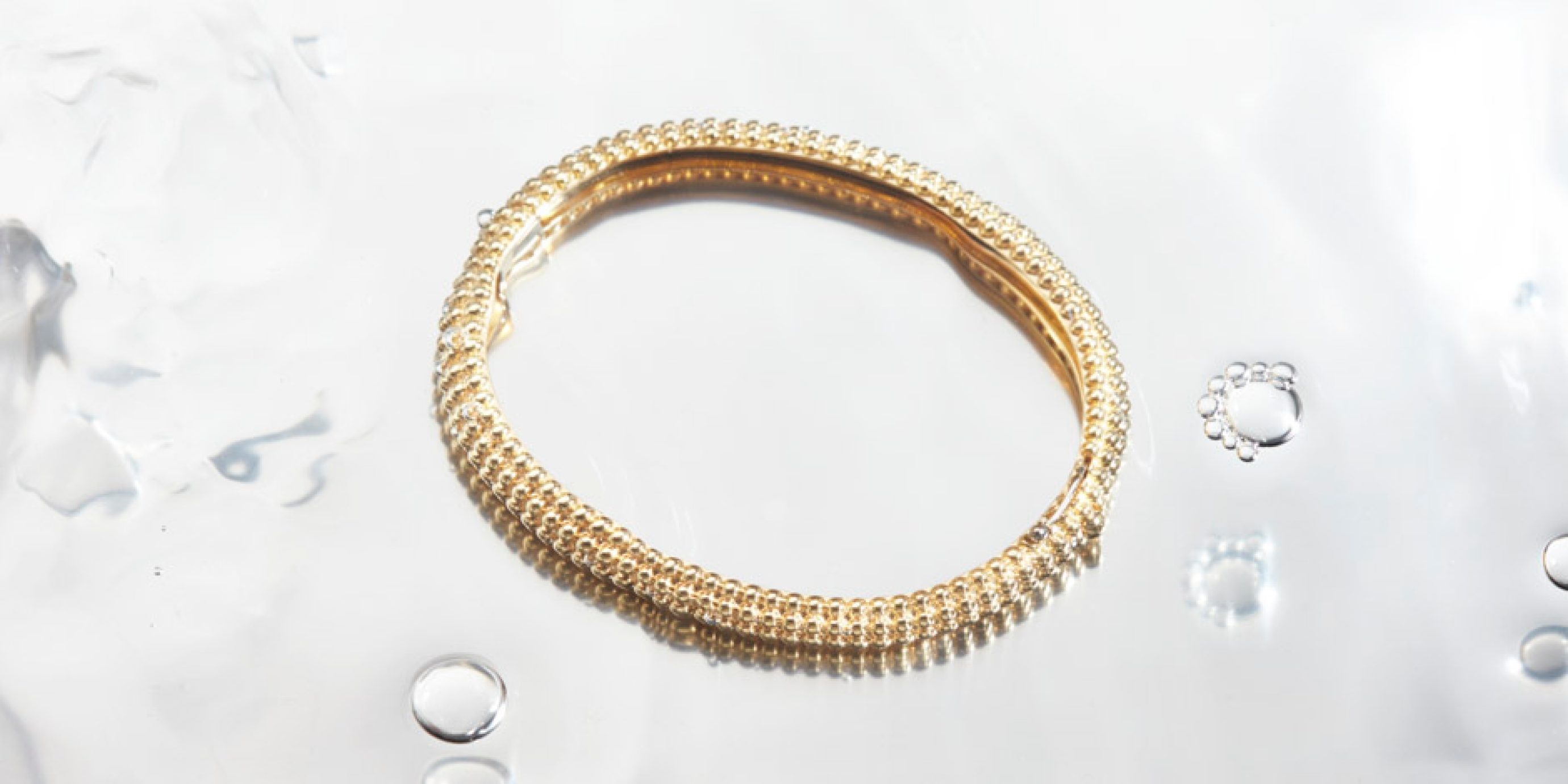
Begin with the complete creation
Look at what is present before choosing a care method. A piece may combine metal, stones, a clasp, articulated sections and a particular surface finish. The name of a familiar collection does not make every material within it interchangeable. Nor does the most prominent gemstone necessarily explain how the complete creation should be handled.
Keep the reference and the information supplied with the jewel somewhere easy to retrieve. If a piece was a gift, ask which documents belong to it and keep those records linked to the object. A clear identity makes a future conversation with the Maison more precise, particularly when an item has been stored for a long period or is being passed to another wearer.
The first useful care question is therefore specific: what does the Maison recommend for this creation, in its actual combination of materials? Begin there rather than applying a general jewellery-cleaning routine. The aim is a repeatable habit suited to the object, not a collection of products chosen before its requirements are understood.
Make wearing part of the routine
Van Cleef & Arpels advises allowing fragrances and cosmetics to dry before putting on its jewellery, and avoiding contact with water, high temperatures and substances that may affect a creation. Its daily-wear guidance also recommends taking jewellery off for activities where it could be knocked or exposed to harmful substances. These are the Maison’s published recommendations, to be read alongside advice for the particular piece.
The practical challenge is to give removal a predictable destination. Consider where you take jewellery off at home and during a trip. An object left temporarily on a bathroom shelf or loose in a bag can quickly become separated from the way you normally look after it. Decide on a place for the pause before the pause happens.
This is especially useful when more than one jewel is worn together. Taking pieces off individually, and placing each in its intended space, makes it easier to notice what is present and to avoid leaving them in contact. A calm routine also gives you a moment to observe a clasp or moving section that seems different from the last time you wore it.
A place for each piece
The Maison recommends a fabric-lined case and keeping creations separate to avoid knocks and scratches. It gives particular emphasis to separating diamond-set pieces from softer materials. The useful lesson for a collection is that storage should be organised around individual objects, rather than the number that can be fitted into one attractive container.
Lay out the pieces you actually wear and consider how each will be put away. A necklace needs a place where its line can be understood again when you return to it; a pair of earrings should remain recognisable as a pair. Ask the Maison for guidance where a shape, attachment or material needs a particular arrangement. The right storage plan should be straightforward enough to use on an ordinary evening.
For travel, consider the complete return journey as well as departure. Keep the identifying information available separately from the physical case and plan where the jewel will go when it is removed. A travel case is part of a care routine; it does not on its own establish protection against every risk associated with carrying a valuable object.

Cleaning follows the materials
Van Cleef & Arpels treats gemstone-specific care as distinct from its recommendations for an all-gold creation. Its service description also distinguishes cleaning from polishing, with the method depending on materials and technical characteristics. The owner’s task is to obtain the guidance relevant to the complete jewel before selecting a treatment.
A piece that appears dull may invite an immediate attempt to improve its appearance. Pause long enough to check the reference and the current instructions. An inherited object, an unfamiliar stone or an undocumented earlier intervention is a reason to ask for advice about that example. A photograph can begin the conversation, while the provider determines whether examination is needed.
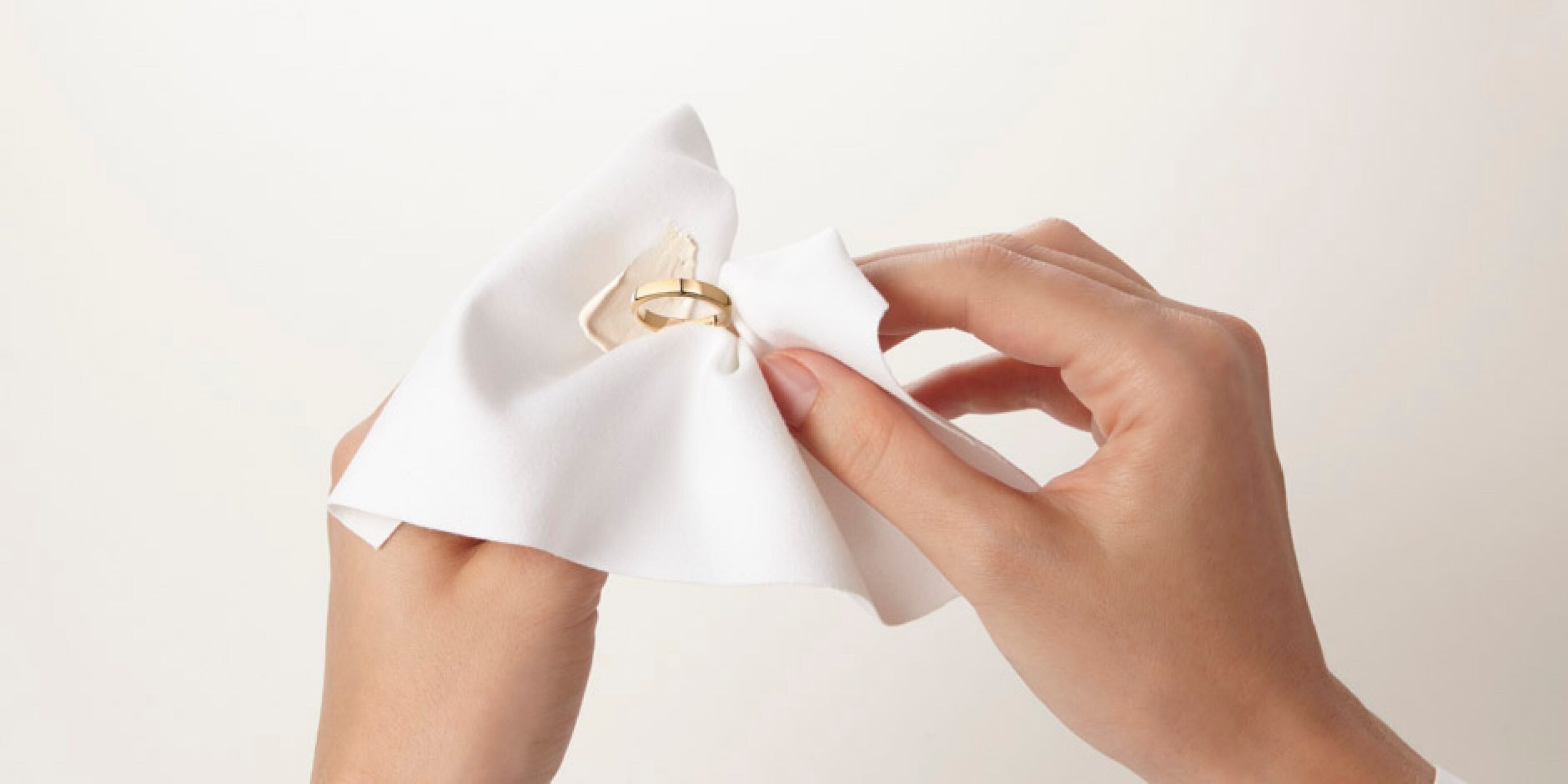
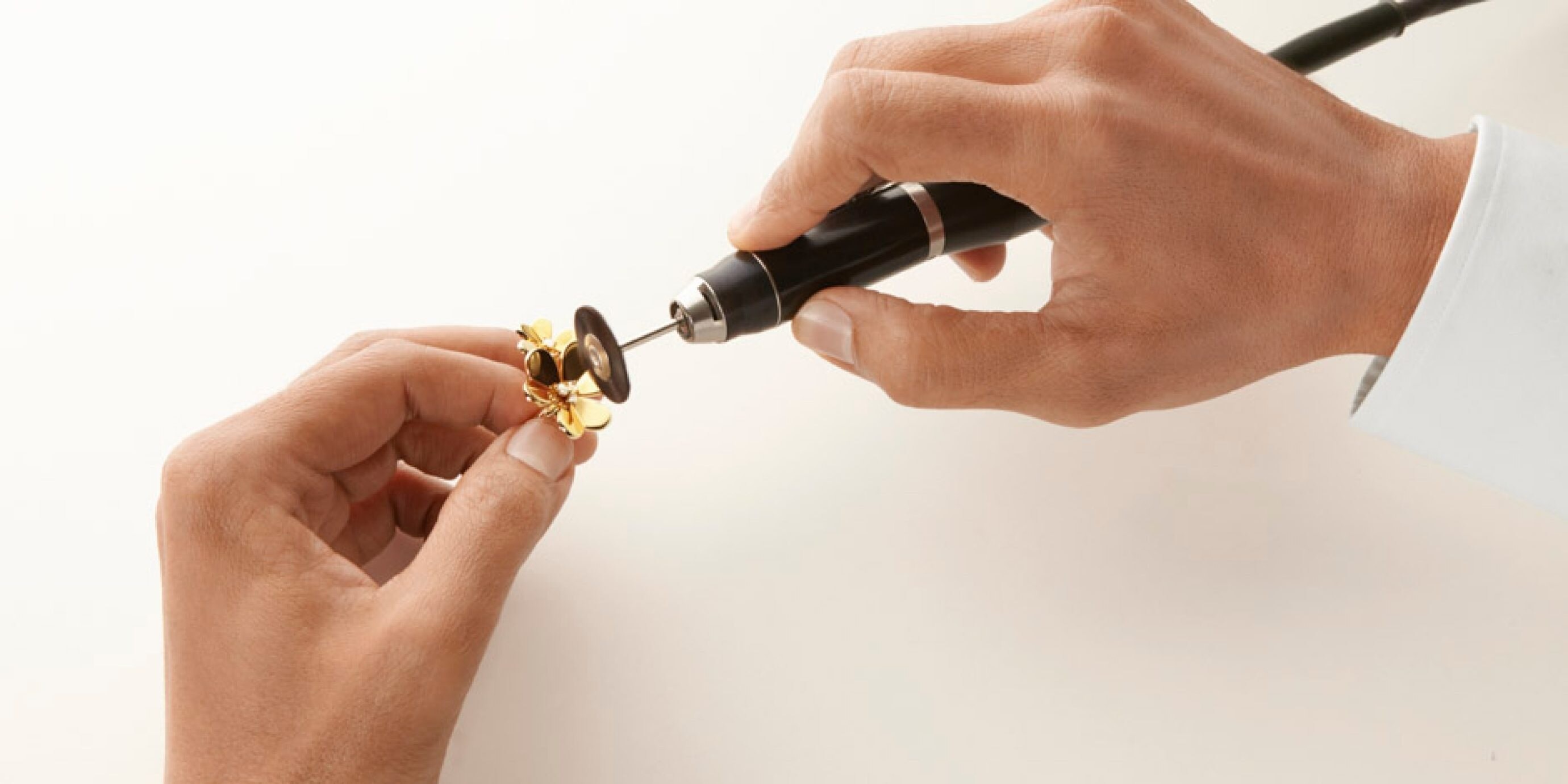
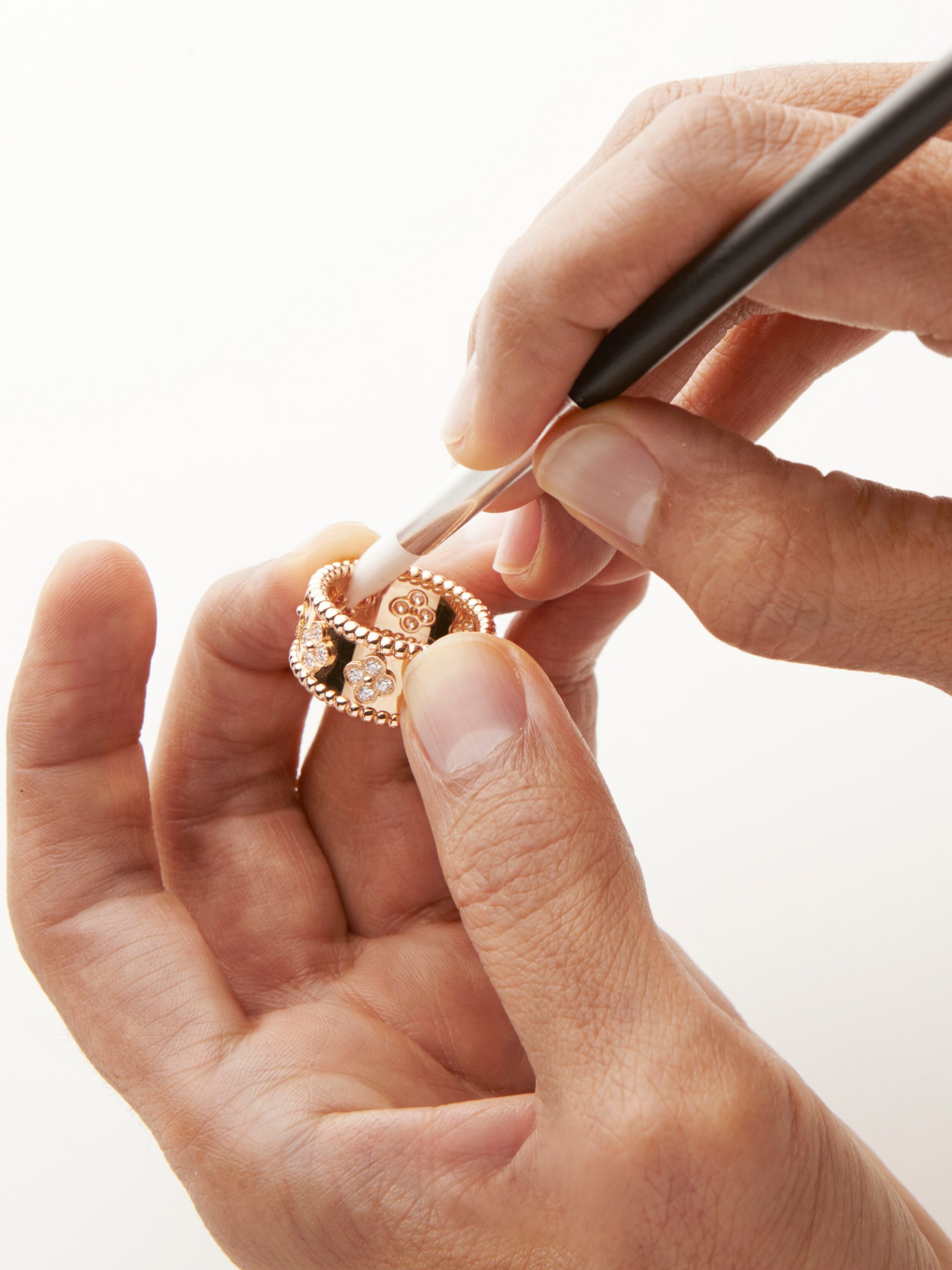
The official service photographs show several different operations. A soft cloth, a cleaning stage and a rotating tool are not interchangeable suggestions for home use. Read them as illustrations of the Maison’s professional vocabulary. They make it easier to ask what is proposed for your creation, rather than act as a set of instructions to reproduce at home.

Polishing is a separate decision
The Maison recommends limiting the number of polishes to preserve a creation’s integrity. That makes polishing a useful subject for an explicit discussion, especially when the existing appearance matters to an owner. The wish to refresh a jewel can be expressed clearly without turning every possible intervention into one broad instruction.
Explain what you have noticed and what outcome you would like. If a mark or a change of surface concerns you, point it out and ask what the proposed treatment is intended to address. Ask how the intervention will be described in the completed-work record, and keep that account with the earlier documents.
Personal attachment deserves a place in this conversation. A jewel may be valued partly for the way it has accompanied somebody’s life. The receiving team cannot infer which details matter most to you from the reference alone. Describing those priorities helps establish a shared understanding of the proposed work before approval.
When to ask the Maison to look
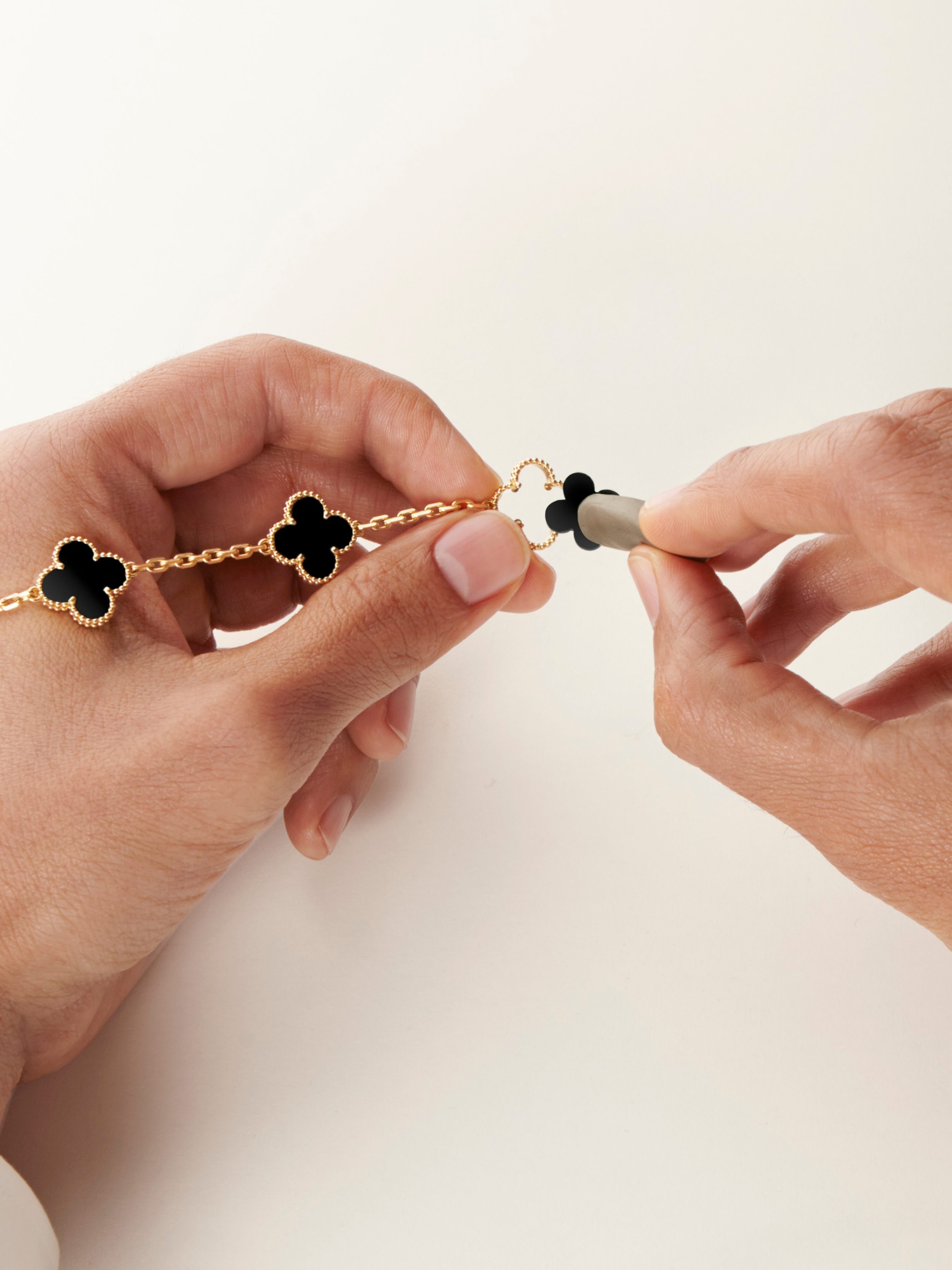
Van Cleef & Arpels describes repair services for elements such as links, clasps and settings, and a stone-replacement service subject to availability and matching. These descriptions outline capabilities; an individual diagnosis, the appropriate work and any conditions belong to the creation being examined.
If something feels loose, catches differently or appears changed, note the observation rather than attempt to identify a cause yourself. Tell the advisor when you noticed it and whether the piece has recently undergone work. Keep any proposed treatment and agreed changes together in a short file, so that the return can be understood against the original request.
| Moment in the jewel’s day | A useful habit | When to ask for specific advice |
|---|---|---|
| Before wearing | Identify the creation and its material-specific guidance | An unfamiliar material or inherited piece |
| During the day | Follow the Maison’s advice on exposure and activities | A change in how a clasp or moving element behaves |
| On removal | Give each piece its own intended place | A shape or construction that needs particular storage |
| Before cleaning | Check the instructions for the complete creation | Uncertainty about a stone, finish or earlier intervention |
| Before a service | Describe the observation and discuss the proposed work | Decisions involving polishing, repair or replacement |
| On return | Keep the completed-work record with the earlier file | Any difference from the agreed scope |
Keep the routine easy to continue
A good care routine should support wearing, rather than make a collection feel inaccessible. Know where the information is, give the objects an appropriate place and make the moment of putting them away an attentive one. When advice is needed, the same simple organisation makes the conversation easier.
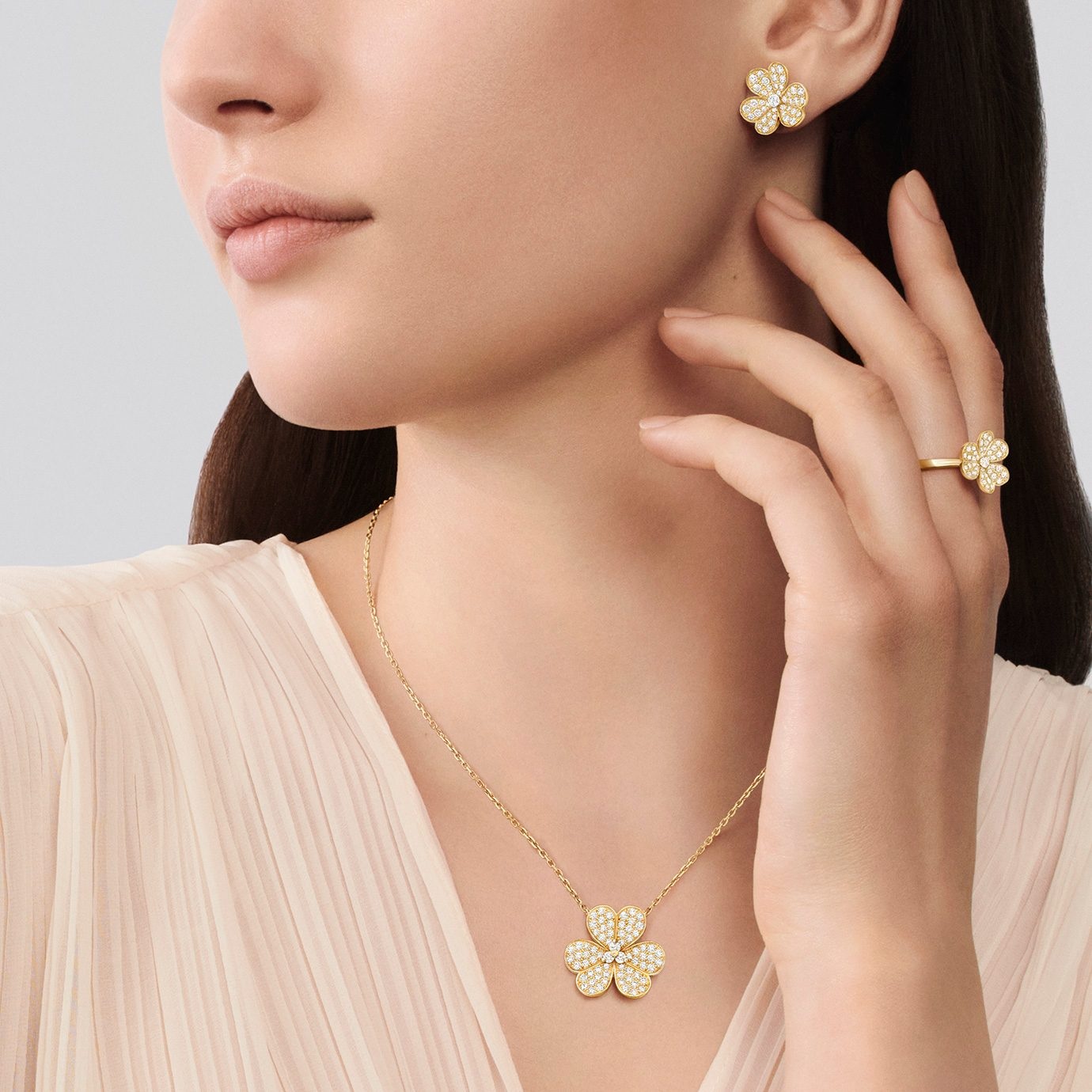
The pleasure remains in the jewel: the line of a necklace, a small figure on a lapel or the way a bracelet catches light when the hand moves. Caring for the creation gives those qualities a place in daily life. The result is a relationship that can continue through ordinary use, periods of rest and the occasional intervention that deserves a considered decision.
Sources & credits
Methodology and sources
A practical editorial framework based on the Maison’s published care guidance and illustrated with its official wearing and service imagery. This is not a diagnosis of an individual jewel or a report of a commissioned repair. No cleaning treatment was performed. Applicable guidance, feasibility, scope and charges should be confirmed for the actual creation; no general home treatment is prescribed here.