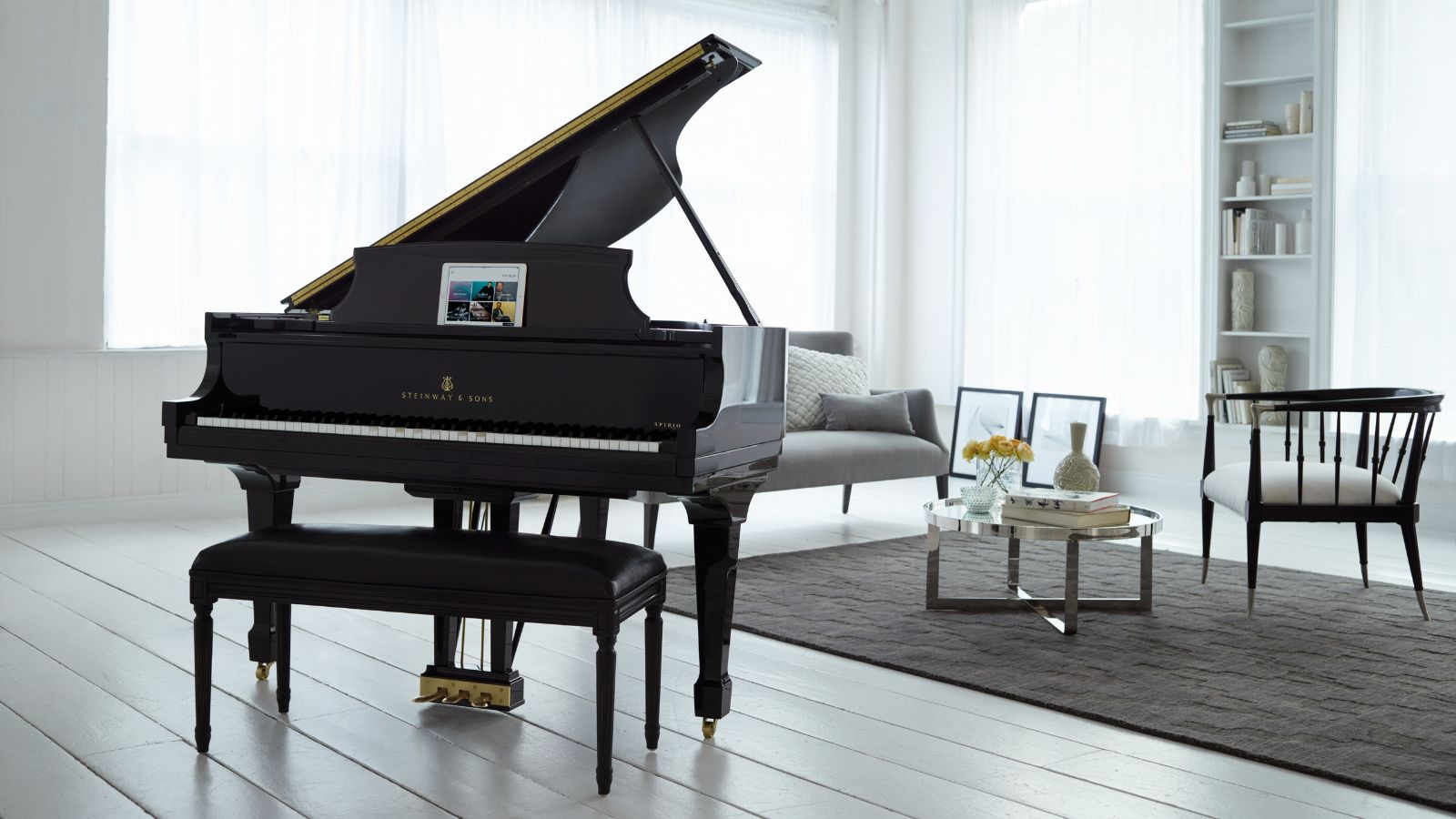
A grand piano occupies a room even when nobody is playing. With Steinway Spirio r, the instrument also holds performances: music captured, edited and played back through a physical piano. That makes the ownership question broader than choosing a finish or learning an app. The acoustic instrument and its digital life need to remain in conversation.
Begin at the keyboard
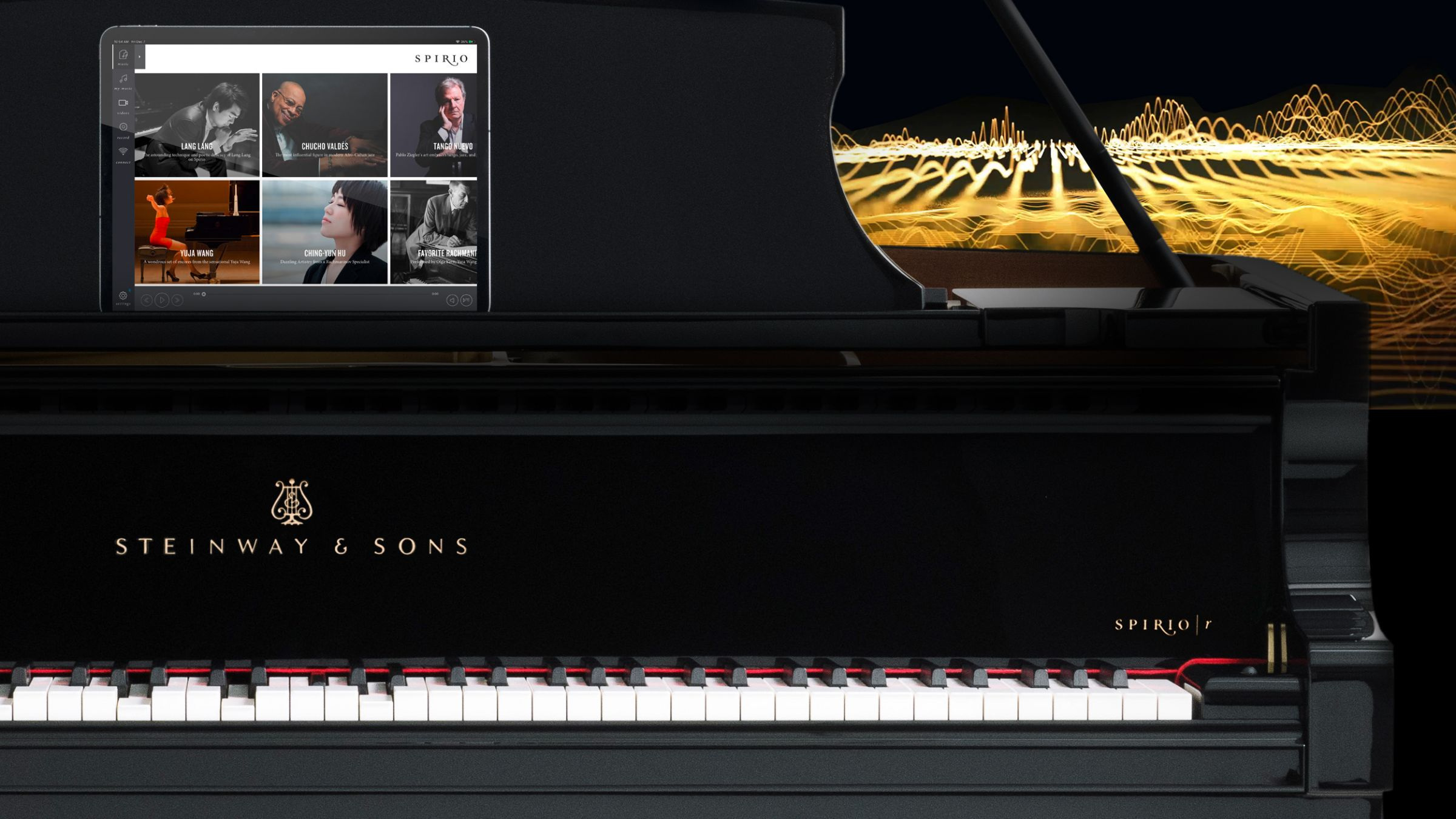
Steinway presents Spirio r as a piano with performance capture and playback, alongside the ability to play the instrument conventionally. Its product material describes recording and editing through the accompanying digital tools. These are manufacturer-described capabilities; this reading does not claim a listening session, an assessment of touch or an independent comparison of recording accuracy.
The distinction matters because the screen is the easiest part of the proposition to demonstrate remotely. A reader can see a recording interface and understand that a performance becomes something that can be revisited. Yet the object in the room remains an acoustic instrument. The decision should begin with the piano, its intended use and the appropriate demonstration, rather than assuming that the digital layer settles the musical choice.
Write down the occasions the instrument should support. Practice, a family performance, listening and sharing a recording are different activities, even when they happen at the same keyboard. This is an owner’s proposed use map, not a claim that every household will use every function. It gives a showroom or technician a more precise basis for explaining the relevant model and configuration.
A performance becomes a record
The Spirio r material describes an iPad-based editor and lists Spirio, MIDI and sampled MP3 among the formats for user-created recordings. That is a useful distinction within the published proposition. A performance record inside a system and a file exported for another purpose should not simply be treated as interchangeable versions of the same experience.
For the owner, the practical question is what should happen to a recording after it has been made. Is it something to revisit at the piano, send to a teacher, retain as a family document or prepare for another workflow? Ask the supplier to demonstrate the intended route with the actual current software and relevant instrument. The answer should include the format and destination, rather than stopping at an assurance that sharing is possible.
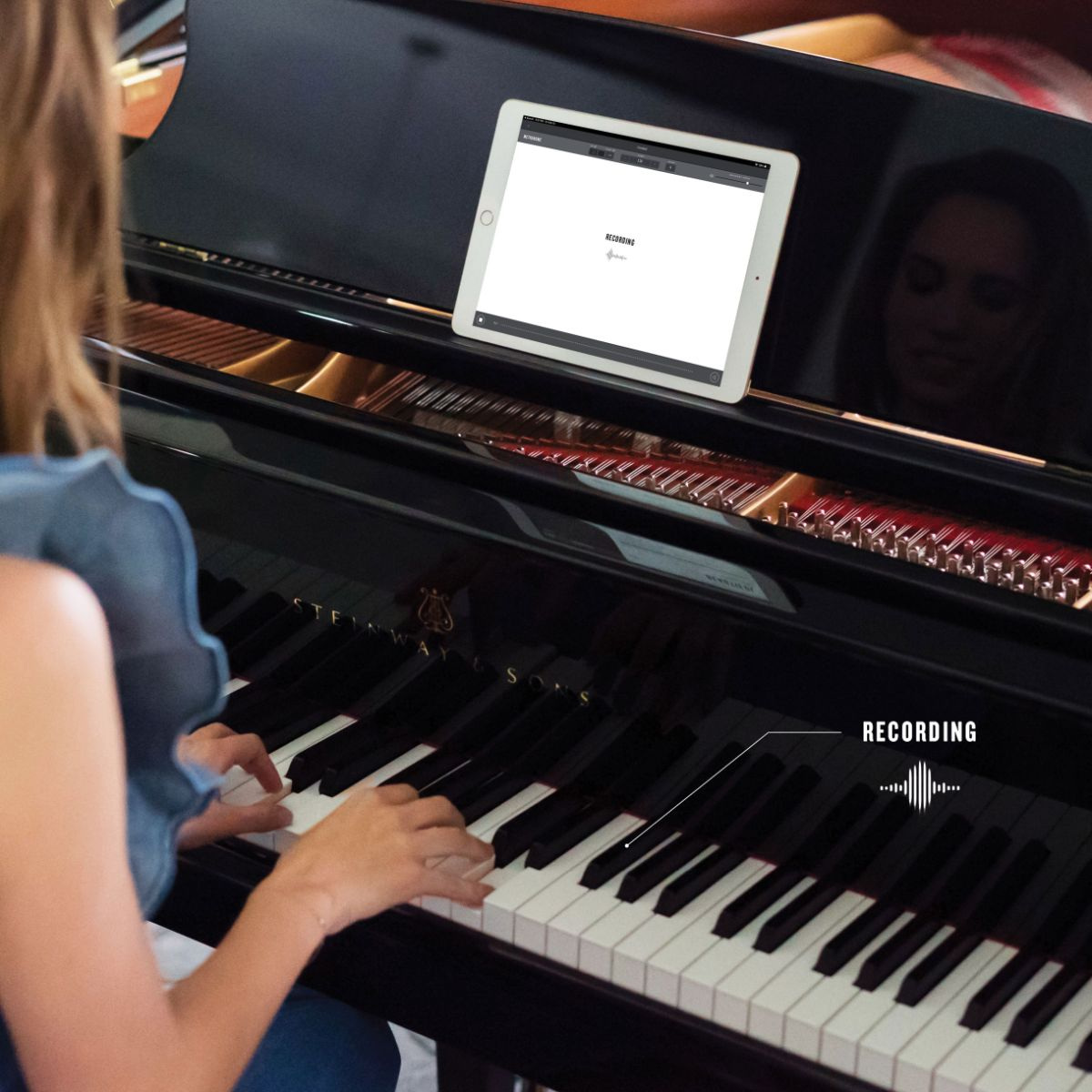
An organised musical record also deserves a naming habit. Date a recording, identify the piece and performer, and distinguish a working take from a version chosen to keep. These are editorial suggestions for managing a personal archive, not claims about automatic metadata or backup functions in Spirio. The system’s current instructions should establish what it stores and how an owner can retrieve or export it.
Care continues beneath the interface
Steinway’s published service guidance treats maintenance according to usage and includes tuning and Spirio system calibration. That is a more useful ownership signal than the idea of a digital piano looking after itself. The appropriate plan should be agreed for the actual instrument, location and use with the authorised service channel.
Keep the maintenance conversation separate from a feature demonstration. Ask who services the piano locally, how an appointment is arranged and what information they need before attending. A household that uses a technician through a dealer should know the contact route, rather than relying on the memory of the person who originally placed the order.
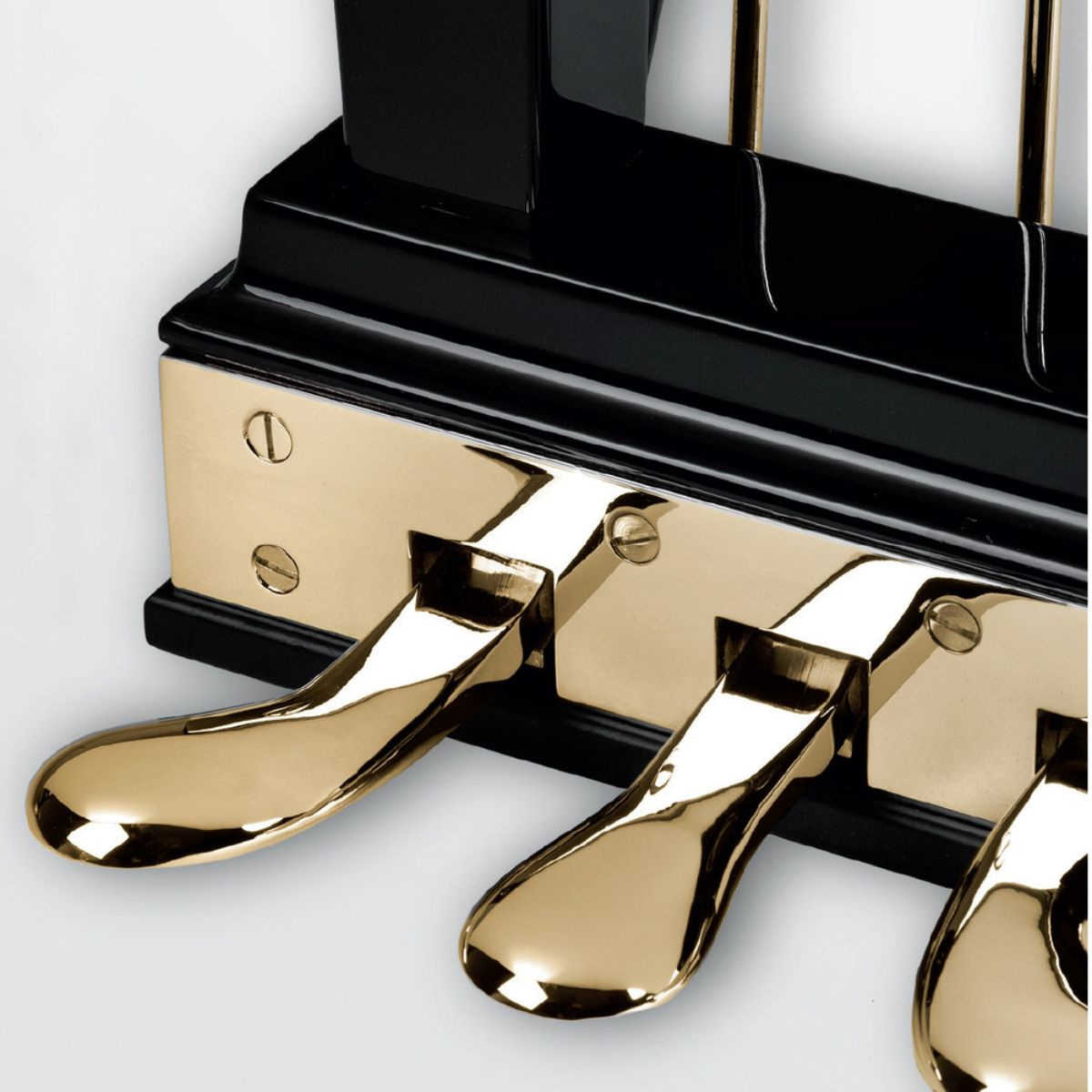
The owner’s record can remain simple: instrument identity, purchase and installation information, current service contact and a dated history of work. It should describe the acoustic instrument and the relevant system without presenting one as a substitute for the other. A change to an app or device may prompt one kind of question; a change in the way the piano behaves may need another specialist response.
Make room for the instrument’s life
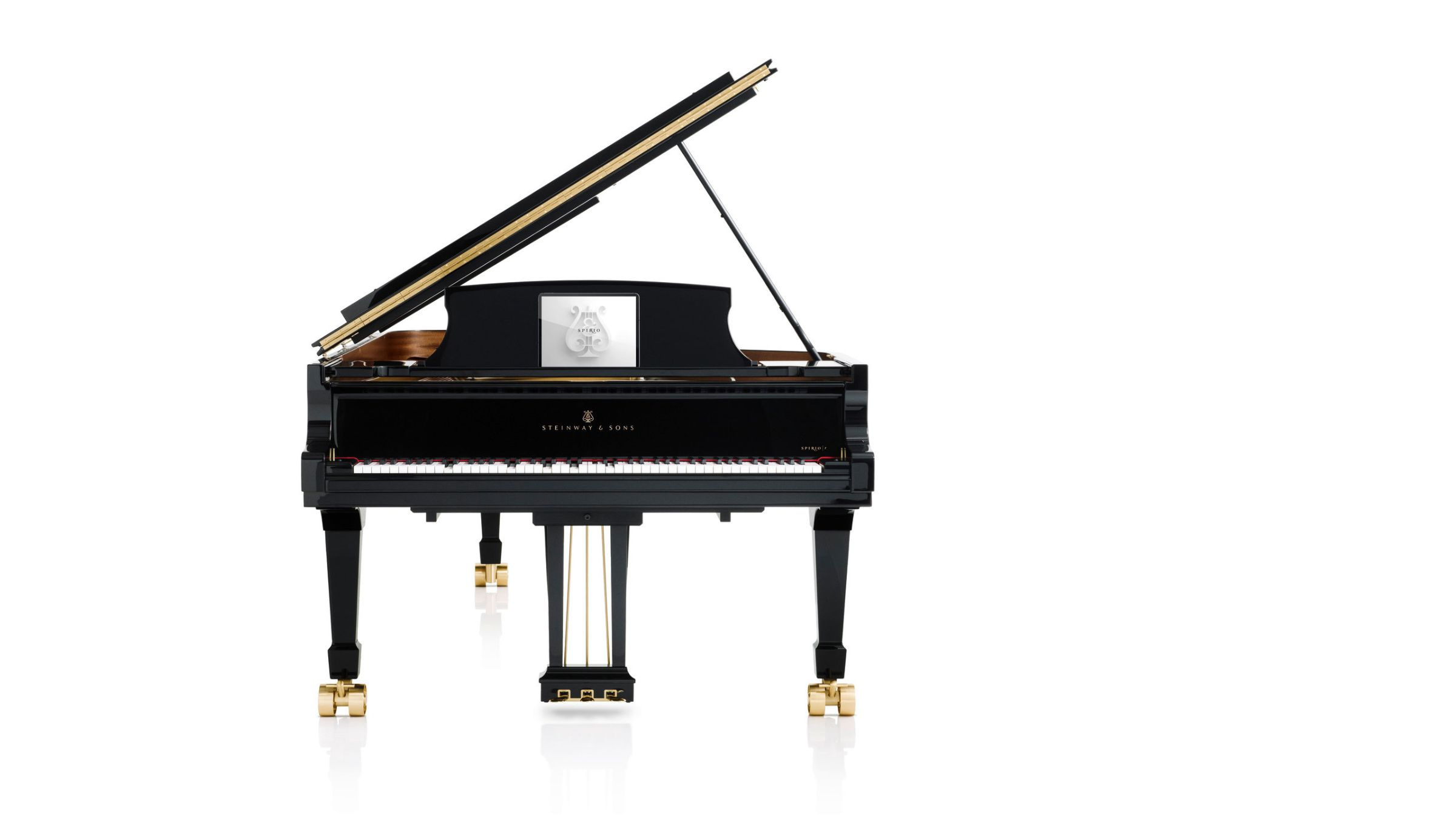
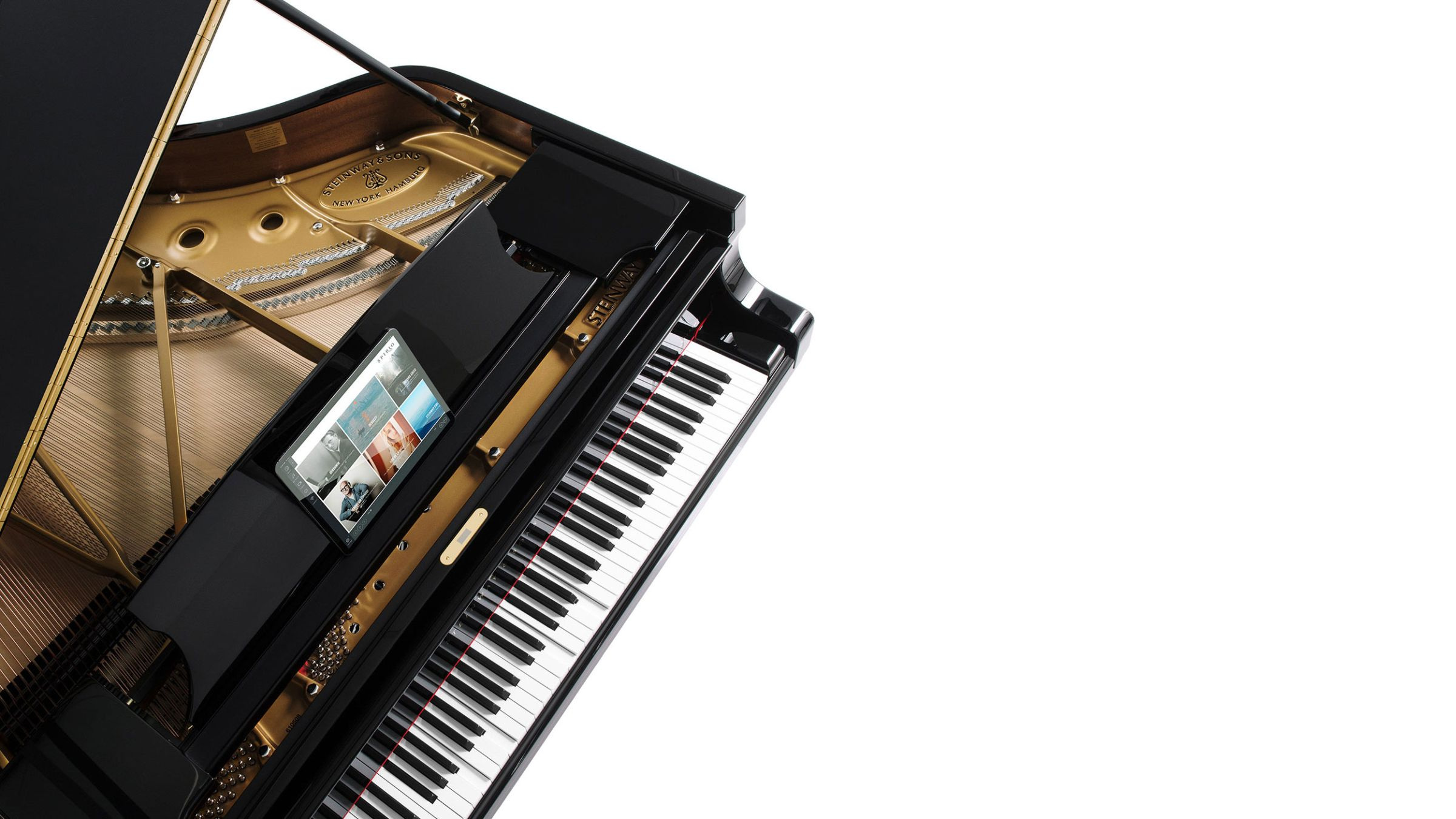
The manufacturer’s photographs move between a complete piano, close views of the keyboard and digital tools. That sequence is helpful because it resists reducing ownership to either furniture or software. The piano has a position in the room, a working relationship with the person playing and a continuing relationship with the people who service it.
A showroom discussion should therefore include access for the instrument and for future specialist visits. Confirm the actual model and ask the relevant professionals to resolve placement and environmental requirements. A room photograph is inspiration for scale and atmosphere; it does not establish that another property has the same access, surroundings or musical conditions.
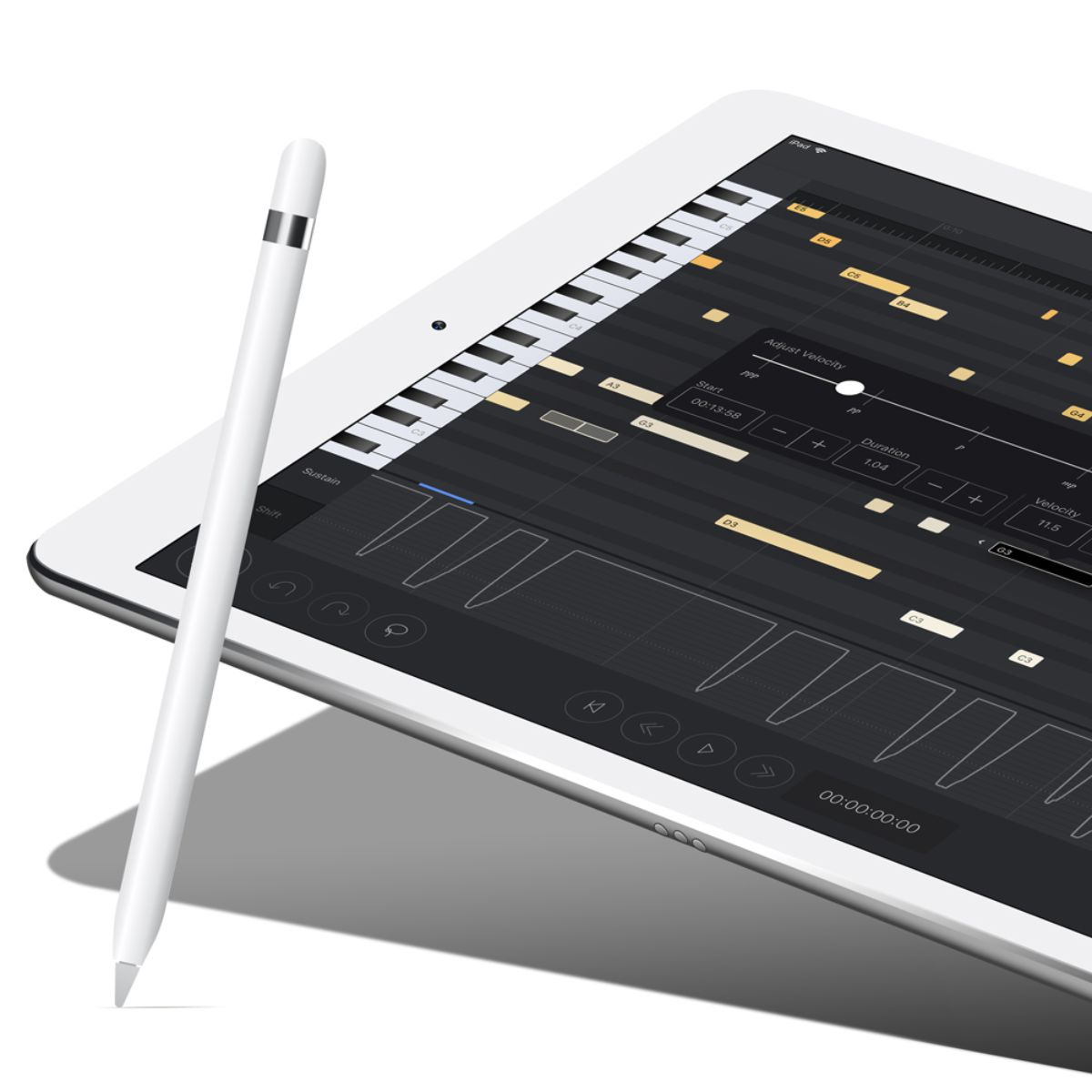
The digital demonstration should be equally grounded. Ask which device and software are involved in the proposed installation, who provides the initial explanation and how household members will learn the functions they intend to use. The goal is a short, repeatable introduction to the chosen instrument. It does not need to become an ambitious whole-home technology project unless that is part of the actual brief.
An ownership conversation in five parts
| Decision | Demonstration or answer to request | Information worth retaining |
|---|---|---|
| The instrument | Experience the actual model through the showroom | Exact model and instrument identity |
| Recording | Follow a performance through capture and replay | Current instructions for the chosen workflow |
| Export | Demonstrate the intended format and destination | A clear description of what is retained |
| Service | Establish the authorised local support route | Technician or dealer contact and service history |
| Household use | Explain the functions the household intends to use | A concise introduction and current documentation |
The table avoids a universal technical prescription. It separates decisions that are easily blurred in a product presentation and gives the owner a way to leave the appointment with more than a memorable demonstration. Questions about exact current requirements belong with the supplier and the relevant product documentation.
The Luxe Digital view
The lasting appeal of a connected instrument depends on keeping the instrument central. Spirio r makes an interesting ownership proposition because performance can be revisited and worked with, while the piano continues to require the attention due to an acoustic object.
A considered purchase brings those two responsibilities together. Ask for a meaningful demonstration, decide what recordings are for and establish the continuing service relationship. The screen can make music more accessible within a household; a clear ownership plan helps the piano remain something people understand, use and care for over time.
The lasting appeal of a connected instrument depends on keeping the instrument central.
Sources & credits
Sources and methodology
Independent ownership and reference analysis of the named official records and imagery, checked on 15 October 2026. Launch specifications and later product records retain their own dates and references. Images show the identified configurations. Original visual and commissioning analysis of the exact official product/project records and identified images. No visit, interview, comfort test or performance measurement claimed. Existing projects retain their dates; product versions, showroom photographs, sample images and official visualisations are identified separately.