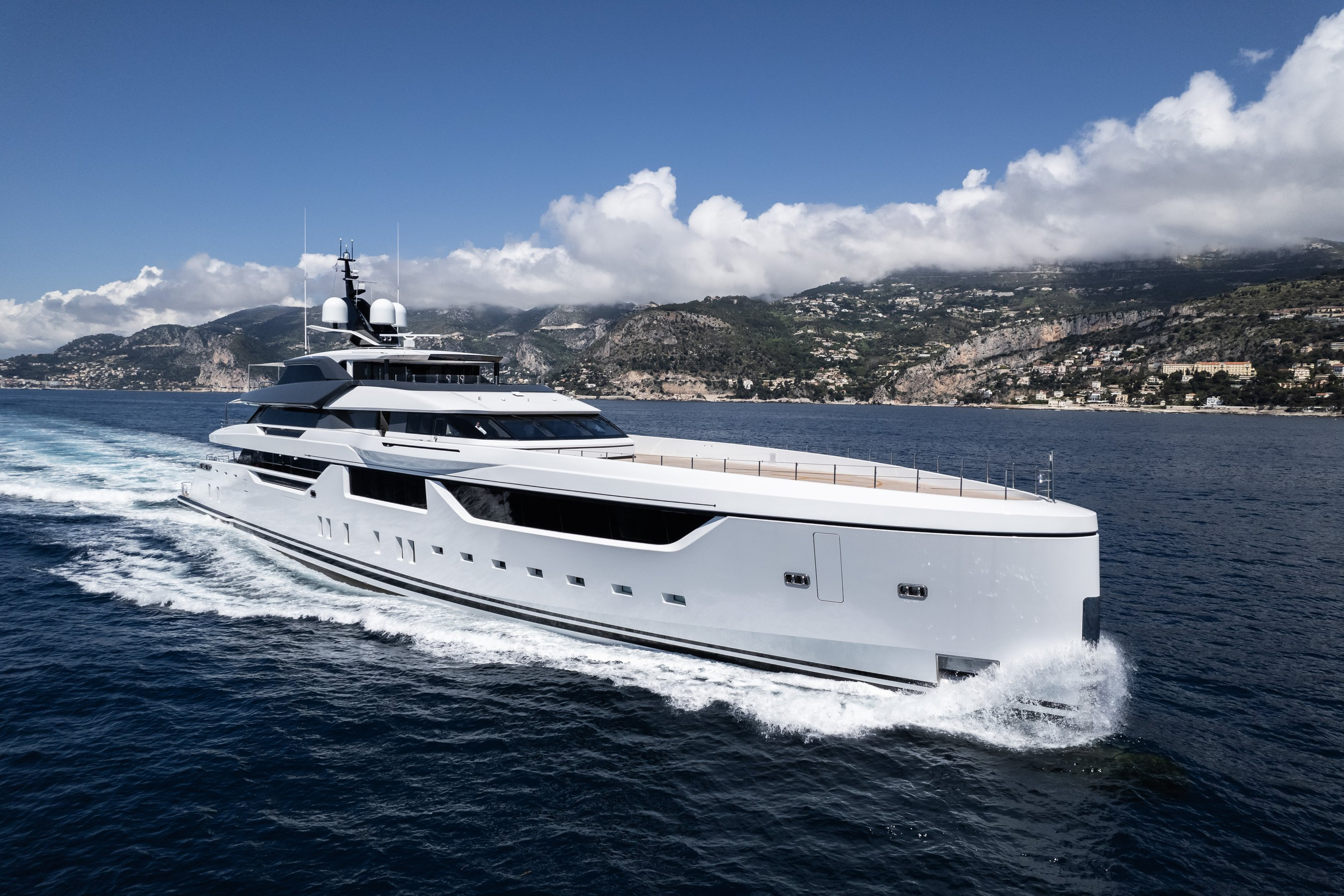
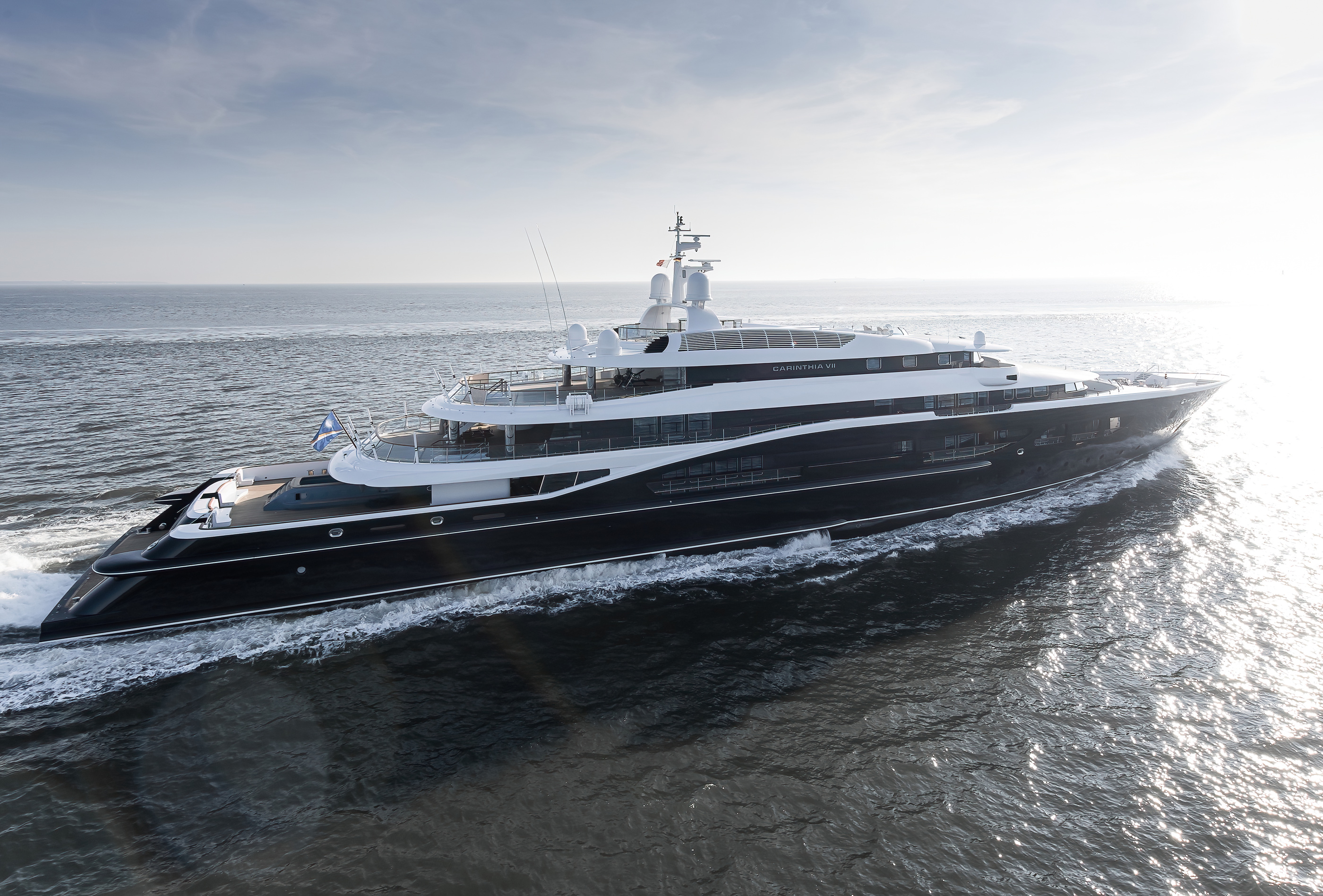
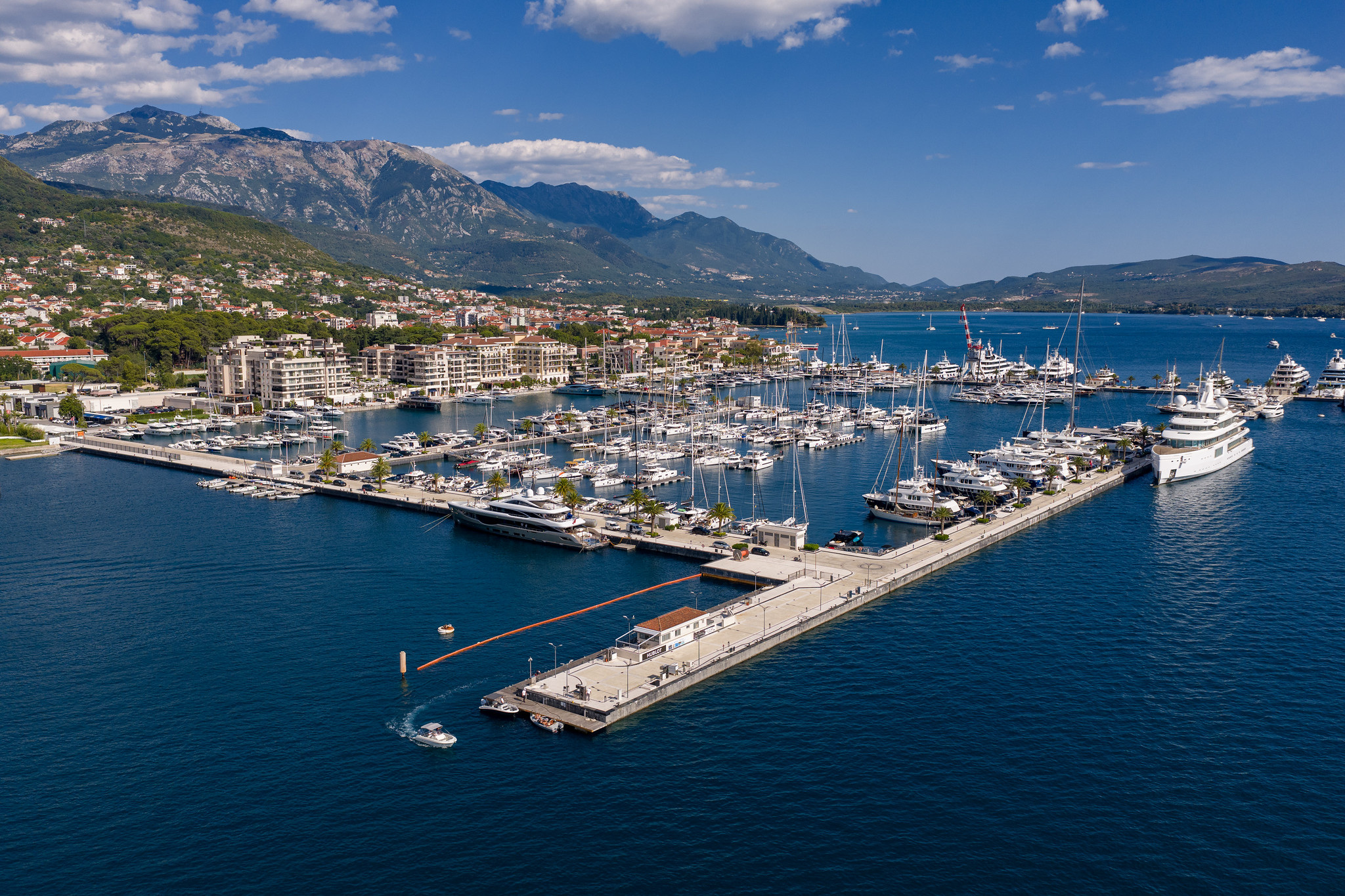
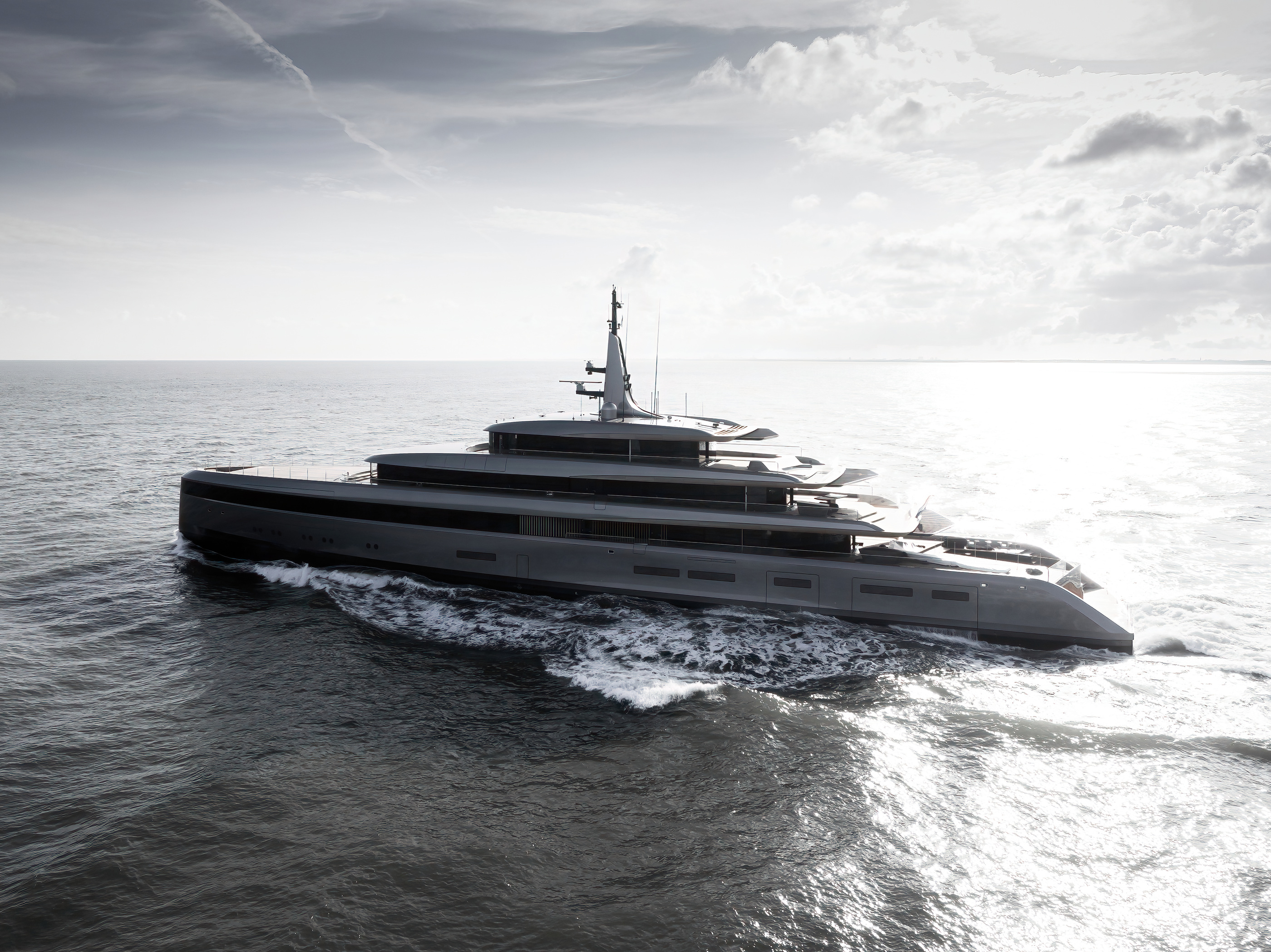
Sicily and the Aeolian Islands deliver the Mediterranean at its most cinematic: black volcanic slopes, pale villages, warm evening light and anchorages that make dinner ashore feel like an arrival. The strongest week begins with a clear gateway and earns the islands slowly.
Select the right gateway
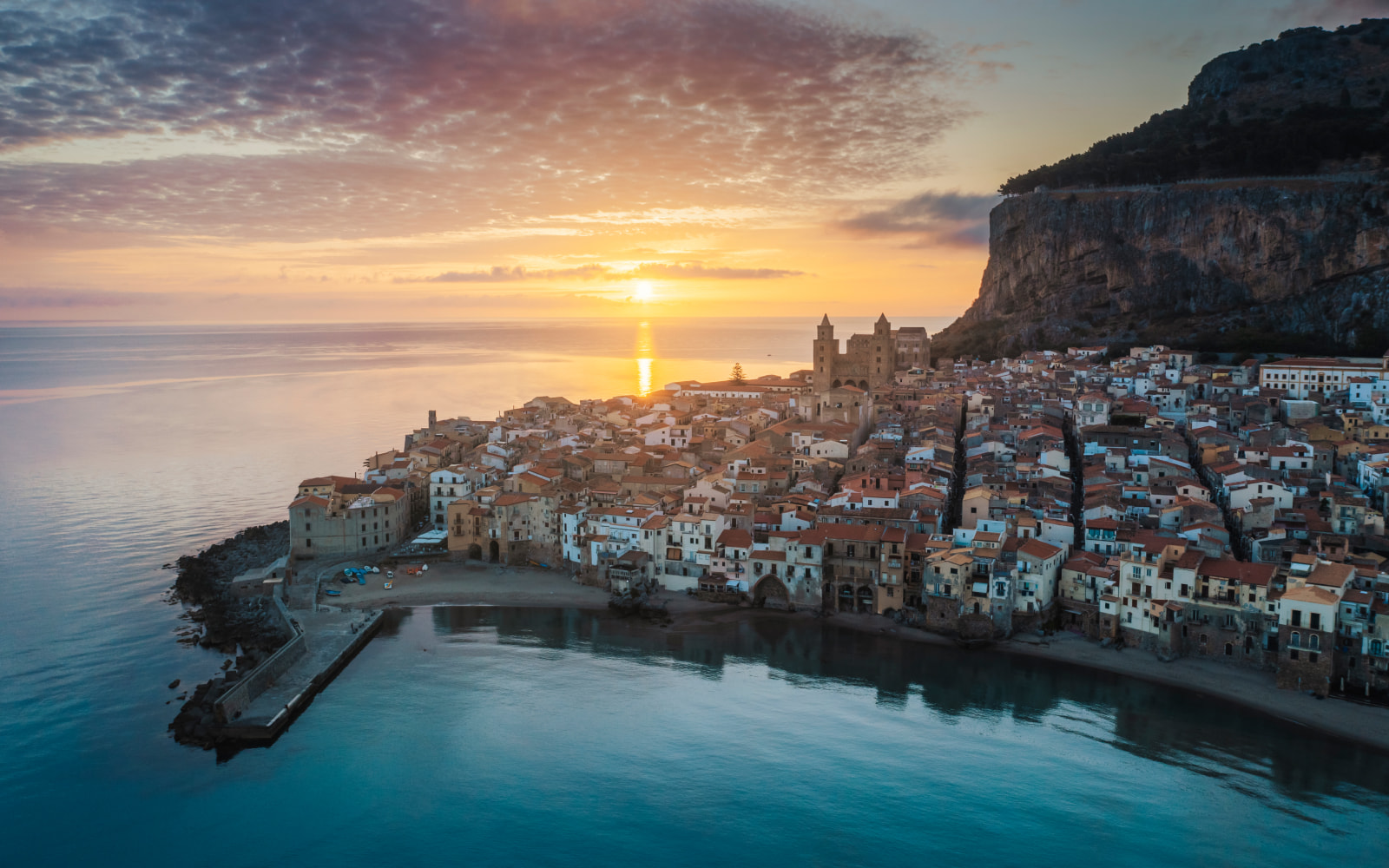

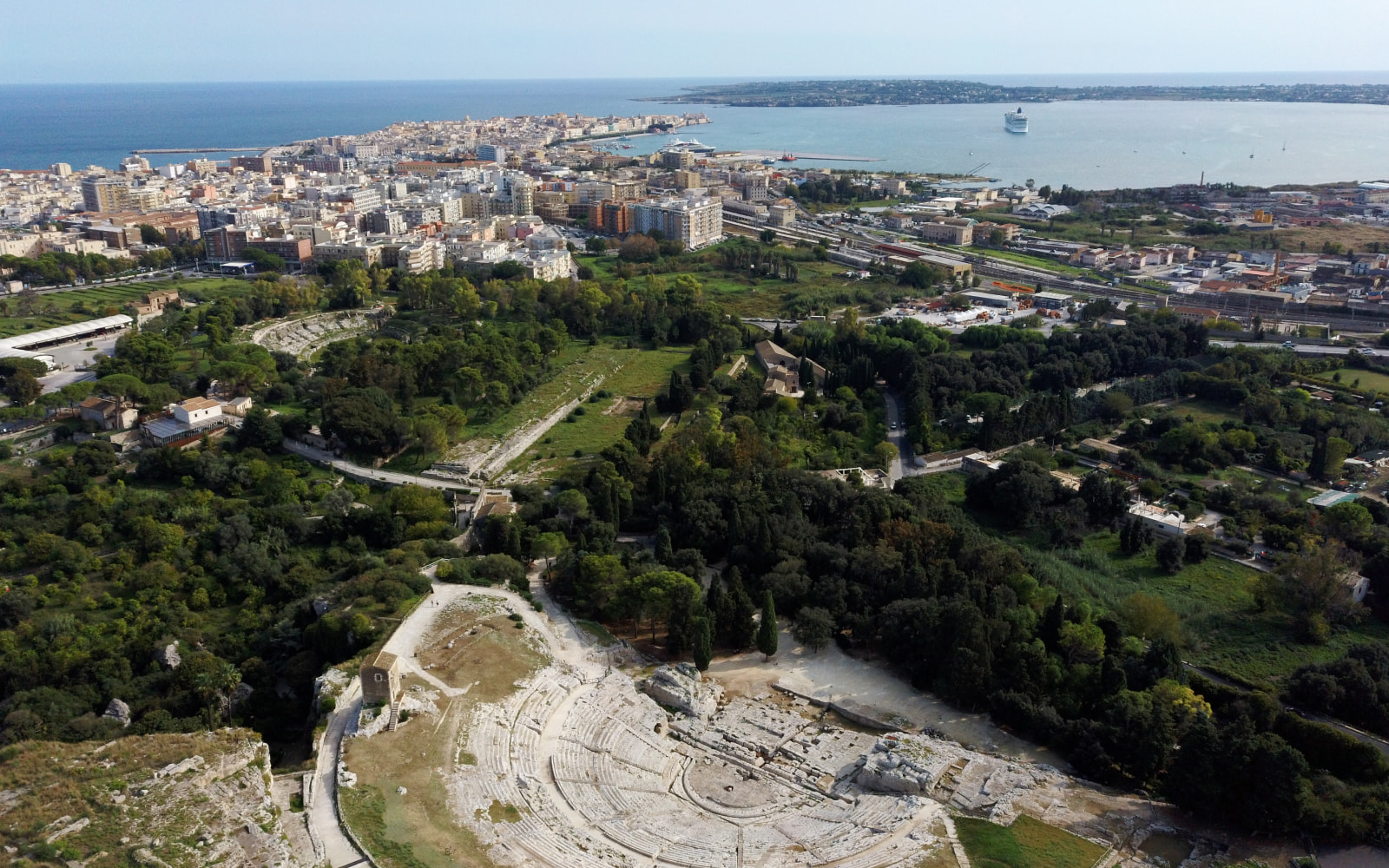
For the Aeolian Islands, embarkation and provisioning on or near Sicily's northeast coast can reduce the first passage. Flight and road transfers should be evaluated alongside berth and yacht logistics. A nominally convenient airport may still create a long peak-season transfer.
A loop can include contrasting islands without forcing every stop. Lipari is a practical service centre; other islands offer different terrain and settlement patterns. The value comes from time ashore and at anchor, not from checking off the entire archipelago.
Weather and volcanic context
Italia.it describes Sicily's generally mild climate, but a regional climate summary is not a voyage forecast. Wind direction and sea state affect crossings and anchorage protection. The captain should retain alternatives on opposite sides of an island and enough margin to return safely.
Volcanic areas may have authority-defined exclusion zones, landing limits or changing safety instructions. Operators must use current local and national notices. An editorial guide cannot guarantee access to a crater, beach or anchorage.
Ports, anchorages and shore access
Small-island berths are limited and can be busy. Tender landings depend on sea state and local rules. Shore reservations should remain compatible with the operating plan rather than obliging an unsafe transfer. Water, waste, fuel and provisioning capacity should be discussed before departure.
Extend only with sufficient time
Adding Taormina, Syracuse, Palermo or the Egadi Islands changes the scale of the itinerary. Longer passages may be appropriate on a faster yacht, but speed increases fuel use and does not erase weather exposure. For most short charters, a well-paced Aeolian route is stronger than an overextended Sicily circuit.
Arrival and departure planning should include the last reliable transfer point, not only the closest island. A final night near the mainland may protect an early flight and allow refuelling, waste handling and luggage movement without sacrificing safety. Conversely, forcing a distant final island into the schedule can make the last day entirely operational.
The islands reward curiosity: a vineyard on Salina, a small harbour dinner or a walk through a village after the day boats have left. Reserve what truly matters, then leave enough freedom for the crew to choose the most graceful arrival.
Define the charter's geographic product
“Sicily by yacht” can describe several different trips. The northeast and Aeolian Islands create one operating system; eastern Sicily and the Ionian-facing coast create another; the northwest and Egadi Islands require a different gateway again. A short charter should select one system before restaurants, villas or archaeological visits are booked.
Italia.it establishes broad destination context and identifies Milazzo as a gateway associated with Lipari, Vulcano and Stromboli. It does not establish a marine route. The broker and captain should compare the contracted embarkation point, yacht speed, guest tolerance and desired shore time before deciding whether an Aeolian sequence is appropriate.
Build around the mainland gateway
Confirm the exact marina, embarkation time, airport, road transfer and provisioning window. “Near Messina” or “near Catania” is not precise enough for guest logistics. Peak road conditions, luggage and a late-arriving flight can materially change the first day.
A final mainland night can protect an early departure and provide access to fuel, waste and technical service. If the itinerary remains island-based until redelivery, verify the transport chain and preserve enough passage margin. The contractual redelivery point and time govern; an appealing final island does not override them.
Group islands by operating logic


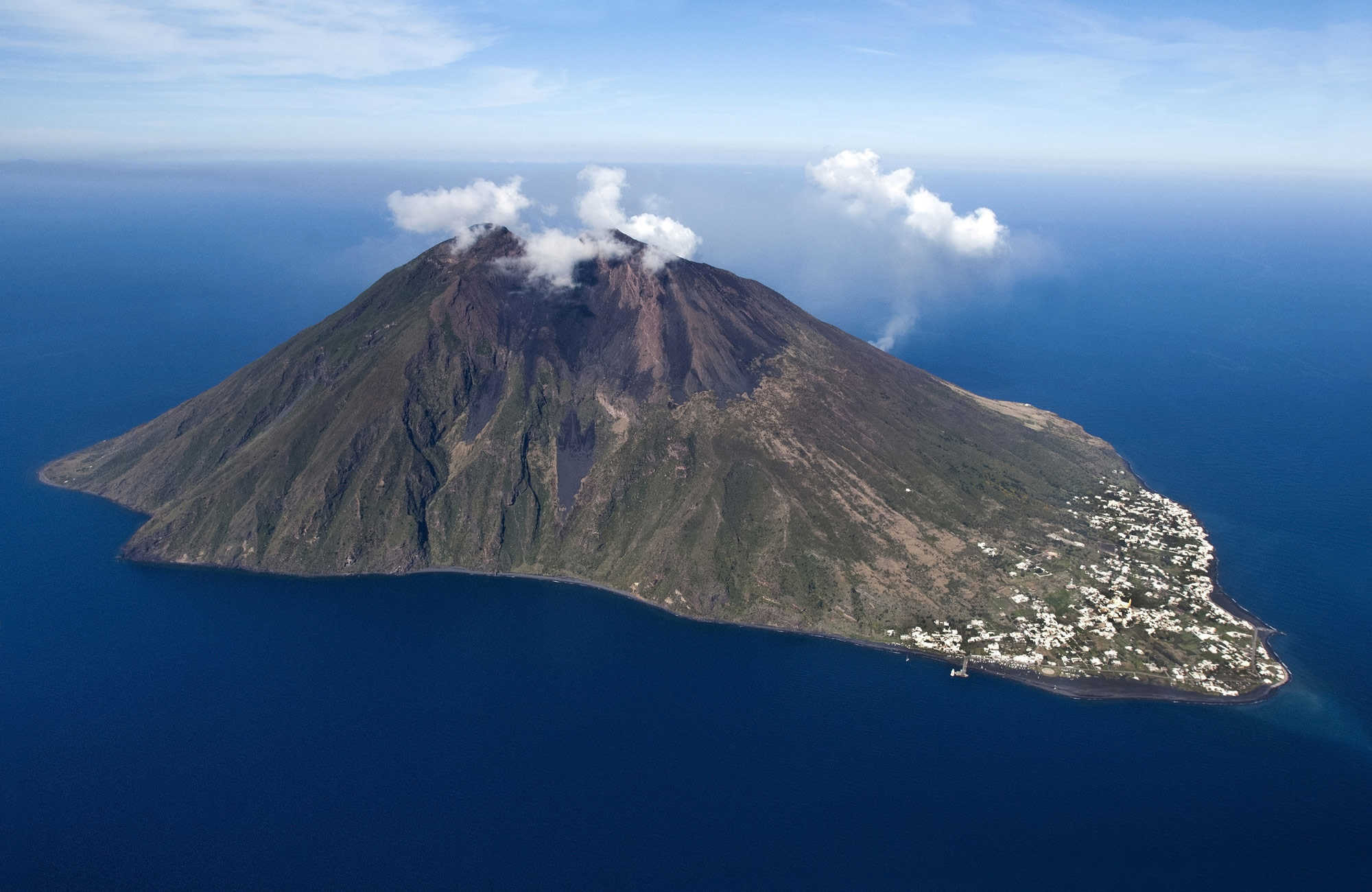
The Aeolian Islands offer contrasting settlements and landscapes, but the route should not attempt to collect every name. Rank the guest priorities: volcanic landscape, quiet shore time, dining, hiking, culture or watersports. Then identify a primary sequence and alternatives that can change with conditions.
Lipari can support services and shore logistics; smaller islands may have limited berth, landing, supply or transport options. Those differences should shape the route rather than appear as surprises. The most exclusive plan may be the one that stays longer in fewer places.
Separate climate, forecast and volcanic notice
Italia.it's climate page provides seasonal context for land travel and swimming expectations. It is not a marine forecast and cannot predict a charter week. The captain uses current forecasts, notices, charts and local information to decide passage timing, shelter and tender operation.
Volcanic destinations introduce a second live information layer. Landing areas, exclusion zones, trails or excursions can change under authority instruction. Confirm the responsible authority and operator for each intended activity. A prior visit, destination page or supplier promise does not guarantee access.
Live sea and volcanic conditions shape the final sequence. The captain follows current information and can move the experience without diminishing it—turning a changed crossing into another island, another table or a longer afternoon in the water.
Treat port, anchorage and landing separately
A small-island berth can offer direct shore access but limited capacity and services. An anchorage depends on legal permission, protection, depth, holding and swing room. A tender landing has its own sea-state, access and guest-mobility constraints. They are different products, not interchangeable itinerary labels.
For every fixed shore booking, record how guests reach it and what happens if the marine transfer is unavailable. Avoid non-refundable commitments that would pressure the captain's operating decision.
Make the yacht's resource profile visible
Watermaking, energy, refrigeration, waste, communications, tender capability and guest mobility affect an island-led route. Confirm what is operational for the charter and how service intervals influence the sequence. A long stay away from a marina should be an informed operating choice.
Guest activities may require qualifications, age limits, permits or captain approval. Marketing inventory can change. The signed listing and pre-charter confirmation should identify material equipment without promising that every activity will operate every day.
Preserve the final 24 hours
The last day should not depend on the most exposed or longest passage. Maintain distance and time margin to the contractual redelivery point, then confirm the airport transfer from that point. A subsequent charter may limit the yacht's ability to absorb delay.
If a flight connection is critical, agree the practical cutoff and fallback before departure. This does not eliminate disruption, but it prevents the final transfer from being an unexamined assumption.
The Sicilian week, distilled
- Exact embarkation and redelivery marinas, dates and times.
- Selected coastal system and primary island sequence.
- Ranked guest priorities plus acceptable route alternatives.
- Current marine forecast and authority-notice ownership.
- Volcanic excursion provider and live access confirmation.
- Port, anchorage and tender contingencies for fixed shore plans.
- Yacht resources, provisioning, waste and technical-service plan.
- Final-day passage and airport-transfer margin.
Good planning, lightly worn
The captain, broker and local teams carry the live operational detail; guests should feel its benefit, not its weight. Confirm the yacht, route and arrangements for the chosen dates, then let the week breathe. The purpose of preparation is not to eliminate spontaneity, but to protect it.
The week in brief
- Choose one Sicilian coastal system for a short charter.
- Use current forecasts and volcanic-authority notices, not seasonal generalisations.
- Keep shore commitments subordinate to safe tender and anchorage conditions.
- More yacht speed does not automatically create a better route.
- Protect the final transfer and make the yacht's island-service limits explicit.