Answer brief
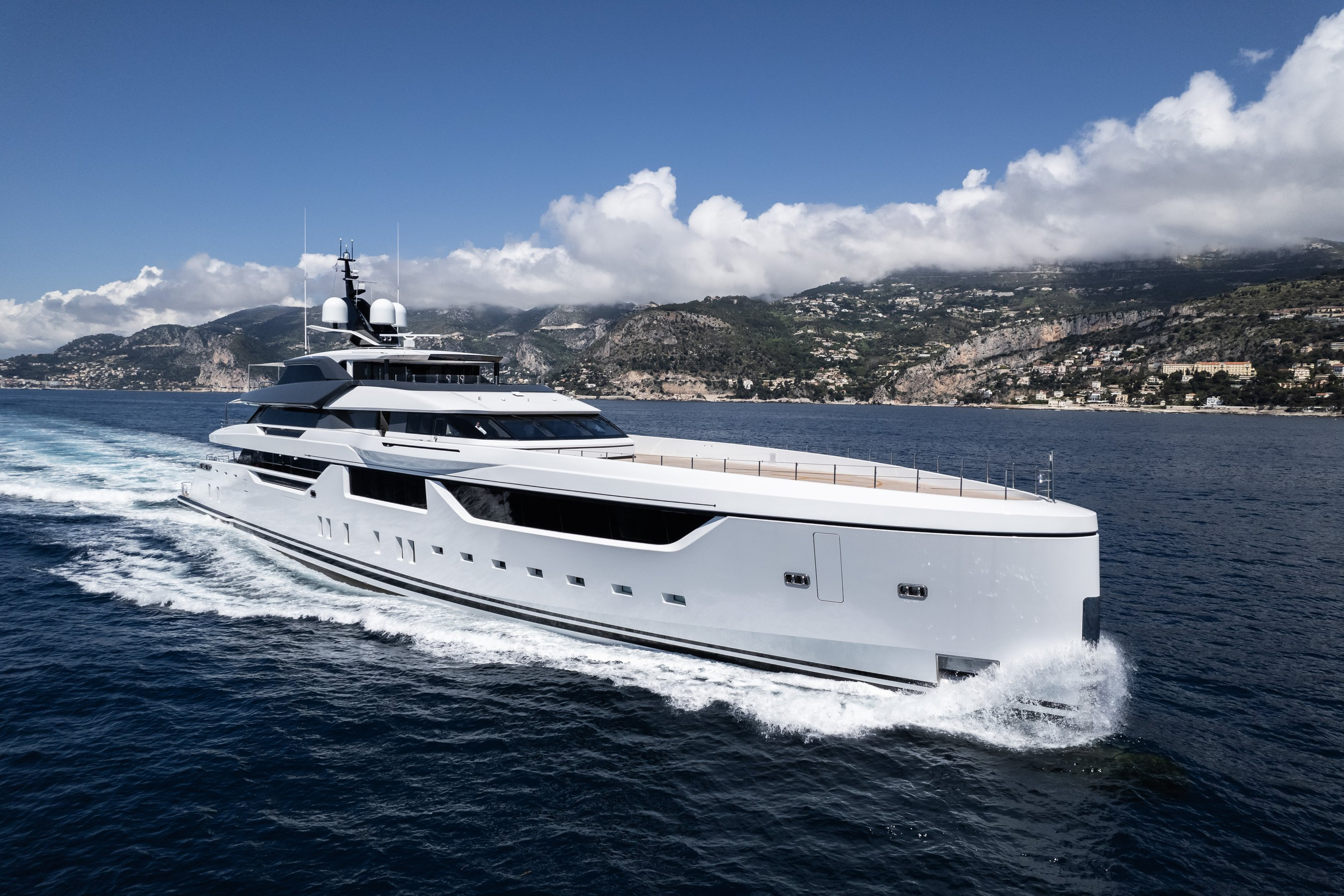
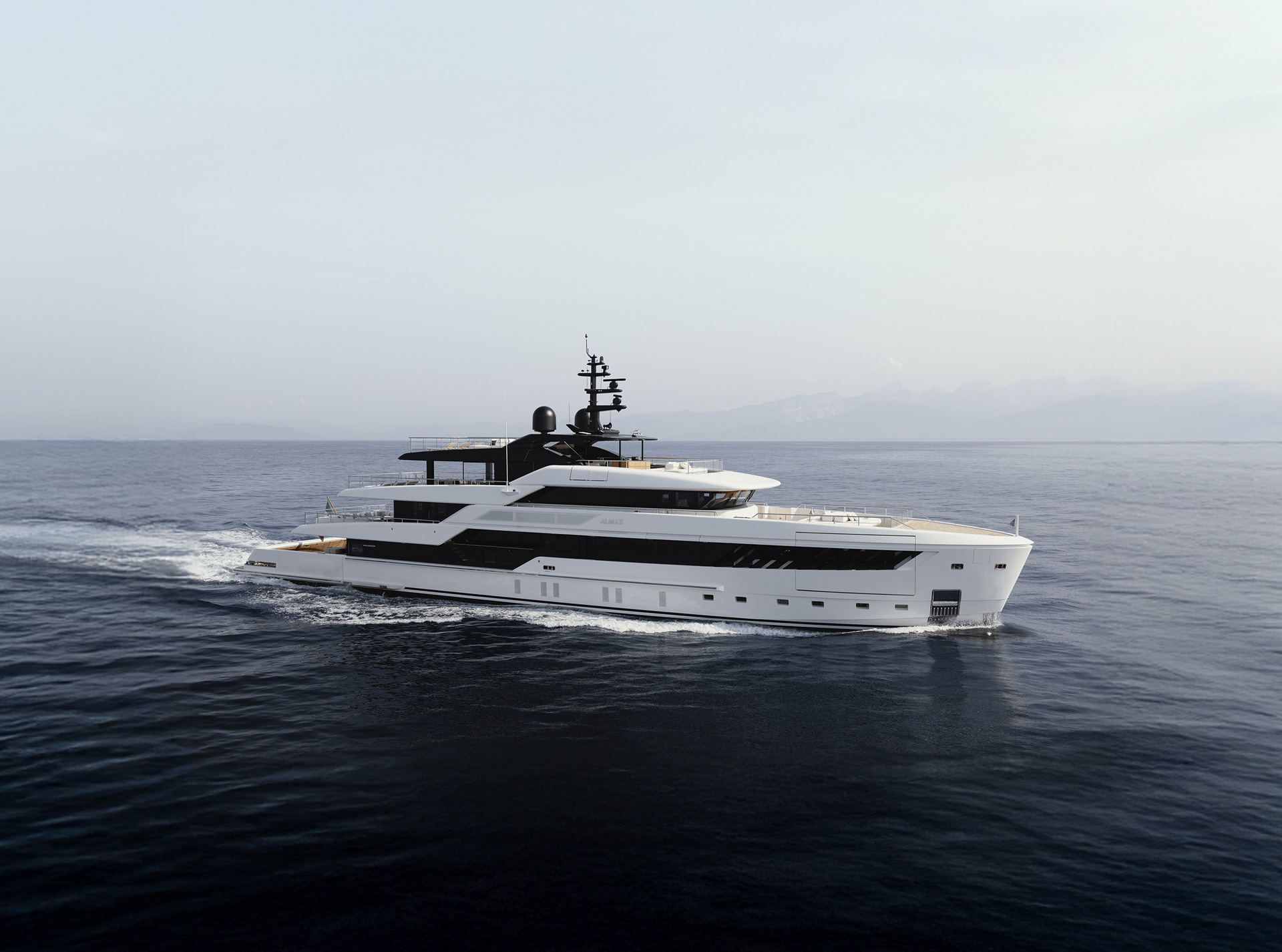
Sanlorenzo's first 50Steel, ALMAX, integrates a methanol-to-hydrogen fuel-cell system for part of the yacht's hotel demand. It does not replace the yacht's conventional propulsion. The distinction matters: the installation addresses the electricity needed by accommodation and onboard services, particularly when propulsion is not the primary load. It demonstrates integration on a delivered yacht, but the public evidence does not establish a complete well-to-wake result, annual saving or operating-cost verdict.
Fact unit
- Vessel: ALMAX, first unit in Sanlorenzo's 50Steel line.
- Recorded length: 49.99 metres in the builder's project material.
- Energy pathway: methanol is reformed onboard to produce hydrogen for fuel cells.
- Defined task: electrical generation for hotel functions, not main propulsion.
- Related design system: Sanlorenzo identifies its Hidden Engine Room arrangement as part of the spatial concept.
- Evidence boundary: builder and corporate sources describe the installation; independent season-long operating data is not provided.
Why the hotel load is the real subject
A yacht does not stop consuming energy when it stops moving. Air conditioning, refrigeration, lighting, pumps, water treatment, navigation electronics, communications and guest services continue to require electricity at anchor. Conventionally, that demand is met by generator sets. A fuel-cell installation aimed at hotel functions is therefore not a decorative technology claim: it targets an operating state in which noise, vibration and local exhaust can be especially noticeable.
That does not make the whole vessel emission-free. Propulsion and hotel demand are separate parts of the energy budget. Any description that collapses them into one claim would overstate what the official record supports. The useful question is narrower: how much of the non-propulsion demand can the system cover, under what conditions, and with what operational consequences?
The onboard energy chain
Sanlorenzo describes a system that uses methanol as an energy carrier. The methanol is processed by a reformer to produce hydrogen, and the hydrogen feeds fuel cells that generate electricity. This avoids storing cryogenic liquid hydrogen onboard, but it does not remove engineering complexity. The system still needs fuel storage, reforming equipment, ventilation, controls, electrical conversion, heat management and safe machinery access.
Each conversion stage has losses. The practical result depends on the efficiency of the full chain, not on the fuel cell in isolation. It also depends on how the installation behaves across low and high hotel demand, how quickly it responds to load changes and how conventional generators support it during peaks, maintenance or faults. Those are operational questions; a launch announcement cannot answer them completely.
What “green methanol” can and cannot mean
The builder uses the term green methanol. For an evidence-led assessment, that label needs a boundary. Methanol can be produced through different pathways, with different feedstocks, electricity sources and carbon accounting. Onboard operation, upstream fuel production and the full well-to-wake lifecycle are not interchangeable measures.
The official project material supports a description of the installed architecture and its intended onboard function. It does not by itself provide an independently audited lifecycle inventory for every fuel batch used by the yacht. Publication should therefore preserve attribution and avoid converting a fuel description into a universal carbon-neutrality claim.
Integration is an architectural achievement
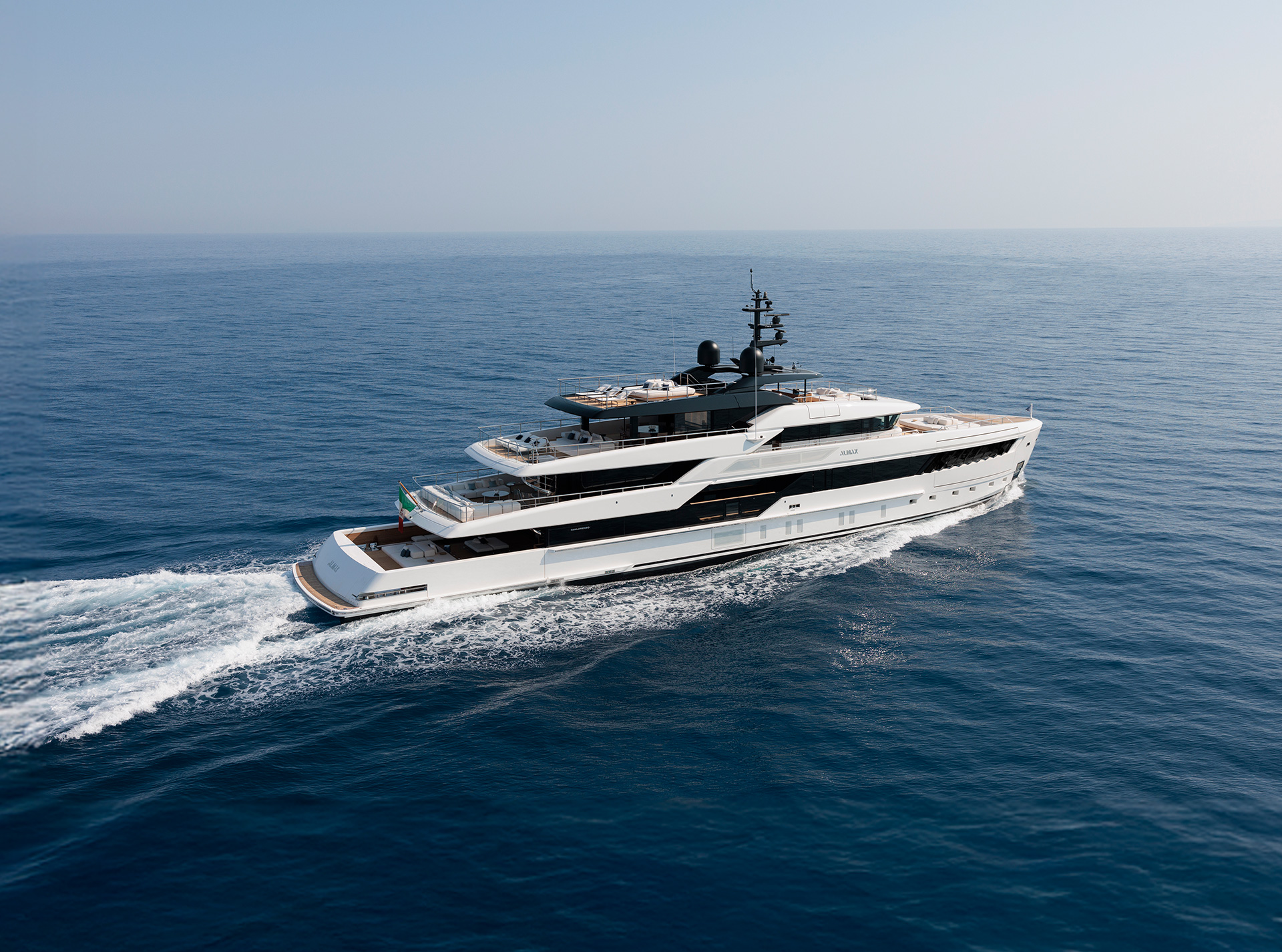
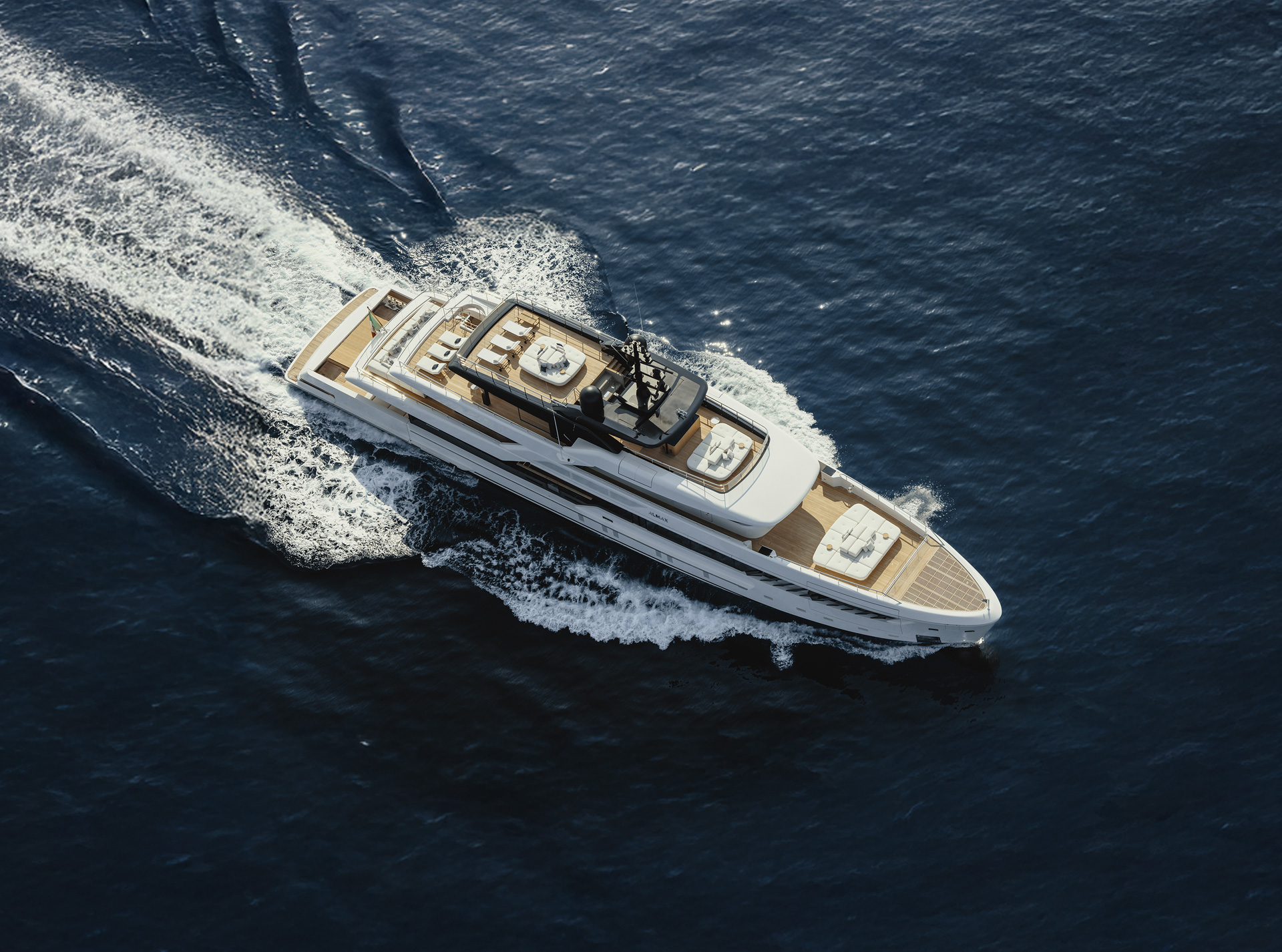
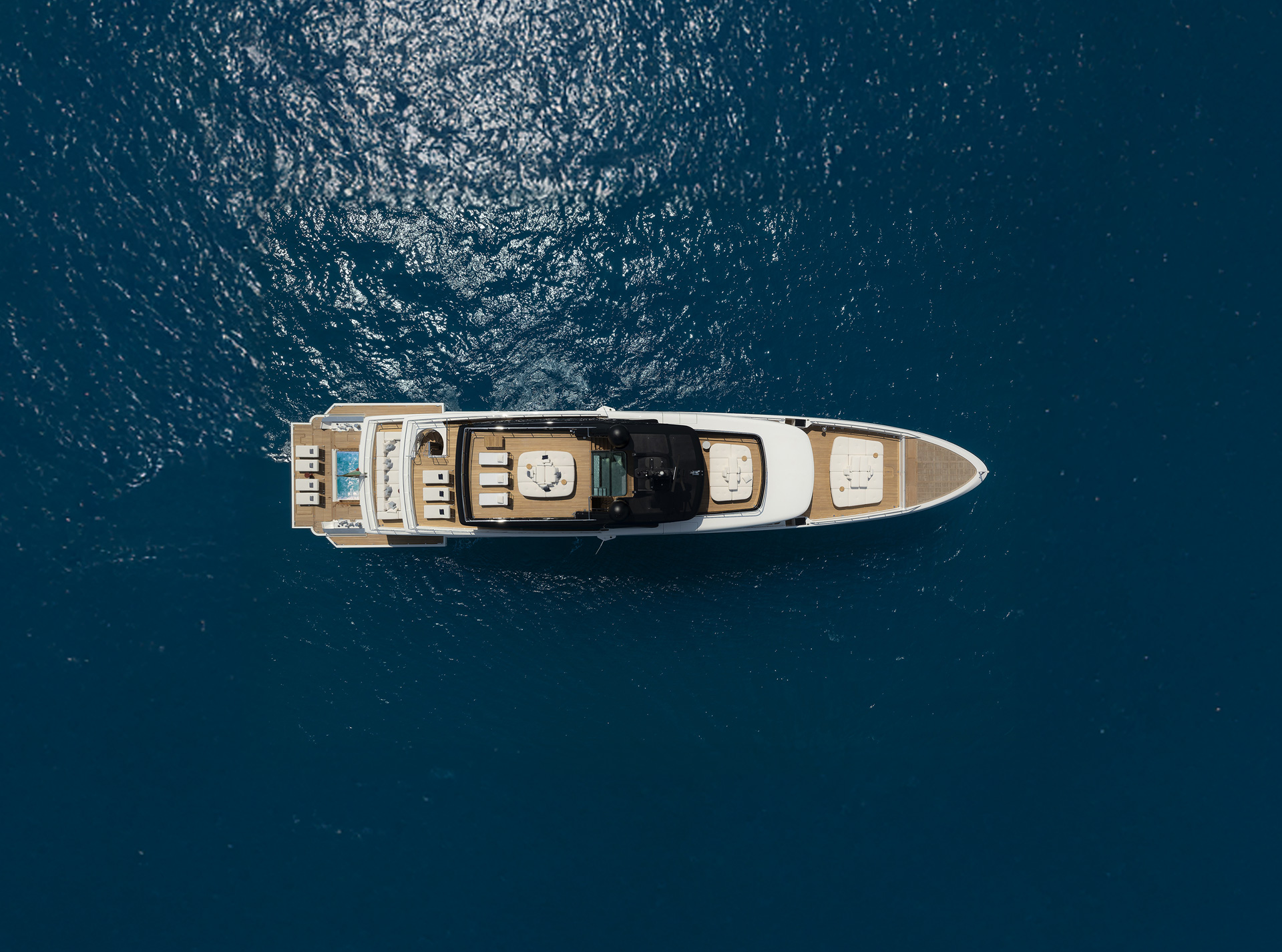
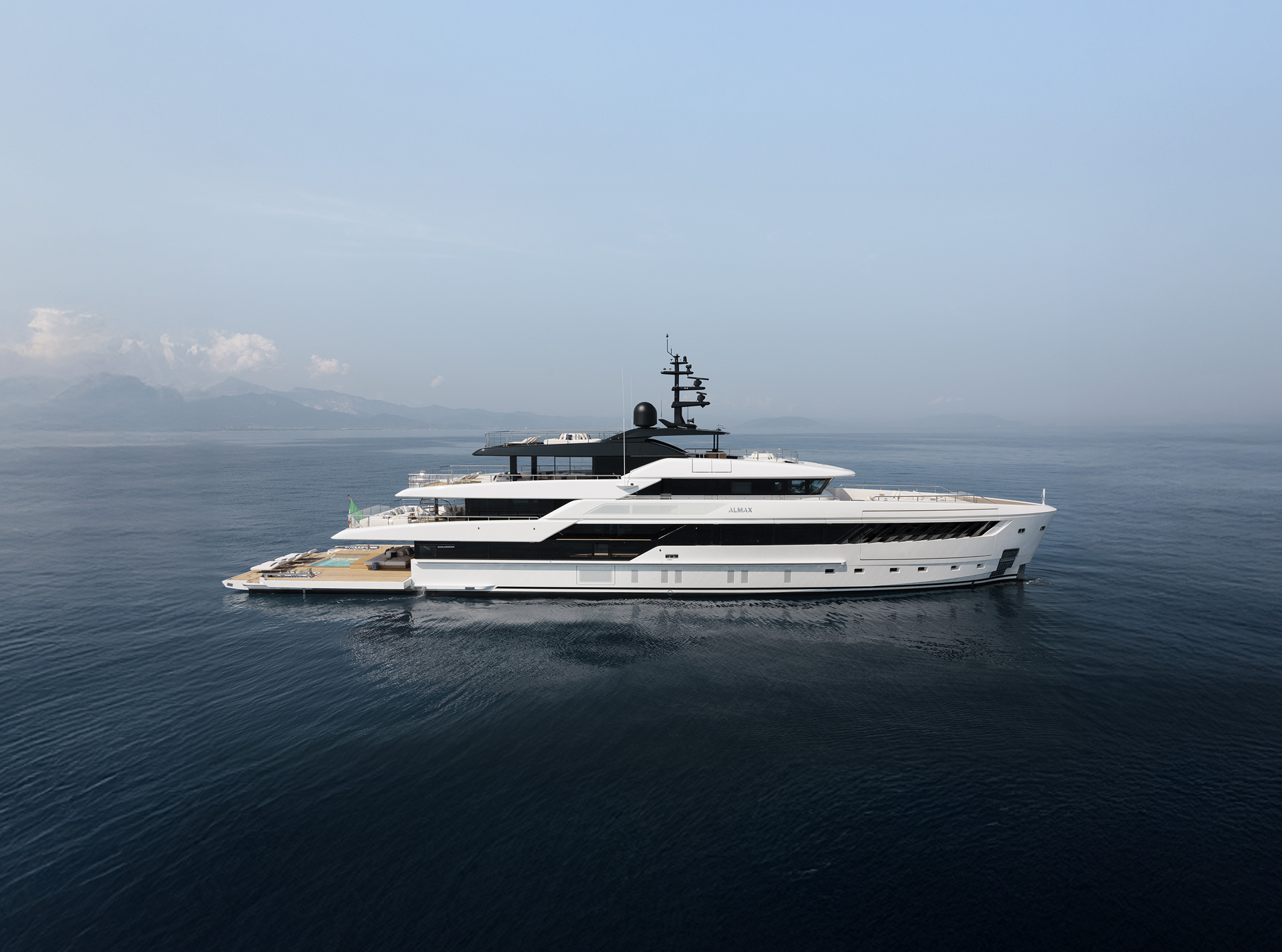
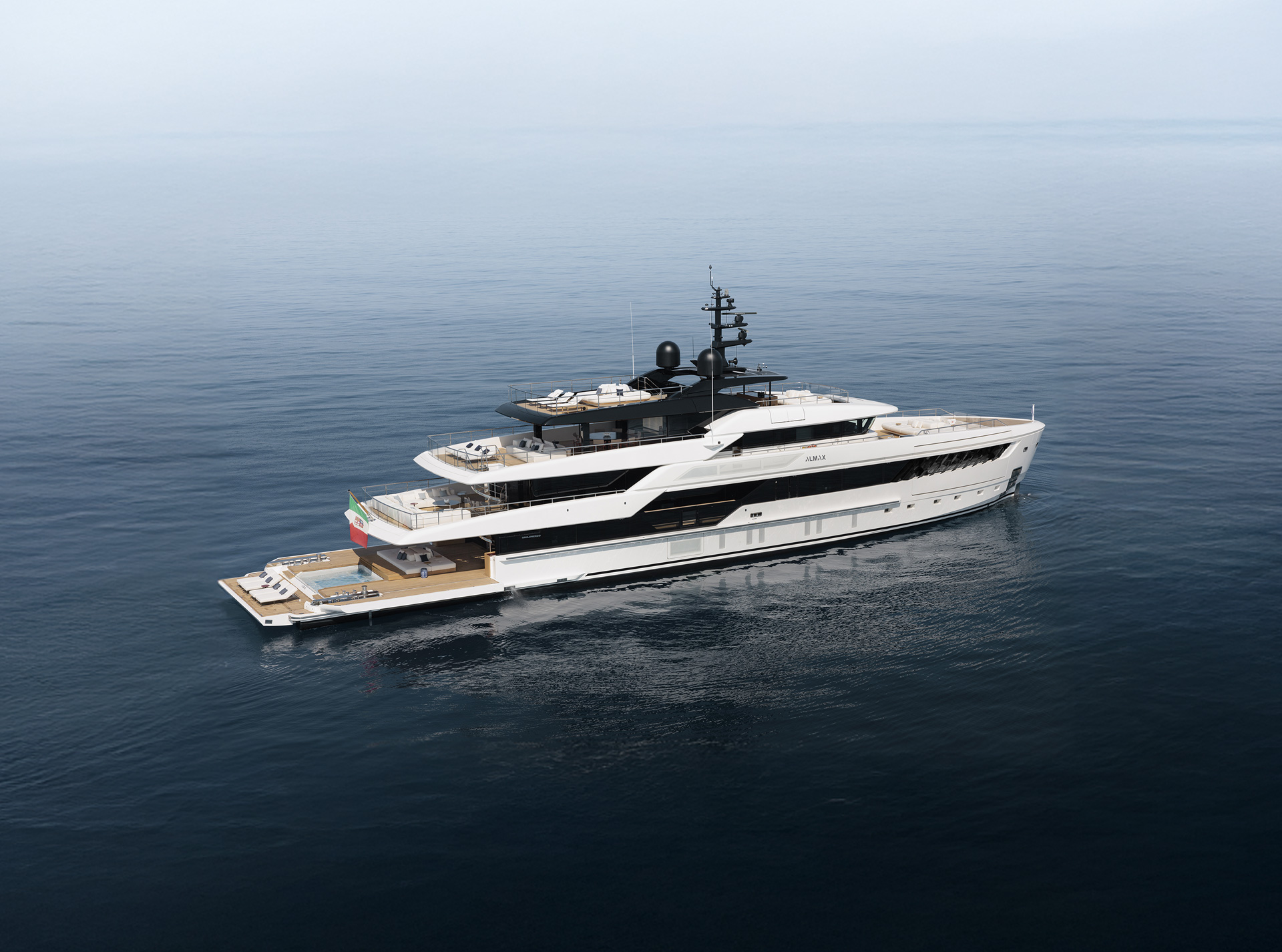
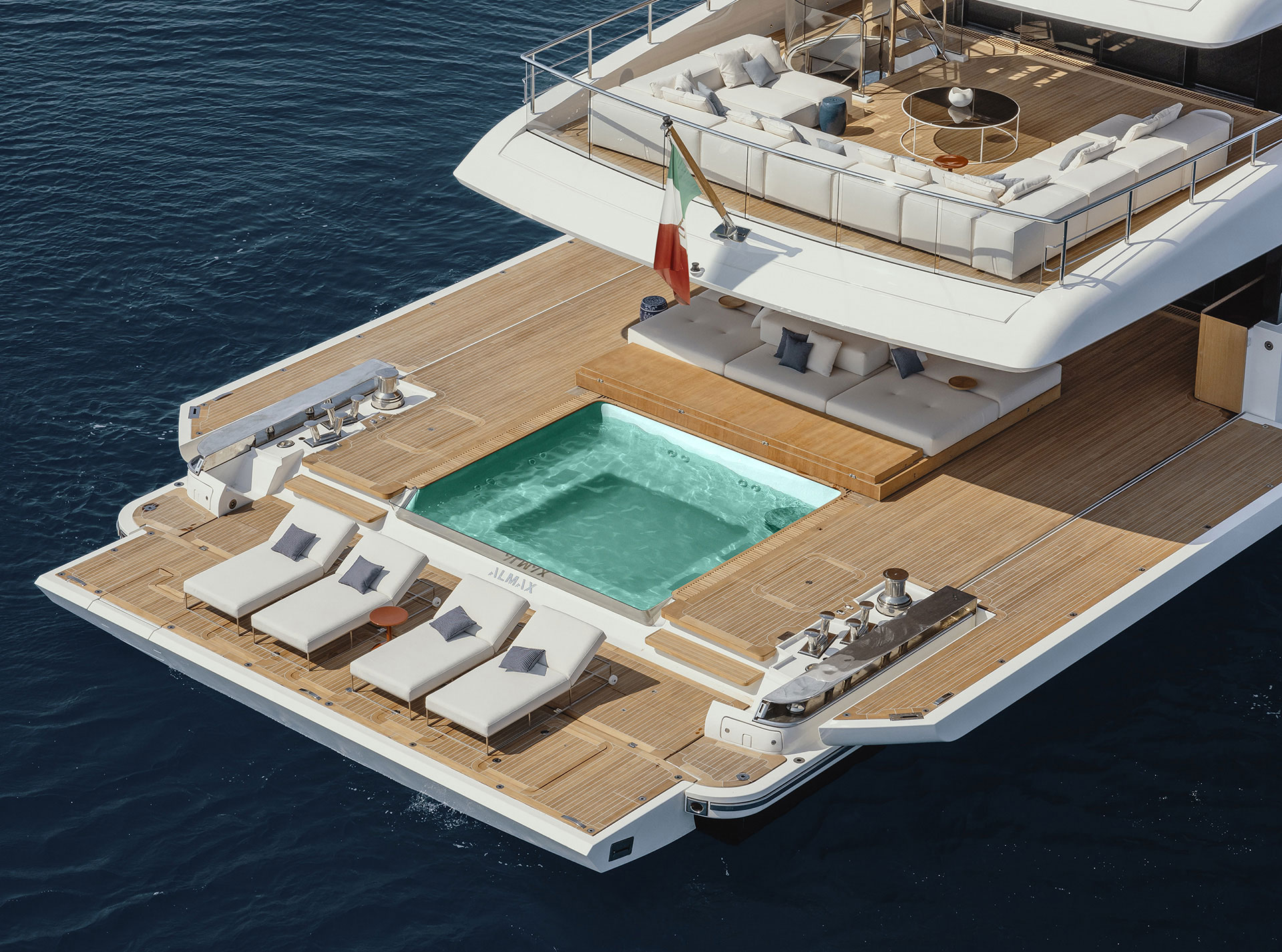
Alternative-energy hardware occupies real volume. Tanks, reformer, fuel cells, piping, safety clearances and maintenance routes compete with guest spaces, crew circulation and conventional machinery. Sanlorenzo presents the 50Steel alongside its Hidden Engine Room system, a layout concept intended to reorganise machinery volume and onboard space. The energy story is therefore also a naval-architecture story.
The correct design test is not whether equipment fits once. It is whether crew can inspect it, isolate it and maintain it without compromising the vessel's primary mission. Weight distribution, ventilation routes, access panels and redundancy all influence the quality of the integration. Public material establishes that a package reached a delivered vessel; it does not establish long-term maintainability or crew workload.
A practical owner and fleet checklist
An owner, captain or technical representative evaluating a similar system should request a bounded operating case rather than a headline percentage. The useful questions include:
- Which hotel loads are connected to the fuel-cell system, and which remain on conventional generation?
- What continuous and peak electrical output is available at defined ambient conditions?
- How long can the installed methanol capacity support the intended load profile?
- What is the automatic fallback when the reformer or fuel-cell stack is unavailable?
- What scheduled maintenance, consumables and specialist support are required?
- Where can compliant methanol of the specified quality be bunkered along the intended itinerary?
- How are ventilation, leak detection, fire protection and emergency isolation arranged?
- What measured data will be retained so fuel, electrical output and generator displacement can be reconciled?
These questions distinguish a transferable operating system from a one-off integration milestone.
What should be measured after delivery
The most valuable evidence would compare operating modes over time. A credible dataset would record hotel demand, methanol consumed, electrical output, generator runtime, ambient conditions and system availability. It would separate commissioning periods from routine operation and identify when conventional generation supported the system.
Noise and vibration should also be measured under a declared condition rather than described impressionistically. Maintenance hours, component replacements and technical support response would help assess operational maturity. Without those records, annual fuel and cost claims remain projections rather than demonstrated outcomes.
What the 50Steel establishes
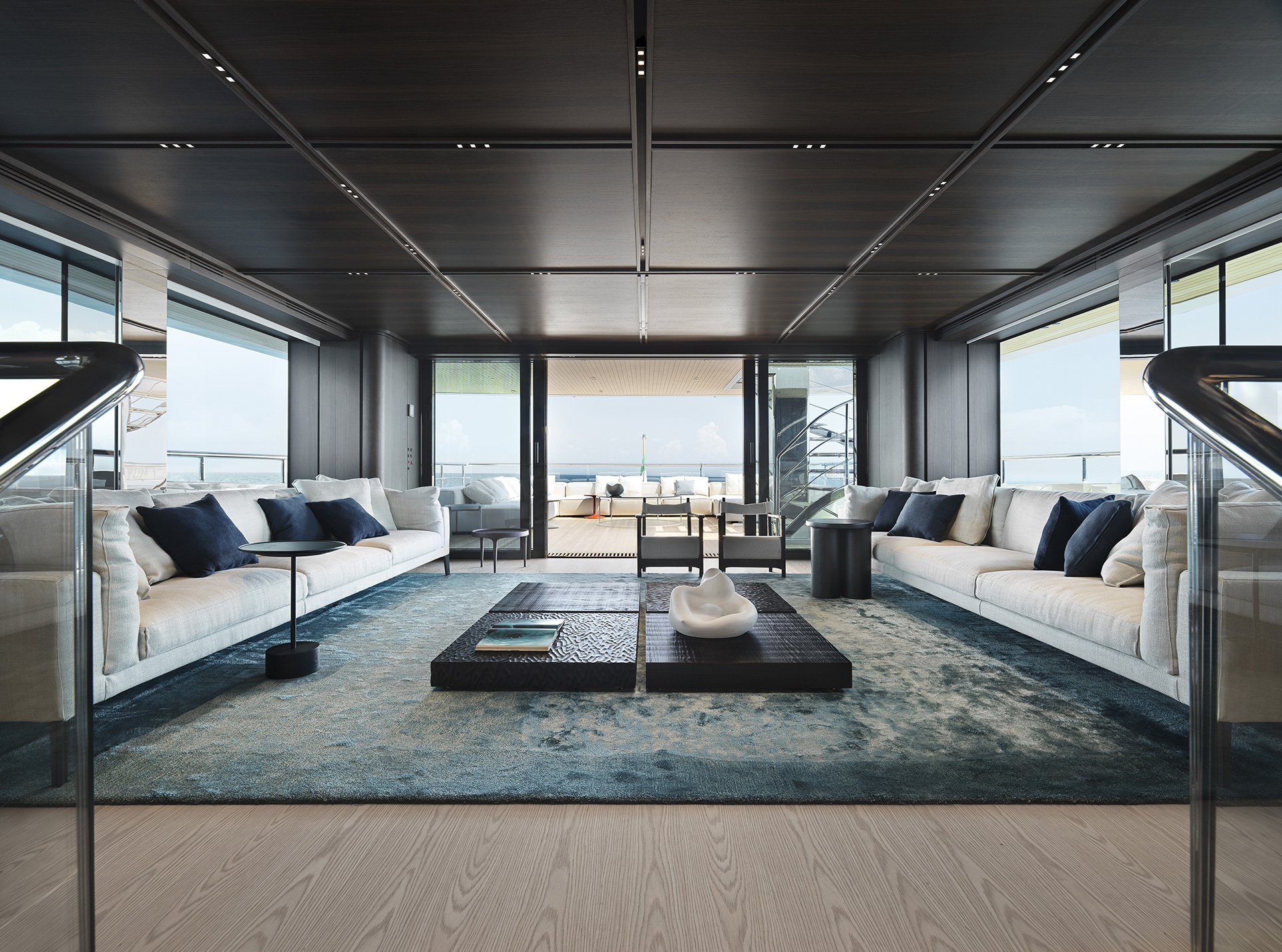
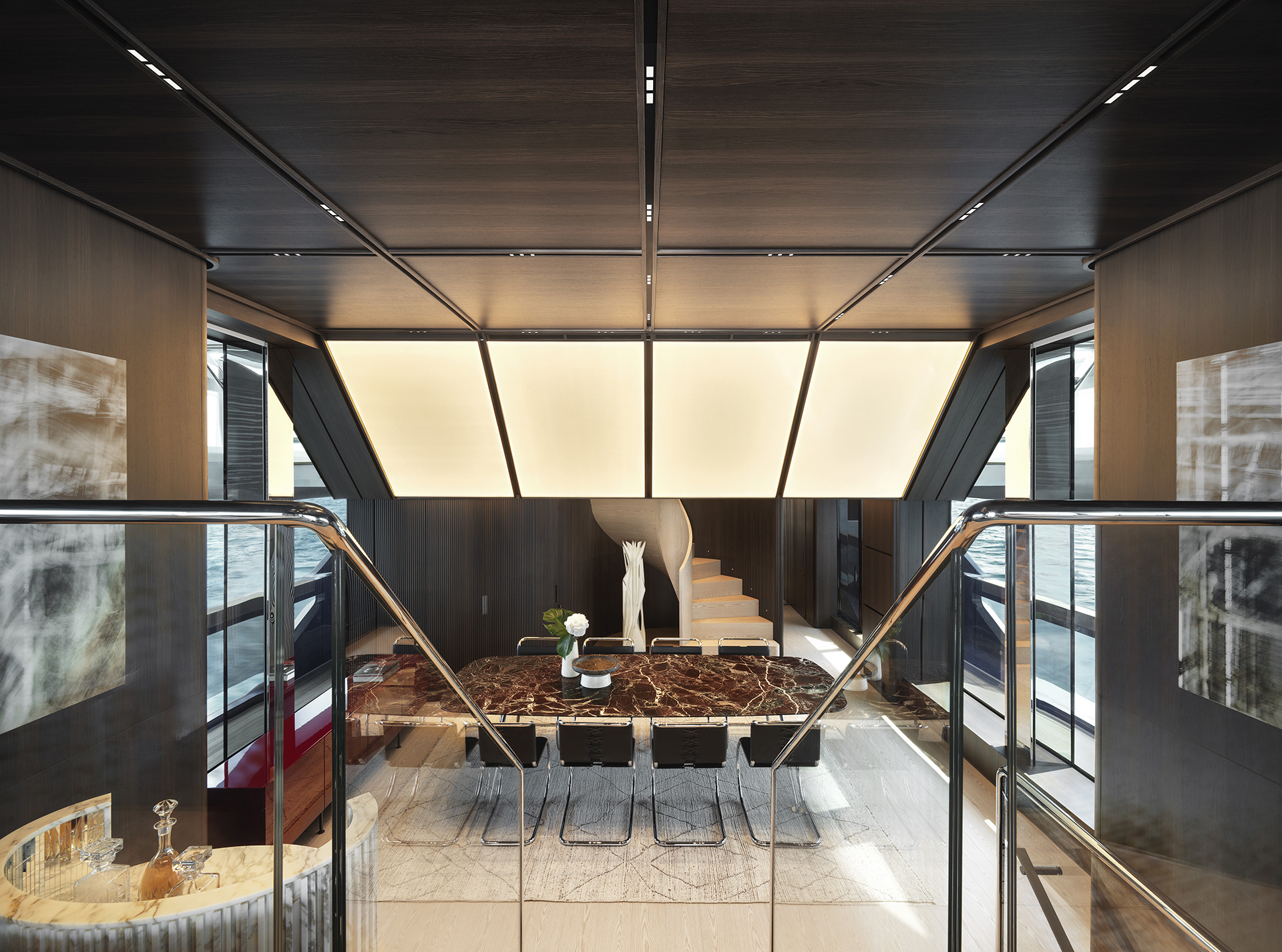



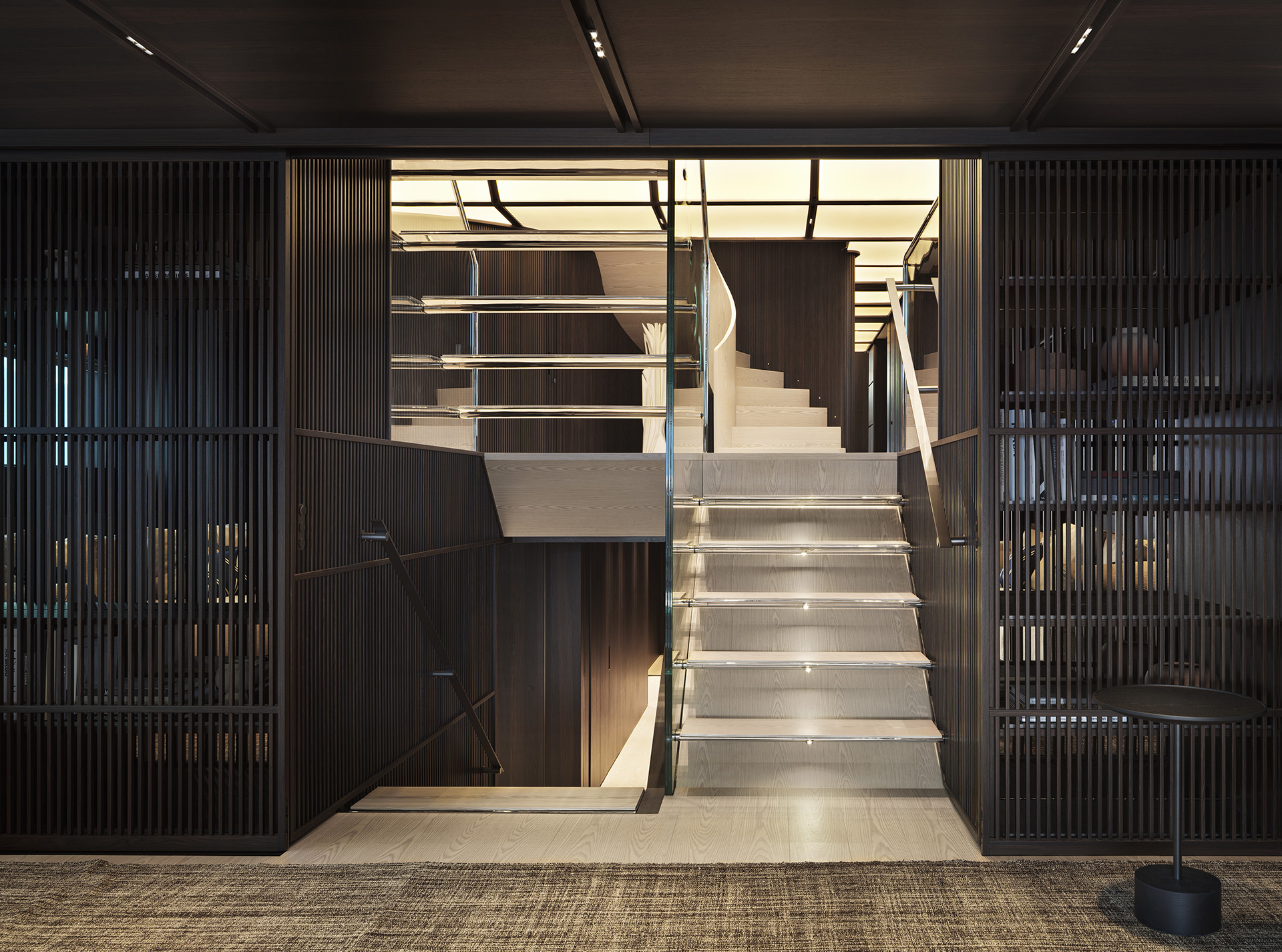
ALMAX establishes that a methanol-to-hydrogen fuel-cell pathway can be packaged in a custom yacht of this scale and assigned to hotel demand. It gives designers, class specialists and owners a delivered reference from which to ask better questions. It does not establish that the same architecture is optimal for every vessel.
Mission profile governs the decision. A yacht that spends long periods quietly at anchor has a different demand curve from one that changes location frequently. Fuel availability, technical crew, regulatory context, service network and available machinery volume all affect suitability. The strongest conclusion is therefore specific: the 50Steel is evidence of integration, not a universal verdict on methanol.
How to compare the next project
A future installation should be compared against a declared baseline: the generator configuration and hotel-load profile it is intended to supplement. The comparison should retain both capital and operational boundaries. A quieter anchorage mode may be valuable even when the system does not maximise a narrow financial return; equally, an ambitious emissions claim may be weak if upstream fuel evidence is missing.
The decision record should therefore keep four fields separate: local operation, lifecycle accounting, guest and crew experience, and total ownership burden. Combining them into one sustainability score would conceal the trade-offs. Classification acceptance, builder delivery and measured performance are also separate milestones. Each answers a different question and none should substitute for the others.
For the entity record, specifications should carry a source and a last-verified date. System output, fuel capacity and operating claims should remain blank rather than inferred when the builder does not publish them. That restraint makes the 50Steel page useful over time: future verified data can be added without rewriting an inflated launch narrative.
Key takeaways
- The fuel-cell system targets hotel loads; main propulsion remains a separate energy demand.
- Methanol is reformed onboard to provide hydrogen to fuel cells, adding conversion and safety requirements.
- Local operating benefits and full lifecycle performance must be reported as separate questions.
- The installation is an architectural and maintainability challenge as much as an energy challenge.
- Annual fuel, emissions and cost outcomes require measured operating data not present in the cited launch material.
Sources & credits
Methodology and sources
This analysis uses Sanlorenzo's ALMAX launch record, the company's 2024 corporate reporting and Lloyd's Register yacht guidance. Builder statements remain attributed. Limitations: no onboard access, crew interview, instrumented test or independent lifecycle assessment was available. Technical, safety and environmental claims require specialist and publication-date review.