A jewellery specification is most useful when it describes one identifiable object. A collection name introduces a design family; it does not tell you which alloy, stones, dimensions or closure belong to the piece in front of you. Before comparing impressive numbers, establish the reference, the model and the size. Those three details give the rest of the description somewhere precise to belong.
Begin with the exact object
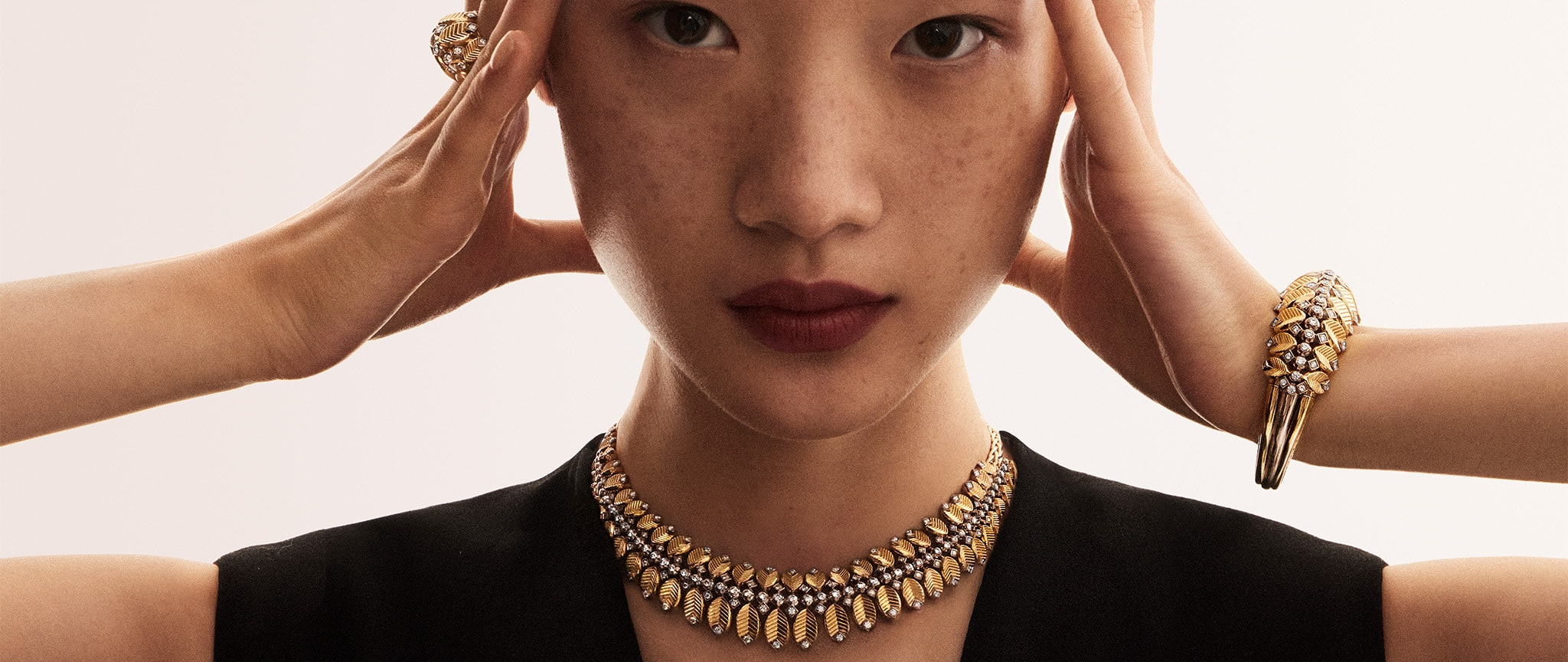
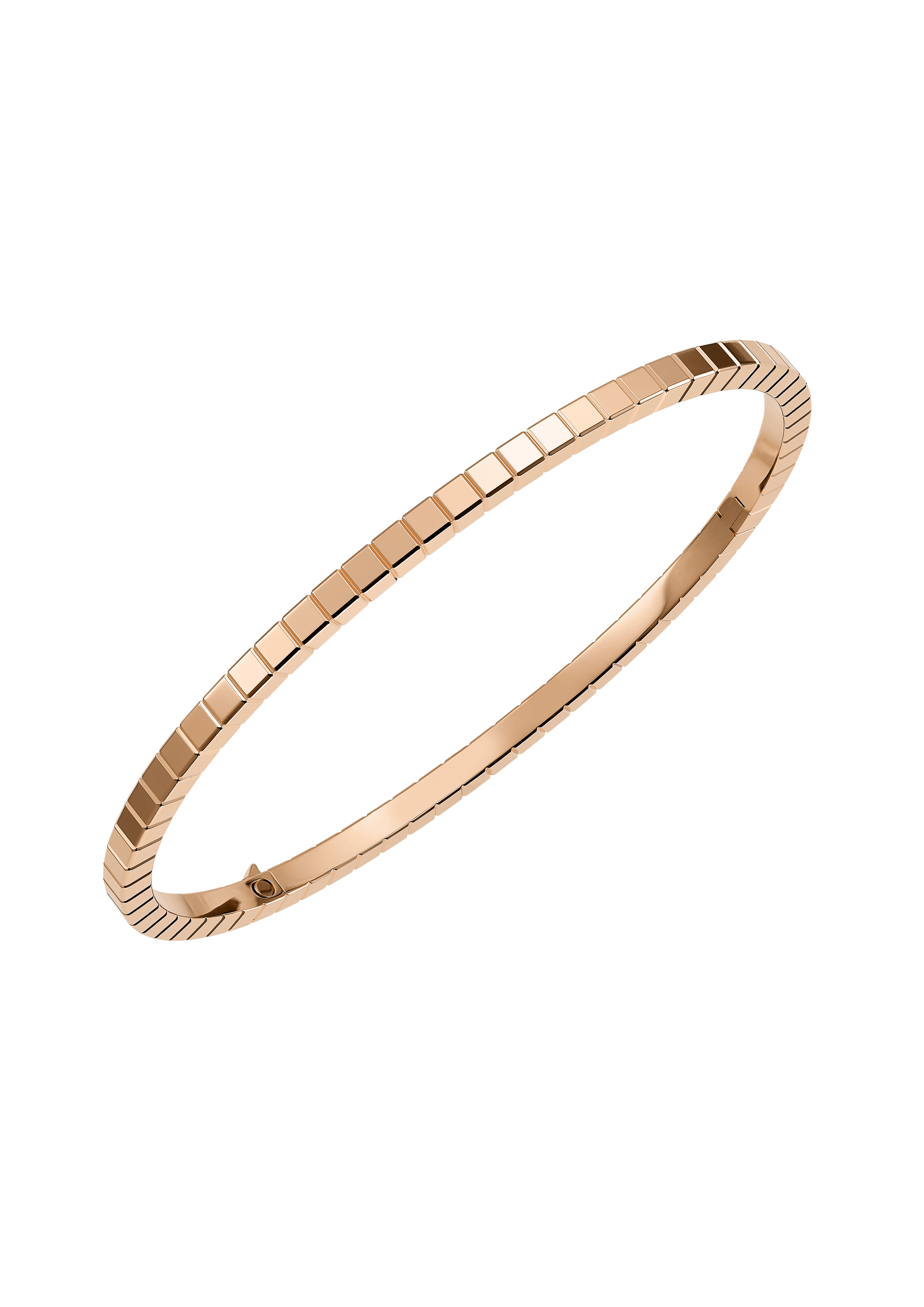
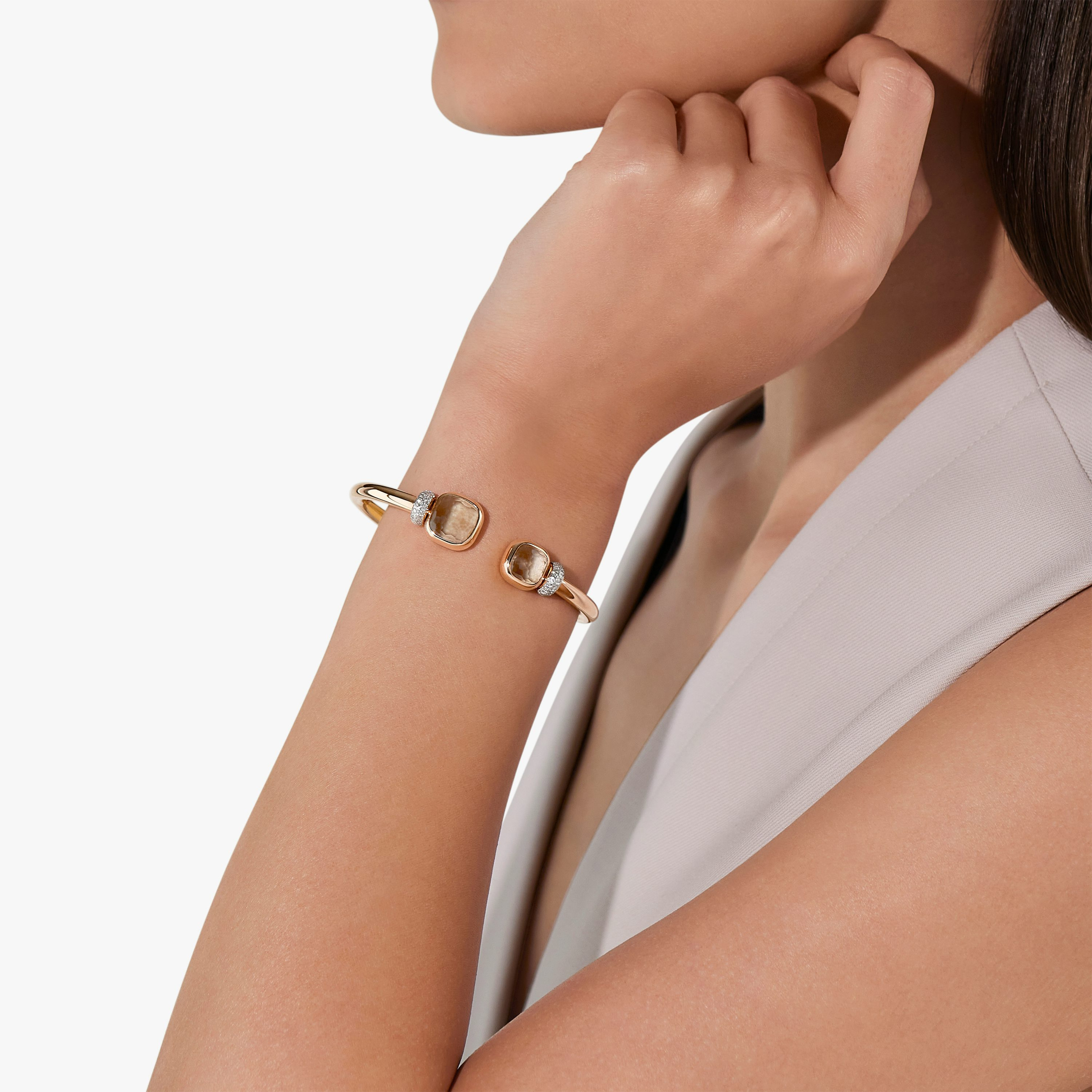
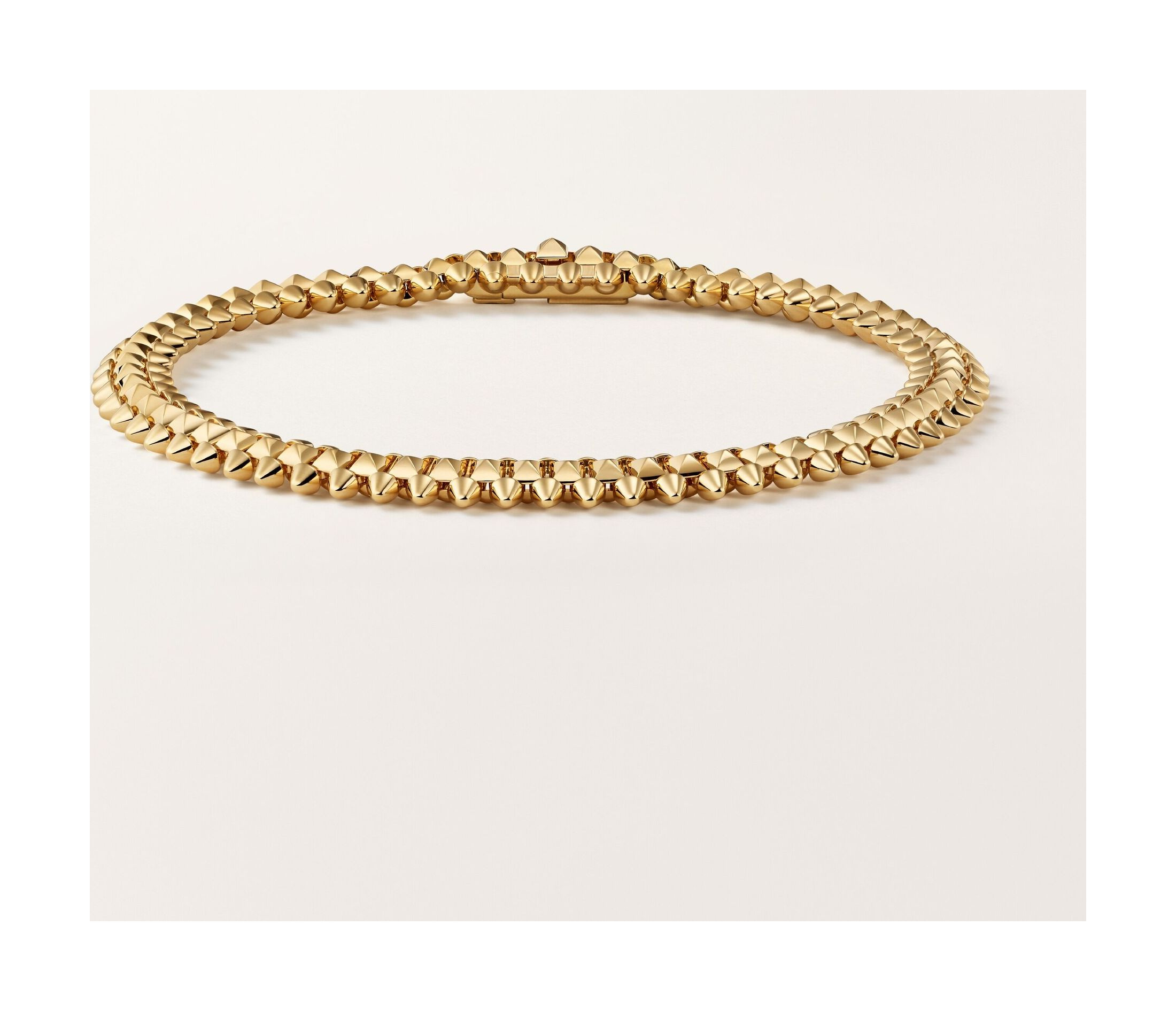
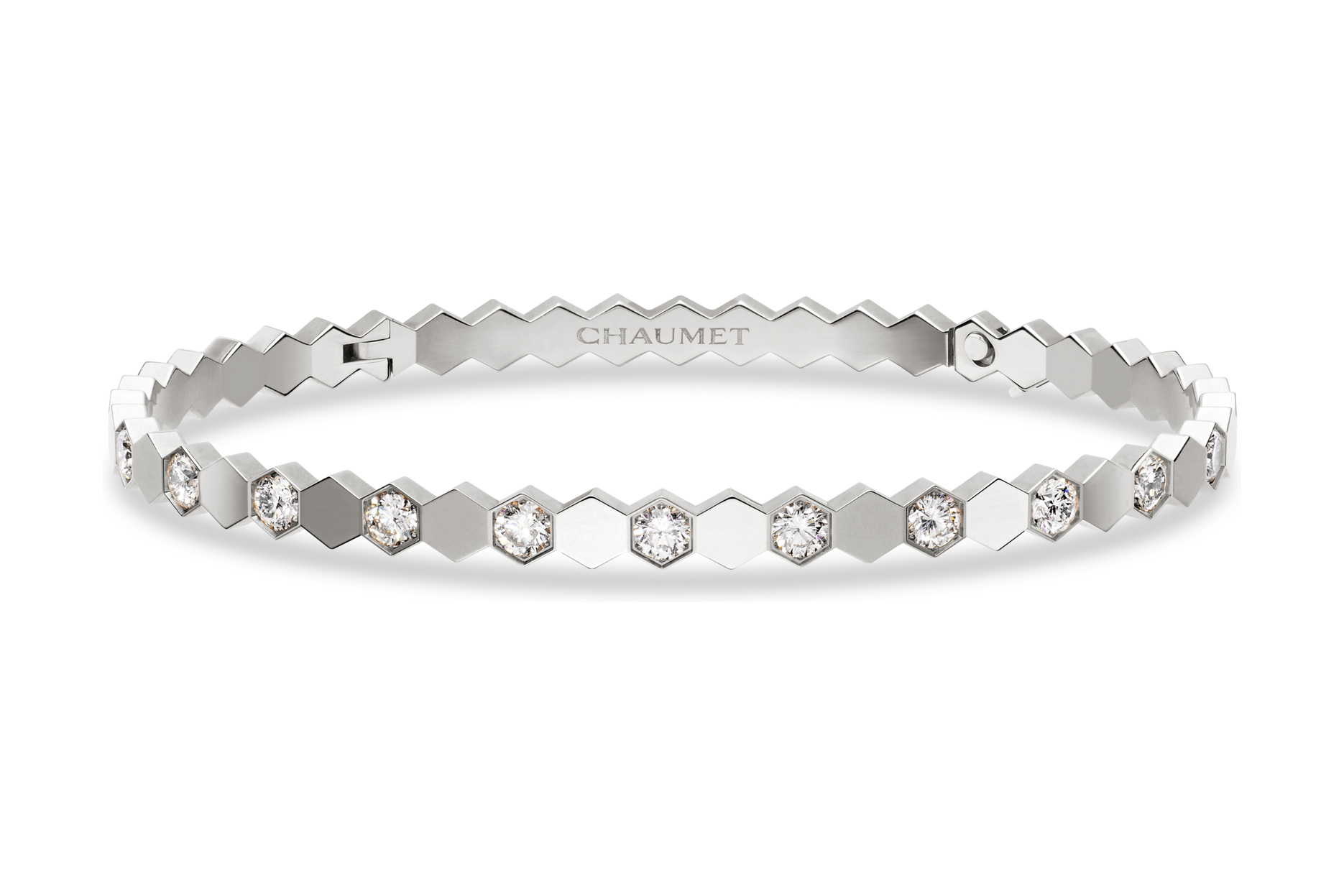
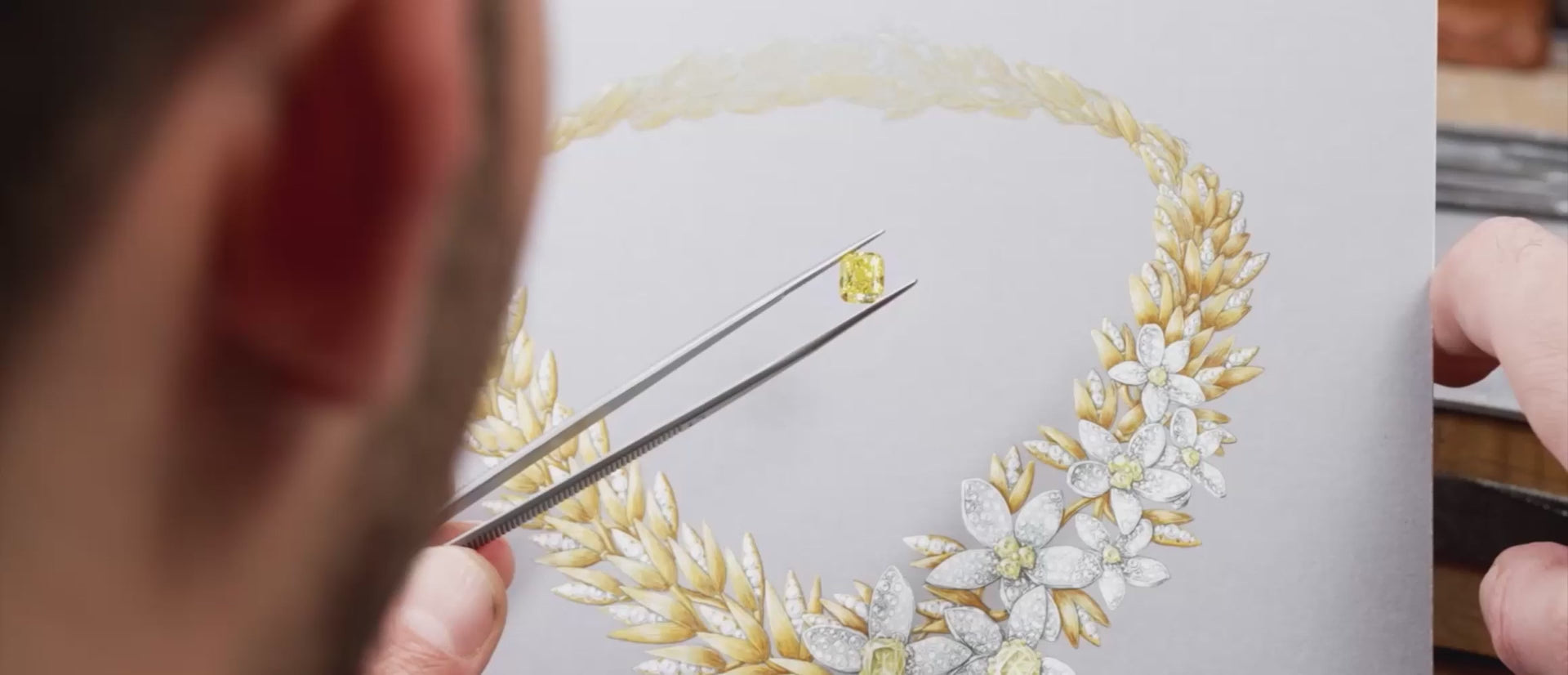
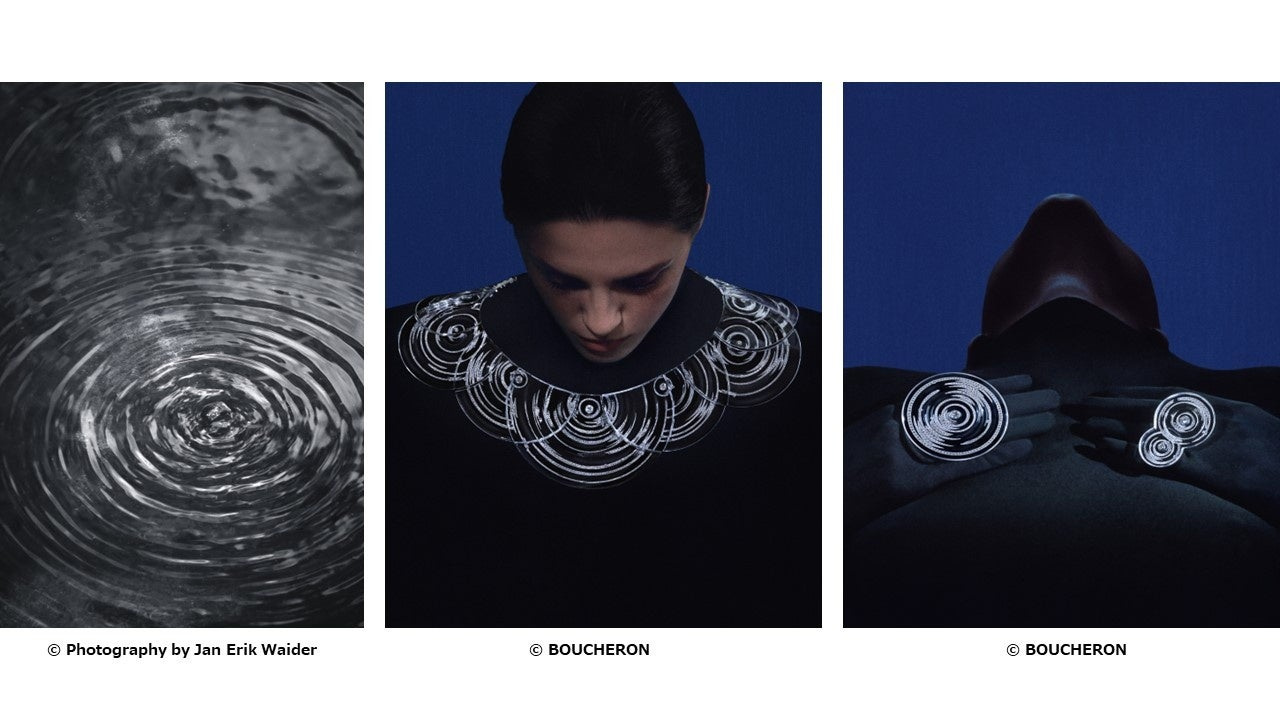
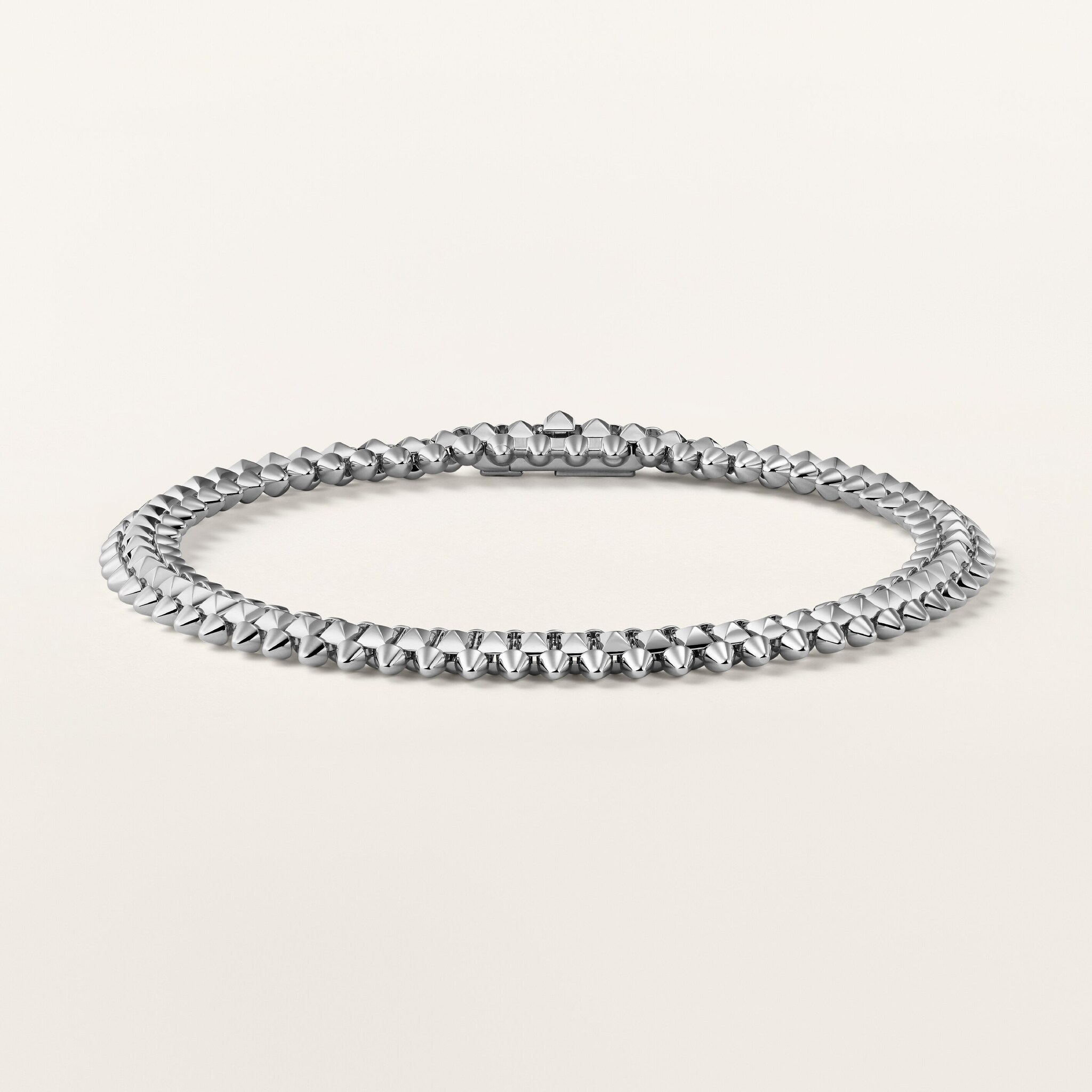
This guide is illustrated with official imagery from four existing LuxeDigital features: Boucheron Or Bleu, Chaumet Jewels by Nature, Bee de Chaumet and Clash de Cartier. The photographs show different approaches to surface, setting and proportion. They are visual examples, not gemmological evidence for a particular supplied object. A photograph can introduce a design; the product record and the appropriate documentation describe its material identity.
The aim is a better reading sequence. Move from identity to metal, from stone description to setting, and then from dimensions to the documents associated with the actual piece. Each stage answers a different question. Treating them as separate layers makes a specification easier to compare and prevents a persuasive collection story from doing the work of information it does not contain.
Metal fineness and stone weight are different quantities
The word carat can appear in two different contexts. Gold fineness describes the proportion of gold in an alloy. Stone carat weight describes mass. The numbers should never be compared as if they measured the same thing. An 18-carat gold description and a one-carat diamond description can sit beside each other in a product record while answering entirely different questions.
Birmingham Assay Office’s gold information identifies 750, or 18ct, as 75 per cent gold. That is a fineness description. It does not establish an object’s total gold weight, its dimensions or its colour. Yellow, rose and white gold can have the same stated fineness while using different alloy compositions or surface treatments. A product page’s exact wording matters, especially where a coating or plating is also named.
Read a material list as a set of statements about components rather than as a mood. A dark area is not automatically ceramic; a white-looking area is not automatically platinum. Boucheron’s Quatre Classique XS record, for example, names brown PVD alongside several gold colours and diamonds. The finish description belongs to that reference. A similar colour in another photograph is not enough to identify the same material.
A hallmark is another layer of information, with rules and practices that depend on jurisdiction and the object. This guide does not provide a universal legal rule about which marks every piece must carry. If marks matter to a particular purchase or existing jewel, obtain clear images and ask a qualified professional to interpret them alongside the relevant documents. The material list and the marks should be considered together, not treated as interchangeable evidence.
A stone description needs more than a large number
For natural diamonds, GIA’s 4Cs framework distinguishes carat weight, colour, clarity and cut. Weight is therefore one part of the description, not a complete statement of quality. A total diamond weight can also describe many small stones rather than one centre stone. Look for whether a figure is total, approximate or associated with an individual gem before comparing it with another object’s headline number.
Stone identity is a separate question. A green stone in a styled photograph might be described by the maker as prasiolite, emerald or another material; the colour alone does not settle that identity. Where a page supplies the actual reference and material description, retain that wording. Where it does not supply treatment, origin or laboratory information, leave those points open rather than completing the record through visual inference.
Some product records qualify their weights and counts by size. Piaget’s G34P3K00 Possession page, for example, notes variation in stone count, carat weight and dimensions with the size ordered. Such a qualification is part of the specification. It should travel with any editorial table, so a published example is not mistaken for a guaranteed figure applying to every supplied size.
Natural and laboratory-grown diamonds also require a clear identity statement. This guide uses the natural-diamond 4Cs framework as its defined scope; it does not claim that every current report for laboratory-grown diamonds uses an identical format. If a laboratory document is supplied, read its actual scope, date and issuing body. Do not infer its grading system from a familiar acronym or the presence of the word diamond on a product page.
The setting and dimensions explain how the object is organised
The setting describes how stones are held within the object. It can influence what is visible from the front, how the outline is drawn and which areas of the stone are exposed. A finished photograph may show some of those relationships, but brightness and perspective can hide smaller boundaries. Use the maker’s setting description for technical terminology rather than assigning a method from one ambiguous image.
Complete views are still valuable. A rear or interior image can reveal a ring’s inner curve, the back of a pendant or the arrangement behind a surface that appears continuous from the front. It does not certify workmanship by itself, but it asks a better question than a tightly cropped glamour image: how is the whole object organised, including the side that meets the body?
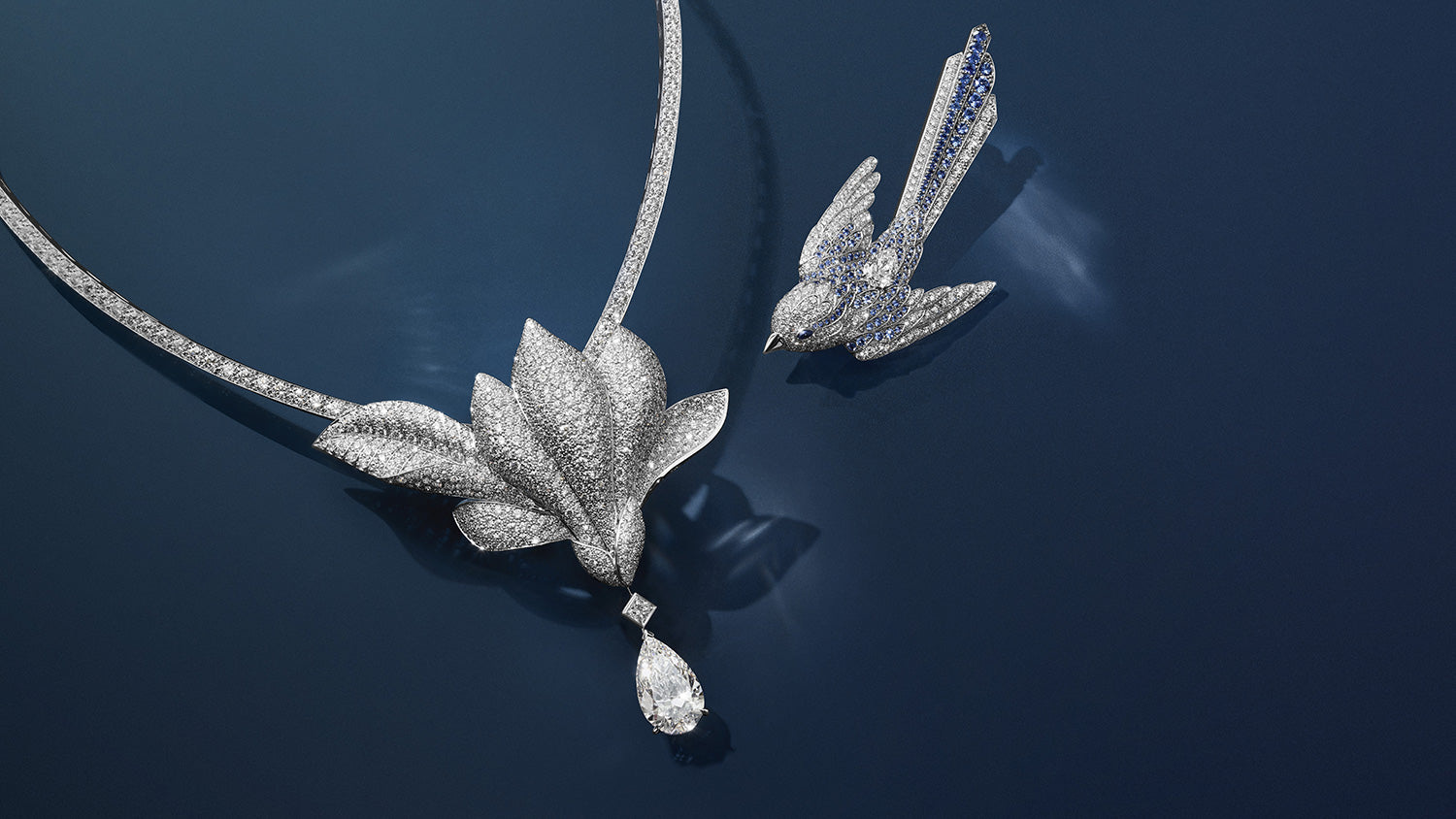
Dimensions give that organisation scale. Ring width is different from ring size; necklace length is different from the size of its central element; bracelet circumference is different from its outer width. A broad-looking object on a white background may be a small accent when worn. The specification and the worn photograph should therefore work together, with each supplying information the other cannot replace.
An opening is not automatically an adjustment feature. An open bangle may have a precise fitting and handling method, and an ear cuff may be designed for a particular position. Do not assume that either should be bent freely because a gap is visible. Confirm the maker’s instructions for the actual reference before using the apparent geometry as a guide to putting it on or changing its fit.
Documentation and care belong to the supplied piece
The documents accompanying a jewel should identify what they actually cover. A product specification, a gemstone laboratory report, a service record and a condition description serve different purposes. A laboratory report about a stone is not automatically an appraisal of the complete jewel. A branded box or a collection photograph is not a substitute for a record identifying the particular object.
For an existing piece, condition adds a time-specific layer. Repairs, alterations, missing components or the state of a finish may change what needs to be understood before use or further work. Those matters require inspection of the actual jewel. A current official product photograph can show the intended design, but it cannot describe the condition of an older object that happens to resemble it.
Care should follow the maker’s instructions for the exact materials and construction. Tiffany’s current care guidance illustrates why maintenance is a separate part of the ownership record, rather than a generic cleaning sentence attached to every article. A method suitable for one material or setting should not be assumed suitable for another. Where instructions are unclear, obtain reference-specific advice before choosing a process.
The same discipline improves an editorial presentation. Keep the exact reference with its materials; keep approximate figures qualified; distinguish visible design from manufacturer statements; and give unknown details a clear place rather than inventing them. A complete, honest specification is more useful than a longer one filled with assumptions.
A practical reading sequence
| Layer | Look for | Do not substitute |
|---|---|---|
| Identity | Reference, model and size | A collection name alone |
| Metal | Fineness, alloy wording and named finish | Colour inferred from a screen |
| Stones | Identity, individual or total weights, qualifications | A large carat number as a complete quality description |
| Construction | Setting, closure, dimensions and handling instructions | A single front-facing photograph |
| Documents | Issuer, date, scope and matching object identity | Packaging or a general brand story |
| Condition and care | Actual inspection and material-specific guidance | The intended appearance of a new product |
The sequence is a reading aid, not a valuation method or an authentication certificate. It helps identify which questions a record answers and which still require a relevant professional, a fitting or the maker’s instructions. No investment return or future price is implied by a well-documented object.
The Luxe Digital view
A good jewellery specification makes the object more precise without making its story smaller. Metal, stone, setting and proportion each contribute a different layer of understanding. Read them separately, then bring them back to the complete jewel: that is the point at which an attractive image becomes a more informed encounter with the design.
A good jewellery specification makes the object more precise without making its story smaller.
Sources & credits
Sources and methodology
Independent visual analysis of current official imagery and named product records, checked on 14 October 2026. Historical introductions, manufacturer specifications and visual observations are kept distinct. No visit, interview, independent handling or appraisal is implied.
- www.gia.edu — source 1: Natural-diamond4Cs: carat weight,colour,clarity andcut.
- www.theassayoffice.co.uk — source 2: Gold fineness:750/18ct means75%gold; hallmarking information is jurisdiction-specific.
- www.tiffany.com — source 3: Maker care instructions and need for material-specific care.