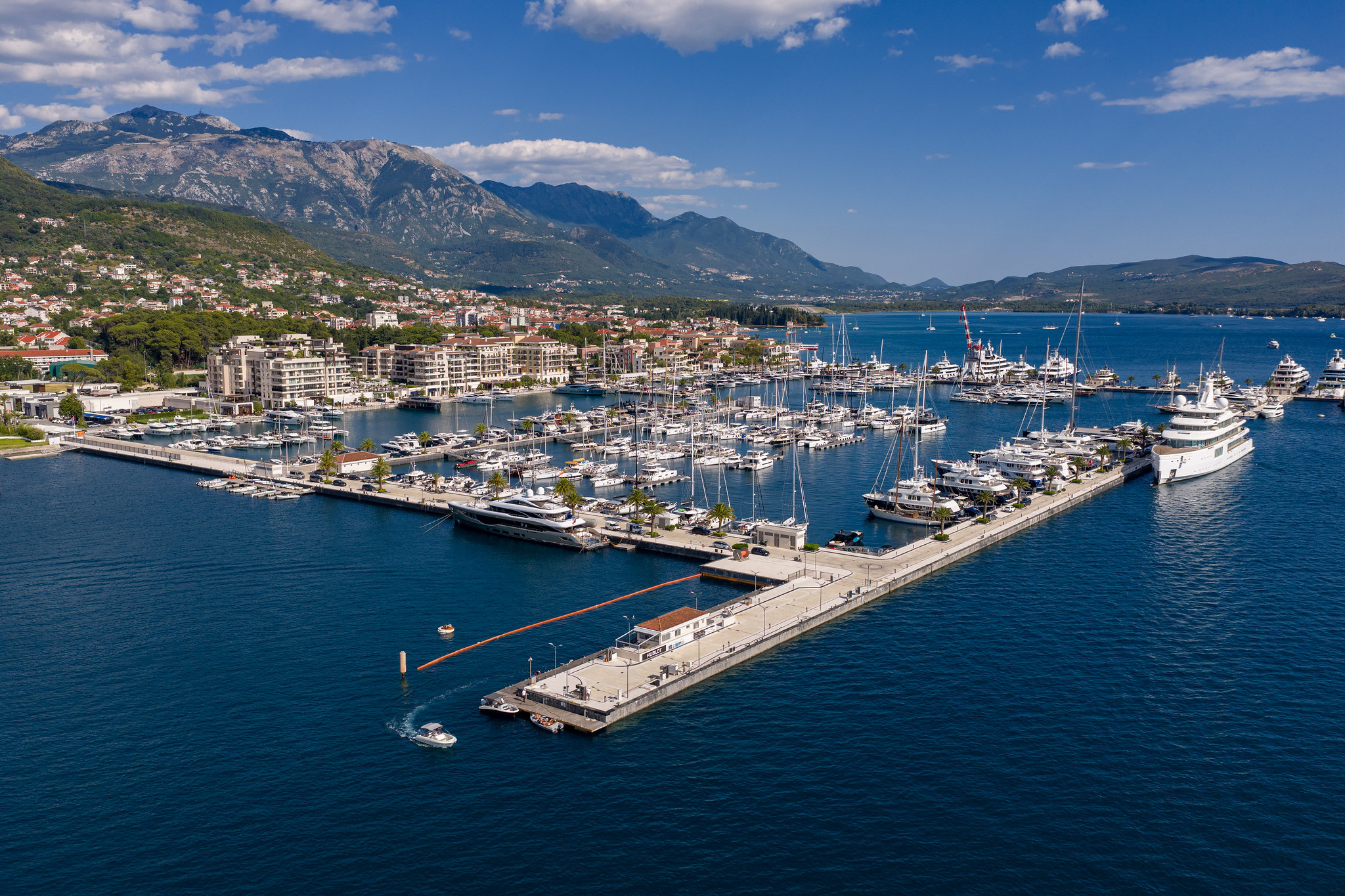
A marina is often judged by the yachts it can accommodate. Porto Montenegro invites another reading: what happens after the passerelle. Its current official presentation places berths, hotels, residences, dining and club life within one waterfront setting in Tivat. For a charter itinerary, that makes it a useful case study in the quality of time ashore, provided the appeal of the village is kept separate from the practical conditions of a port call.
The berth and the place beyond it
The marina’s current official description states more than five hundred berths and facilities for yachts up to 250 metres. These are the operator’s published capacity figures, not a confirmation that a particular yacht can obtain a suitable berth on a particular date. Length is only one part of a real berthing enquiry. The captain and marina must resolve the relevant dimensions, services, operational requirements and availability.
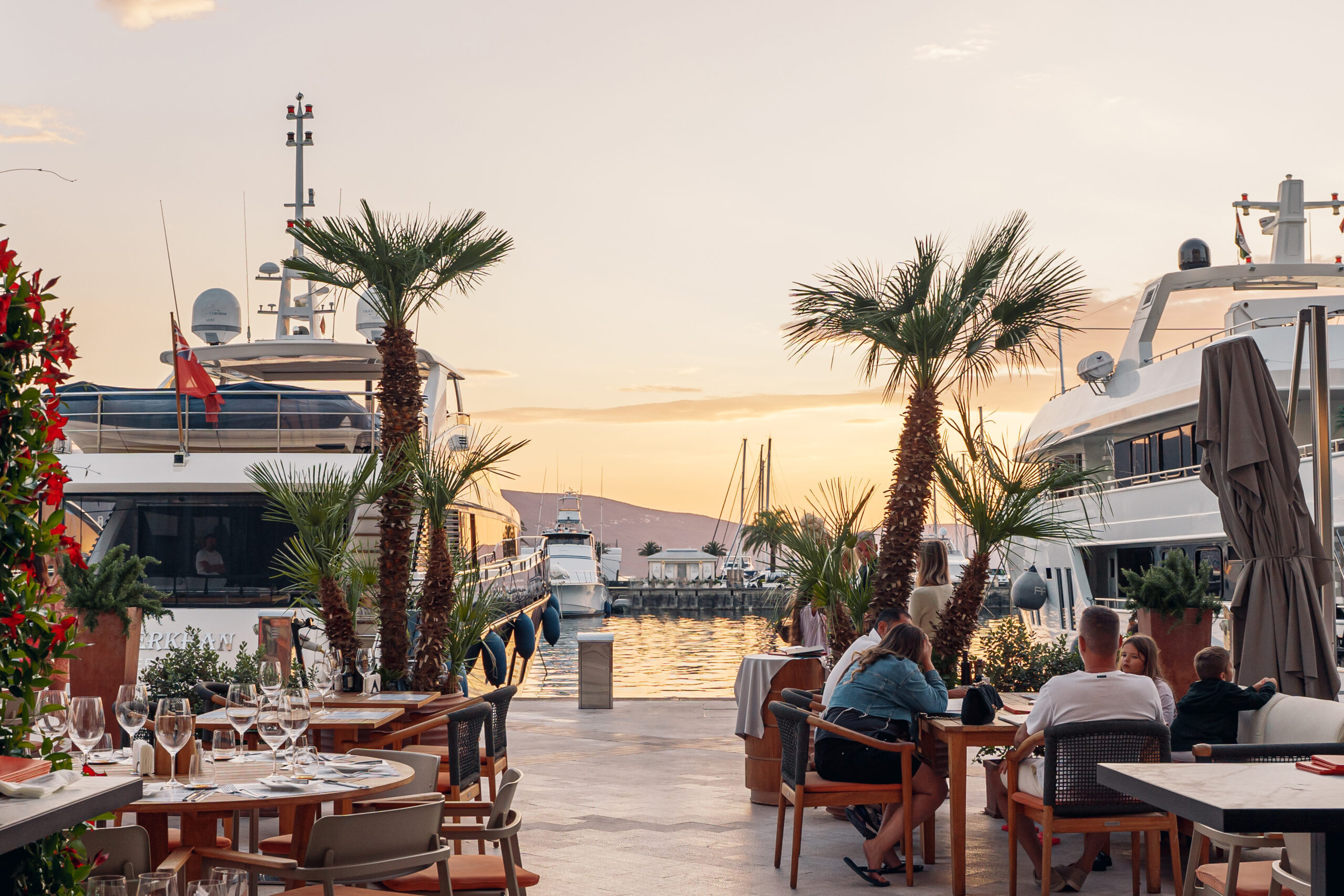
For the guest, however, the attraction begins beyond those specifications. The official photographs show a waterfront with buildings, terraces and pedestrian spaces close to the yachts. It offers a different proposition from an isolated technical stop. A party can discuss dinner, a hotel stay or time in the village as part of the same day, while recognising that each service has its own arrangements.
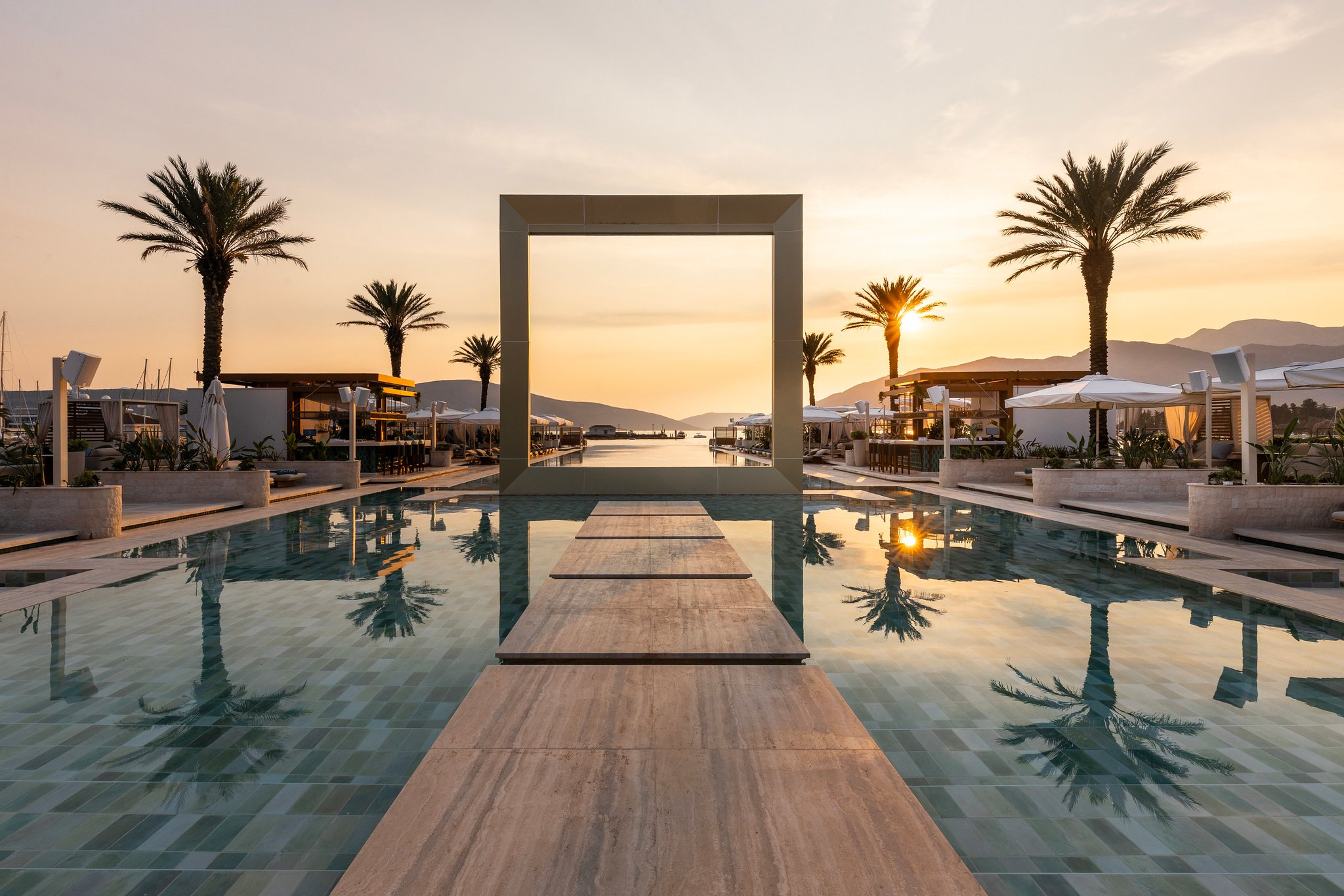
That is the distinction worth preserving. The marina is operational infrastructure; the surrounding destination is a collection of places and activities. Their proximity can be valuable without making them interchangeable. A berth should not be read as an automatic hotel reservation, club membership or promise of access to every photographed pool. The design quality of the waterfront is most useful when accompanied by a clear understanding of what has actually been booked.
Architecture at walking speed
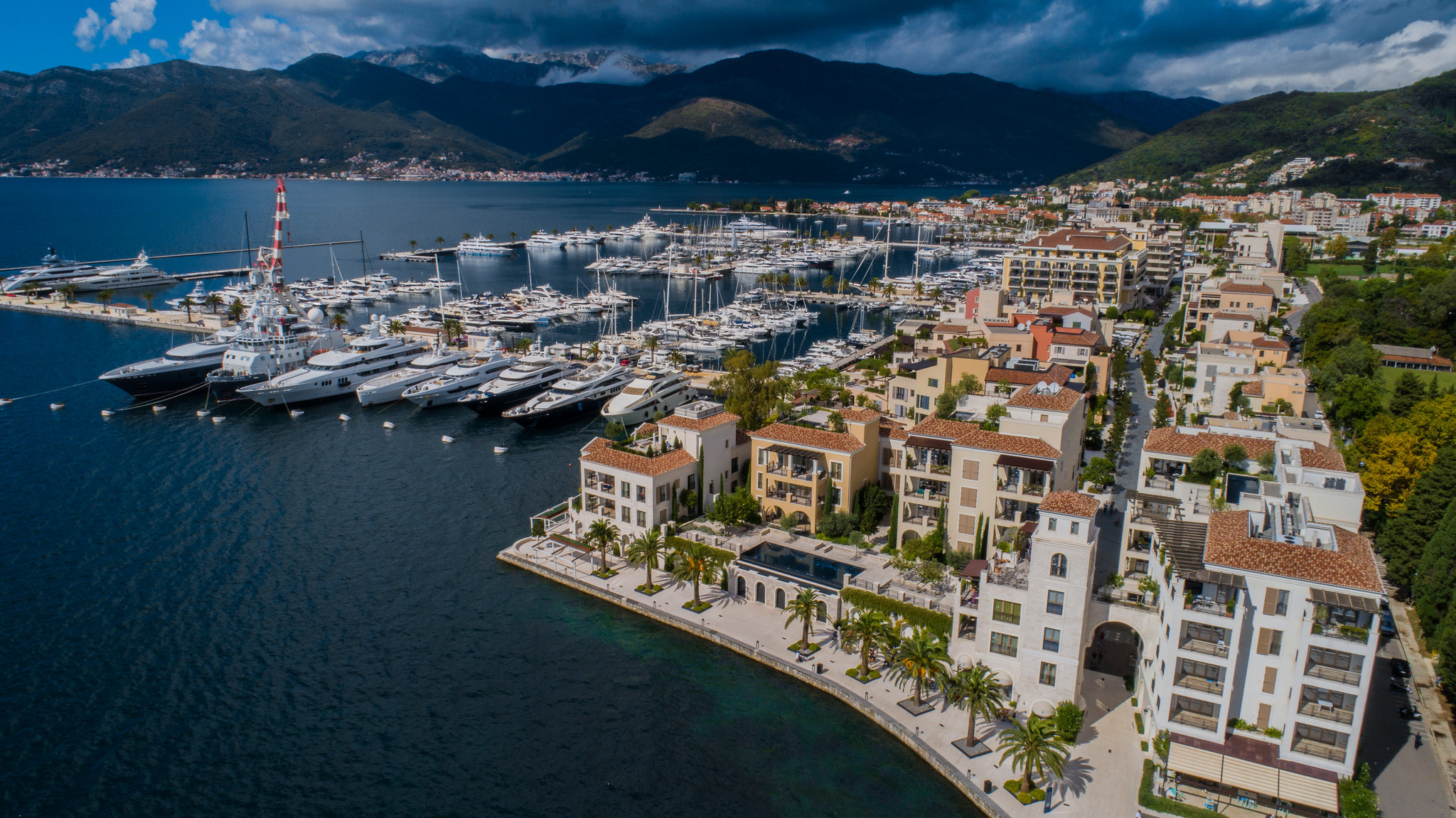
The most revealing waterfront photographs work at the scale of a person on land. Building fronts, shaded edges and outdoor tables make a marina readable as a place to spend time, rather than a line of vessels in an aerial image. The yachts remain part of the view, but the foreground belongs to streets, planting and the space between the buildings and the water.
This is an important change of pace within a charter. After several days organised around decks, tenders and anchorages, a walk ashore can restore the pleasure of choosing a route without a boat transfer. How easy or appropriate any particular route is for a guest should be checked against current conditions and individual needs. The photographs explain the setting, rather than certifying accessibility throughout the development.

The architectural mixture also helps explain the appeal to different kinds of visitor. A yacht owner, a hotel guest and someone meeting friends for dinner may approach the same waterfront with different expectations. A convincing marina village gives them recognisable places to pause. Its value is not simply the amount of retail frontage, but the relationship between social activity, outlook and the spaces left open around it.
A hotel changes the planning options
Porto Montenegro’s current accommodation page and destination map present hotel options separately from the marina’s berthing services. A hotel is a distinct hospitality proposition, rather than an amenity automatically attached to a berth. That distinction is useful for a charter party considering a few days before embarkation or after disembarkation. Accommodation ashore can give a journey a clearer beginning or a less hurried finish.
There are other possible reasons to combine the two. Members of a group may arrive on different days, or some may want a settled base while others continue on the water. Those are itinerary ideas, not claims about a hotel’s current packages or transfer services. The dates, exact room category and connection with the yacht should be agreed with the relevant providers before the combined plan is treated as workable.
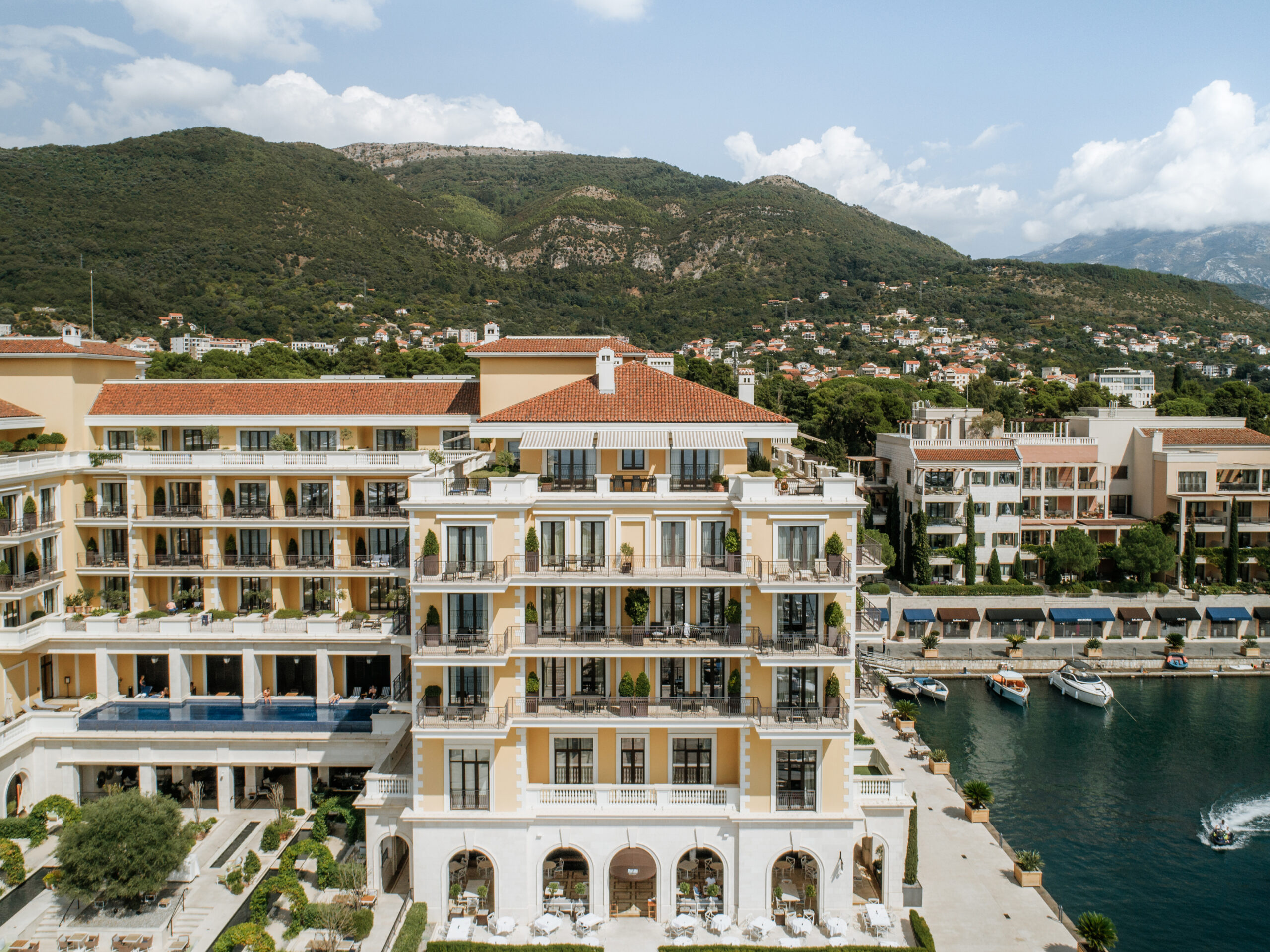
Visually, the hotel’s position helps frame the marina as a waterfront destination. A façade facing yachts is not enough on its own; the public realm between the two matters. The official views give readers a way to consider that relationship, from the scale of the building to the outdoor settings below it. The strongest image is one that explains where the hotel sits within the place, rather than merely adding another luxurious interior.
Club life has its own terms
The marina’s Yacht Club page explicitly directs readers towards membership tiers and packages. The club’s own venues account describes the Sailing Squadron, Marina Park, Jetty 2 and other gathering spaces. Those pages establish a social and sailing context, but they should not be used to promise that every activity or venue is currently available to a visiting charter guest.
For the reader, the interesting point is the range of scales: organised time on the water, a place to meet, a lawn beside the marina and settings for larger events. A port call can therefore be considered around more than provisioning and departure. Whether any of these possibilities belongs in a particular itinerary depends on the programme, membership conditions, operating dates and the needs of the party.
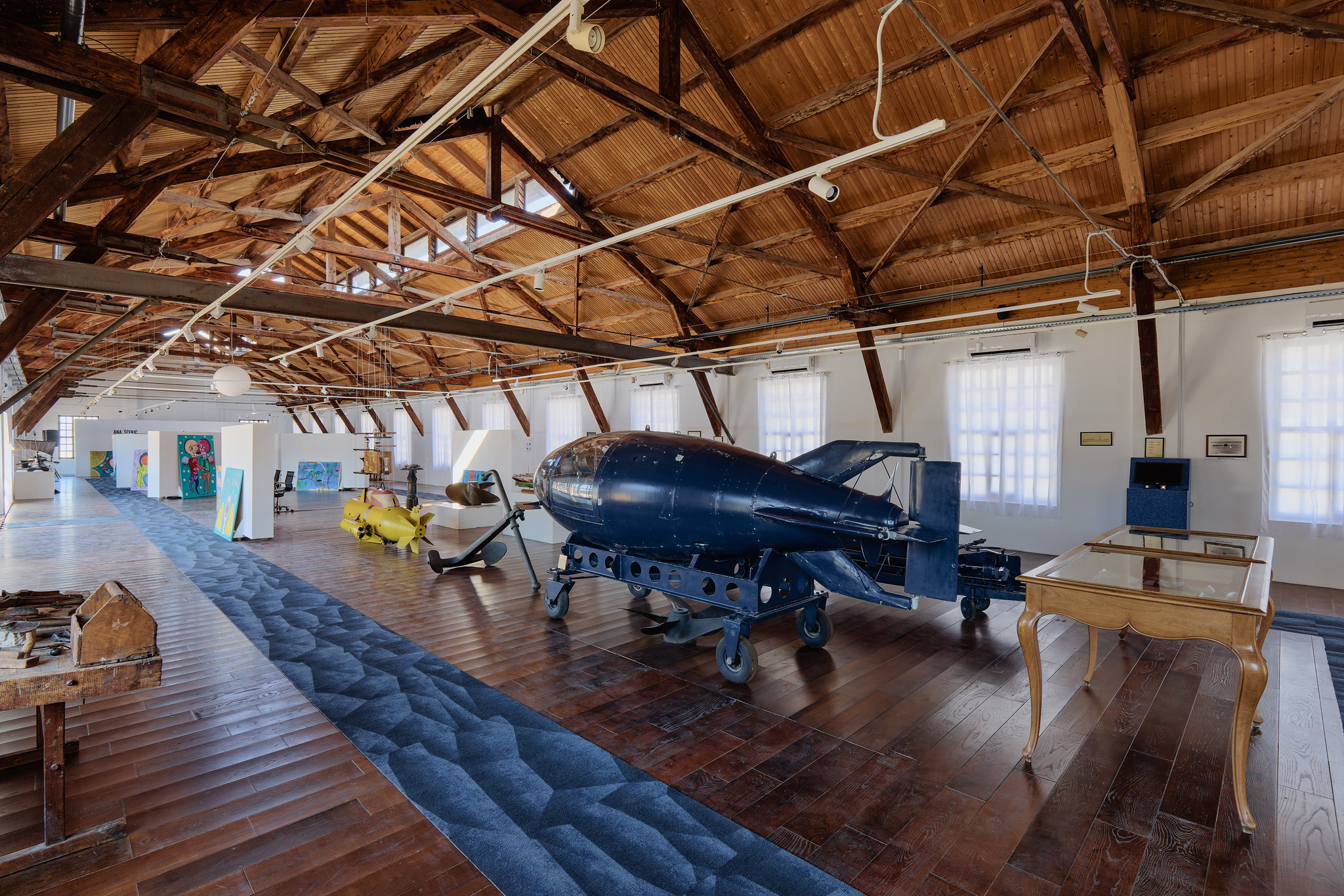
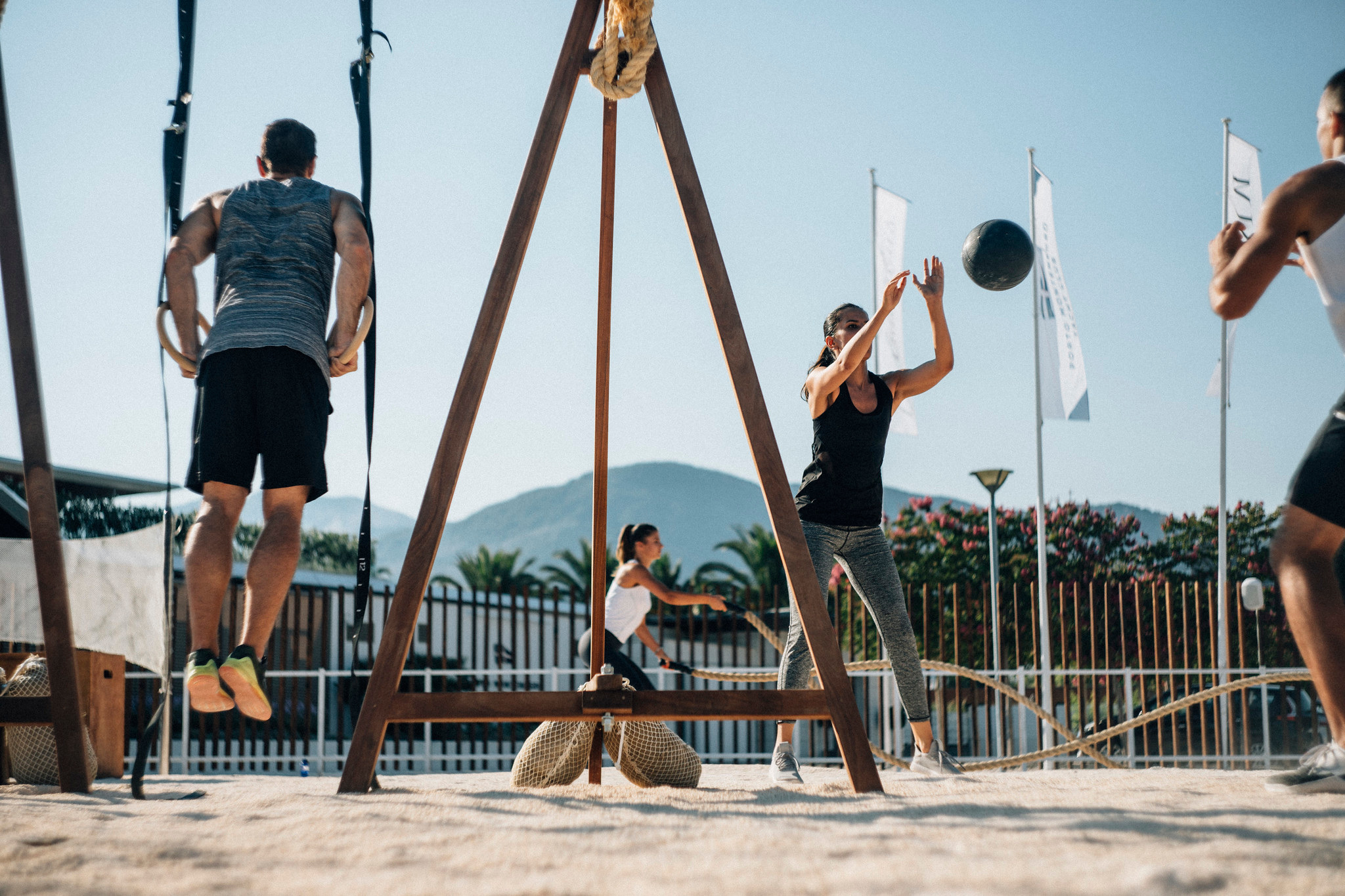
The historical naval character mentioned in the venues account is another layer of the place. It gives some of the spaces a context beyond their current use as hospitality settings. Reading that history alongside the contemporary marina avoids presenting the waterfront as a generic collection of new amenities. The identity of a destination comes partly from what its new uses have inherited, and what remains visible within them.
Building a useful port-call brief
| Decision | Why it matters | Who should confirm it |
|---|---|---|
| Berth and operational requirements | Published maximum capacity does not establish suitability or availability | Captain and marina |
| Time ashore | Dining, a walk and a longer visit imply different schedules | Charter party, captain and relevant venue |
| Hotel accommodation | A separate stay can shape arrival or departure | Hotel and travel organiser |
| Club activities or venues | Membership and programme conditions are distinct from berthing | Yacht Club or the named operator |
Border formalities, itinerary permissions and the yacht’s operating arrangements also need the appropriate current advice. This feature does not replace a captain’s passage plan or offer legal guidance. Its purpose is to make the guest brief more specific: why stop here, how long should the group remain, and which part of the shore experience matters enough to reserve properly?
The Luxe Digital view
Porto Montenegro is best understood as a port call with a life beyond the berth. The official imagery connects maritime infrastructure to a village, hospitality and club settings, creating several possible ways to spend time ashore. The quality of a charter plan comes from choosing among them, rather than assuming everything is included. When the operational and hospitality arrangements are clear, the waterfront can become a deliberate chapter of the journey instead of simply the place where the yacht stops.
Porto Montenegro is best understood as a port call with a life beyond the berth.
Sources & credits
Sources and methodology
Independent yacht, coastal architecture and hospitality analysis of the named official records and imagery, checked on 16 October 2026. Original build, refit and presentation dates are retained. Photographs are identified by the named yacht, hotel room or destination setting. Independent analysis of official yacht, hotel and marina records and imagery. No visit, stay, sea trial or interview is claimed. Historic refit dates and source identities remain identified. Current availability, access, prices, operational suitability and contractual inclusions are not inferred.