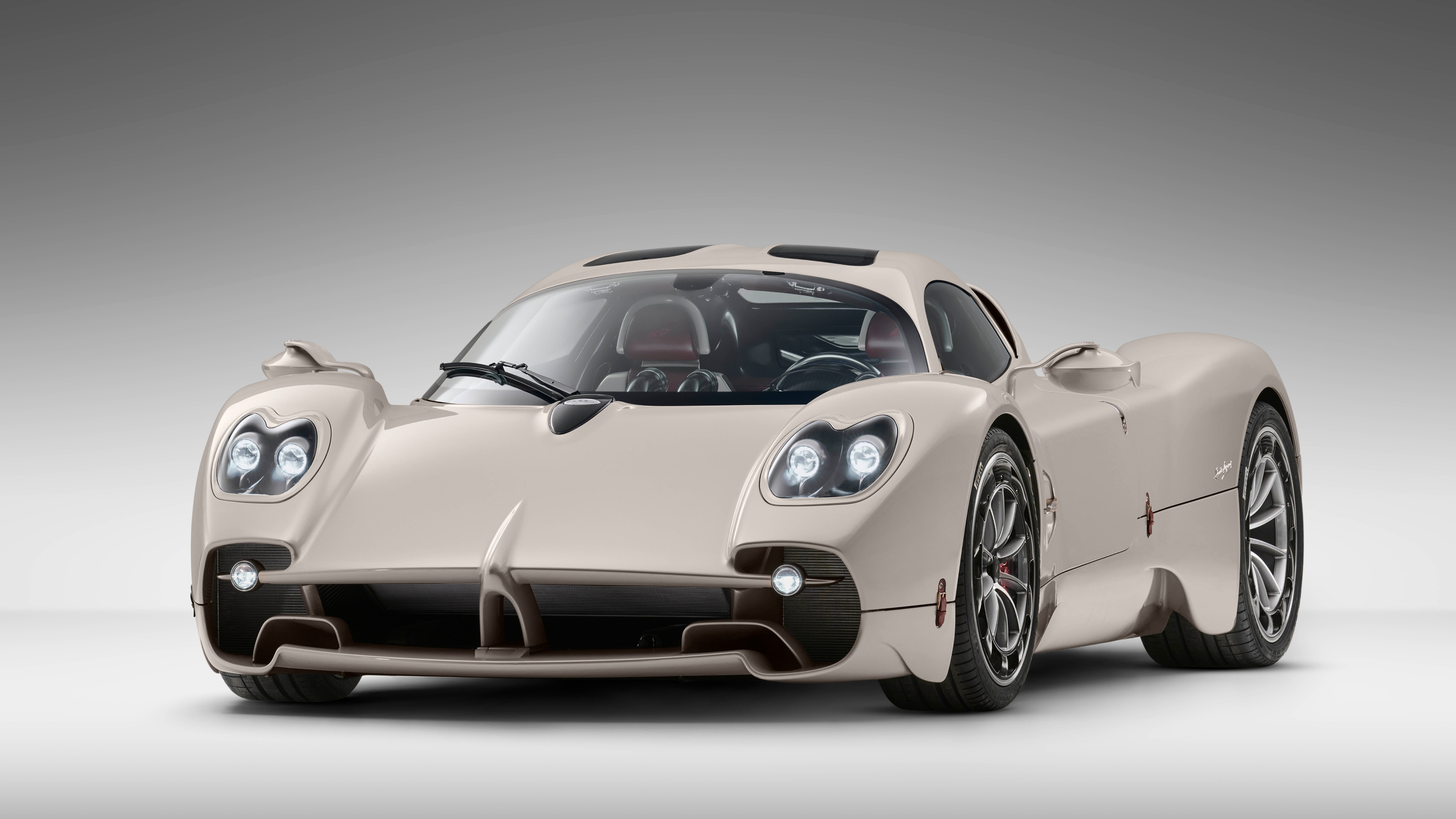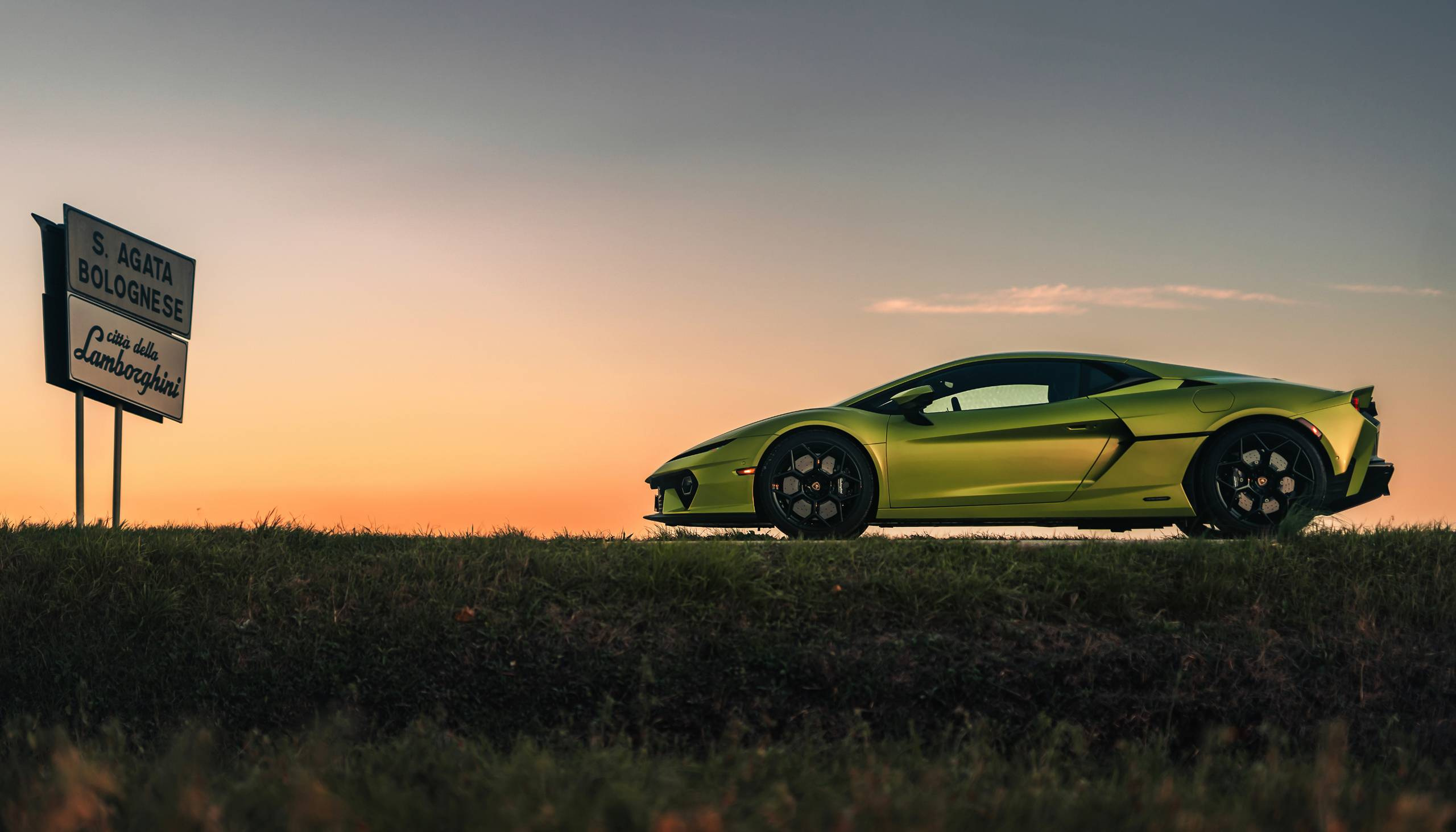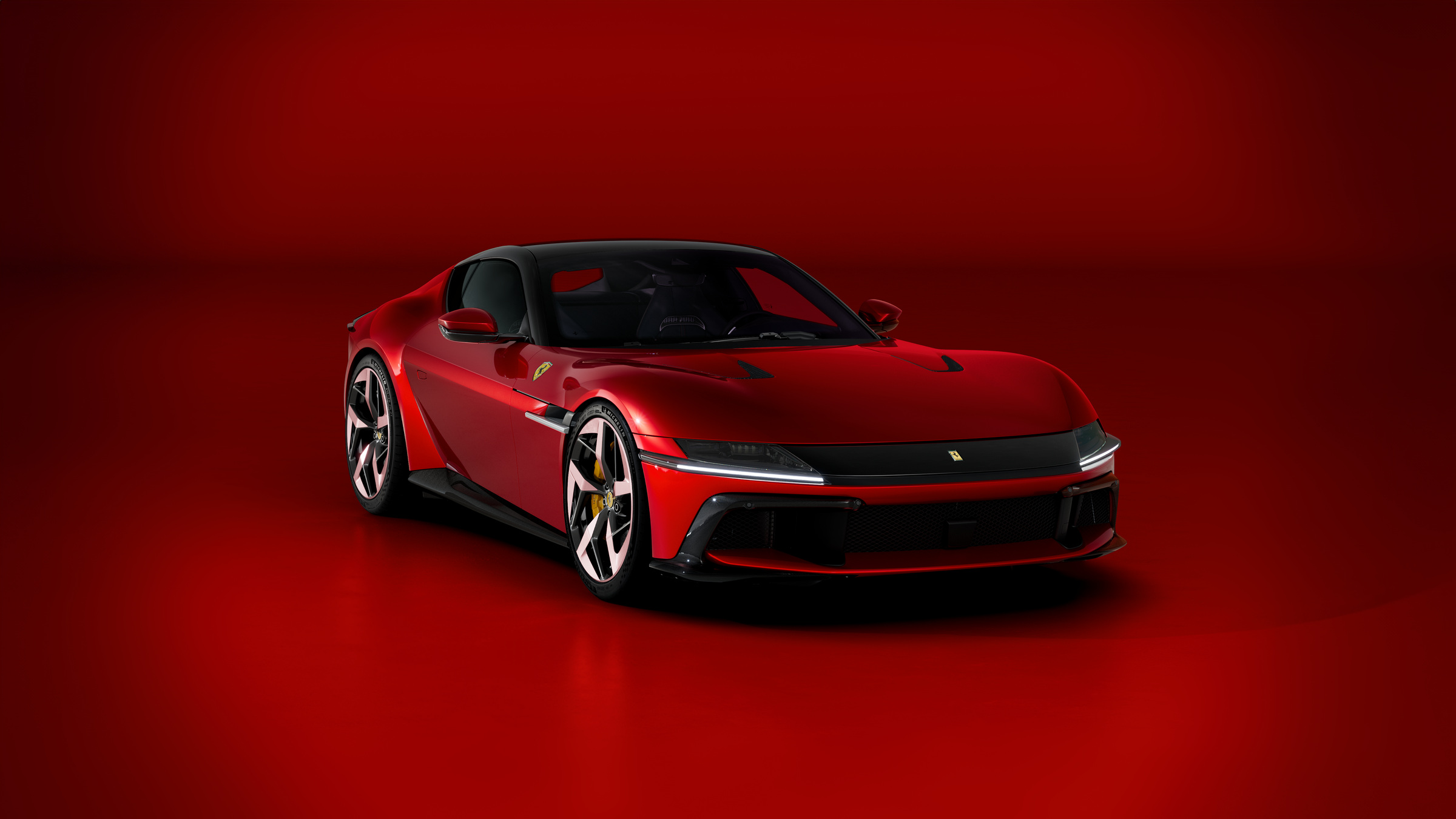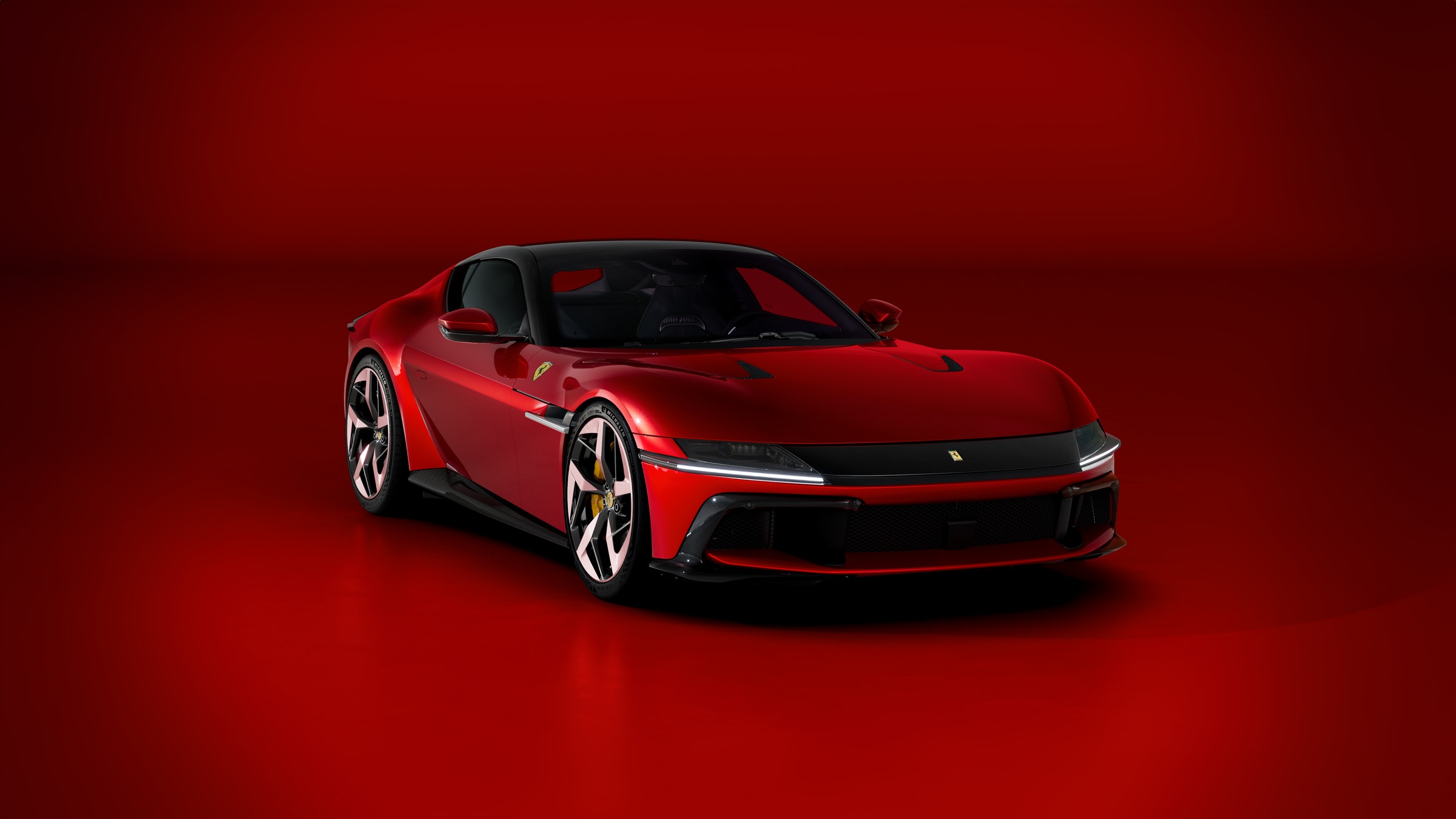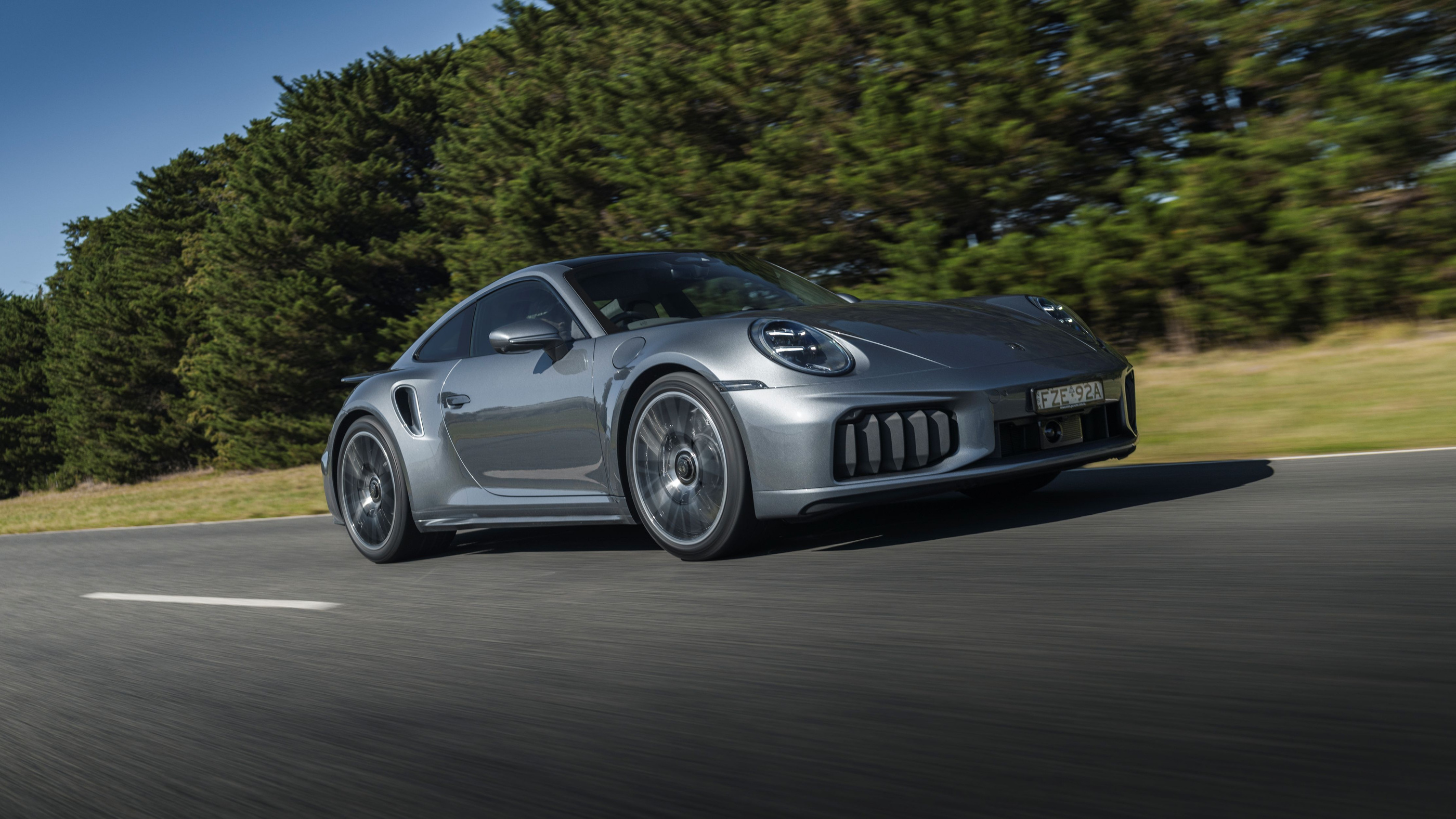
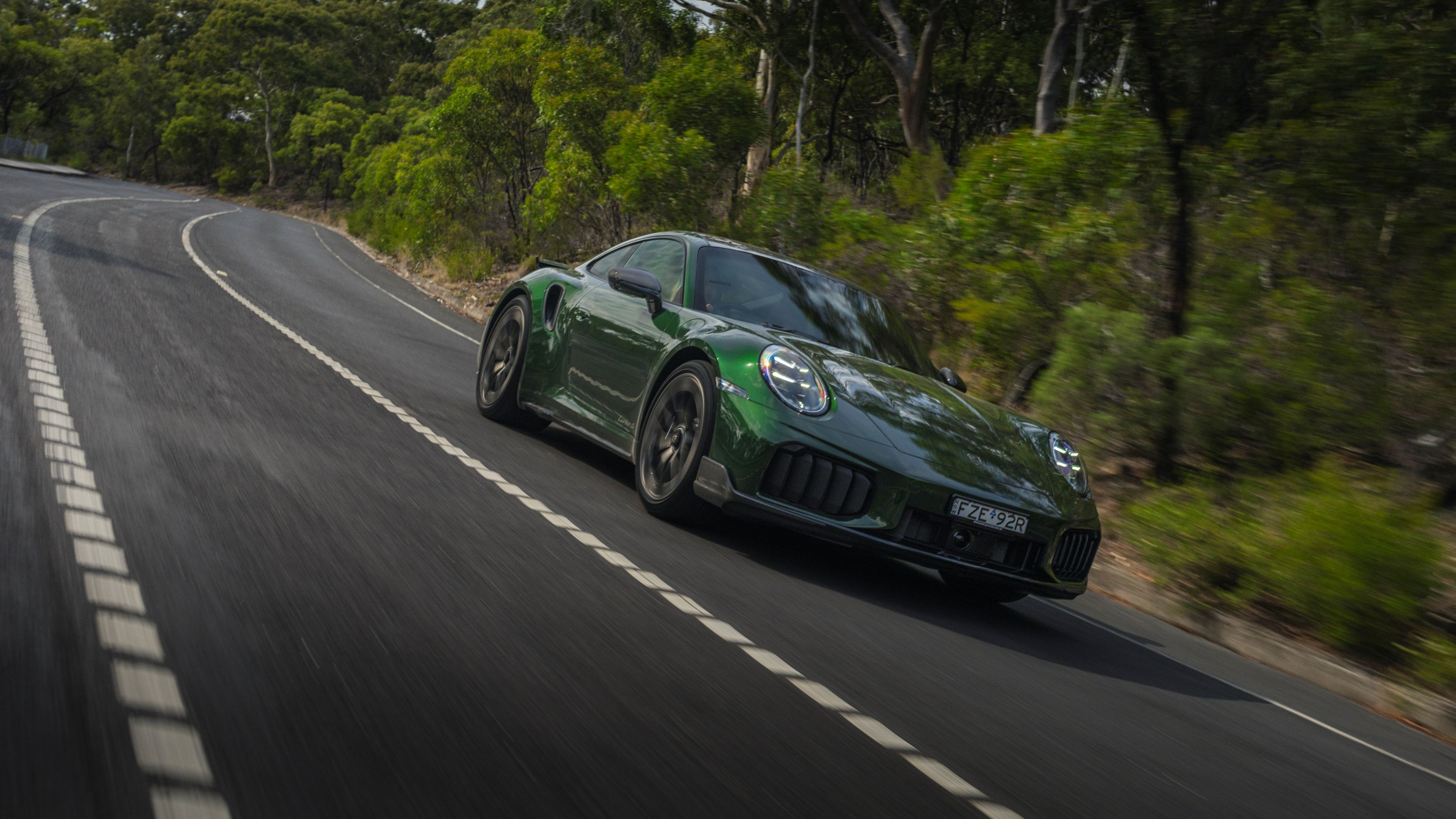
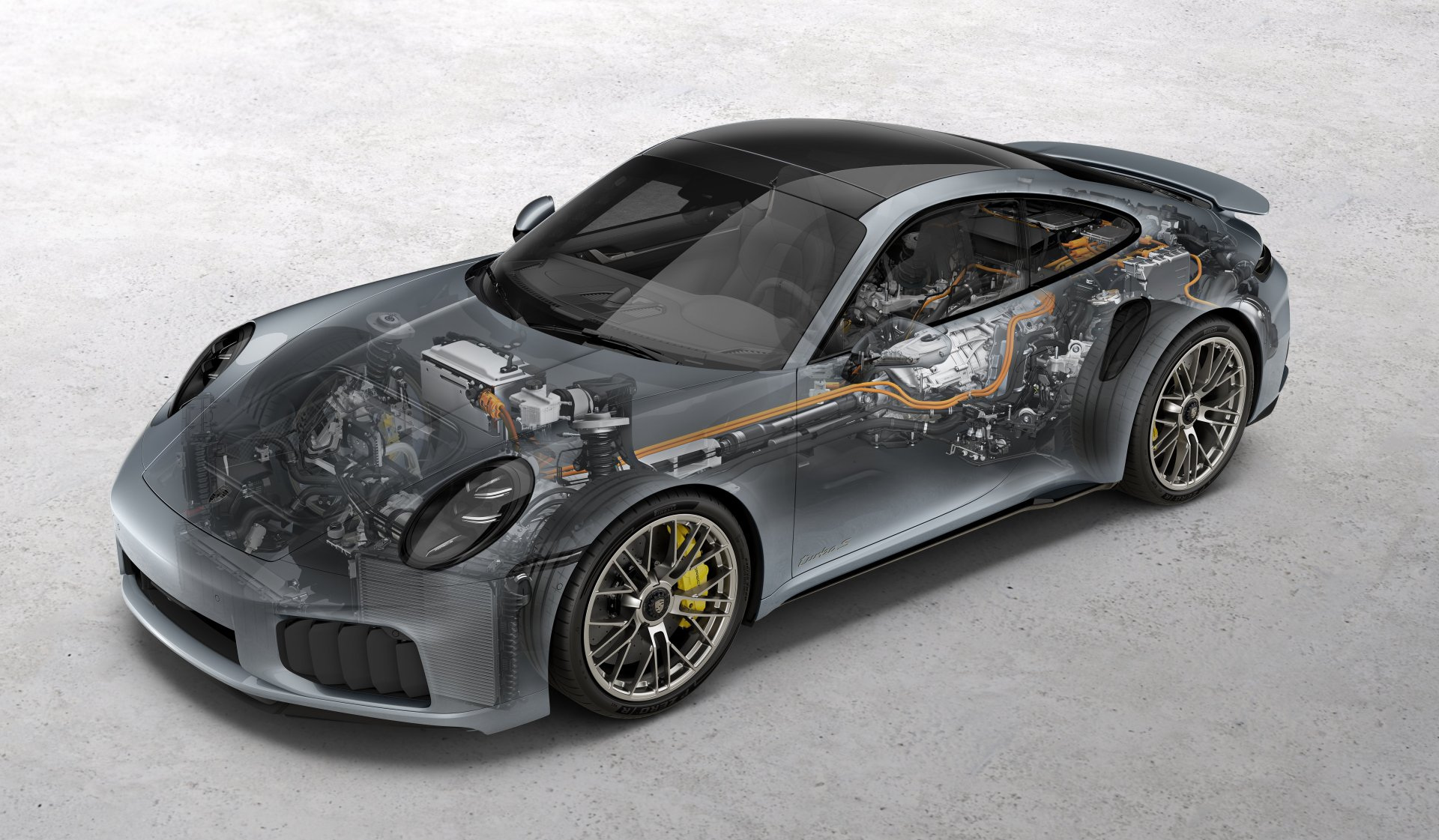
The new 911 Turbo S keeps a familiar outline while reorganising the machinery within it. The photographs still give the eye a low nose, a broad rear body and a wing above the tail. The technical illustrations reveal the larger change: electrical assistance distributed between the turbochargers and the transmission. The car is most interesting where those two accounts meet.
A familiar shape, another system
Porsche’s current international model information lists a combined output of 523 kW, or 711 PS. Its 2026 technical account describes a twin-turbocharged 3.6-litre six-cylinder boxer engine working with the T-Hybrid system. These are specifications for the current generation, rather than figures carried over from the earlier Turbo S.
The distinction matters because a recognised name can conceal a substantial change in architecture. A reader looking only at an exterior view might begin with continuity: the roofline, the stance and the placement of the cabin. The technical view asks for a second reading, focused on how energy is produced, managed and delivered within that established package.
Neither view is sufficient on its own. The exterior explains the visible organisation of the car; the system diagrams establish why familiar openings and volumes now serve a different powertrain. A useful presentation should move between them, retaining the car as a complete object while making the changes underneath its surfaces legible.
The rear body has a job to do
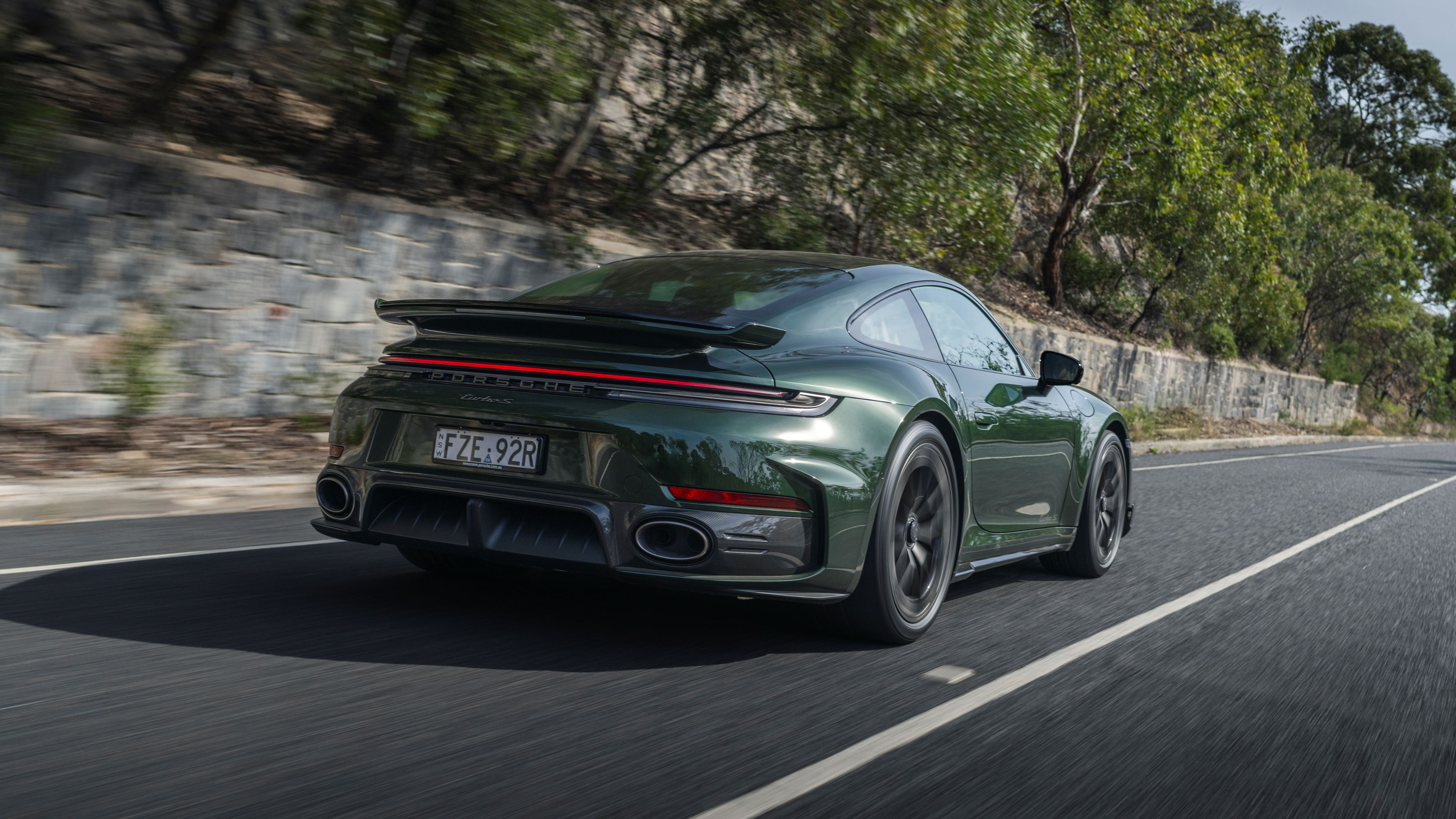
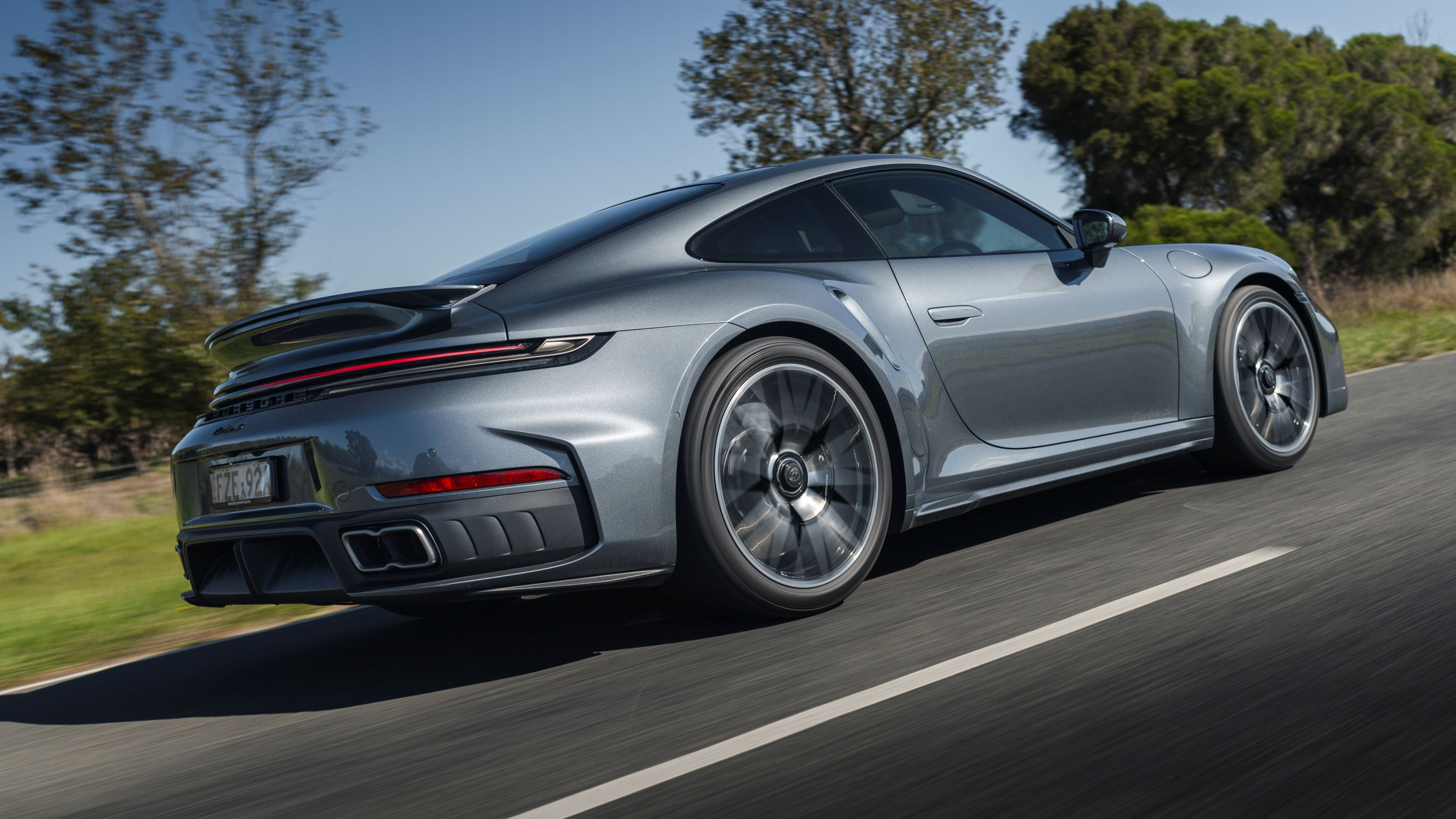
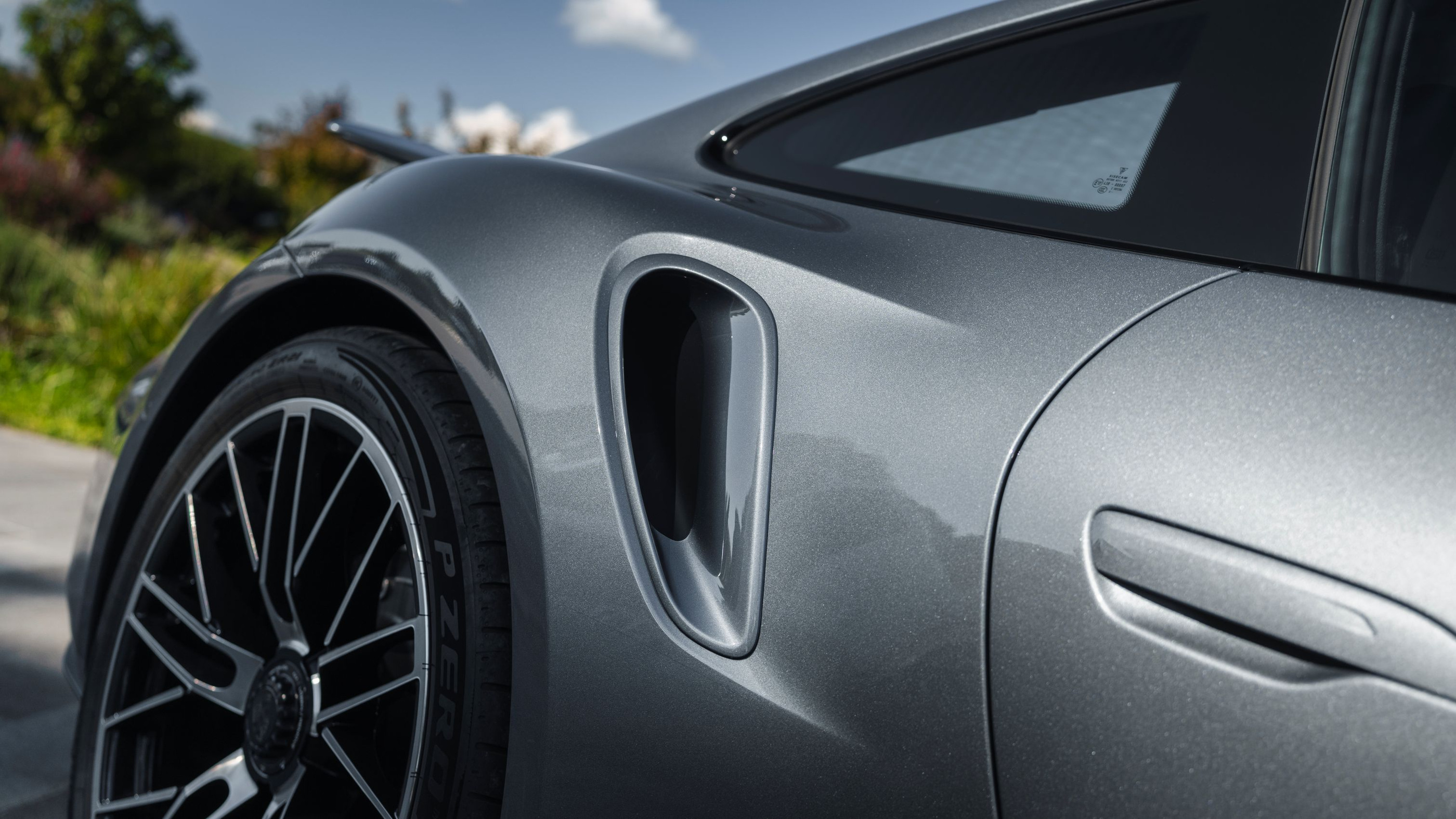
In the official moving photographs, the rear quarter is one of the clearest places to read the Turbo S. The wheel arch, the side intake and the upper body sit close together in the frame. Light travels across their different surfaces, making the transition from cabin to rear body visible without requiring a technical cutaway.
These features belong to a car whose powertrain is concentrated towards the rear. Their visual character can therefore be considered alongside the engineering account, rather than treated as a separate styling exercise. The intake and the wider body are parts of the complete object, with relationships to the components and flows that the diagrams expose.
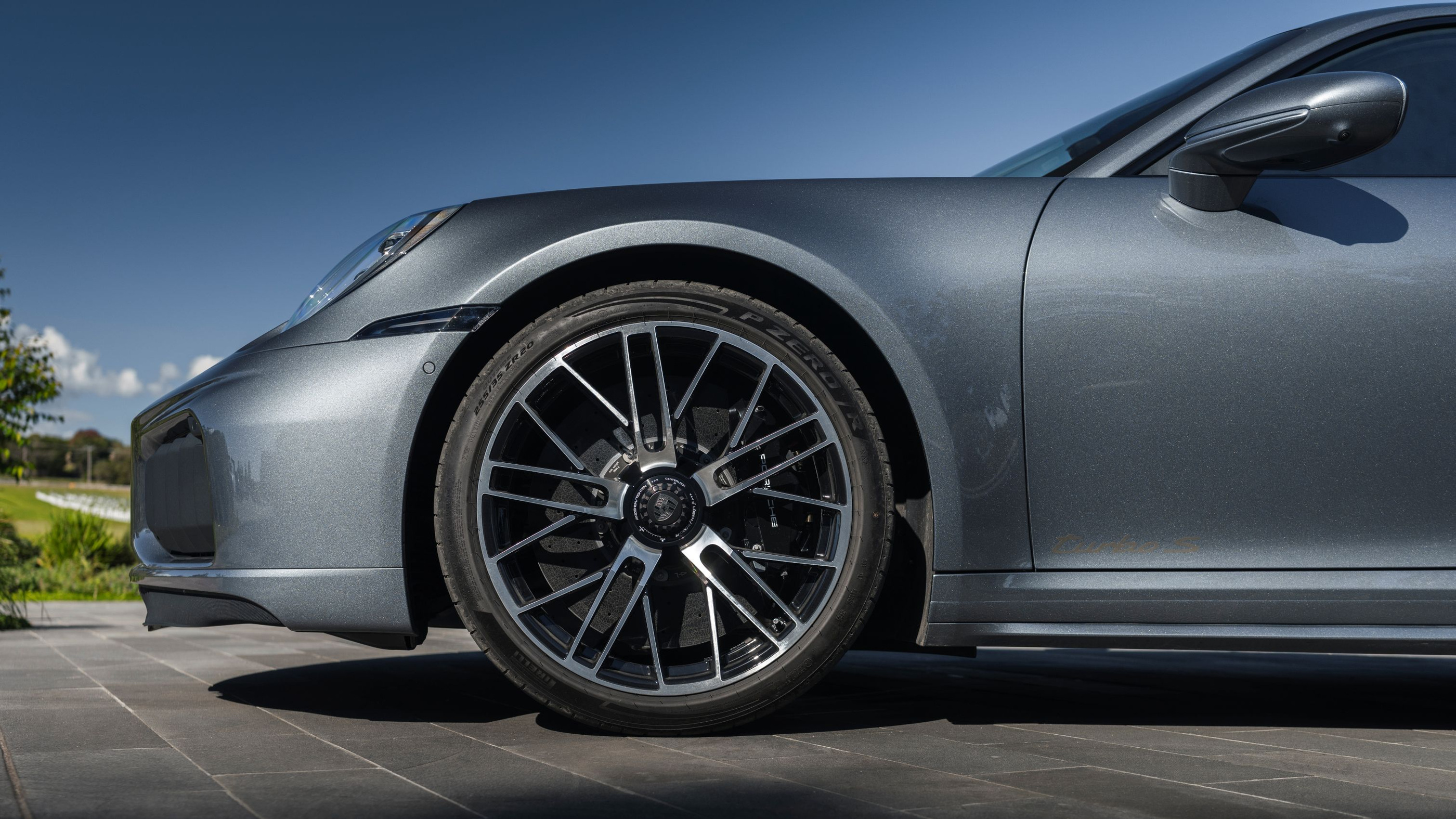
A wheel detail gives a different scale of information. It brings the tyre, rim and surrounding body into a smaller composition, while the wider photograph keeps the stance in view. Both are useful. One makes the local arrangement easier to inspect; the other shows how that arrangement contributes to the silhouette recognised as a 911.
Where electrical assistance enters
The decisive illustration is the eTurbo. Porsche describes an electric motor on the shaft between its turbine and compressor wheels. The system can use that motor to help the turbocharger respond, and can also recover energy through it under suitable operating conditions. The component has a role in both directions of the energy account.
The illustration gives this idea a physical location. It turns an abstract description of assistance into a particular assembly within the engine system. The value of showing it beside the complete car is explanatory: a reader can understand the change without losing sight of the object that must contain it.
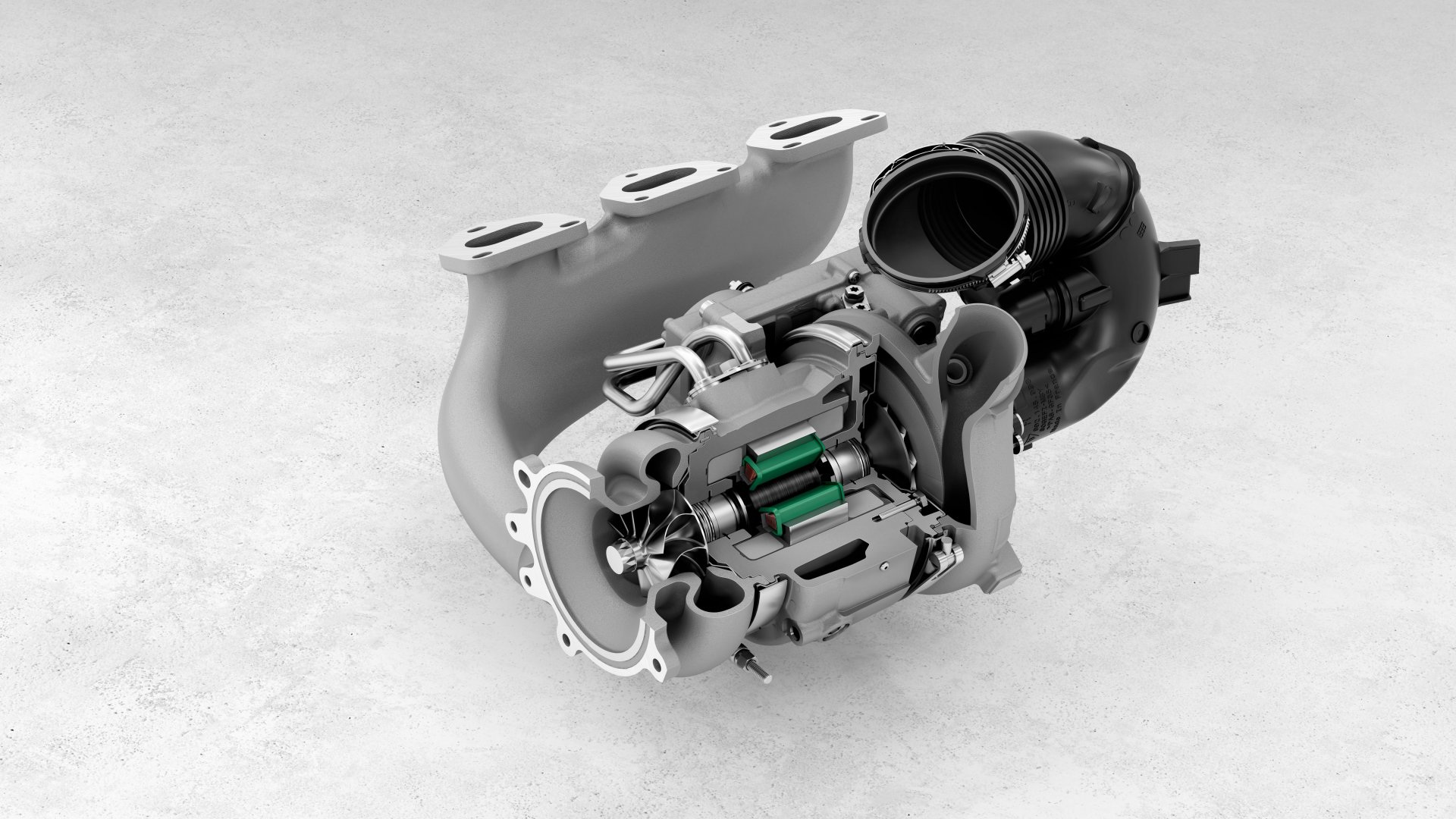
It also helps keep the vocabulary precise. Electrical assistance here is part of the powertrain’s behaviour, rather than a separate promise about a journey on battery power. The engineering question concerns how the system supports and manages performance. That question can be examined through the published architecture without inventing a driving impression.
The transmission joins the energy account
A further electric motor is integrated into the PDK transmission. Porsche’s technical material places the high-voltage battery at the front of the car and specifies a gross capacity of 1.9 kWh for the 400-volt system. Those locations help turn the hybrid description into a plan of components distributed through the vehicle.
The battery figure should be retained with its gross-capacity label. It is a different kind of information from a claimed electric driving range, and no range is inferred here. The same care applies to the motor and turbochargers: their individual roles should be understood within the system rather than presented as interchangeable examples of electrification.
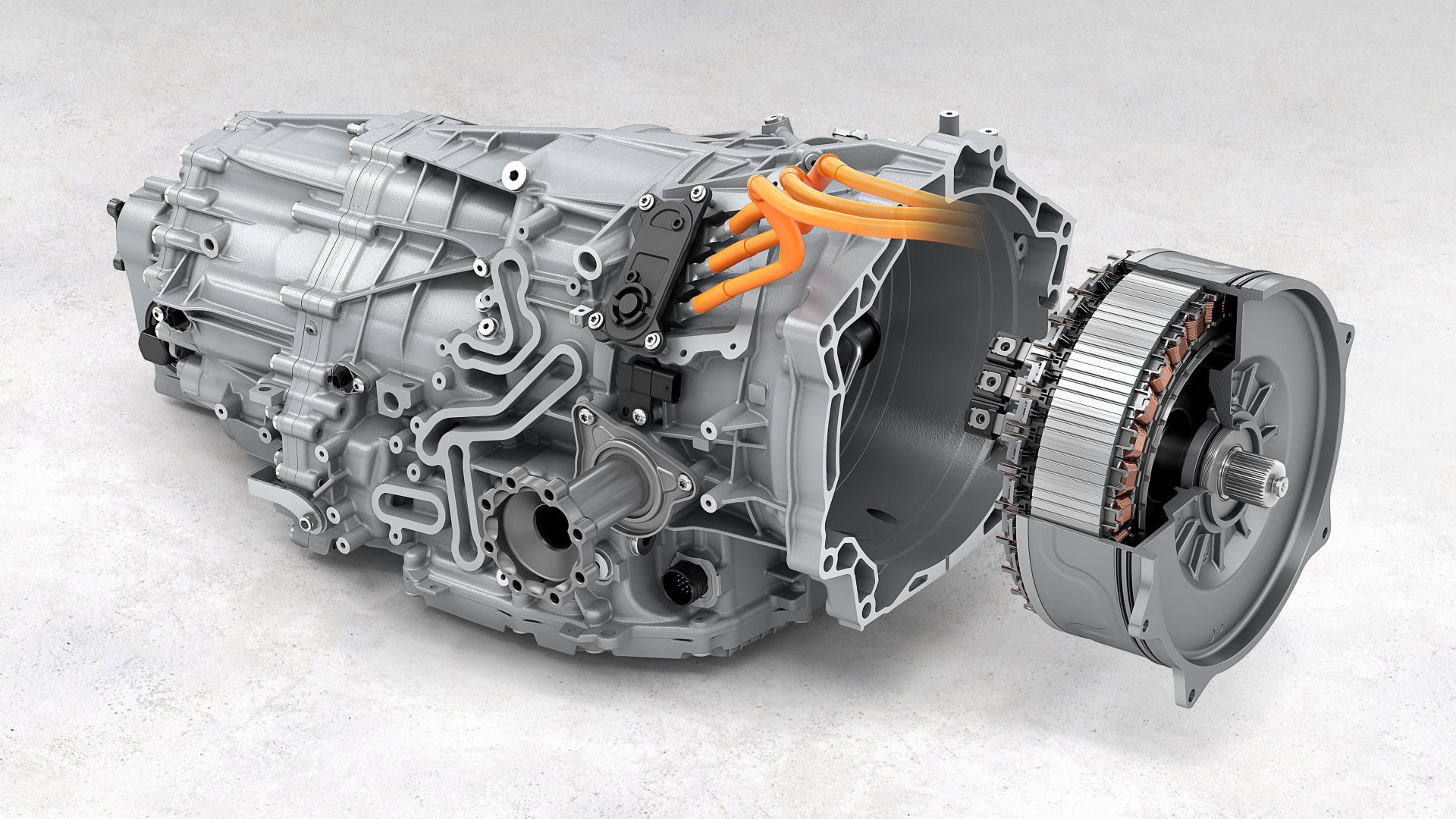
For an owner assessing the current car, this architecture is a useful starting point for questions about operation and service. A detailed explanation of the systems in the selected market specification is more informative than the hybrid label alone. The diagrams can make those questions better defined before any independent assessment of how the car behaves on the road.
The surface opens into the diagram
The official cutaway places the mechanical account inside the complete silhouette. It lets the reader move from a familiar side view to an arrangement of components, while retaining a sense of where the passenger compartment sits in relation to them. That is the strongest use of an engineering visual: it explains location as well as function.
The exterior photographs then return the attention to the closed object. They show that the engineering changes still have to coexist with a coherent body, a recognisable cabin and the practical demands of a road car. The relationship between these two views is more durable than a single headline performance number.
Porsche publishes separate figures for different body styles. The 2.5-second acceleration claim from 0 to 100 km/h in the referenced 2026 account is explicitly for the Coupé. It remains a manufacturer figure, with that body-style distinction attached. The photographs in this article show the current Turbo S family; their captions do not assign every view to one variant.
The figures need their labels
| Published reference | Correct reading | Why the distinction matters |
|---|---|---|
| 523 kW / 711 PS | Combined system output | PS should not silently become a different horsepower unit |
| 3.6-litre twin-turbo boxer engine | The combustion engine’s configuration | The current system is more specific than the Turbo S badge |
| Electrical assistance at the eTurbos | A role within the turbocharger assemblies | Its function differs from the motor in the transmission |
| Motor integrated into PDK | A further part of the hybrid architecture | The electrical system has several physical locations |
| 1.9 kWh gross, 400 volts | Published high-voltage battery references | Battery capacity alone does not establish an electric range |
| 0–100 km/h in 2.5 seconds, Coupé | Porsche’s body-specific performance claim | It is not an independent driving test or a universal variant figure |
The Luxe Digital view
The Turbo S is most revealing when its familiar silhouette is read alongside the system it now contains. The exterior supplies continuity, while the technical material shows a different arrangement of assistance, recovery and power delivery. That relationship gives the current model a substantial subject beyond its output figure.
The useful sequence begins with the whole car, moves into the turbocharger and transmission, and returns to the body with those locations in mind. It makes the manufacturer’s design and engineering account easier to examine. A drive would answer another set of questions. This source-led reading establishes the architecture those questions should address.
The Turbo S is most revealing when its familiar silhouette is read alongside the system it now contains.
Sources & credits
Sources and methodology
Independent editorial analysis of the documented product and official source imagery, checked on 14 October 2026. Visual interpretation is distinguished from manufacturer specifications. No visit, drive, handling session or independent performance test is implied; exact references and historical dates are retained.
- Porsche AG — source 1: Current model and combined523kW/711PS output.
- Porsche AG — source 2: Current2026technical account,body-specific Coupé claim and official photographs/technical illustrations.
- Porsche AG — source 3: Official2026press kit corroboration;USunits not conflated withPS.