Before a painting changes hands, rooms or continents, its physical state deserves a clear record. A condition report gives that conversation a reference point. Its usefulness lies in careful description, dated images and an explicit scope: what was examined, by whom, and under which circumstances.
A report belongs to a particular moment
The Canadian Conservation Institute describes condition reporting as a way to document and follow the state of a painting and its frame. The practical consequence for a collector is that a report has a date and a purpose. A document prepared for a previous loan is useful history, but the next move may call for a new examination appropriate to the current object and journey.
Ask what the commission includes before asking for a price. Does the specialist examine the painting and frame together? Will the reverse be accessible? What viewing conditions are expected? Which observations will be supported by images? An intelligible brief helps the professional explain the scope of the examination and the owner understand its limits.
There is also a useful distinction between arranging an examination and preparing an object for it. Owners should not remove an unfamiliar backing, unframe a work or handle a vulnerable surface simply to complete a form. Describe access constraints in advance and let the professional specify the arrangements. An efficient appointment begins with the right people and equipment, not an improvised intervention.
Make description and interpretation legible
A reader should be able to distinguish an observed feature from an explanation of its possible cause. If a report identifies a mark, the image and description should allow the reader to find it. If a conclusion is provisional, that uncertainty belongs in the document. A beautifully designed PDF cannot compensate for a sentence that leaves the location or significance of an observation unclear.
Our editorial preference is for a consistent orientation and a visible link between each annotated image and the complete work. Ask the specialist how they organise those references. The objective is not for the owner to conduct a technical diagnosis. It is to make the professional’s observations usable by the people authorised to handle, lend, display or care for the painting later.
Keep the reporting vocabulary appropriate to the material. The Institute’s publication concerns paintings; it should not be presented as a universal examination protocol for watches, jewellery, furniture or digital works. Those objects require their own expertise. Across categories, the administrative principle survives: retain the identity, date, scope and author of an assessment, and do not silently generalise its conclusions.
Connect the document to a decision
A report becomes useful when its intended audience knows what to do next. A proposed loan, a purchase enquiry and a planned treatment are different decisions. Ask the commissioned professional to identify which question the report addresses and whether a separate recommendation or treatment proposal is needed. The existence of an assessment does not itself authorise work on the object.
Consider a hypothetical painting intended for a second residence. The owner may need to coordinate an examination, a transport plan and a display proposal. These can be related without being collapsed into one document. Ask each provider what information they need from the others, and agree who will close the loop before movement is scheduled. This is an organisational example, not advice about the suitability of any particular painting for travel.
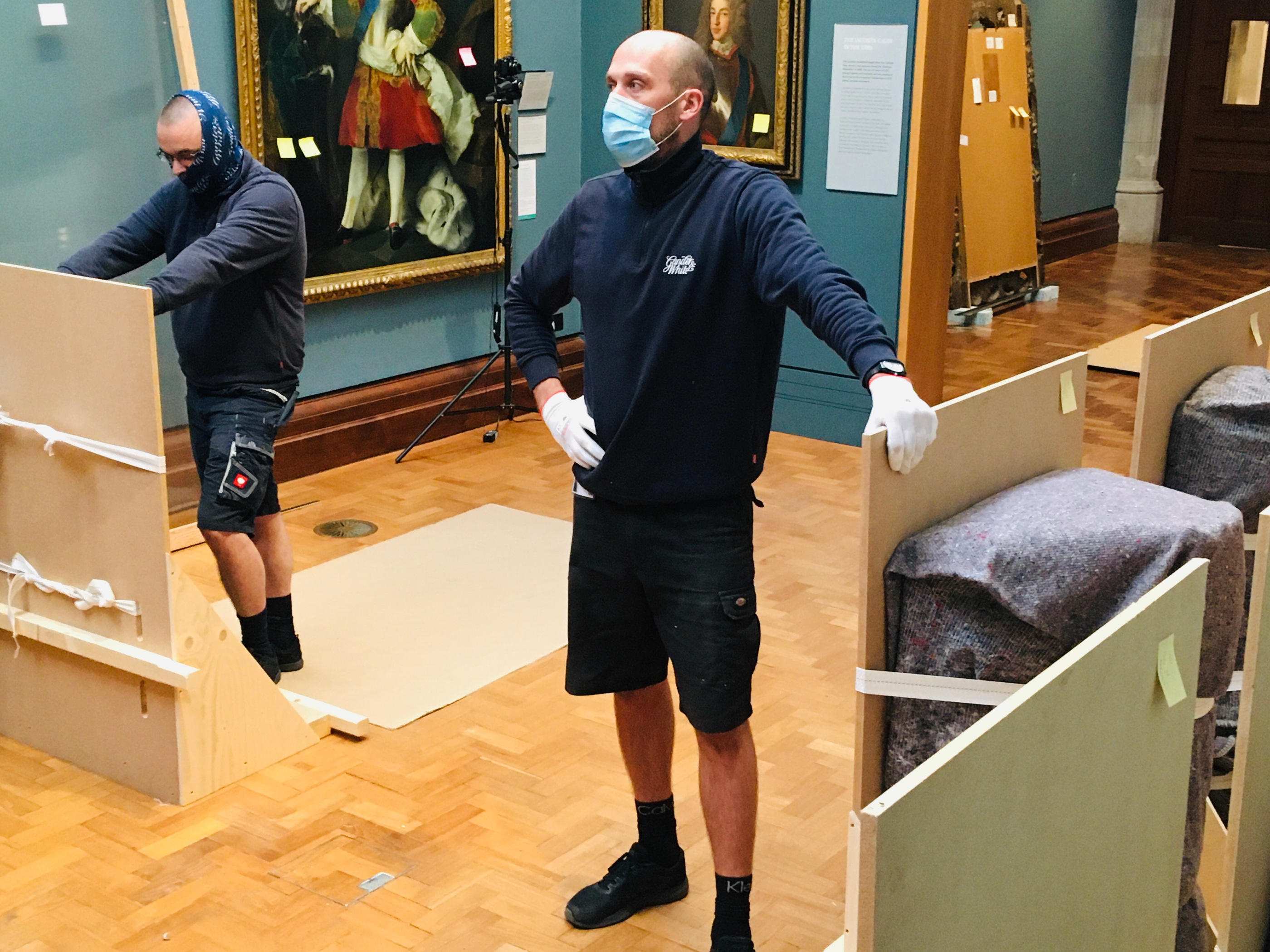
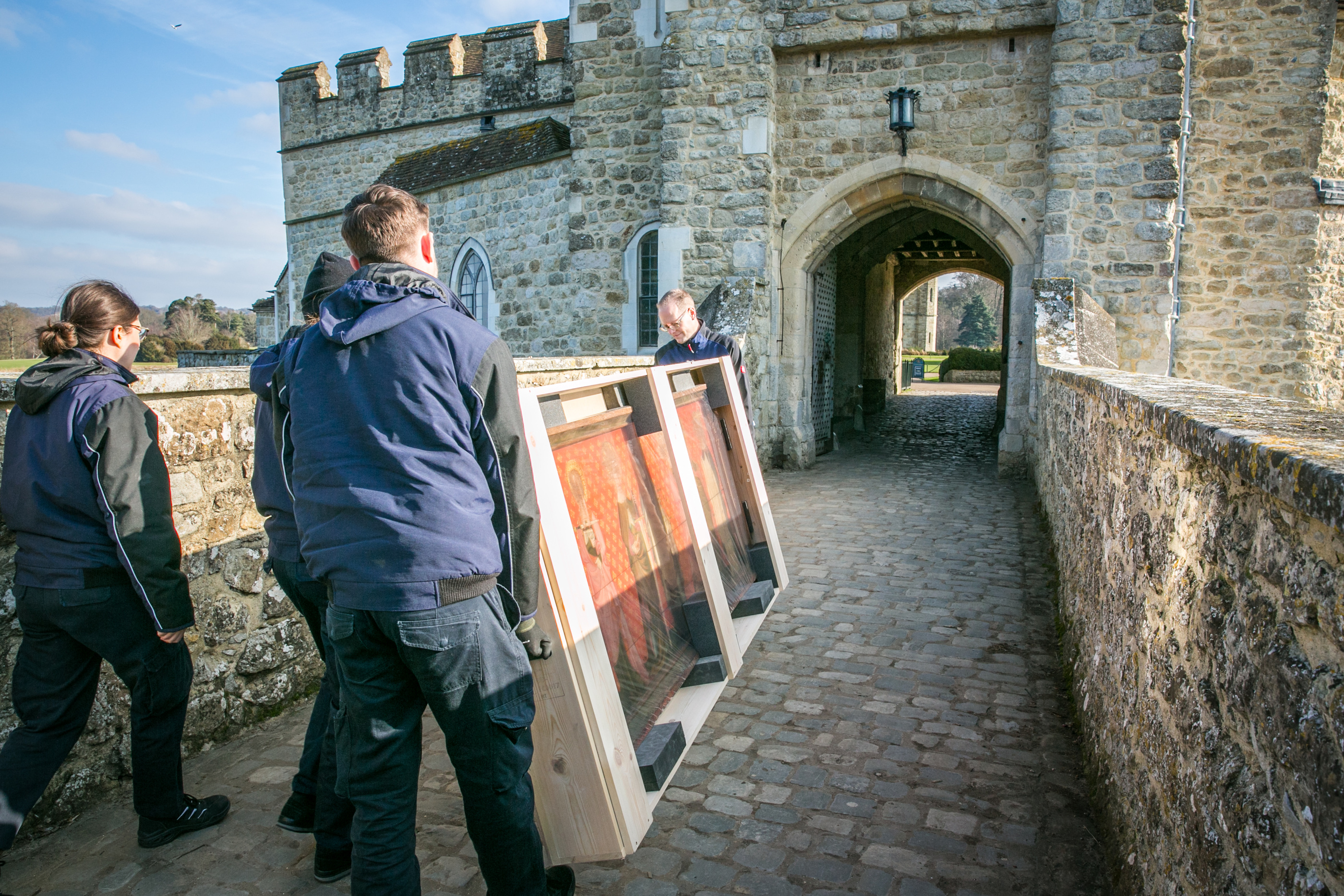
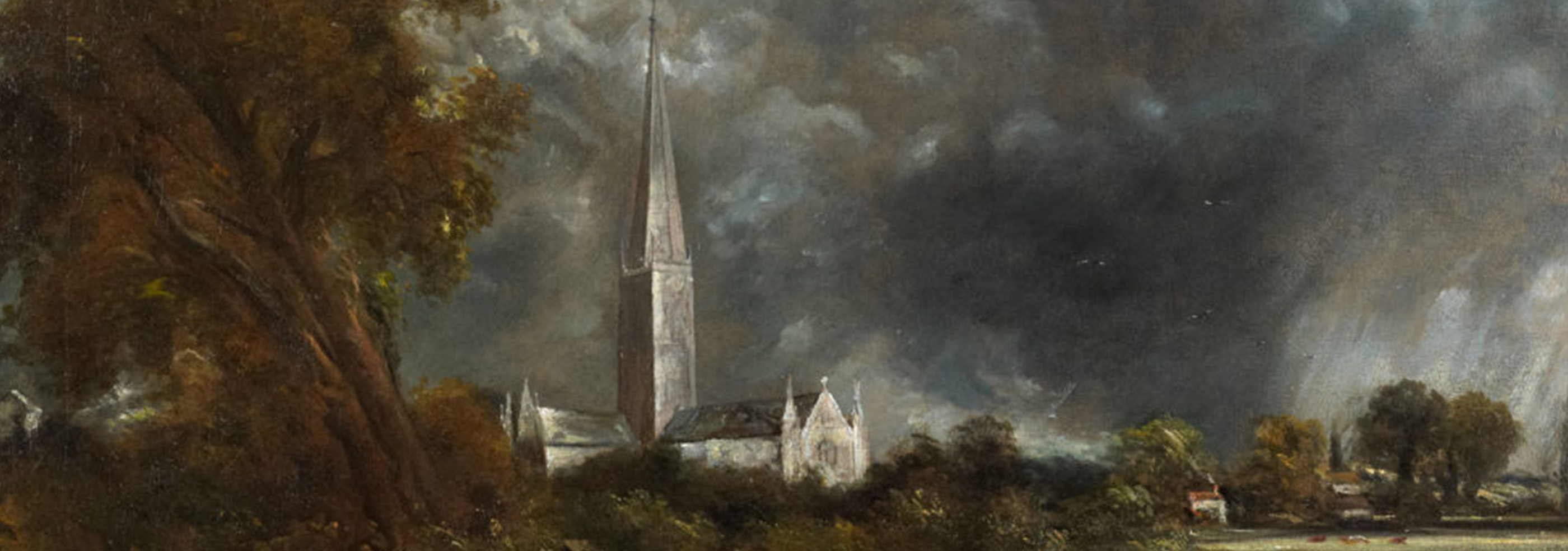
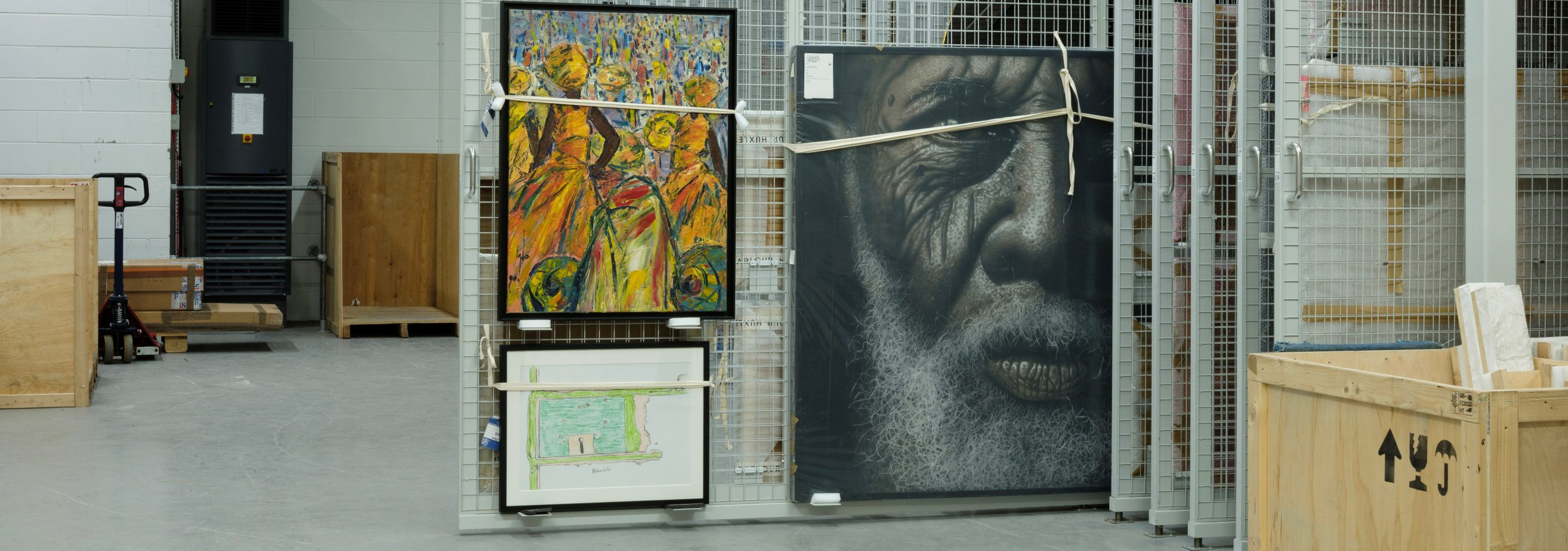
The photographic illustrations in this article show named official collection and art-handling contexts. They do not document damage, certify the condition of an object or establish the treatment it requires. That distinction matters in an image-led magazine: a striking close-up should never acquire a diagnostic meaning simply because it appears beside an examination checklist.
What to ask before commissioning
| Question | Useful clarification | Record to retain |
|---|---|---|
| Which object and components? | Exact identity and examination boundary | Commission and object reference |
| For which decision? | Acquisition, movement, display or another stated purpose | Written scope |
| Under which conditions? | Access, viewing arrangements and limitations | Examination notes |
| Who receives the result? | Authorised recipients and required format | Distribution instruction |
| What happens next? | Further examination or separate proposed work | Dated follow-up decision |
The table is a commissioning aid. It does not prescribe a conservation method or replace the professional’s judgement. Its purpose is to prevent a familiar administrative problem: a useful document reaching the right people too late, or being asked to answer a question outside the work that was commissioned.
Ask how corrections will be issued. If an object reference is transcribed incorrectly, retain the original version and the corrected issue with a clear relationship between them. If a later examination adds new information, record it as a later examination. A sequence of dated documents is easier to interpret than a single file that changes without a history.
Keep the images and the report together
Decide whether the delivery includes separate image files as well as the report. A compressed picture inside a PDF may be convenient for reading but unsuitable for another agreed purpose. Ask about file naming, image references and the permitted sharing of commissioned material. Keep those arrangements with the report so that future administrators do not need to reconstruct the original conversation.
Within the collection record, attach the report to the exact object and preserve its date. Add an administrative note explaining the event that prompted it and where the original files are held. If a report covers a group, make that scope visible from each relevant item. Avoid extracting one reassuring sentence and allowing it to circulate without the qualifications around it.
Finally, agree when the document should be revisited for the next intended use. This need not be an arbitrary annual exercise. The relevant professional can explain whether a change in circumstances calls for another assessment. The owner’s contribution is to keep the record available, disclose what has changed and ask a specific question rather than assuming that an old report remains sufficient.
Agree the delivery before the examination
Ask the specialist to explain the proposed deliverable in advance. Will the report include a complete reference image, annotated details and a statement of limitations? Which files will be supplied separately? A short example or description can resolve misunderstandings before the appointment, particularly when the document is intended to be shared with another professional working on the same project.
Make the recipient list part of the instruction. If a lender, transport provider or another adviser expects a particular format, raise that requirement while the scope is being agreed. The commissioned professional can explain whether it is appropriate and whether additional work is necessary. A document designed for one purpose should not acquire a new purpose through informal forwarding.
Retain the commission and correspondence that explain the report’s context. A future administrator may see the findings without knowing which surfaces were accessible or which question prompted the examination. Keeping those arrangements together makes the record more intelligible. The objective is not a larger archive for its own sake, but a small, complete history of the decision and the professional work supporting it.
The Luxe Digital view
A condition report is most valuable when it remains attached to its purpose. Commission a clear examination, preserve the images and the qualifications, and organise the next decision around the actual findings. Careful administration cannot replace specialist knowledge, but it can ensure that specialist knowledge reaches the people who need it.
A condition report is most valuable when it remains attached to its purpose.
Sources & credits
Sources and methodology
Independent editorial analysis of the identified primary records and official imagery, checked on 15 October 2026. Project and product descriptions are attributed to their publishers; commissioning frameworks, hypothetical scenarios and editorial judgements are LuxeDigital’s own analysis. We did not visit, purchase, test or audit the illustrated installations, services, software or passport flows. The scope is general editorial information. It does not establish private ownership, authenticity, condition, insurance cover, personal suitability or a provider’s future performance. Images retain their identified subject and context; illustrative product photographs are not private collection evidence.