A room’s relationship with daylight changes while its furniture stays still. Morning privacy, a bright afternoon and the wish to keep a view open create different demands at the same window. Motorised shading becomes more useful when those situations are described before anyone gives a scene an elegant name.
Describe a day at the window
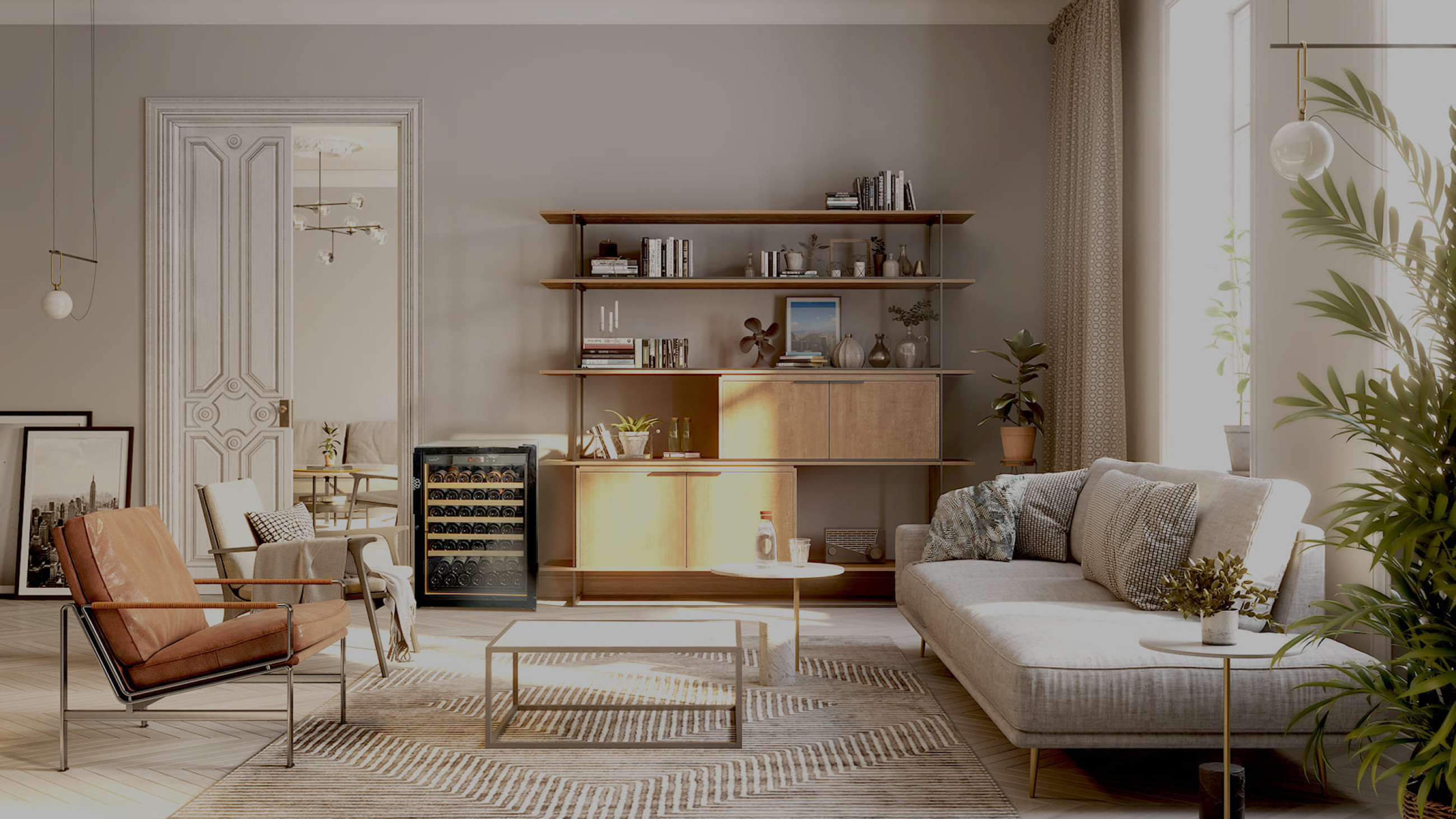
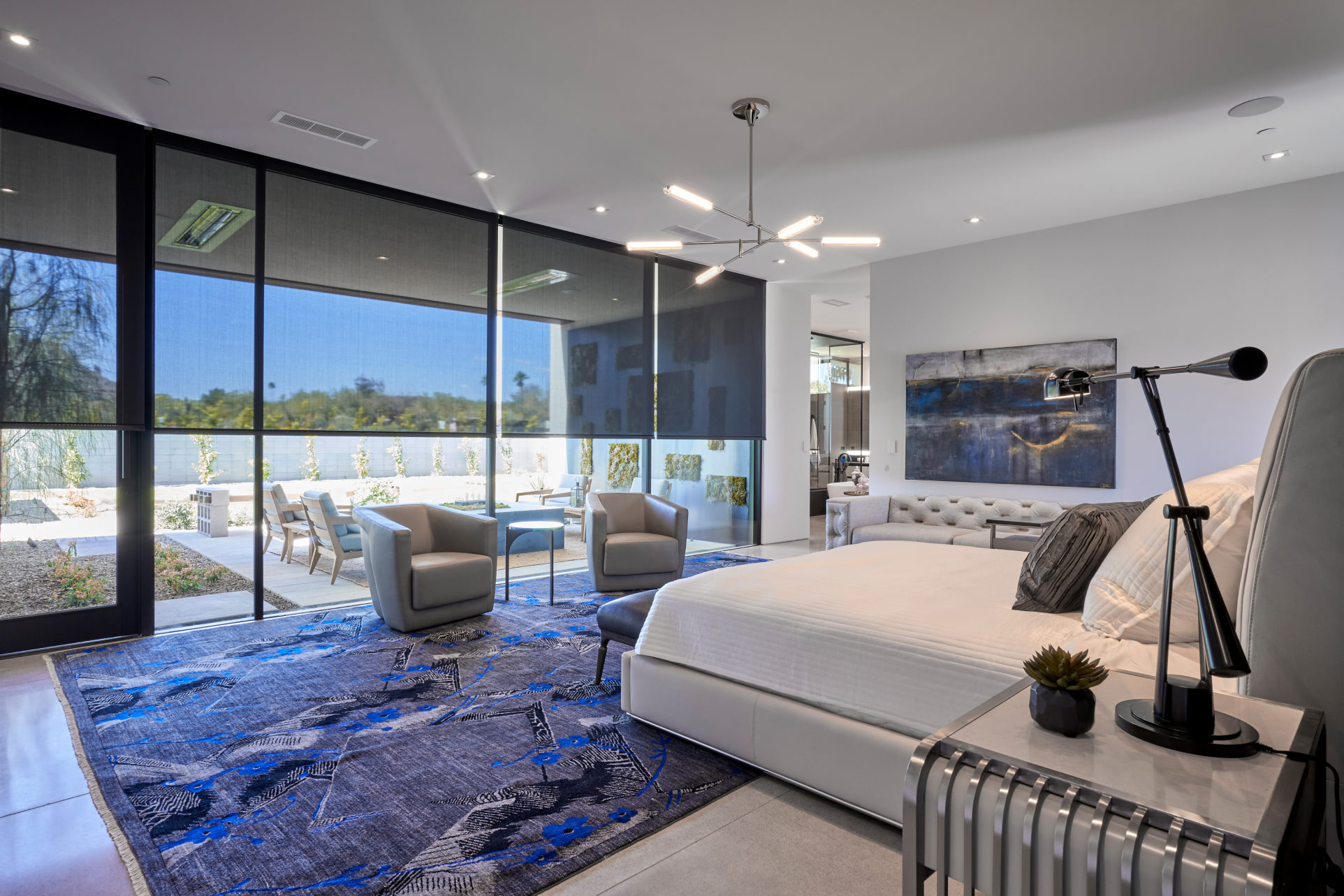
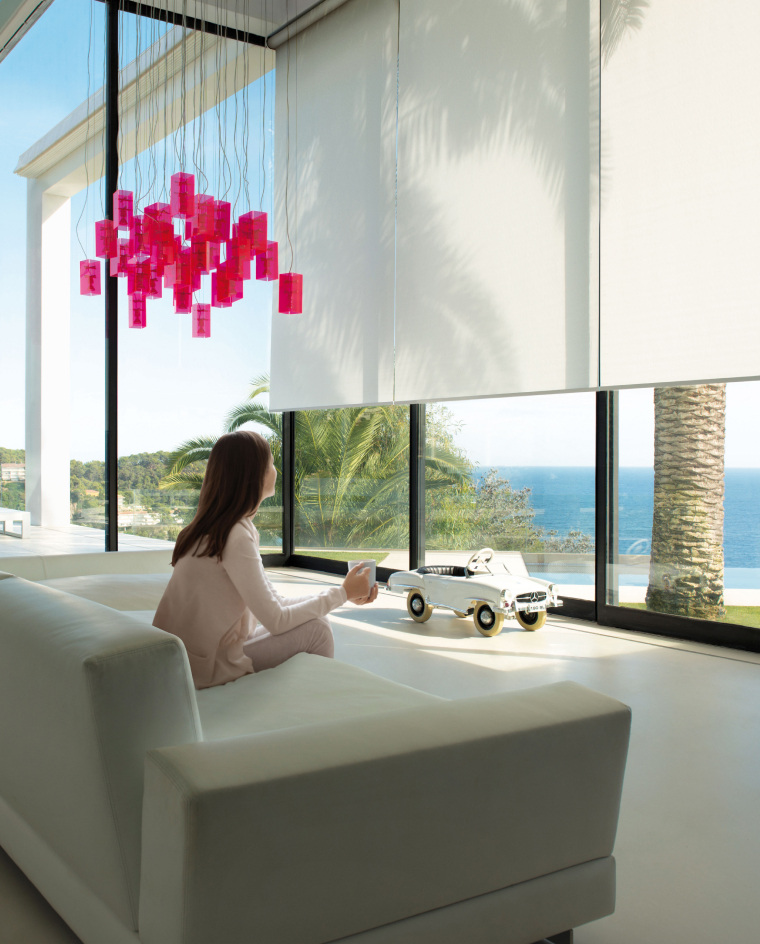
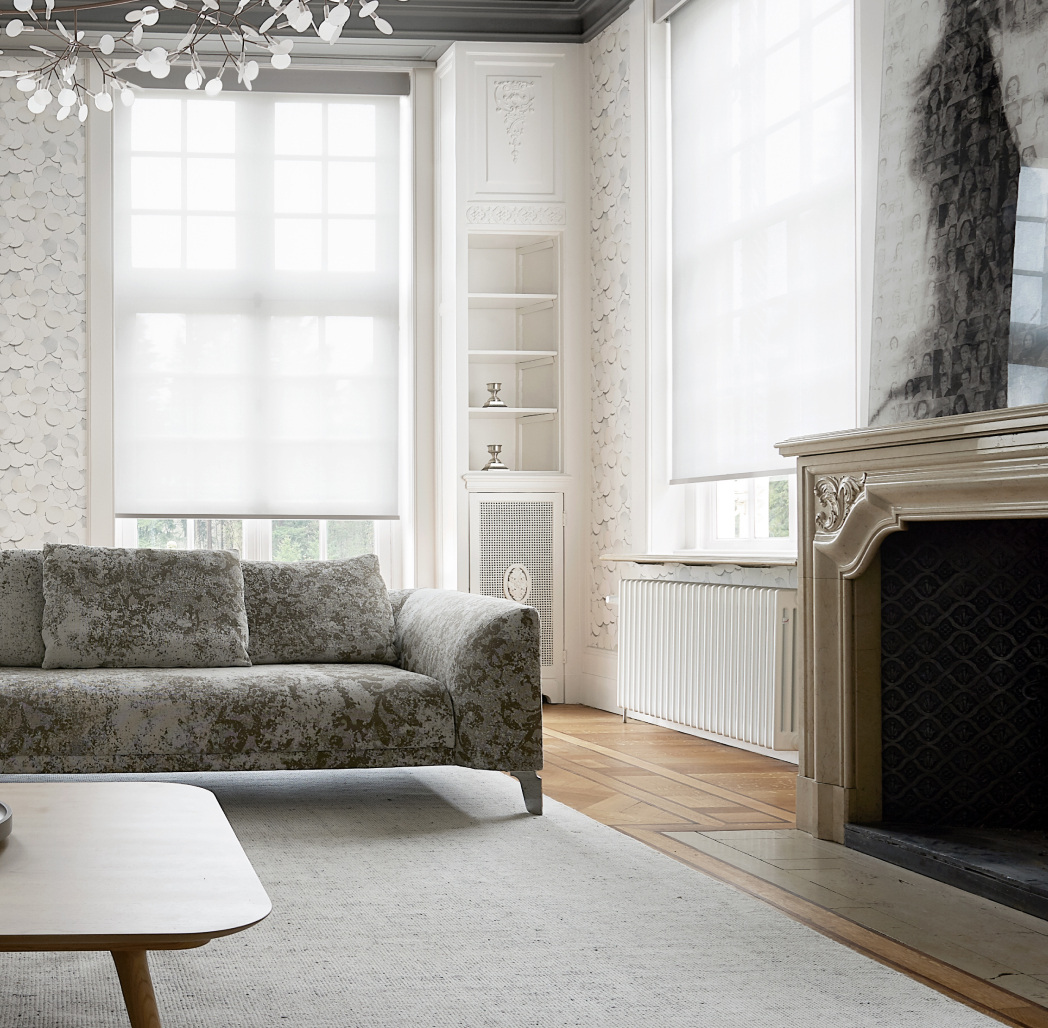
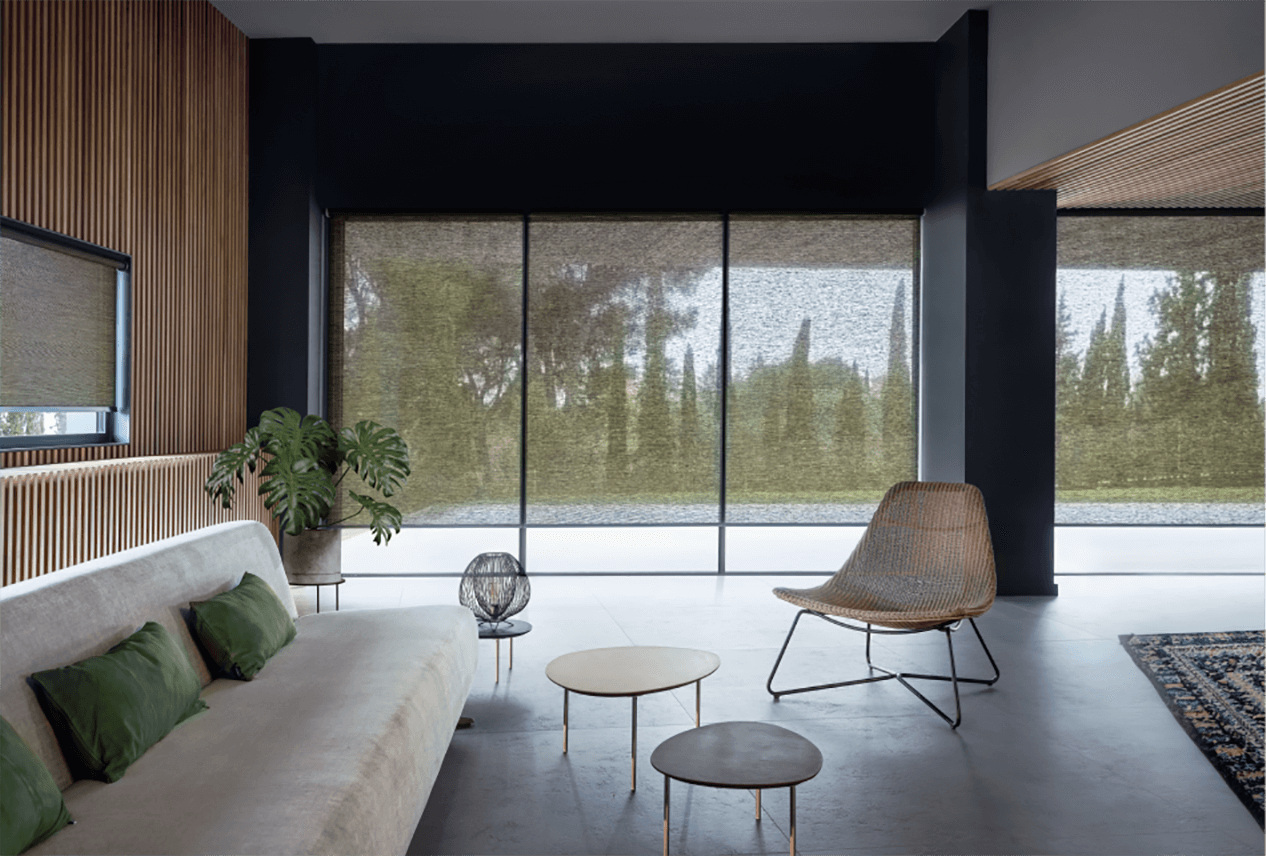
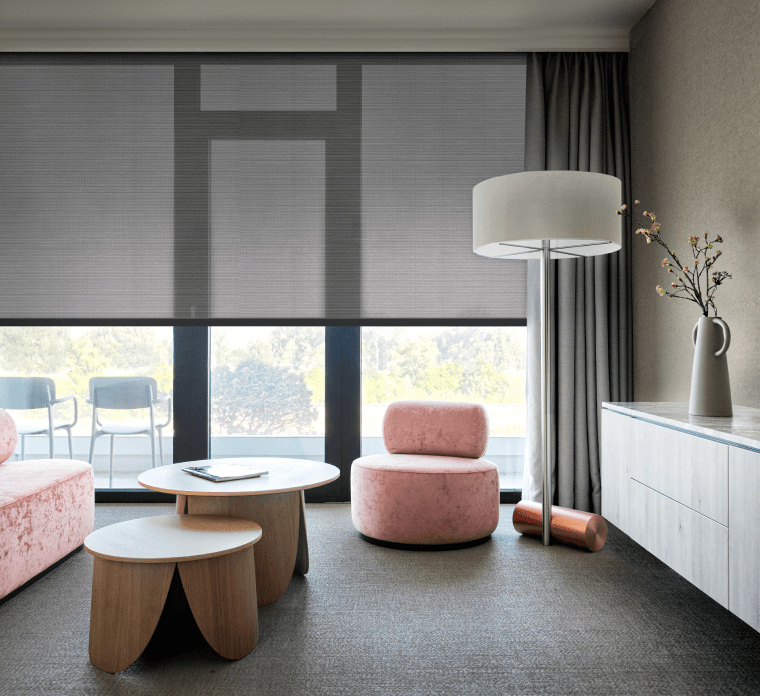
Crestron’s official shading material presents motorised shades and drapery operated from remotes, keypads and mobile devices. It also describes integrating shading with other functions. That is the product proposition behind this guide. The images are manufacturer-published illustrations, rather than evidence of a measured installation or an account of a home we have visited.
Begin the brief with rooms and occasions. A bedroom at first light poses a different question from a sitting room used during the afternoon. Write down who occupies each space, when the view matters and when privacy becomes the priority. A proposed routine should be understandable before it is translated into a control arrangement.
Use ordinary descriptions. Someone wants to read beside the window without losing the outlook; another person wants a private room when the lights are on. These are needs to discuss, not promises that a particular fabric or automation setting will satisfy them. The installer and designer can then explain how the actual window, surroundings and selected products affect the result.
Do the exercise for each relevant position in a room. The person at a desk and the person sitting across from it may encounter the same glazing differently. A plan marked with a few occupied viewpoints can communicate more than a long list of technology preferences. It also gives the household a way to review the proposed solution together.
Choose fabric for a defined task
Crestron’s shading manual distinguishes sheer or light-filtering fabrics from blackout options. These categories describe different intentions, rather than a ranking in which one is automatically more luxurious. The right discussion concerns the task at the actual window and the specification of the proposed assembly.
A sample helps establish colour and texture, but it cannot reproduce every relationship between a large window, the surrounding light and the room. Ask the supplier how to assess the chosen material in the intended conditions. If privacy is central to the brief, explain the relevant viewpoints and times of day. If darkness is important, ask what the complete installation is designed to achieve, including its edges.

Keep the fabric identity attached to the decision. Similar-looking samples may not be the same material, and a name remembered from a showroom visit is a weak reference for a later order. Retain the supplier’s exact description and the configuration being proposed. This is useful both when confirming the commission and when a future service enquiry needs to identify what was installed.
The surrounding interiors should enter the same conversation. A fabric can relate to wall colour, furniture and the view without being chosen solely as a decorative finish. The most coherent result brings the practical task and the room’s visual character together. Neither should have to be reconstructed from separate conversations after the order has been placed.
Treat the window edge as part of the product
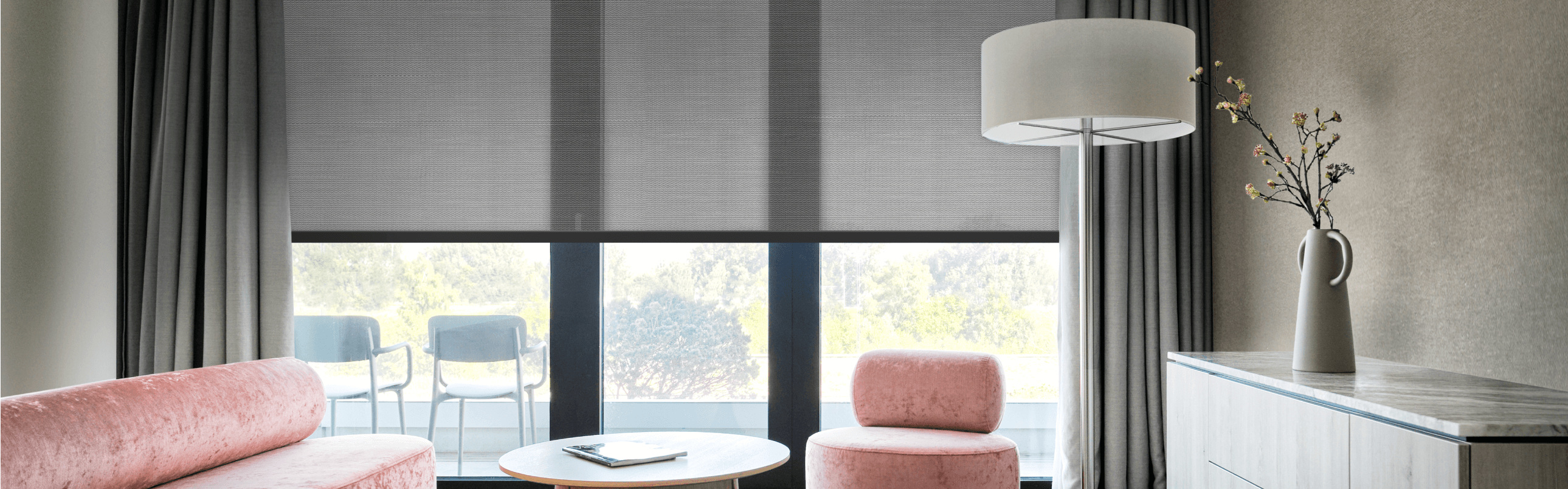
Crestron’s July 2024 hardware account discusses the visible mechanics of a shade and the aim of giving them a more considered appearance. Its current material also shows several kinds of window treatment. The lesson for an owner is to identify the actual hardware and installation proposed, rather than assume that every product photograph shows the same solution.
Ask for a view of the whole window arrangement. Where will the shade sit when raised? Which parts remain visible? How does the proposal relate to the window frame, adjacent finishes and other treatments? These are questions for the responsible installer and designer to resolve with exact dimensions and product documentation.
The owner should also ask how the installation will be serviced. A beautifully concealed component still needs an appropriate access strategy. Establish which decisions must be made before surrounding work is completed and who coordinates them. No mounting method, clearance or electrical instruction is prescribed here; those belong to the actual system and qualified project team.
Make control understandable to the household
A control arrangement is successful only if the intended users can understand it. A household may prefer a local control for an immediate adjustment and a broader scene for a repeated routine. Ask the integrator to demonstrate the proposed behaviour rather than infer it from an app screenshot or a list of supported devices.
Describe what a control should do in terms of the room. The label should help someone anticipate the result. A visitor should not need the commissioning history to understand a basic adjustment, while more specialised routines can remain part of the owner’s introduction. The useful level of complexity depends on the actual household.

Discuss exceptions as well as the preferred daily sequence. What happens when someone wants a different position? How is the ordinary routine resumed? Which current instructions explain the operation of the selected configuration? These are matters to demonstrate with the supplied system. They should not be converted into general claims about every Crestron installation.
Decide what happens after installation
Crestron’s technical material identifies Digital QMT motors within the shading solutions it describes. That is relevant product information, but the owner needs to know the identity of the complete installation: fabric, hardware, motor and control arrangement. A single brand name is not a sufficiently precise service record.
Ask the installer to provide the applicable operating and care information and establish the service contact. Keep a dated account of the configuration and any subsequent changes. If responsibility is shared between an interior designer and an integrator, make the route for a future question explicit. The aim is to prevent a simple enquiry becoming a search through several people’s old messages.
At the introduction, follow the routines the household actually intends to use. This is the moment to identify a confusing label or an unexpected response and ask the project team to explain it. A handover should make the commission understandable in daily life, rather than merely mark the end of the installation appointment.
A brief the project team can use
| Topic | Describe before selection | Ask the responsible team to resolve |
|---|---|---|
| Room use | Occupied viewpoints and times of day | The proposed treatment for each window |
| Fabric | Privacy, view and darkness priorities | Exact material and complete installation behaviour |
| Appearance | Visible window edges and adjacent finishes | Hardware, raised position and coordination |
| Controls | Everyday adjustments and repeated routines | Demonstrated operation and understandable labels |
| Service | Who manages the property and future enquiries | System identity, instructions and contact route |
Use the table as a shared page for the commission. A requirement should lead to an answer that can be reviewed, with unresolved points clearly identified. It is not a technical design or a claim that all functions can be combined in every market or installation. The current product information and project team determine the appropriate solution.
The Luxe Digital view
The most convincing automation begins with a recognisable human routine. Motorised shades can become part of that routine when the view, privacy, material, controls and continuing service are considered together. The motor is only one part of the decision.
A clear brief gives the designer and integrator something better than an instruction to make the home smart. It explains how the household wants to live beside its windows and what it needs to understand after installation. That is the point at which an impressive demonstration can become a considered part of everyday life.
The most convincing automation begins with a recognisable human routine.
Sources & credits
Sources and methodology
Independent ownership and reference analysis of the named official records and imagery, checked on 15 October 2026. Launch specifications and later product records retain their own dates and references. Images show the identified configurations. Original visual and commissioning analysis of the exact official product/project records and identified images. No visit, interview, comfort test or performance measurement claimed. Existing projects retain their dates; product versions, showroom photographs, sample images and official visualisations are identified separately.