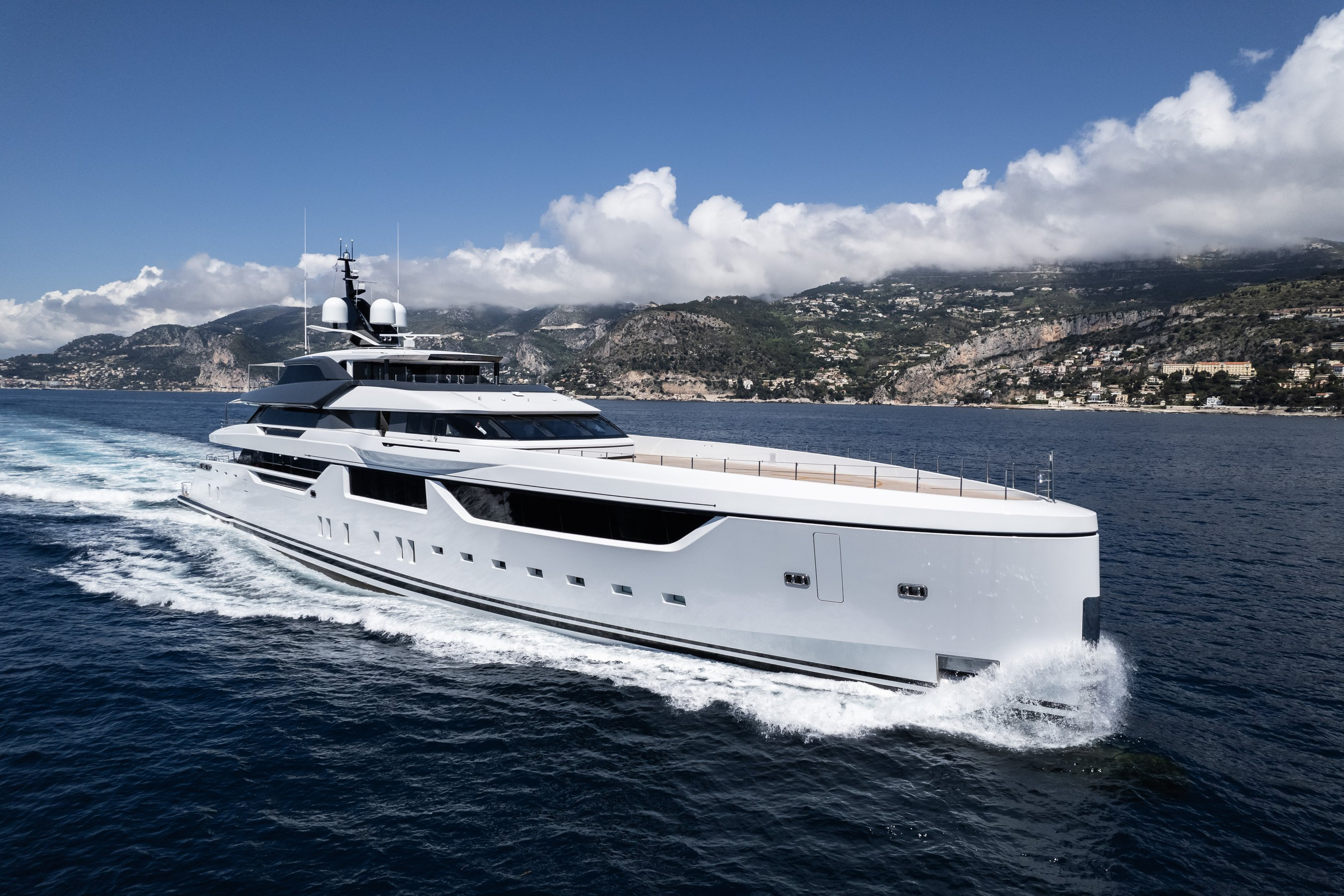
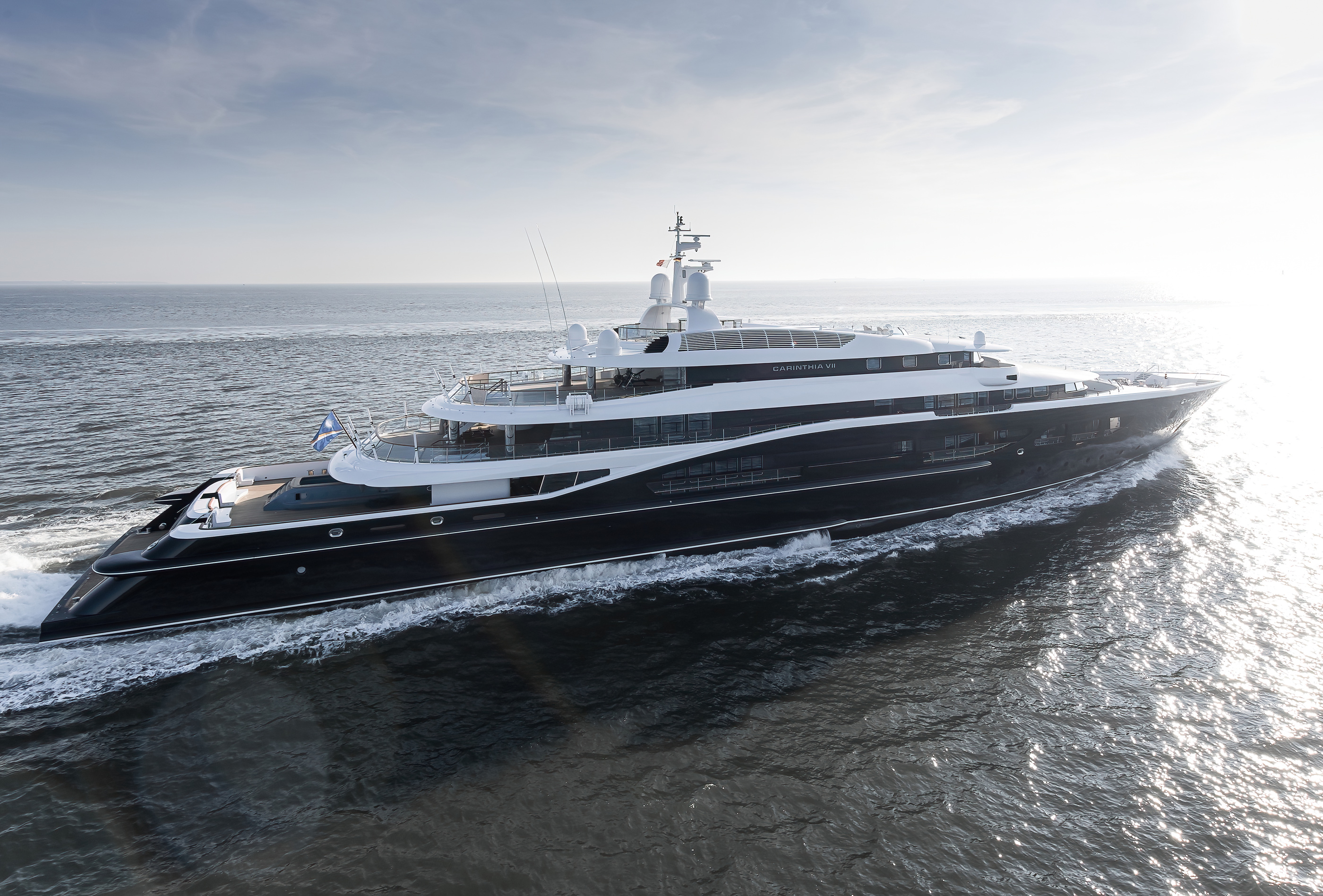
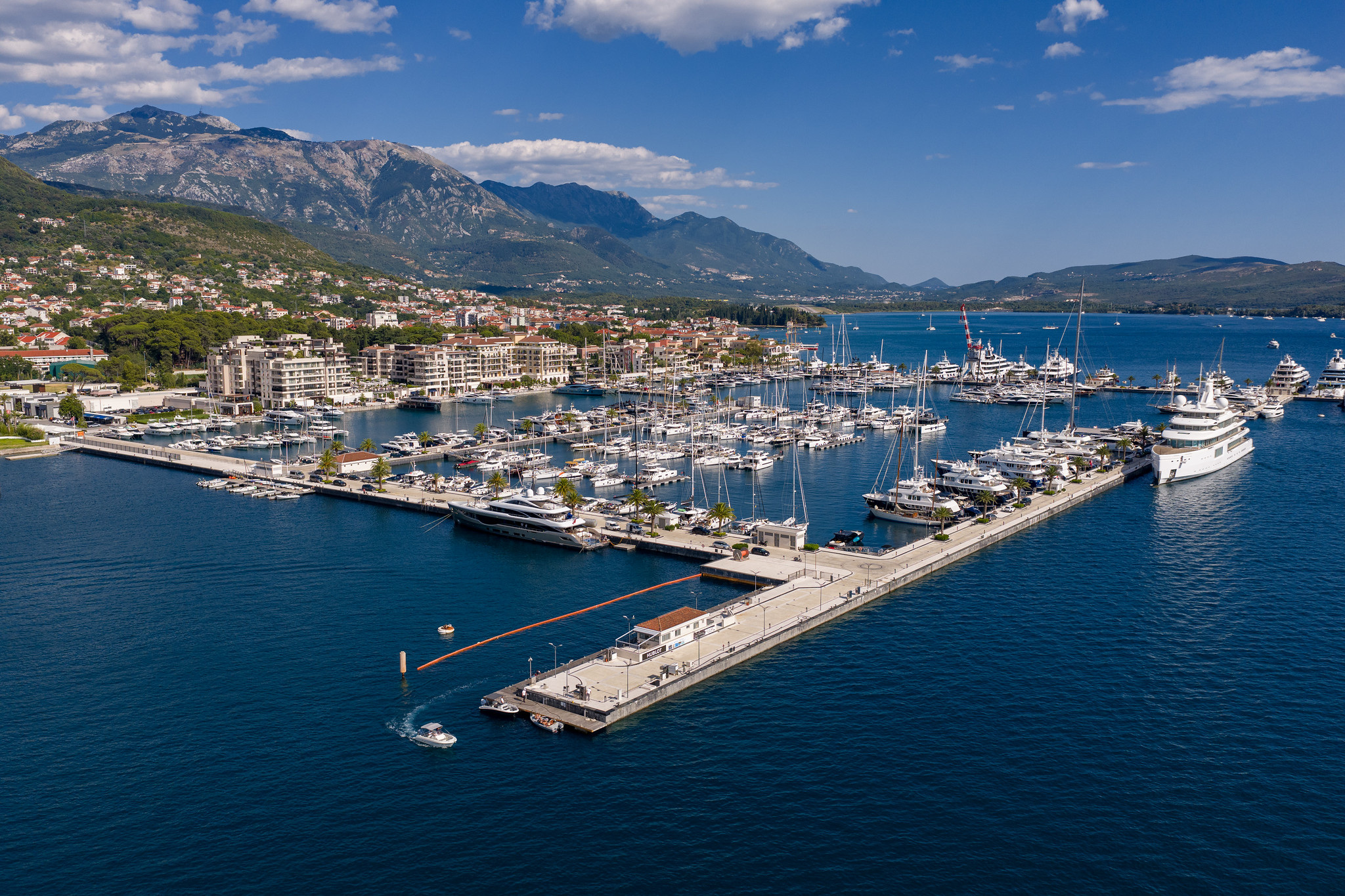
Montenegro compresses extraordinary drama into a remarkably intimate coastline. A yacht can wake beneath the mountains of the Bay of Kotor, linger off Perast and reach the open Adriatic without turning the week into a race. The secret is to treat the bay as the heart of the charter, not merely a passage on the way elsewhere.
Make arrival part of the pleasure
The Government of Montenegro publishes authorised border-crossing points and information for boaters. The captain and local agent should verify which maritime point is open and appropriate for the yacht, the operating hours, advance reporting and the documents required on the intended date.
Do not build a guest schedule around an assumed clearance time. Weather, traffic, document checks and authority availability can affect the process. Everyone's passport and any visa requirement should be checked before embarkation.
Treat the Bay as a destination
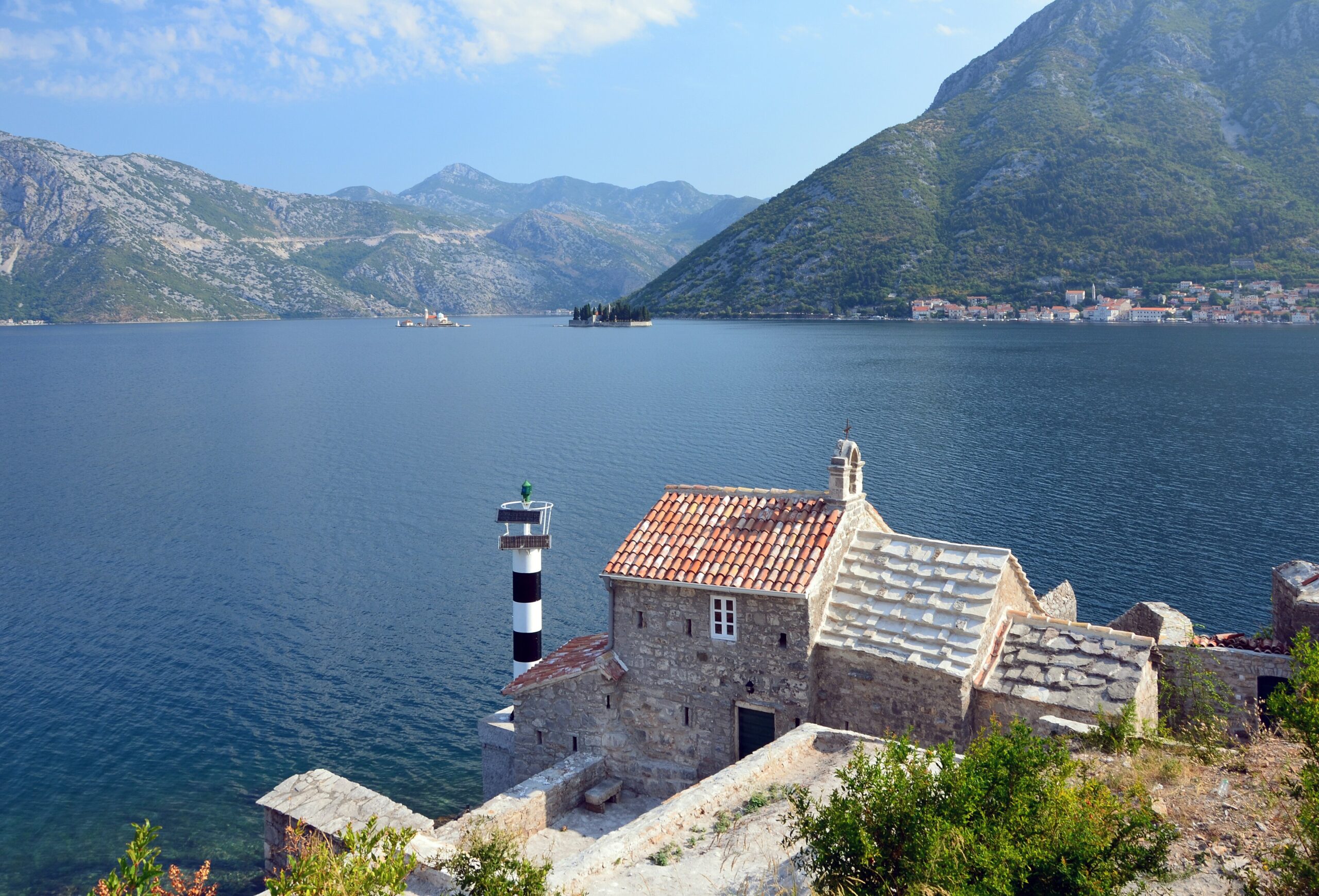
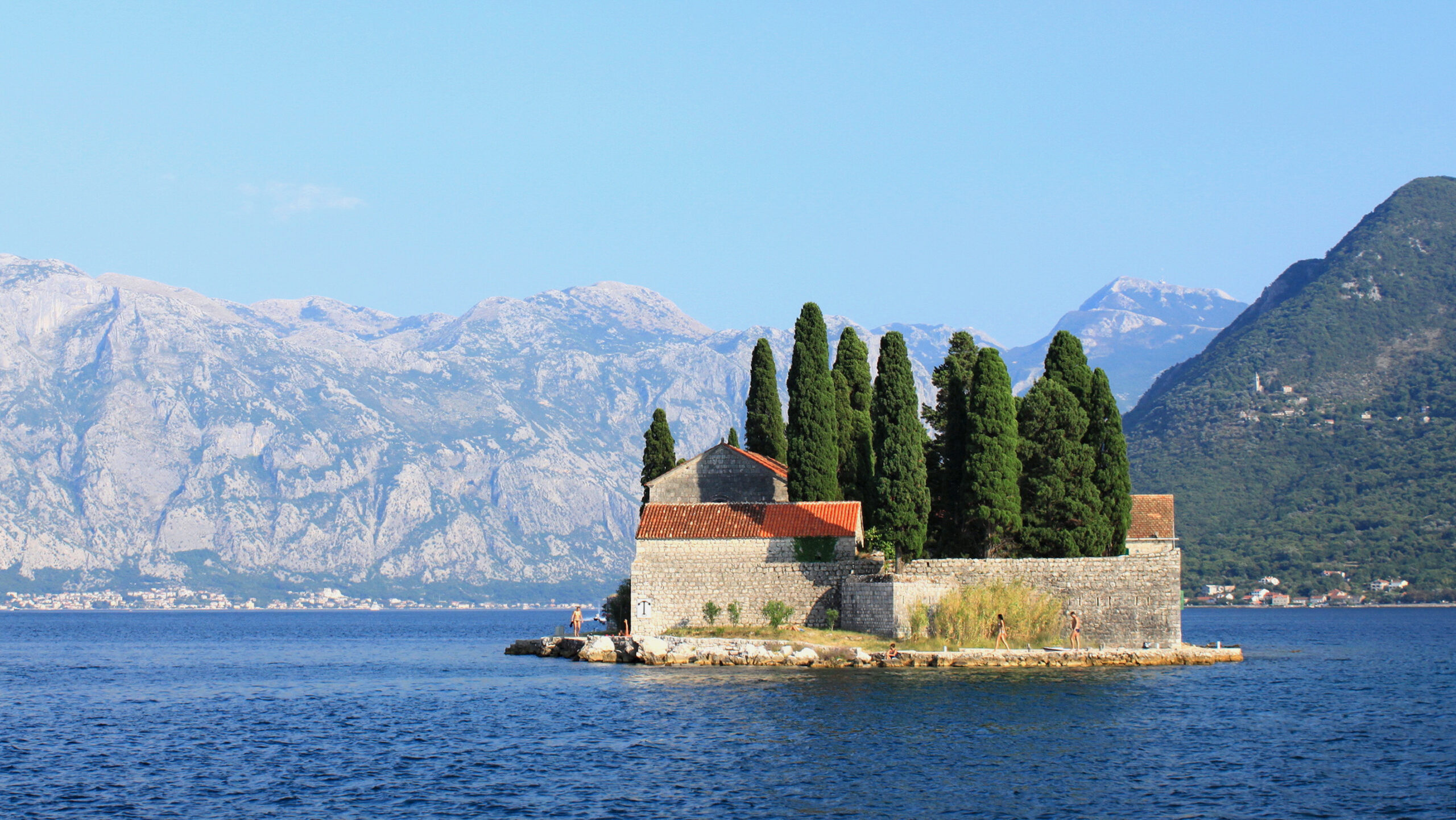
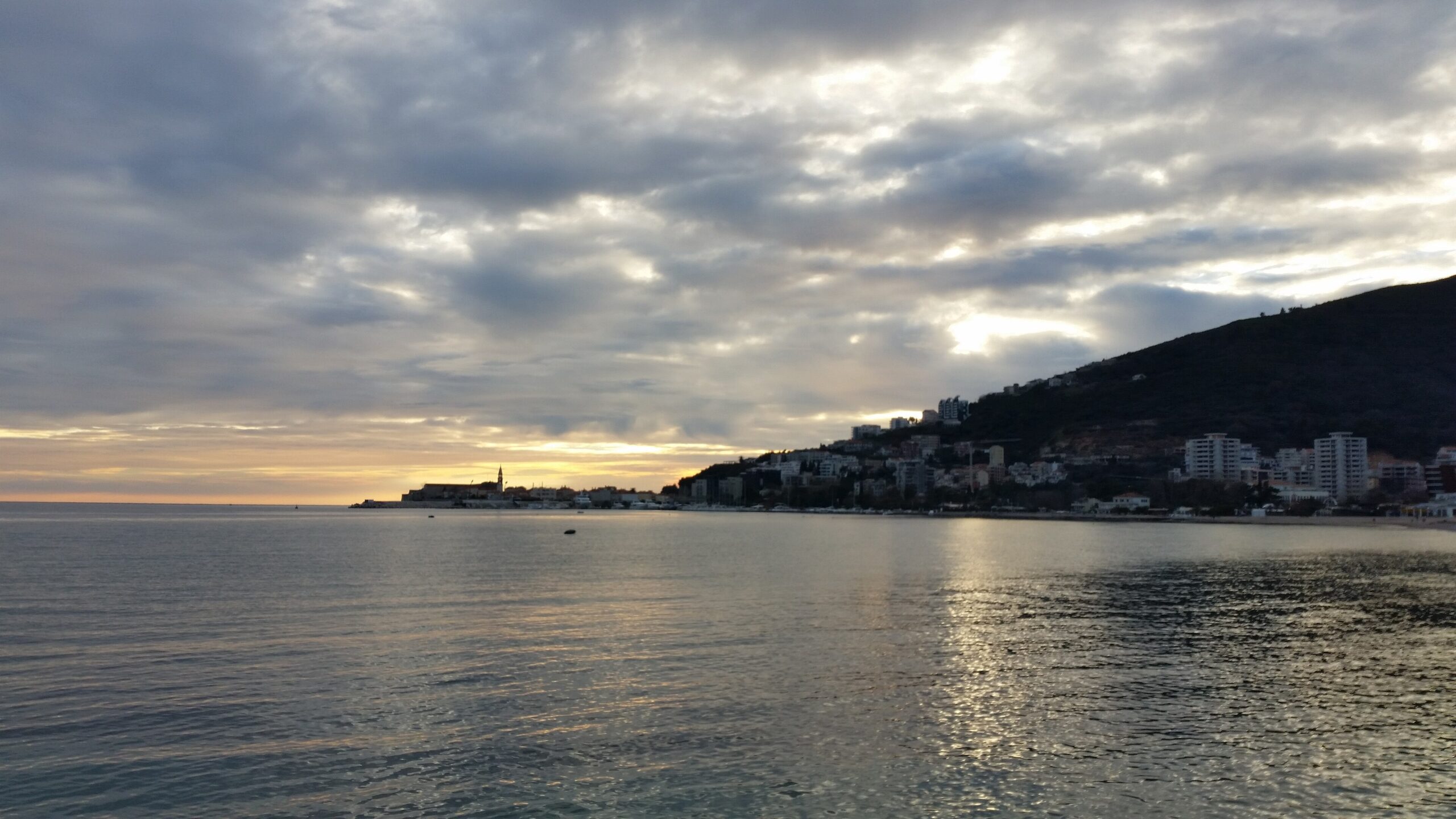
The Bay of Kotor offers a naturally paced route with historic settlements, mountain scenery and relatively short movements between areas. Its enclosed geography does not remove wind, visibility, traffic or local speed constraints. The captain retains responsibility for navigation and anchoring.
Porto Montenegro and other marina infrastructure can support logistics, but berth terms and availability need direct confirmation. Town quays and anchorages have different exposure, depth and service. A good itinerary uses the yacht as a stable base rather than moving solely to create novelty.
Cross-border sequencing
A Croatia–Montenegro itinerary should identify the last authorised exit point in one country and first authorised entry point in the next. Shore visits before formal clearance may not be permitted. Cabotage, charter status, tax and passenger rules can differ by yacht and contract; they require professional confirmation.
A one-way route may be elegant for guests but can introduce repositioning and crew logistics. Those consequences belong in the charter estimate and agreement.
Pace and weather margin
The southern Adriatic rewards time ashore and unhurried mornings. Leave a buffer before flights and avoid placing the most important destination on the final weather-dependent leg. If conditions or border timing change, the plan should still feel complete.
The route should also separate marina services from the guest programme. Fuel, provisioning, technical support and waste handling may determine where the yacht needs to be even when guests prefer another setting. A well-run charter schedules those tasks with minimal disruption rather than hiding them behind unrealistic timings.
If the yacht continues south, verify Albanian entry and charter implications independently; Montenegro's official information cannot establish another country's requirements. This guide deliberately stops at the national boundary instead of extrapolating one authority's rules across the Adriatic.
Verify the live maritime gateway
The Government of Montenegro's border page currently identifies maritime crossing points including Bar, Zelenika, Kotor, Tivat Porto Montenegro, Kumbor Portonovi and seasonal Budva. A published list is a starting register, not confirmation that a point is open, staffed and appropriate for a particular yacht at the required time.
The captain or agent should verify current operating hours, advance notice, yacht dimensions, passenger process and any seasonal qualification directly. Record the authority, person responsible and verification time. Avoid naming a clearance duration in the guest itinerary.
Treat historic boater guidance as a baseline only
The official “Information for boaters and captains of yachts” document describes an entry and documentation framework, but it is not a newly issued 2026 instruction. Its age must be explicit. Use it to identify questions—registration, insurance, crew and passenger documents—then obtain current confirmation from the relevant Montenegrin authorities and local agent.
No editorial summary should override a newer law, notice or port instruction. The intended-publication-date review must check whether a replacement document has appeared.
Decide whether a border crossing adds value
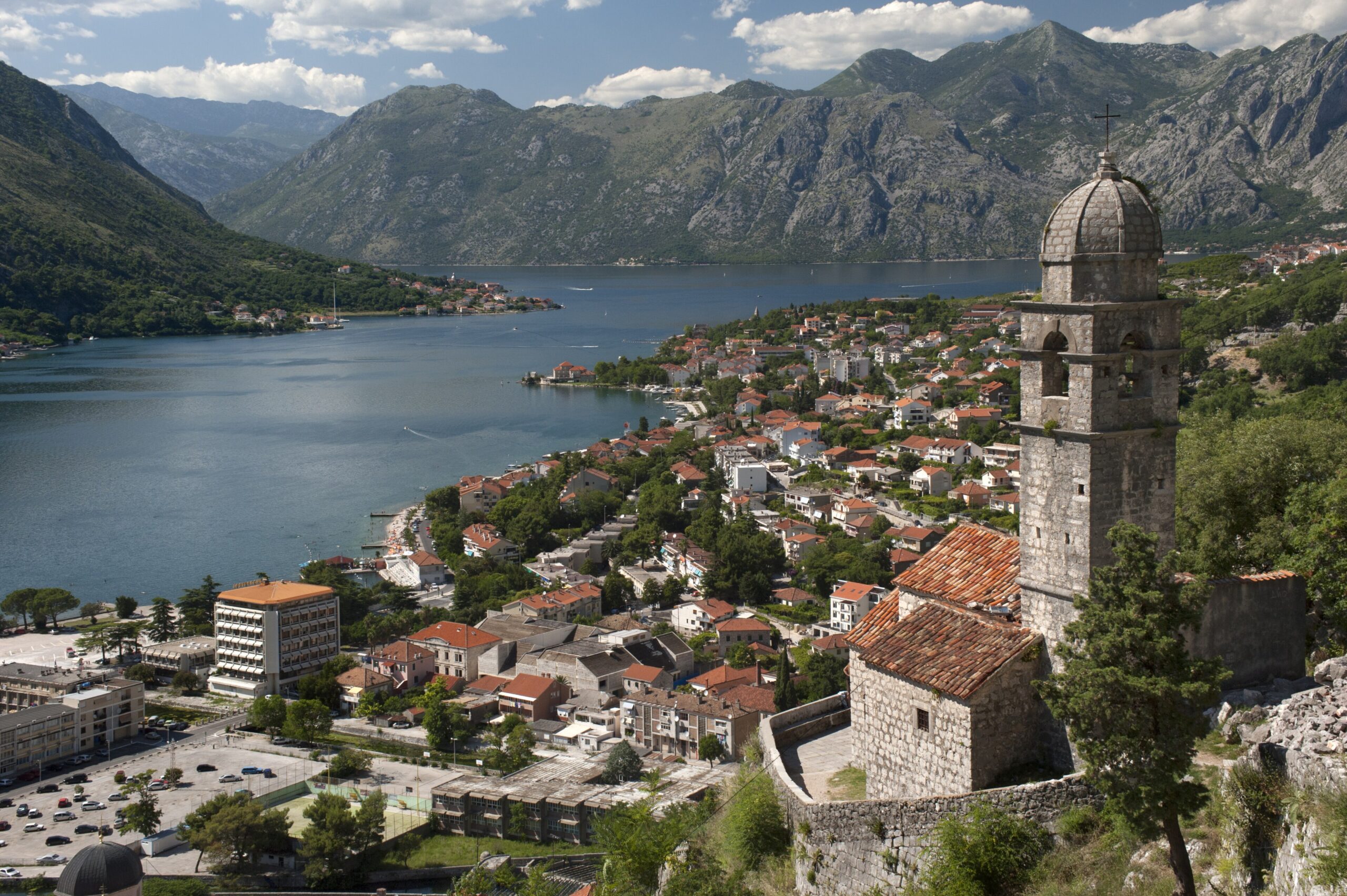
Montenegro can support a complete week without leaving the country. Removing an international leg may create more time in the Bay of Kotor, reduce paperwork dependencies and preserve flexibility. A cross-border route should be chosen because the neighbouring destination is central to the trip, not simply because the line on a map is short.
If Croatia or Albania is included, build a separate control sheet for each jurisdiction. Identify the last authorised exit point, first authorised entry point, responsible agents and documents. Montenegro's clearance cannot establish the charter, tax, cabotage or passenger position elsewhere.
Use the Bay's short distances to reduce pressure
The Bay can reward slower mornings, longer shore visits and fewer repositioning decisions. Short geography does not mean every town should be scheduled. Rank heritage, dining, swimming, marina service and privacy priorities, then leave enough open time to respond to conditions and port access.
Even inside the bay, changing light, traffic and mountain weather add texture to the day. The captain reads those conditions and chooses the route that lets guests experience the drama without feeling the machinery behind the decision.
Separate marina logistics from guest theatre
Marinas can support fuel, water, waste, provisioning, technical service and guest transfers. A berth request must match the yacht's dimensions and requirements; brand recognition is not confirmation. Town quays, marinas and anchorages offer different service and exposure.
Schedule necessary service with minimal guest disruption rather than hiding it behind impossible timings. Confirm whether luggage, vehicles, specialist equipment and a guest change can be handled at the chosen point.
Protect documents and passenger readiness
Collect passports, visas where applicable, passenger details and required yacht documents before the crossing day. Names should match the operating records. A missing document can affect more than one guest and should not first be discovered at the maritime checkpoint.
Passports and guest details are best gathered well before the crossing day. Once that quiet preparation is complete, the border becomes a transition in the journey rather than an interruption to it.
Build margin before flights
Do not place the trip's most important destination on the final border-dependent leg. Preserve enough time for clearance, weather, port access and road transfer. Confirm the exact redelivery point and flight cutoff.
A one-way charter may improve route geometry but can add redelivery, crew and cost implications. Those belong in the broker's proposal and signed agreement, not in an assumed editorial total.
Keep the practical details out of the guest experience
Save the exact government page or document, access date and the professional who confirmed its current use. Where an older PDF remains online, label its publication age and record the newer authority check beside it. This prevents an apparently official document from being treated as automatically current.
Before departure, the agent and captain revisit the current maritime entry points, timings and document sequence for the chosen yacht. Guests should receive only the deadlines that matter to them; the operational detail belongs in capable hands.
The Montenegro week, distilled
- Exact embarkation, redelivery and contractual operating area.
- Live maritime entry or exit point and verification owner.
- Current yacht, crew and passenger document checklist.
- Montenegro-only route plus cross-border alternative if relevant.
- Separate authority and agent register for every jurisdiction.
- Critical berth requests and service requirements.
- Guest transfers, luggage and accessibility plan.
- Border and weather margin before redelivery and flights.
Good planning, lightly worn
The captain, broker and local teams carry the live operational detail; guests should feel its benefit, not its weight. Confirm the yacht, route and arrangements for the chosen dates, then let the week breathe. The purpose of preparation is not to eliminate spontaneity, but to protect it.
The week in brief
- Montenegro can support a complete focused itinerary without a border crossing.
- Cross-border routes require authorised points and current vessel-specific formalities.
- Berth confirmation and border clearance are separate operational controls.
- Buffer time protects both safety and guest experience.
- Historic official guidance requires a fresh authority check before use.
Sources & credits
Sources and further reading
- Government of Montenegro — border crossing points
- Government of Montenegro — information for boaters and captains
The Kotor Bay panorama remains a licensed candidate pending final crop review.