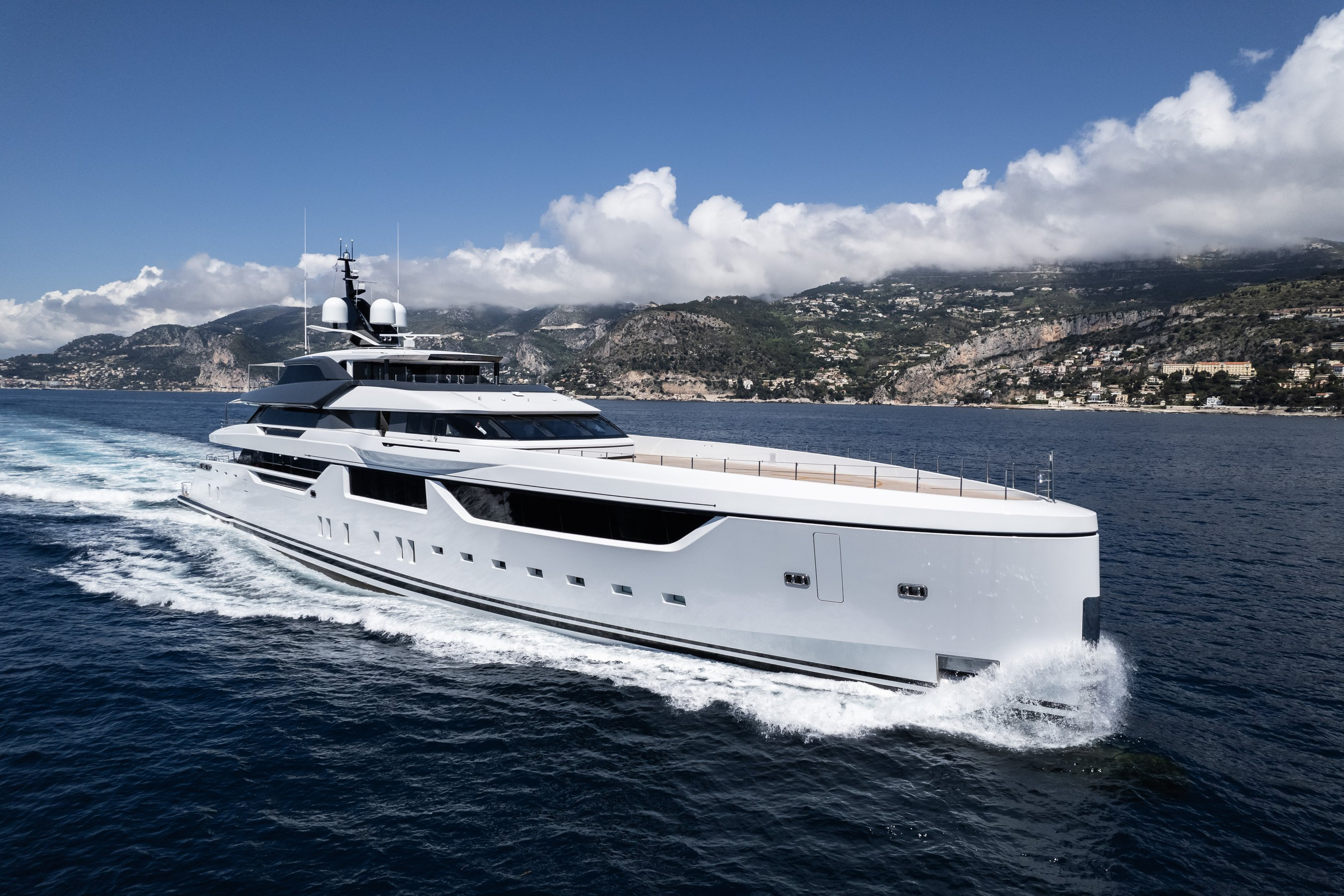
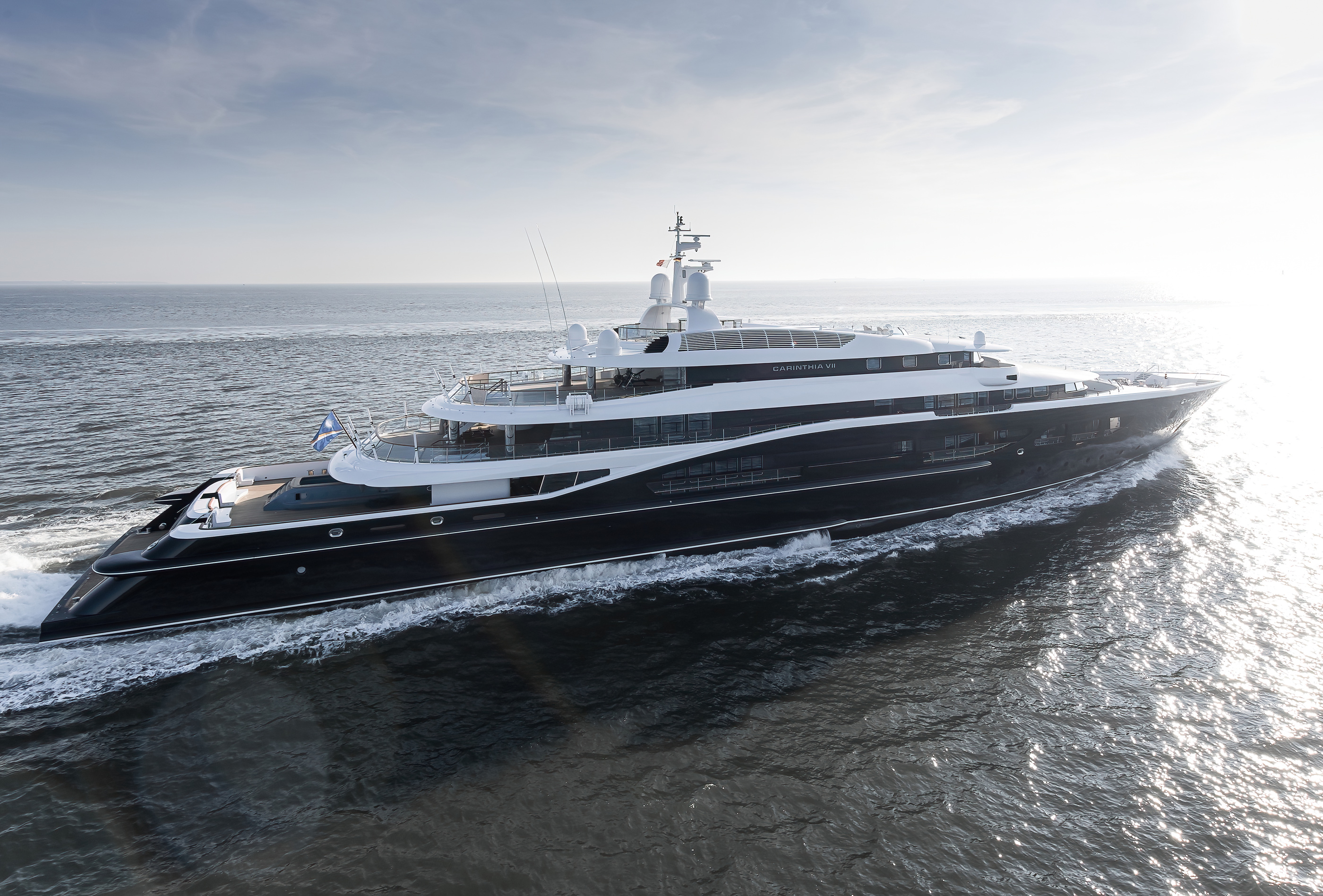
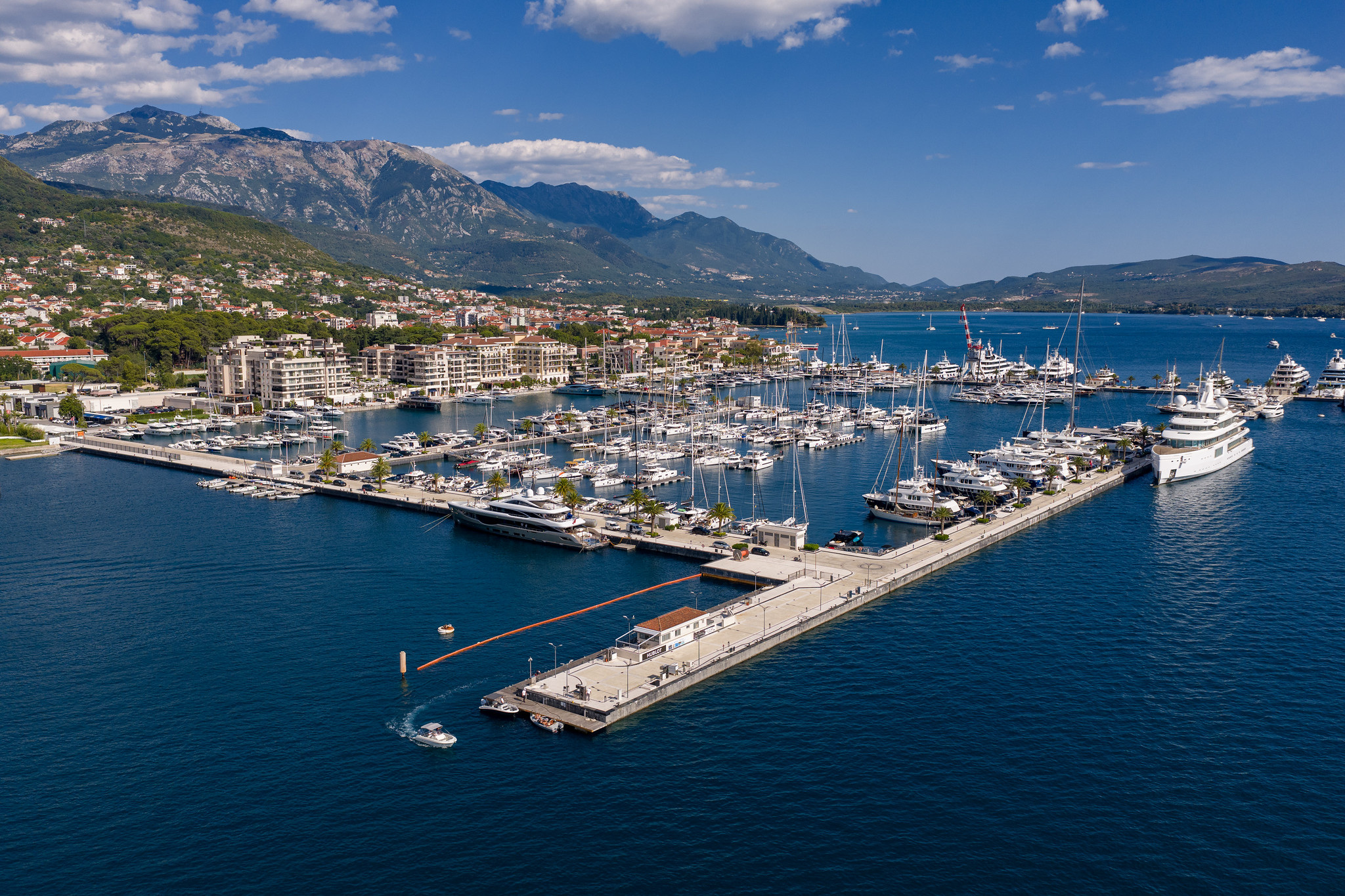
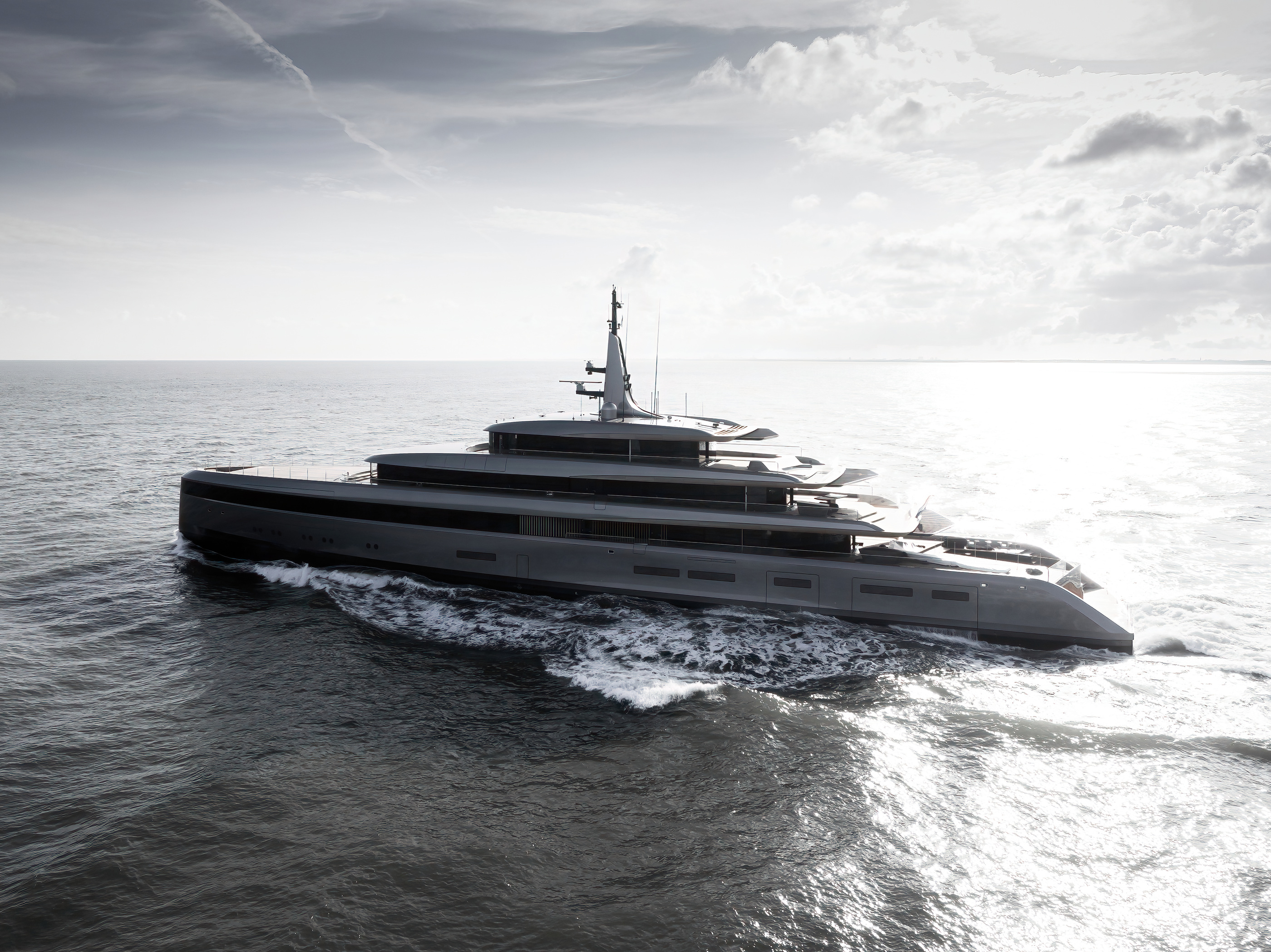
Monaco is one of the rare Mediterranean arrivals where the yacht does not sit outside the destination; it becomes part of the city’s architecture. Port Hercule gathers the water, the Rock and the steep urban amphitheatre into a single view. Step ashore and the scale changes immediately: a morning can move from the quay to the old town, lunch can unfold above the sea, and the yacht can still feel close enough to shape the evening.
The temptation is to treat Monaco as a trophy stop. The more rewarding approach is to give it rhythm. Arrive when the harbour has space to breathe, choose the port that suits the yacht and the mood of the guests, and let the Principality become one chapter in a wider Riviera week rather than a schedule that consumes it.
The arrival that changes the temperature of a week
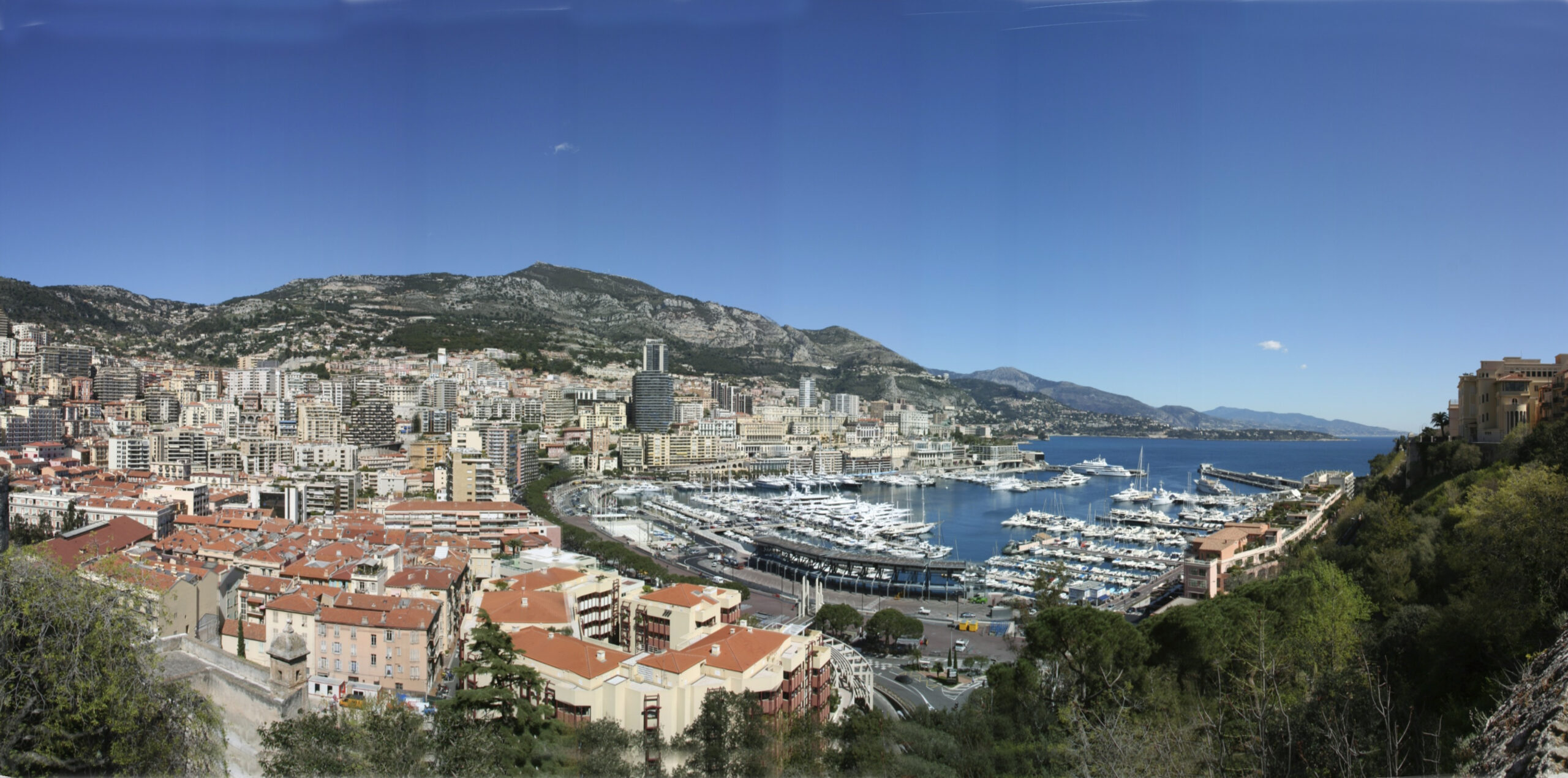
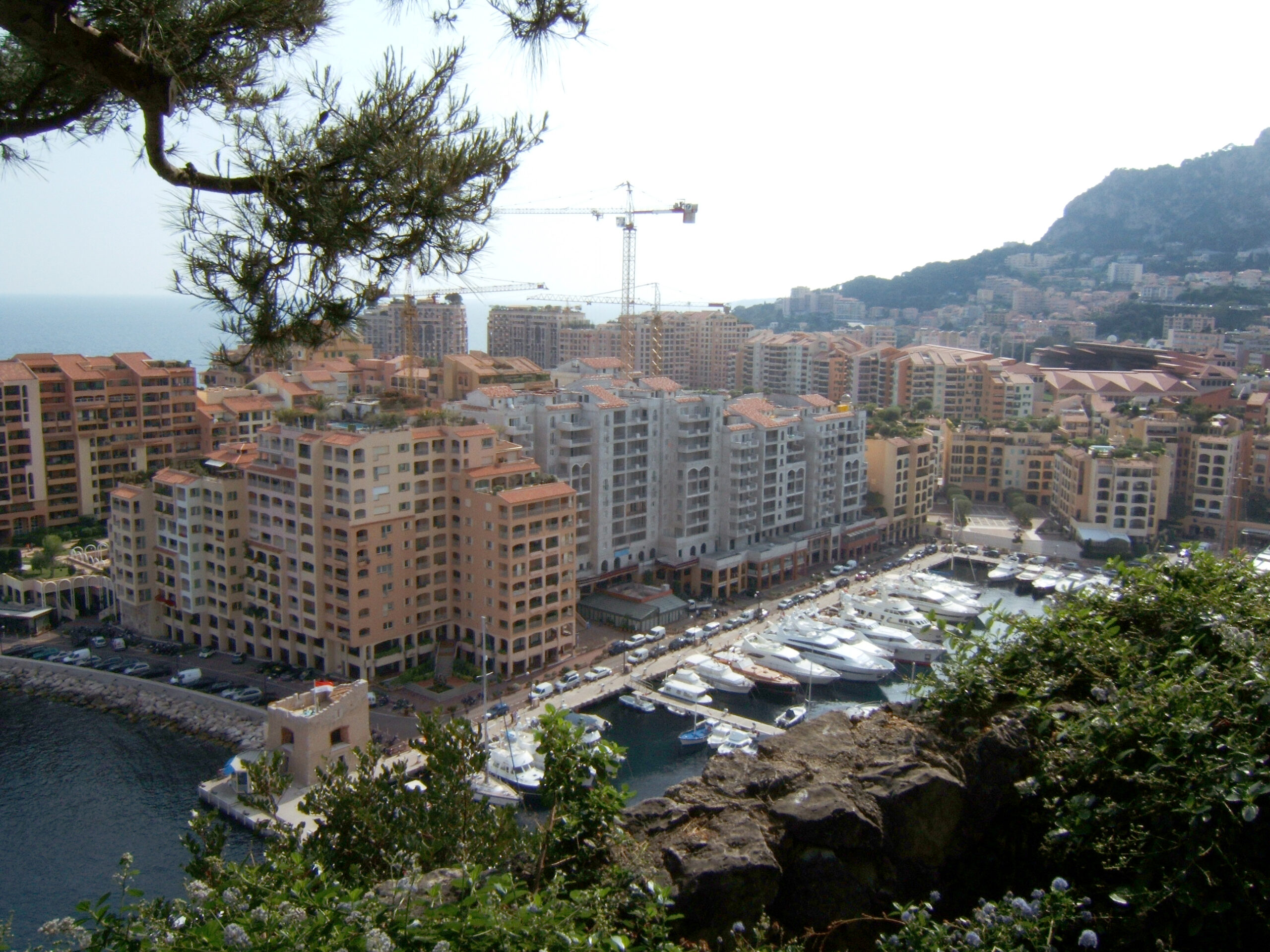
Seen from offshore, Monaco appears almost improbably concentrated. The Rock rises above the western edge, towers climb the slopes and Port Hercule opens at the centre. The yacht closes the distance without losing the panorama. That is the essential luxury of arriving by sea: the reveal lasts longer than a car transfer, yet the city is immediately at hand.
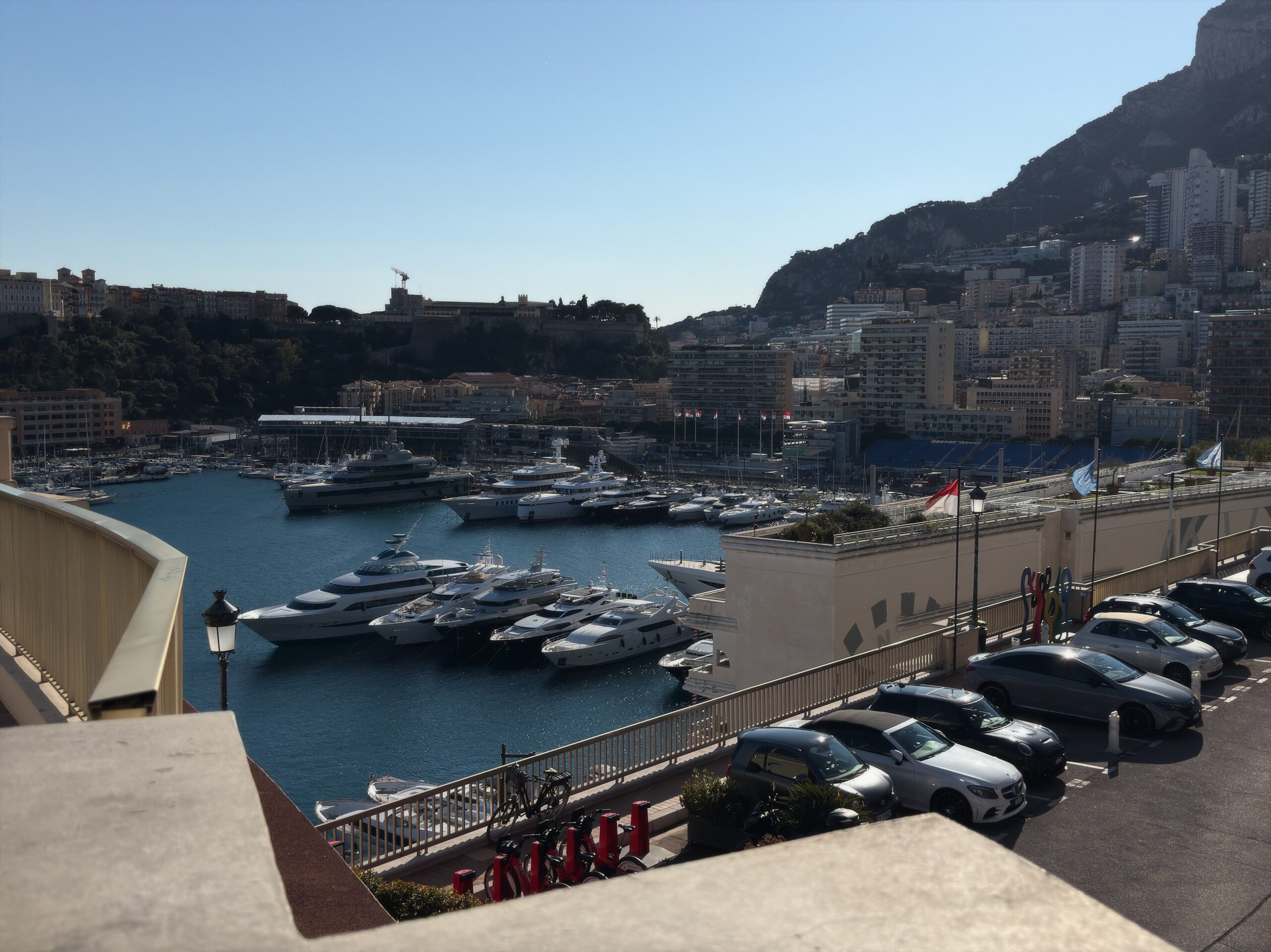
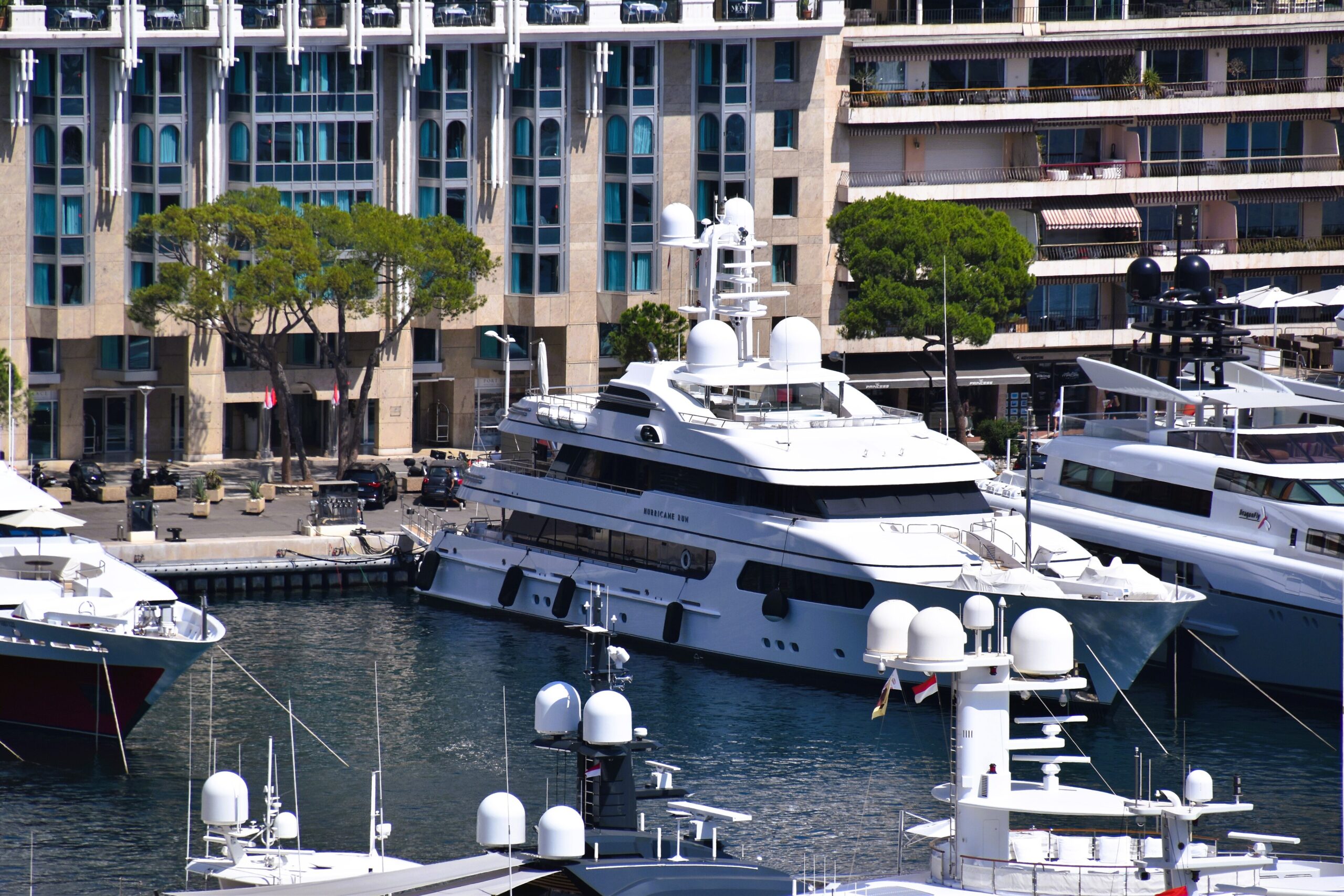
Port Hercule is the dramatic choice. Its deep-water setting and large-yacht infrastructure allow the harbour to feel both civic and unmistakably nautical. The official port record lists 760 berths, round-the-clock monitoring and a harbour speed limit of three knots. Those figures explain capacity, but not atmosphere. The atmosphere comes from waking inside one of the world’s most recognisable waterfronts and watching Monaco begin its day around the yacht.
Three ports, three different kinds of access
Port Hercule is the stage: central, exposed to the energy of the city and at its most magnetic during the hours when Monaco dresses for the evening. It suits guests who want the yacht to remain connected to restaurants, meetings, shopping and the social life of the Principality.
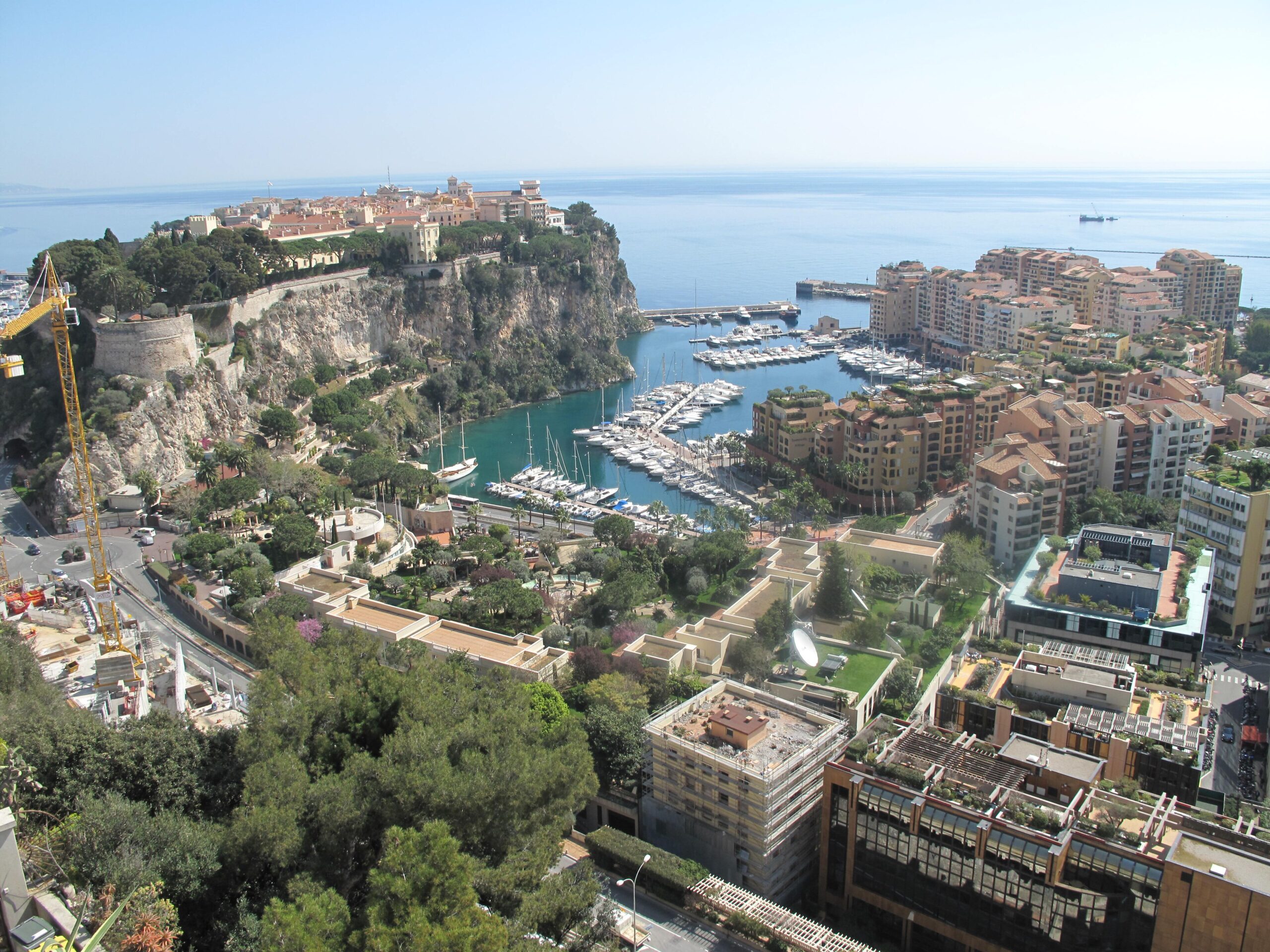
Fontvieille is a different proposition. Sheltered beneath the Rock, the marina feels more residential and contained. Ports de Monaco lists 290 berths and describes protection from easterly winds by the Rock and from southern and western swell by the breakwater. The official maximum draught is three metres, which naturally changes the type of yacht for which it is relevant. For an appropriate vessel, the pleasure is intimacy: waterfront restaurants, a calmer quay and a softer transition between life on board and life ashore.
Cala del Forte, across the border in Ventimiglia, expands the geography. It is managed within the Monaco Ports network and sits 7.9 nautical miles from Port Hercule. The official port describes a high-speed shuttle reserved for its clients, connecting the two harbours by water. For some programmes, this makes the Italian marina a useful sister base rather than a compromise—particularly when Monaco itself is under exceptional event pressure.
A Monaco day should move lightly
The best Monaco day is rarely the one with the most reservations. Begin with the harbour while the quays are quiet. Walk towards the Rock before the city gathers momentum, or use the morning for a swim beyond the urban coastline and return when Monaco is ready for lunch. The distance between experiences is short; the luxury lies in avoiding the feeling of being hurried through them.
Larvotto offers another register. The official visitor guide presents a shaded promenade, beach and restaurants along the eastern waterfront. It can turn a formal Monaco stay into something more relaxed: a few hours near the water without leaving the city behind. Later, the Carré d’Or supplies the opposite energy—tailoring, jewellery, terraces and the polished choreography for which Monte-Carlo is known.
Keep the yacht present in the day. A late-afternoon return on board can be more memorable than adding another address. It restores privacy, gives guests time to reset and allows the harbour itself to become the view before dinner.
Why Port Hercule works as the stage
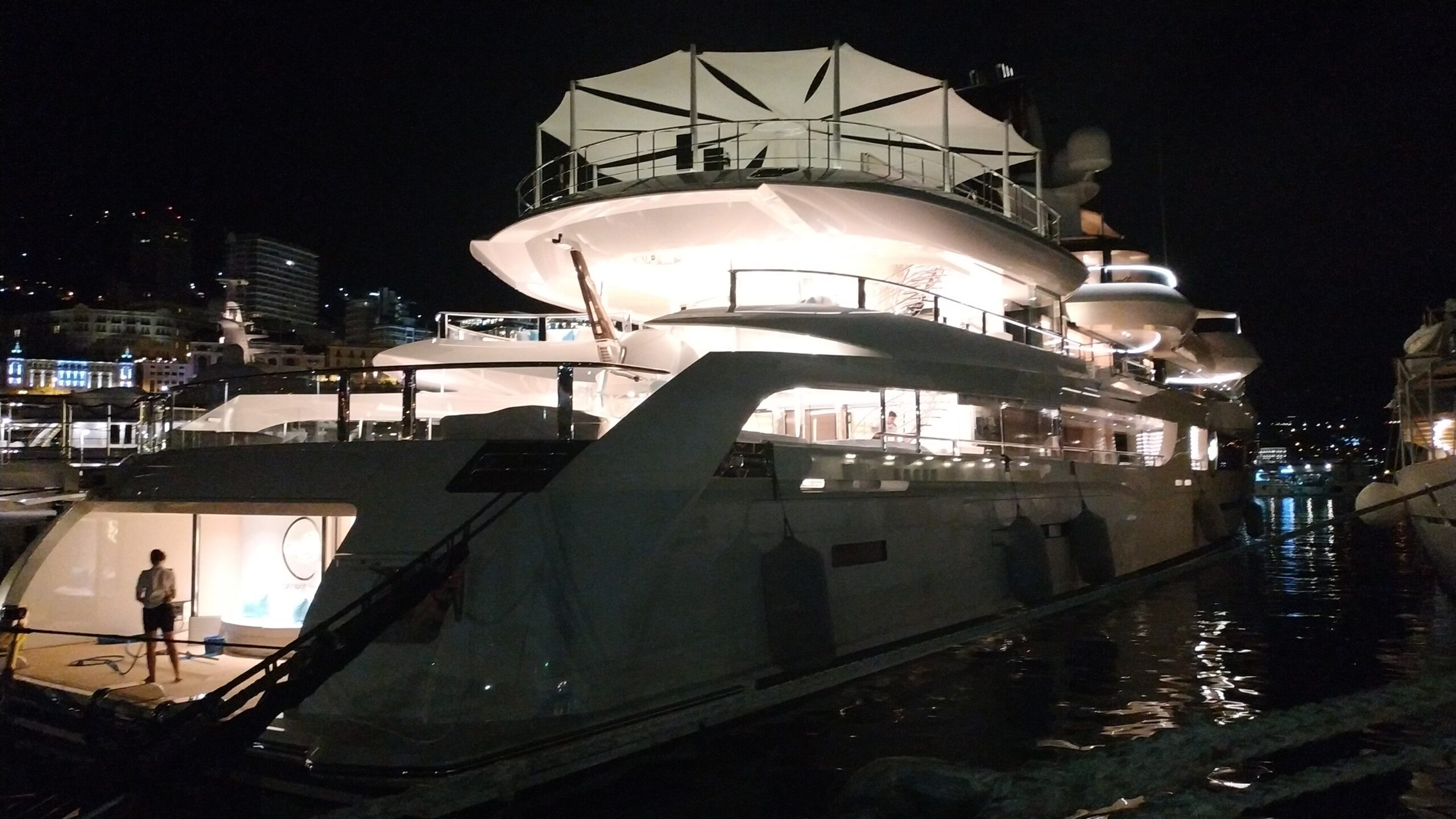
The harbour’s engineering is part of its character. Ports de Monaco describes a 352-metre semi-floating breakwater developed to improve protection from easterly swell while accommodating the depth and constraints of the site. The result is not visually recessive: the structure gives Port Hercule a monumental edge and helps explain how very large vessels can sit so close to the centre of Monaco.
For guests, the technical achievement disappears into ease. The captain and charter team deal with the berth, utilities, harbour communications and the vessel’s exact requirements. What remains visible is the privilege of stepping from a private interior into the centre of the Principality without a long transfer or a break in the atmosphere of the week.
Where the Riviera begins again
Monaco should not be the point at which a Riviera itinerary loses its sense of movement. To the west, Cap-Ferrat, Beaulieu-sur-Mer, Èze and the approaches to Nice can create a coastal sequence of short passages and very different shore experiences. To the east, the Italian border opens a more understated route towards Ventimiglia and Sanremo.
The right direction depends on the mood of the charter. A highly social week may use Monaco as its climax after Saint-Tropez and Cannes. A quieter itinerary can make it the brilliant interruption between Cap-Ferrat and the Ligurian coast. In both cases, leave room for one decision to be made on board. The Mediterranean feels most luxurious when the route can still respond to weather, energy and desire.
Event weeks are a different country
During the Monaco Grand Prix and Monaco Yacht Show, the harbour becomes a controlled event environment. Berths, access windows, tenders, guest credentials and commercial activity can follow specific procedures. The spectacle is extraordinary precisely because the waterfront is transformed.
If the event is the purpose of the charter, plan around its official process from the beginning. If it is not, consider arriving before or after the peak dates, or using another Riviera harbour while visiting Monaco ashore. Neither choice is inherently more luxurious. The better choice is the one that protects the experience the guests actually want.
The week in brief
- Choose Port Hercule for theatre and immediacy; consider Fontvieille for a quieter marina rhythm when the yacht’s dimensions allow.
- Treat Cala del Forte as part of the wider Monaco port geography, not merely an overflow address.
- Allow Monaco enough time to be enjoyed slowly, but do not let a compact city overfill the itinerary.
- During major events, begin with current port and organiser procedures before promising a berth or access pattern.
- Preserve one flexible day so the Riviera can respond to weather and the mood on board.
Sources & credits
Sources and further reading
This guide was verified against the current official records for Port Hercule, Port of Fontvieille, Cala del Forte and the official Visit Monaco map. Berth availability and event procedures change; the captain, central agent and relevant port remain the right people to shape the live arrival.