Move Classique gives a small jewellery object two visible structures: the outline of an open frame and the line of three diamonds within it. Messika’s current imagery makes the distinction clear. The frame establishes a boundary, while the stones create a sequence that does not simply fill that boundary. Empty space remains between and around them, becoming part of the design.
Three diamonds inside a deliberate opening
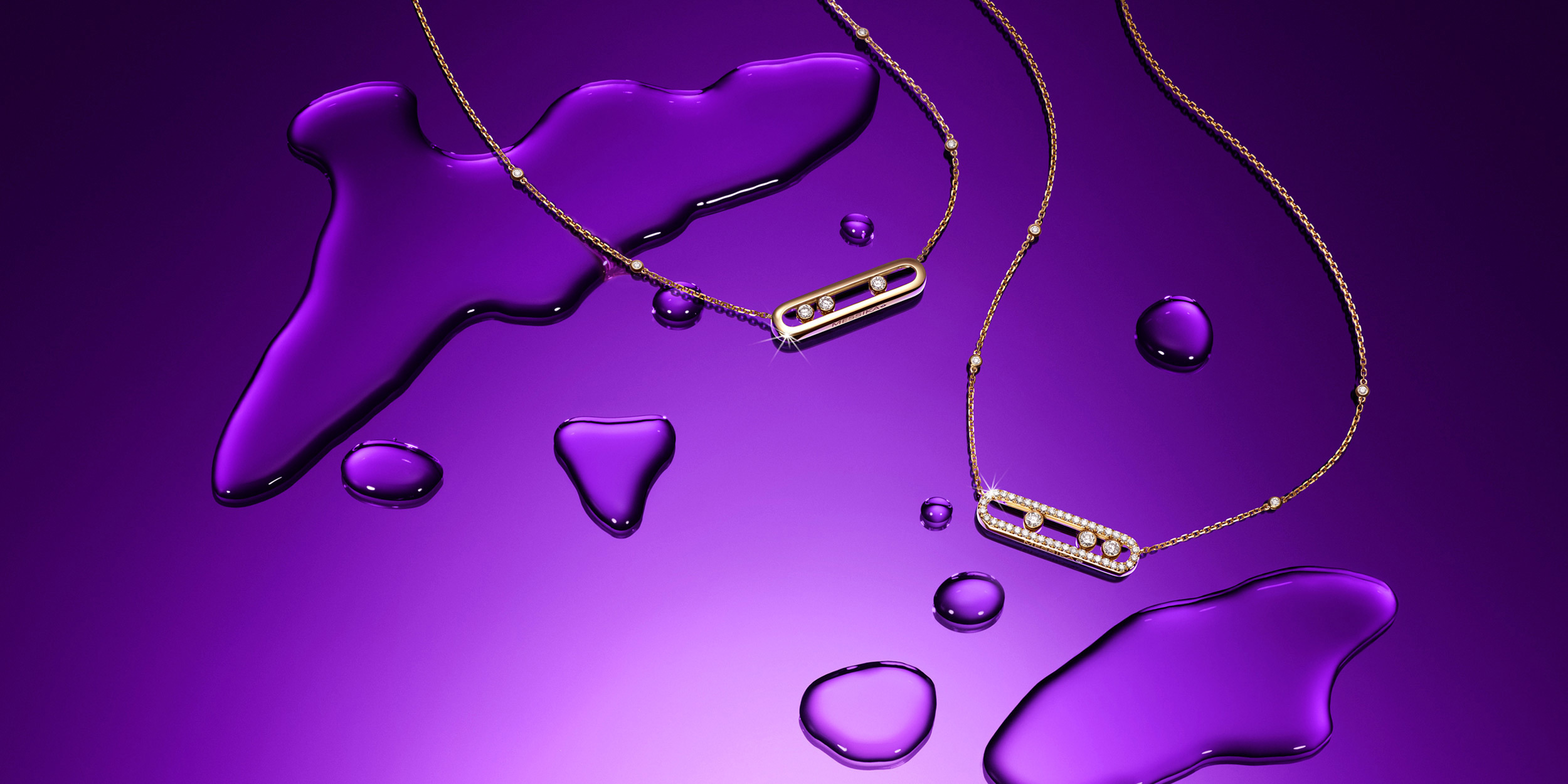
The maker associates Move with Valérie Messika and its 2007 origin. This study considers the Classique interpretation in the present collection, not every variation carrying the Move name. The violet collection arrangement shown at the opening contains several Move designs and serves as a wider family context; the individual product and worn photographs identify the narrower subject.
That distinction is important because a collection can develop a common language without giving every reference the same number of stones or the same proportions. Move Classique is read here through its three-diamond frame, a complete necklace, bracelet and ring, and the relationship of those objects to the body. The images provide design evidence. The movement itself is described by the maker, rather than independently demonstrated by a still photograph.
The frame makes the interval visible
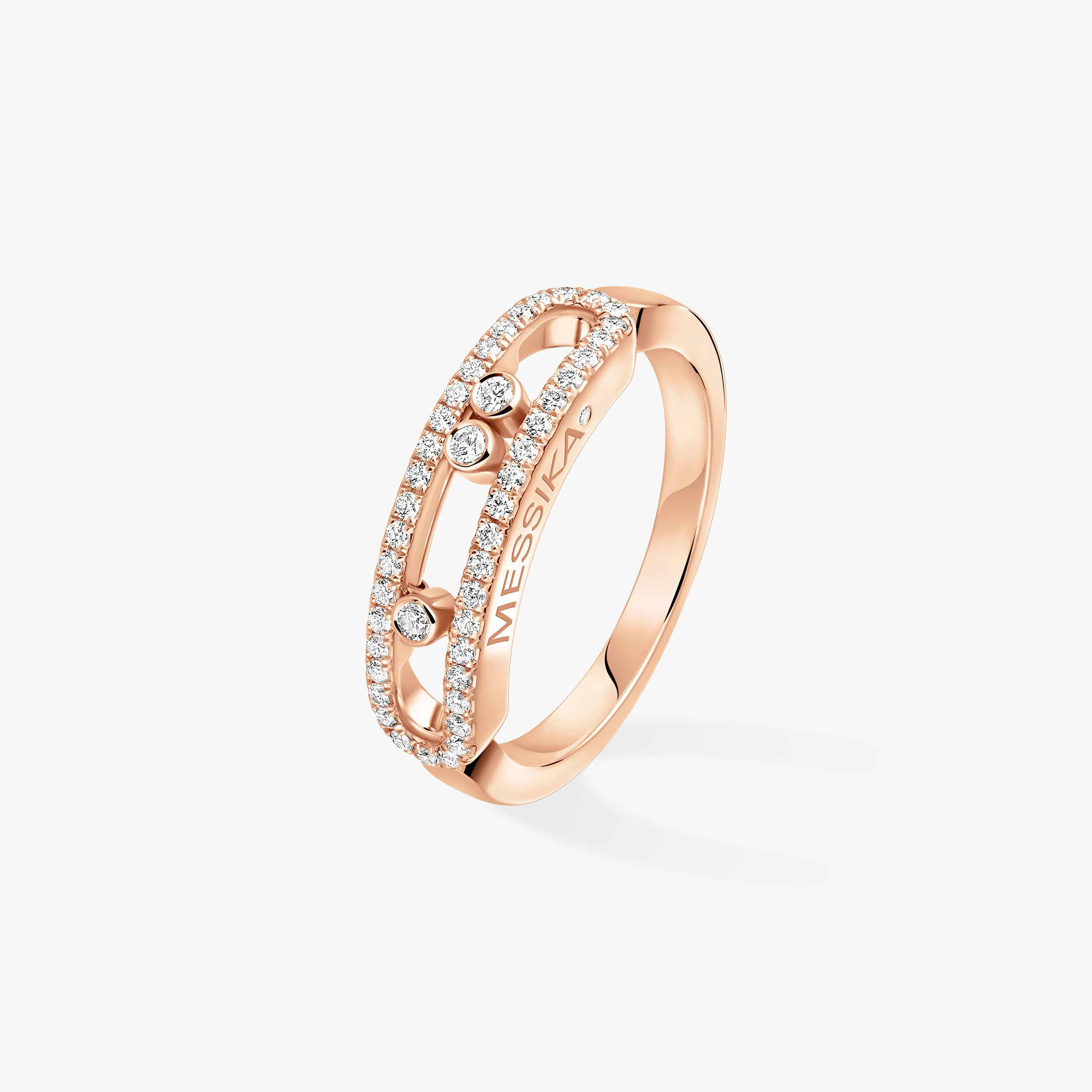
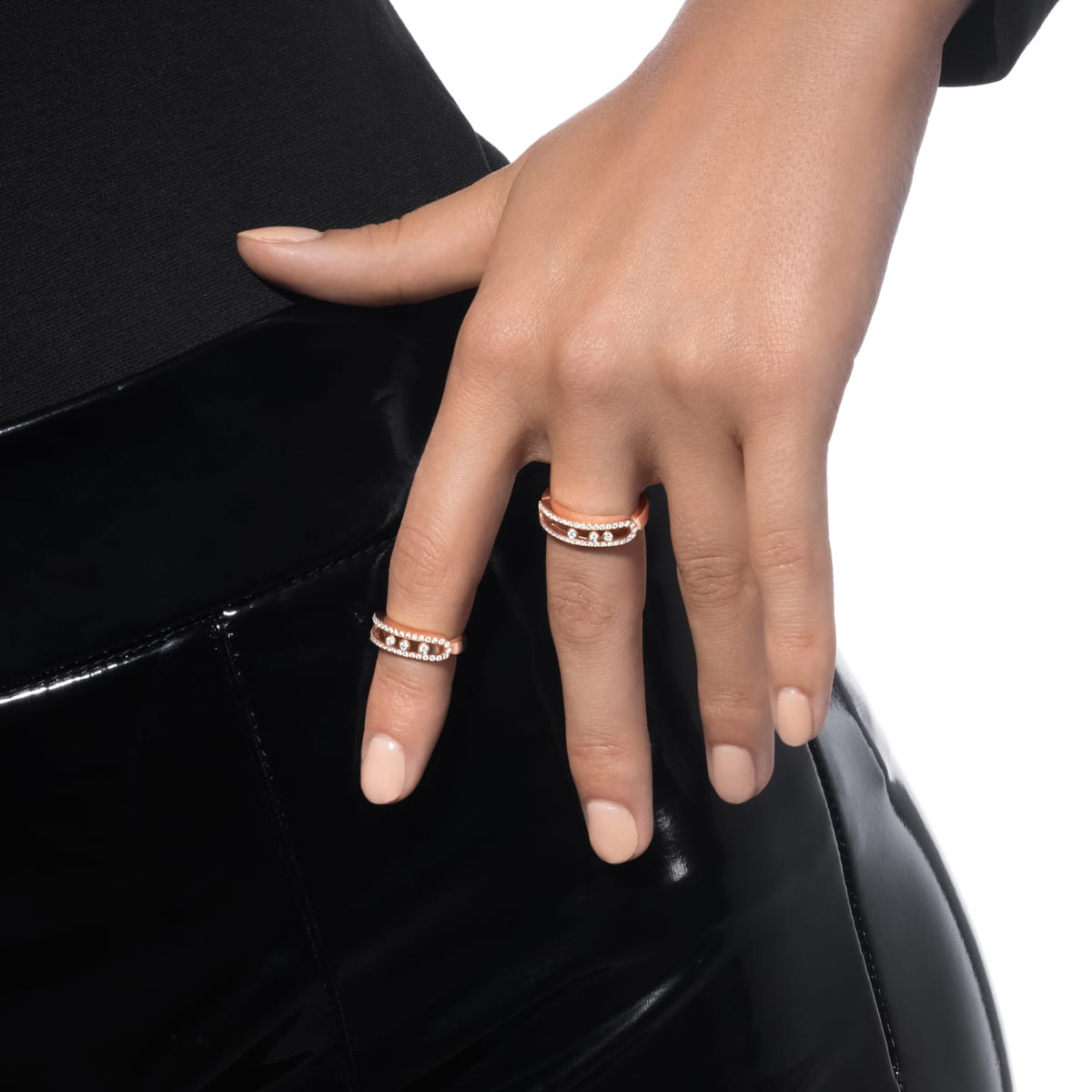
The ring’s studio view is a useful place to begin. Its centre is elongated rather than simply circular, creating a directional accent across the finger. The three diamonds establish a rhythm within that longer shape. Because the frame remains open around them, the viewer can distinguish the stones as separate bright points instead of reading the whole centre as one continuous diamond-set surface.
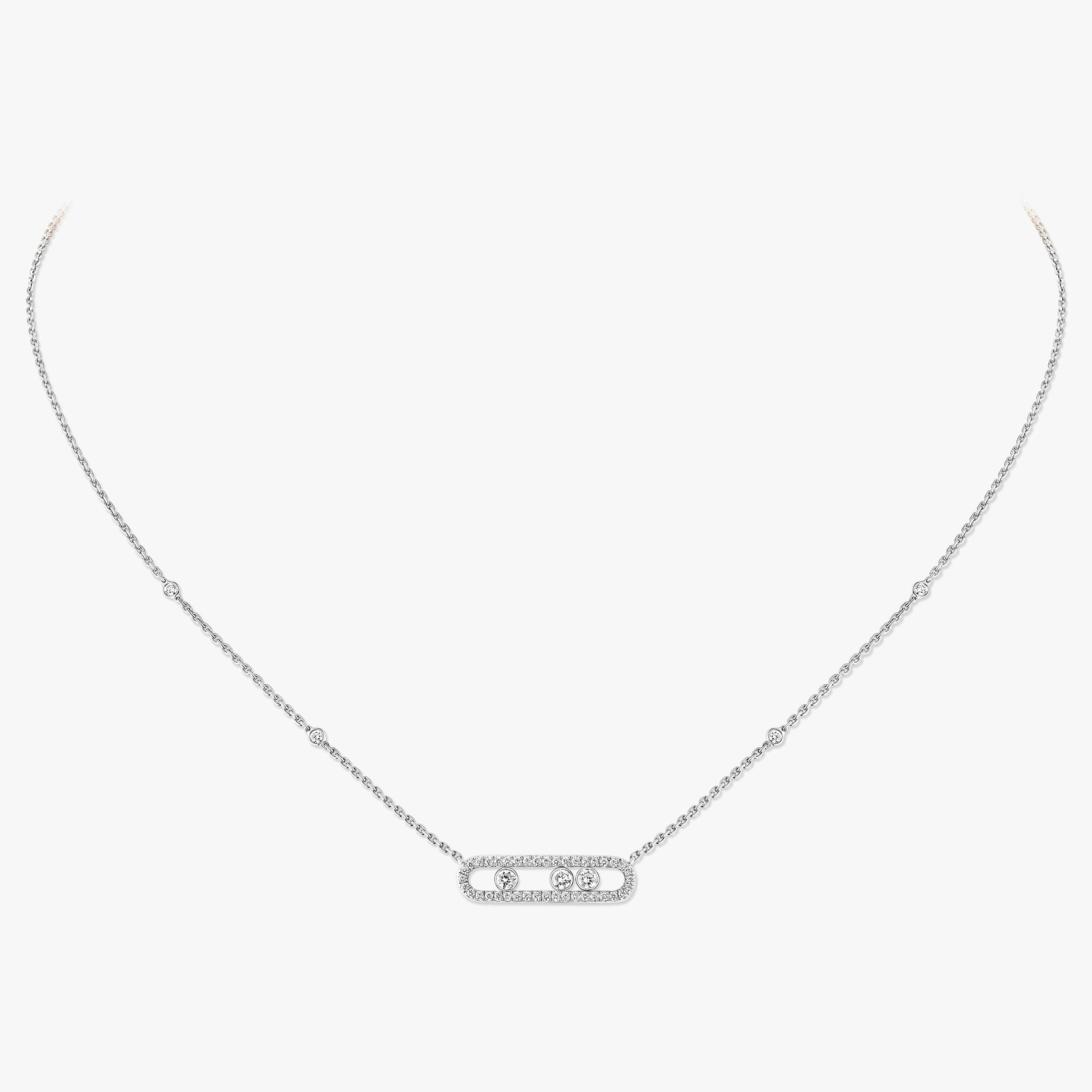
The necklace applies the same organising idea to a suspended object. The chain gives the frame a place below the neck, while the longer central outline offers a clear visual axis. Seen complete, it becomes a relationship between two kinds of line: the fine route of the chain and the more concentrated geometry of the pendant-like centre. A close view alone would show the diamonds, but it would remove much of the composition that determines where they sit.
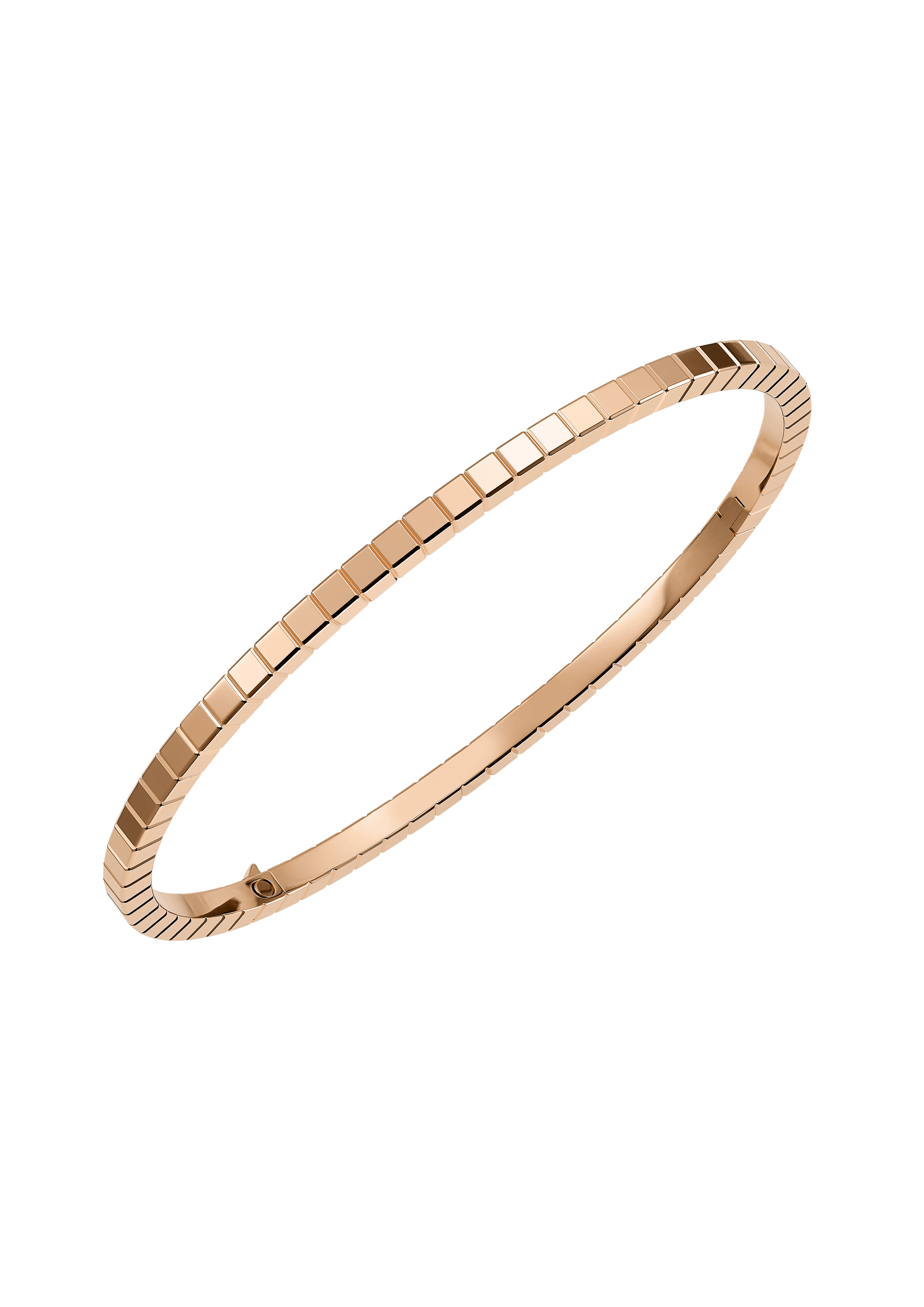
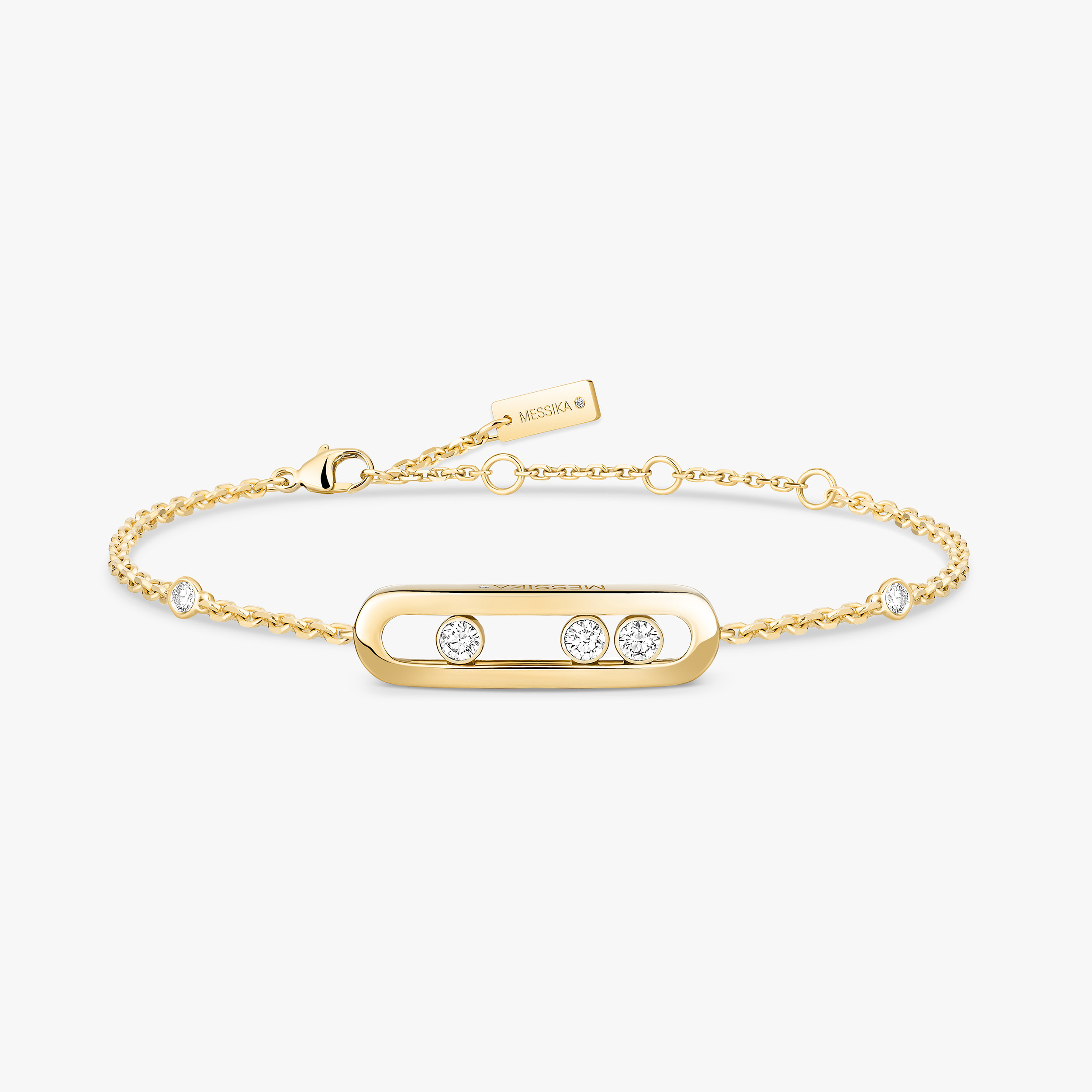
The chain bracelet shows another transition. Its frame is part of a line travelling around the wrist, so the open centre becomes a small, focused interruption rather than the whole object. The quiet spaces on either side matter. They give the central unit room to retain its identity without requiring the entire bracelet to repeat the same density. This is why the complete product photograph is more informative than a sequence of similar crops around the three stones.
Movement is the maker’s proposition
Messika describes the diamonds in Move Classique as moving within the framework. That is the collection’s stated proposition. A static photograph can show the open arrangement and the relative positions of visible components, but it cannot measure travel, resistance or the way the stones respond to ordinary movement. Those would require a demonstration or an independent handling session, neither of which is claimed here.
The idea of movement still gives the design a clear question to answer. The frame must be recognisable enough to retain a stable identity, while its interior is presented as something that can change. The visual tension lies between those roles: a fixed boundary and a less fixed sequence inside it. The photographs make the first role easy to inspect and allow the second to be understood as a manufacturer-described feature.
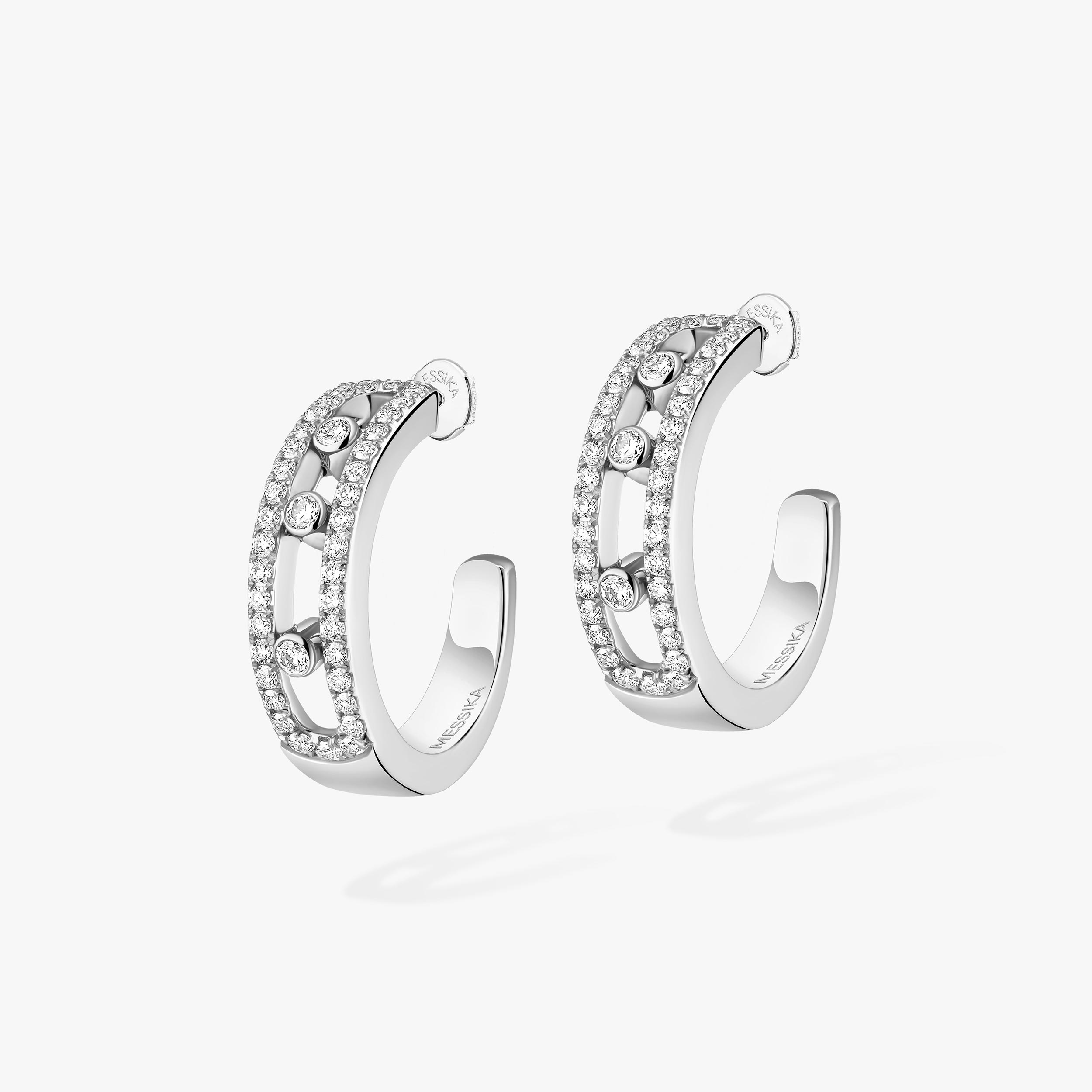
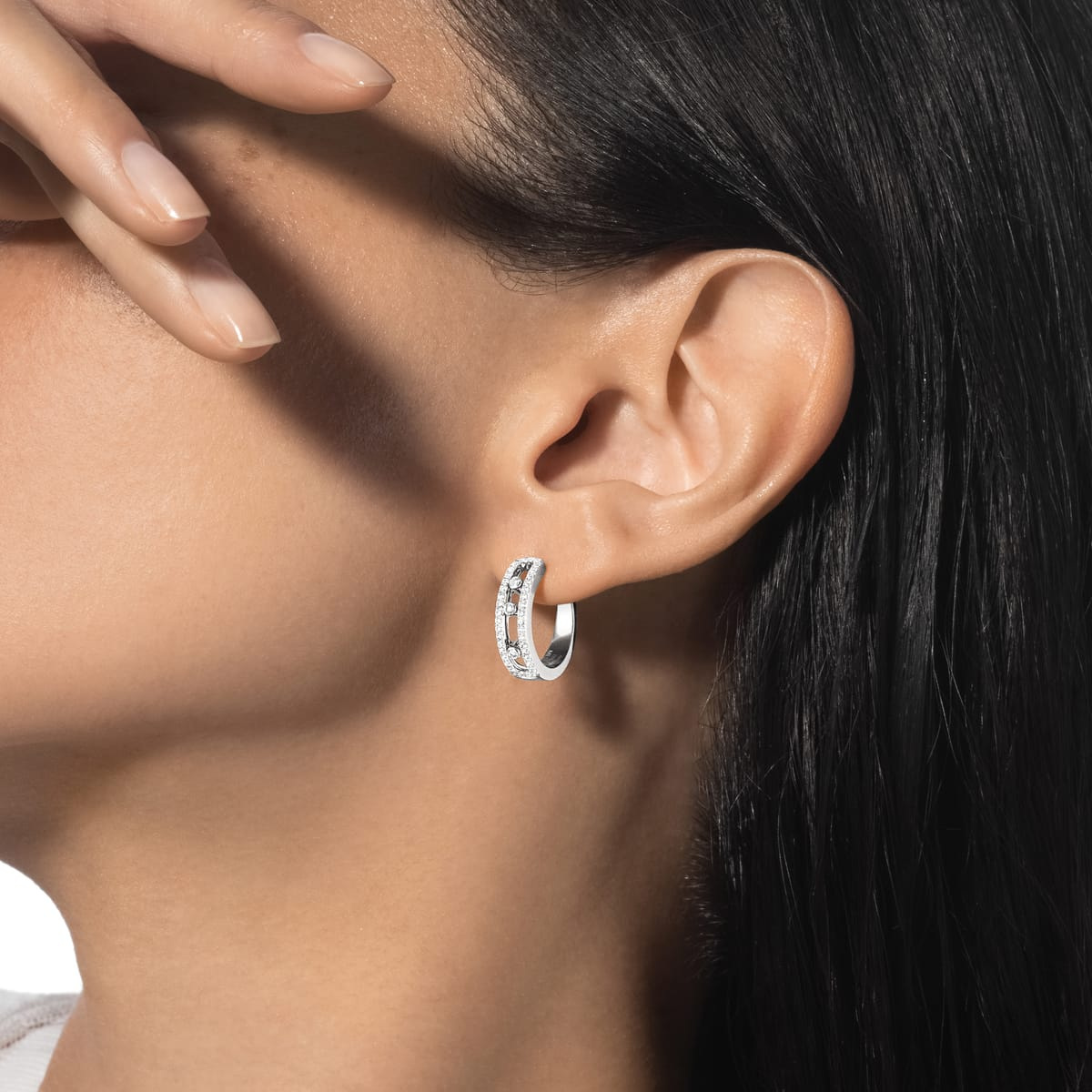
That is a more useful reading than assuming that all jewellery with a gap is mechanically mobile. Open space can be purely compositional; in Move, it also belongs to the maker’s account of the design’s behaviour. For a prospective wearer, the exact reference’s instructions are the place to establish how the moving components should be treated and maintained. The collection story introduces the idea, while the product guidance supplies the practical detail.
The body gives the frame a different emphasis
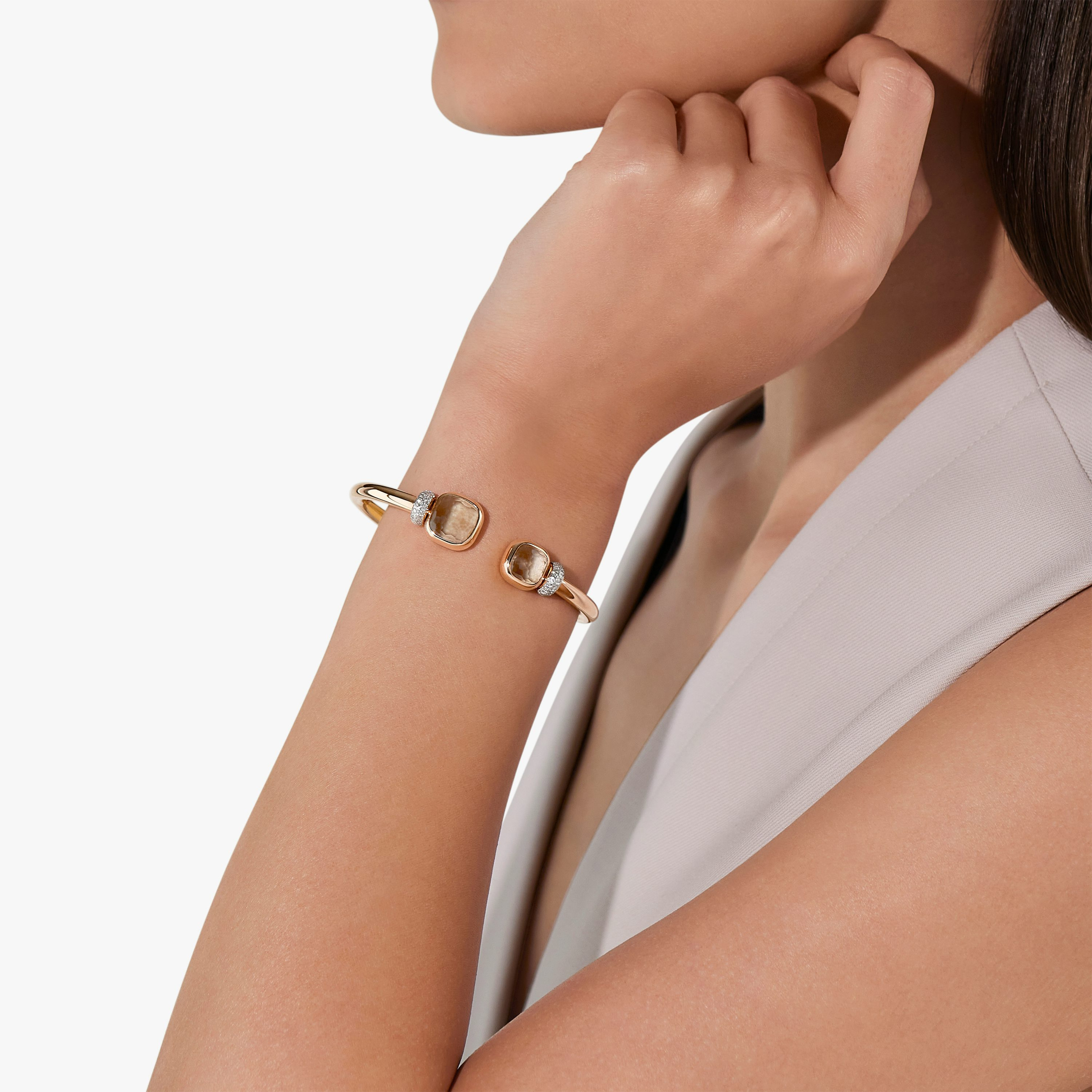
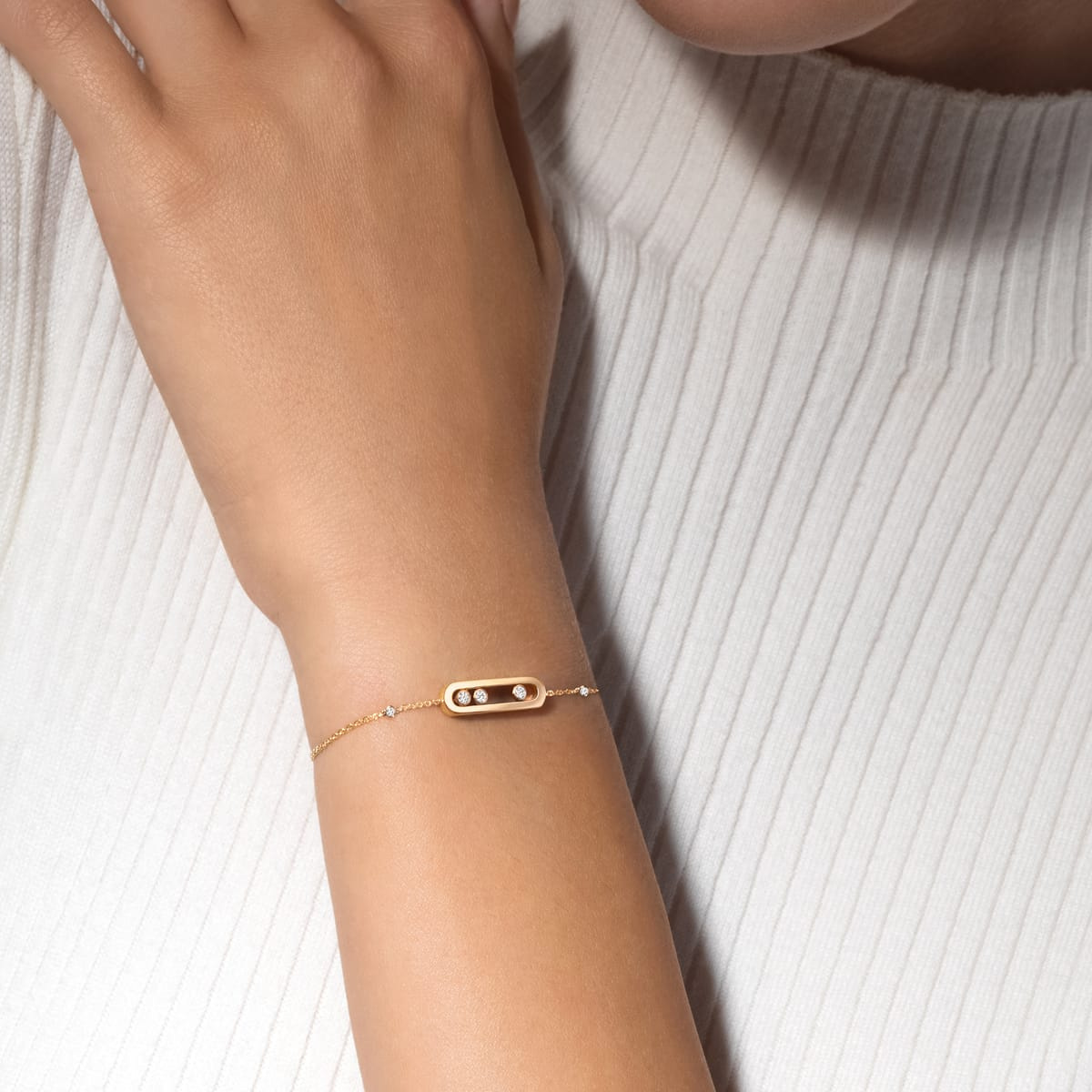
In the wrist photograph, the bracelet’s centre appears within a much larger field of skin and clothing. Its elongated outline remains legible, but its visual scale is restored. The product image had made the frame the whole world of the photograph; the portrait makes it one deliberate accent within an outfit. This change of distance is essential for understanding why a small object can remain graphic without needing to occupy a large area of the body.
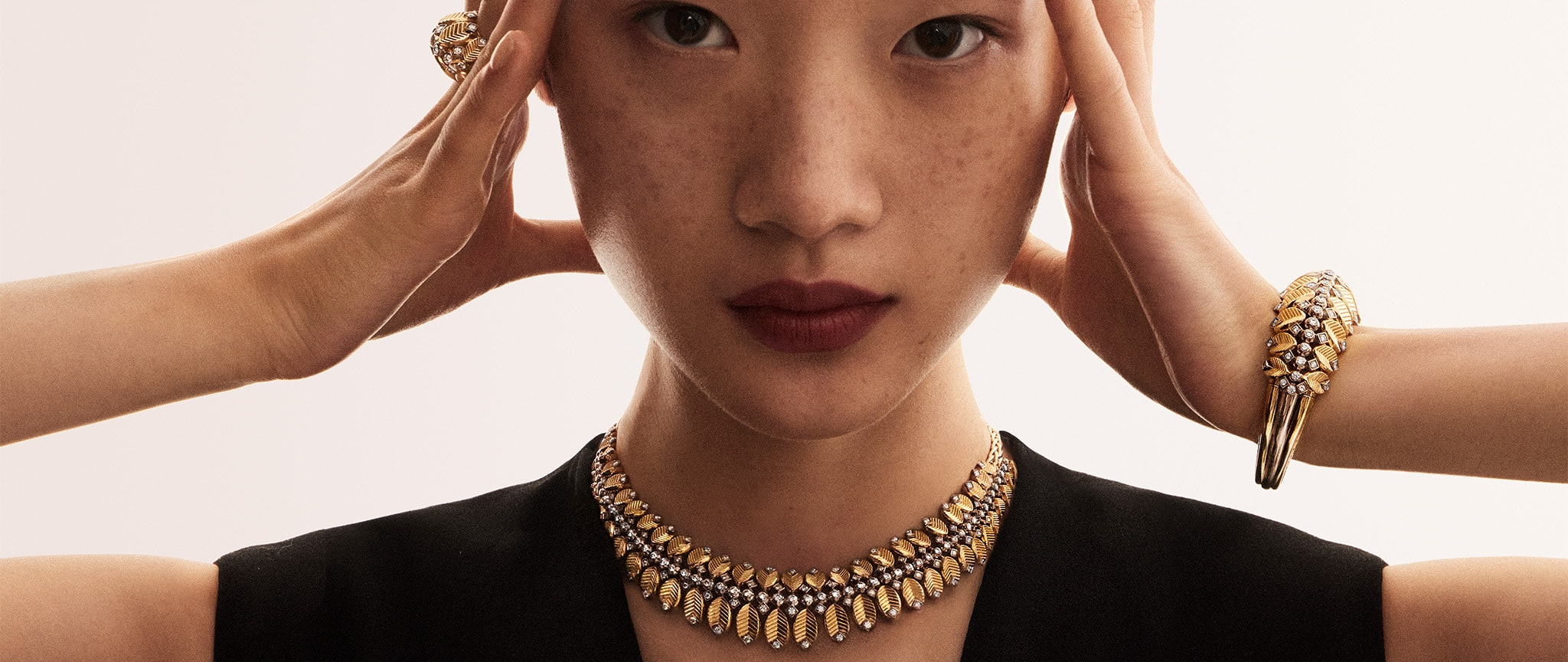
The worn ring introduces the hand as a moving background, while the earrings occupy the narrower space beside the face. Their complete product pair and the portrait show different levels of information. One establishes the earring’s full form; the other shows how the frame meets cheek, hair and the surrounding silhouette. The shared motif does not eliminate those differences. A collection becomes more coherent when each object is allowed to keep its own relation to the body.
The violet family arrangement adds a broader visual field, but it should be read with care. Other Move interpretations visible there are not alternate views of the Classique ring or necklace. Their role is to show the design language extending beyond the featured references. The individually selected studio and worn images then bring the article back to its central subject: the long open frame, three separate bright points and the intervals that keep them readable.
What the photograph and product record each supply
| Question | Official imagery can show | Exact record or demonstration should establish |
|---|---|---|
| What defines Classique? | An open elongated frame and three visible diamonds | The named reference and its material description |
| How large is its presence? | Scale beside wrist, hand or face | Dimensions, length and the supplied size |
| Do the stones move? | Their visible positions in one still frame | Maker instructions and a demonstration of movement |
| Which family is shown? | Several Move interpretations in the violet arrangement | The identity of each individual product |
No universal stone weight, metal composition or availability is inferred across the collection. The dated origin belongs to Move’s published history; the current catalogue is the source for the objects considered in October 2026. The photographs do not constitute a wear or mechanical test.
The Luxe Digital view
Move Classique is compelling where its frame gives three diamonds enough space to remain a sequence. The maker’s movement proposition adds another dimension, but the visual structure is already clear in the complete objects. Messika’s design language is best explained by that relationship between boundary, bright points and open interval.
Move Classique is compelling where its frame gives three diamonds enough space to remain a sequence.
Sources & credits
Sources and methodology
Independent visual analysis of current official imagery and named product records, checked on 14 October 2026. Historical introductions, manufacturer specifications and visual observations are kept distinct. No visit, interview, independent handling or appraisal is implied.
- Messika — source 1: Current official collection, named designs, dated context and selected image provenance.
- Messika — source 2: Current official collection, named designs, dated context and selected image provenance.