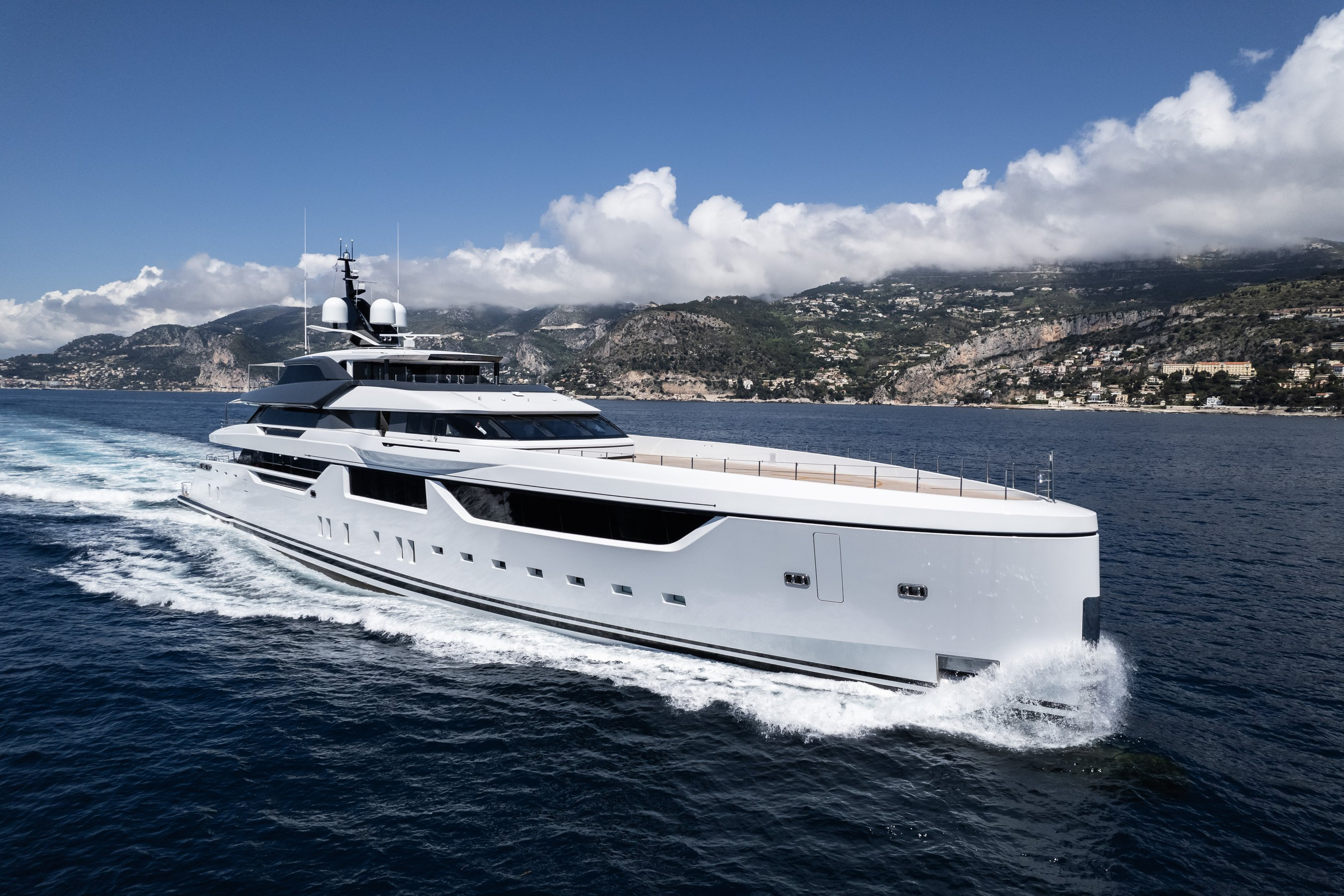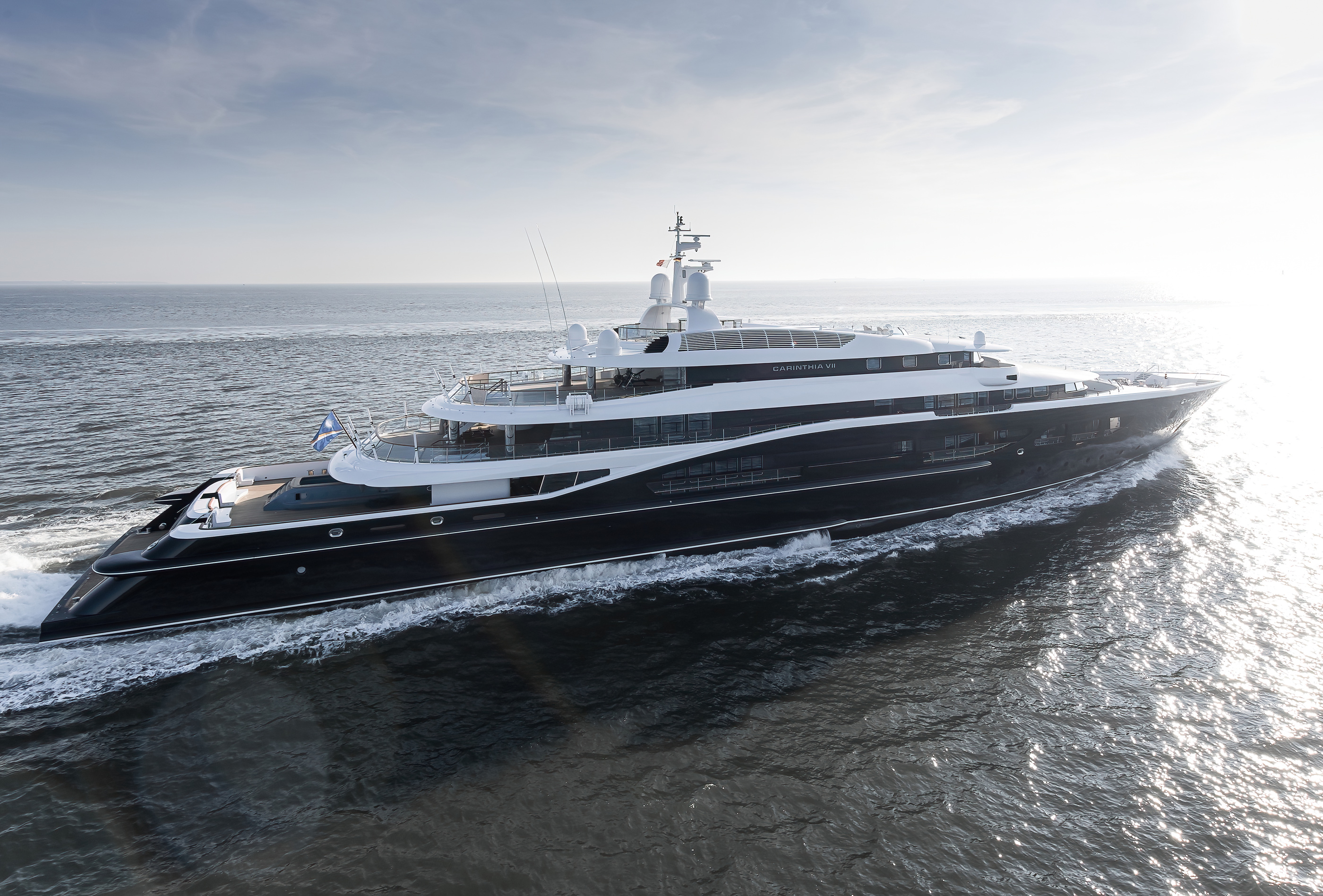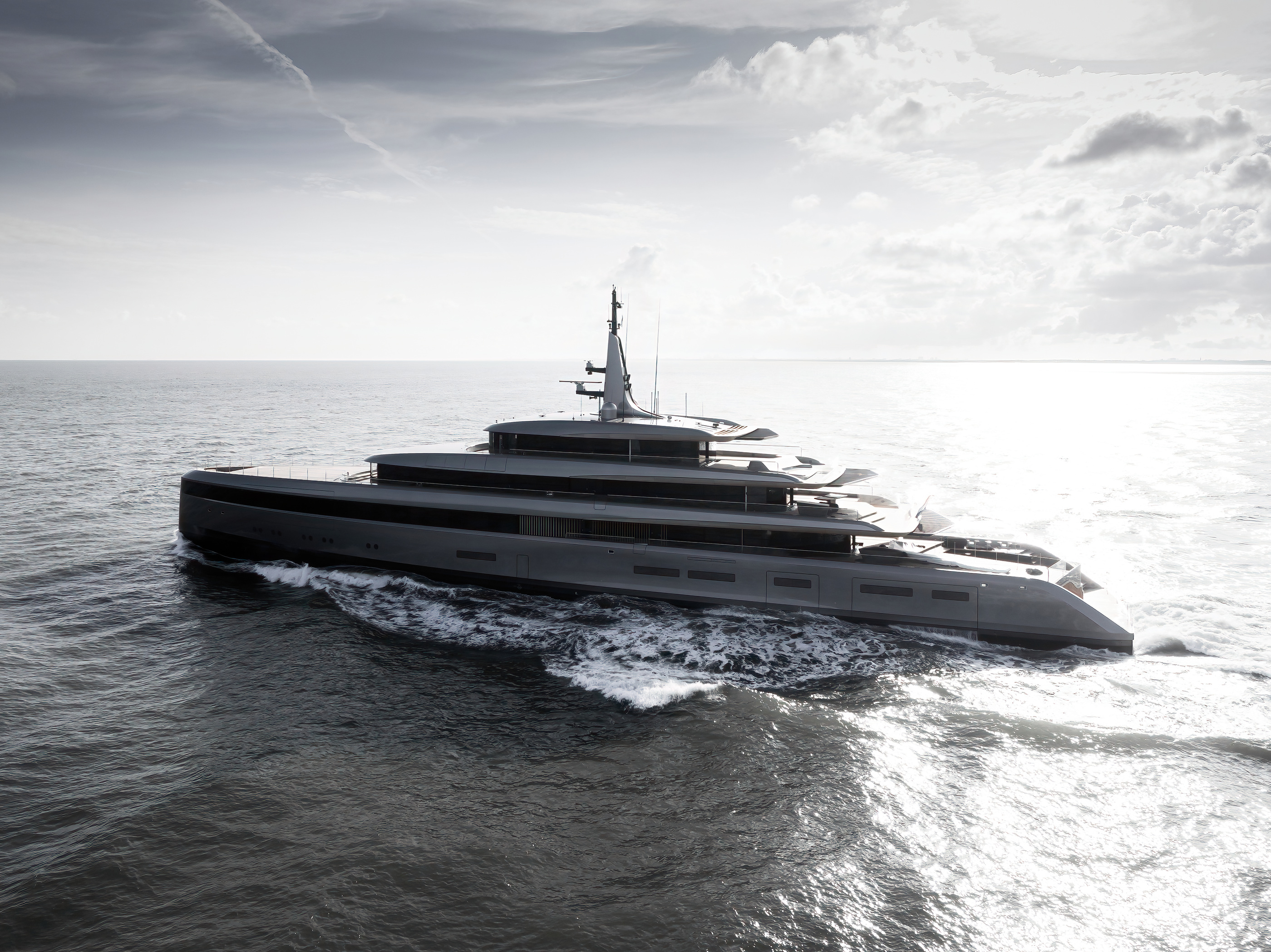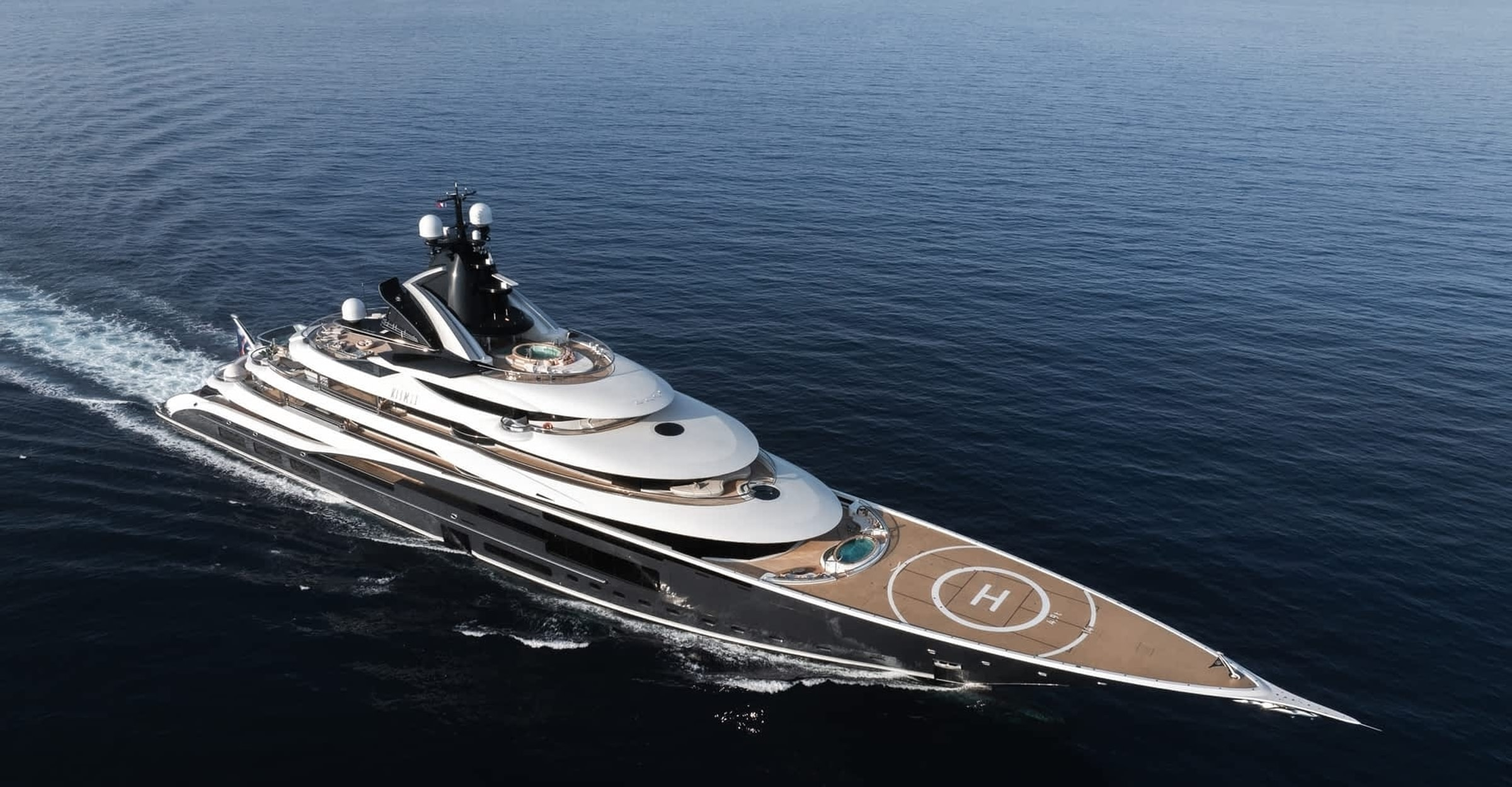
KISMET is a 122-metre custom motor yacht delivered by Lürssen in 2024, with exterior design by Nuvolari Lenard and interiors by Reymond Langton Design. At this scale, the useful story is not a list of amenities. It is how architecture, engineering and operations are coordinated across a vessel conceived as a singular project. This evidence-led analysis explains what the official record establishes, what the photographs reveal and which conclusions still require direct access or operating data.
Reading a yacht of this scale
Length is the most visible number attached to a superyacht, but it is only the beginning of the design problem. At 122 metres, circulation, service routes, structural loads, technical redundancy and the relationship between interior volume and exterior deck space all become architectural decisions. A profile image can communicate silhouette; it cannot show how effectively guests and crew move through the yacht, how noise is controlled or how systems perform over a season.
Lürssen's official profile identifies KISMET as a custom build rather than a repeat production platform. In that context, “custom” should mean that layout, engineering and aesthetic decisions respond to an owner's brief within class, flag and shipyard constraints. It should not be used as a synonym for unlimited choice. Large-yacht design is a sequence of trade-offs between volume, weight, range, speed, comfort, maintainability and schedule.
Exterior and interior authorship
Nuvolari Lenard's exterior work gives the yacht its public identity: a long, layered profile and strong transitions between enclosed volume and open decks. Reymond Langton Design is credited with the interior. Crediting both studios is important because the boundary between exterior and interior is not purely visual. Window placement, deck heights, stair geometry and structural grids affect both disciplines, while naval architecture and engineering constrain what can be executed safely.
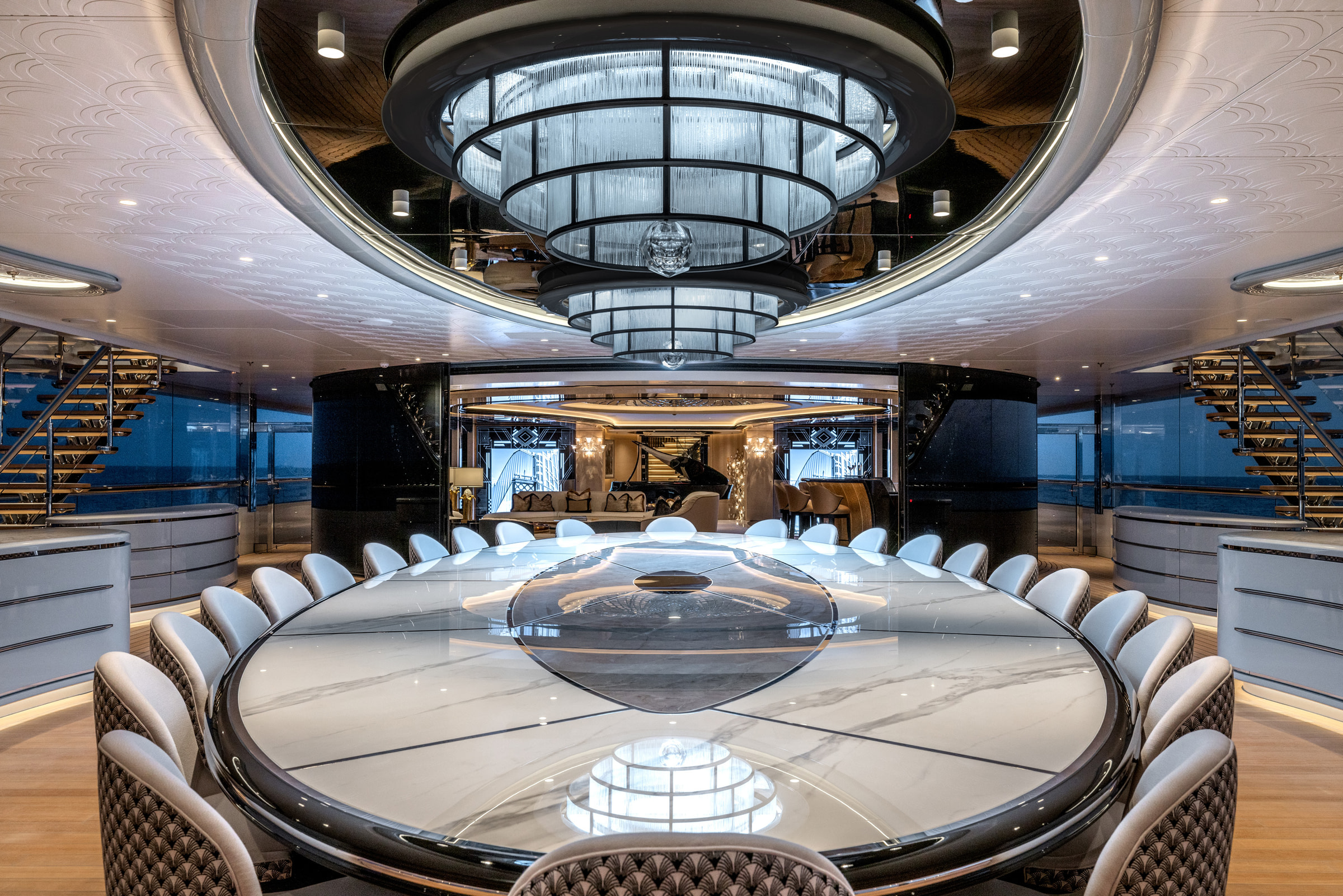
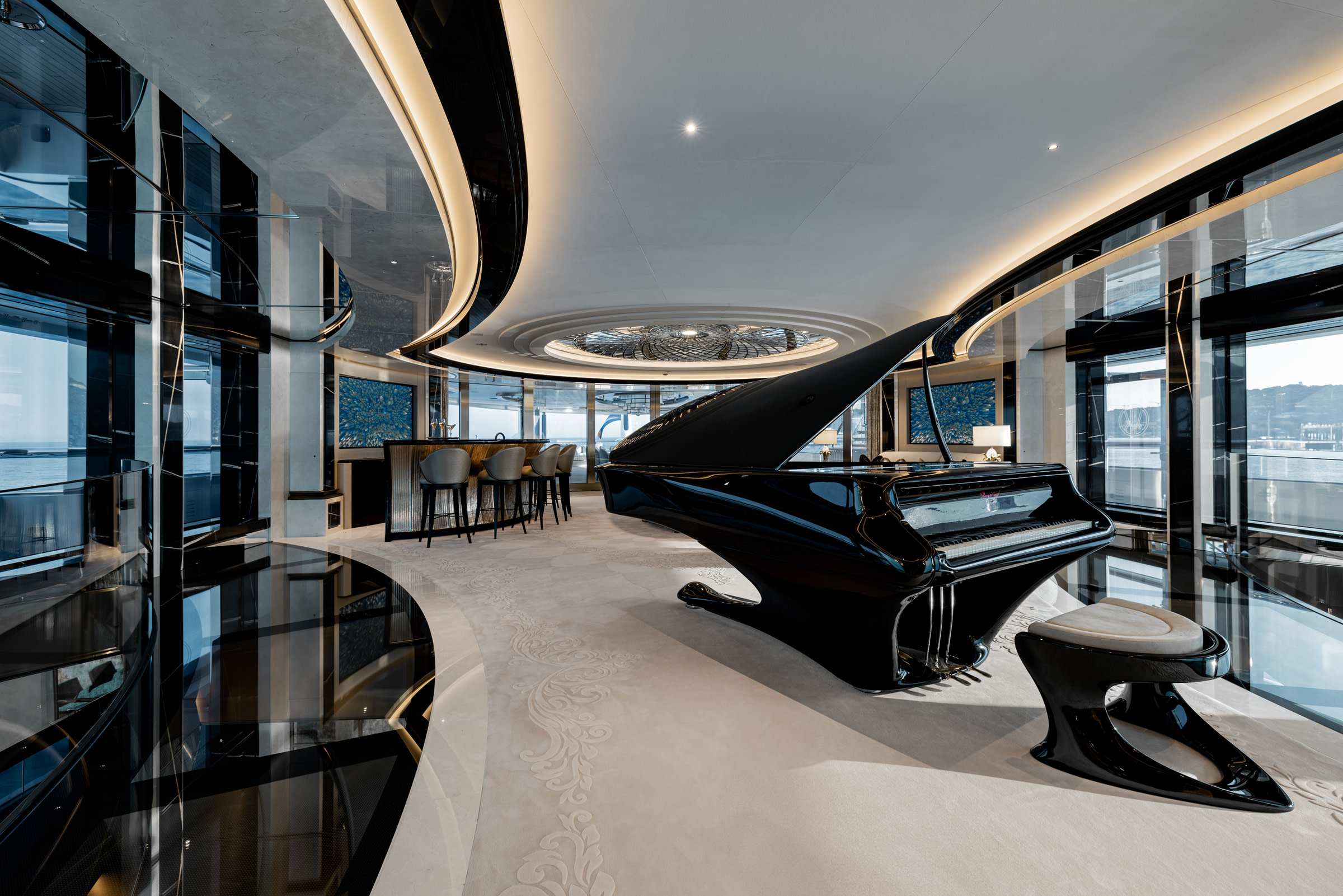
Official photographs and design descriptions document materials, spatial intent and declared features. They cannot independently prove acoustic comfort, finish durability or ergonomic performance. Those judgments require verified access, attributed interviews and technical evidence.
The official technical record
Lürssen's current KISMET profile goes beyond dimensions and authorship. The builder describes a hybrid powertrain with a full-electric mode, generator heat recovery used for pool-water heating and dynamic positioning intended to reduce reliance on a physical anchor in sensitive or remote areas. It also lists a wellness suite, treatment facilities, gym, yoga studio, lower-deck cinema and underwater seating area.
These are attributed builder declarations, not results from an independent test. "Hybrid" does not by itself disclose the operating strategy, battery capacity, time available in electric mode, fuel saving across a representative season or lifecycle impact. Dynamic positioning can be operationally useful, but its appropriateness depends on permissions, seabed, weather, redundancy and bridge procedures. Heat recovery is a rational use of energy that would otherwise be rejected, yet its actual contribution can only be quantified with load profiles and operating data.
The distinction matters because a large yacht can carry several efficiency technologies while still imposing a substantial material and energy burden. Luxe Digital will therefore describe the installed systems precisely, avoid unsupported environmental superlatives and request measurable boundaries before making any comparative sustainability claim.
Space is a system, not a feature count
At this scale, the published amenity list should be read as a set of demands on architecture and operations. A wellness suite needs treatment privacy, ventilation, wet-area detailing and service access. A cinema adds acoustic isolation and equipment maintenance. A gym affects deck loads, headroom and air treatment. Underwater viewing or seating introduces interfaces whose inspection and maintenance cannot be assessed from imagery.
The editorial question is not whether each amenity exists. It is whether the spaces form a coherent sequence, remain usable underway and can be supported without compromising crew routes or engineering access. A plan review would examine vertical circulation, distance between principal guest areas, separation of clean and service flows, tender operations, escape routes and how frequently technical teams need to cross guest zones. None of those outcomes should be inferred from a gallery.
This is also why gross tonnage, were it available from an authoritative record, would need explanation rather than treatment as weight. Length and enclosed volume frame the project, but neither reveals the quality of allocation. The more useful owner-side analysis asks what proportion of complexity directly supports the mission and what proportion creates a permanent maintenance commitment.
What an owner-side review would examine
A serious project review would look beyond the feature list. It would ask how many distinct guest zones can operate without conflicting with crew circulation; whether exterior areas remain usable across wind and sea conditions; how tenders and equipment are launched; and how machinery access affects long-term maintenance. It would also distinguish gross tonnage from weight and ask how the yacht's internal volume is allocated rather than treating length as a proxy for usable space.
The owner-side sequence begins with mission, not styling. Expected cruising area, season length, privacy requirements, guest profile, aviation or tender needs and maintenance strategy shape the general arrangement. Only then can a design team judge whether a requested feature earns the volume, complexity and operating burden it introduces.
From specification to acceptance
Lürssen's manufacturing description provides useful context for a custom project. It describes design approval, steel cutting, keel laying, block construction, launch, sea trial and delivery as distinct milestones. The yard also notes that block sections can be pre-outfitted with pipework, electrical cables and other systems before assembly. This is a process description, not evidence that every project follows an identical schedule or commercial arrangement.
The same source says the sea-acceptance phase can include speed, dynamic-positioning, navigation, noise and vibration, lifesaving equipment, stabilisers, temperature and anchor-function checks with the applicable classification society and owner representatives. That list clarifies why delivery cannot be reduced to an aesthetic reveal. It also does not make the resulting data public. A rigorous review would ask which acceptance criteria applied, which operating conditions were used, which observations remained open at handover and how post-delivery issues were closed.
For an owner or adviser, the documentation chain should connect requirements, drawings, approved changes, commissioning evidence and maintenance information. Feature additions late in a programme can affect weight, access, software integration and schedule. The relevant question is therefore not simply whether a feature was installed, but whether it was specified, verified and documented in a way that supports safe operation over time.
What the public record can and cannot establish
An access-led KISMET review would need, at minimum, inspection of representative guest and technical spaces; a clear statement of who provided access; interviews with appropriately attributed project participants; the applicable public class and flag records; and independently observable evidence for any statement about noise, vibration, manoeuvring, range or energy use.
Until that evidence exists, the appropriate editorial form is a technical and design overview. It can explain the significance of documented choices and identify the questions a serious buyer, adviser or designer would ask. It cannot award a verdict on comfort, execution or value.
The limits of the public evidence
The official record supports delivery year, length, builder and named designers. It does not provide a complete public cost base, verified annual operating budget, independent sea-trial dataset or resale forecast. None is inferred here. Ownership and private-life narratives are also outside the scope of this technical overview.
KISMET is therefore useful as a study in coordinated custom-yacht authorship. It illustrates how a major shipyard and two design studios express a specific brief at exceptional scale. A verdict on execution would require evidence that public sources cannot supply.
Key takeaways
- KISMET is an officially documented 122-metre Lürssen delivery from 2024.
- Nuvolari Lenard and Reymond Langton Design have distinct, credited design roles.
- Public imagery supports design description, not an independent quality or usability verdict.
- Cost, performance, ownership and resale conclusions are deliberately excluded.
- Builder-declared hybrid, heat-recovery and dynamic-positioning systems need operating data before comparative efficiency claims.
- A complete operational review would require direct access and acceptance evidence beyond the public record.
Sources & credits
Methodology and sources
This analysis uses Lürssen's current KISMET profile and manufacturing record, with Lloyd's Register guidance providing classification context. Vessel-specific claims were rechecked on 28 August 2026. Manufacturer statements remain attributed, and no independent sea-trial or ownership-cost dataset is inferred.