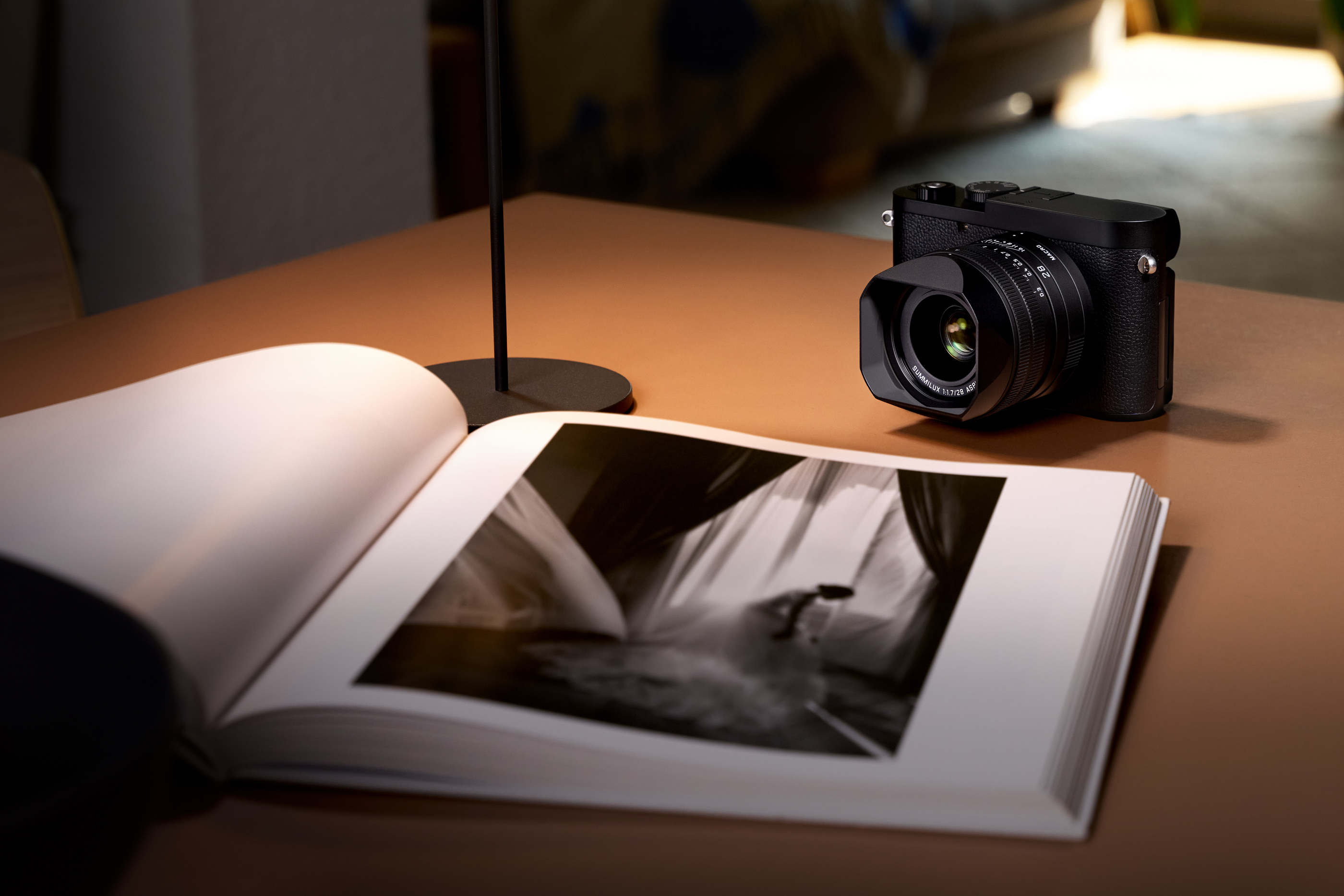
Choosing the Leica Q3 Monochrom changes the decision made at capture. Its dedicated sensor records a black-and-white image, so colour is no longer a file characteristic waiting for a later editorial choice. Light, tone and structure become the organising material from the outset. That makes the camera a useful subject for Intelligence: the object commits its owner to a particular kind of photographic archive.
The decision begins at capture
Leica introduced the Q3 Monochrom in November 2025. Its current product account describes a dedicated 60 MP monochrome sensor without a colour-filter array. This is the defining distinction from a colour camera whose output is later converted into black and white. The file begins with another capture architecture.
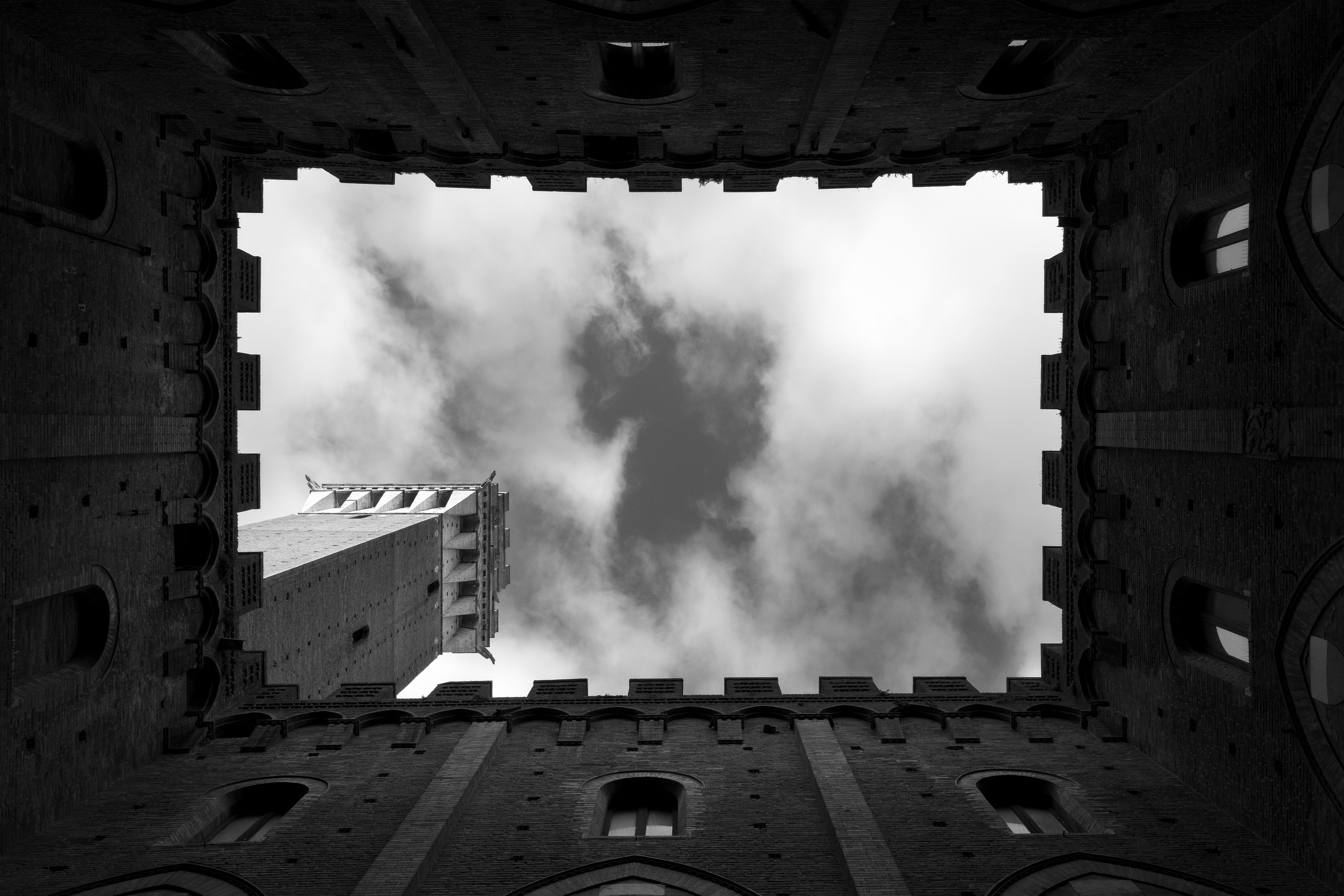
The official architectural image makes the visual intention easy to examine. A bright opening sits within a darker built frame, while clouds occupy the centre of the composition. Colour is unnecessary to describe the relationship between those elements. The image asks the eye to move through tone, edge and the different scales of the shapes.
That approach carries a practical consequence for an owner. A colour interpretation cannot simply be recovered from a capture that did not record it. A photographer producing an archive for several future uses should therefore consider the intended role of monochrome at the beginning of the workflow, alongside the visual attraction of the camera itself.
A fixed lens gives the frame a starting point
The camera’s lens is the Summilux 28 mm f/1.7 ASPH. Leica also lists digital frame selections extending beyond that starting field of view. The distinction between a fixed lens and a digital framing option should remain visible in a product account. They are different descriptions of how an image can be composed.
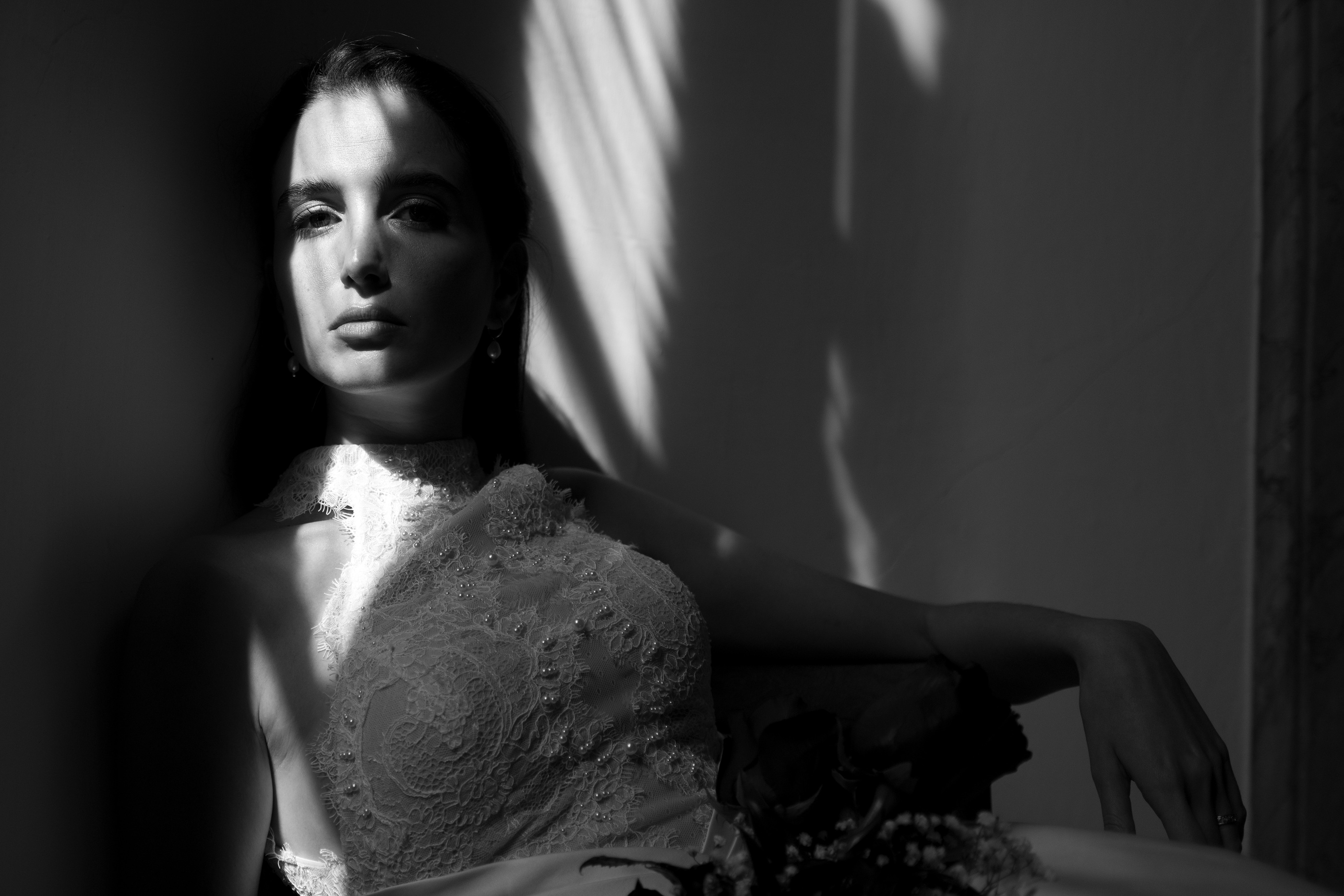
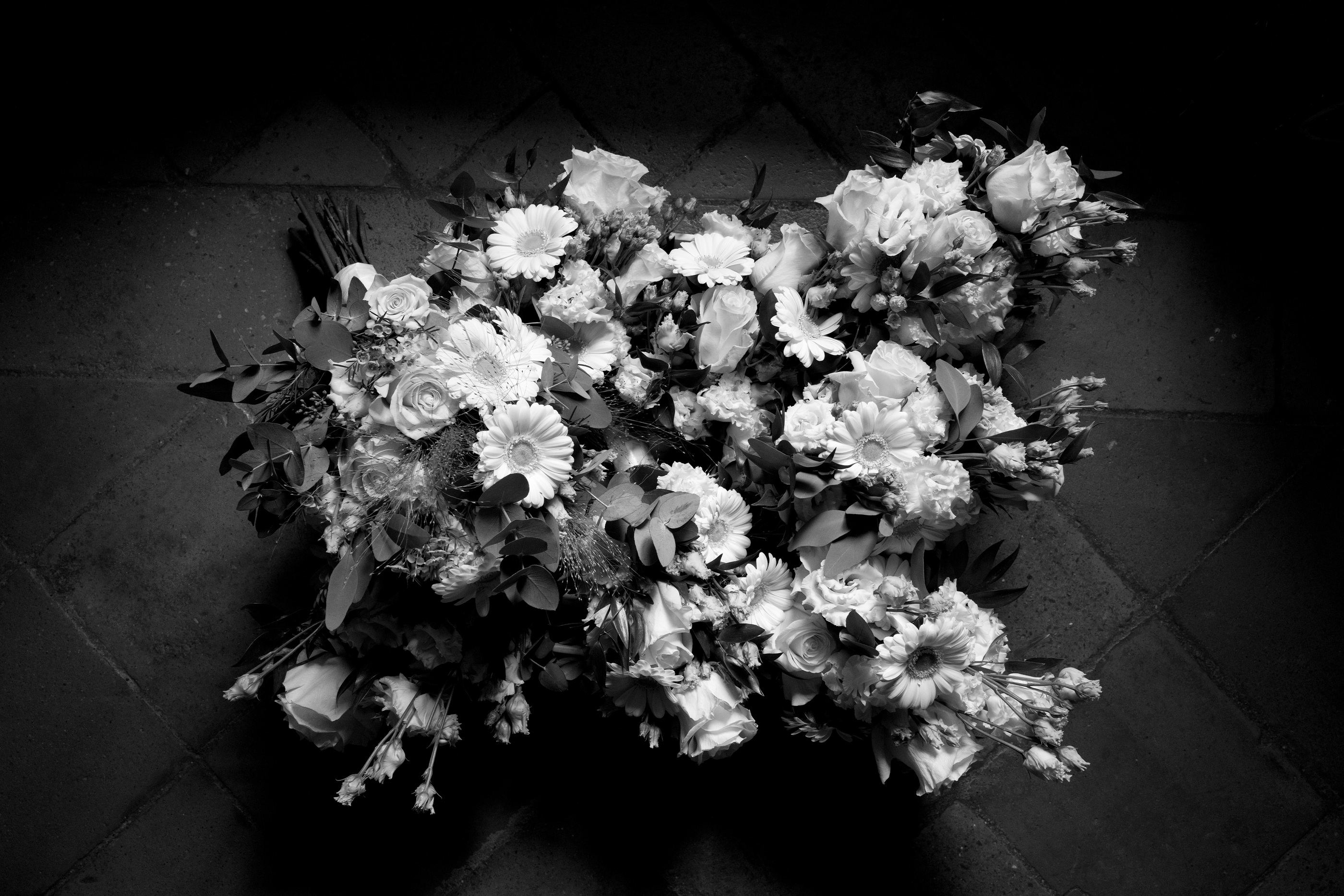
In the official presentation, a portrait, a still life of flowers and the architectural scene establish several uses of the same monochrome language. Each relies on a different relationship between the subject and the surrounding frame. They are illustrative images published by the maker, rather than our own test photographs or proof of a result a particular owner will obtain.
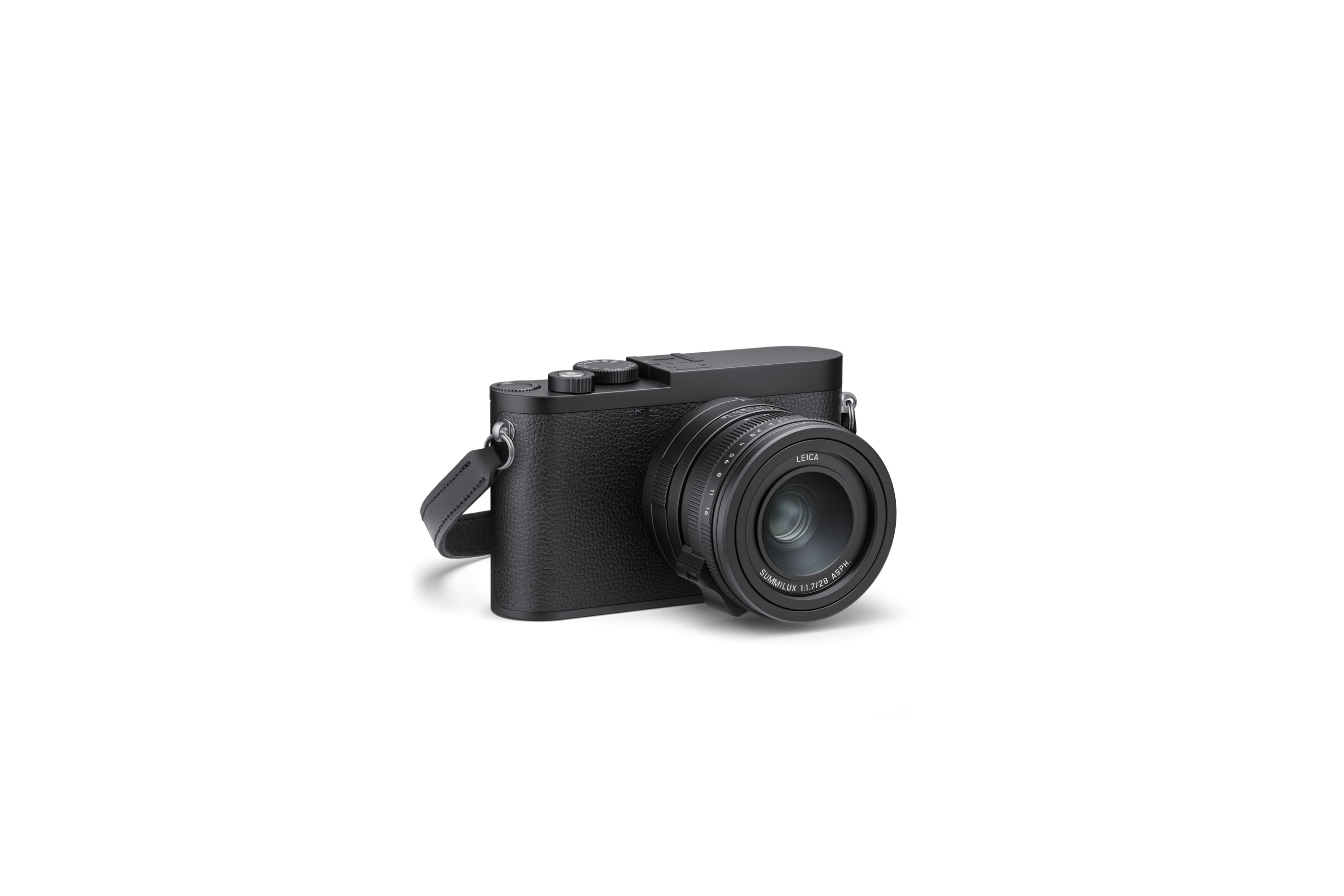
The lens specification provides a concrete starting point for thinking about those subjects. The choice of position remains part of the photographer’s work. A fixed-lens camera encourages the owner to understand that relationship clearly: what can enter the frame, how near to stand and which surrounding elements contribute to the photograph.
Resolution is also a workflow choice
Leica’s Triple Resolution Technology offers image output at 60, 36 or 18 MP. These are distinct published choices within the camera’s workflow. Their usefulness depends on the intended file, the required output and the rest of the owner’s production process, rather than on an assumption that the largest number is automatically the right choice for every photograph.
The same discipline applies when evaluating sample images. An attractive published photograph can establish the manufacturer’s visual intention, but it does not independently measure sensor performance. Questions about dynamic range, noise or autofocus behaviour need evidence suited to those questions. This article examines the documented design and the decisions it introduces.
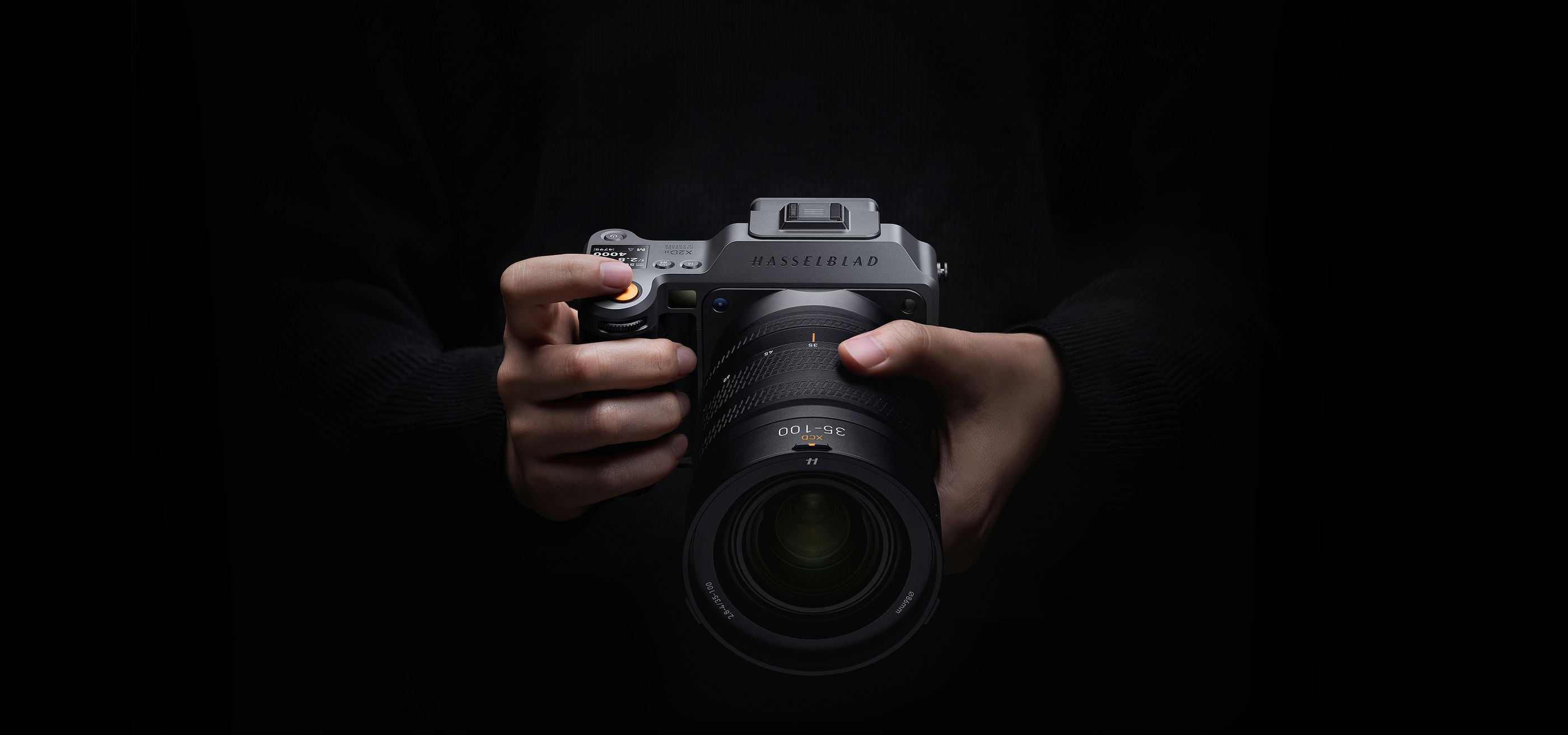
The complete camera photographs add another aspect of the workflow. The top, rear controls and tilting display show the object through which those choices are made. They allow the interface to be considered as part of the product, rather than treating the sensor as an isolated specification detached from the photographer’s handling of the camera.
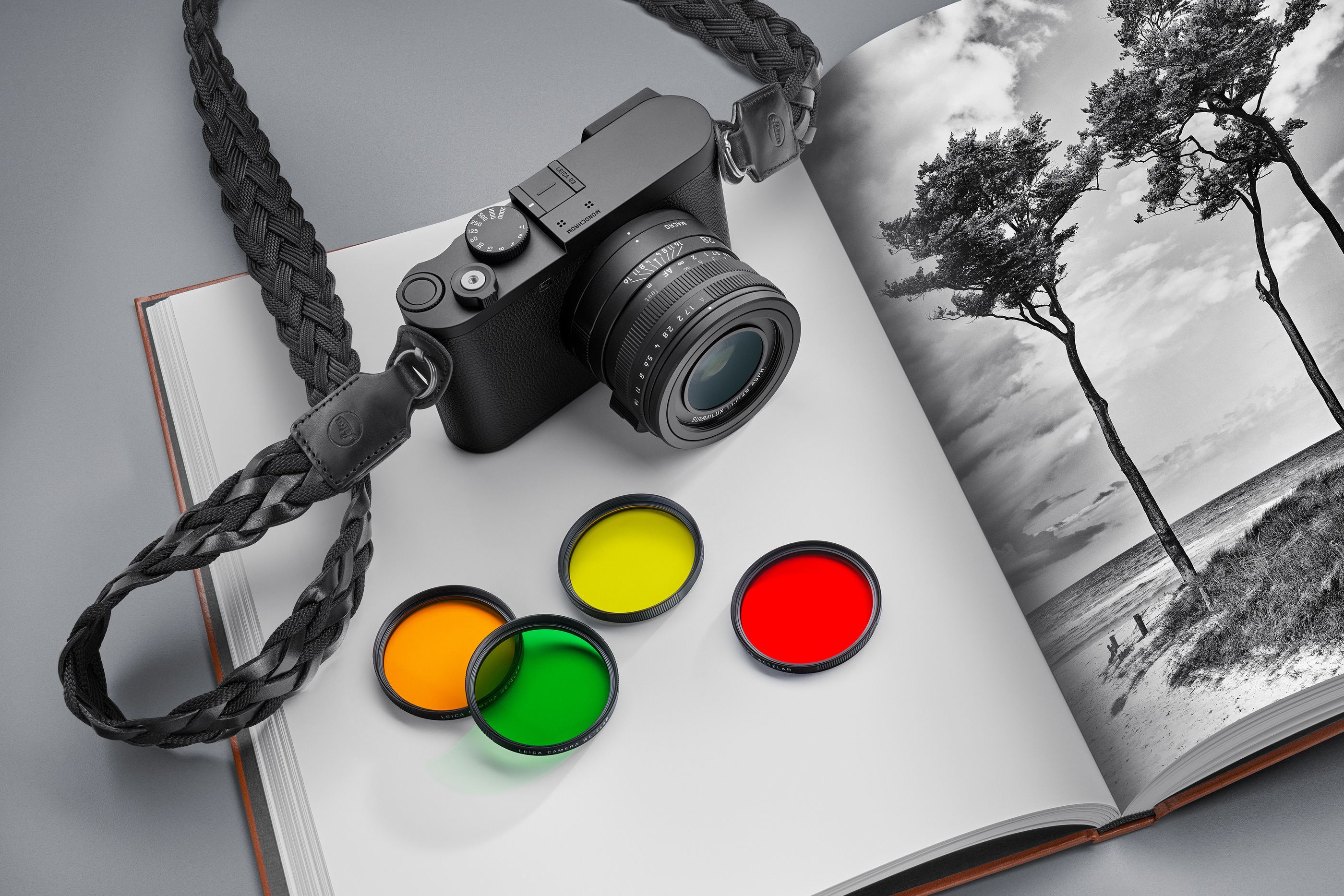
The interface belongs in the story
The current product account describes a tilting touch display and a 5.76 MP OLED viewfinder. The official handling image gives the display a visible role, showing it displaced from the rear surface of the body. That view explains an element of the interface without requiring a claim about how it felt during an unperformed handling test.
The body is presented with a restrained black finish, with the lens, controls and markings organised through small changes in surface and tone. It is a material expression consistent with the photographic proposition. In the supplied product images, the object can be read closely while the surrounding photographs demonstrate the separate visual world it is intended to support.
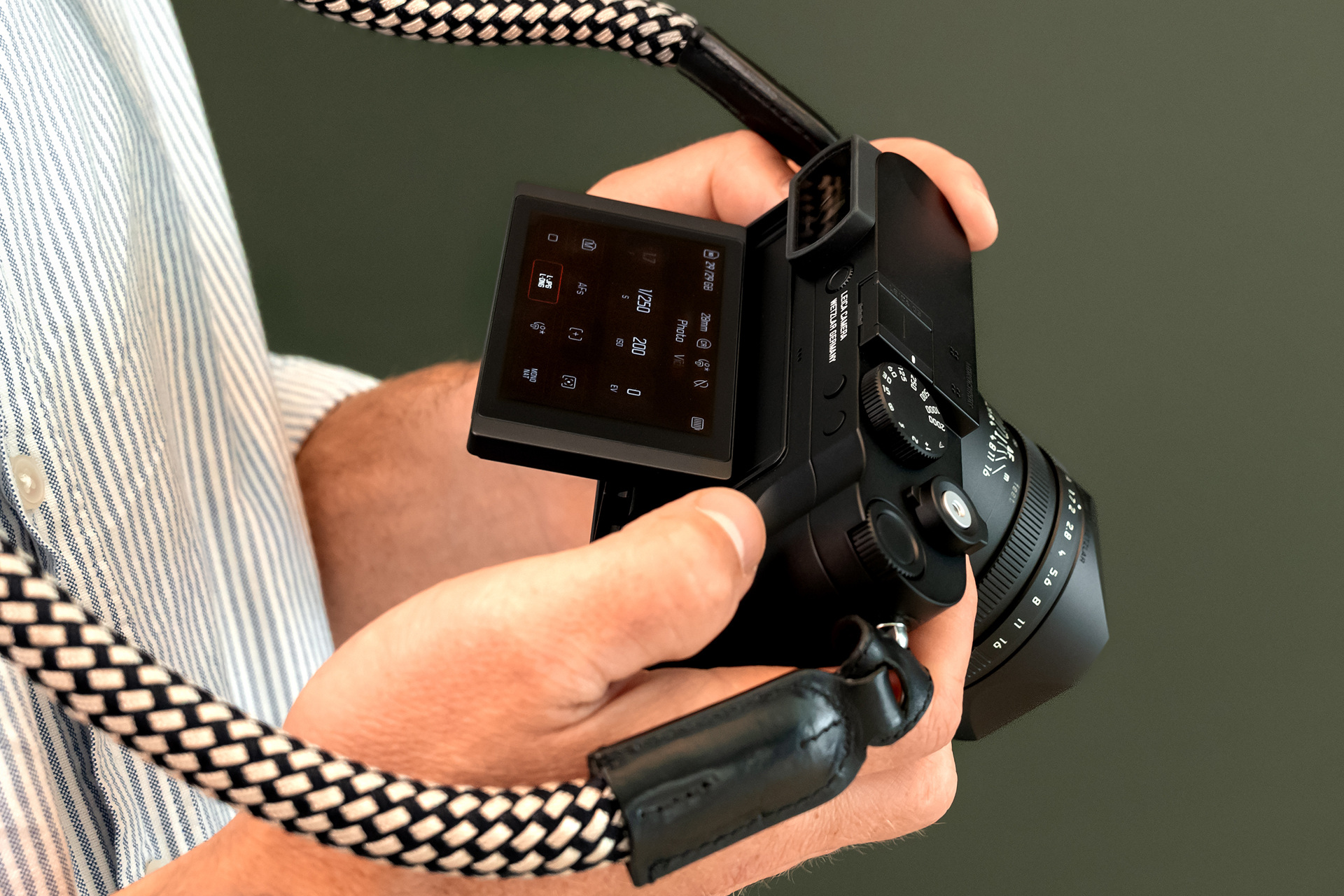
This relationship is worth examining for an owner deciding whether the camera belongs in a particular practice. The interface must support the way photographs are made; the sensor commits the files to a particular starting condition. Both choices remain relevant after the appeal of the initial product photograph has passed.
Provenance asks another question
Leica states that the Q3 Monochrom supports Content Credentials, bringing signed provenance information into the Q family. The maker describes this capability through its Content Credentials documentation. It is an additional subject alongside the monochrome sensor, because an image’s visual character and its documented origin answer different questions.
A record of provenance can help an editor inspect the history associated with a file. The interpretation of the scene still requires editorial judgement and evidence appropriate to the claim being made. The camera’s credential capability should therefore be considered as part of a verification workflow, rather than as a substitute for understanding what a photograph depicts.
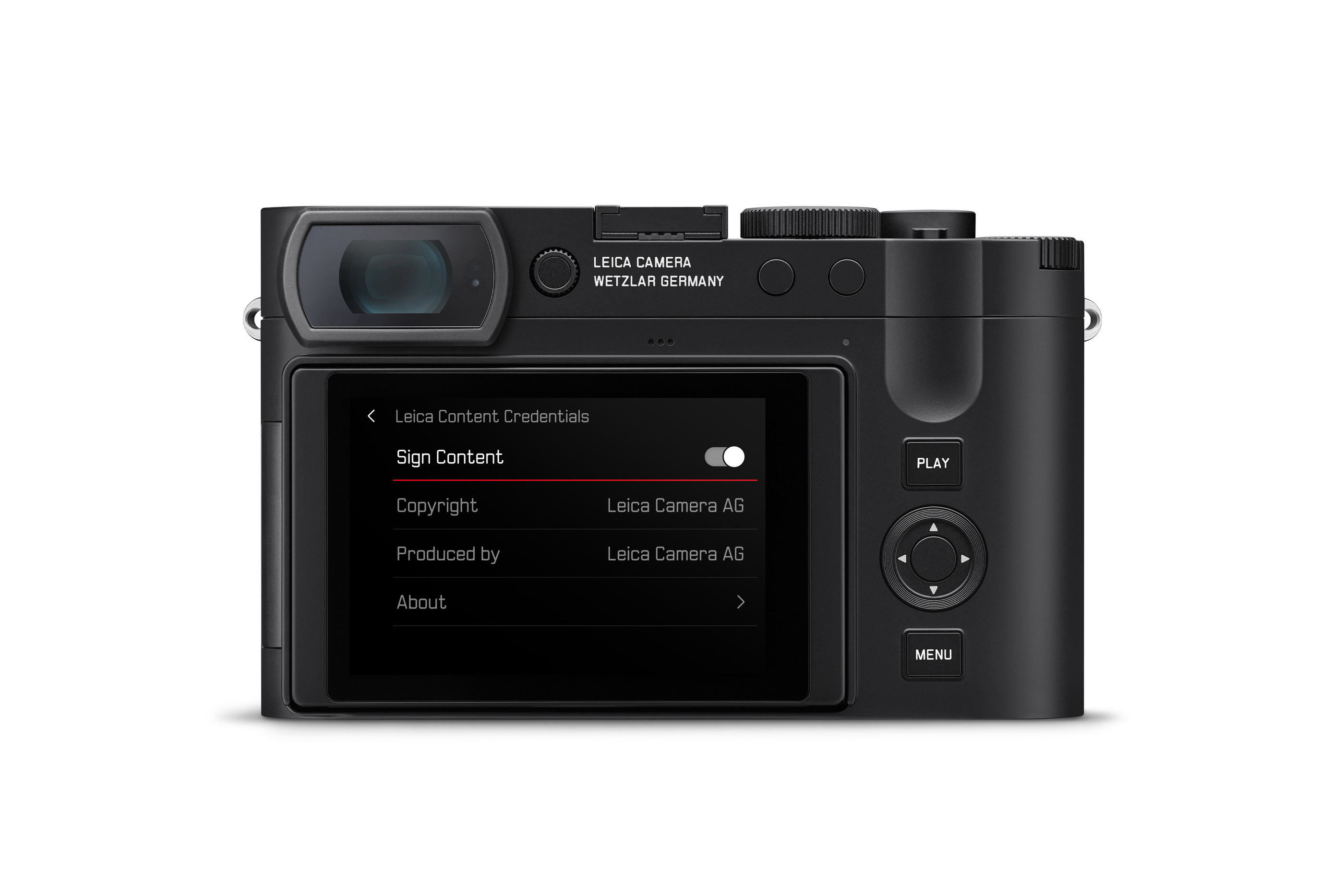
For a working archive, the practical next step is to inspect the actual credential information through the intended capture, editing and publication process. The relevant output should be checked in that process rather than assumed to preserve a particular record through every export. Our gallery illustrates the maker’s product presentation; no independent credential validation of these supplied images is claimed.
A brief for a monochrome archive
| Documented feature | Decision it introduces | Useful evaluation |
|---|---|---|
| Dedicated 60 MP monochrome sensor | Black-and-white capture at the sensor | Whether future uses require a colour original |
| Summilux 28 mm f/1.7 ASPH. | A fixed optical starting point | Position, subject distance and the intended frame |
| 60, 36 or 18 MP output | A resolution choice within the workflow | Required delivery and archive needs |
| Tilting touch display | Another way to view the image interface | The owner’s preferred shooting positions |
| 5.76 MP OLED viewfinder | A published interface specification | An appropriate in-person assessment of its use |
| Content Credentials support | A provenance capability | Verification in the actual editing and publication process |
The Luxe Digital view
The Q3 Monochrom is a camera whose strongest proposition begins with a deliberate limit. It places monochrome at capture and asks the owner to build a practice around that decision. The lens, interface and file choices then give the proposition a usable form.
That is why the subject extends beyond a black finish or a sensor number. It concerns what an owner intends to make, what an archive needs to retain and how a file will be understood when it reaches another reader. The official photographs make the visual ambition clear. A considered ownership decision begins by connecting that ambition to the work the camera will be asked to do.
The Q3 Monochrom is a camera whose strongest proposition begins with a deliberate limit.
Sources & credits
Sources and methodology
Independent editorial analysis of the documented product and official source imagery, checked on 14 October 2026. Visual interpretation is distinguished from manufacturer specifications. No visit, drive, handling session or independent performance test is implied; exact references and historical dates are retained.
- Leica Camera AG — source 1: Dedicatedmonochrome60MPsensor,60/36/18MPoutput,28mmf1.7lens,interface and published imagery.
- Leica Camera AG — source 2: 20November2025introduction and distinction from colourQ3.
- Leica Camera AG — source 3: Maker’s credential support account,not independent validation of suppliedsamplefiles.