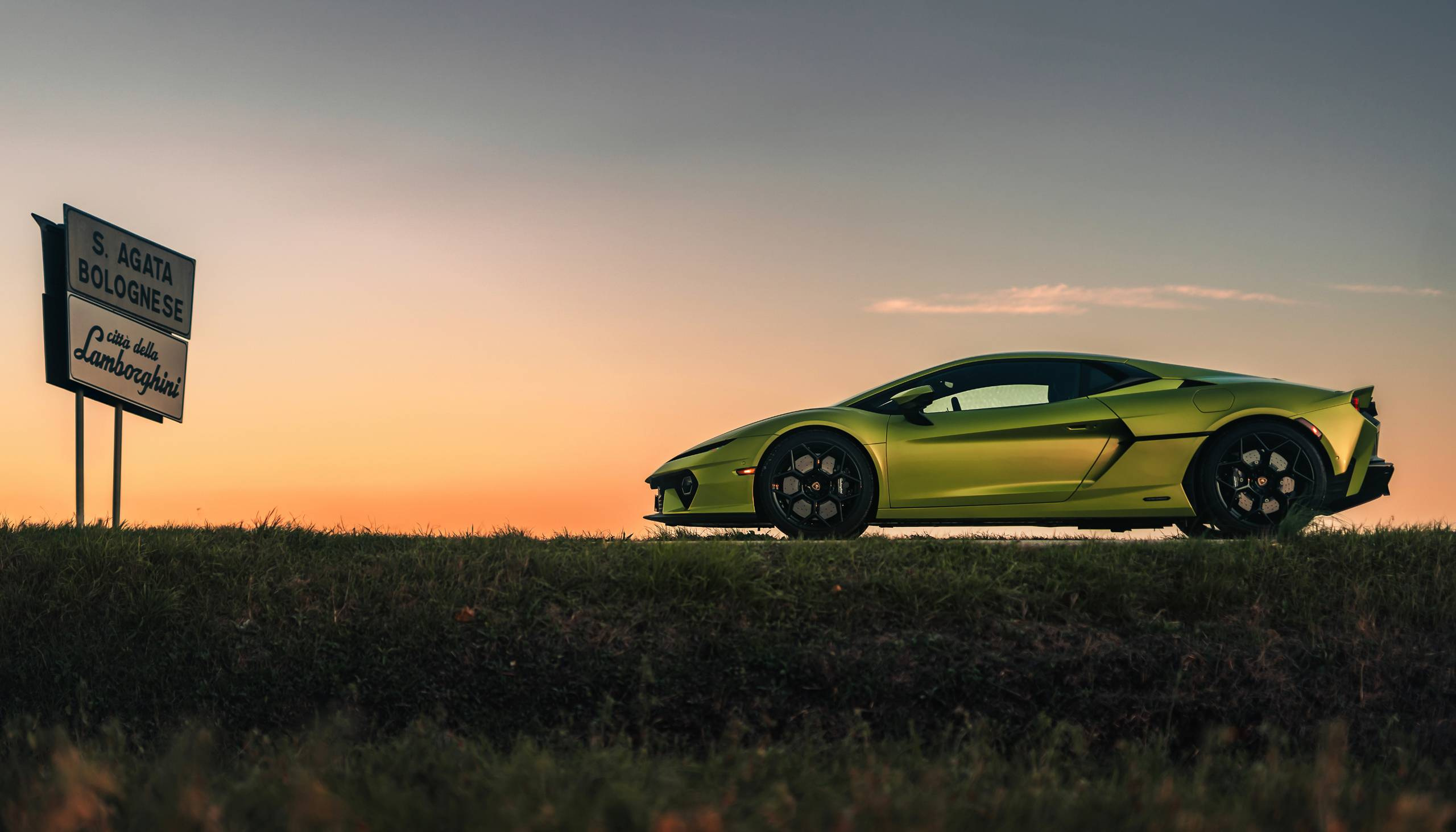
An engine speed can become a headline; an architecture is harder to see. With the Temerario, the useful story begins when the V8, electric machines, battery and cabin are read as one arrangement. The exterior gives that arrangement a recognisable outline, but the technical views explain why this Lamborghini is more than a familiar shape with a different number of cylinders.
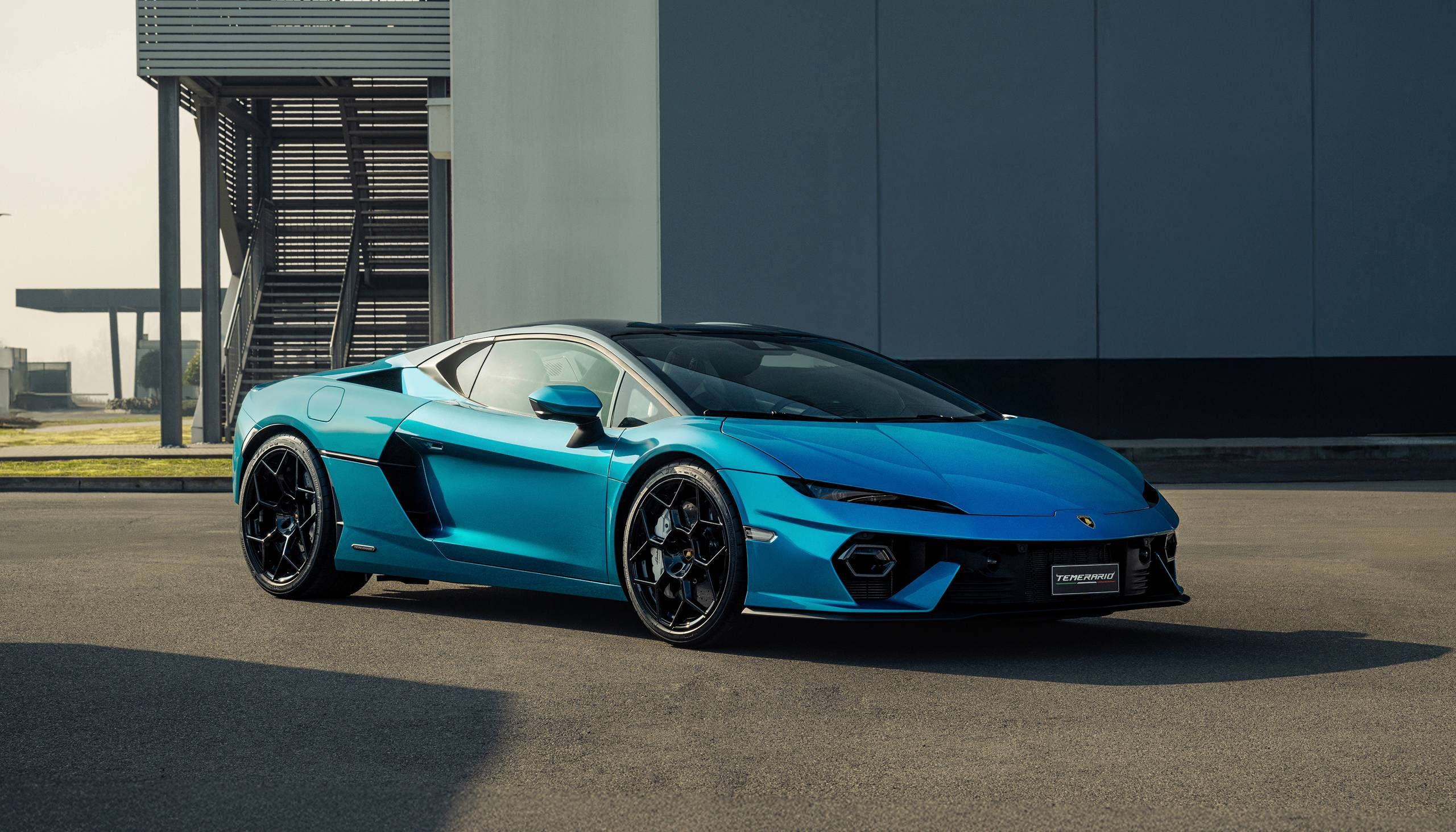
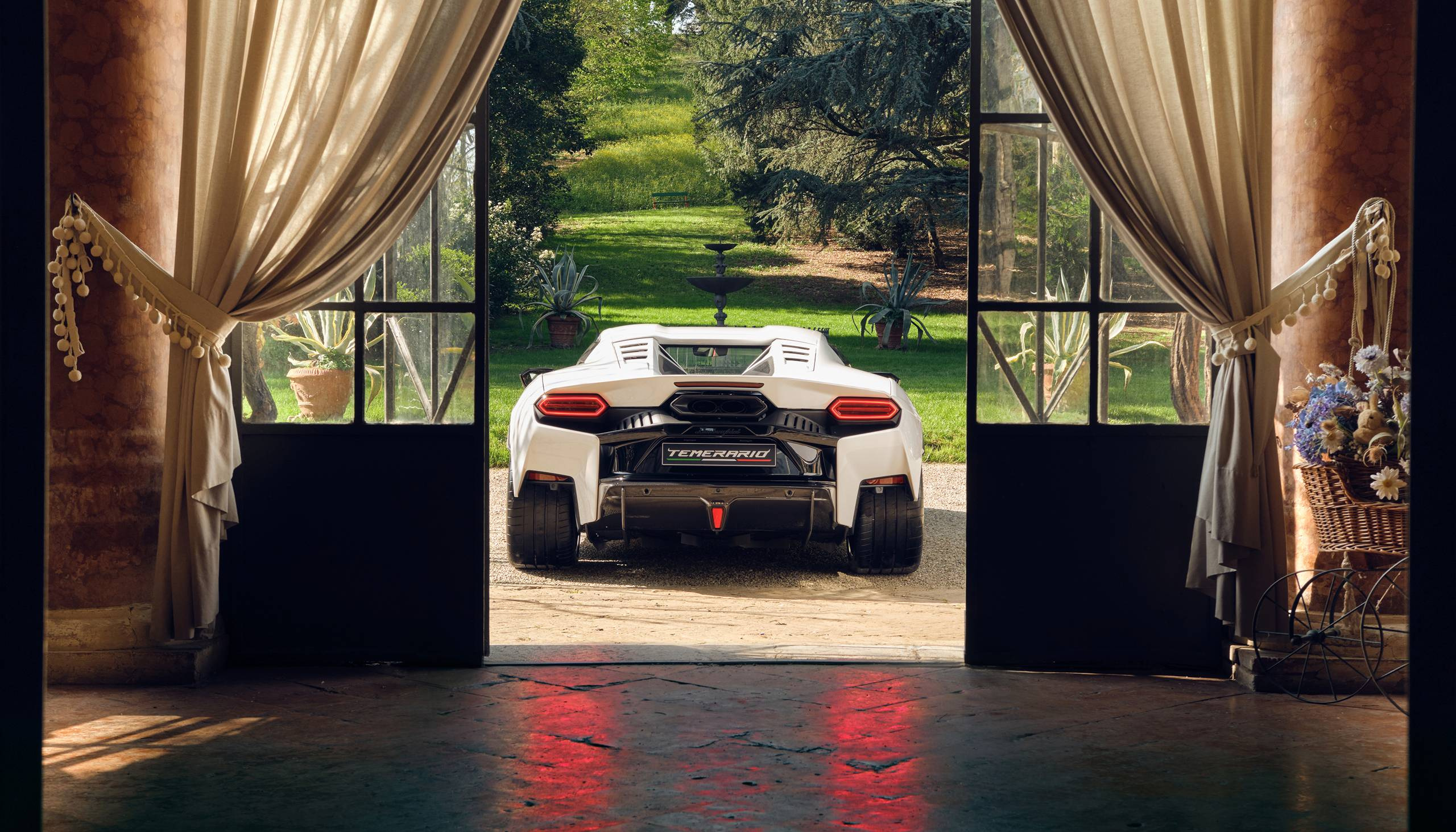
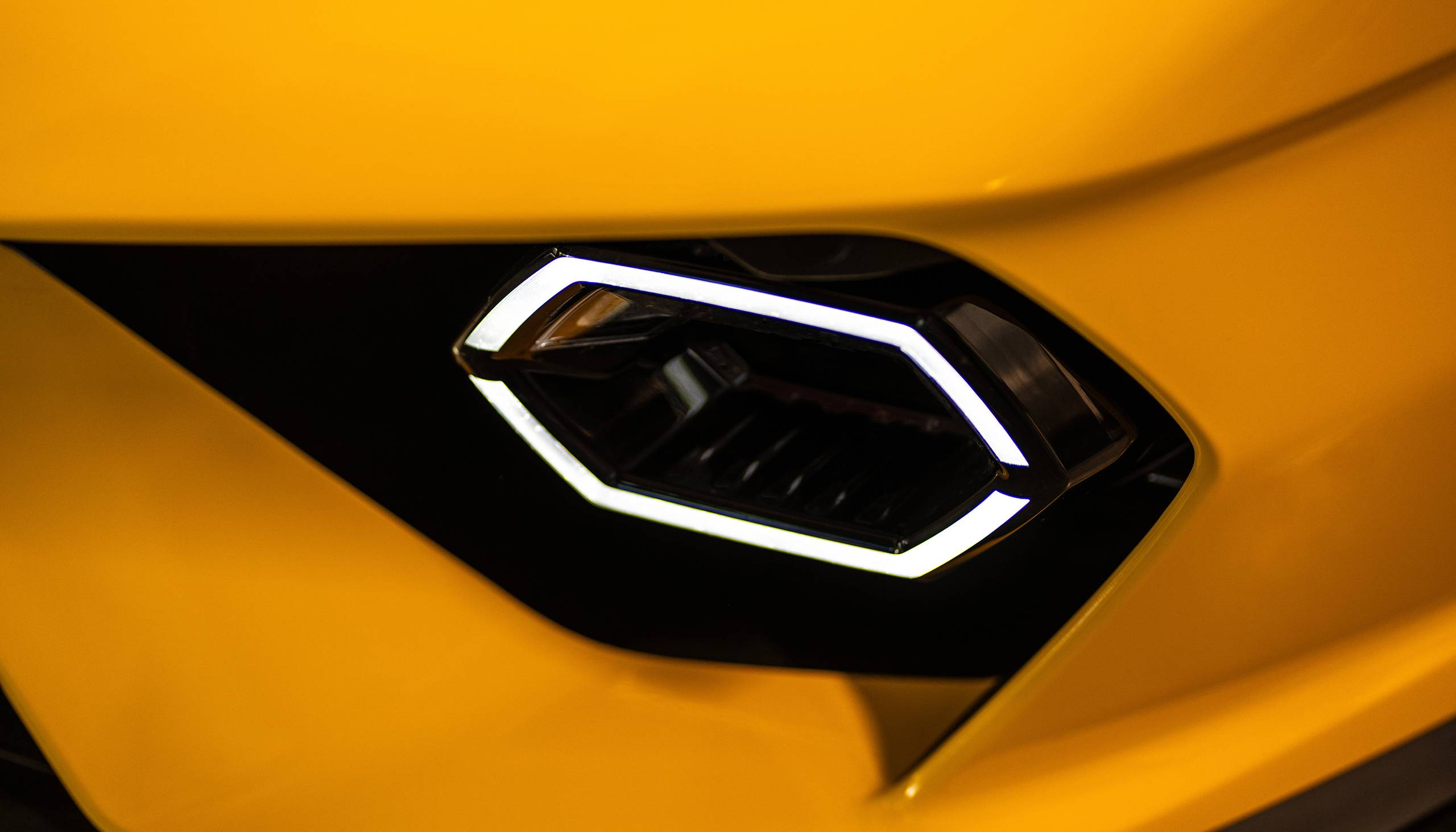
The silhouette before the specification
Lamborghini’s current model presentation combines a twin-turbo V8 with three electric motors. The manufacturer states that the engine can reach 10,000rpm. This is an analysis of that documented production architecture and official imagery, not a road test or a report of measured performance by Luxe Digital.
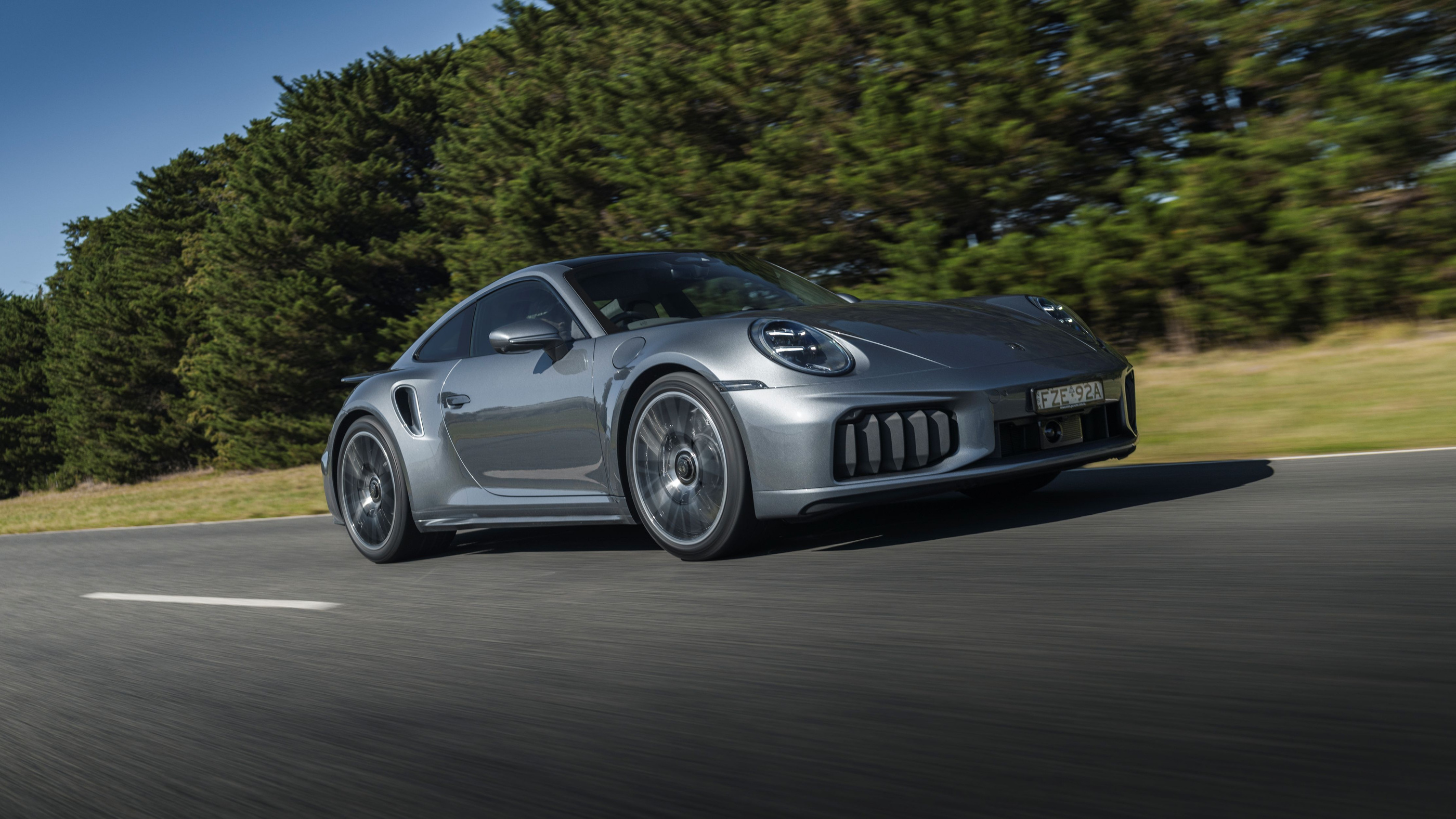
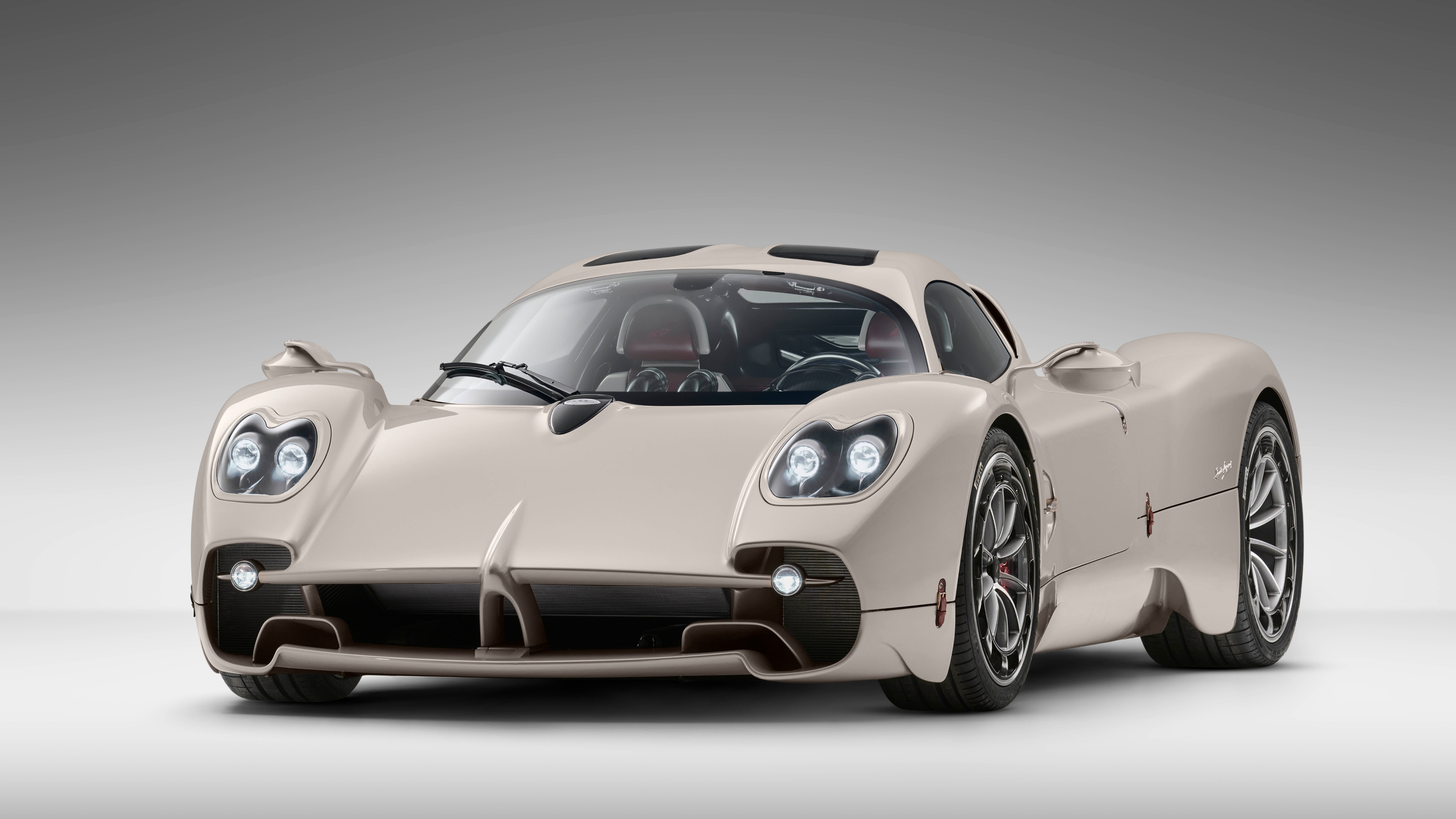
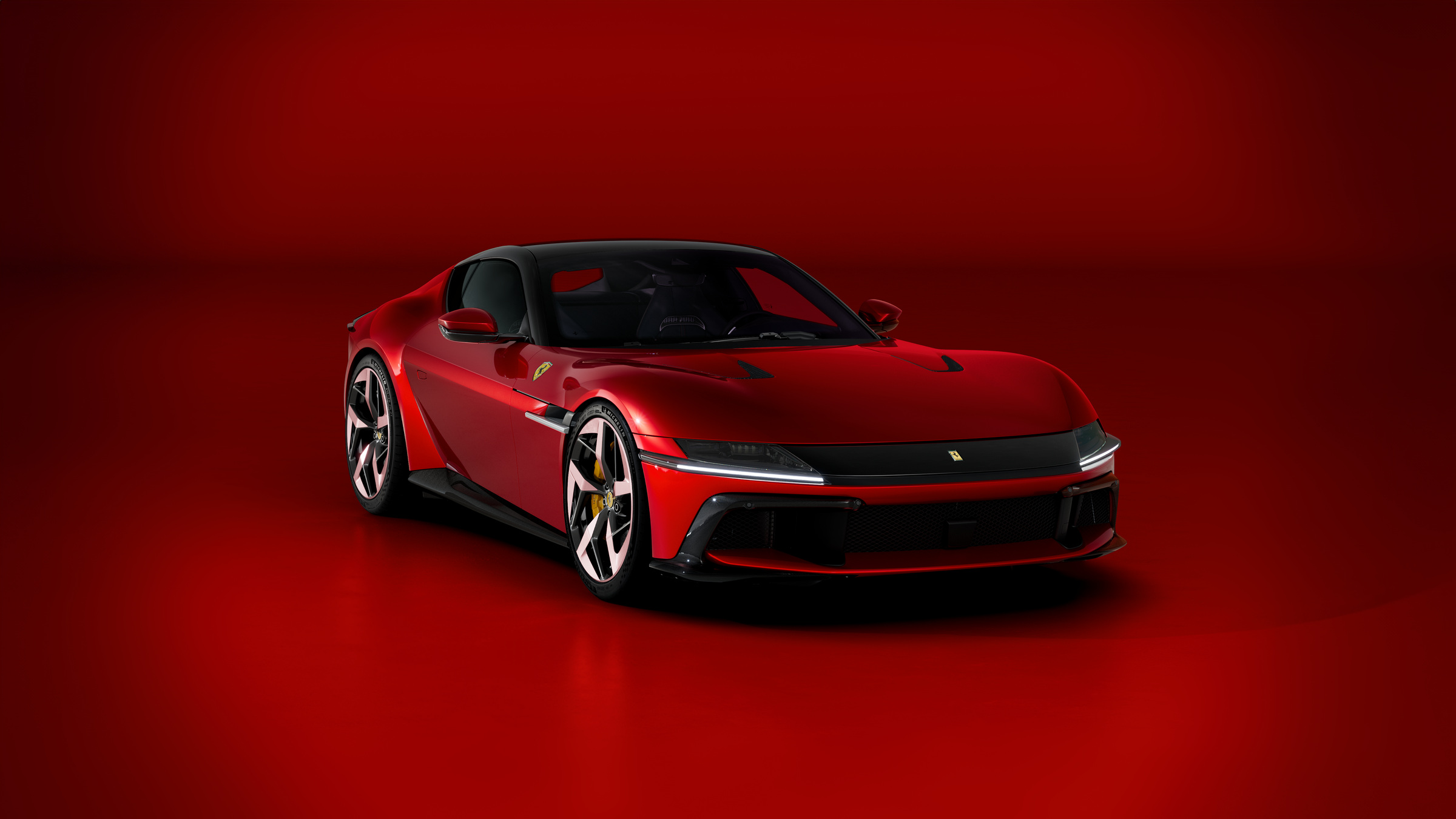
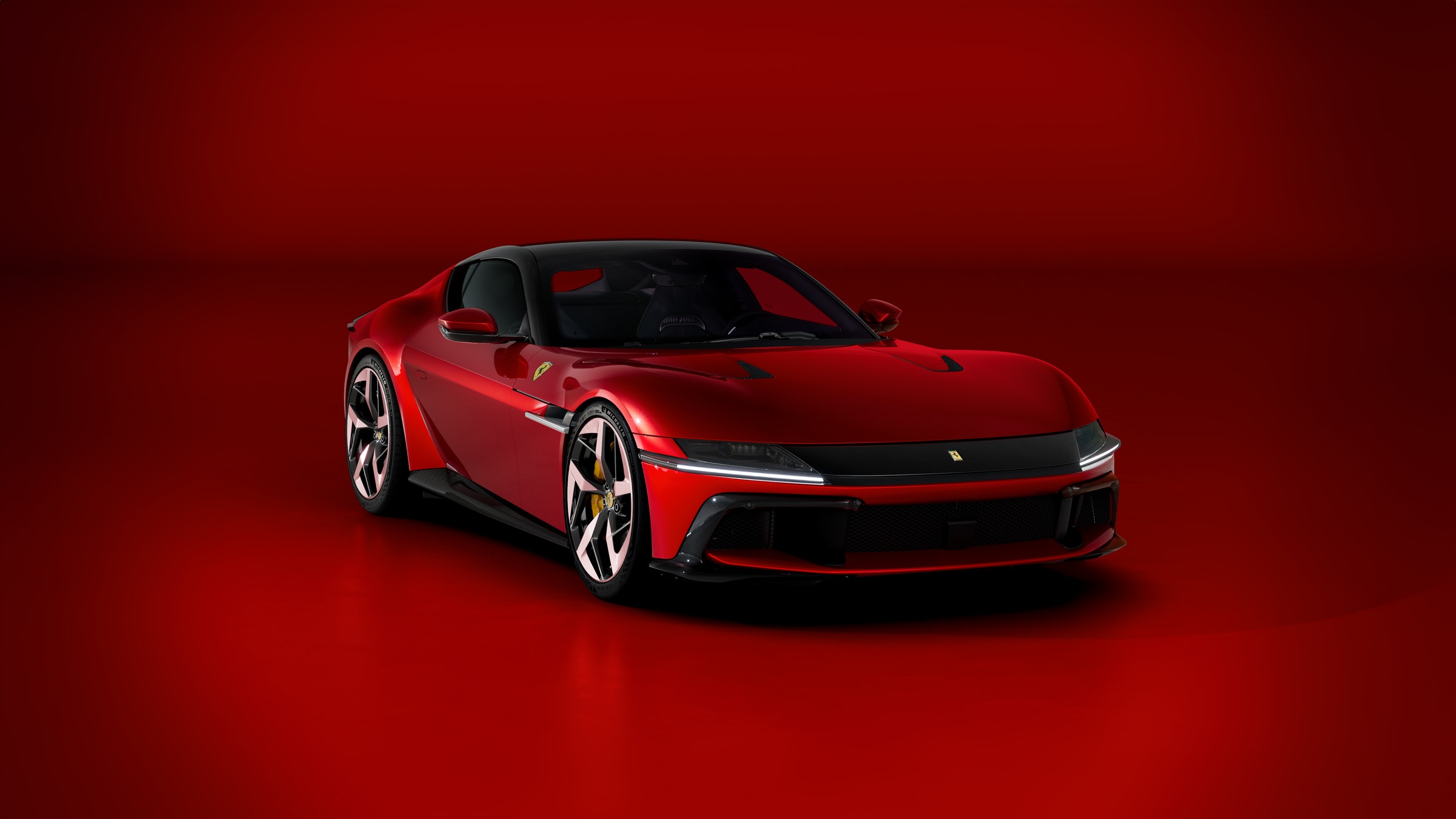
The complete exterior views establish the relationship between the low front, the cabin and the rear volume. They make it possible to read the car as an object before reducing it to a power figure. The interest is in where the visual weight sits and how the major volumes remain connected.
Moving to the technical visuals changes the scale of the story. Components occupy space that an exterior photograph cannot explain, while a cutaway removes surfaces that normally carry the identity. Both readings are necessary: the owner buys a complete car, but the arrangement beneath it determines many of the decisions the car embodies.
The V8 is not the whole powertrain
The official documentation identifies a 4.0-litre twin-turbo V8 and publishes a combined system output of 920CV. The distinction between engine and system output matters. The figures describe different parts of the same architecture and should not be casually added together as though every peak occurs under identical conditions.
The three electric machines have different positions. Lamborghini’s technical account places two at the front axle and one between the combustion engine and transmission. The front pair and the centrally positioned machine therefore belong to different physical relationships within the car, rather than acting as three interchangeable items on a specification list.
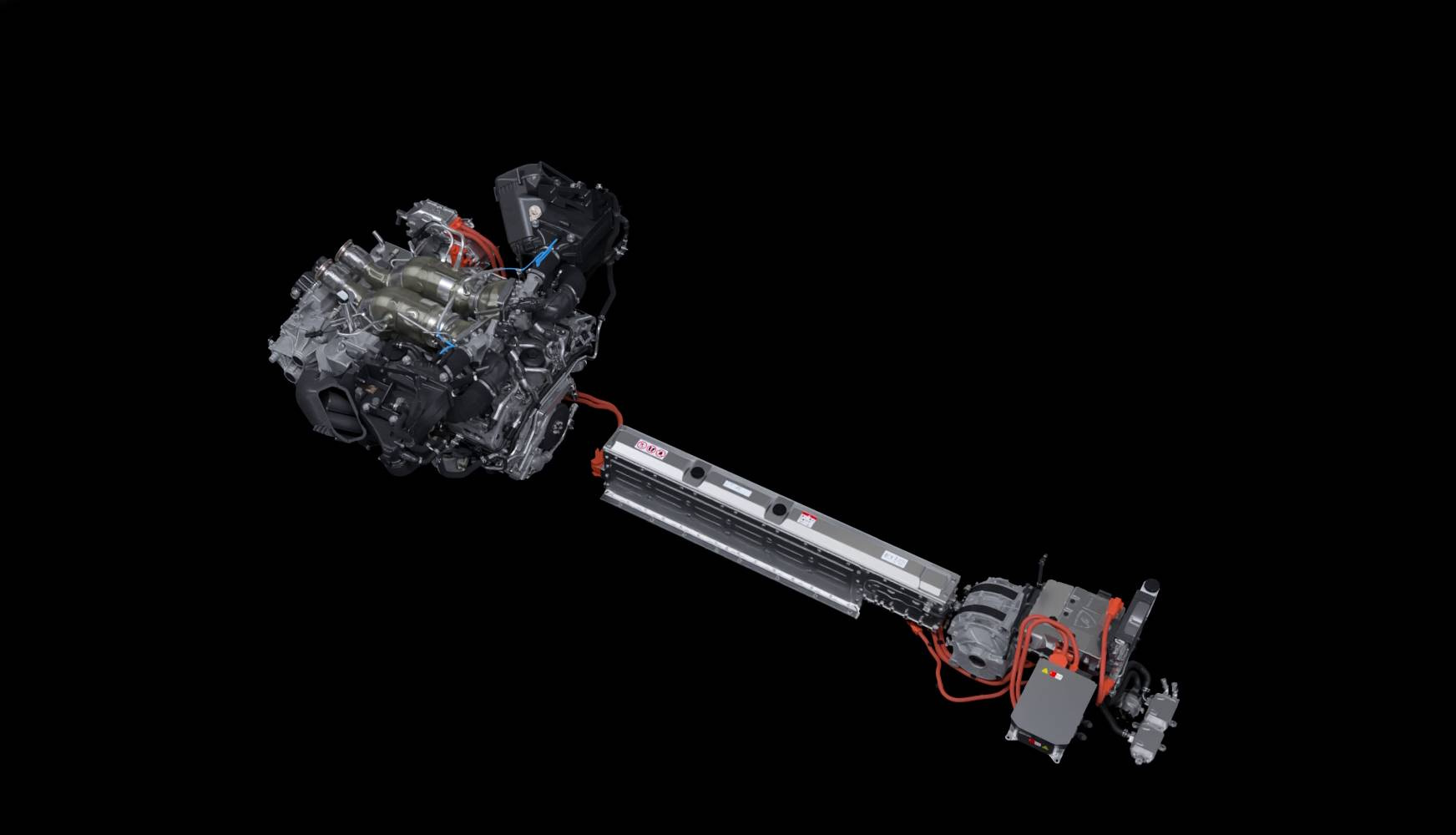
A technical visualisation makes that difference easier to understand than a sequence of numbers. It shows the length of the installation, the separation between axles and the location of the major components. The graphics used here are identified as manufacturer visualisations; they are not workshop photographs or measurements made by this publication.
Read the engine speed with its conditions
The stated 10,000rpm limit is a defining part of the engine’s documented character. It should still be read as one parameter, rather than a complete description of how the car behaves on the road. Response, sound, acceleration and the experience through a gearshift would require an actual test under defined conditions.
Lamborghini’s engineering account describes the electric machine between engine and transmission as contributing during transient operation and shifts. That is the manufacturer’s explanation of the intended behaviour. It does not allow an editorial feature based on documents to claim the sensation of driving the car.
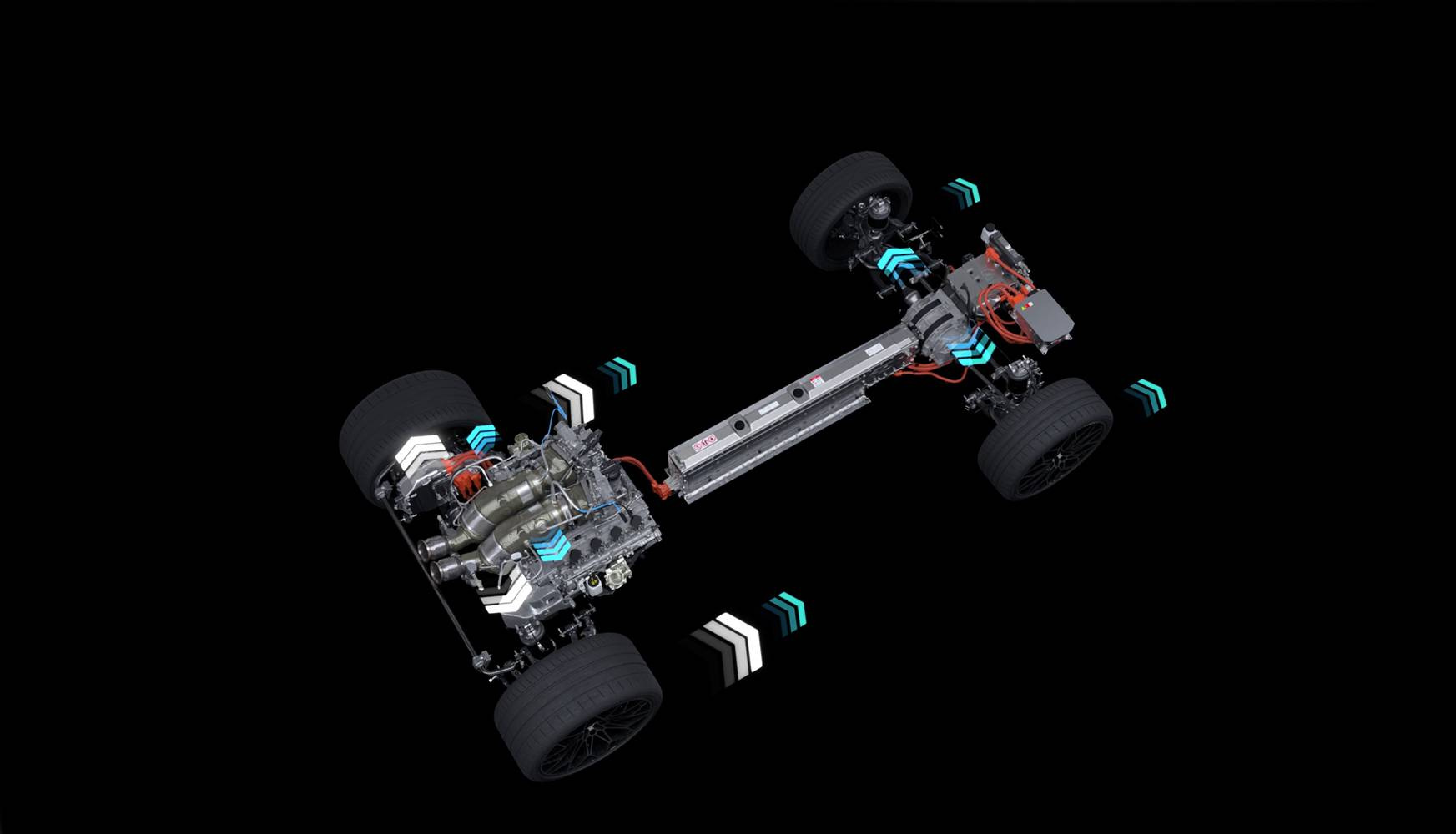
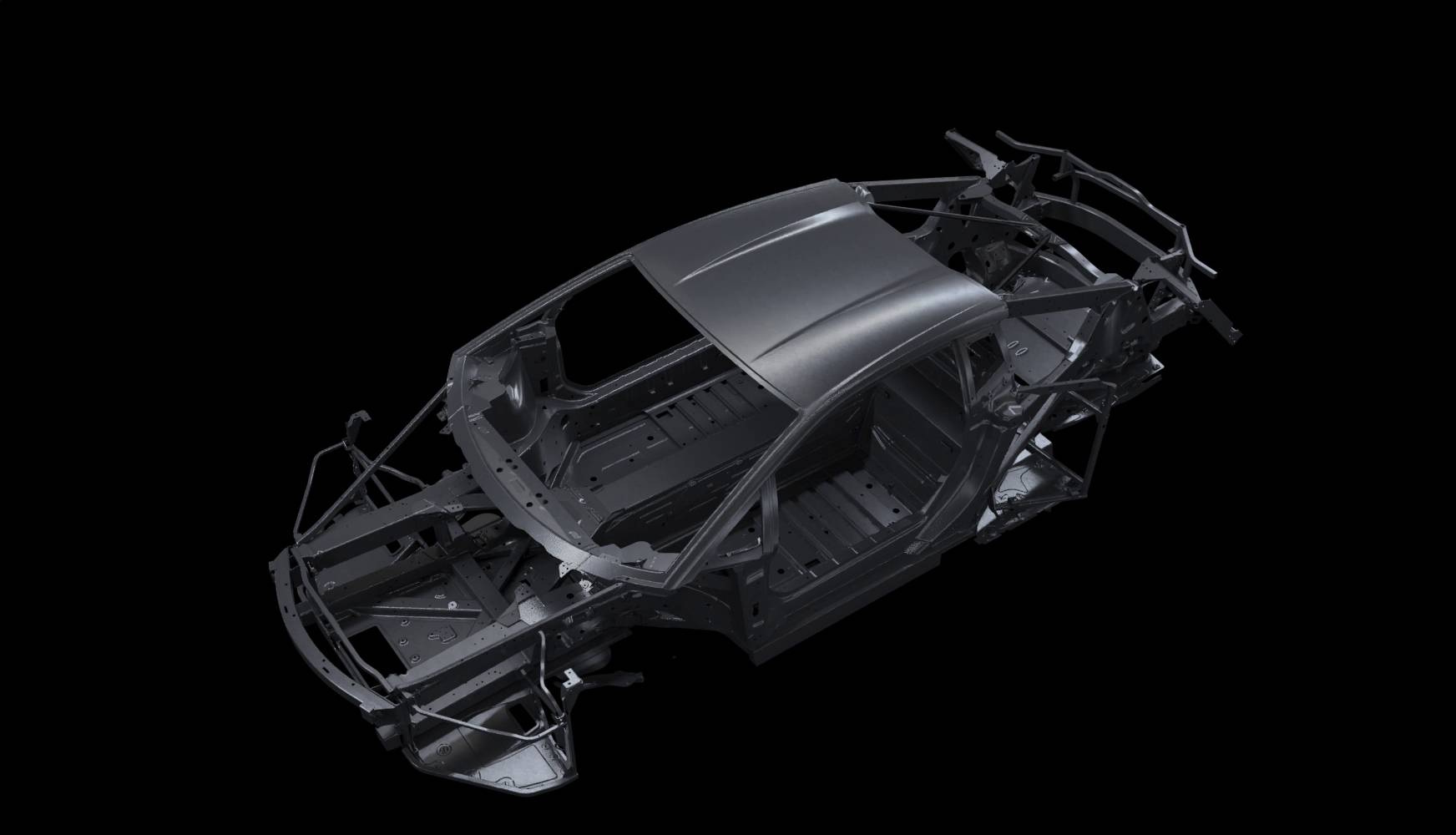
Keeping that boundary does not make the architecture less interesting. It allows the design to be discussed precisely: the combustion engine and electric machines are chosen to work within a shared arrangement, while the useful result is assessed at system level. A number on its own cannot explain the division of roles.
The cabin belongs to the package
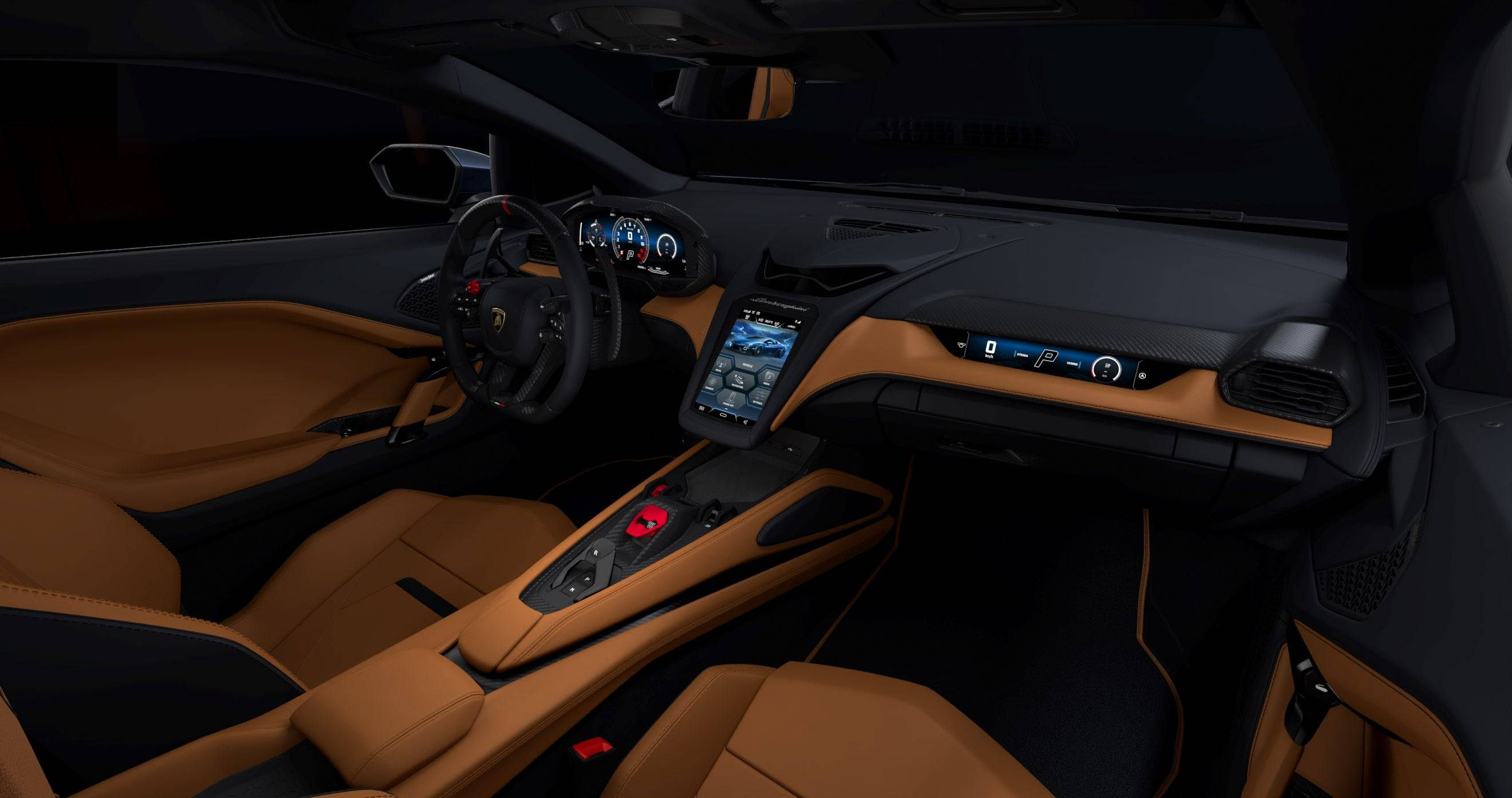
The official cabin images return the story to the person inside the car. Screens, seats and the centre of the dashboard occupy a volume that has to coexist with the powertrain’s requirements. A clear cockpit is part of the architectural brief rather than a separate layer of decoration added after the engineering is complete.
Photographs can establish visible layout and the relation between controls. They cannot establish comfort on a long journey, the ease of a menu under motion or the visibility of an individual driver. Those questions should be assessed with the actual car and the intended use.
The same principle applies to options. A gallery may show a particular trim or configuration, while a technical document describes the wider model. Identify the selected specification before assigning a material, a seat or a weight-related figure to the exact car under consideration. The model name is the starting point, not the complete build record.
One system, several kinds of evidence
| Subject | What the official material establishes | What requires another check |
|---|---|---|
| Powertrain | V8 and three-machine hybrid arrangement | Behaviour in an independently tested drive |
| Output | Stated 920CV combined system figure | Conditions relevant to a particular comparison |
| Engine speed | Manufacturer’s stated 10,000rpm capability | Experienced response and sound |
| Structure | The documented aluminium body architecture | The condition of an individual vehicle |
| Cabin | The visible dashboard and seating arrangement | Personal fit and daily operation |
| Options | The configuration shown or separately specified | The exact order and supplied build record |
Ownership starts with a complete specification
A hybrid performance car deserves a briefing that covers the complete installation. Ask how the chosen configuration should be used and maintained, what charging arrangements apply and which documents identify the delivered vehicle. Those answers should come from current manufacturer guidance for the exact car.
Avoid importing a routine from another Lamborghini simply because both are described as electrified. The point of examining an architecture is to understand the differences that matter. The arrangement of components, the intended operating modes and the owner’s circumstances belong in the same conversation.
The Luxe Digital view
The Temerario becomes more intelligible when its dramatic outline is connected to a clear reading of the system beneath it. The 10,000rpm figure draws attention, but the distribution of roles between the V8 and the electric machines gives the story its substance. Good presentation lets the complete car, the cabin and the technical visualisations each explain something the others cannot.
The Temerario becomes more intelligible when its dramatic outline is connected to a clear reading of the system beneath it.
Sources & credits
Sources and methodology
Independent editorial analysis of the documented product and official source imagery, checked on 14 October 2026. Visual interpretation is distinguished from manufacturer specifications. No handling, driving or acoustic test is implied; exact references and archival dates are retained.
- Automobili Lamborghini — source 1: Current model, official exterior/cabin photographs and technical visualisations.
- Automobili Lamborghini — source 2: Documented V8 and three electric machine arrangement, 10,000rpm and system output.
- Automobili Lamborghini — source 3: Official digital brochure, aluminium body architecture and complete model context.