An old yacht can return to the water with a familiar profile and a profoundly different life beneath it. Istros makes that distinction unusually visible: a classic hull, a renewed superstructure and an interior arranged for another generation. For an owner considering a rebuild, the important question is what the continuity actually contains.
The silhouette is only the beginning
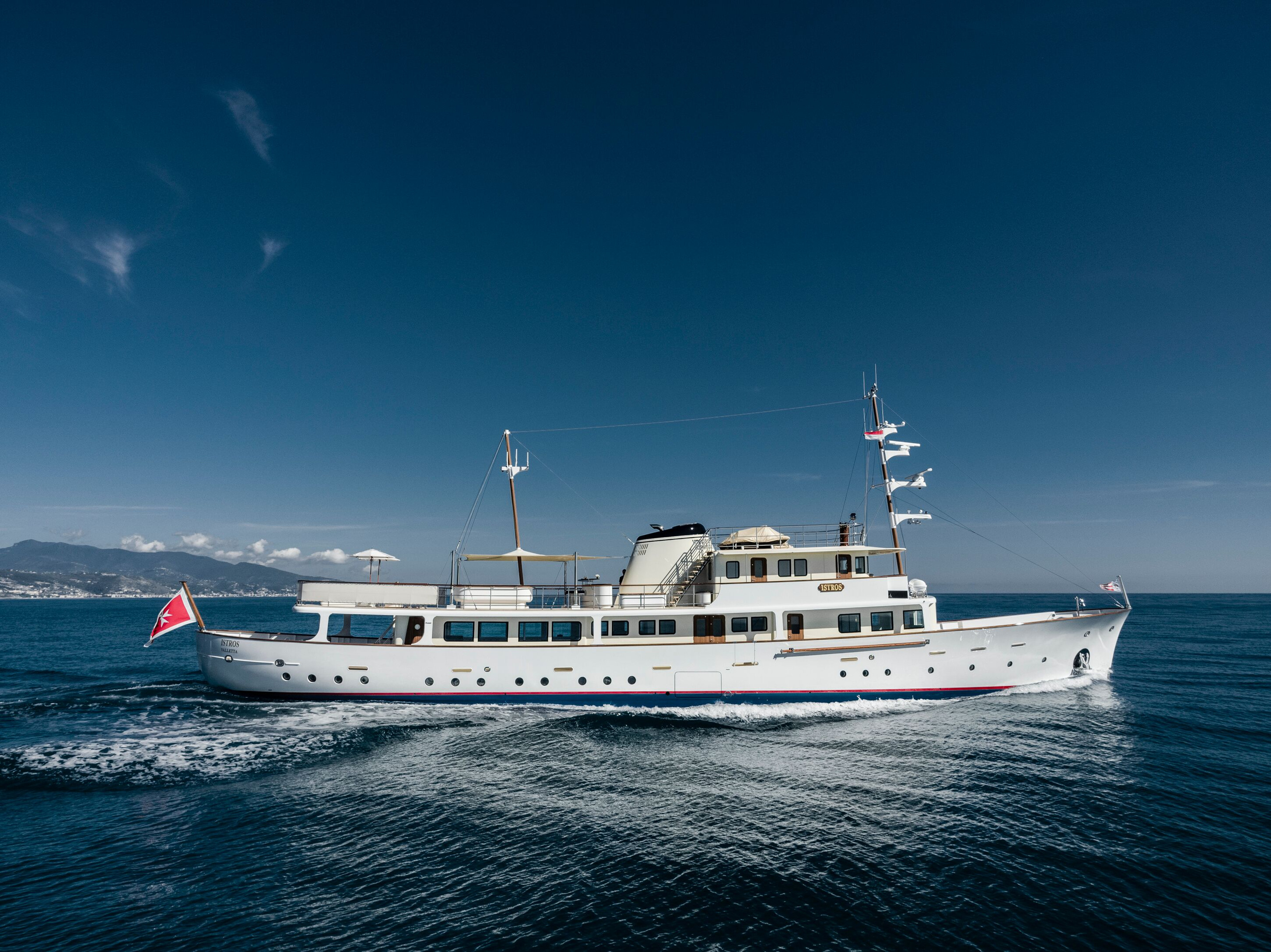
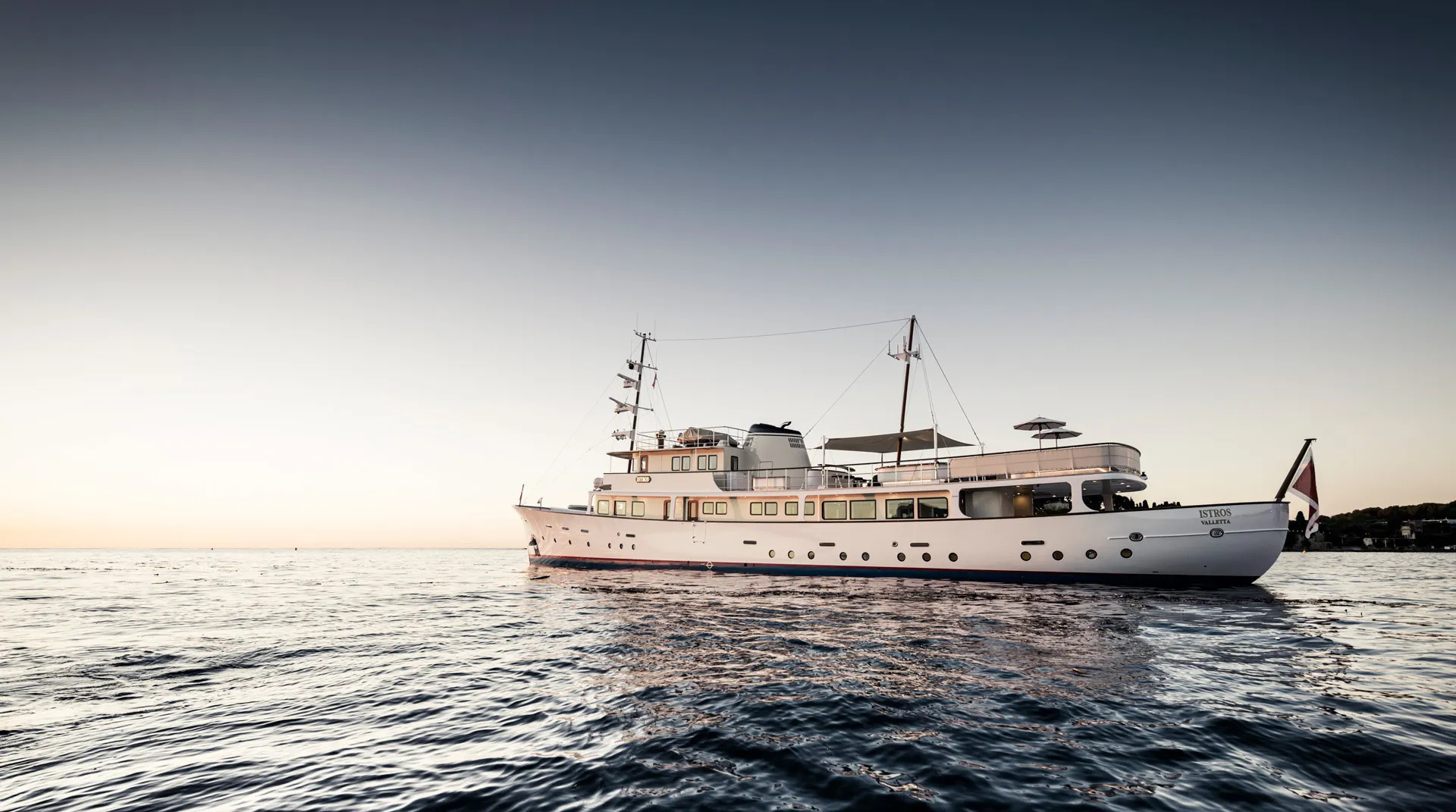
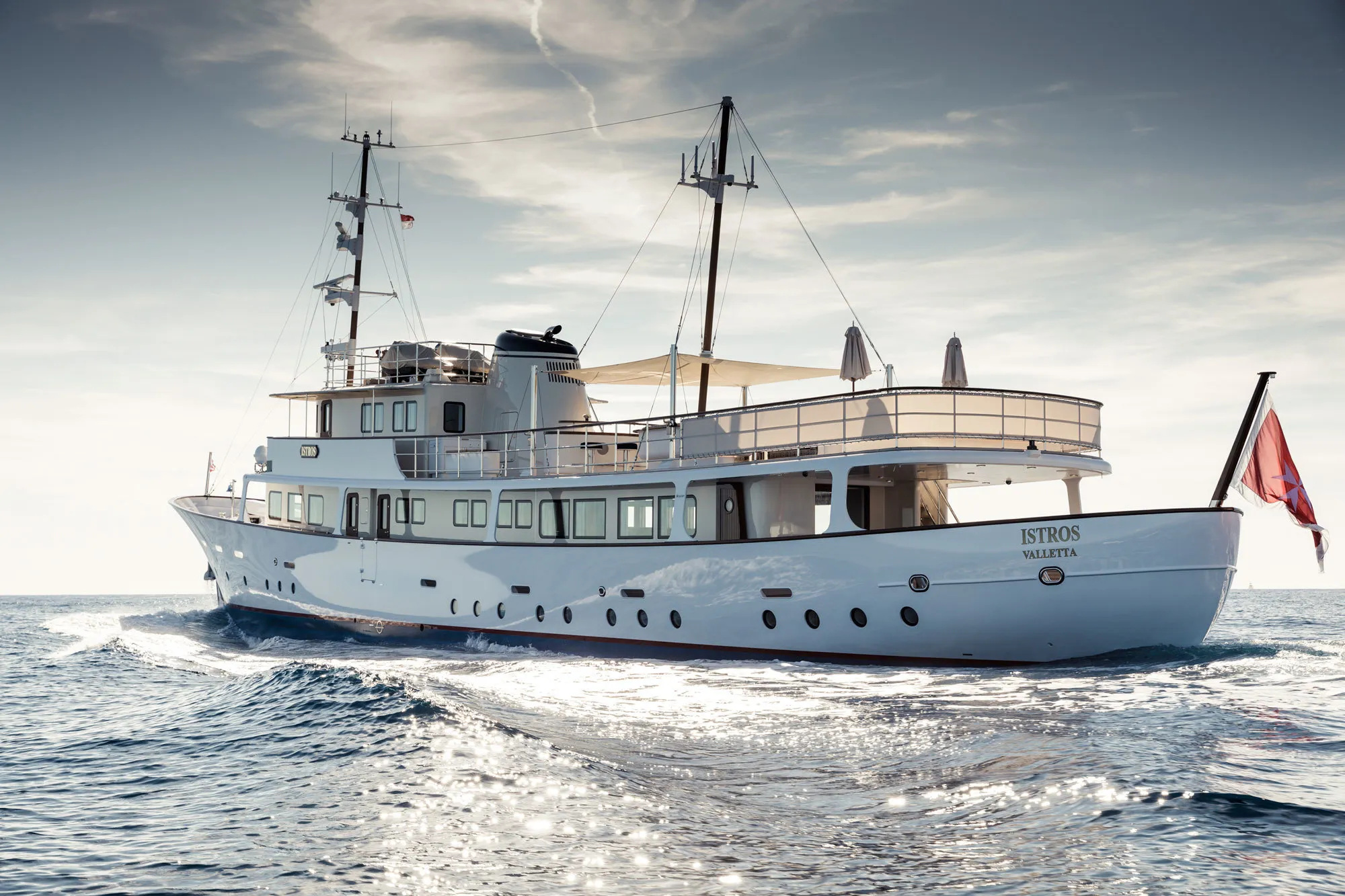
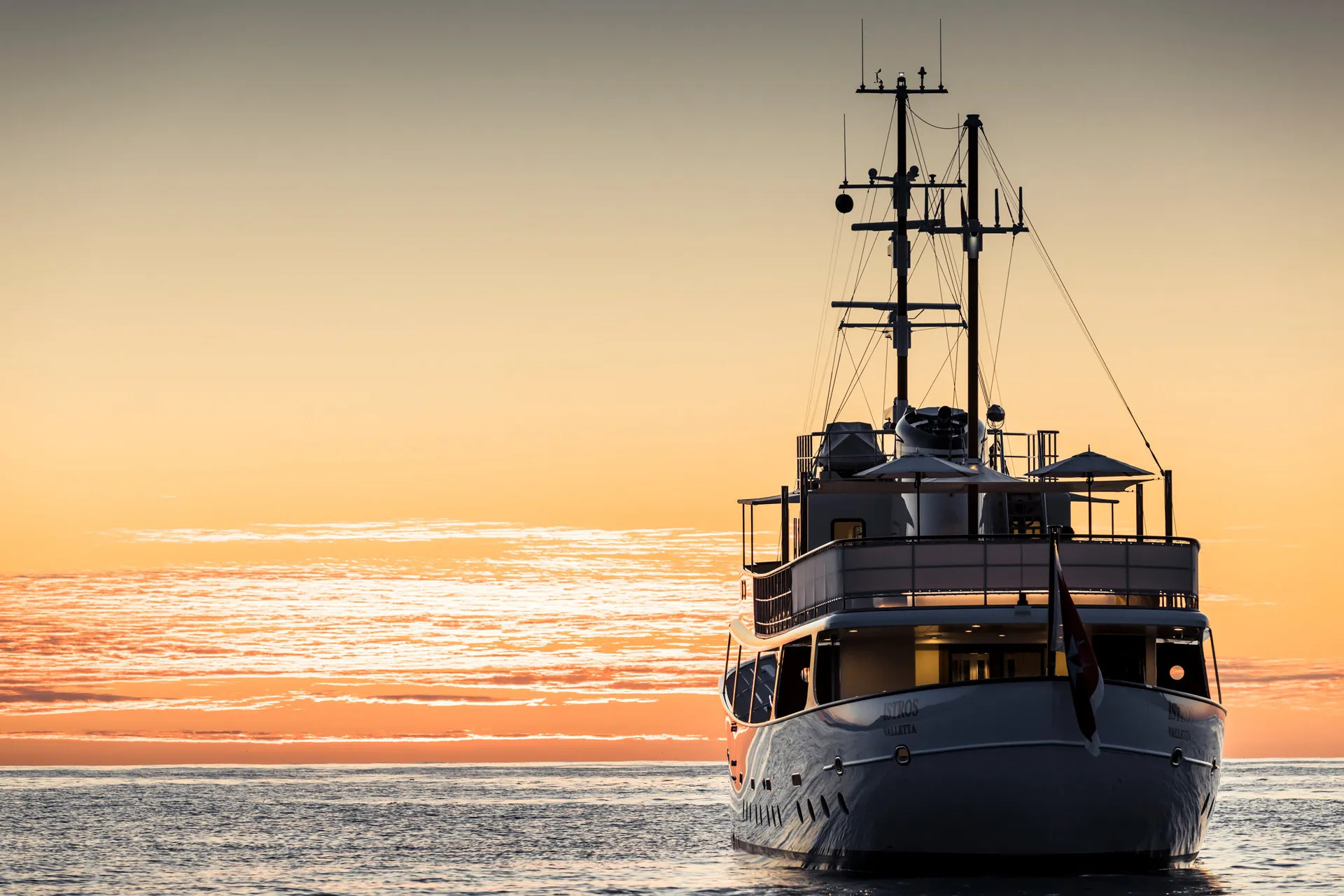
Feadship’s fleet record identifies Istros as a 42-metre yacht launched in 1954 and completely rebuilt in 2020. Its account distinguishes the retained original hull from an entirely new aluminium superstructure. Those facts describe an established project, rather than a new launch. They also establish a useful starting point: identity can survive a substantial intervention without every component having the same age.
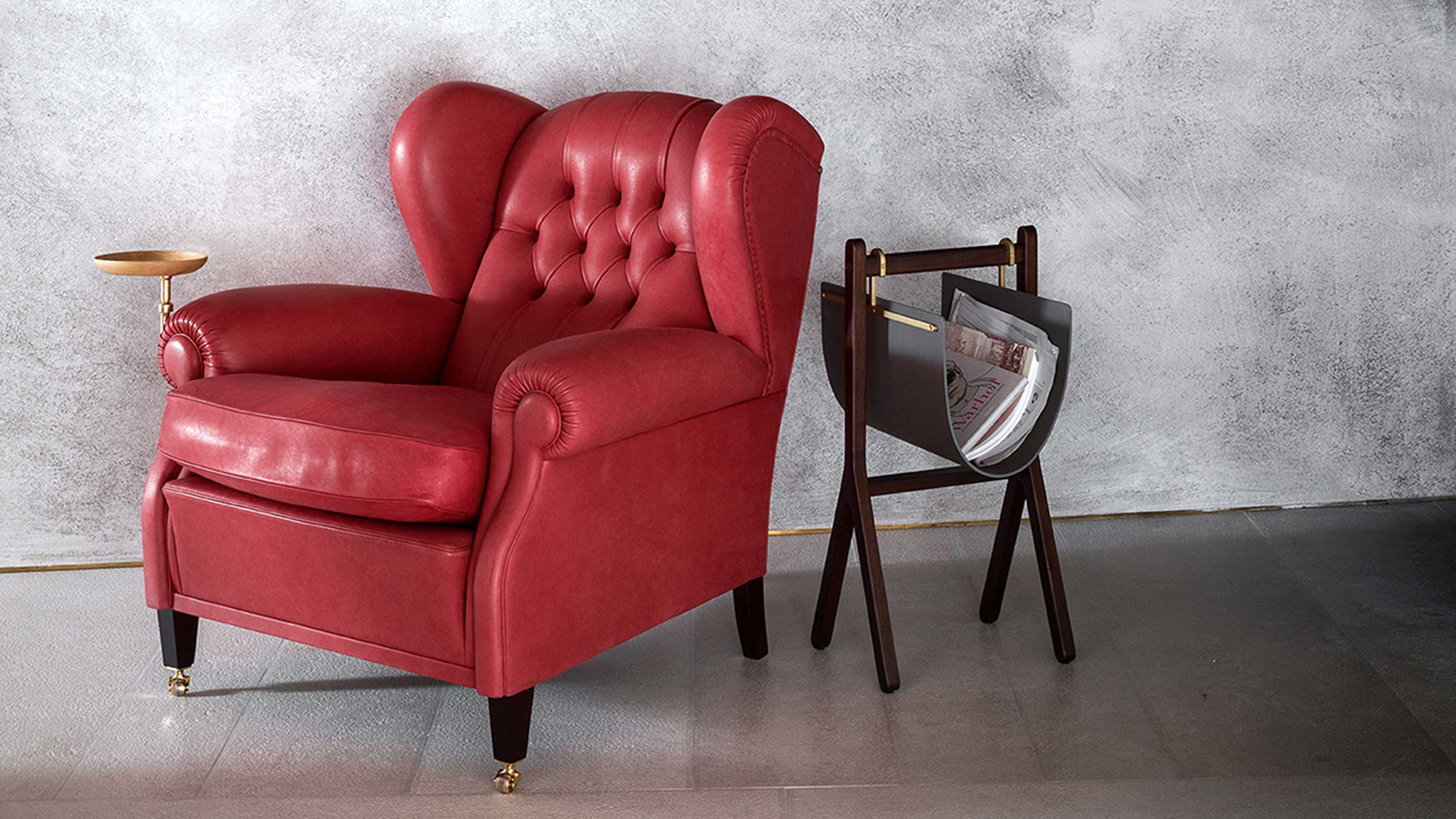
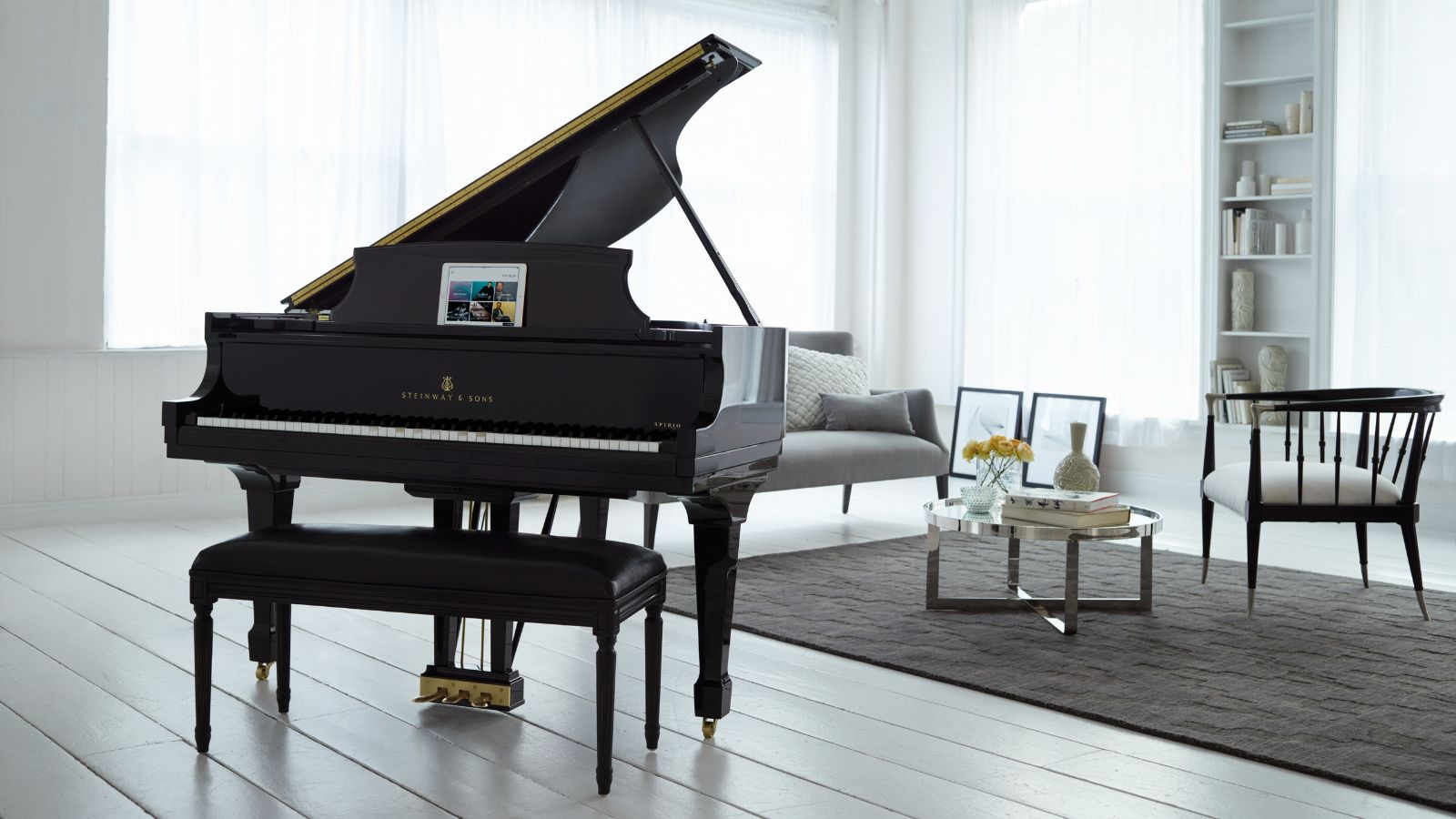
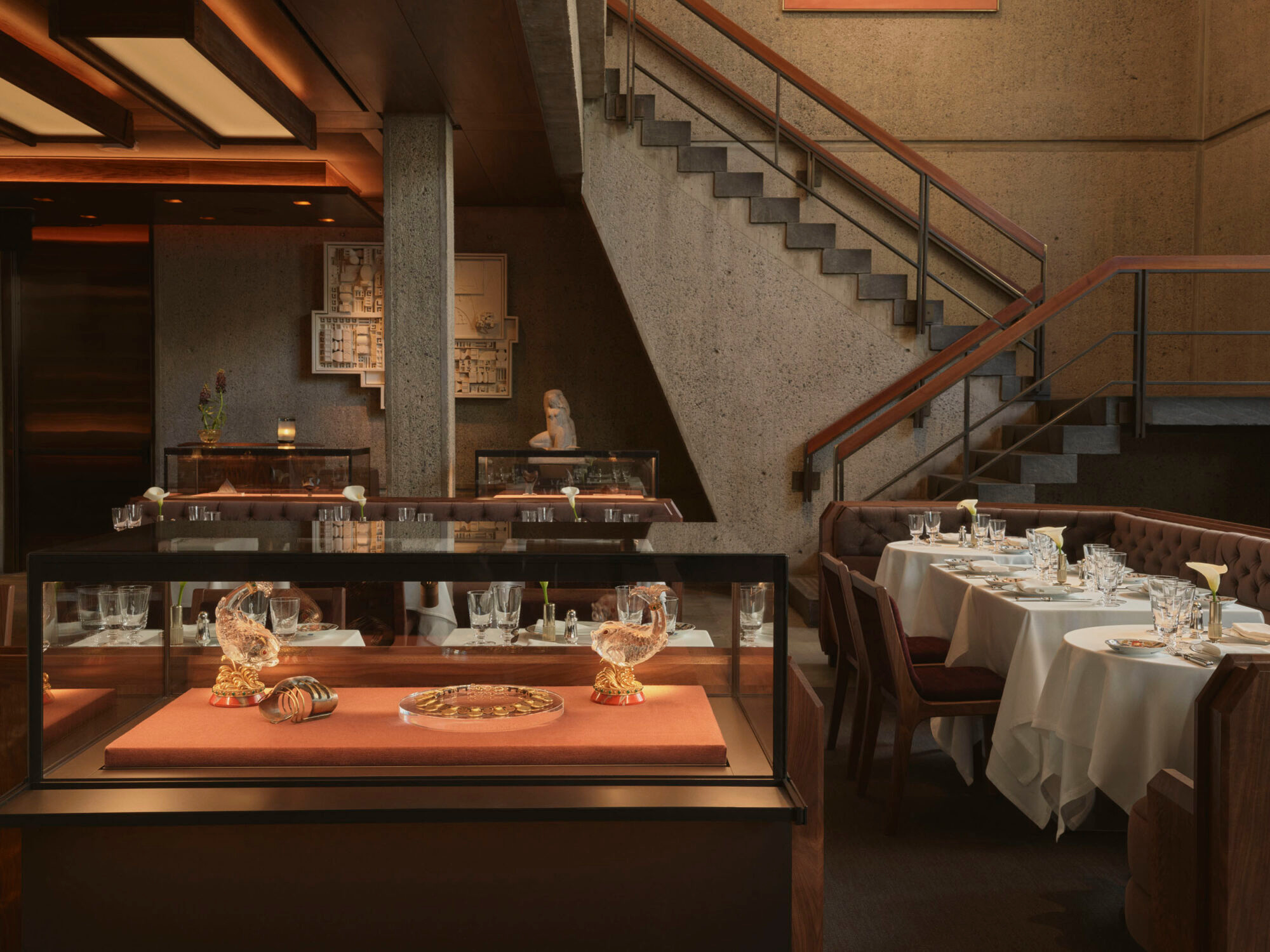
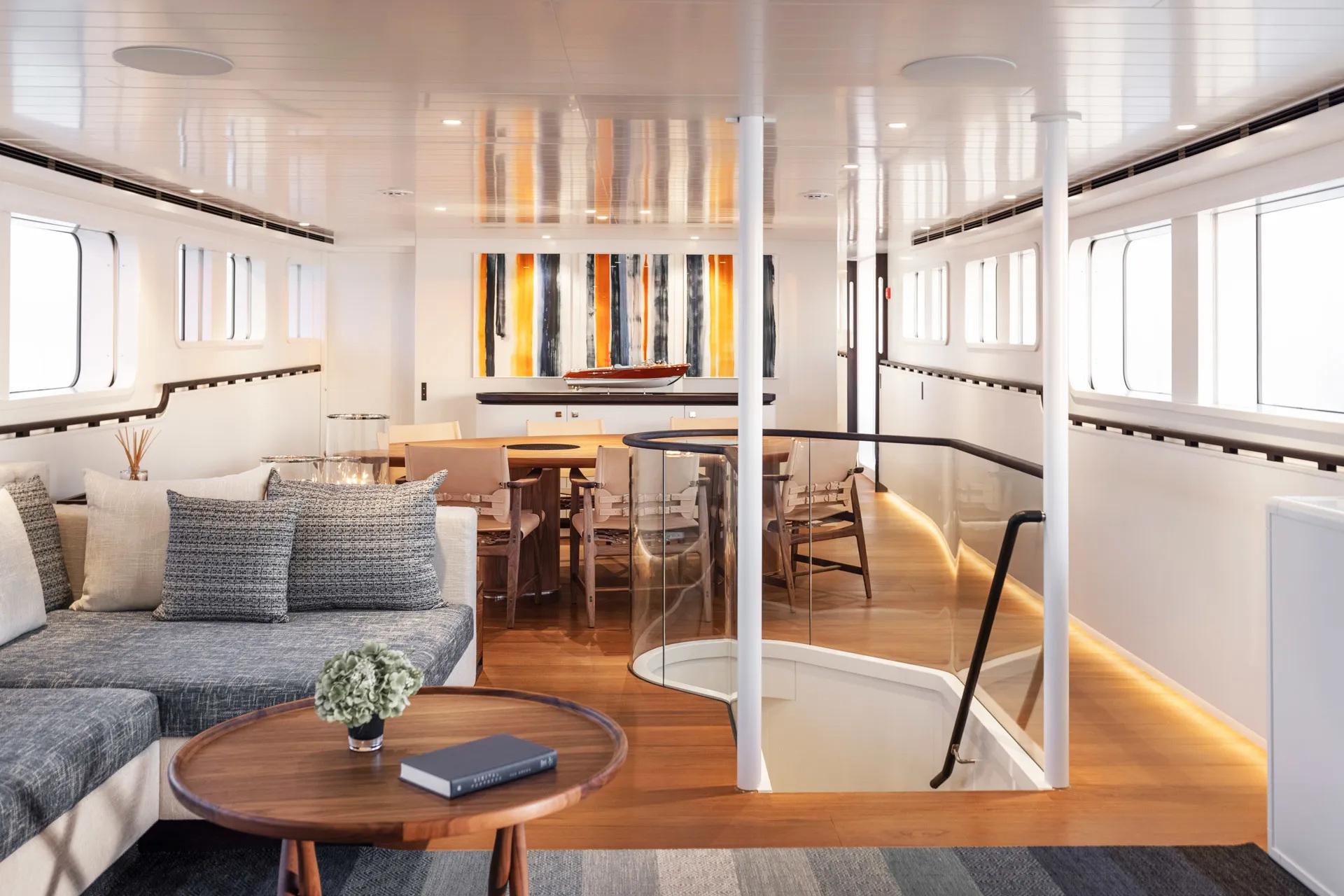
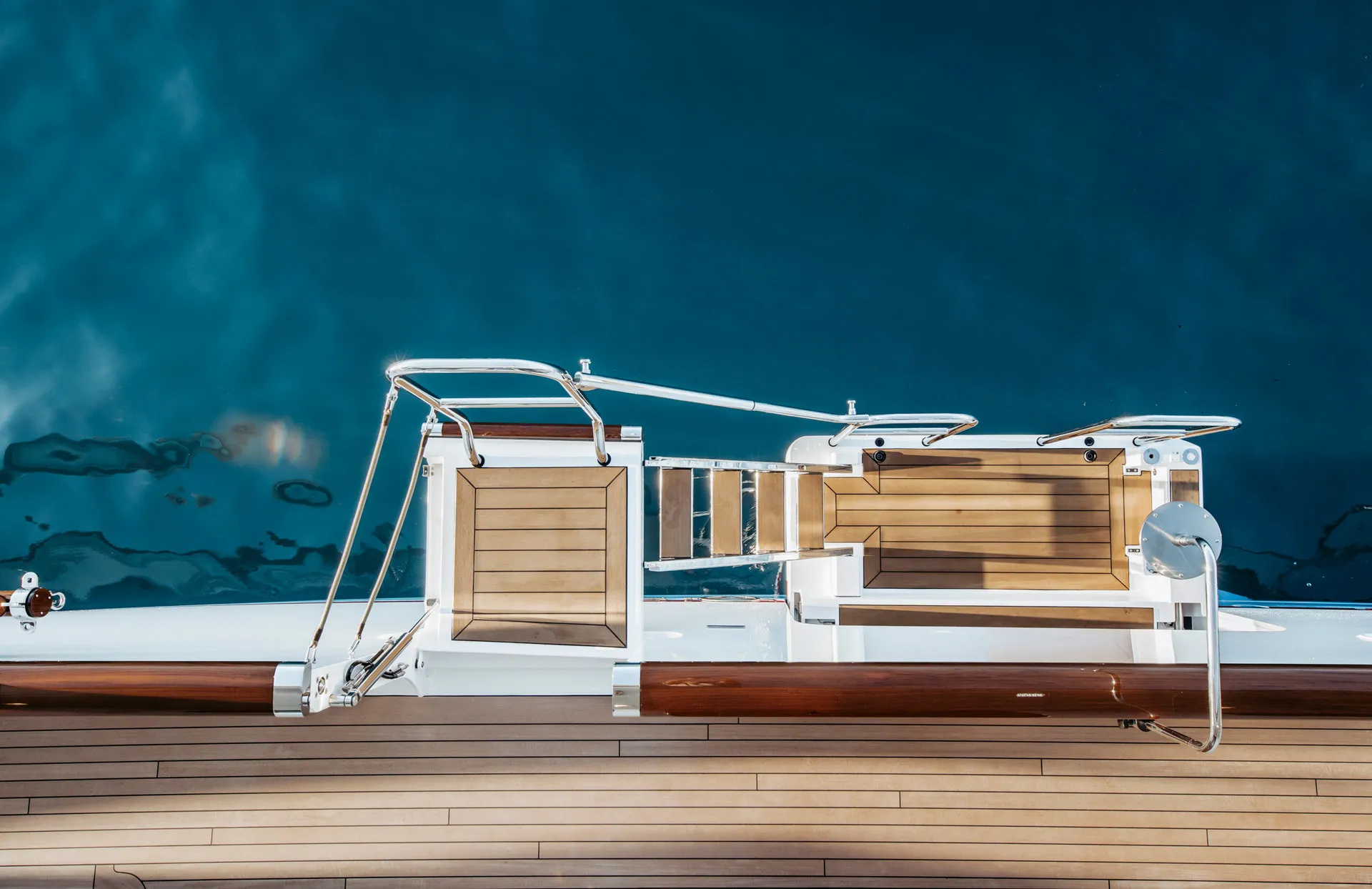
The published photographs hold two ideas together. The long white hull and upright composition retain the presence of a classic yacht; the furnished saloon belongs to a different domestic expectation. Neither image alone explains the scope. A beautiful exterior should invite a more detailed account of what was retained, renewed and redesigned, particularly when the yacht is being evaluated years after the work.
For a commissioning owner, this is a better opening than a loose request to modernise a classic. Describe the characteristics that must survive: a profile, a particular route through the accommodation, an original detail or the relationship between interior and deck. Then distinguish those priorities from functions that may need to change. A heritage ambition becomes more useful when the team can see precisely where it applies.
Draw a boundary around the intervention
Feadship’s 2021 discussion of Istros describes structural work, changed machinery and systems, and conversion to Lloyd’s Register and the commercial standards of 2020. It is the builder’s account of that particular rebuild. It should not be read as evidence of the yacht’s present survey status, maintenance condition or suitability for a future programme.
The transferable lesson is how to organise the scope. A hull retained in the project, an interior replaced during it and a system subsequently serviced are three different records. Combining them under a single description of a recent refit makes later decisions harder. Ask the project team to show the boundaries between retained structure, replacement equipment and work undertaken after delivery.
The same clarity should extend to exclusions. An owner’s understanding of the project may be shaped by the rooms they see, while technical priorities sit elsewhere. A scope discussion should therefore include the parts of the yacht that will receive limited intervention and the reasons. The purpose is a shared description of the commission, not an assumption that every rebuild should involve the same work.
Read the interior as an operating proposal
The saloon photograph changes the scale of the story. A seating group, dining position and circulation route present the yacht as a place to inhabit. The owner’s brief can use that view to ask practical questions: who will be aboard together, where a quiet hour happens, and how a guest moves between shared and private space.
These are proposed commissioning questions, rather than observations from a stay aboard Istros. A photograph can reveal arrangement and visual relationships; it cannot establish comfort in motion, acoustic performance or the ease of a crew routine. Those issues require the appropriate project evidence and professional assessment. Keeping the distinction clear makes the image more useful, because it directs attention to what still needs to be demonstrated.
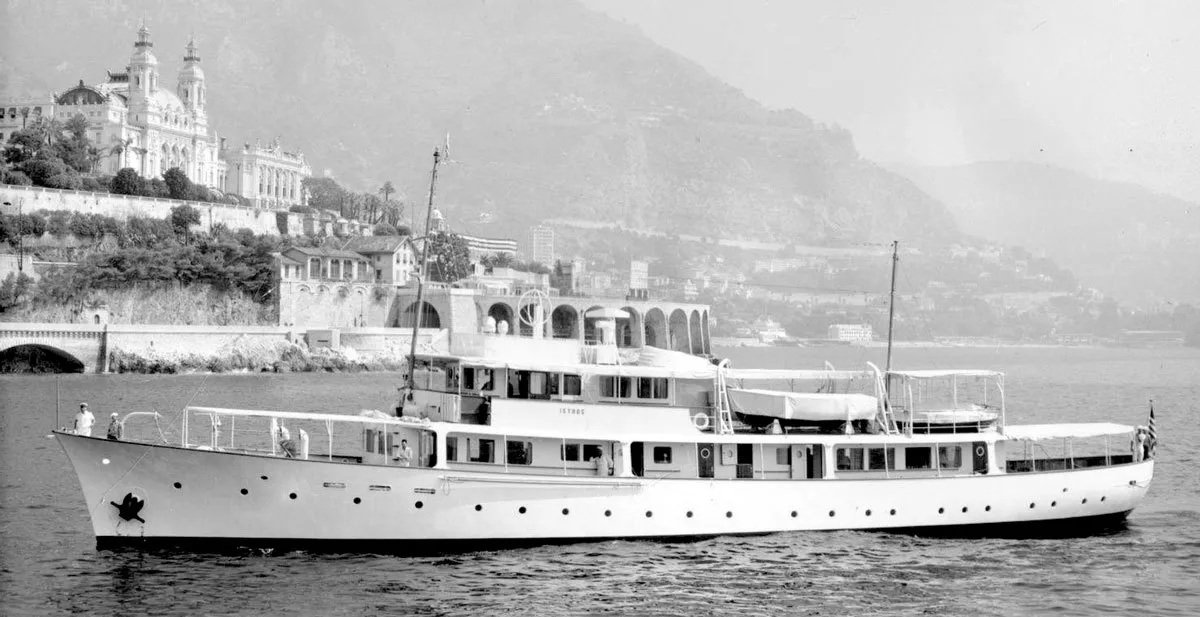
The original hull and the new interior also make a broader point about expectations. Preserving a yacht’s character need not mean recreating every historical domestic habit. An owner can be specific about the experience they want while allowing the designers and engineers to explain the consequences. The most productive brief connects atmosphere with use, then lets a qualified team resolve the construction.
Give the completed work a readable afterlife
A rebuild should leave a record that remains intelligible after the project team has dispersed. For a future owner, captain or service provider, the distinction between original and replacement components will matter more than the elegance of the launch announcement. The useful dossier connects each area of work to the relevant drawings, equipment identity and accepted scope.
Begin with a concise map of the project and let specialist documents supply the detail. A reader should be able to locate the account of a particular intervention without treating every promotional photograph as technical evidence. Dates matter here: original launch, rebuild completion and later service events should remain separate, even when they appear within one ownership history.
The handover conversation should also establish who holds the current versions. A drawing in an old email may be informative without representing the finished arrangement. Ask how revisions are identified and where questions should be directed. This is an organisational discipline for the commission; the yard and relevant professionals determine which technical records and approvals apply to the actual yacht.
Questions for a rebuild discussion
| Part of the brief | Question to resolve | Record to request from the relevant team |
|---|---|---|
| Heritage priorities | Which characteristics must remain legible? | An agreed statement of retained features |
| Intervention boundary | What is retained, replaced or excluded? | A dated scope with explicit boundaries |
| Life aboard | How does the proposed arrangement serve the intended use? | Layouts and a review of the operating brief |
| Completed work | Which documents describe the delivered configuration? | The relevant final drawings and equipment records |
| Continuing care | Who handles questions after the project? | Named contacts and the applicable service information |
This table is a structure for a conversation, not a survey checklist or a specification for Istros. It works best when the owner’s priorities and the specialist team’s evidence meet in the same document. Items that remain unresolved should stay visible, with an identified person responsible for supplying the answer.
The Luxe Digital view
A convincing rebuild preserves an identity while making the changes around it understandable. Istros is a compelling reference because the builder’s account names the distinction between the old hull and the renewed yacht. The photographs give that argument a human scale, from the whole vessel to the space around a seat and the edge of the water.
For an owner, the lasting value is a sharper brief. Decide what deserves continuity, ask what must change to support the intended life aboard, and require a readable account of the result. A beautiful return to the water is the beginning of another ownership chapter; the quality of its records helps the people responsible for that chapter work from the same understanding.
A convincing rebuild preserves an identity while making the changes around it understandable.
Sources & credits
Sources and methodology
Independent ownership and reference analysis of the named official records and imagery, checked on 15 October 2026. Launch specifications and later product records retain their own dates and references. Images show the identified configurations. Original visual and commissioning analysis of the exact official product/project records and identified images. No visit, interview, comfort test or performance measurement claimed. Existing projects retain their dates; product versions, showroom photographs, sample images and official visualisations are identified separately.