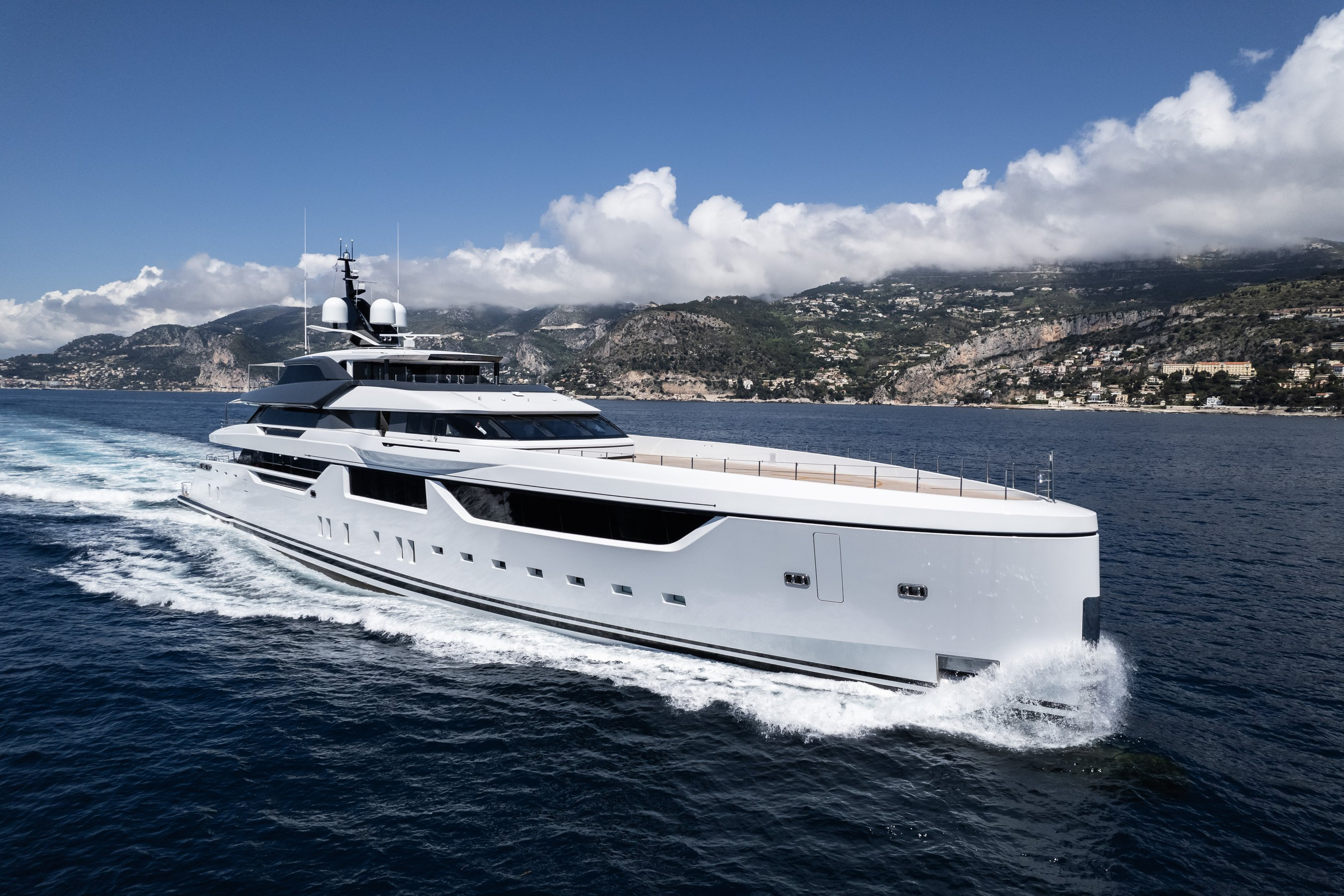
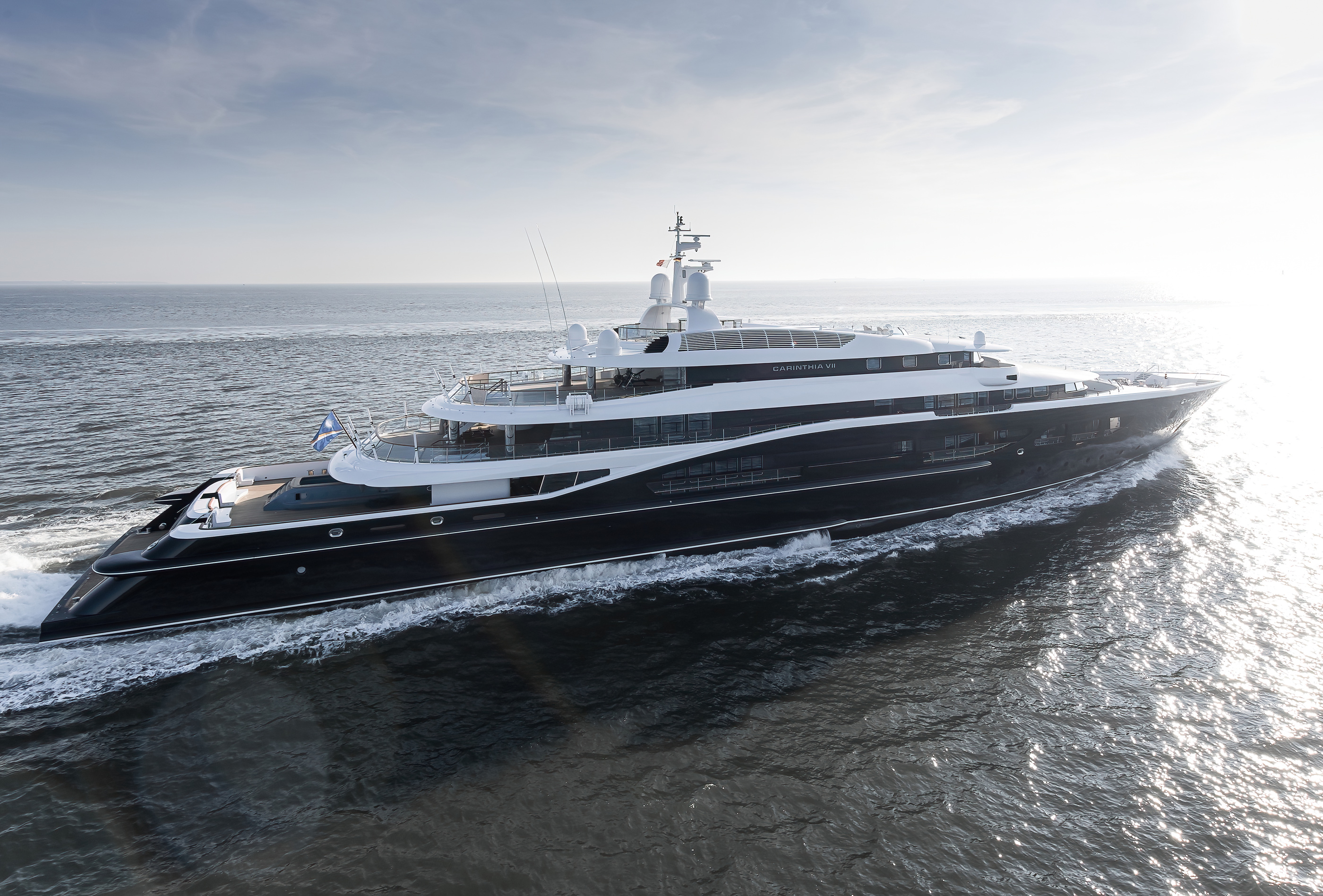
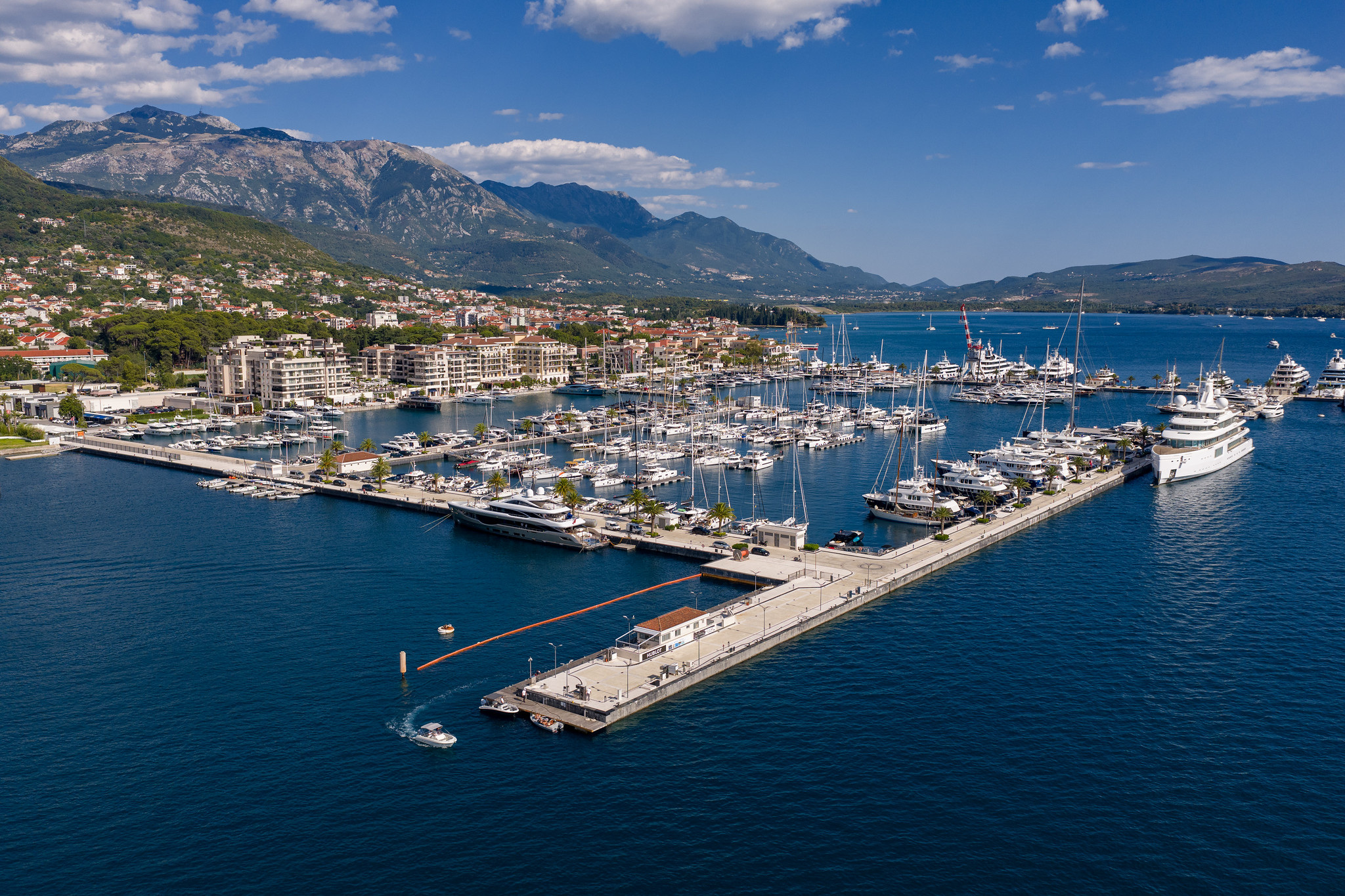
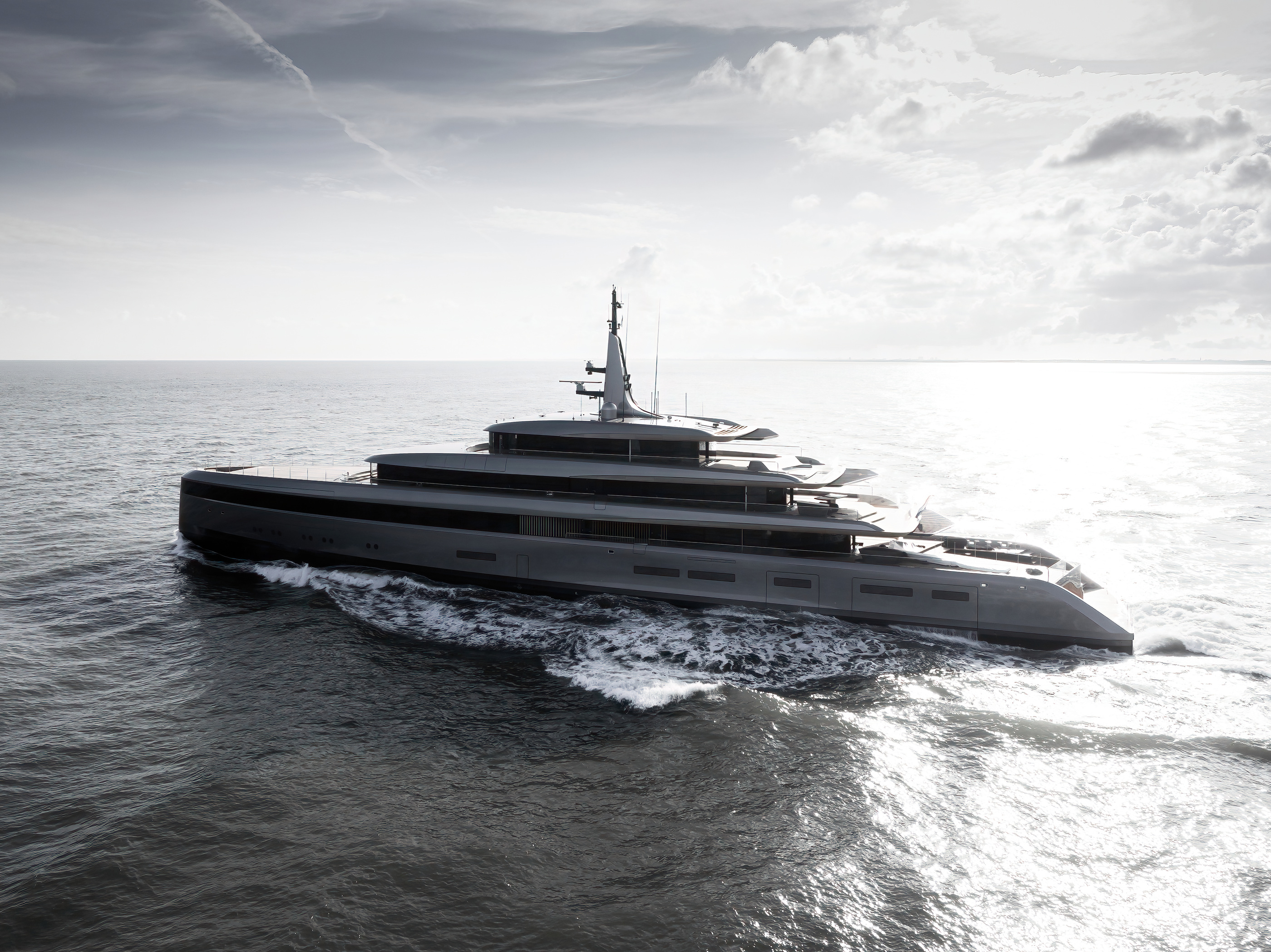
On the French Riviera, a yacht turns one celebrated coastline into a private sequence: breakfast off Cap d’Antibes, an afternoon swim, sunset in Saint-Tropez and Monaco after dark. The most seductive itinerary is never the busiest; it is the one in which every arrival feels effortless.
Begin with the fixed commitments
Identify the dates and places that cannot move: flights, an event, a restaurant or a guest changeover. Then minimise the number of other fixed points. A berth request in Cannes, Antibes, Nice, Monaco or Saint-Tropez is not an entitlement, especially during major events.
The captain and agent should confirm port procedures, dimensions, draft, shore power and cancellation terms. A prestigious port is not automatically the best overnight base. An anchorage or nearby harbour may offer a calmer operating pattern when conditions allow.
Use the coast as a network

SNCF's regional service provides an important fallback along much of the Côte d'Azur. Rail can separate guest movement from yacht repositioning and reduce exposure to road congestion. Road transfers remain useful for locations away from the line, but timing assumptions should include event and peak-season traffic.
A charter brief should show more than nautical miles. It should map tender limits, shore-transfer options, provisioning, airport access and the consequences of a late berth change.
Shoulder-season trade-offs
Late spring and early autumn may offer lower crowd pressure than peak summer, but “shoulder season” does not guarantee warm water, stable weather or open seasonal venues. Wind, rain, daylight and business calendars must be checked for the actual dates. The benefit is flexibility, not a promised climate.
Contract and tax context
The MYBA charter agreement provides an industry framework, but French tax and charter requirements depend on the yacht and itinerary. This article does not publish a universal VAT outcome. Broker, captain and professional advisers should document the applicable treatment before the contract is signed.
Guest expectations should be translated into operating priorities before contracts with shore suppliers are made. If the defining experience is an event, secure the relevant berth or transfer plan first. If privacy and swimming matter more, an anchorage-led route may be stronger. A prestige address adds little when the yacht spends the day repositioning to satisfy an overfilled calendar.
Provisioning and crew rest also constrain the sequence. Repeated late dinners, early departures and long tender transfers can erode service quality. A high-end plan protects operational rhythm rather than treating every hour as sellable inventory.
Build the itinerary from commitments, not names
List every fixed commitment with its real consequence: flight, embarkation, event session, guest change, medical requirement or non-refundable shore booking. Rank them. A charter with one defining event can remain resilient; a charter with every evening fixed across different ports is vulnerable to berth, road, tender and weather disruption.
For each commitment, identify the primary arrival method and one workable fallback. The yacht may be the most elegant transfer, but rail or road can preserve the guest plan while the vessel repositions. Conversely, a prestigious dinner is not worth forcing an unsuitable marine arrival. The captain decides what remains operationally acceptable.
Use coastal rail as a live option, not a promise
SNCF's current Côte d'Azur material identifies frequent regional links through destinations including Cannes, Antibes, Nice, Monaco, Menton and Ventimiglia. It also publishes live traffic and works information. That makes rail a useful planning layer, not a guaranteed timetable embedded months in advance.
Record the relevant stations, transfer time from port and accessibility needs. Recheck schedules and disruption notices close to travel. A rail fallback is only credible when guests can reach it with luggage, the service operates at the required time and a road alternative remains available.
The rail network is especially useful for decoupling guest movement from vessel repositioning. It should not be used to justify an overfilled itinerary.
Distinguish port access from destination access

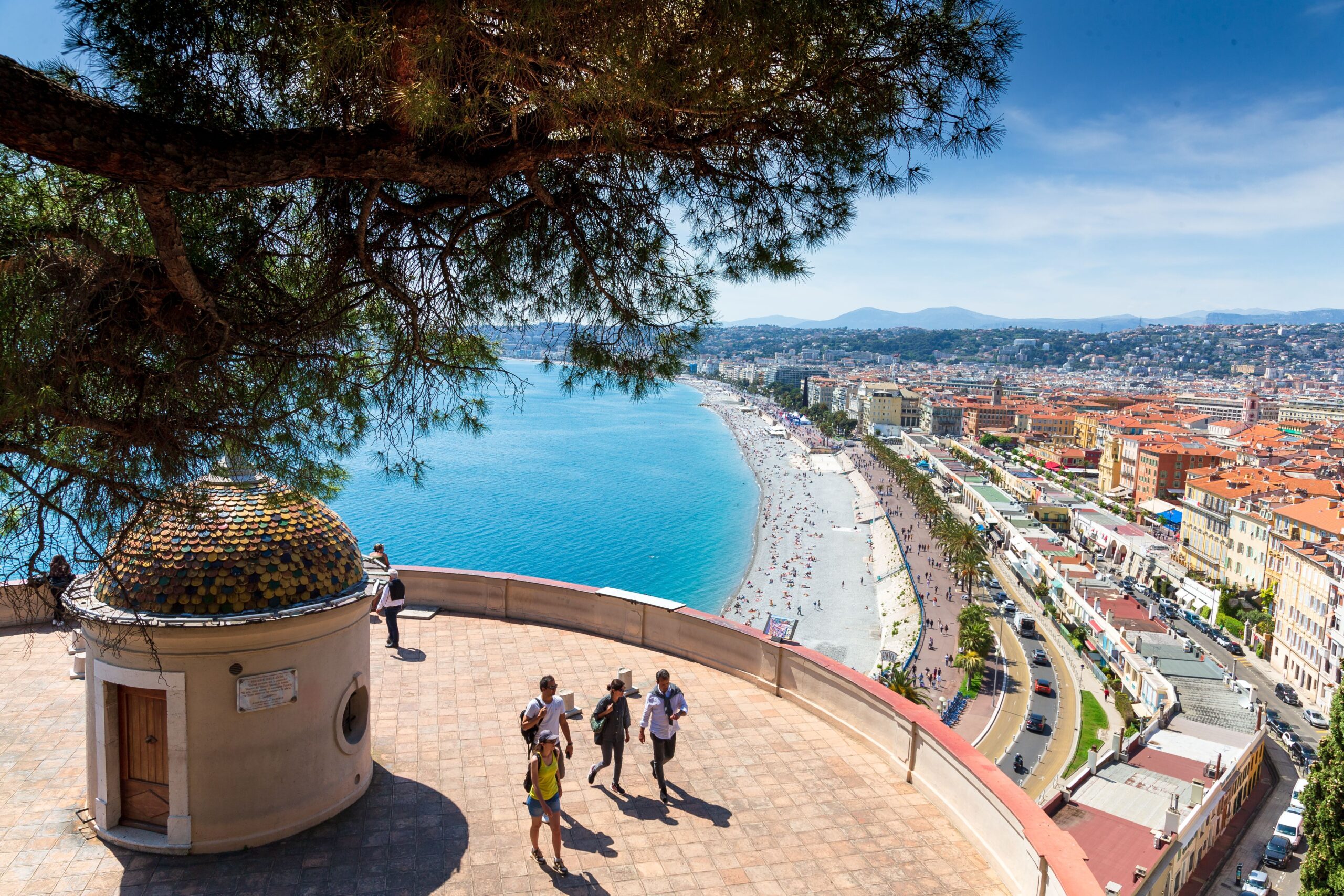

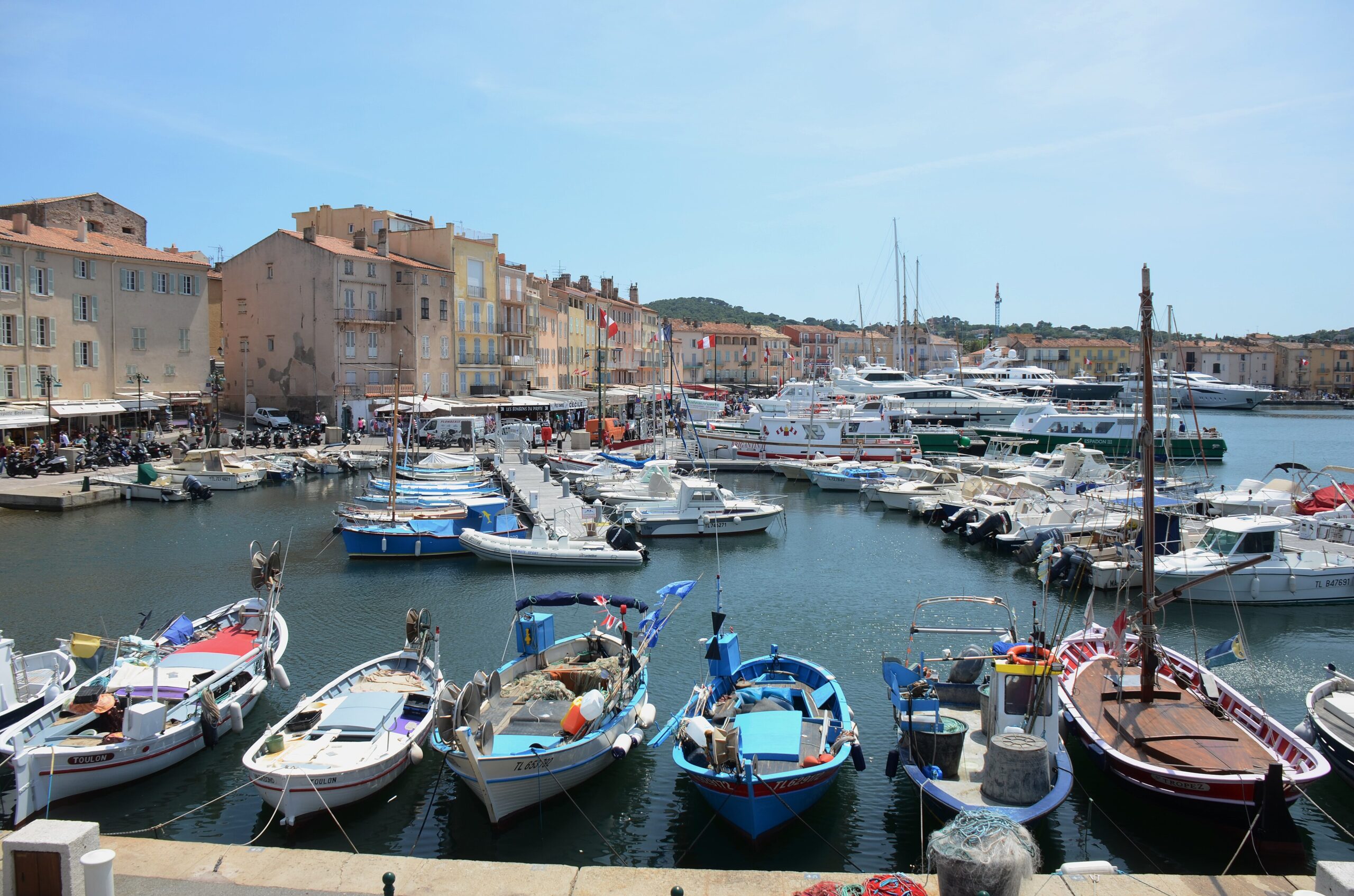
Reaching Cannes, Antibes, Nice, Monaco or Saint-Tropez as a guest is different from securing an appropriate berth for a particular yacht. Port dimensions, draft, services, shore power, reservation procedure and event conditions require direct confirmation. A booking request or wait-list position is not an entitlement.
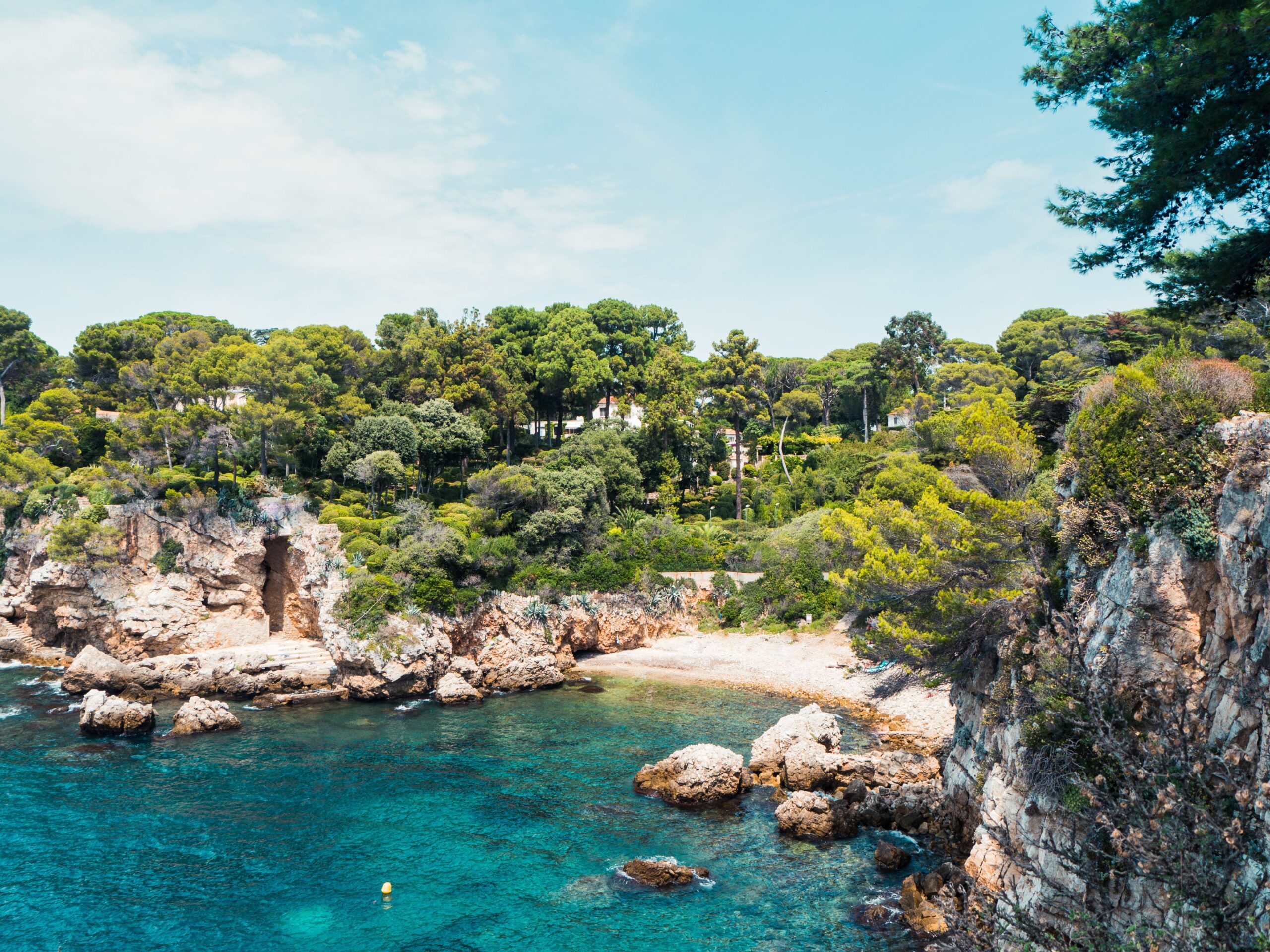
An anchorage can turn a busy Riviera day into a private afternoon, while a nearby harbour can rescue an evening when the celebrated address is full. A strong crew keeps both possibilities alive, considering tender time, comfort and the way guests want the night to unfold.
Treat events as operating conditions
Major calendar moments can change berth pressure, hotel demand, road congestion, security perimeters and supplier terms. Decide whether the event is the purpose of the charter or simply one possible experience. If it is essential, secure the associated access plan before adding other fixed nights.
Build arrival margin. A same-day flight, exposed transfer and non-refundable event session create unnecessary fragility. Where a guest change occurs, use a port or transfer point that supports luggage, vehicles and schedule recovery rather than choosing only by prestige.
Define shoulder season precisely
“Shoulder season” describes a demand context, not a weather guarantee. Late spring and early autumn may reduce crowd pressure, yet daylight, sea state, wind, rain, water temperature, seasonal opening and transport frequency still vary by date. Recheck every material supplier and transport link.
The strategic advantage is optionality. A quieter calendar can make alternatives easier, but the itinerary should still preserve shelter, transfer and indoor options. Do not promise warm swimming or stable conditions from a seasonal average.
Keep commercial and tax claims bounded
The MYBA charter agreement provides a recognised contract framework, including roles, payments and operating concepts. It does not establish a universal French VAT result for every yacht or voyage. Flag, commercial status, embarkation, itinerary and applicable rules require professional review.
The commercial structure should feel as polished as the itinerary. Ask the broker to explain the tax treatment and charter costs for this yacht and route in plain language; our charter-cost guide shows how base fee and APA fit together without reducing the experience to one misleading headline number.
Protect crew and guest rhythm
A refined week alternates high-intensity moments with time that can move. Repeated late finishes, early departures and long tender legs affect crew rest, service preparation and guest energy. The quality of the charter is often improved by removing one transfer rather than adding one address.
Provisioning, flowers, specialist equipment and guest luggage need a practical loading point. Confirm where these can be handled and whether an event security plan changes vehicle access.
The Riviera week, distilled
- Exact embarkation, redelivery and airport-transfer plan.
- Ranked fixed commitments and the consequence of missing each one.
- Yacht, rail and road options for critical guest movements.
- Direct port verification for yacht dimensions, services and terms.
- Event calendar, access controls and cancellation conditions.
- Date-specific weather, venue and transport rechecks.
- Vessel-specific contract and tax confirmation owner.
- Final-day margin and subsequent yacht commitment.
Good planning, lightly worn
The captain, broker and local teams carry the live operational detail; guests should feel its benefit, not its weight. Confirm the yacht, route and arrangements for the chosen dates, then let the week breathe. The purpose of preparation is not to eliminate spontaneity, but to protect it.
The week in brief
- Treat berths and event dates as constraints, then preserve flexibility elsewhere.
- Rail, road and tender options should be part of the yacht itinerary.
- Shoulder seasons exchange crowd pressure for greater weather and opening-hour uncertainty.
- Current port, charter and tax rules need vessel-specific verification.
- Protect crew rhythm and keep transport fallbacks live until the charter ends.