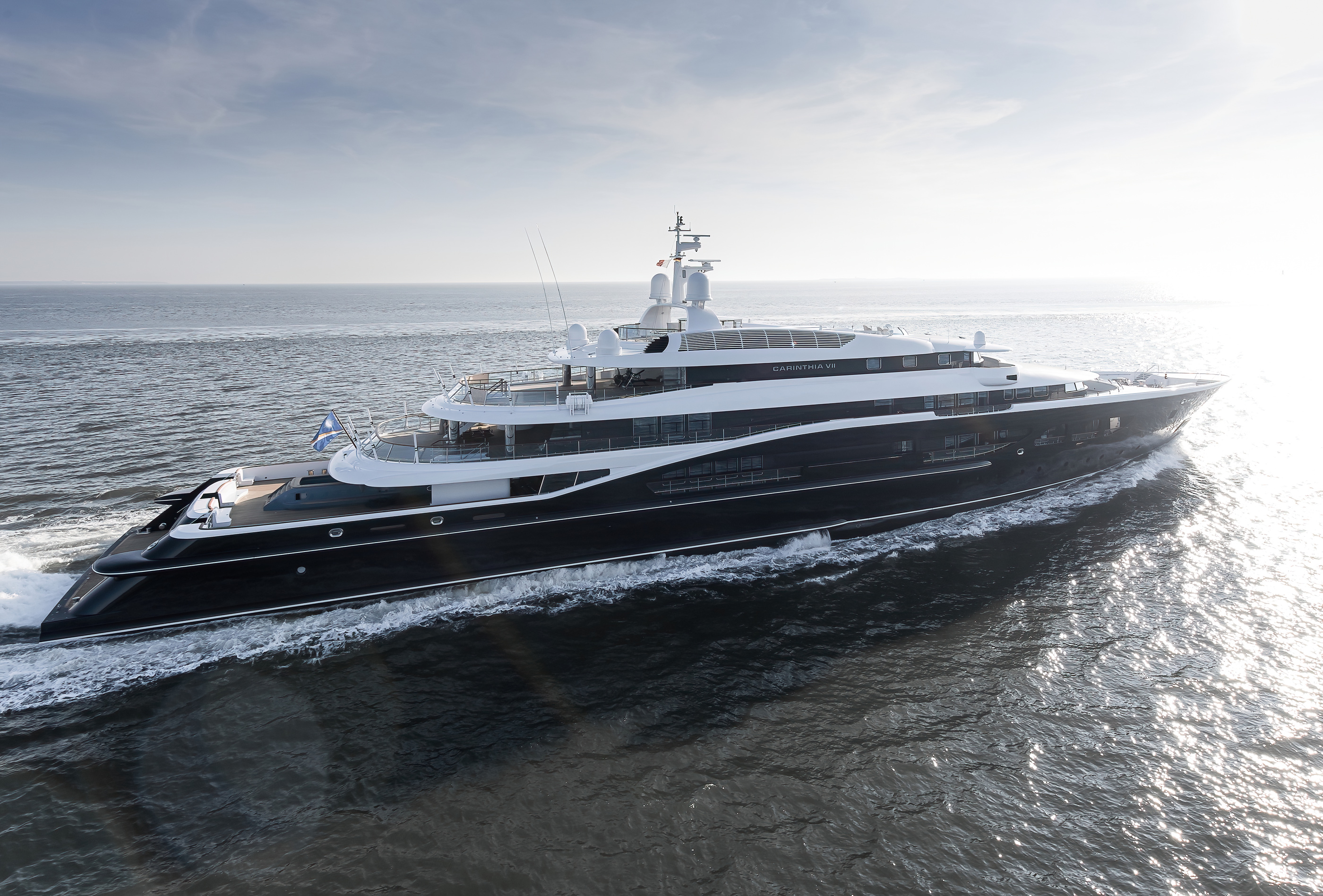
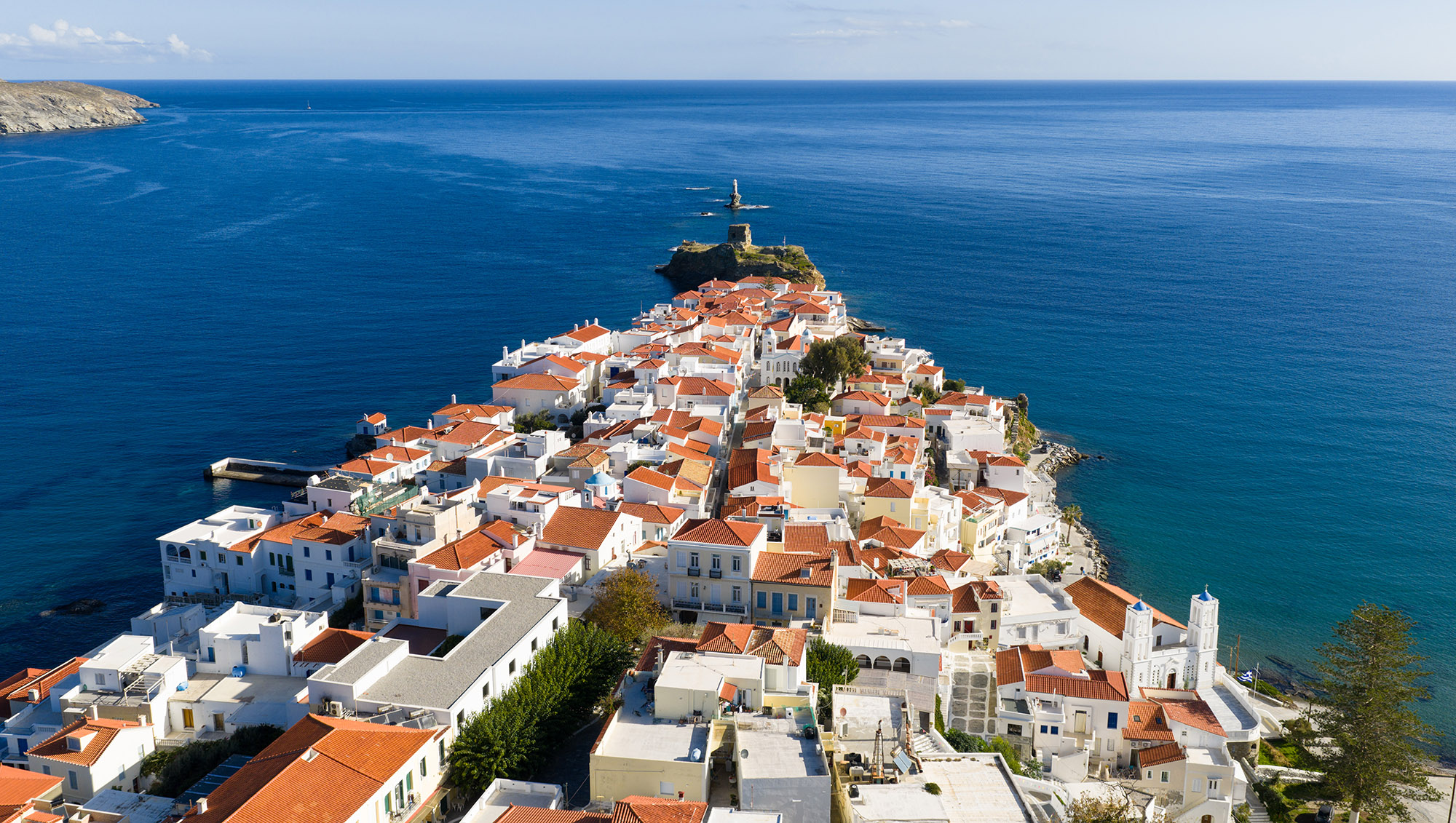
The Cyclades are made for the moment a white village appears above an impossible blue sea. The finest charters do not race from icon to icon; they give the islands room to reveal themselves, shaping the week around the light, the wind and the mood of the guests.
Choose a route shape
A one-way itinerary can reduce backtracking but may add delivery costs or logistical complexity. A loop simplifies flights and transfers yet requires enough margin to return without a final-day rush. Group islands geographically and avoid alternating between distant clusters simply because each appears on a “best of” list.
The official Greek destination portal is useful for geography and island context. It is not a navigation source. Passage plans, port entry, anchoring and weather decisions belong to the captain using current charts, forecasts, notices and local information.
Design for wind, not against it
The Meltemi is associated with the Aegean summer, but an editorial calendar cannot predict the wind for a particular week. Strong conditions affect crossing time, comfort, tender operations and the availability of sheltered berths. A robust plan pairs exposed destinations with alternatives and leaves at least one buffer period.
The yacht's stabilisation, speed and size do not remove the need for conservative decisions. Guests sensitive to motion should communicate this before the itinerary is fixed. The right answer may be fewer islands, earlier departures or a different Greek cruising area.
Ports, anchorages and shore time


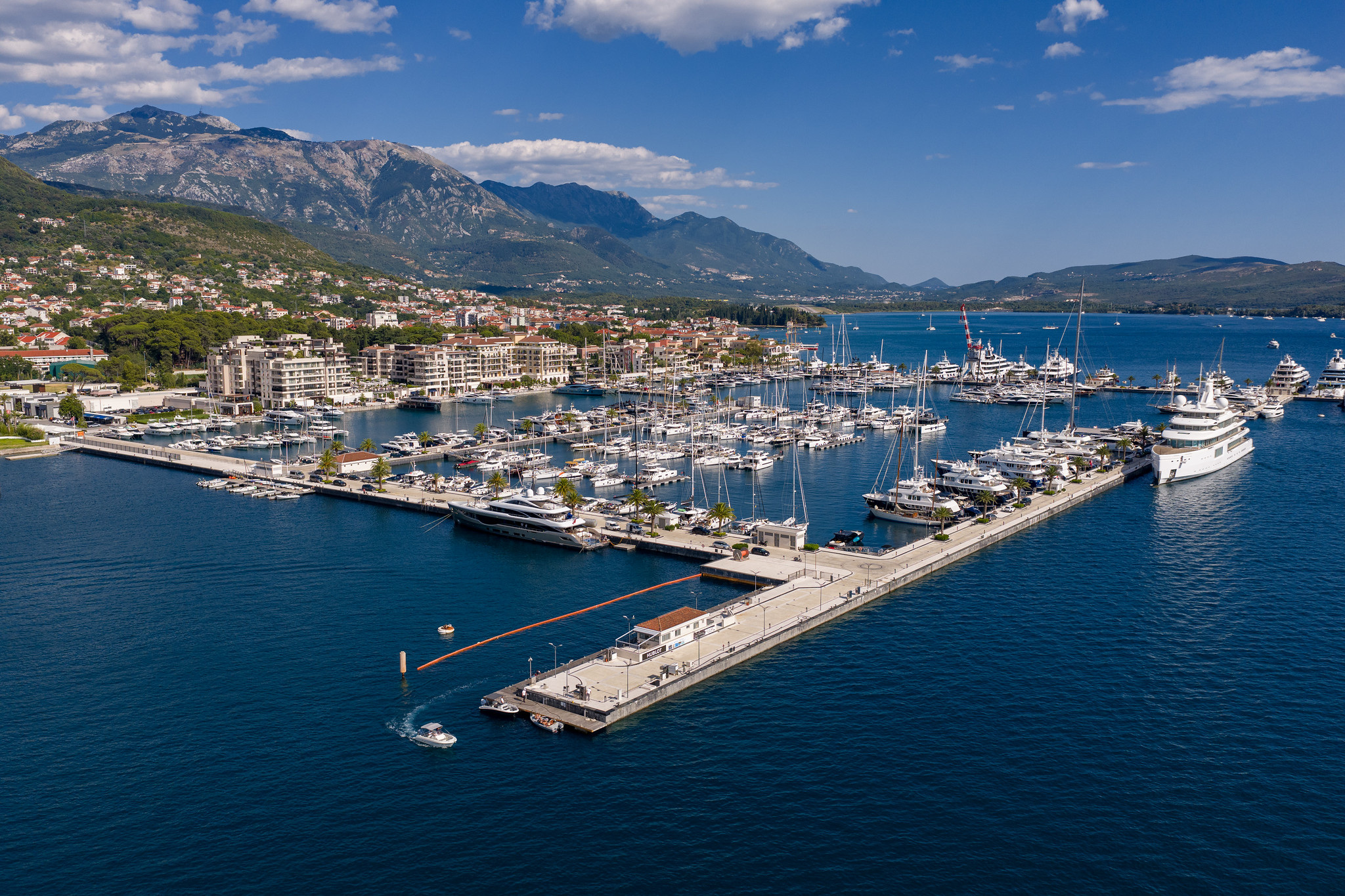
Small harbours can be atmospheric but capacity, depth and local procedures vary. A berth request is not a guarantee. Anchorages need suitable depth, holding, swing room, protection and compliance with local restrictions. Shore plans should not force unsafe arrival times.
Alternate busy ports with quieter anchorages only when weather and regulation permit. Decide which experiences require reservations and which can remain flexible. This preserves the charter as a voyage rather than turning it into a transfer schedule.
Charter and entry controls
Greece’s digital charter procedures sit behind the scenes of the holiday. Before embarkation, the broker and captain confirm the yacht, guest and cruising documents so the practicalities are settled before anyone steps aboard.
Start with the embarkation gateway
The gateway determines how much of the charter is spent reaching the first island and returning for departure. Confirm the exact marina, embarkation time, airport transfer and provisioning window. A route that looks balanced from an island map may be fragile when the first and final mainland legs are included.
A one-way charter can improve route geometry but may introduce delivery or redelivery cost and a different flight plan. A return-to-base loop simplifies logistics yet needs enough reserve to avoid a final-day crossing under schedule pressure. Compare both structures with the broker and captain using the actual yacht and dates.
Cluster islands by operating logic


The official Visit Greece material establishes the Cyclades as a broad island group; it is destination context, not a passage plan. For planning, group candidate islands by geography and by the experiences that matter most. Select a primary cluster and alternatives rather than alternating between distant names from a generic “best islands” list.
Define two or three priorities for the week: a particular archaeological visit, dining reservation, quiet anchorage or watersports window. Everything else should be able to move. This gives the captain room to adapt without making the trip feel improvised.
Convert wind exposure into decisions
Seasonal wind context helps frame risk but cannot predict a particular charter week. The operational questions are current direction and strength, sea state, yacht capability, guest tolerance, shelter and the next safe option. These belong to the captain using current forecasts, charts, notices and local information.
Agree before departure how the itinerary will respond. A high-exposure leg can move earlier, a stop can be extended, or the route can shift to a more protected cluster. Guests sensitive to motion should disclose that before the route is socially fixed.
Speed and stabilisers can make a passage more comfortable, but the finest itinerary uses their ability without asking guests to endure unnecessary miles. A shorter run, a later breakfast or another night on a favourite island can be the more luxurious choice.
Treat ports and anchorages as different products
A harbour offers shore access and services but may have limited capacity, depth or manoeuvring room. A berth request is not a berth guarantee. Confirm who is responsible for requests, when local information becomes reliable and what the fallback is.
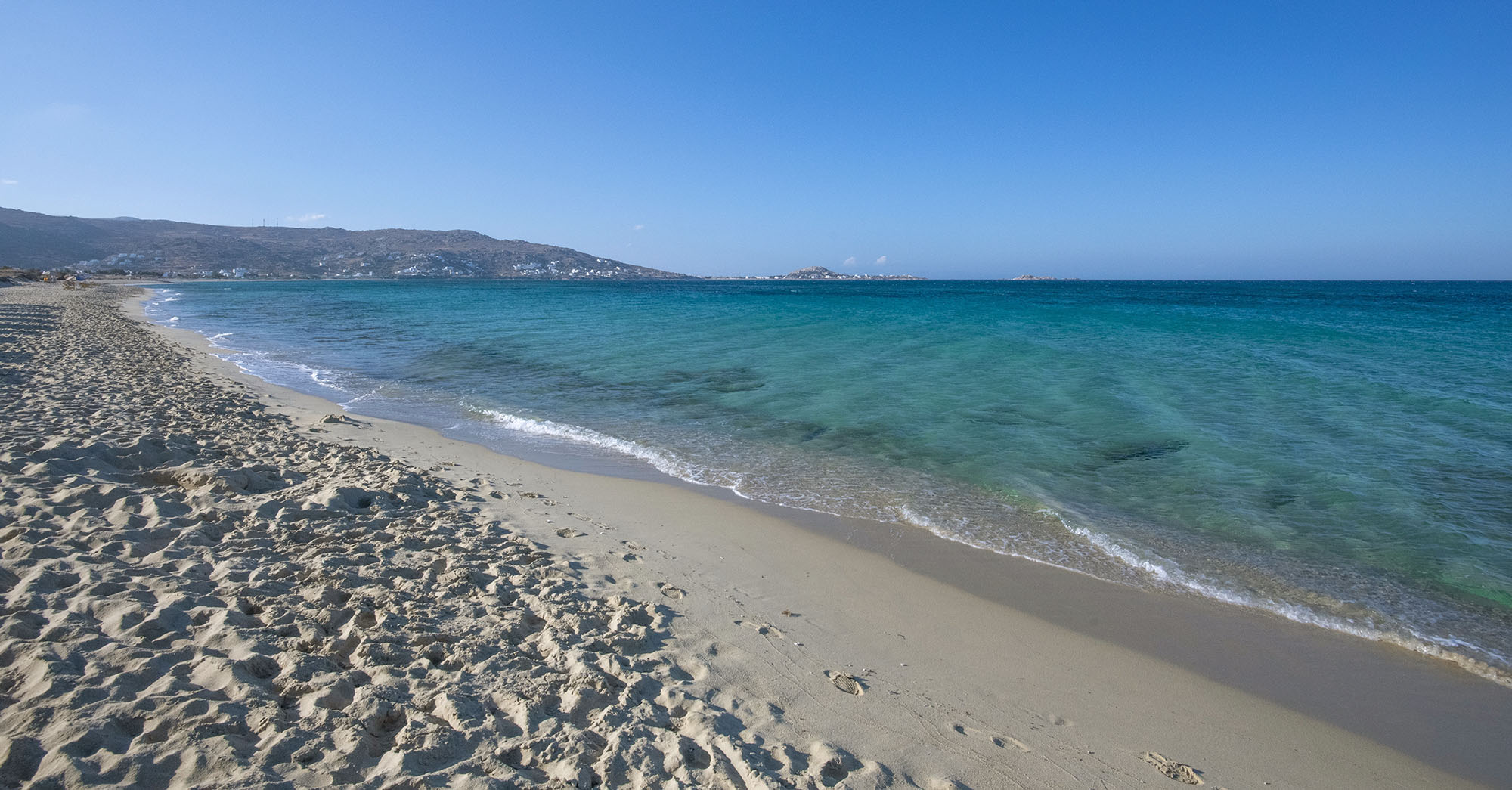
An anchorage requires appropriate depth, holding, protection, swing room and legal permission. Tender operation adds its own weather and access constraints. The captain decides whether a location is suitable; an editorial image or previous visit cannot establish present safety.
Avoid binding shore plans to an exact arrival after an exposed passage. Prioritise reservations that can move or include a clear cancellation understanding.
Verify the yacht, not only the destination
The contract and listing should identify guest capacity, crew, tenders, stabilisation, water toys and other material equipment. Confirm what is operational for the charter and what requires qualifications, age limits or captain approval. Marketing inventory can change.
Review cabin configuration, accessibility, medical needs and communications before signing. The best route cannot compensate for a yacht that does not fit the party’s sleeping, mobility or privacy requirements.
Keep regulation yacht-specific
The Greek government’s e-CharterPermission service concerns defined professional pleasure vessels and requires information about ownership, the vessel, the written charter and changes. The existence of the service does not prove that a particular yacht, flag, contract or itinerary complies.
Require the broker or operator to document the yacht’s status and the process applicable to the specific charter. Tax, passenger, port, cruising and entry requirements need current professional confirmation. Do not rely on a marketplace badge.
Protect the final 24 hours
The last day should not depend on the most ambitious crossing of the week. Preserve distance and time margin for the agreed redelivery point. Weather, berth access and subsequent charter commitments can constrain the captain’s choices.
Plan the airport transfer from the actual disembarkation point and protect the flight cutoff. If a one-way route is used, verify the final island’s transport resilience rather than assuming frequent service.
The Cycladic week, distilled
- Exact embarkation and redelivery points and times.
- Primary geographic cluster plus two acceptable alternatives.
- Guest priorities ranked rather than treated as mandatory.
- Motion sensitivity, accessibility and medical information.
- Current yacht status, equipment and cabin configuration.
- Port, anchorage and tender assumptions kept non-guaranteed.
- Greek charter documentation and tax basis confirmed for the yacht.
- Shore reservations with weather-aware cancellation terms.
- Final-day route and airport margin protected.
- Decision authority and communication route understood.
Good planning, lightly worn
The captain, broker and local teams carry the live operational detail; guests should feel its benefit, not its weight. Confirm the yacht, route and arrangements for the chosen dates, then let the week breathe. The purpose of preparation is not to eliminate spontaneity, but to protect it.
The week in brief
- Build a geographic route with alternatives and buffer time.
- Summer wind is an operating variable, not a fixed editorial promise.
- Port and anchorage availability must be confirmed locally.
- Current Greek charter documentation must be verified for the specific yacht.
Sources & credits
Sources and further reading
The route method was checked against the Greek government’s current e-CharterPermission service and official Greek destination context on 2026-08-26. These establish regulatory-process and geographic context, not a forecast or passage plan.