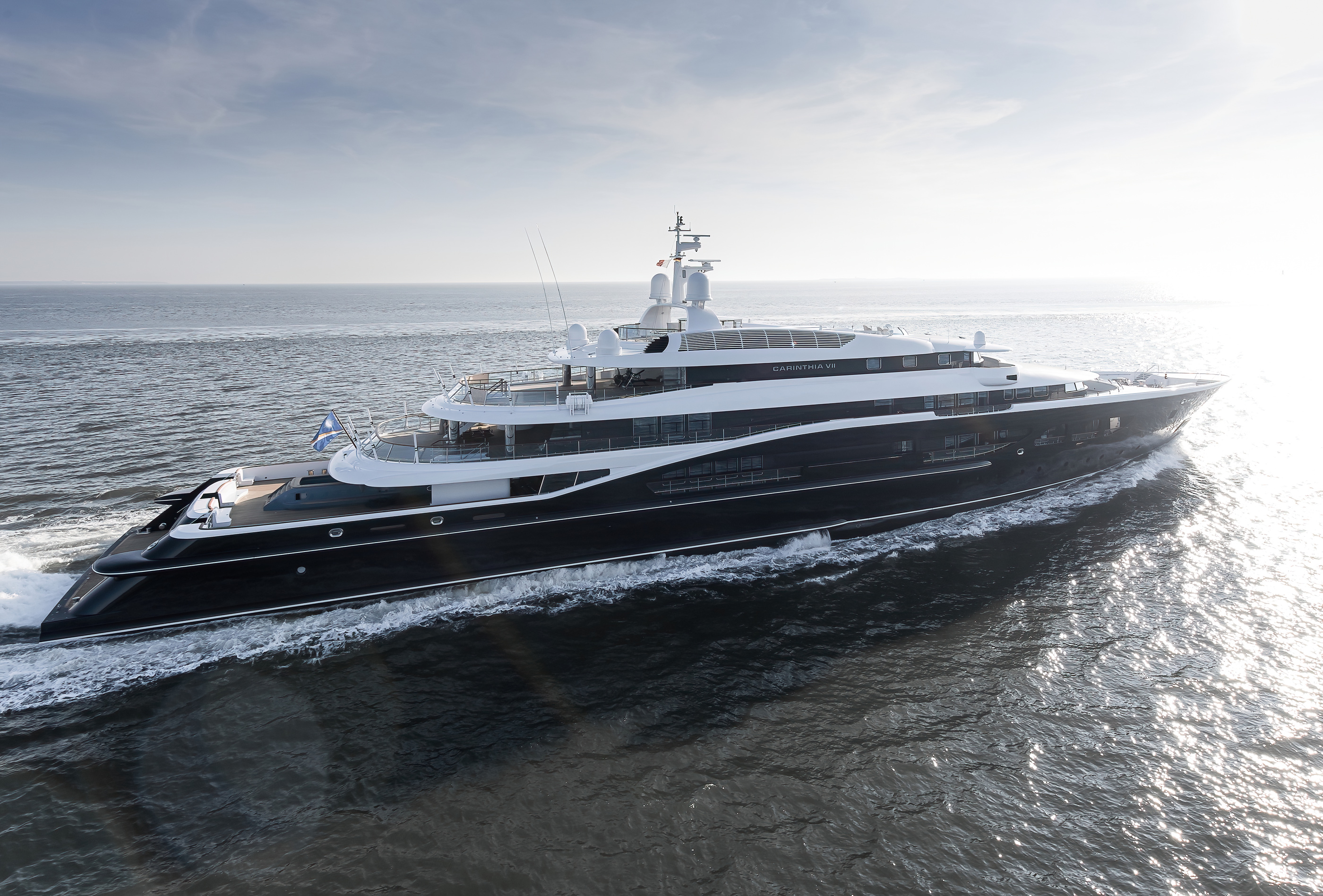
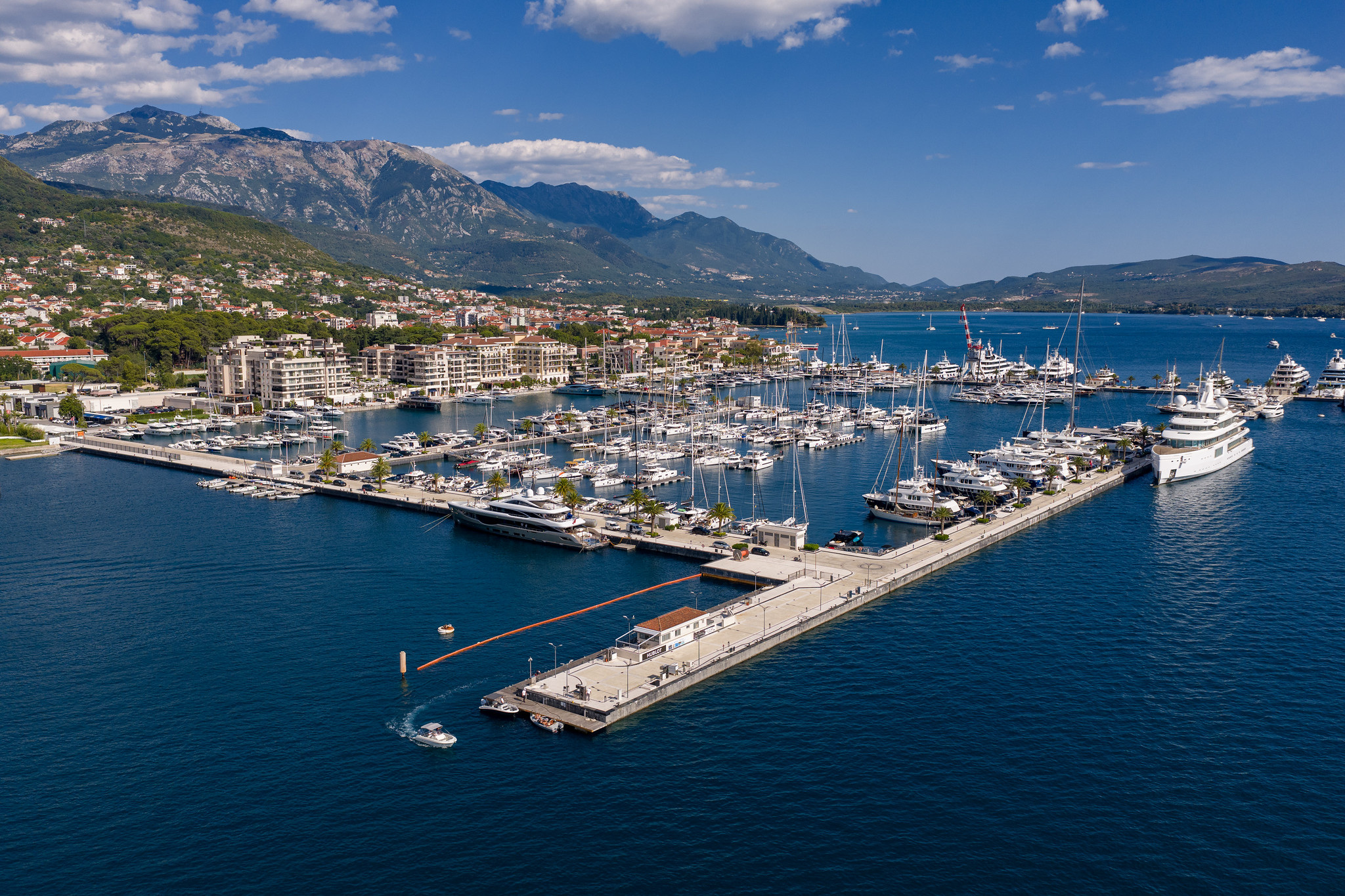
Croatia’s Adriatic feels almost purpose-built for life afloat: stone towns at the water’s edge, pine-scented islands and short passages that leave more of the day for swimming, lunch and wandering ashore. The art is to choose one coherent stretch of coast and let the yacht slow the week down.
Establish the yacht's legal basis
The Croatian Ministry publishes a chartering manual and nautical information. Those documents are the starting point for an operator, not a substitute for professional compliance. The broker and captain should confirm whether the yacht is Croatian, EU or third-country registered; whether the charter begins in Croatia; and which documents, fees and reporting steps apply.
Avoid copying a fee from an old article. Charges can depend on vessel characteristics, period and service, and official schedules can change. Record the source and verification date in every planning brief.
Use route density intelligently


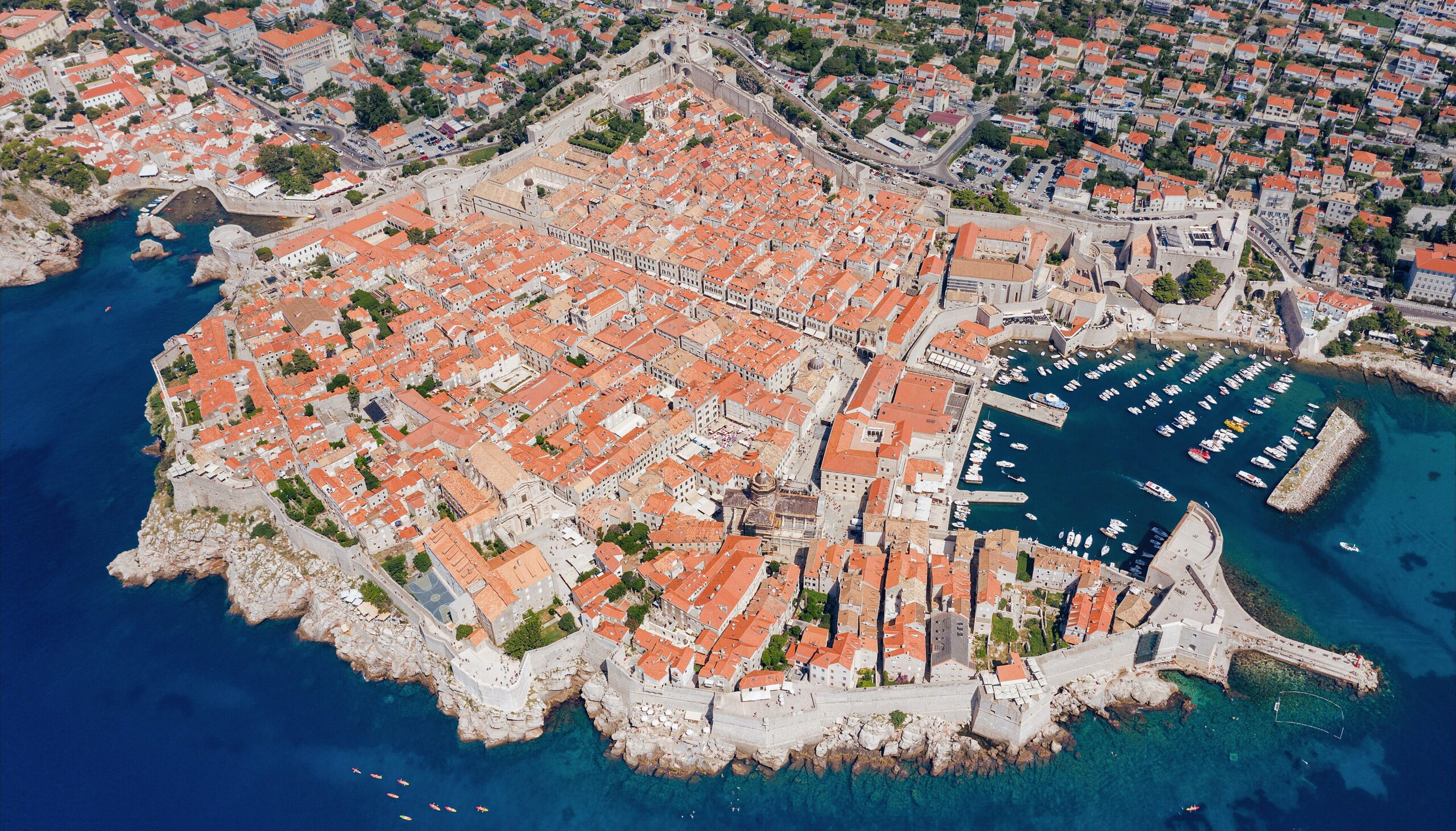
The central and southern Adriatic offer many islands and ports within relatively short distances. That makes it possible to design a charter around slower mornings and meaningful shore time rather than daily high-speed repositioning. It also attracts concentrated demand in peak periods.
Choose an embarkation region, then build a coherent loop or one-way route. Split, Šibenik and Dubrovnik lead to different geographic patterns. Trying to cover all three in a short charter can turn the yacht into transport rather than a base for exploration.
Berths, anchorages and protected areas
Marina reservations do not replace the captain's assessment of weather and approach. Town quays may have limited capacity and particular mooring practices. Anchorages can include concession areas or environmental restrictions. National and nature parks may have ticketing, speed, anchoring or access rules.
The itinerary should identify the official authority for every protected area and preserve alternatives. A third-party map or booking platform can assist logistics but is not the governing legal source.
Border and passenger planning
If the route crosses into or out of Croatia, use an authorised port of entry and follow current border and customs requirements. Passenger lists and travel documents should be complete before departure. The captain and local agent should own the operating checklist; guests need clear deadlines for providing information.
Provisioning and turnaround also deserve a defined place in the route. A convenient embarkation port may offer stronger supply and technical support than a picturesque island quay. Confirm where fuel, water, waste, guest luggage and crew changes can be handled without compressing the first or final cruising day. This logistical layer is part of itinerary quality, not an administrative afterthought.
Read the 2026 charter controls before choosing the route
Croatia's Ministry of the Sea, Transport and Infrastructure publishes a current chartering manual together with nautical procedures and supporting documents. The material separates questions that a guest may treat as one subject: vessel flag, commercial operation, cabotage, crew and passenger reporting, tax representation and the place where a charter begins. That structure is the reason compliance belongs at the start of planning.
The ministry page also records that third-country cabotage treatment can be limited and that official lists are updated during the year. A brochure, broker listing or prior Croatian charter cannot establish the position of a different yacht in 2026. Ask the operator to identify the current official route through the rules and retain the dated evidence in the charter file.
This guide does not decide whether a yacht is eligible to charter in Croatia. It gives an owner or guest a better set of questions for the licensed professionals who carry that responsibility.
Match the gateway to the intended cruising region
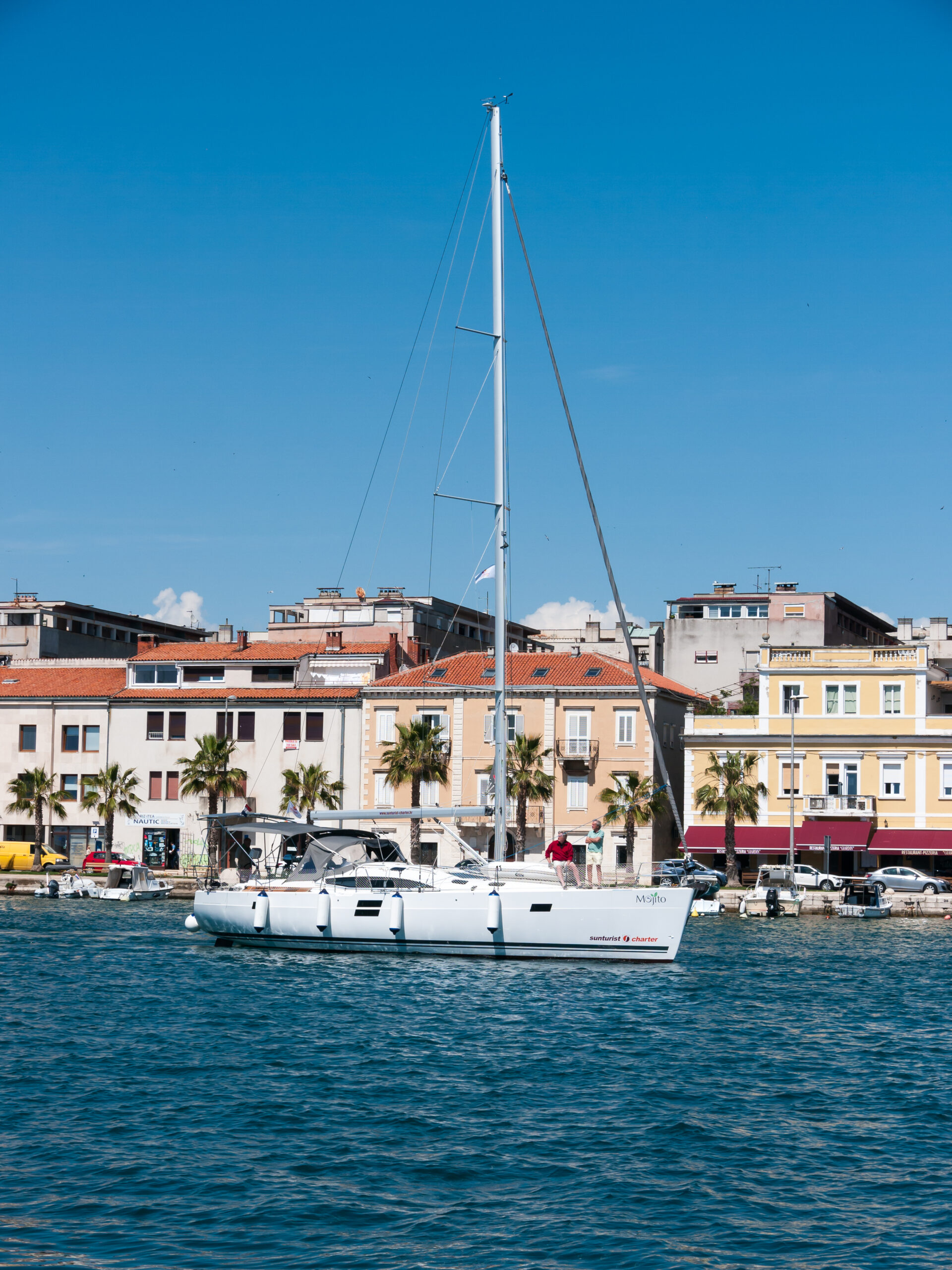

Split, Šibenik and Dubrovnik are not interchangeable labels. Each creates a different first-day geometry, airport transfer, provisioning pattern and set of practical alternatives. Begin with the guests' strongest priority and the yacht's actual embarkation point, then construct a regional route that can absorb change.
A one-way itinerary may reduce backtracking, but it can introduce redelivery logistics, repositioning cost and a second flight plan. A return-to-base loop simplifies guest travel yet needs enough reserve to avoid a compressed final passage. Compare both with the broker and captain before the social itinerary becomes fixed.
Do not measure quality by island count. Shorter geographic steps can produce more time ashore and a calmer service rhythm, but only when berth, anchorage and weather choices remain realistic. Route density is an opportunity to reduce pressure, not a reason to schedule every harbour.
Understand the local details before they reach the guest
Local charges are best handled quietly and transparently. Ask the broker to present each vessel-specific fee with its purpose and current basis, so the guest sees a clear charter account rather than a surprise total at the end of the week.
The charter agreement should also distinguish the contractual price from operating advances, local services and guest-requested spending. Y11 explains that commercial structure separately. For Croatia, the practical task is to make clear which party confirms each local charge and when the guest will see the supporting record.
Let protected waters enrich the route
National parks, nature parks, concession areas and local harbour zones are different operating contexts. A single generic anchoring rule would be misleading. For every intended stop, record the responsible authority, current access or ticket process, anchoring or mooring control and an acceptable alternative.
Official maps and notices should govern the operating decision. Third-party apps can support orientation but may be incomplete, cached or detached from a vessel-specific restriction. Clear water, an image from a previous season or the presence of other yachts does not establish permission.
The captain translates current conditions and local rules into the day’s best version. That professional judgement is what allows the itinerary to feel spontaneous while keeping every arrival appropriate for the yacht and the people on board.
Keep border crossings operationally optional
A route that enters or leaves Croatia adds official port, customs, immigration and passenger-document questions. Confirm the authorised entry or exit point and the sequence with the captain and local agent. Guest passports and required information should be complete before embarkation, not collected when the yacht is waiting to clear.
Design the itinerary so that the holiday still works if a cross-border leg becomes inefficient. An optional international flourish should not make the whole week dependent on a clearance window, road transfer or final-day passage.
Protect service rhythm and the final day
Provisioning, laundry, water, waste, fuel and crew rest are part of route quality. A sequence of late dinners, early departures and daily berth deadlines may look ambitious while degrading the onboard experience. Decide which shore commitments genuinely define the charter and leave the rest movable.
The final 24 hours should preserve distance and time margin to the contractual redelivery point. Confirm the airport transfer from that exact point and the consequence of weather or port disruption. The yacht may have a subsequent charter commitment that reduces flexibility at the end of the week.
The Croatian week, distilled
- Yacht flag, commercial status and documented eligibility path.
- Exact embarkation and redelivery ports, dates and times.
- Primary region, preferred one-way or loop structure and two alternatives.
- Current official fee register with source, owner and verification date.
- Protected-area register for each planned stop.
- Border and passenger-document plan where relevant.
- Critical berth requests plus lawful, weather-safe fallbacks.
- Provisioning, technical service, transfers and final-day margin.
Good planning, lightly worn
The captain, broker and local teams carry the live operational detail; guests should feel its benefit, not its weight. Confirm the yacht, route and arrangements for the chosen dates, then let the week breathe. The purpose of preparation is not to eliminate spontaneity, but to protect it.
The week in brief
- Verify charter status and vessel-specific Croatian requirements from current official guidance.
- Route density rewards a focused regional plan rather than maximum mileage.
- Protected waters require authority-specific checks, not generic anchoring advice.
- Cross-border legs add documentation, port-of-entry and timing constraints.
- Preserve final-day margin and make service logistics visible in the route.