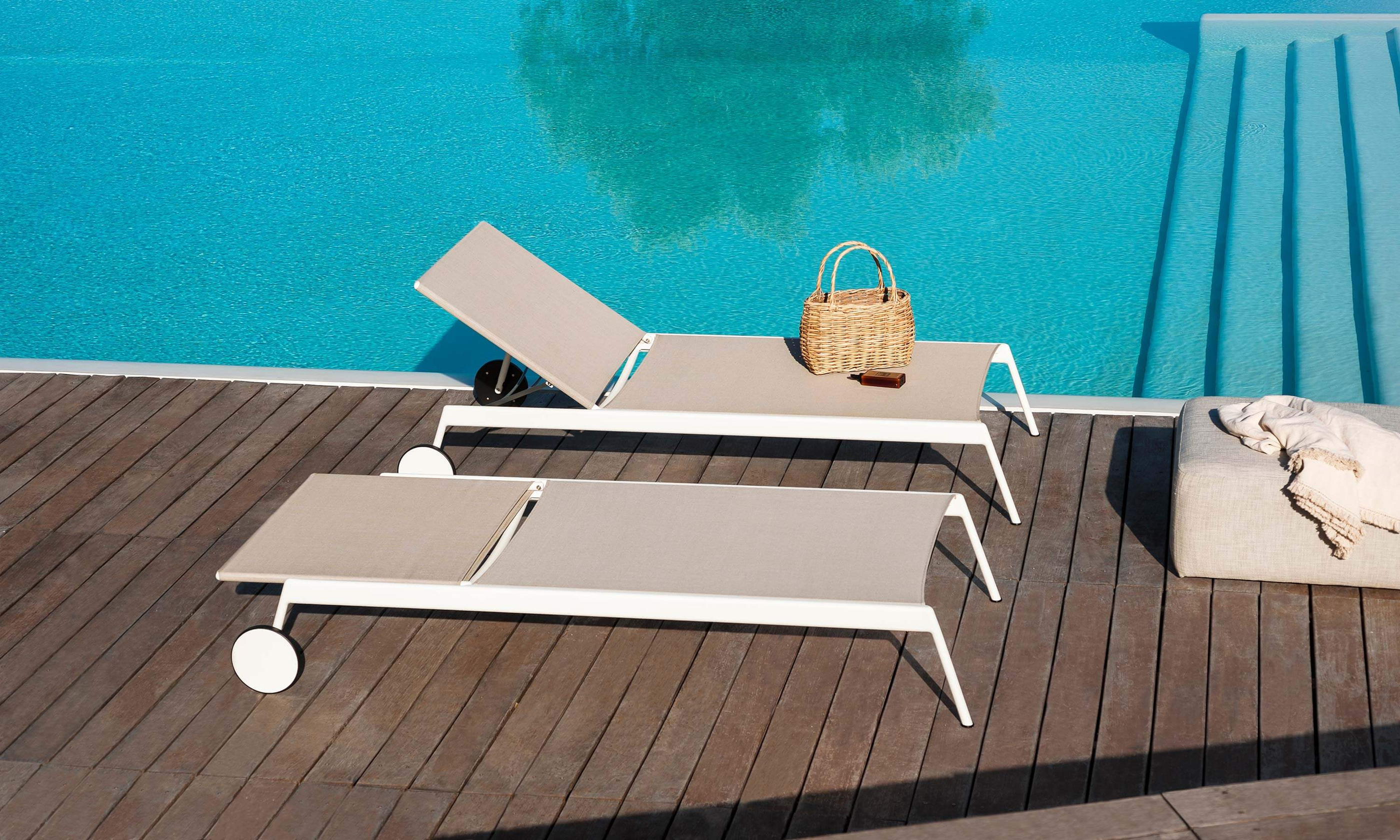
A terrace overlooking the coast can look complete in a photograph long before its practical brief has been resolved. The view provides an immediate attraction. The decisions that make the place useful are closer at hand: where people will sit, what the setting exposes, how the furniture will be cared for and where its loose elements will go when the room is not in use.
Begin with the terrace you actually have
This guide provides a way to organise those decisions before choosing a collection. Official RODA photographs identify Piper furniture and related material examples; Paola Lenti’s Aurea Optima record provides a separate, material-specific account of appearance and maintenance. The images are illustrations of named products and samples. They do not establish that any pictured installation is a coastal test site or that a collection has universal suitability for every marine exposure.
Write down the pattern of use
Begin with the day you want the terrace to accommodate. A place for breakfast, a long lunch and an evening gathering may need several arrangements. A terrace used occasionally by two people has a different brief from a shared family space that must be made ready for visitors. Writing down those patterns gives the selection a practical centre.
Draw the principal routes as well as the furniture. Include the opening from the house, the way to the pool or garden and the path someone carrying a tray would take. Mark the positions where a person will want to remain seated while others move through. A plan can reveal these relationships before a particular chair or sofa becomes difficult to reconsider.
Keep the desired atmosphere in the brief too. The choice between a close, sheltered grouping and a more open arrangement is partly a design decision. The useful approach is to describe that preference alongside the activities, rather than allowing a mood image to stand in for all of them. Ask the designer to show how the arrangement works when it is occupied.
Describe the exposure before asking for a material
A coastal address does not describe every terrace at that address. Record whether the setting is covered, how open its sides are, when it receives direct sun and whether elements can be brought into a sheltered place. Provide the supplier with the site and intended conditions rather than asking for a material to solve an undefined environment.
Wind, salt exposure and fixing or stability requirements need advice tied to the actual location and product. A photograph cannot establish those conditions. The client’s role is to make the information available; the relevant design and installation professionals should determine the measures appropriate to the site. Claims about resistance should refer to a specific finish, construction and set of conditions.
The same precision applies to the phrase outdoor furniture. It identifies a broad intended category, while the individual product record establishes what has actually been specified. Ask which parts need different treatment and which instructions govern prolonged exposure. A frame, a textile, a filling and a table surface may require separate answers even when they are sold together.
Read the construction as a set of components
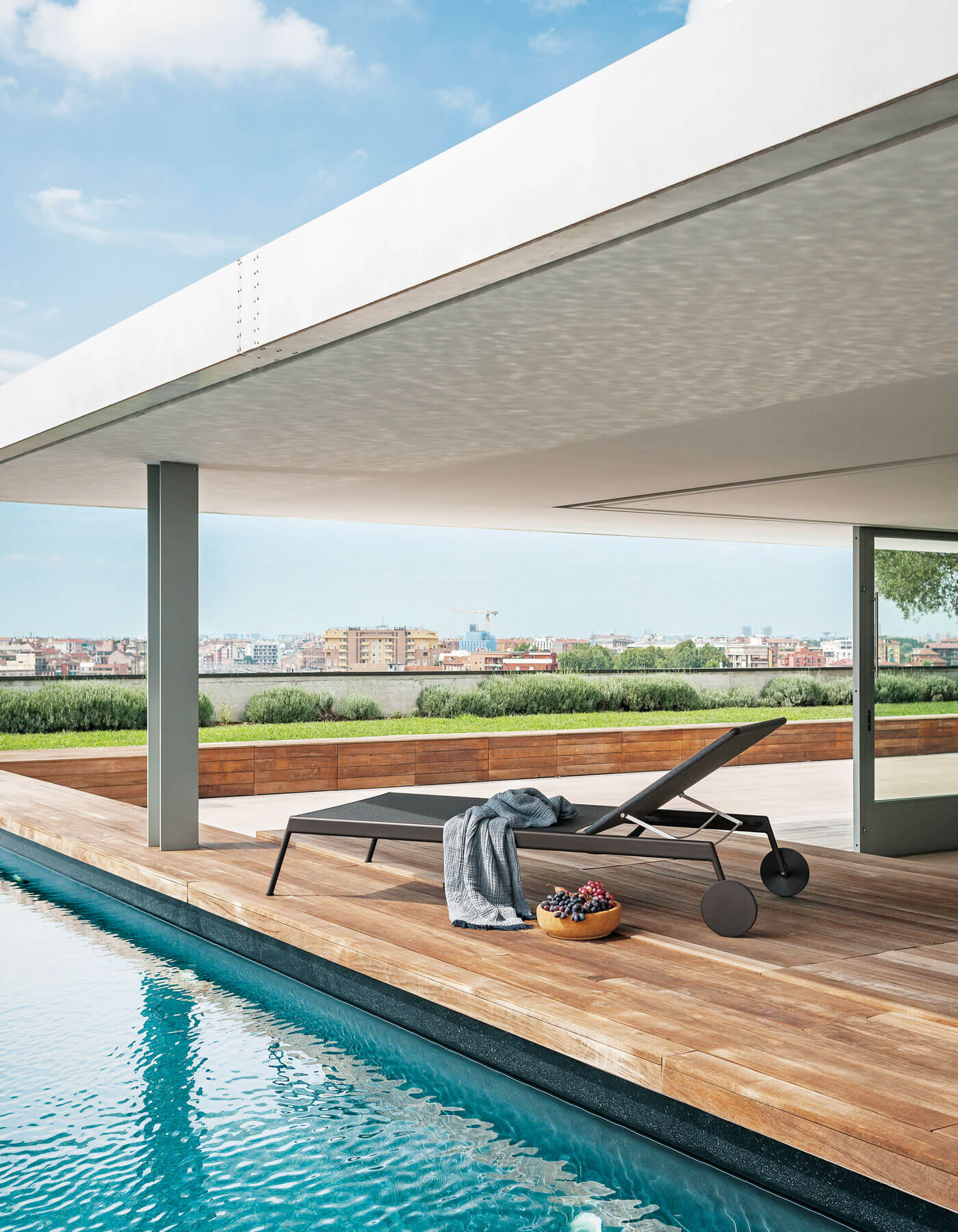
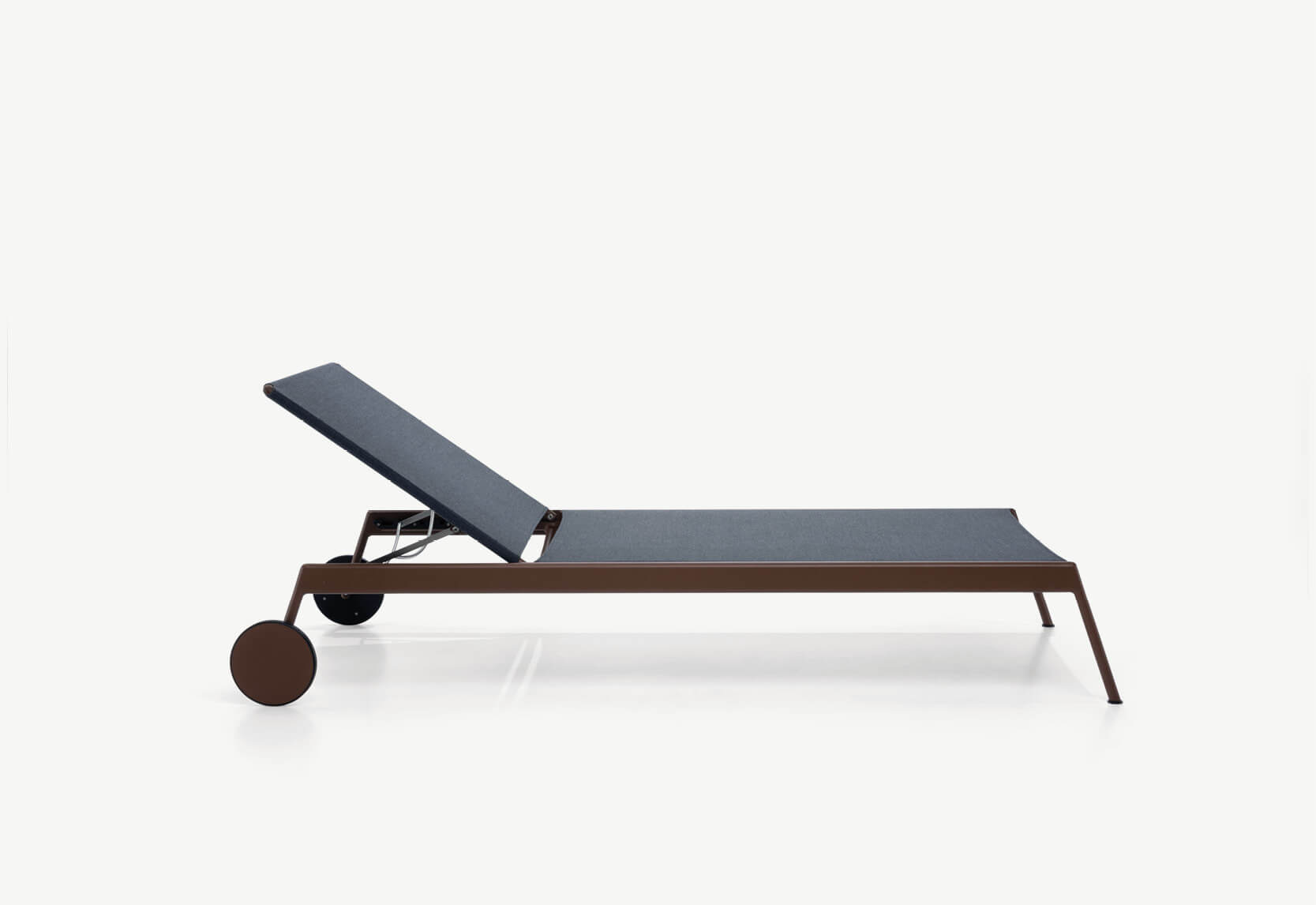
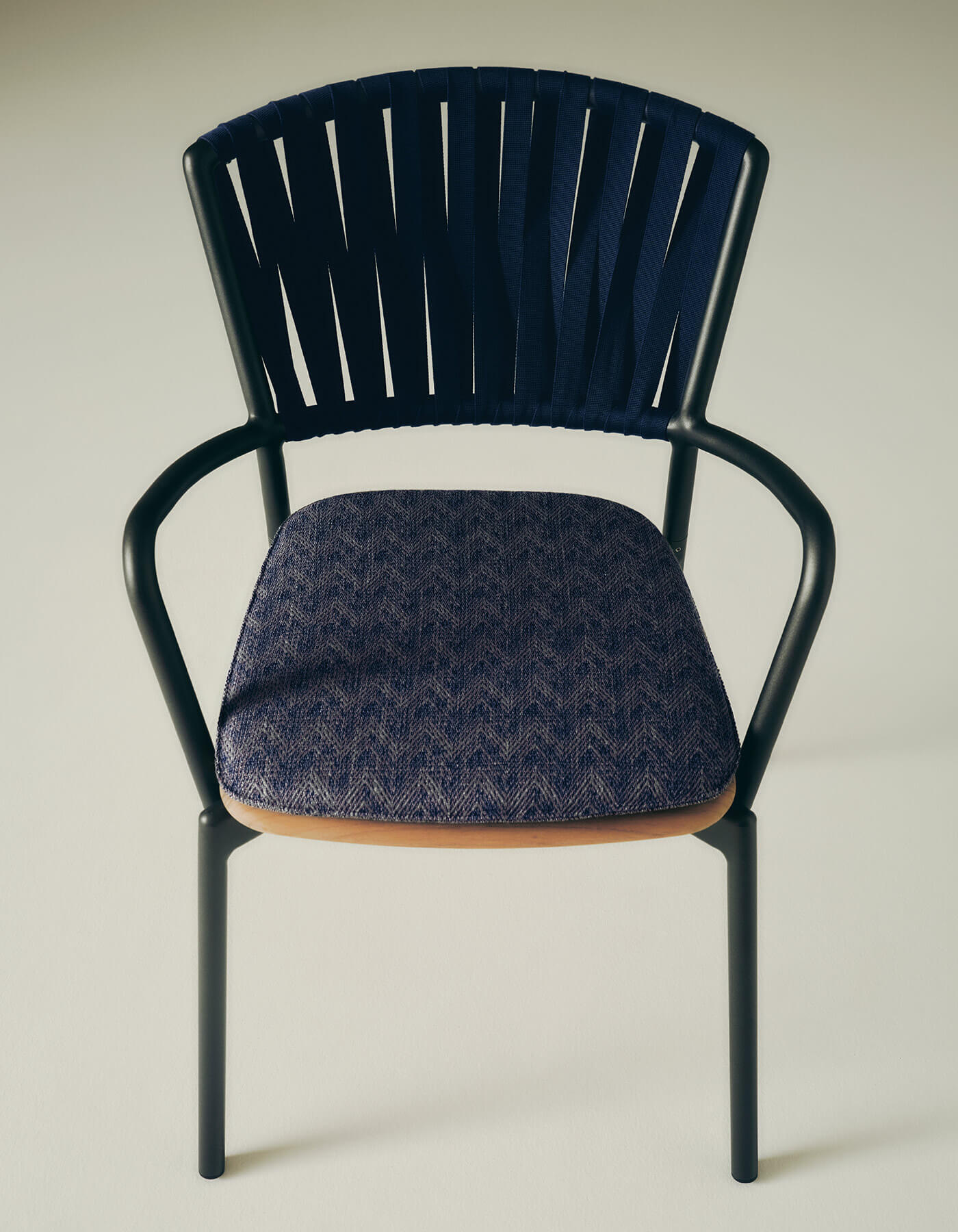
RODA’s Piper record identifies a family designed by Rodolfo Dordoni, with aluminium frames and different backrest or upholstery treatments across the collection. It is a useful illustration of why a collection name is only the beginning of a specification. The options and the selected model matter to the object that will arrive.
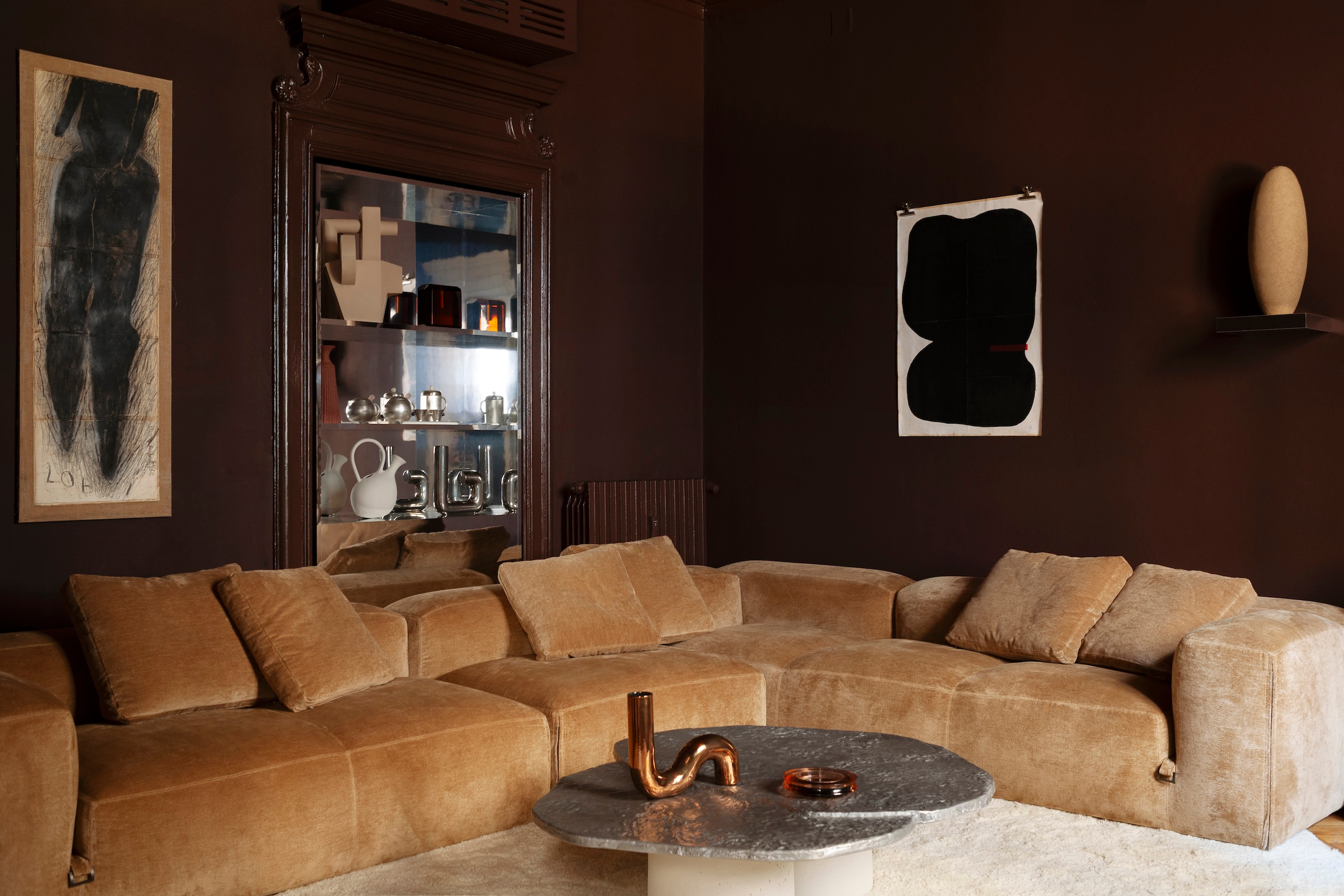
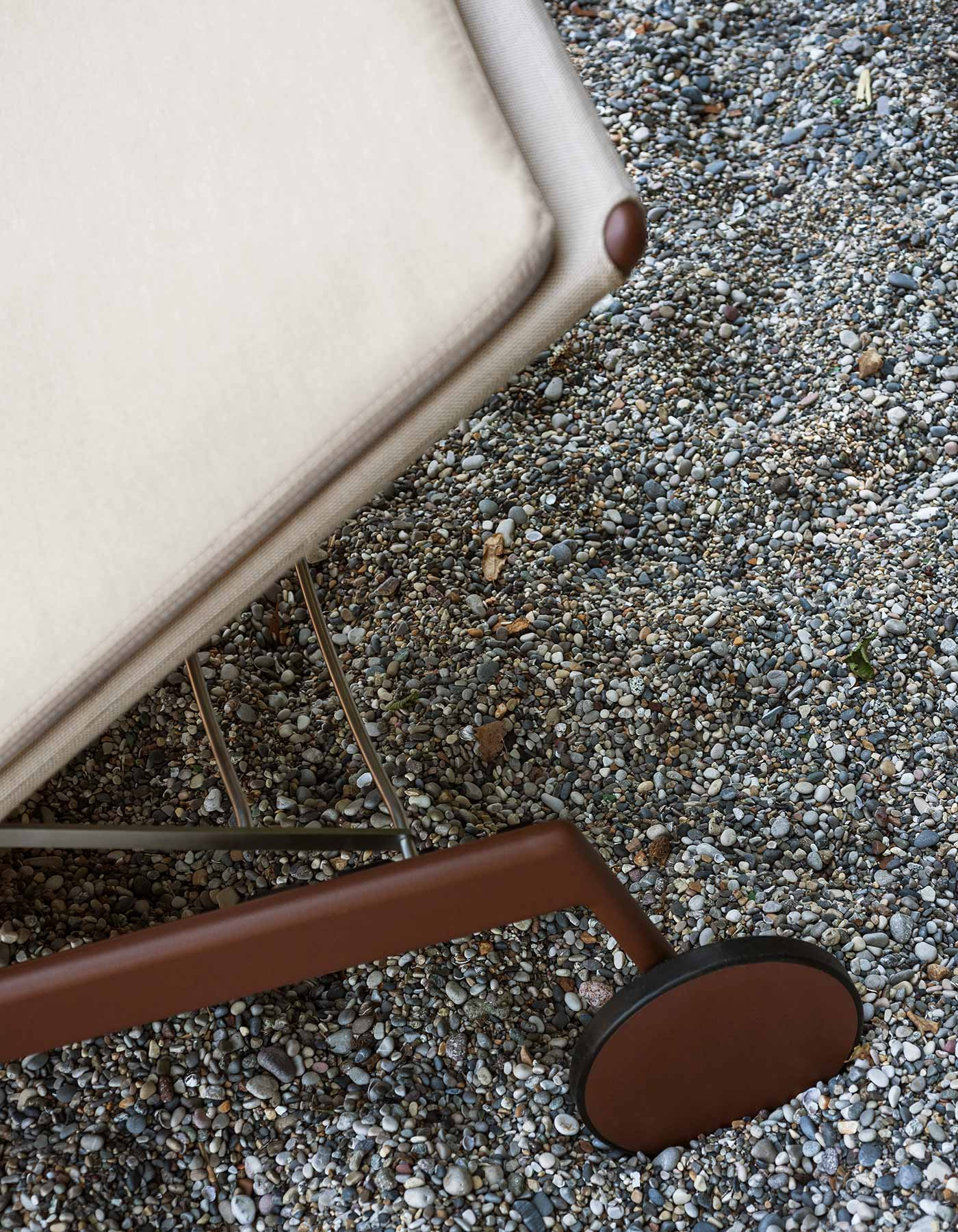
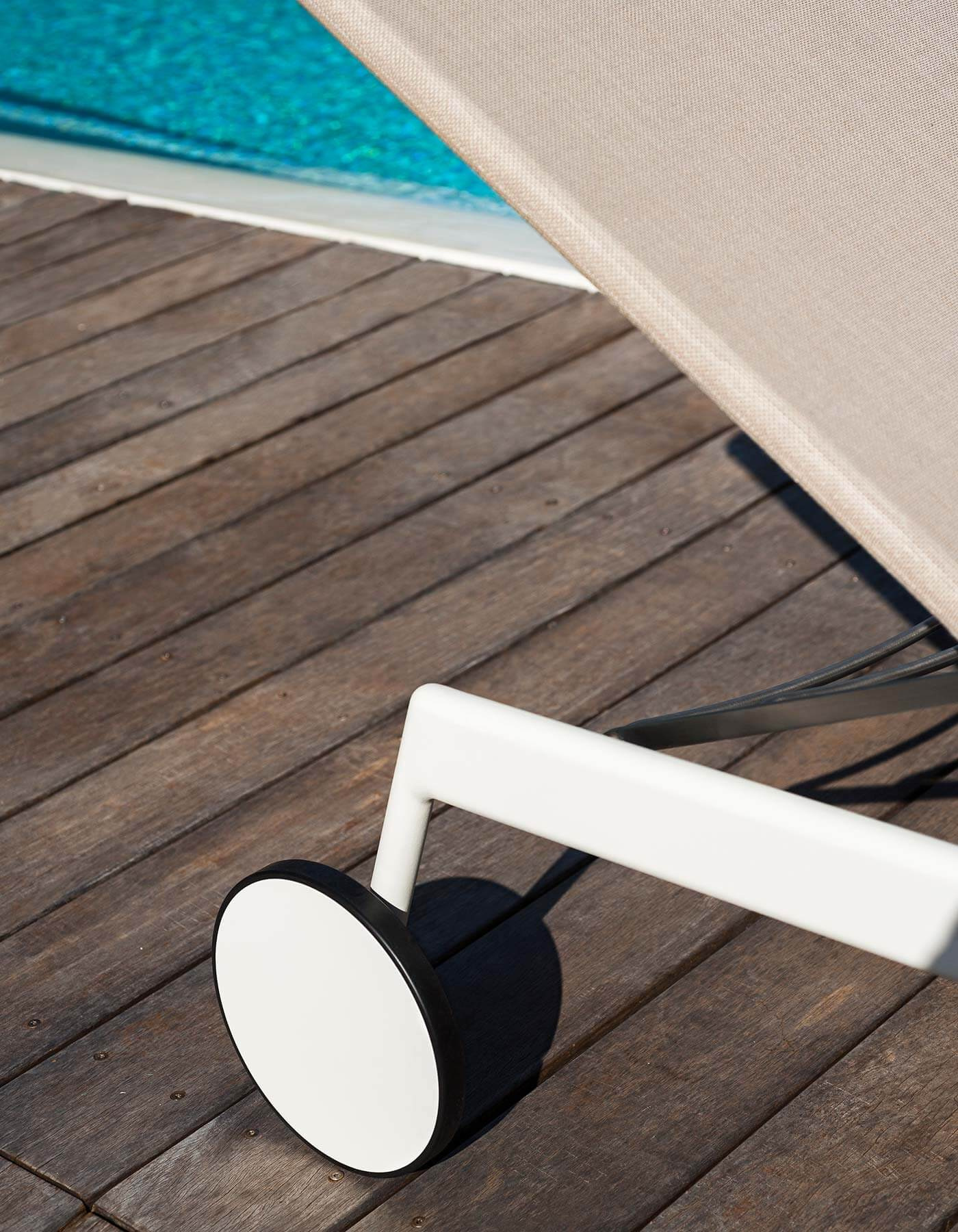
The official photographs show several distances from that object: an occupied setting, a complete piece and details of the frame or woven surface. Read them together. The setting helps with proportion and use; the complete piece reveals its outline; the closer image explains a junction or texture. None of those images supplies a complete bill of materials by itself.
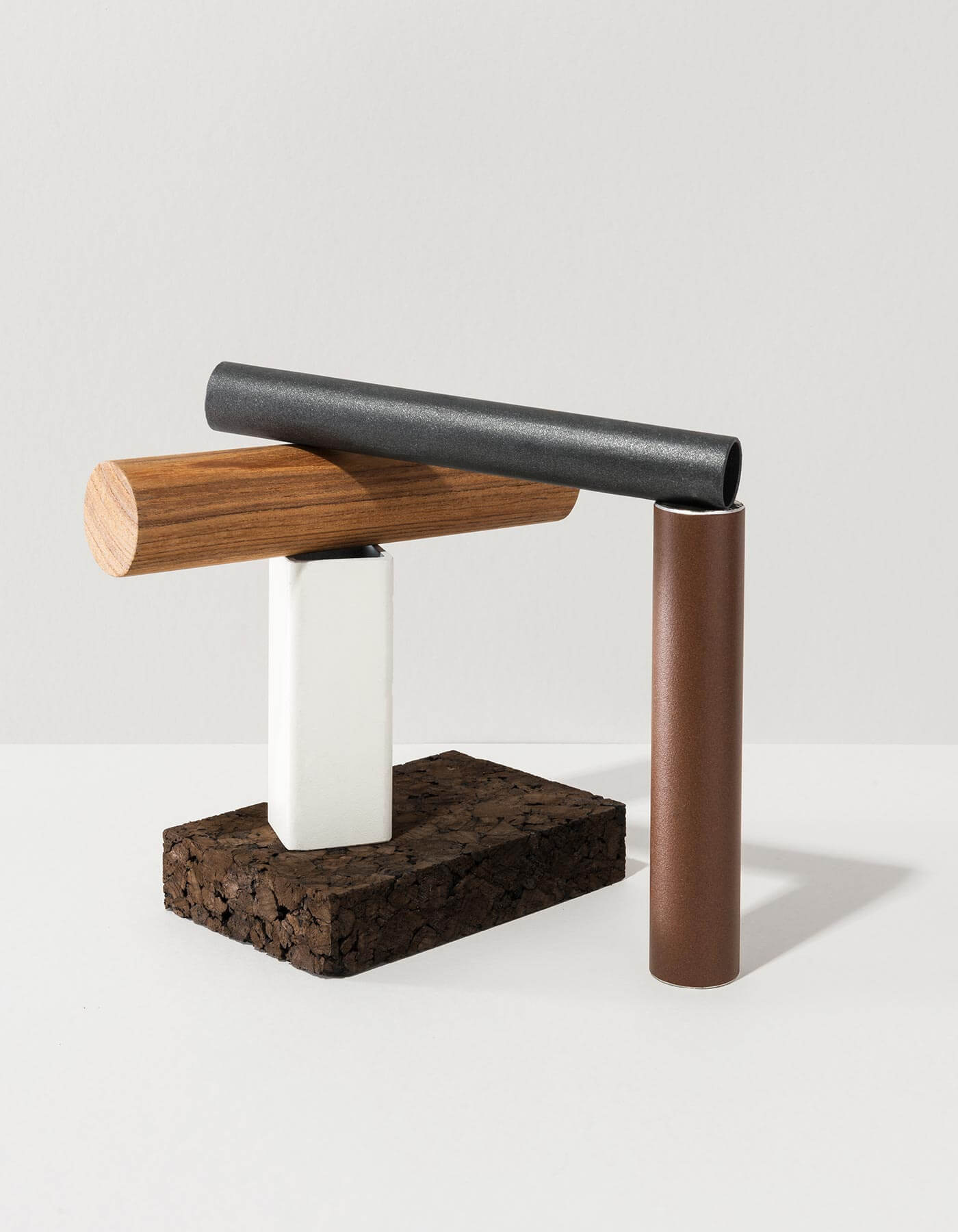
Request the exact model, finish and covering with the quotation. Retain the relevant documents rather than a screenshot of a broadly similar arrangement. This makes substitutions easier to discuss and gives maintenance questions a clear reference later. It also lets a designer coordinate pieces from different suppliers without losing track of who is responsible for each part.
Decide which changes in appearance you welcome
Material choice includes a view of ageing. Paola Lenti’s Aurea Optima record describes a particular treated wood material, explains changes in appearance with exposure and specifies its own maintenance approach. That information belongs to the named material. It should not be transferred to teak, another finish or every outdoor surface.
Its broader value is the question it raises for the client. Do you want the terrace to retain a closely controlled appearance, or are you comfortable with a material whose visual character changes? Ask the supplier to show documented examples of the chosen finish over time and explain which changes are expected. Make that discussion part of the decision before the first season of use.

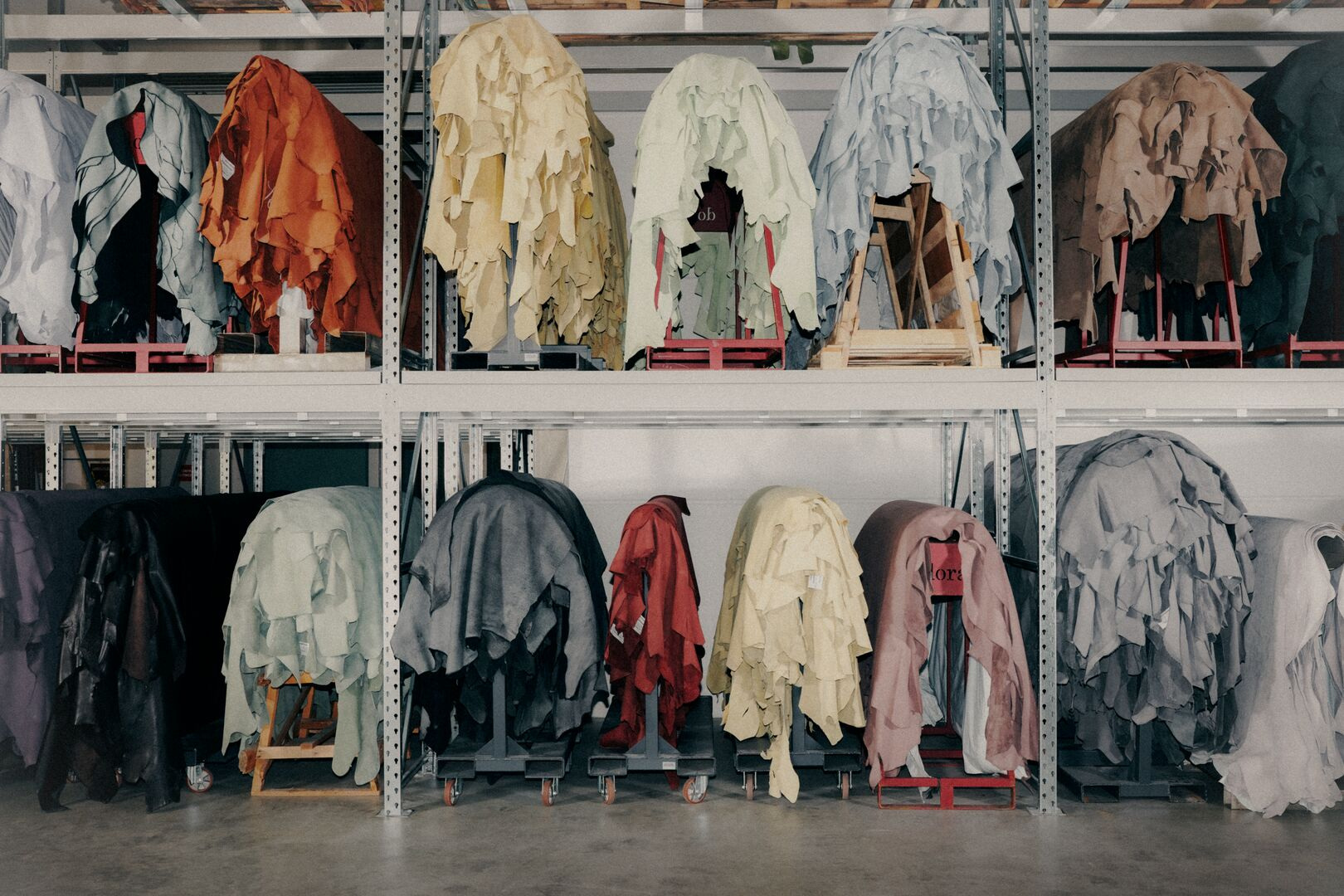
Physical samples remain useful, especially when several textures will sit together. View them in the setting where they will be used, then return to the written specification for their identity and care. The screen is a convenient introduction to colour; it is an incomplete record of how a surface will appear beside the terrace’s paving, planting and surrounding architecture.
Make maintenance part of the room plan
A workable care routine needs space and someone able to carry it out. Decide who will prepare the terrace, where the relevant instructions will be kept and where cushions or other loose elements can be stored when required. The answers influence storage and access within the property, not simply a list of products bought after the furniture arrives.
Ask for the current care guidance for each selected component. Clarify which treatments the maker specifies and how replacement parts or coverings can be requested. Avoid applying a general cleaning recipe to different finishes on the assumption that they belong to the same visual palette. This guide prescribes no universal cleaning chemical or maintenance interval.
Storage should be considered with the actual pieces. Establish what needs to be moved, how it is handled and whether the route to the proposed storage is realistic. An attractive terrace can become inconvenient if its seasonal routine depends on space that has already been assigned to something else. A clear operating plan makes those consequences visible while choices can still change.
The information a supplier should receive
| Brief item | Information to provide | Written answer to retain |
|---|---|---|
| Use | Occupants, activities and principal routes | A dimensioned arrangement with the intended pieces |
| Site | Location, cover, exposure and storage options | Suitability and installation guidance for the actual setting |
| Specification | Exact models, finishes and coverings | The agreed order and current product documents |
| Appearance over time | Your expectations for colour and surface change | Material-specific explanations and representative examples |
| Care | Who maintains the terrace and how it is stored | Instructions, relevant contacts and replacement information |
This is a commissioning record, rather than a product ranking. It helps a reader compare the completeness of proposals without pretending that dissimilar materials can be reduced to a single resistance score. If a requirement remains unresolved, the useful response is to identify it precisely and return to the appropriate professional or supplier.
The Luxe Digital view
A coastal terrace deserves the same clarity as an interior room. Its view may establish the mood, but the quality of the commission depends on the arrangement, the exact components and the practical life of the space. Those decisions can support a more generous design, because the people choosing the objects understand the conditions they are asking them to meet.
Begin with the site and the day you want to spend there. Move from that account to the furniture plan, the material record and the routine that keeps the terrace usable. The result is a brief that gives a designer room to create while keeping responsibility for the important details visible. The photographs can supply possibilities; a well-documented commission turns those possibilities into a place suited to its owners.
A coastal terrace deserves the same clarity as an interior room.
Sources & credits
Sources and methodology
Independent design and reference analysis of the named official records and imagery, checked on 15 October 2026. Launch specifications and later product records retain their own dates and references. Images show the identified configurations. Original visual and commissioning analysis of the exact official product/project records and identified images. No visit, interview, comfort test or performance measurement claimed. Existing projects retain their dates; product versions, showroom photographs, sample images and official visualisations are identified separately.