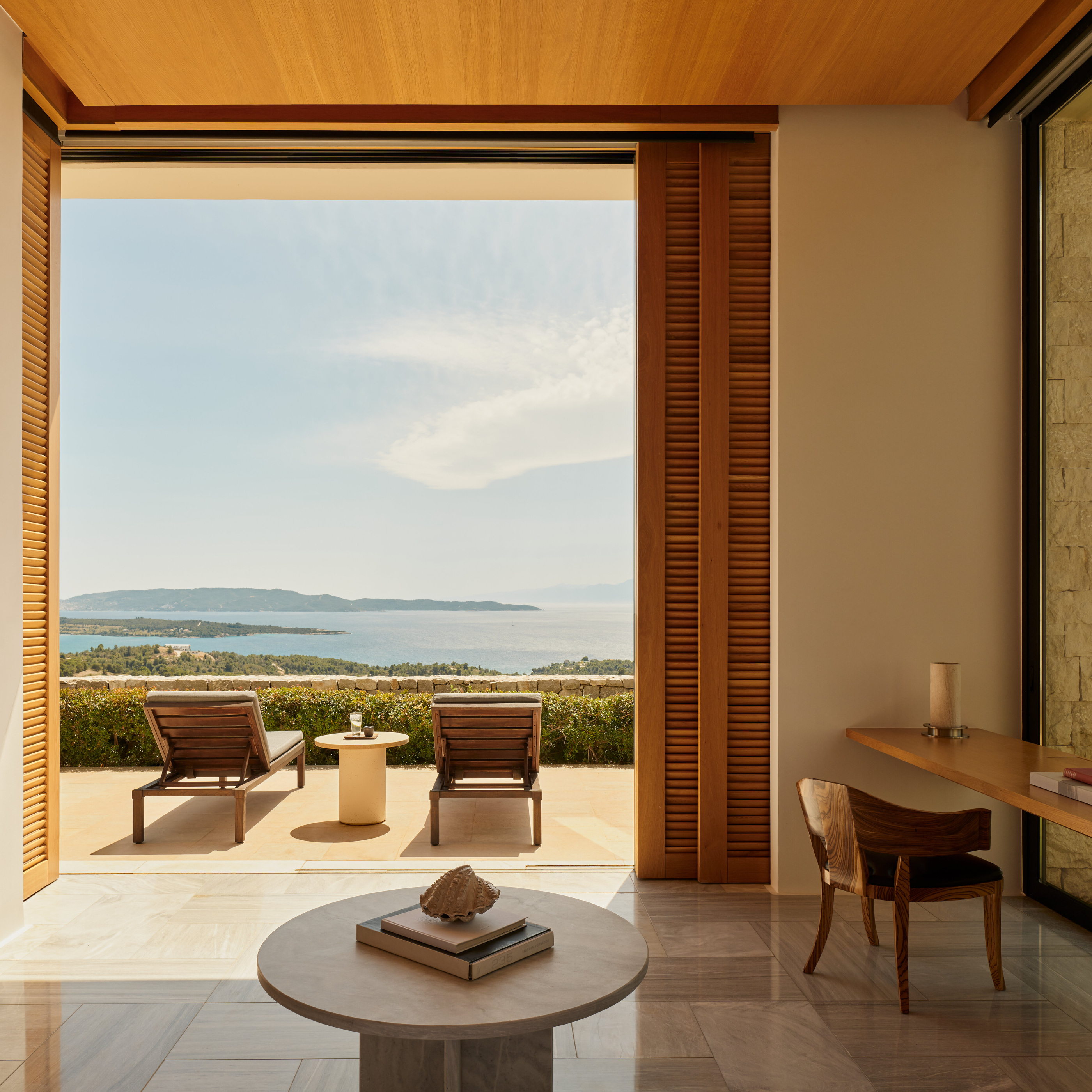
Choose a villa by following the route you will take through it. Start at the entrance, locate the bedrooms, then move towards the shared room, terrace and pool. The view can remain a substantial part of the attraction, but the plan explains whether that attraction will work for the people who are actually travelling together.
Begin with the party, then the plan
A useful comparison starts with a short description of the stay: who is travelling, which guests need separate bedrooms and how much of the day will be spent together. A couple, two couples and a family with children can occupy the same nominal area in very different ways.
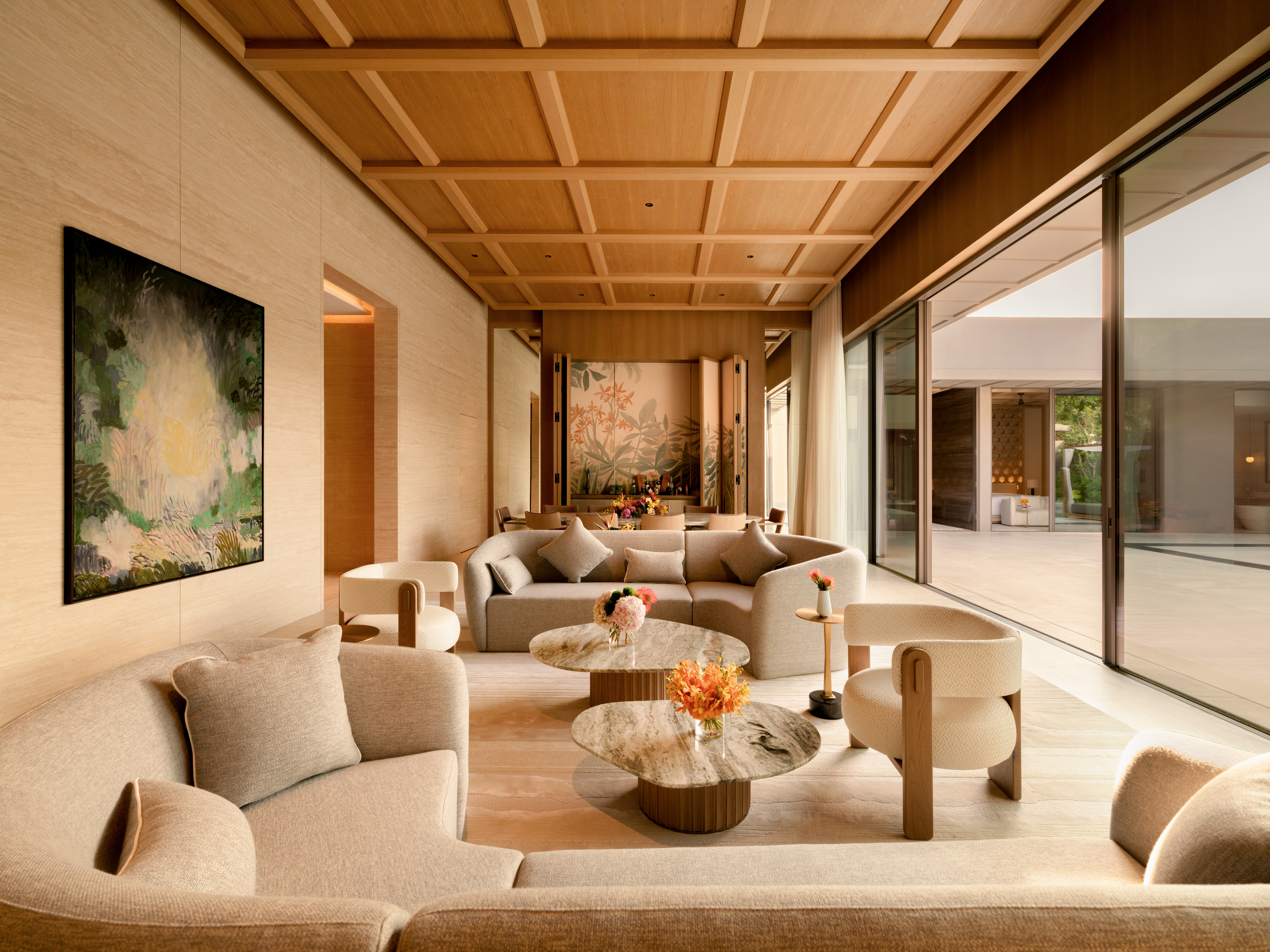
The accommodation record should then be read as a set of relationships. Does each bedroom open from the same shared room? Is one reached through another part of the villa? Can someone go outside without crossing a sleeping area? The answers determine privacy and circulation more directly than the adjective used in the category name.
Ask for the plan of the exact category being offered. A property’s largest villa is not a substitute for the arrangement actually under consideration. The point is to understand a particular space, with its own entrances and boundaries, before using a beautiful photograph to make the choice feel complete.
Separate capacity from privacy
Published occupancy describes a permitted guest arrangement. It does not automatically mean that every guest receives an equivalent bedroom, bathroom or degree of separation. A shared living room, extra bed or flexible sleeping arrangement can be appropriate, provided it matches the party’s expectations.
The current One&Only Kéa Island overview, for example, publishes area and capacity fields alongside named villa categories. Those fields are useful because they keep the category specific. They should still be followed through to the bedding and room arrangement rather than treated as a complete account of how six people will share a space.
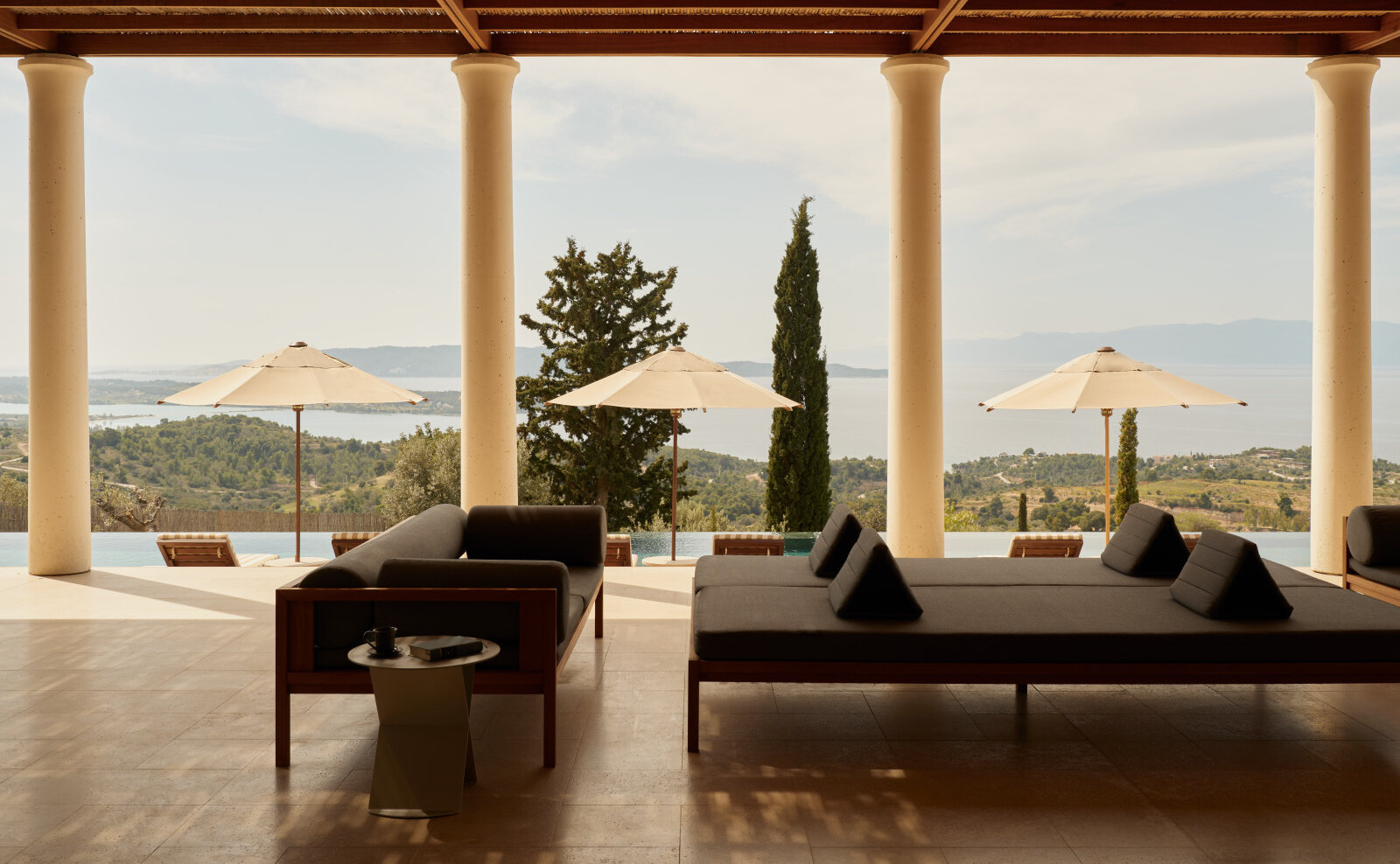
For a group, draw a simple map of ordinary movement. Consider someone getting up early, returning late or wanting a quiet hour while others use the terrace. The plan that suits those routines may be more valuable than additional floor area elsewhere in the accommodation.
Find out what the area measures
An area figure needs a definition. Establish whether it describes enclosed accommodation, a combined indoor-outdoor space or another measurement used by the property. If a terrace or pool deck is listed separately, keep that distinction when comparing categories.
The same number can support very different arrangements. A larger circulation area does not serve the same purpose as an additional bedroom; a broad terrace does not replace a shared indoor room when the weather changes. Compare the actual spaces needed for the trip rather than assuming that every extra square metre has equal value.
The official Kéa overview’s 75-square-metre Cliff Villa listing illustrates why the named category matters. Its figure belongs to that record. It should not be attached to every villa shown elsewhere on the resort’s site, or carried over to a larger category because the photographs share a similar pool-and-sea composition.
Read the terrace as a second living room
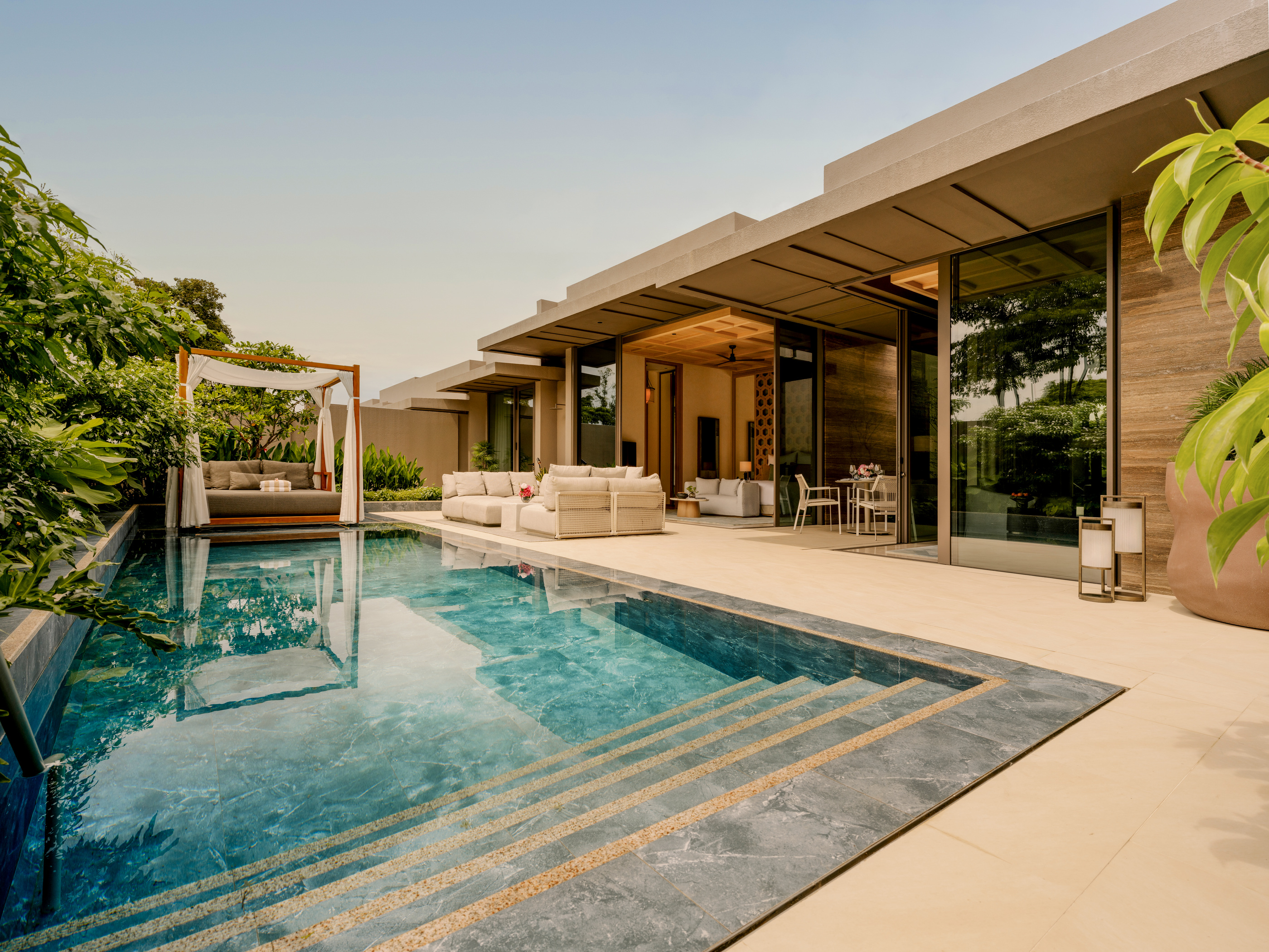
Begin with the places to sit. Look for shade, a dining position, the relationship to the pool and the route back indoors. A terrace becomes more useful when it offers several ordinary ways to spend time, rather than one exposed platform from which to admire the horizon.
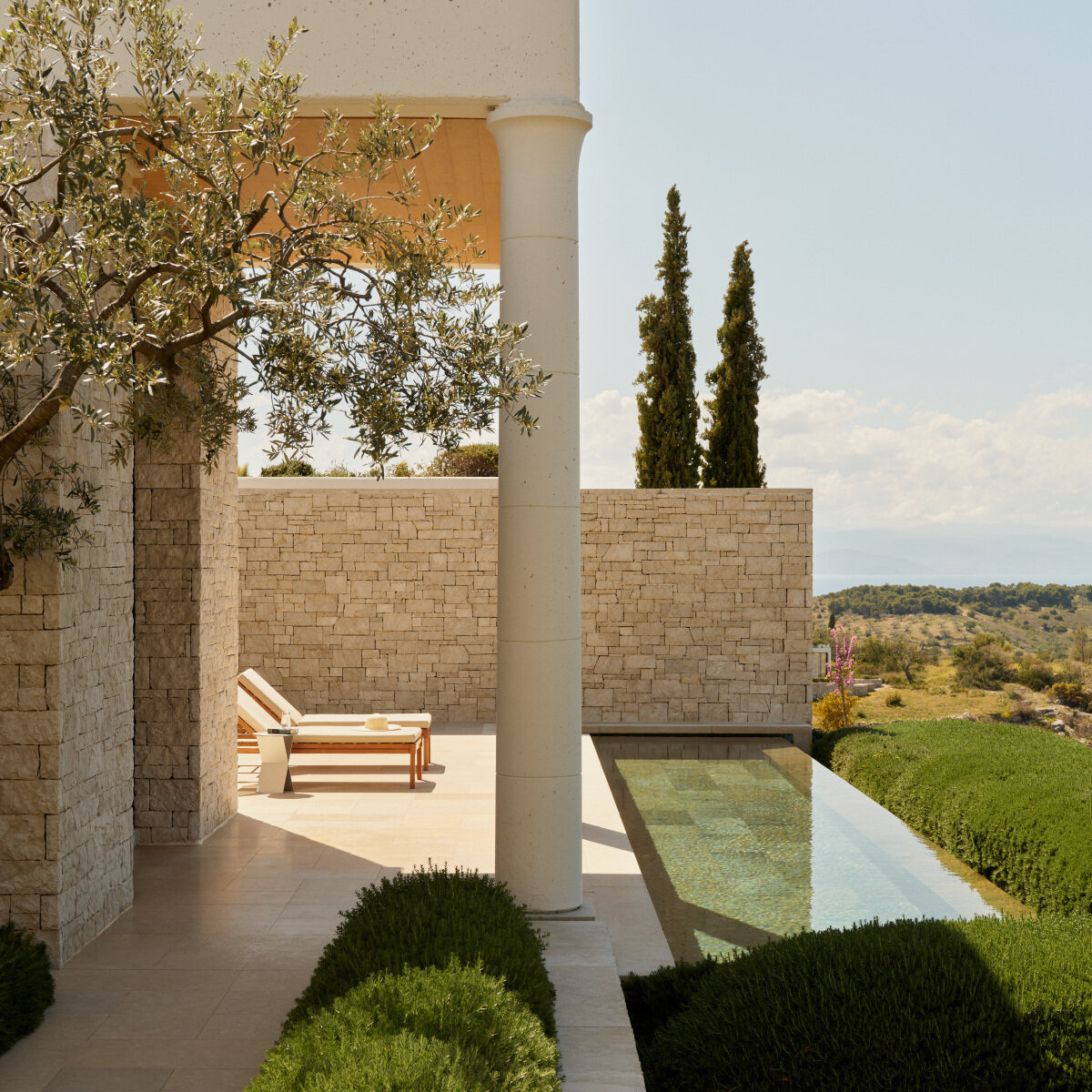
A photograph can reveal a roof overhang or a covered table, but orientation and seasonal conditions need separate confirmation. Ask which part of the outdoor space is shaded at the time it is likely to be used. The answer may matter more to a long lunch or a quiet afternoon than the apparent width of the panorama.
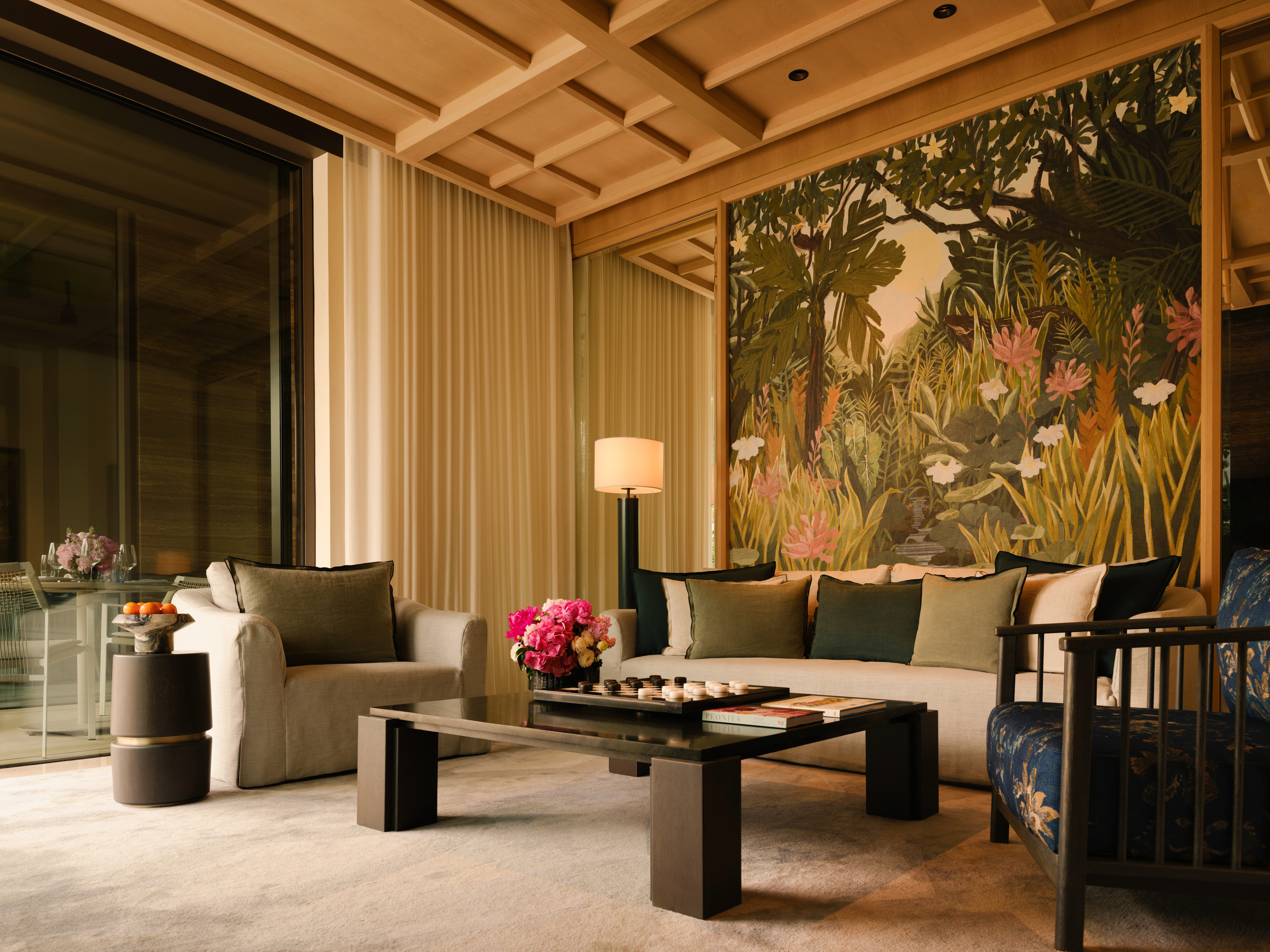
Privacy also has several components. The view from the terrace, the view towards it from neighbouring accommodation and the route used by staff are distinct questions. A photograph taken from inside the villa is only one direction of looking. Request the information needed to understand the others.
Position changes the meaning of a sea view
Cheval Blanc Seychelles distinguishes beach and hillside accommodation in its current official overview. That is a useful example because the two positions relate to the same broad landscape while creating different patterns of movement and attention.
A beach setting may place the shore close to the private garden and terrace. A hillside arrangement can give the horizon more prominence while making the route to shared facilities a more substantial part of the stay. Neither label establishes the exact path, steps or internal transport arrangements for an individual villa.
The right comparison therefore includes both outlook and access. Ask how the beach, dining room and other intended destinations are reached from the actual category. A guest who expects to walk out frequently may make a different choice from one who plans to remain mainly on the private terrace.
The pool has a plan of its own
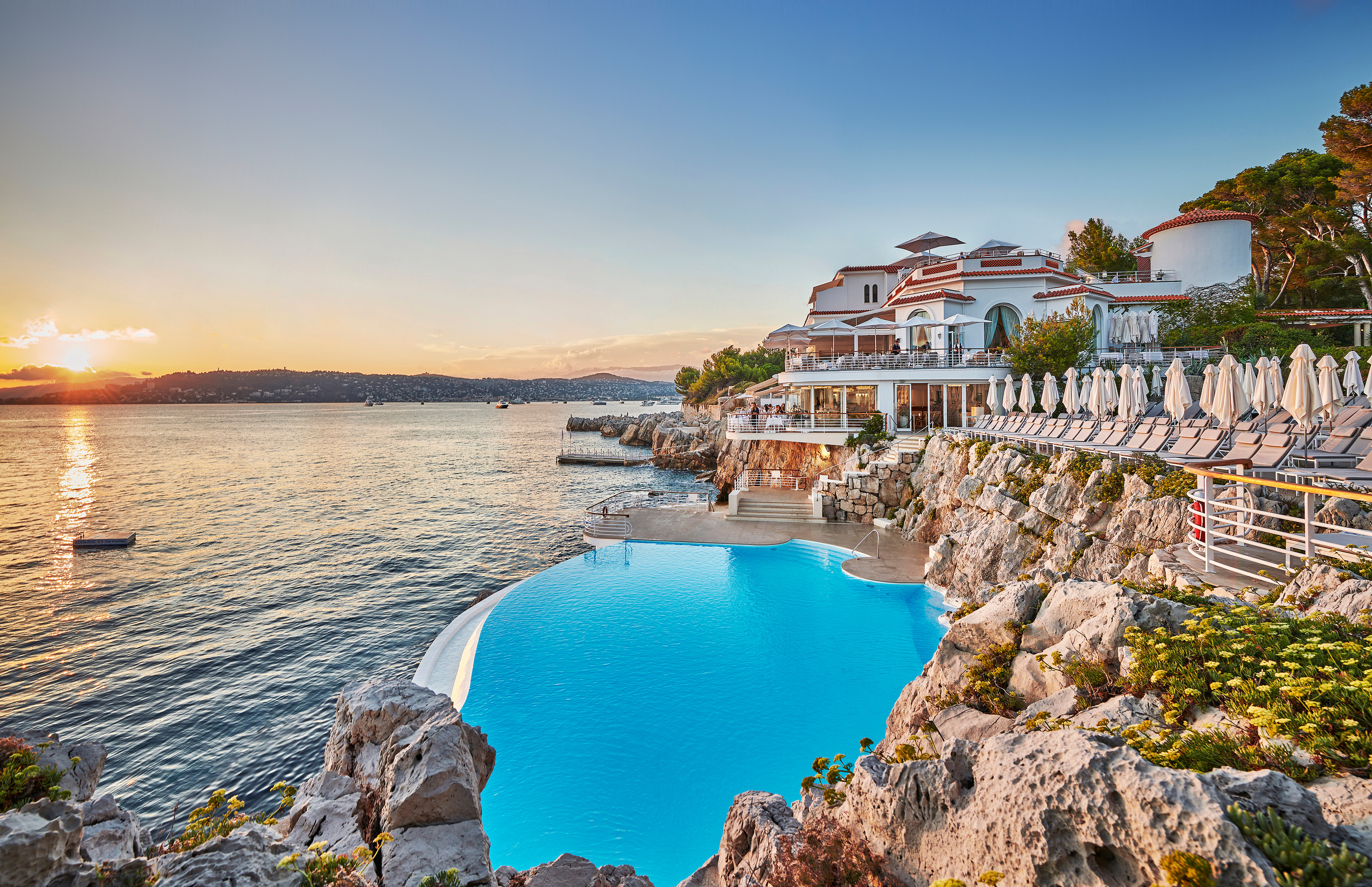
Pool photographs often make the edge and horizon appear continuous. Before treating that composition as the whole proposition, establish the pool’s actual arrangement, the surrounding walking space and the relationship to doors and seating.
For families and groups, suitability is individual. Confirm the property’s current safety information, any relevant barriers or supervision requirements, and the precise configuration being offered. A marketing image cannot establish those conditions, particularly when it has been taken to emphasise the view rather than every boundary.
The same principle applies to the deck. Is there room to move around furniture? Can dining and swimming take place comfortably at the same time? The questions bring the pool back into the life of the villa instead of allowing it to become an attractive but detached object.
A compact comparison sheet
Use the same questions for each shortlisted category. Record an answer as confirmed, unresolved or unsuitable for the party. This is more useful than giving a subjective score to every photograph, and it makes clear which missing details could change the decision.
| Field | Evidence to request | Decision it supports |
|---|---|---|
| Exact category | Current record and category-specific plan | Confirms the accommodation actually offered |
| Bedrooms and bedding | Room locations, bed types and permitted occupancy | Tests whether the party can share it comfortably |
| Area | Definition of indoor and outdoor measurements | Makes scale comparisons meaningful |
| Terrace | Shade, dining and seating arrangement | Establishes how outdoor time can be spent |
| Pool | Current configuration and safety information | Checks suitability for the actual guests |
| Access | Steps, paths and internal transfers | Connects the villa to the intended daily routine |
| Privacy | Neighbouring context and service routes | Identifies different directions of visibility |
Then return to the imagery. A view becomes easier to assess once the plan is understood: the window belongs to a known room, the terrace has a clear purpose and the pool sits within a route through the accommodation. The photograph can support a decision instead of carrying it alone.
The Luxe Digital view
A well-chosen villa is a sequence of useful places. The entrance should make sense, the bedrooms should suit the party and the shared spaces should support the way the trip is intended to unfold. The terrace and view then become part of that coherent arrangement.
The most effective enquiry is therefore specific and visual. Ask for the category plan, trace ordinary movement and compare indoor and outdoor rooms separately. Confirm the details that a photograph cannot settle, while giving full weight to the pleasure it can legitimately communicate.
This approach does not diminish the importance of a beautiful setting. It makes the setting more personal. The right view is the one connected to a room and a routine that fit the people who will spend their days there.
A well-chosen villa is a sequence of useful places.
Sources & credits
Sources and methodology
Independent design and reference analysis of the named official records and imagery, checked on 15 October 2026. Launch specifications and later product records retain their own dates and references. Images show the identified configurations. This is an accommodation and architecture study, without a claimed visit. The current category record remains the basis for a booking.
Illustrations also accompany these published LuxeDigital studies: