The first decision in a custom-superyacht project is not the designer, shipyard or length. It is the mission: where the yacht will operate, who it must support, what it must do and what the owner is prepared to sustain in capital, time and annual operation. A disciplined sequence protects that mission before styling, features and commercial momentum make change expensive.
A custom build is a multi-year technical and contractual programme delivered by many specialists. The yacht may be singular, but the project cannot be governed by taste alone. Requirements need owners, evidence and acceptance methods. Decisions need a record. Changes need cost, time, weight and system consequences before approval.
1. Write the mission before the concept
The owner’s brief should define cruising regions, season length, guest and crew profile, privacy, accessibility, range, speed priorities, draft restrictions, tender and aviation needs, watersports, communications, maintenance philosophy and intended private or commercial use. It should separate essential capability from preference.
The distinction prevents a visual ambition from silently becoming a technical dependency. A pool, large opening structure, helicopter facility or complex tender system can affect volume, structure, weight, stability, crew, maintenance and regulatory treatment beyond its apparent footprint.
The brief should also define what the yacht does not need to do. Unlimited possibility is not the same as a coherent mission. Every added capability competes for space, weight, power, cost and attention.
2. Establish an independent owner team
The owner requires technical, legal and project advice aligned with the owner’s interests. Naval architecture, brokerage, tax, finance, insurance, flag, class and operational expertise may be relevant. The exact team depends on the project, but roles, authority and commercial relationships must be explicit.
An introduction is not independence. Fees, commissions and supplier relationships should be disclosed. The yard and its designers bring essential expertise, yet they cannot replace independent review of the owner’s contract, technical specification and acceptance position.
Create a decision matrix at the outset. Identify who recommends, who reviews, who approves and who records each material decision. This avoids informal approval through presentation meetings or email fragments.
3. Convert ambition into measurable requirements


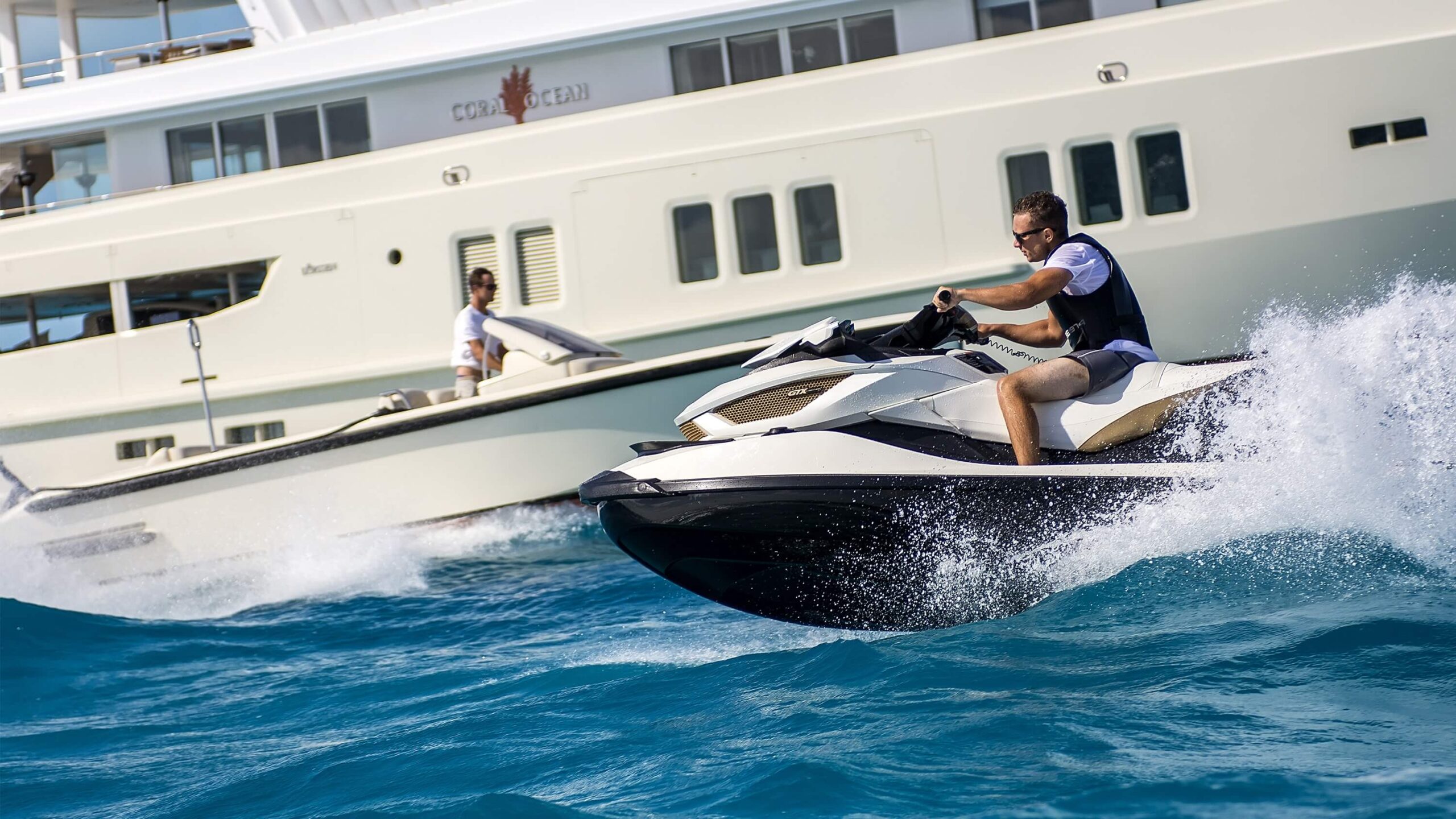
A useful specification defines performance, materials, systems, redundancy, noise and vibration targets, testing, documentation, spares, training and remedies. Adjectives such as quiet, efficient or robust are not acceptance criteria unless they connect to a method, condition and threshold.
Requirements also need priorities. Range at a specified speed, cabin count, tender dimensions and draft may conflict. The design team can solve trade-offs only when the owner has made the hierarchy visible.
Establish the baseline documents and their contractual order. The build agreement, specification, general arrangement, drawings and approved change records should not compete ambiguously. If two documents disagree, the contract must say which controls.
4. Choose the design and build route
Some projects begin with an exterior designer and owner’s representative, then approach yards with a developed concept. Others begin with a builder platform and evolve through its engineering environment. Neither sequence is automatically superior.
Compare yards through relevant evidence: facilities, engineering capability, comparable delivery experience, available slot, financial resilience, supplier network, project governance, warranty and lifecycle support. Brand recognition is context, not due diligence.
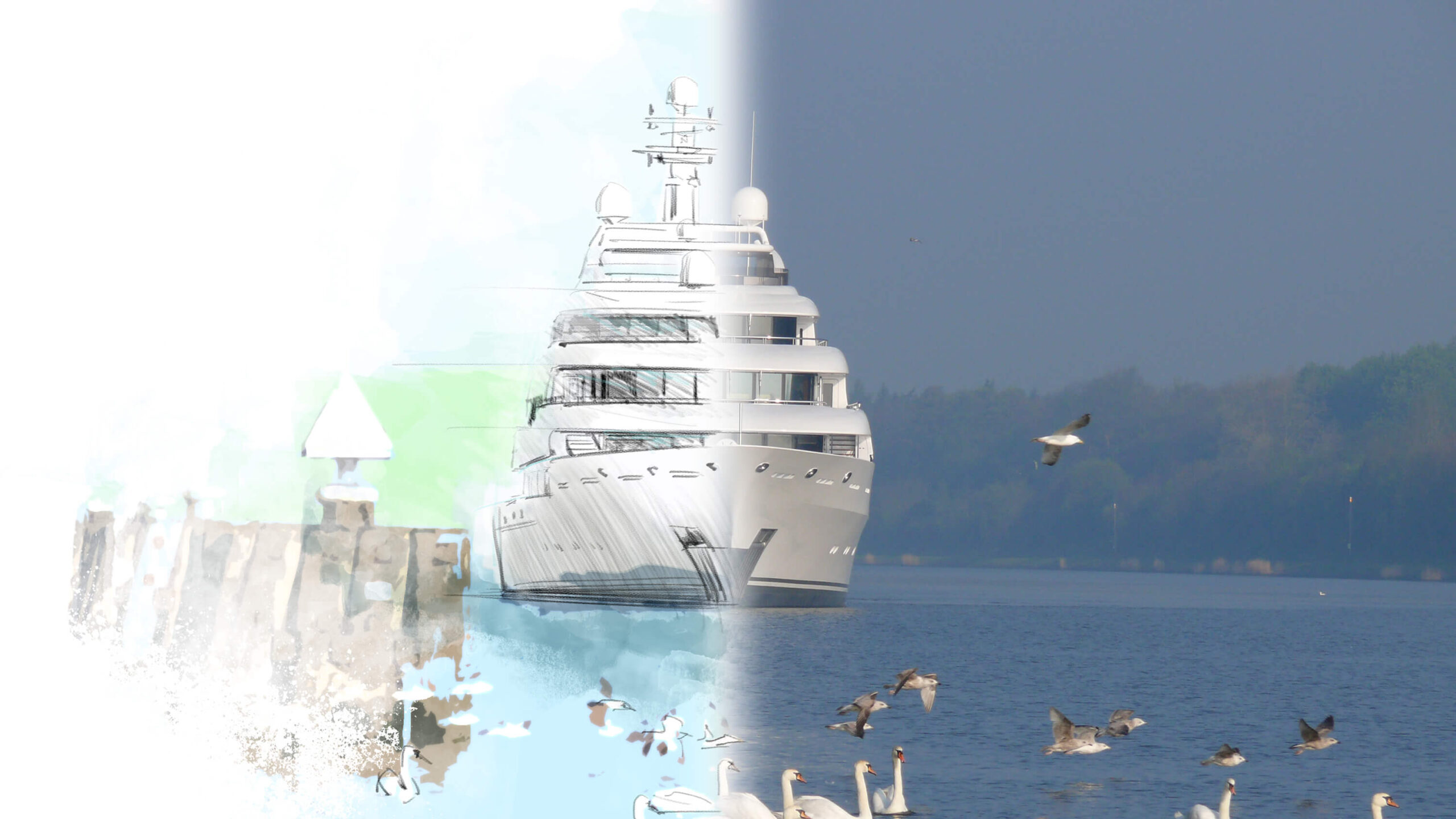
Lürssen’s official design material describes an owner-led process developed through design work and three-dimensional visualisation. Its manufacture material then follows the project through steel cutting, block construction, launch, sea acceptance testing and delivery. This is useful process evidence from one builder, not an independent claim that every yard or project follows an identical path.
5. Align class, flag and intended operation early
Private operation, commercial charter and passenger use can create different legal and technical requirements. Flag choice and classification influence design review, surveys, manning, certificates and later modifications. These decisions belong before the general arrangement and safety architecture freeze.
Late regulatory changes can propagate through escape routes, fire boundaries, structure, lifesaving equipment, accommodation and systems. The owner team should obtain project-specific advice and record the chosen assumptions in the design basis.
Classification is not a substitute for the owner’s specification. It establishes a defined rule-and-survey scope. Owner-specific comfort, maintainability and quality targets remain separate acceptance obligations.
6. Freeze interfaces before decorative detail
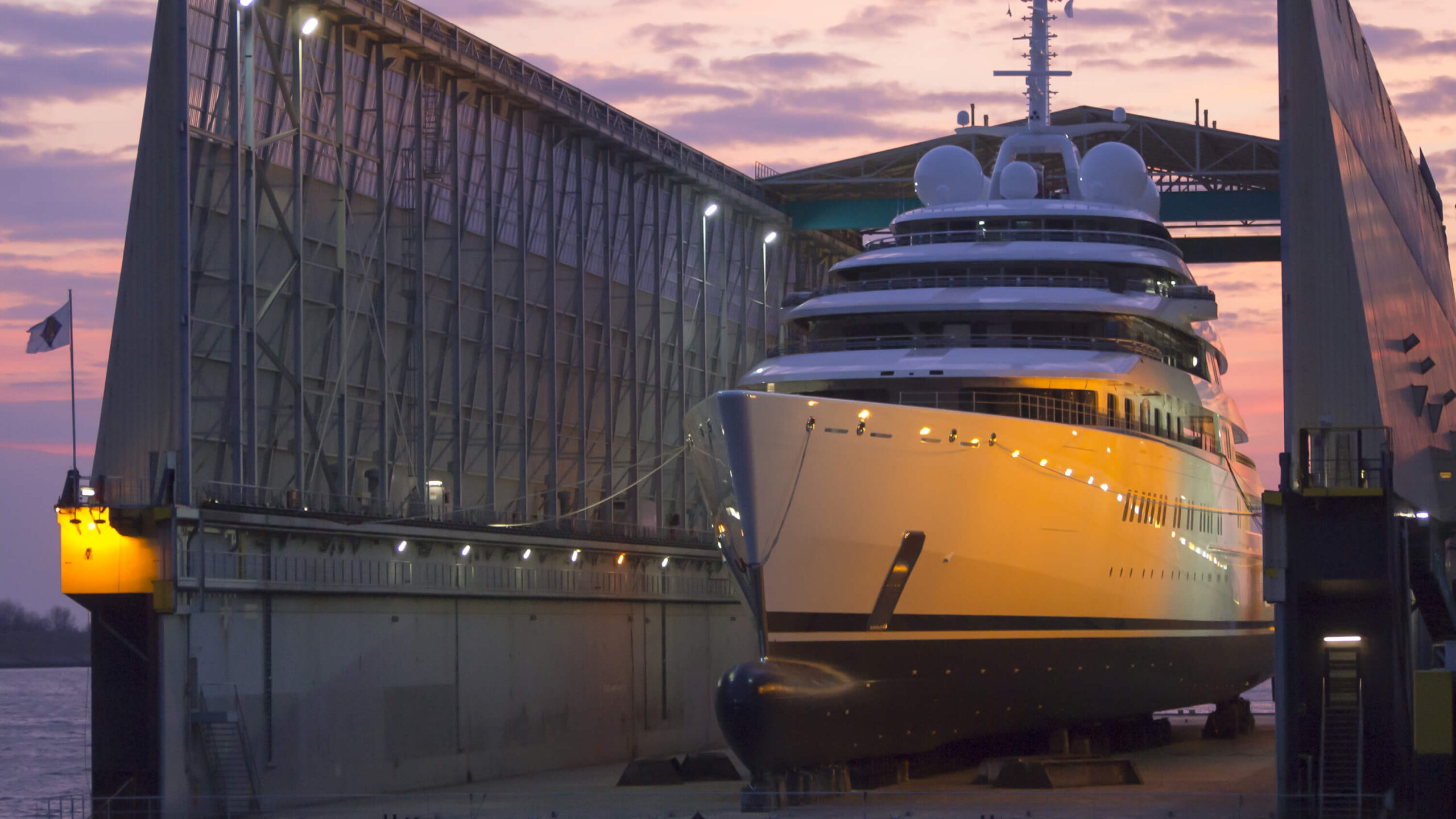

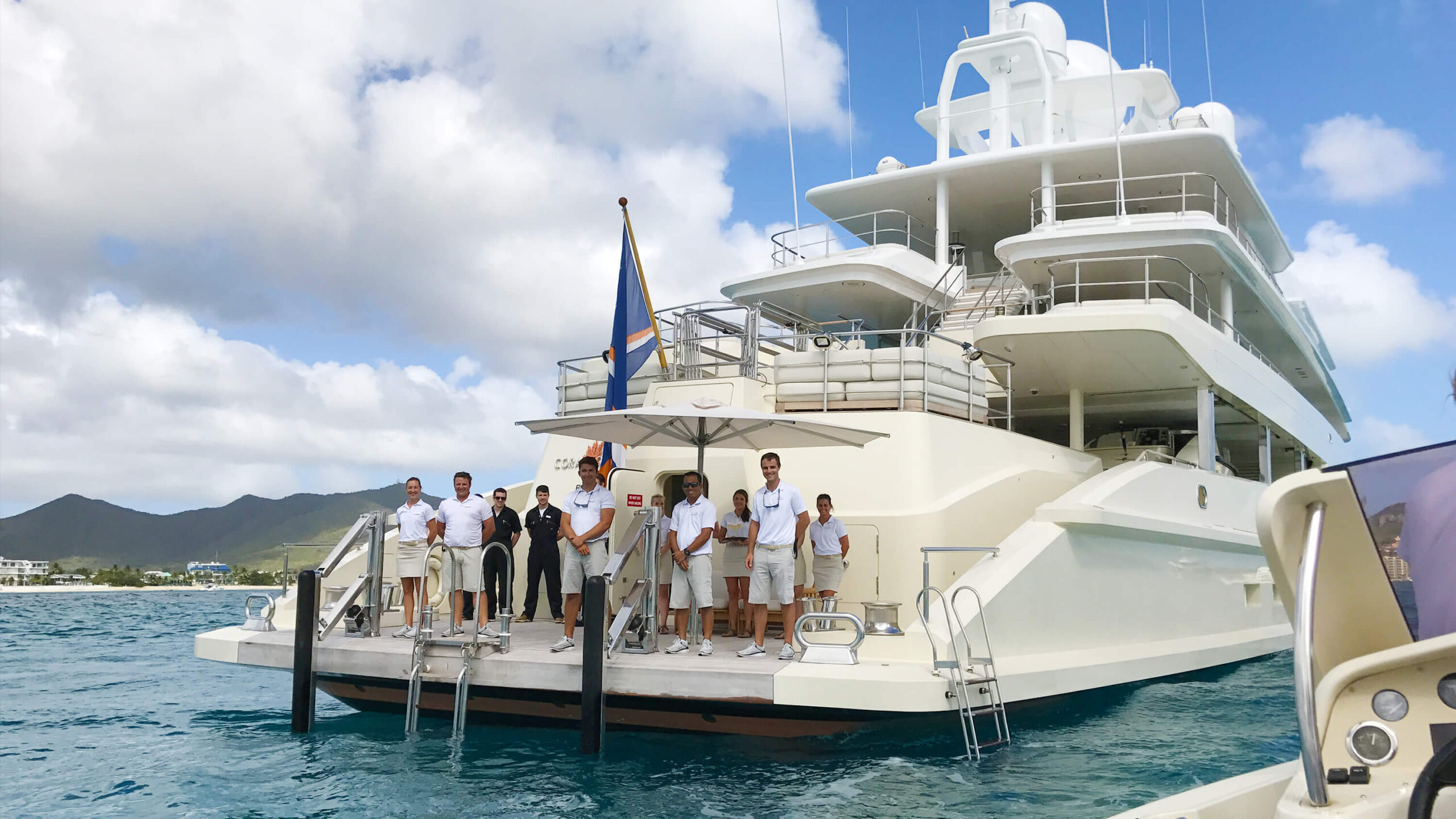
The most expensive late changes often occur where disciplines meet: structure and interior, ventilation and ceiling height, glazing and thermal load, tenders and shell doors, pools and stability, batteries and fire safety, antennas and mast design.
Resolve spatial and system interfaces through coordinated models, mock-ups and technical reviews before final finishes dominate attention. A beautiful render can conceal service access, weight growth or routing conflicts. The owner team should require evidence that critical equipment can be installed, maintained and replaced.
Digital models improve visibility but do not remove the need for configuration control. The approved model version, drawing issue and comment status must remain traceable.
7. Contract the scope and change process
The build contract should align price, payment milestones, delivery, title to work and materials, insurance, changes, delay, trials, acceptance, warranty, intellectual property and dispute provisions. Legal advice must be specific to the project and jurisdictions.
Change control is central. Every proposed change should state reason, drawing or specification effect, price, schedule, weight, power, class or flag impact and any consequence for another system. Approval should be explicit and recorded before implementation except under a defined emergency process.
Maintain allowances for design development without turning them into an ungoverned budget. Report committed, forecast and contingency positions separately.
8. Govern design and construction with evidence
Owner representation continues through drawing review, design meetings, mock-ups, factory acceptance, material approvals, site inspections, harbour tests and progress reporting. The objective is not to duplicate the yard’s management. It is to protect the contractual baseline and surface decisions early.
Track class comments, technical queries, non-conformities and owner decisions in controlled registers. Photographs and meeting minutes are supporting evidence, not substitutes for closure. A question is closed when the responsible evidence and approval are recorded.
Weight and electrical load require continuous management because small changes accumulate. Interior scope, specialist equipment and owner-supplied items need the same discipline as shipyard systems.
9. Define trials before the yacht reaches the water
Harbour and sea trials should test contractual performance under defined conditions. Speed, range-related measurements, manoeuvring, navigation, stabilisation, anchoring, temperatures, noise, vibration and hotel systems may be relevant. The exact programme follows the contract, class, flag and project mission.
Lürssen’s official process notes classification-society and owner-representative participation in sea acceptance testing. That illustrates why attendance roles must be clear. Class witnesses its scope; the owner team verifies the owner’s acceptance scope; the yard demonstrates contractual performance.
Agree measurement equipment, environmental conditions, tolerances, retest rules and evidence format before trials. Otherwise a result can be contested precisely when schedule pressure is greatest.
10. Prepare handover as an operational launch
Delivery is not merely transfer of the keys. Handover includes certificates, manuals, as-built drawings, software and configuration records, spares, warranties, training, inventories and an agreed open-items process. Crew recruitment, berthing, insurance, maintenance systems and operational budgets must be ready.
Warranty governance begins immediately. Record defects consistently, identify contractual responsibility, preserve evidence and monitor closure. Plan yard support and specialist attendance around the yacht’s early operating programme.
The lifecycle view should extend to refit access, obsolescence, cyber updates, battery or fuel-system maintenance and the supply chain for critical components. A feature is not fully designed if it cannot be safely supported.
The owner’s stage-gate sequence
- Mission gate: operating profile, priorities and constraints approved.
- Team gate: independent roles, authority and disclosures recorded.
- Requirement gate: measurable specification and document hierarchy established.
- Route gate: designers and yards evaluated against relevant evidence.
- Regulatory gate: flag, class and operating assumptions integrated.
- Contract gate: commercial baseline and change control agreed.
- Design gate: critical interfaces, weights and technical risks accepted.
- Build gate: inspections, registers and evidence cadence operating.
- Trial gate: methods, tolerances and acceptance responsibilities approved.
- Delivery gate: documentation, crew, warranties and open items controlled.
What this guide cannot decide
It does not recommend a yard, adviser, flag or classification society. It does not provide legal, tax, engineering or procurement advice for a specific project. Official builder material describes the builder’s stated process and is not independent proof of schedule, quality or owner outcome.
Key takeaways
- Mission and constraints come before styling, length and yard selection.
- Independent owner-side governance turns preferences into controlled requirements.
- Class, flag, contract and technical interfaces must align before design freeze.
- Every change needs visible cost, schedule, weight and system consequences.
- Delivery begins lifecycle governance; it does not end the project.
Sources & credits
Methodology and sources
This guide synthesises current primary builder, classification and regulatory material into an owner-side decision sequence. It is editorial education and requires project-specific professional advice and publication-date source verification.
- Lürssen official custom-yacht design process
- Lürssen official manufacture and sea-trial process
- UK MCA Sport or Pleasure Vessel Code
- Lloyd’s Register classification rules
- Lloyd’s Register yacht notation guidance
Media: text-first; no asset is authorised until a separate rights review.