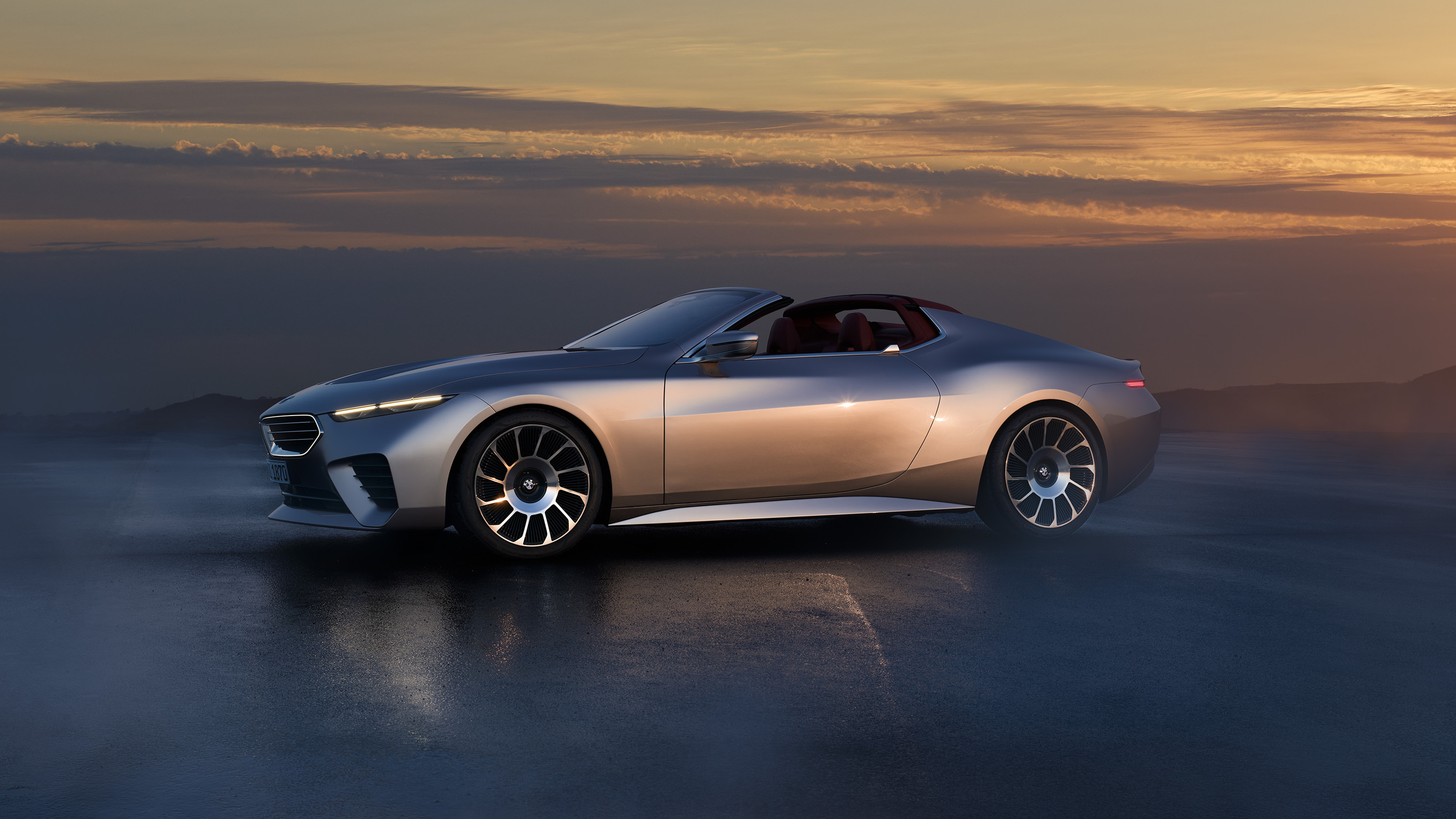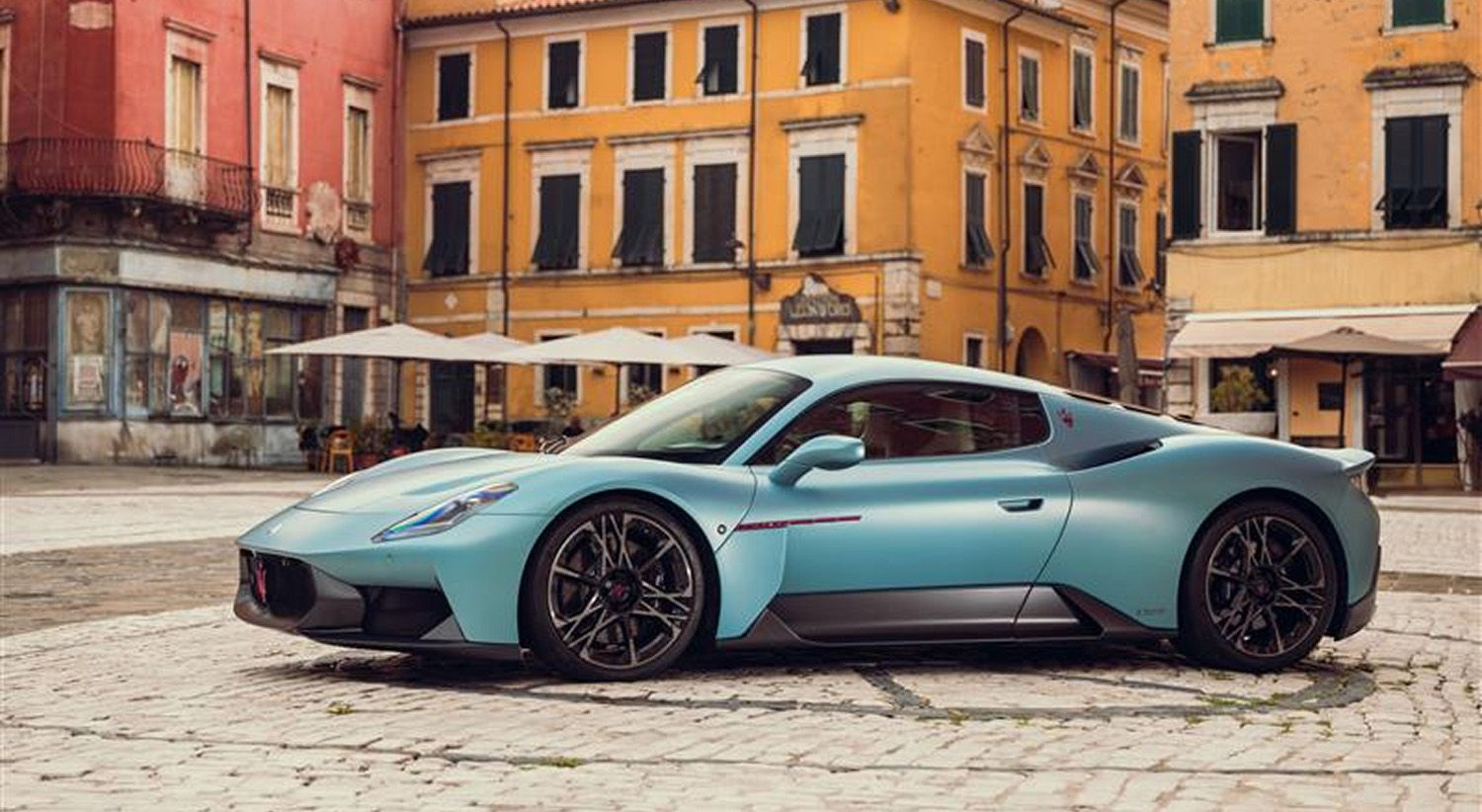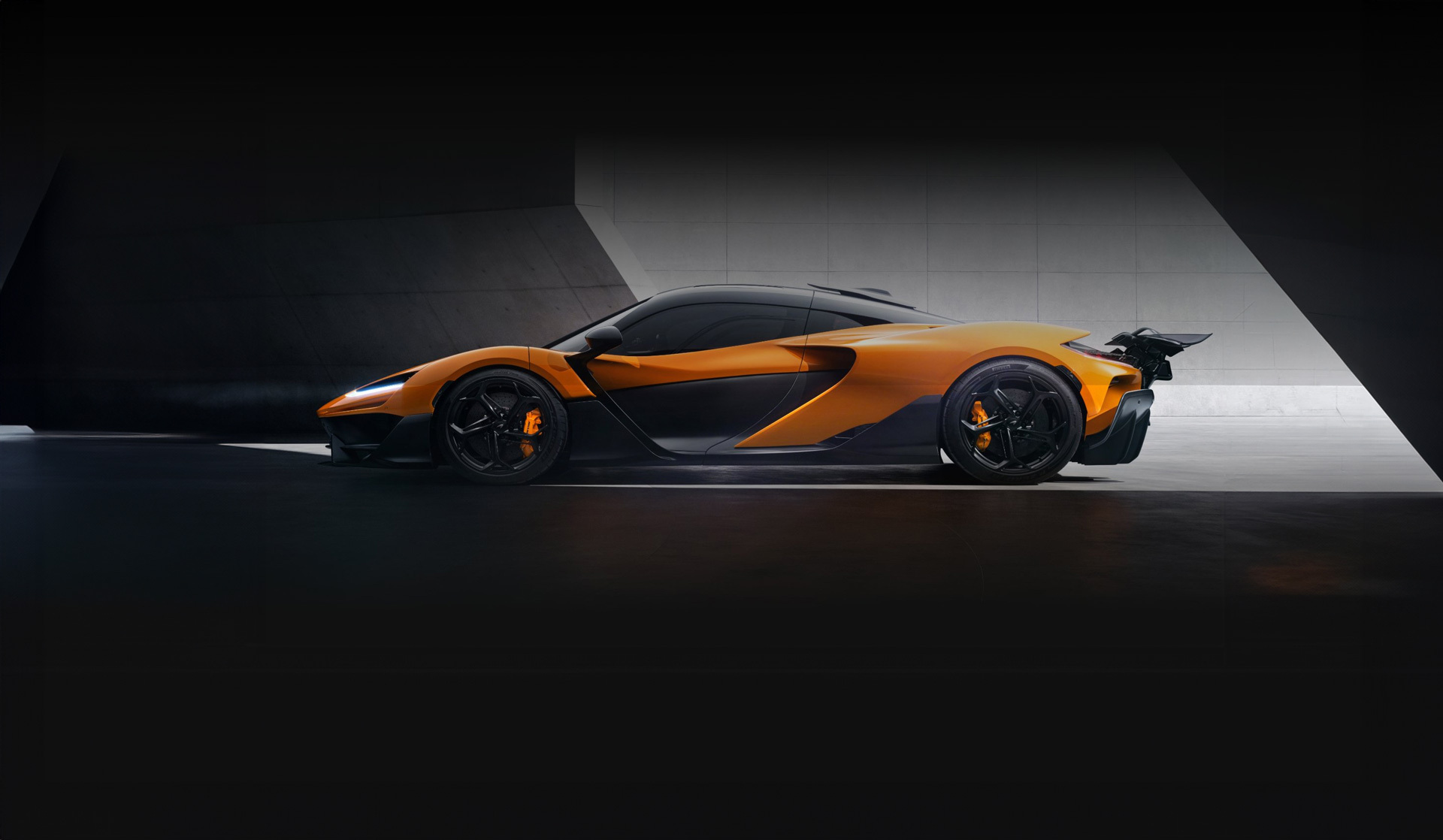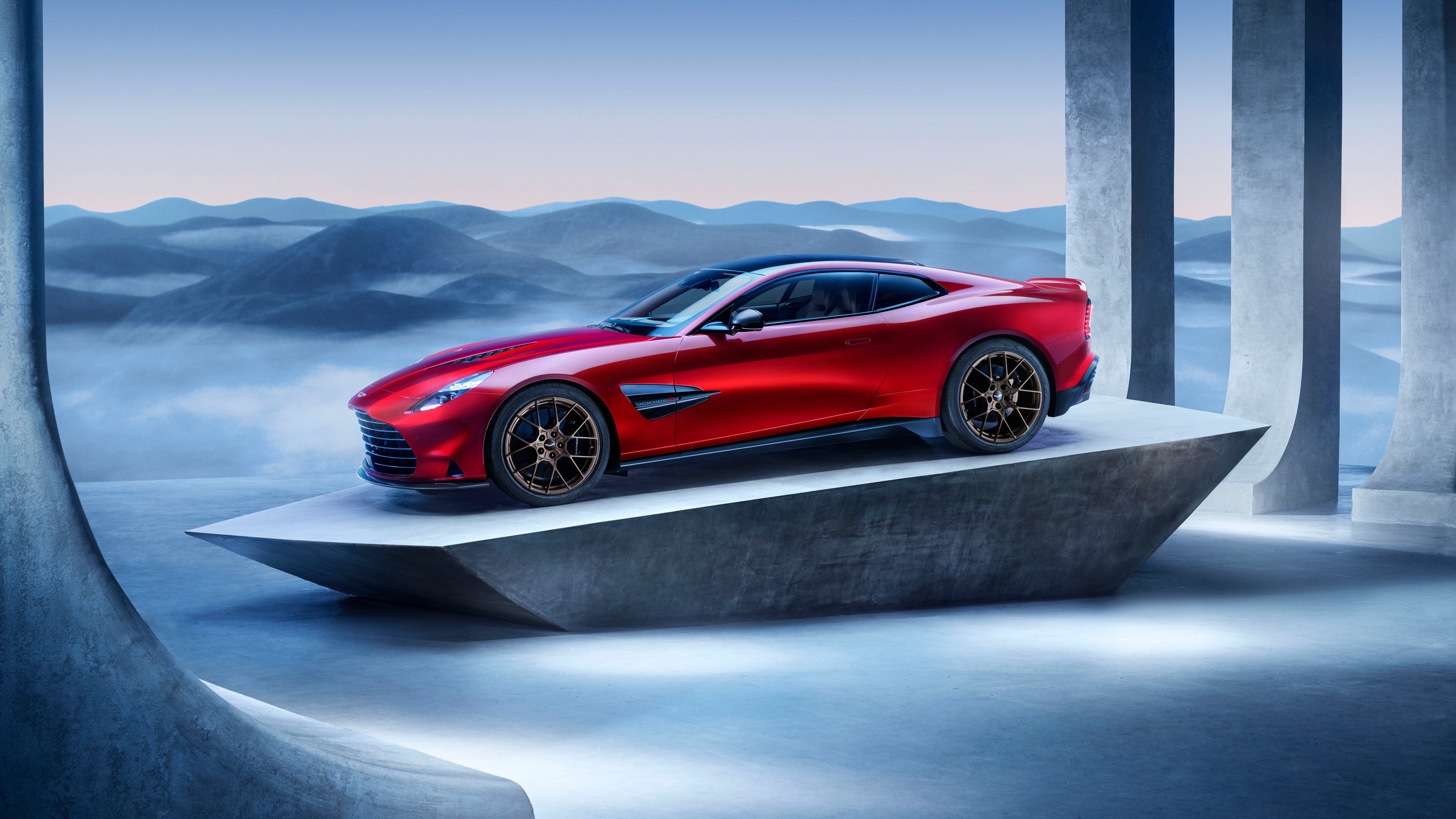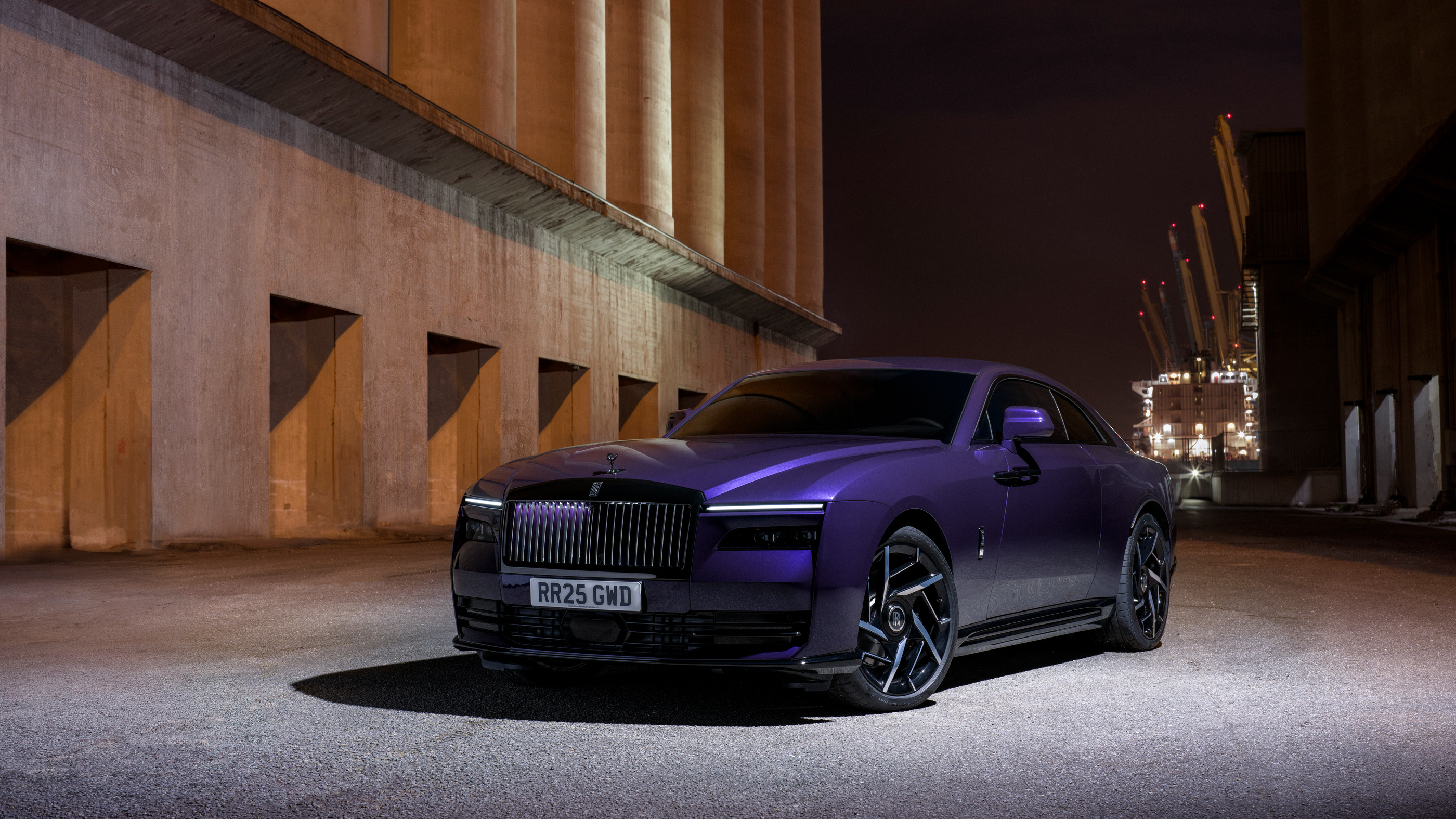
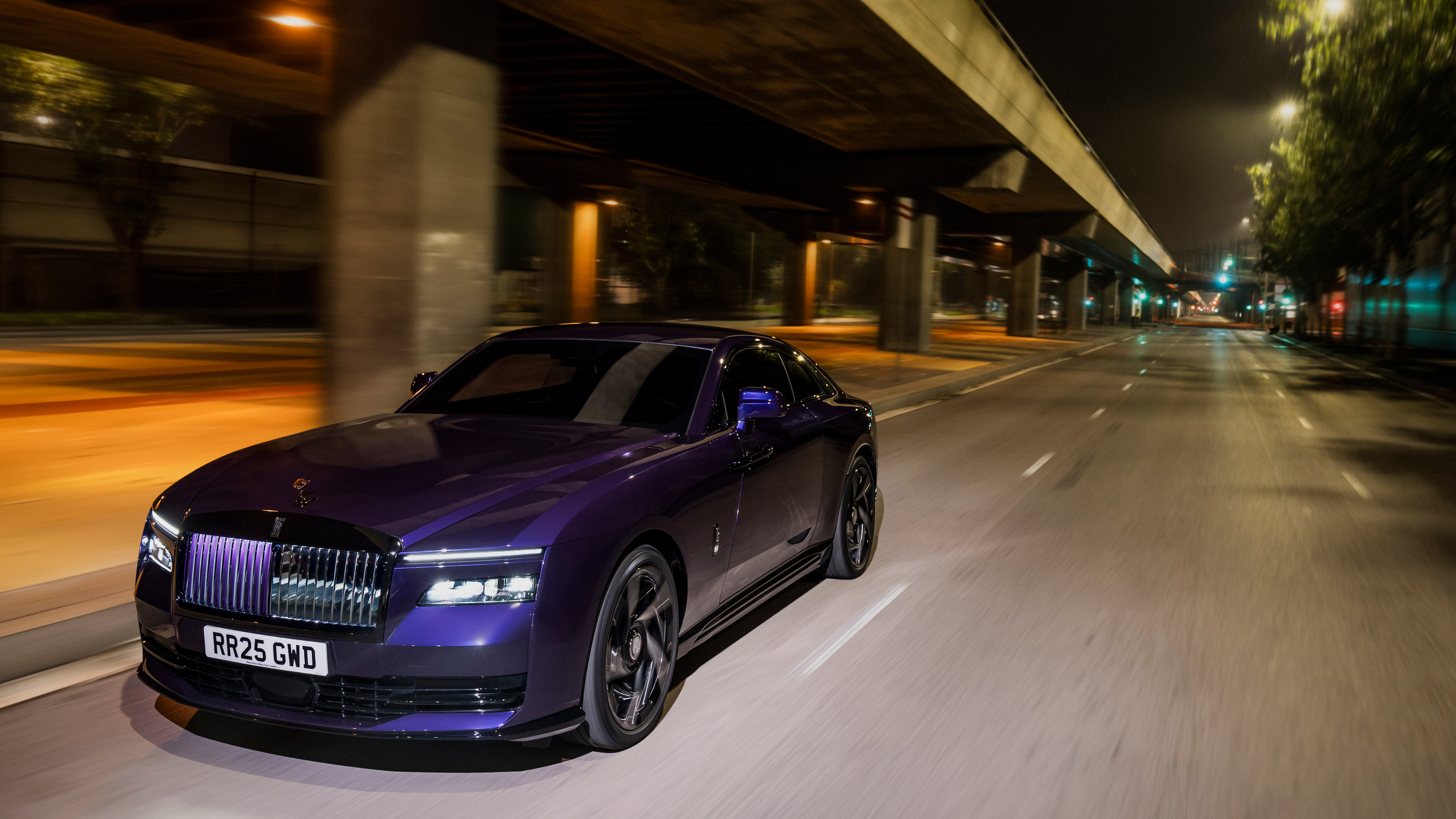
Vapour Violet gives the original Black Badge Spectre a colour that changes the reading of its size. In the official 2025 launch sequence, a dark side profile becomes a bright front quarter as the car passes through pools of city light. The effect connects the exterior to an interior where illumination is itself a designed surface.
A particular car, a particular palette
This study examines the Black Badge Spectre introduced in February 2025, using the Vapour Violet launch car and its accompanying specification. That identifies a coherent original programme rather than combining its photographs with the details of subsequent Series II derivatives.
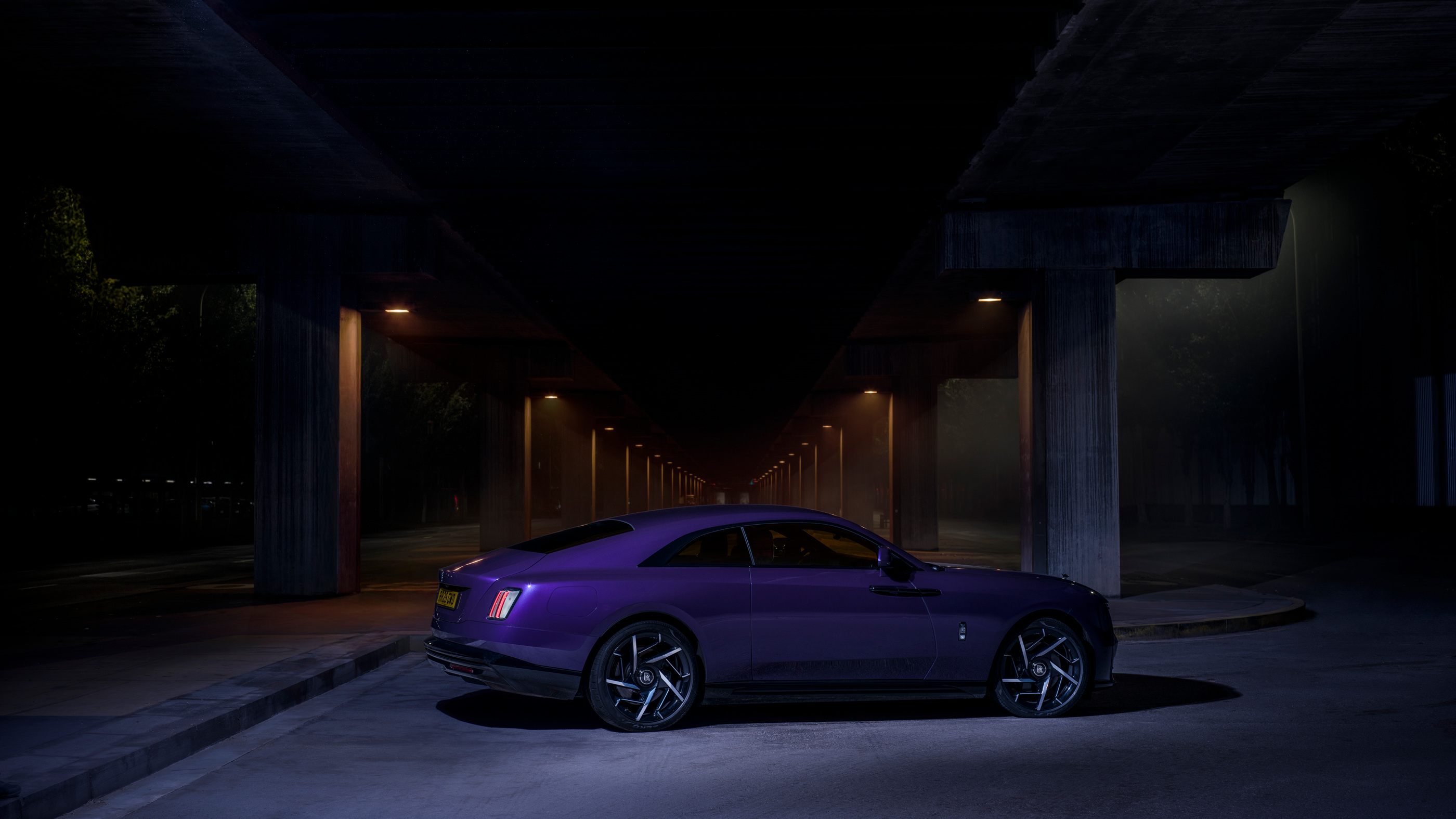
The colour works through contrast. Across a large door or a long rear quarter, it can appear close to black; under direct light, violet returns as a more pronounced part of the composition. The official photographs make those changes visible by moving the car between differently illuminated architectural settings.
That is a useful way to present a substantial coupe. Its size remains apparent, but the emphasis shifts between complete volume and selected edges. A darkened grille or piece of trim becomes part of a larger tonal relationship, rather than an isolated instruction that every surface should attract attention at once.
The silhouette survives the change of light
The strongest images still show the complete car. A low side view establishes the long door, roofline and rear volume before a closer photograph introduces the surface of the paint. Without that first account, colour could become an attractive abstraction detached from the object carrying it.
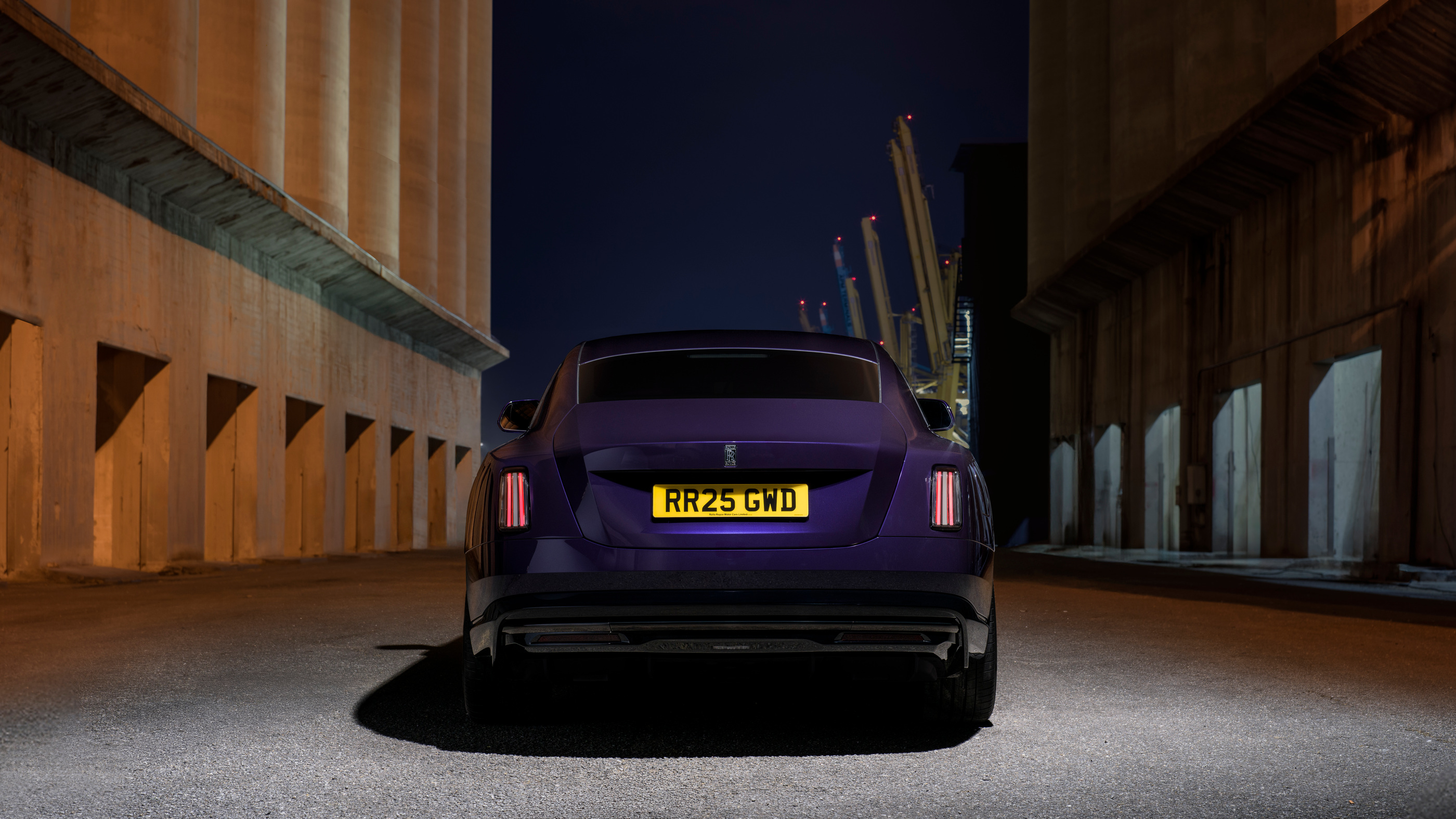
The front and rear views then explain how the mass is resolved. Broad surfaces give the lighting room to travel, while a small number of sharp graphic elements establish direction. There is a clear difference between the relatively uninterrupted side and the more concentrated information around the lamps and grille.
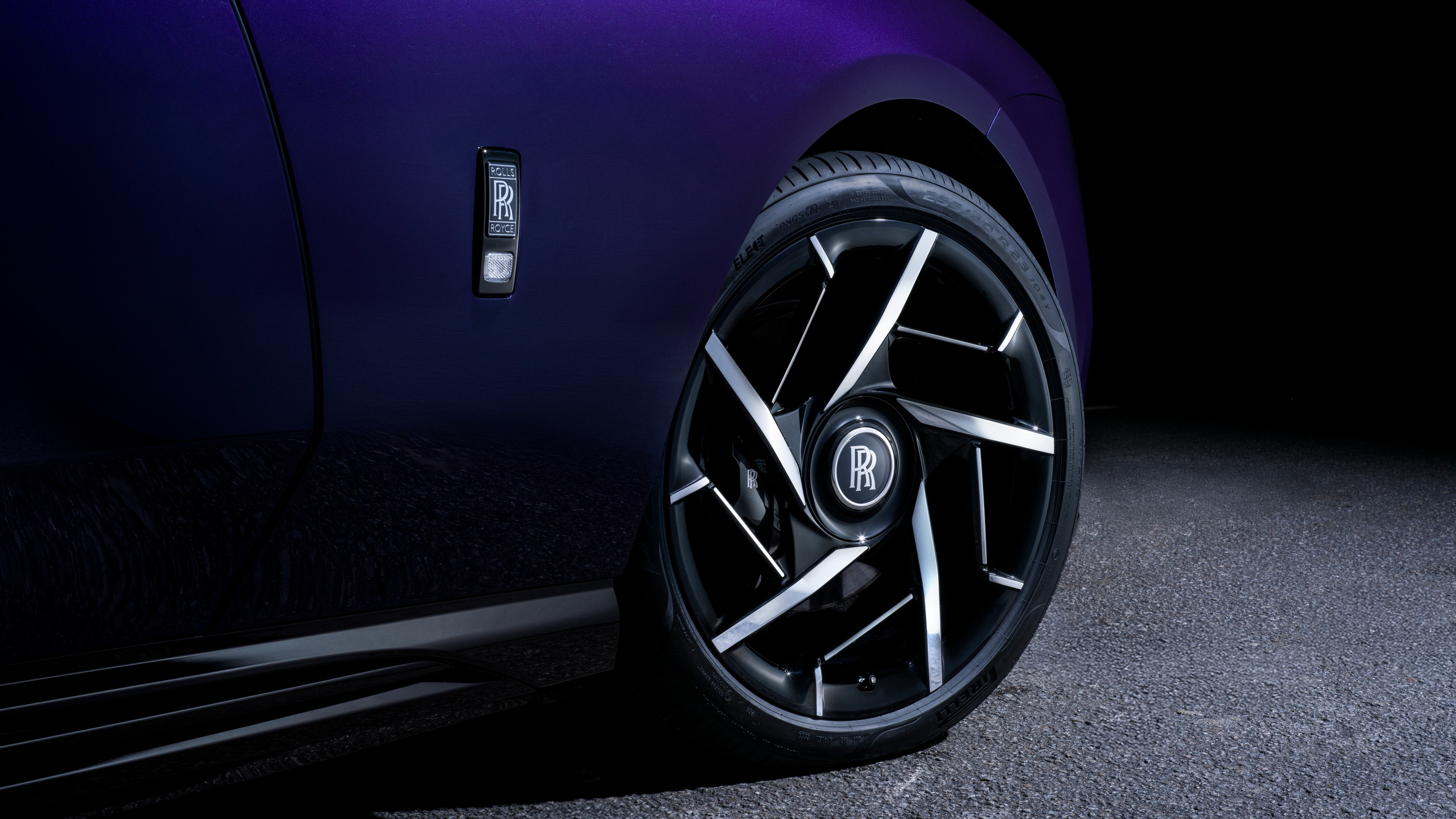
The result is a body that can support several photographic scales. The entire coupe explains presence; a front-quarter detail explains the relationship between colour and brightwork; a wheel image returns the object to a physical contact point. Each adds information rather than supplying another crop of the same composition.
Two modes need two explanations
Rolls-Royce’s original launch account gives Infinity Mode and Spirited Mode different roles. Infinity Mode makes the declared 485 kW, or 659 PS, available and changes throttle response. Spirited Mode temporarily raises torque to the stated 1,075 Nm. The distinction is more useful than treating both names as interchangeable promises of additional performance.
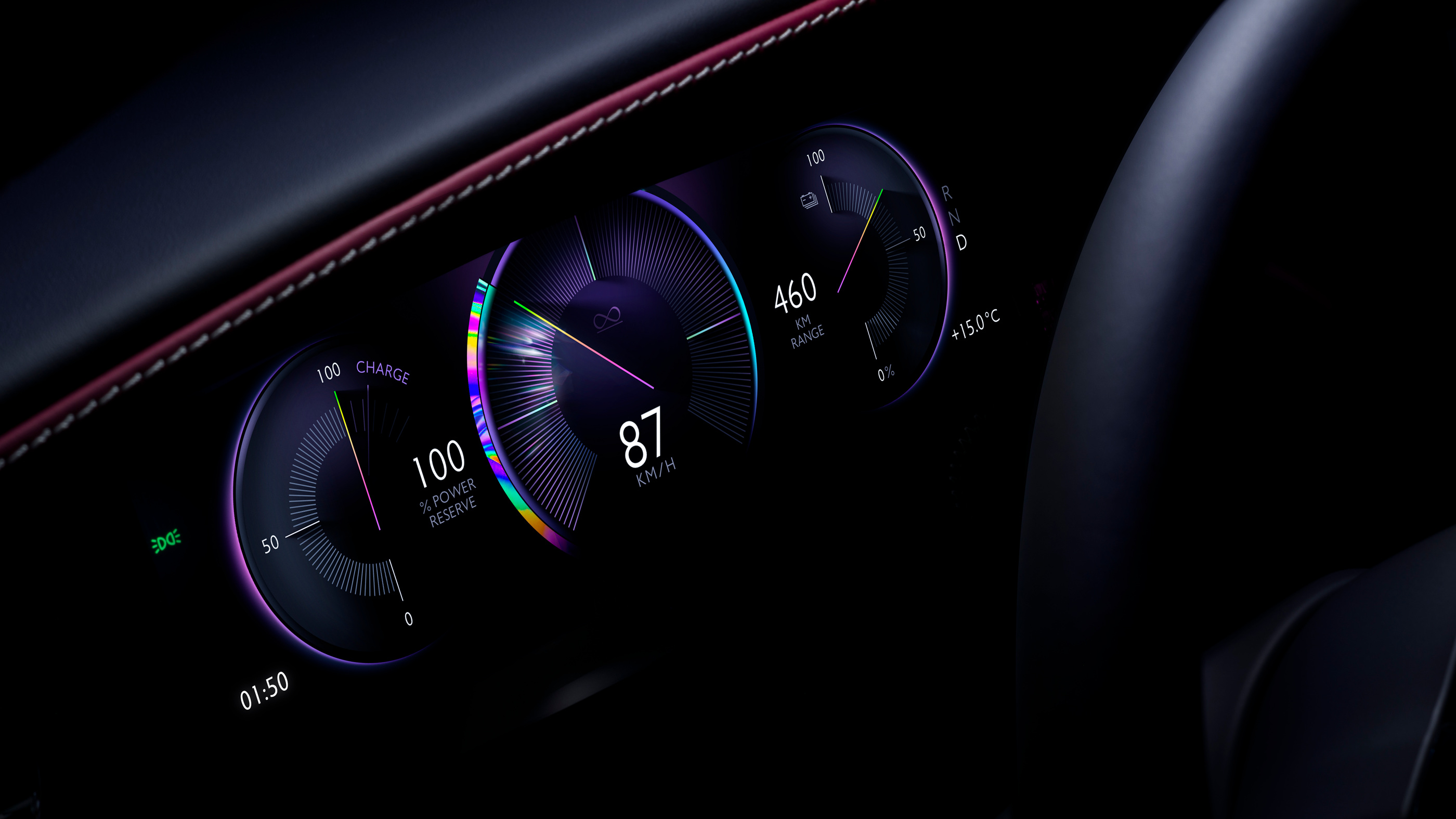
It also creates an interface question. A driver needs to understand what has been selected, when it applies and what action is required. The official instrument image belongs beside that explanation, because it shows where a change in the car’s operating state becomes part of the environment immediately in front of the driver.
The figures remain manufacturer claims from the launch specification. They establish the programme’s intent, while acceleration, response and energy use under particular conditions require testing. Keeping those categories clear leaves plenty of room for the real design story: power made available through controls within a carefully staged passenger compartment.
Light becomes a material in the cabin
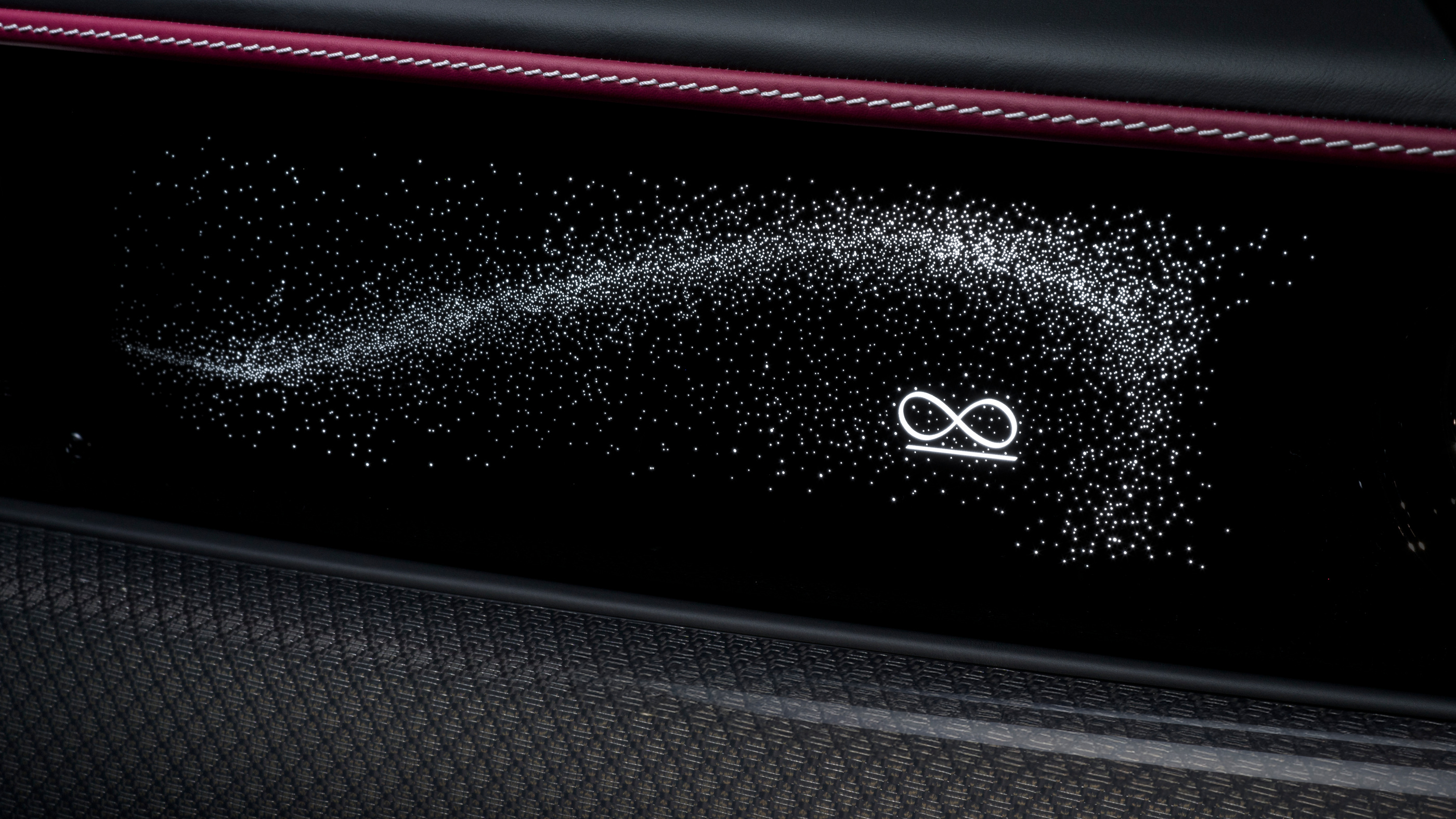
The illuminated fascia offers a different kind of surface from the body outside. Rolls-Royce describes more than 5,500 points of light in the original arrangement. In the official detail photograph, those points give depth to an otherwise dark panel and set off the infinity symbol associated with Black Badge.
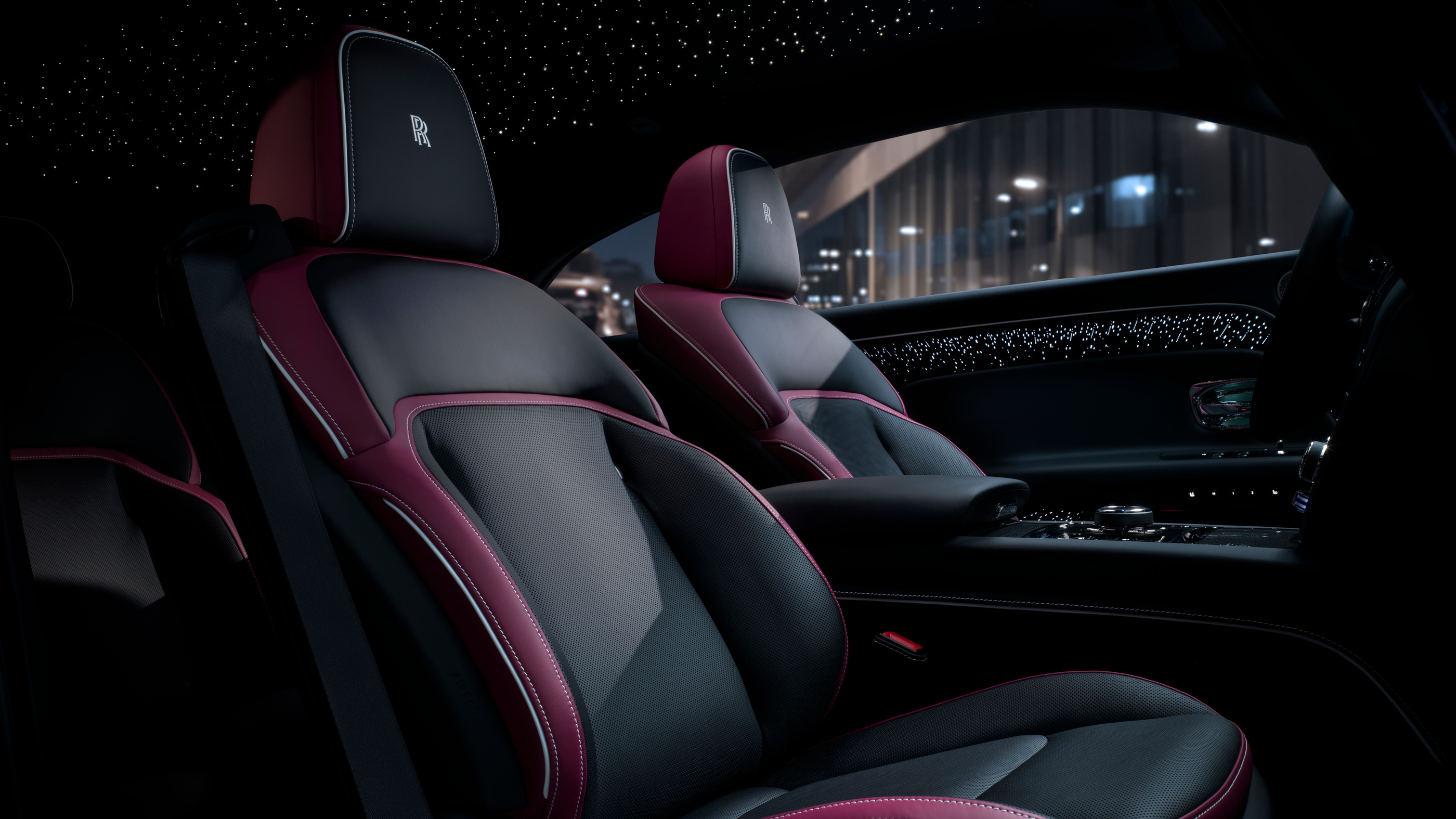
The seats and door panels provide a more tactile counterpoint. Contrasting upholstery gives shape to the positions occupied by people, while smaller illuminated elements continue the visual language around them. Seen together, these photographs explain the cabin through different kinds of information: volume, touch and light.
A useful distinction follows for specification. Colour chosen for a large exterior panel will be experienced in changing daylight and urban illumination. An interior colour sits much closer to the occupant, alongside display brightness, stitching and reflective surfaces. Their relationship can be coordinated without requiring them to be identical.
Reading the original launch programme
The 2025 press compilation brings the exterior, instruments and cabin into one documented set. Using that set consistently gives the article a precise subject. It also helps an owner or prospective commissioner separate the character of this original car from a later model-year specification or an individually commissioned example.
| Element | Original 2025 account | Useful distinction |
|---|---|---|
| Paint | Vapour Violet | Identifies the launch car shown here |
| Infinity Mode | 485 kW / 659 PS available | A power and response setting |
| Spirited Mode | Temporary 1,075 Nm torque | A separately described operating function |
| Wheel | 23-inch forged five-spoke design | A physical detail within the exterior composition |
| Fascia | More than 5,500 illuminated points | A designed light surface inside the cabin |
The table gives a basis for questions, rather than a ranking. Which configuration is being viewed? Which controls select the operating state? How will colour and illumination be experienced in the intended setting? Those are more productive starting points than assuming a dark finish supplies a complete account of the car.
The Luxe Digital view
The original Black Badge Spectre’s most convincing idea is the continuity between changing exterior light and deliberately constructed interior light. Vapour Violet makes a large body behave differently across a photographic sequence. The illuminated fascia carries that interest into the occupied space, where it becomes a much closer visual experience.
The operating modes give the same object a second layer. Beneath the colour and illumination is a set of choices about how performance becomes available to the driver. Presenting those choices accurately makes the aesthetic account stronger, because it connects appearance to the way the car is organised.
The launch car is therefore worth considering as a complete commission: silhouette, finish, wheel, controls and passenger room. Its identity emerges from their coordination. The best image sequence makes each contribution legible while keeping the whole coupe, rather than a collection of detached details, in view.
The original Black Badge Spectre’s most convincing idea is the continuity between changing exterior light and deliberately constructed interior light.
Sources & credits
Sources and methodology
Independent design and reference analysis of the named official records and imagery, checked on 15 October 2026. Launch specifications and later product records retain their own dates and references. Images show the identified configurations. No independent road test or driving access is implied.