The scan is only the entrance. A luxury product passport becomes interesting when it helps an owner understand the object in front of them: its identity, the information the brand provides and the services that remain available after purchase. The useful standard is a clear relationship between the physical product and its digital record.

Read the experience beyond the technology
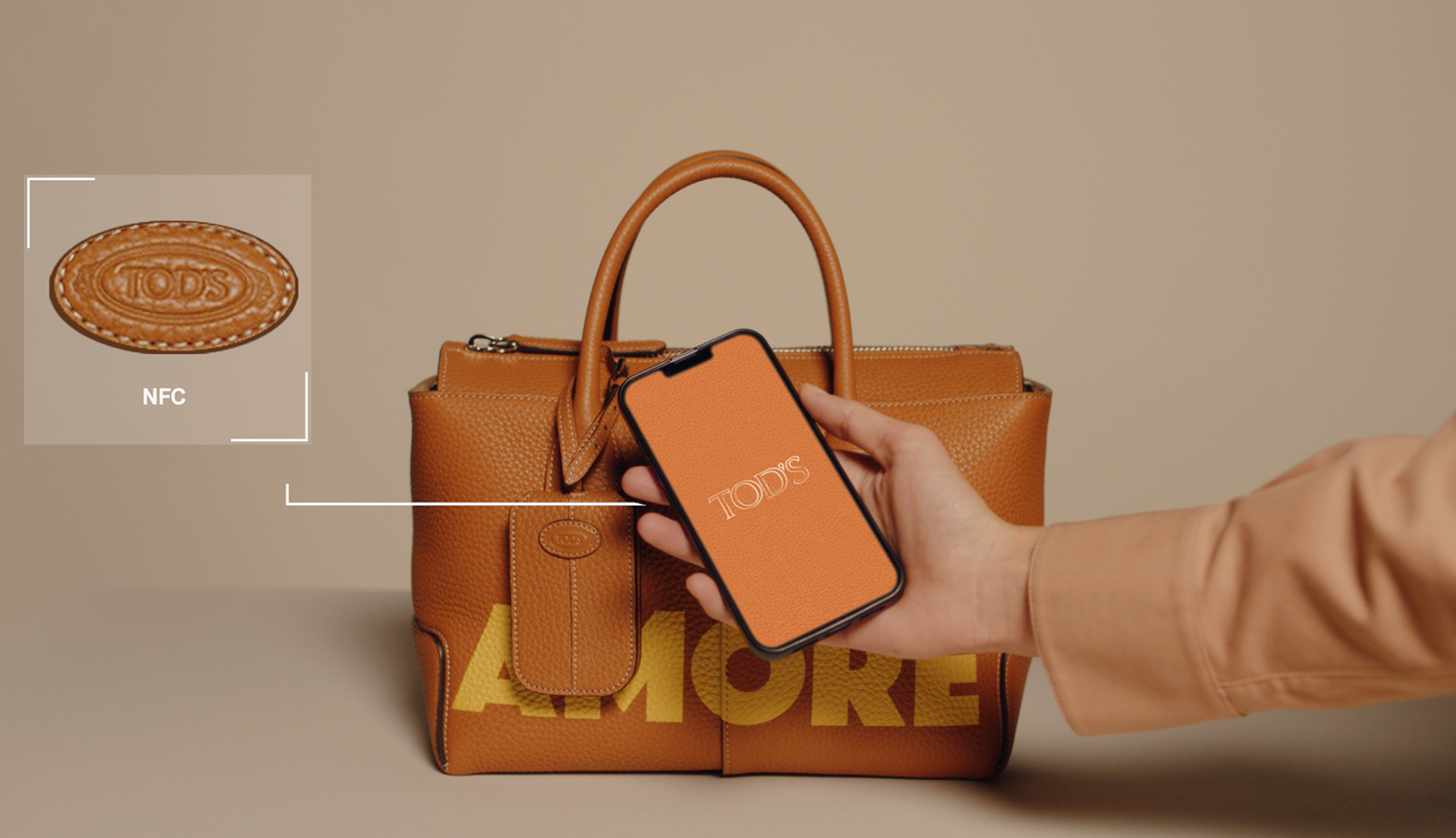
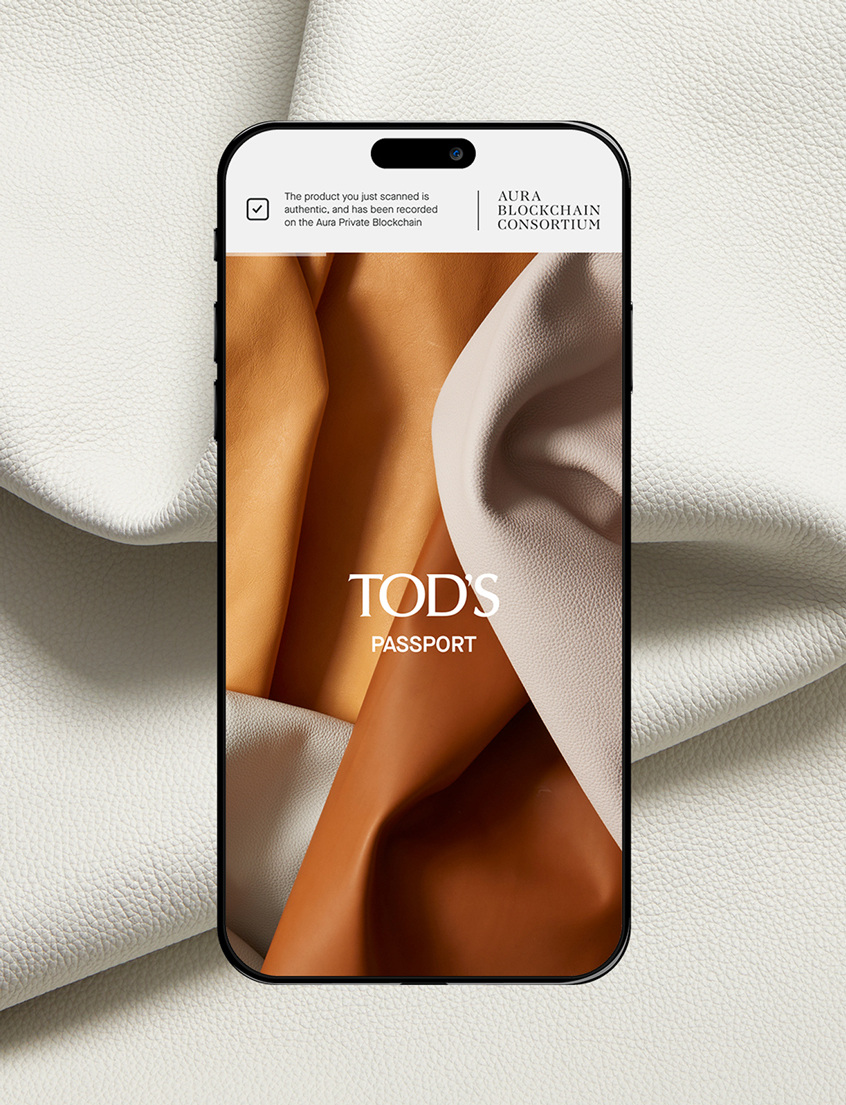
Aura’s published Tod’s case describes a passport experience extending to My Gommino, with an NFC chip in the right sole and access to product information and ownership-related functions. It also describes a smartphone wallet card. These are the consortium’s account of the programme, not a flow tested by LuxeDigital with a purchased product.
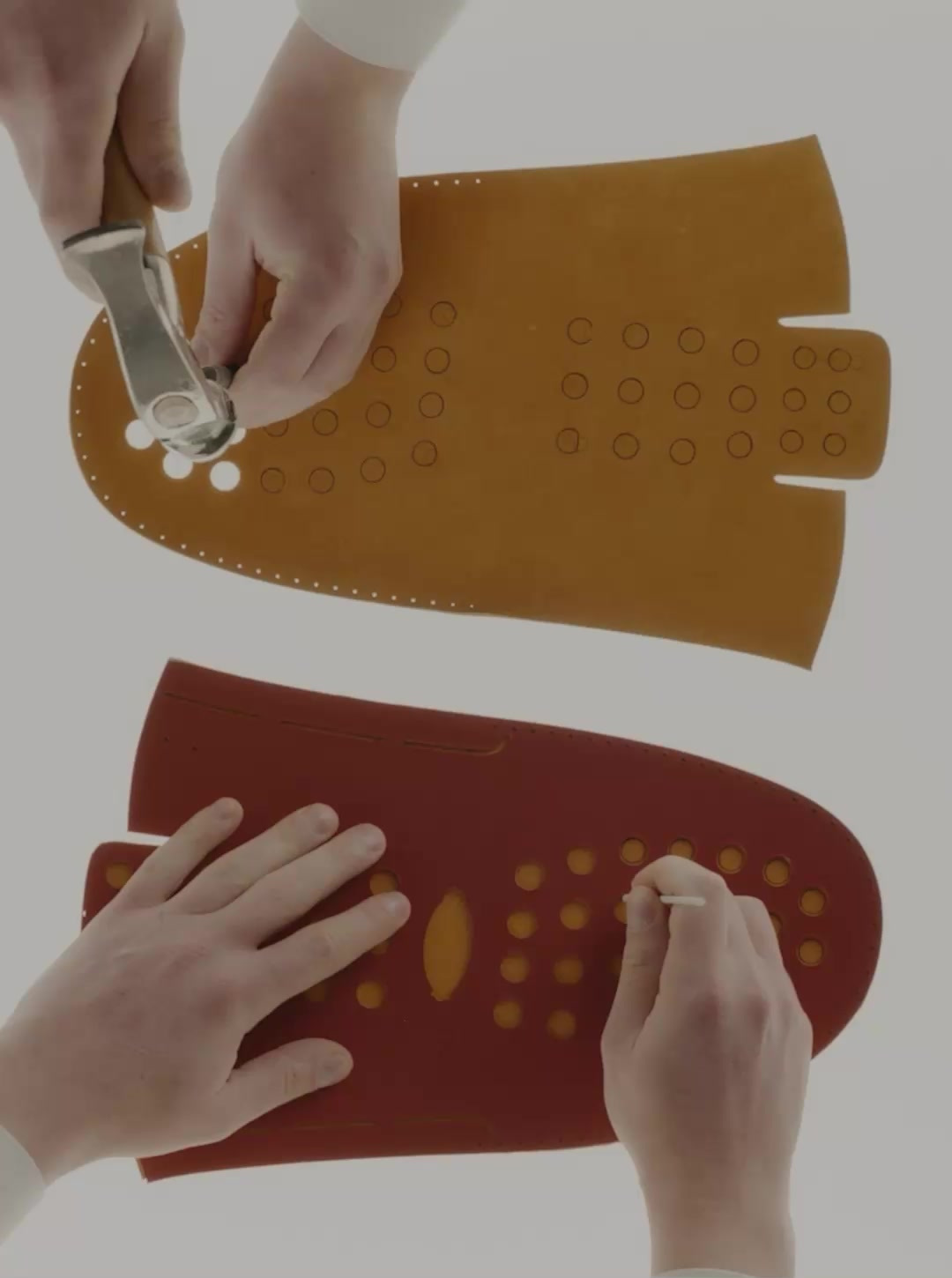
The official imagery also includes Tod’s bag and craftsmanship visuals. Their captions identify those subjects separately from the My Gommino description. A picture of a bag is not evidence of a chip location in a shoe, and one programme’s documented experience should not be assumed to describe every product sold by the brand.
For an owner, the first question is ordinary: what will I learn or be able to do when I open this record? A beautifully animated page may tell a compelling brand story, but the practical relationship should remain legible. Product identity, materials, care information and service access have different purposes. The interface should help a person recognise which is being shown.
Distinguish a record from a conclusion
Aura presents its infrastructure as a way for brands to maintain digital product identities. The important editorial distinction is between preserving recorded information and establishing the truth of every statement about a physical object. A record needs a source, a scope and a reliable relationship to the item. The existence of a token or scan does not independently settle every authenticity, condition or ownership question.
Ask who issued the information and what the record actually asserts. Is a field supplied by the brand, entered later by an owner or provided by another party? Which changes are possible, and how are they presented? These are questions to put to the programme operator, not capabilities we assume from a technology label.
This is why absolute promises are unhelpful. An owner needs to understand what a system supports and which questions still require documentary or specialist evidence. The most persuasive passport can be precise about its boundaries without diminishing the appeal of the object. Clarity is a stronger basis for trust than a universal guarantee.
Craft can become useful information
The Tod’s case links the digital experience to artisans, materials and production knowledge. That creates an opportunity for a brand to explain details that a photograph alone cannot show. The ownership value depends on how that material is organised and whether the person using it can find the answer relevant to their product.
Imagine an owner returning to the record after the initial purchase. They may want to identify the model, understand a material or find the appropriate service route. Ask the brand what information remains available and which functions depend on registration. A digital experience should be evaluated over that longer relationship, rather than only the first impressive scan in a boutique.
Our illustrations show the named official product and interface presentations. They do not certify the authenticity of a privately held item, demonstrate a completed transfer or reproduce a real customer’s personal record. That separation lets the magazine examine the design of the proposition without inventing access to the programme’s private operations.
Questions worth asking at purchase
| Layer | Owner’s question | What to seek from the programme operator |
|---|---|---|
| Physical connection | How is this exact product linked to the record? | The method applicable to the purchased item |
| Issuer | Who supplied each category of information? | Clear source and scope |
| Access | What is available before and after registration? | The actual customer flow |
| Services | Which actions can the owner request? | Current service terms and route |
| Continuity | What happens if ownership or access changes? | The programme’s documented process |
The table is a purchasing conversation, not a statement that every passport implements these functions. Ask for the exact experience associated with the product under consideration. A general presentation may describe a platform’s possibilities while a particular brand programme chooses a narrower set.
Discuss privacy in the same concrete terms. Which personal information is requested, for what purpose and under whose terms? Can the owner understand the distinction between a product record and a customer account? The relevant notices and programme documents should answer those questions. A public product page should not be taken as evidence of private data-handling behaviour.
The long life of the link
Consider the practical events that occur after purchase: a new phone, a forgotten account, a service request or a proposed change of ownership. Ask how the operator handles them and which documents the owner should retain separately. A passport can be part of an ownership record without becoming the only place where purchase and service information exists.
The brand also has an opportunity to make maintenance of the relationship useful rather than repetitive. Relevant product information and a clear service route can justify a return visit. The quality of that return matters more than the number of promotional messages the system can deliver. Digital presentation should extend the owner’s understanding of the physical object.
The Luxe Digital view
A worthwhile product passport explains its connection to the object, the source of its information and the services it actually provides. The Tod’s programme offers a concrete proposition to examine. The broader ownership principle is to judge the record by what it makes understandable, not by the technological vocabulary around it.
A worthwhile product passport explains its connection to the object, the source of its information and the services it actually provides.
Sources & credits
Sources and methodology
Independent editorial analysis of the identified primary records and official imagery, checked on 15 October 2026. Project and product descriptions are attributed to their publishers; commissioning frameworks, hypothetical scenarios and editorial judgements are LuxeDigital’s own analysis. We did not visit, purchase, test or audit the illustrated installations, services, software or passport flows. The scope is general editorial information. It does not establish private ownership, authenticity, condition, insurance cover, personal suitability or a provider’s future performance. Images retain their identified subject and context; illustrative product photographs are not private collection evidence.