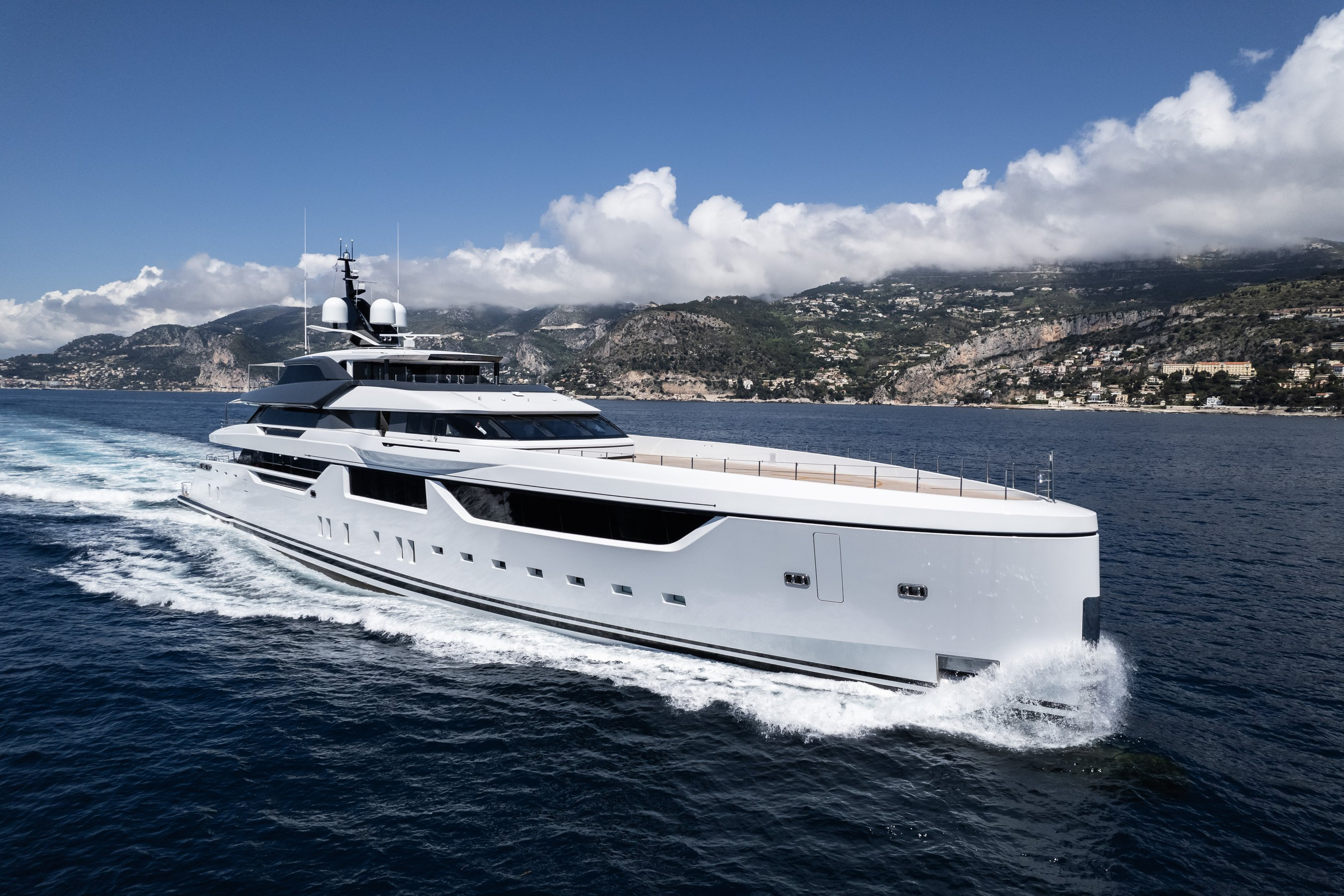
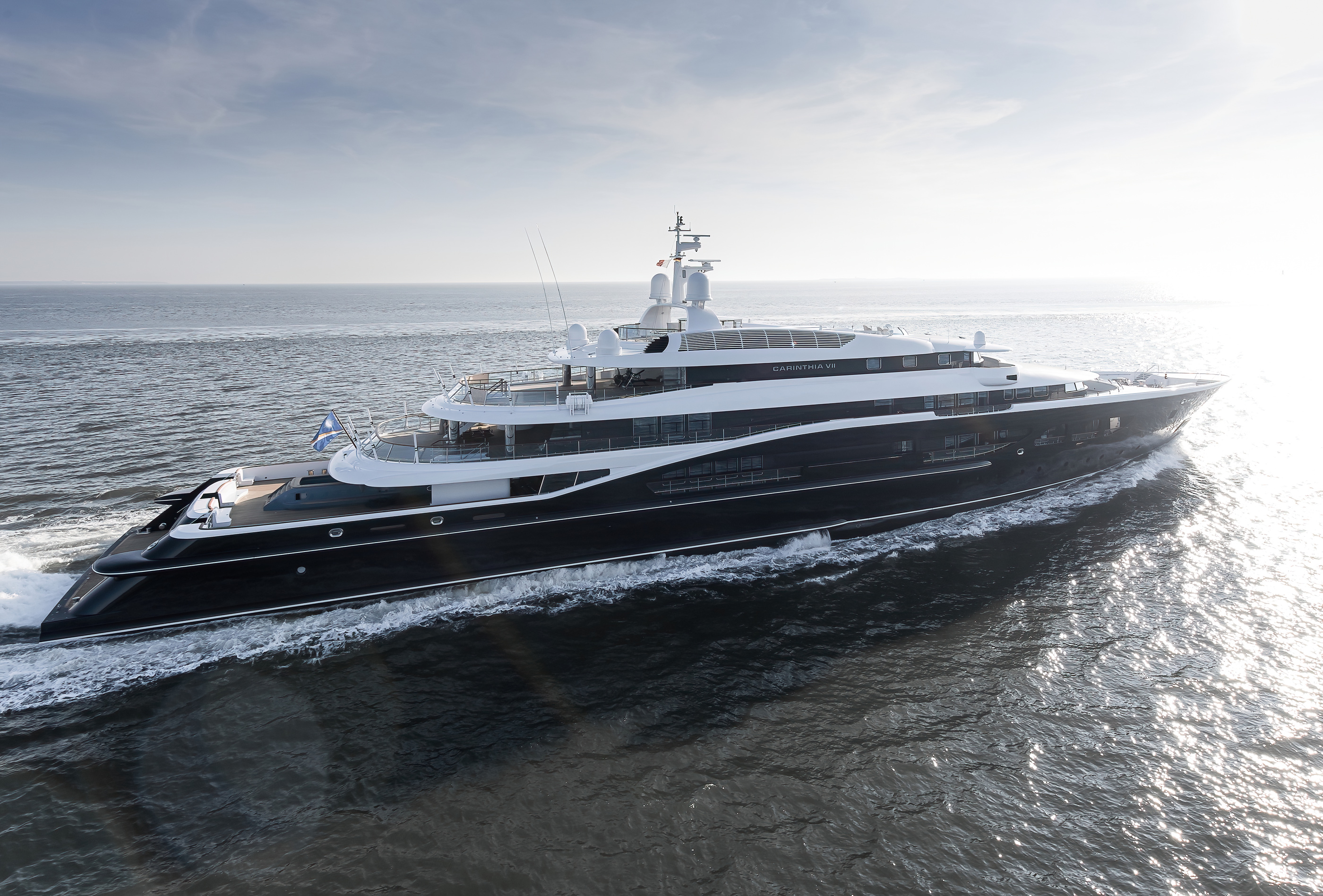
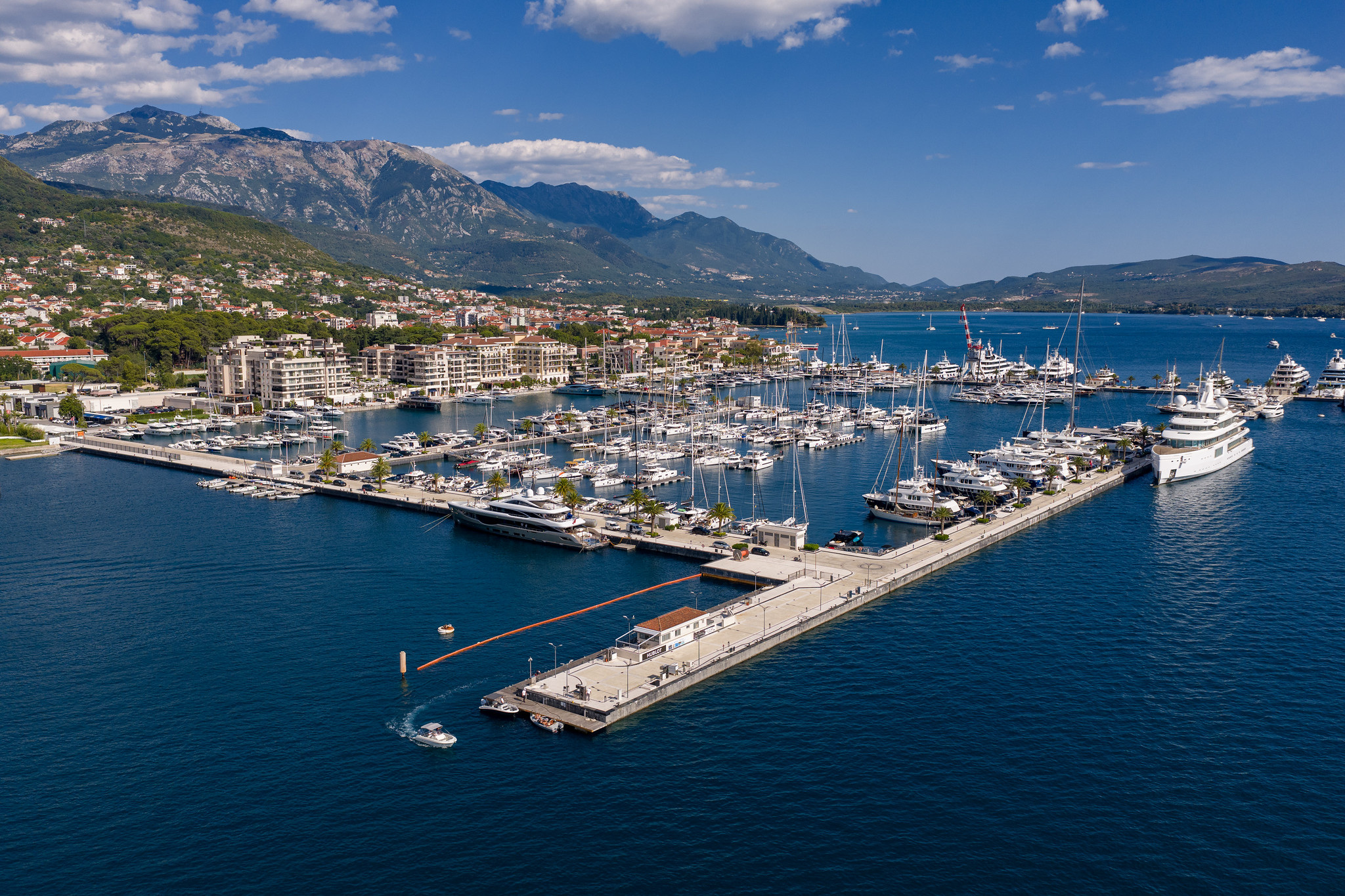
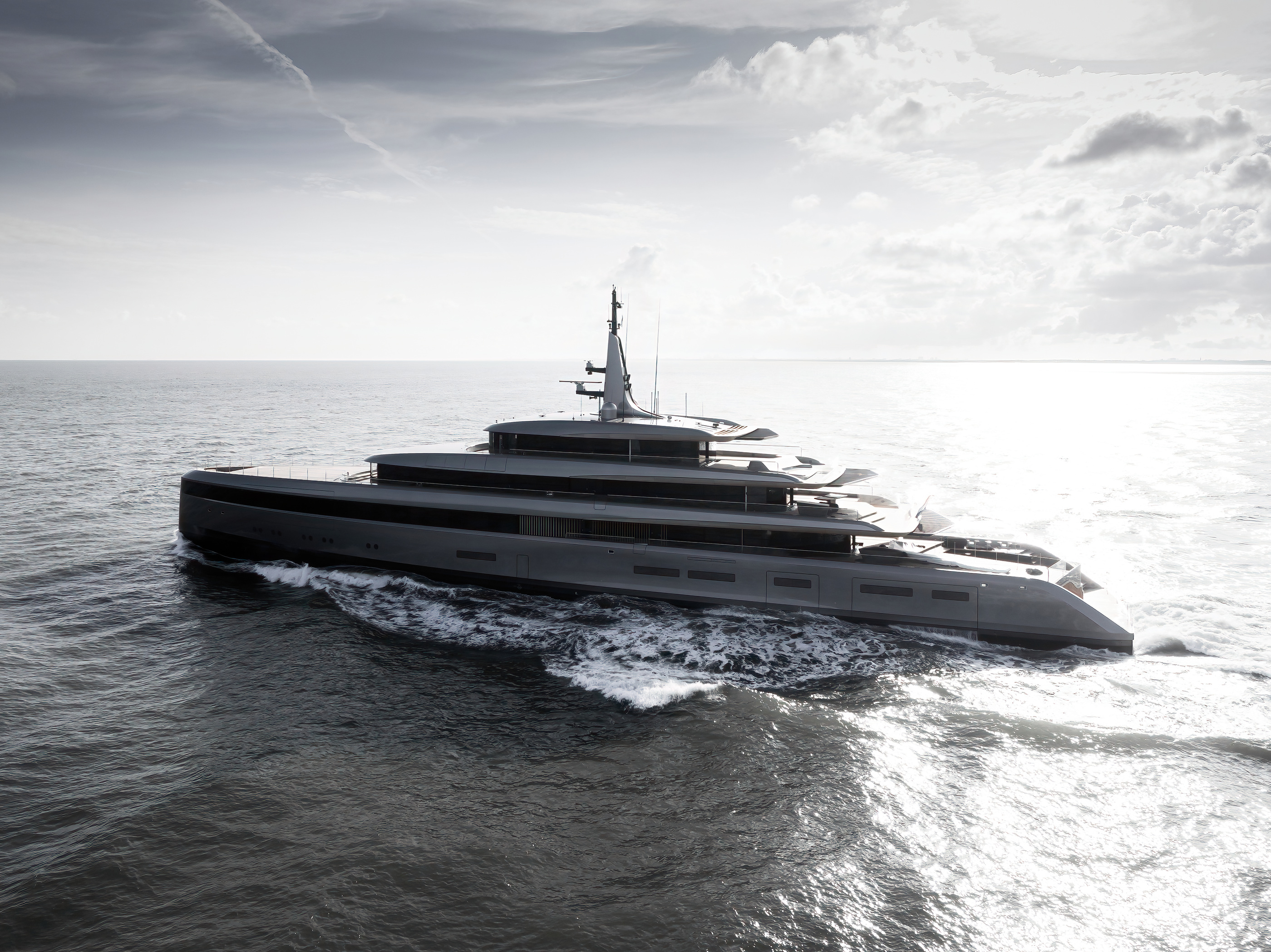
The Balearics can be electric or elemental: Ibiza after midnight, Formentera at first light, Mallorca’s mountain coast and Menorca’s quiet coves. A compelling charter chooses its mood early, then leaves enough space for the sea to change the plan.
Choose one route logic
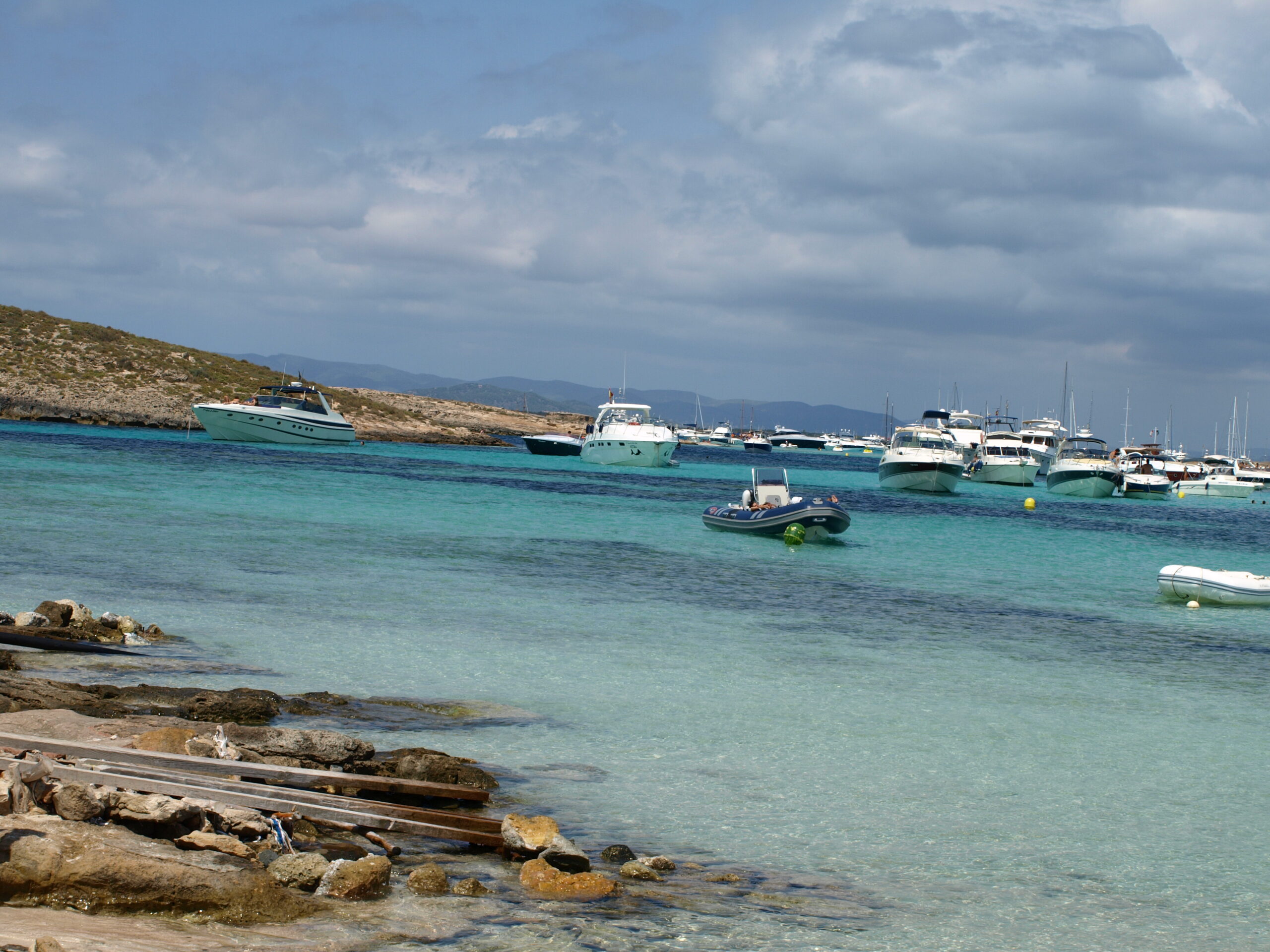
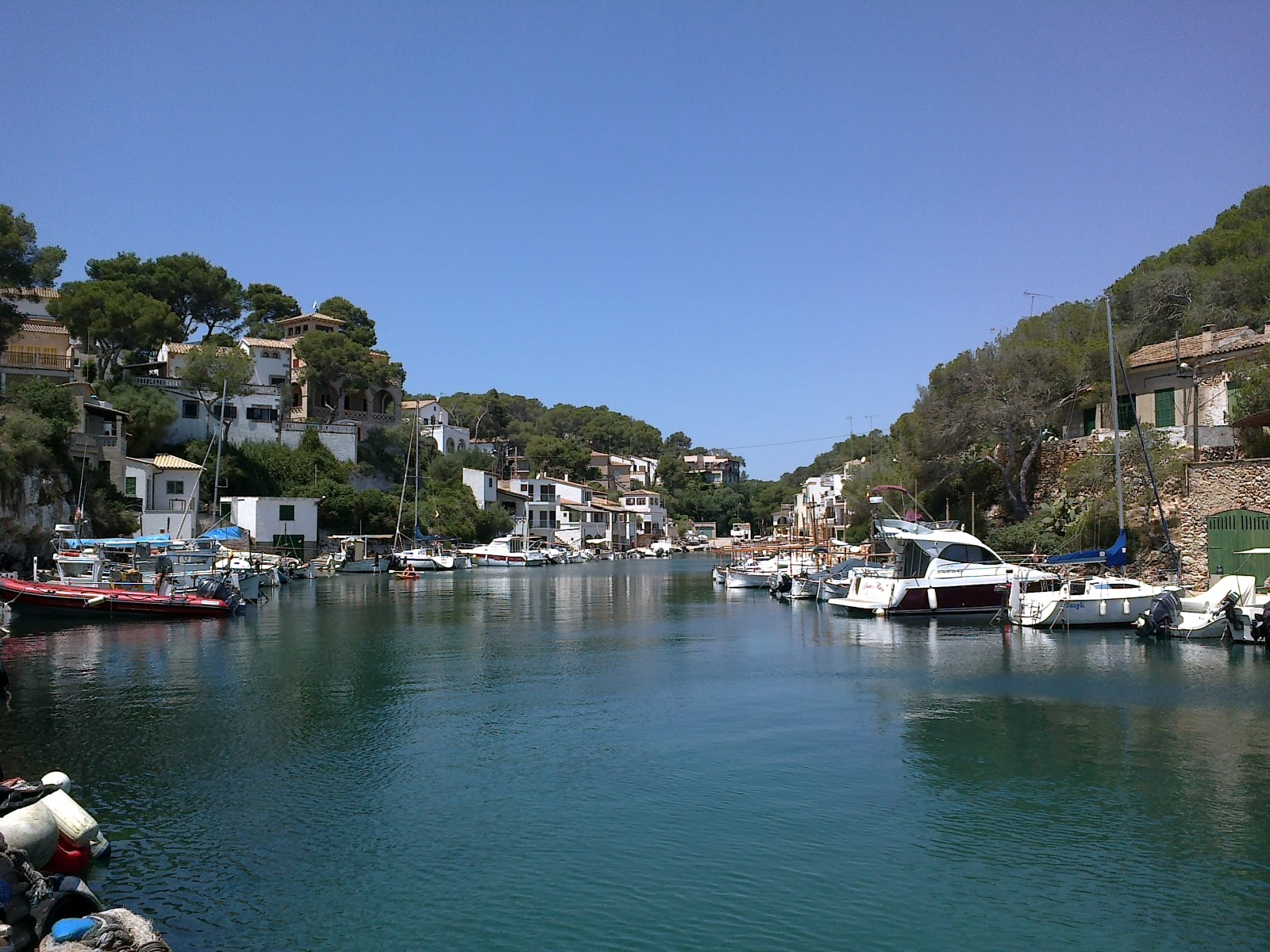
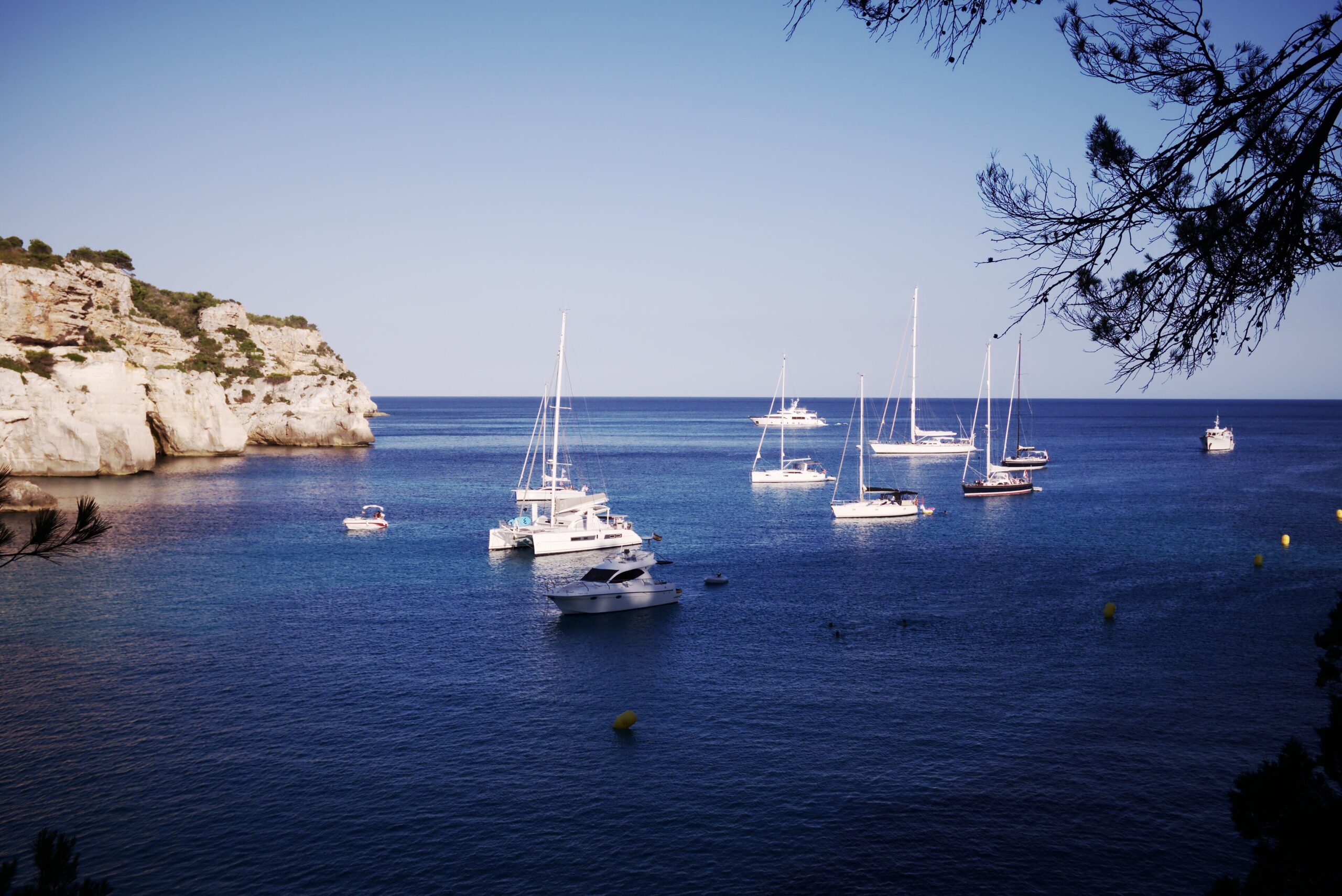
Mallorca, Menorca, Ibiza and Formentera form distinct cruising patterns. Combining every island in a short charter creates long repositioning legs and reduces flexibility. Select an embarkation point, define two or three priorities and preserve a weather alternative.
Mallorca can support a self-contained circuit with varied coasts. Ibiza and Formentera create a more concentrated route but face intense peak demand. Menorca rewards a slower plan and should not be treated as a casual addition to the southern islands.
Protect the seabed
Posidonia oceanica meadows are ecologically important and legally protected. Captains must use current official mapping, local instructions and authorised moorings where applicable. Clear water does not prove that the seabed is free of seagrass. Guests should understand that a preferred swimming location cannot override environmental rules or safe holding.
Ports de les Illes Balears publishes anchoring information, while national and regional authorities maintain regulatory material. Third-party apps can assist but should not be the sole source for compliance.
Charter permissions and documents
The yacht's flag, commercial status, operating base and charter arrangement affect required documentation. The Balearic government provides official boating procedures; the operator and agent should confirm permits, passenger records, tax treatment and port formalities. A foreign charter listing is not proof that the yacht may legally begin the proposed itinerary.
Peak demand and berth strategy
High-season berth and buoy demand can be substantial. Reserve critical nights but avoid fixing every stop. Confirm cancellation terms and maintain anchor or alternative-port plans that remain lawful and weather-safe. Provisioning and guest transfers should be aligned with the route rather than repeatedly pulling the yacht back to a congested hub.
Water and energy use should be considered when the yacht spends multiple nights away from marinas. Generator hours, desalination, waste storage and tender movements affect both comfort and operating cost. The captain can explain which anchor-led sequence is realistic for the specific yacht. “Remote” should never mean operating without a documented service and contingency plan.
Shore bookings need the same restraint. A reservation that requires a long tender crossing in deteriorating conditions is not a fixed entitlement. Suppliers should know that marine access remains conditional.
Separate charter eligibility from the itinerary
The Balearic government provides an official maritime administration and procedures for nautical charter activity. That confirms where the compliance inquiry begins; it does not prove that a yacht advertised online is eligible for the proposed charter. Flag, commercial registration, operating arrangement, declaration, tax treatment and embarkation point need vessel-specific confirmation.
Ask the operator or agent to identify the current procedure and retain dated evidence. Do not infer permission from a previous season, another yacht or a marketplace badge. The guest itinerary should remain provisional until the yacht's legal operating basis is documented.
Let the gateway determine the route family
Palma, Ibiza, Menorca and other embarkation points generate different route geometry. Start with the contracted gateway, travel connections and provisioning window. Then choose one island family that can deliver the priority experiences without making the final day dependent on a long repositioning passage.
A one-way structure can reduce backtracking but may add delivery cost and a different airport plan. A loop simplifies guest logistics yet requires enough reserve to return. Compare both against the actual yacht, dates and guest tolerance rather than an idealised map.
Protect the blue that makes the Balearics unforgettable
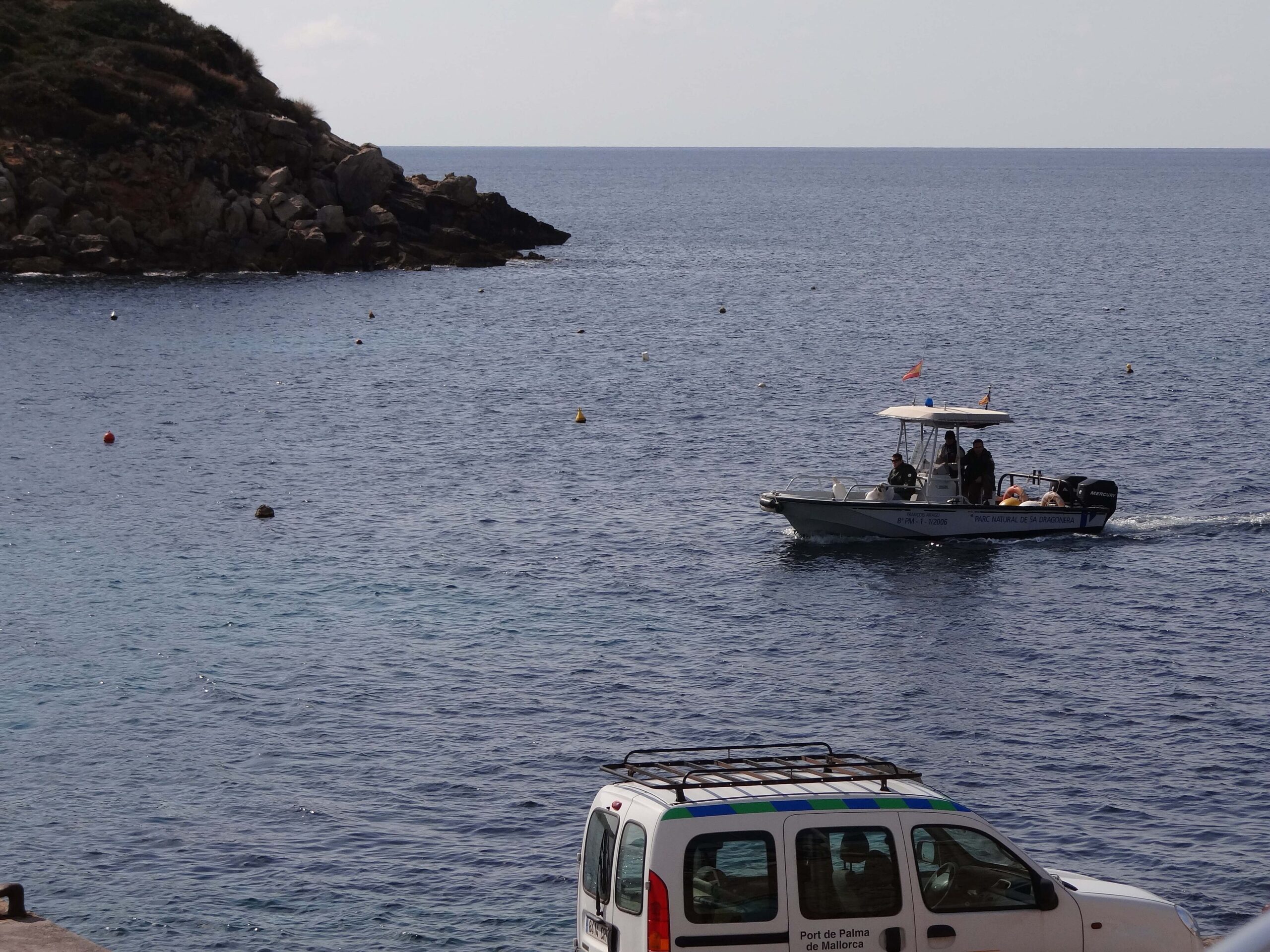
Official Balearic information connects recreational boating, buoy reservations and the conservation framework for Posidonia oceanica. The practical response is a destination register, not a generic promise to “anchor responsibly.” For each intended stop, record the official mapping or instruction, whether a regulated buoy field applies, the reservation route and a lawful alternative.
Ports de les Illes Balears publishes conditions for buoy fields created to protect Posidonia in designated areas. Availability, vessel-length limits and operating conditions can change. A reservation must match the yacht and does not remove the captain's safety assessment.
Third-party apps can assist orientation but cannot replace official information or establish that a patch of seabed is clear. The presence of other vessels is not evidence of permission.
Treat buoy, berth and anchorage as distinct products
A marina berth provides services and direct shore access but may be scarce in peak periods. A regulated buoy has its own reservation and use conditions. An anchorage requires legal permission plus appropriate depth, holding, protection and swing room. These options should not be represented as interchangeable dots on a map.
For every important night, let the crew hold one beautiful first choice and a credible alternative. A buoy field, berth or anchorage may each create a different evening; the luxury is being able to change course without the guest feeling that anything was lost.
Plan peak demand without fixing every night
High season concentrates pressure across ports, buoy fields, restaurants, clubs, road transfers and provisioning. Secure only the moments that genuinely define the charter. Leave other stops movable so that a lost berth does not collapse the sequence.
Shore suppliers should understand that tender and marine access remain conditional. A non-refundable booking reached only by an exposed transfer creates the wrong kind of urgency. Build cancellation clarity and a land-transfer alternative where it is practical.
Make onboard resources visible
Anchor-led routes depend on the yacht's actual watermaking, energy, waste, refrigeration, tender and communications capability. Confirm which systems are operational for the charter and how service intervals affect the route. A capable yacht still operates within environmental, safety and regulatory limits.
Guest activities may require qualifications, age limits, permits, captain approval or weather conditions. Marketing images are not an operating guarantee. Review the inventory and restrictions before the itinerary promises a particular experience.
Protect the final 24 hours
The final day should not rely on the most ambitious crossing of the week. Preserve margin to the agreed redelivery point and confirm airport transfer from that exact location. A subsequent charter may reduce the yacht's flexibility.
If a one-way itinerary is proposed, verify the resilience of the final island's flight or ferry options and the effect of disruption. A beautiful last stop is not enough when the departure chain has no fallback.
The Balearic week, distilled
- Documented yacht eligibility and responsible professional.
- Exact embarkation and redelivery points, dates and times.
- Primary island family plus acceptable route alternatives.
- Official Posidonia and buoy-field checks for intended stops.
- Critical berth or buoy requests and cancellation terms.
- Yacht resource, guest mobility and activity limitations.
- Provisioning, waste, transfers and communications plan.
- Final-day distance and transport margin.
Good planning, lightly worn
The captain, broker and local teams carry the live operational detail; guests should feel its benefit, not its weight. Confirm the yacht, route and arrangements for the chosen dates, then let the week breathe. The purpose of preparation is not to eliminate spontaneity, but to protect it.
The week in brief
- Select a coherent island group instead of maximising island count.
- Posidonia protection is a route constraint and environmental duty.
- Verify permissions and tax treatment for the specific yacht and charter.
- Reserve critical infrastructure while retaining legal, weather-safe alternatives.
- Match the yacht's resource limits and final-day transport to the chosen route.
Sources & credits
Sources and further reading
- Balearic government — recreational boating and charter procedures
- Ports de les Illes Balears — anchoring and buoy fields
- Spanish environment ministry — 2026 conservation framework
The Balearic image candidate requires location-fit and crop review.