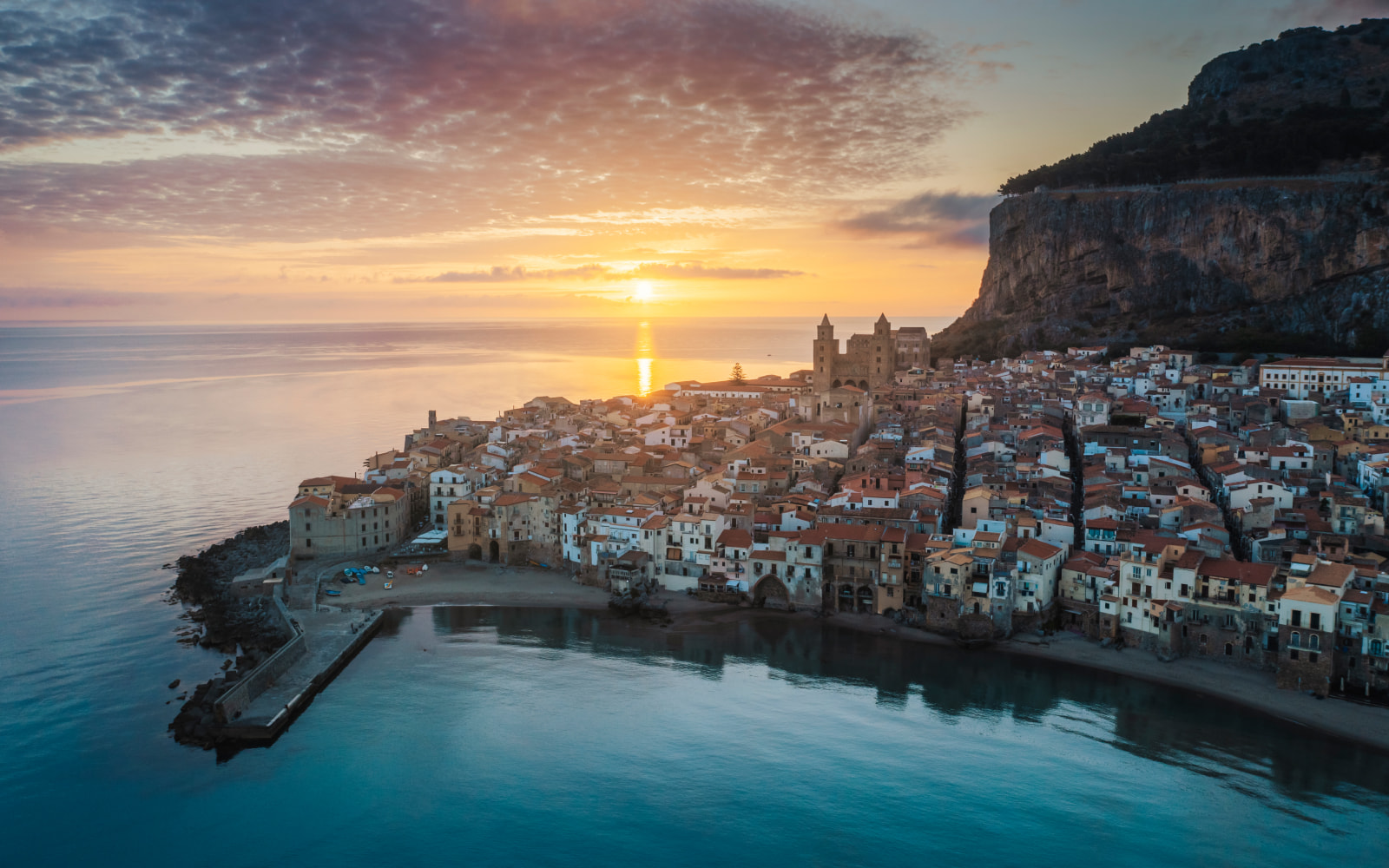
Answer brief
The best time for Sicily depends on which Sicily you intend to experience. Palermo and the northwest, Catania and the east, the baroque southeast, and the smaller islands are separate travel systems rather than interchangeable stops. Spring and autumn generally support city-led and inland itineraries; summer places the coast at the centre but adds heat and demand; winter can reward urban and cultural travel while coastal services contract. For a seven-night journey, select one principal region, one arrival gateway and no more than one secondary base. Recheck weather, openings and transport for the exact dates before booking.
Planning fact unit
- Island logic: one destination, several distinct regional journeys.
- Western anchor: Palermo for the Arab-Norman city and western routes.
- Eastern anchor: Catania for Etna and onward access toward Syracuse.
- Southeastern anchor: a road-based sequence through the Val di Noto.
- Island extension: the Aeolian Islands require separate transport and weather margin.
- Evidence boundary: official destination and UNESCO context; no promise of weather, opening times or journey duration.
Choose the journey before the hotel
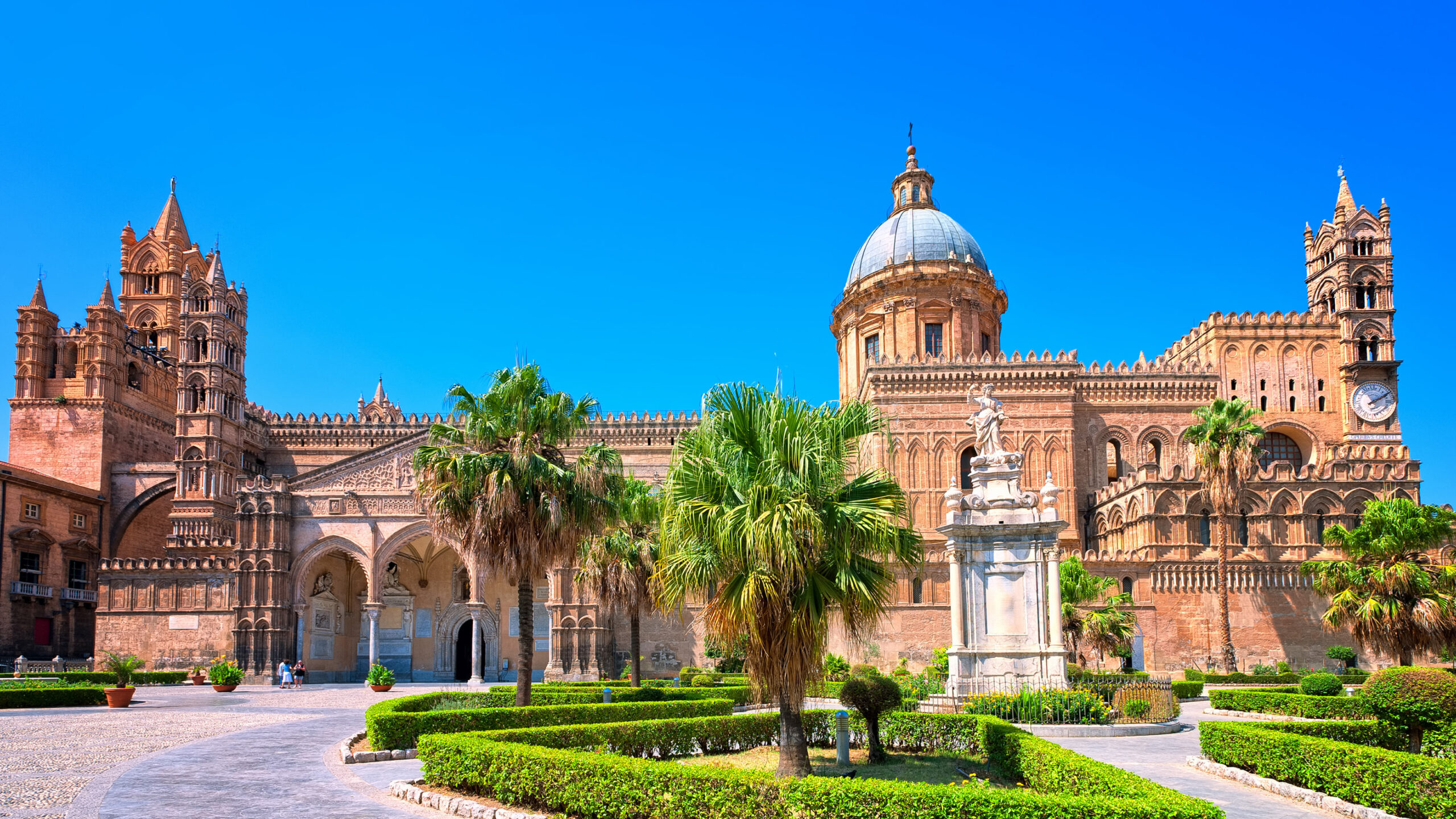
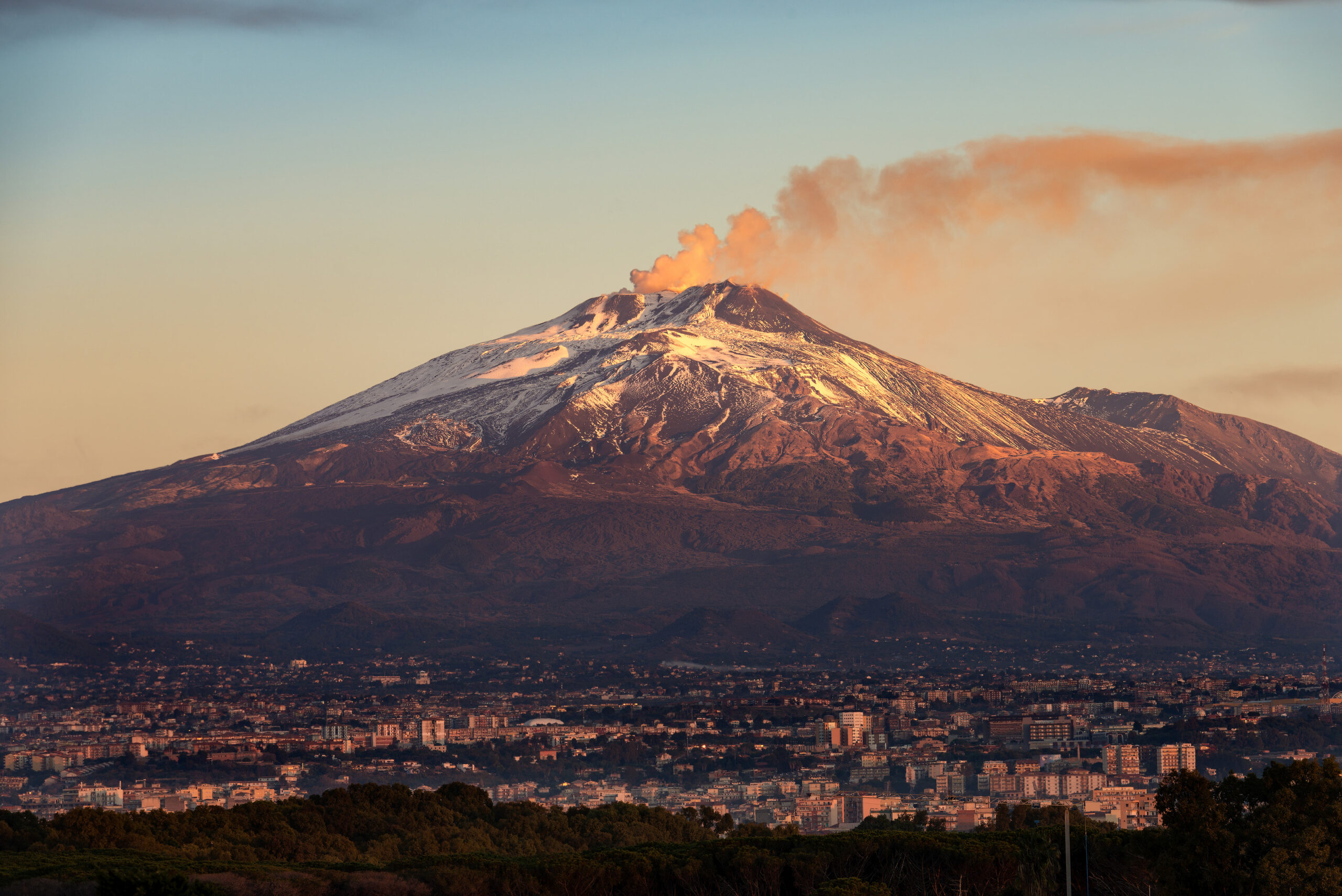
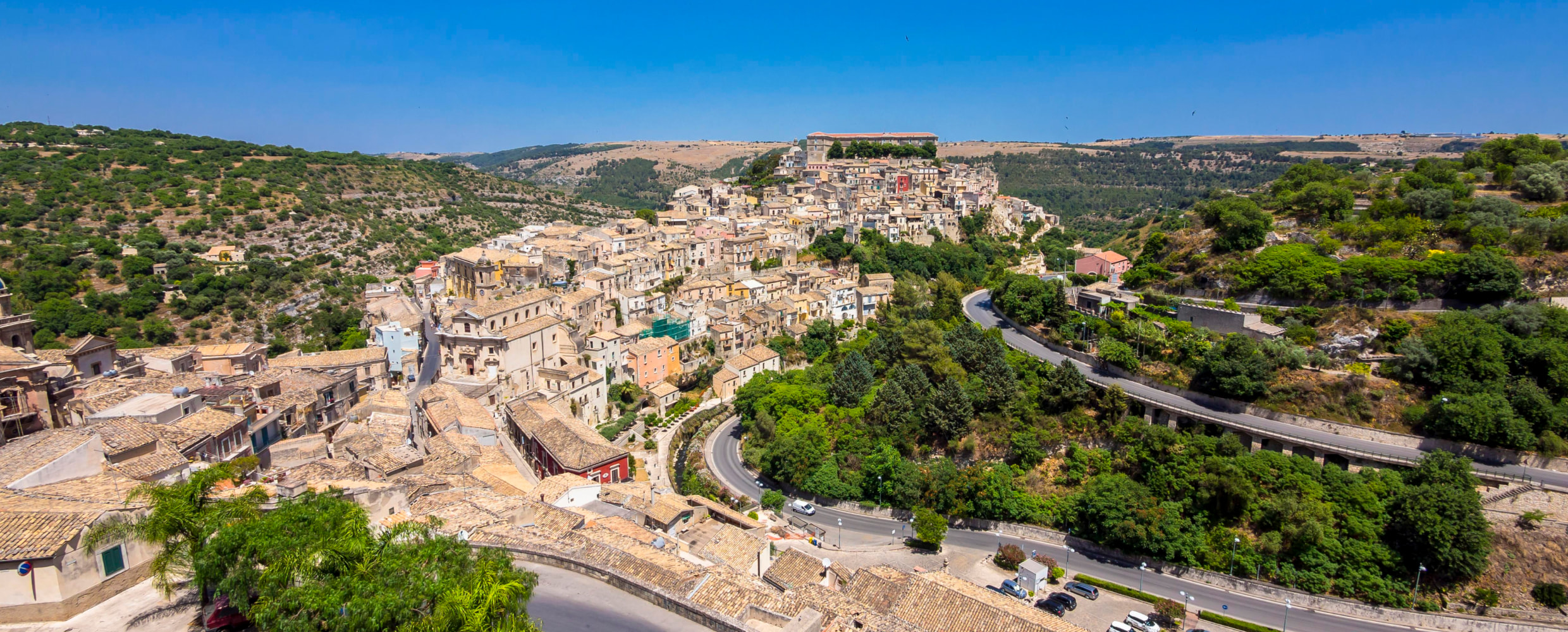
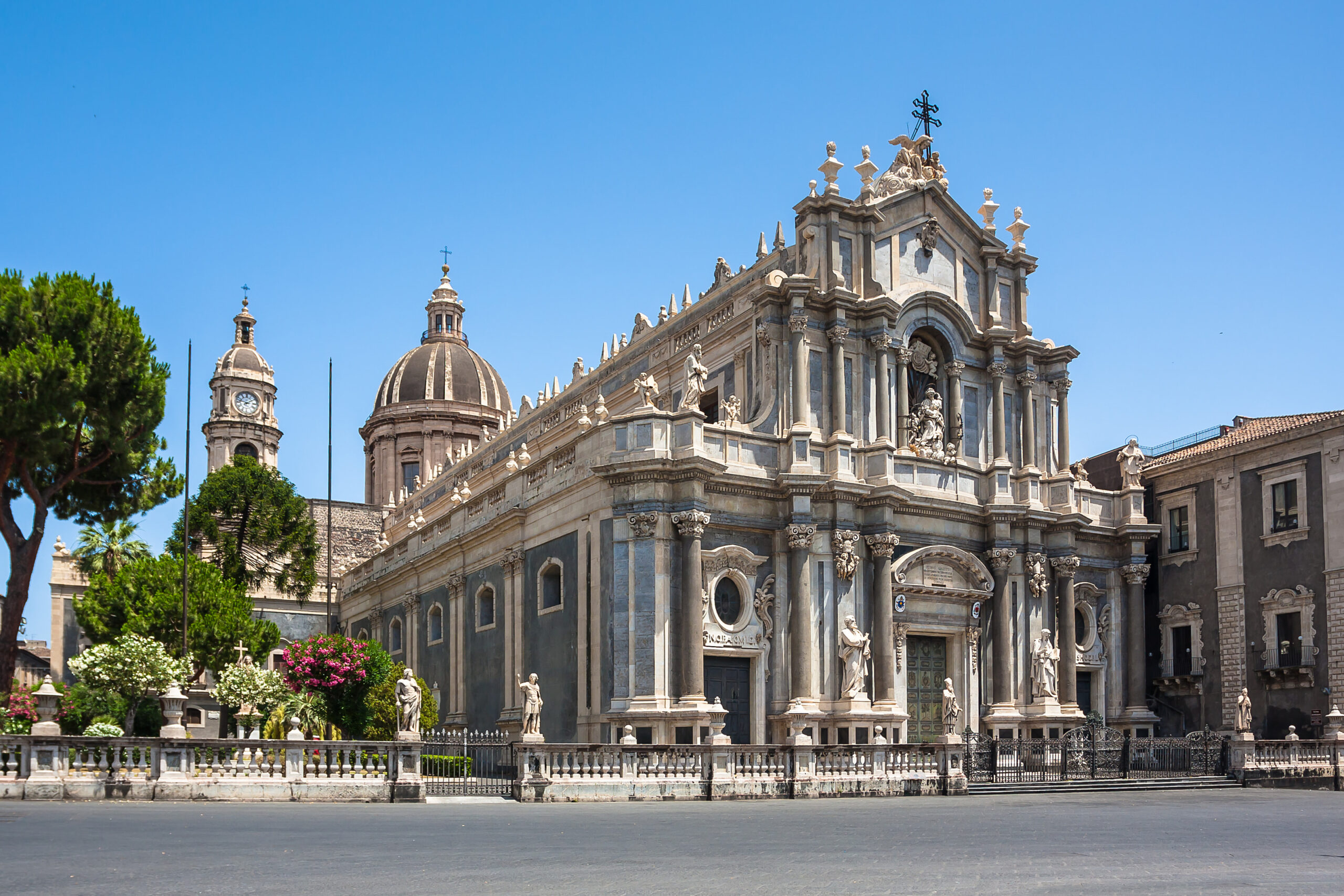
Sicily planning often starts backwards. A visually compelling hotel is selected first, and only afterwards does the itinerary reveal that every desired experience sits two or three transfers away. A more reliable method begins with the journey's anchor: city culture, archaeology, food and wine, coast, landscape or islands. That choice determines the most coherent gateway, base and daily radius.
Palermo supports an urban and western orientation. Its Arab-Norman monuments form a recognised cultural system that extends to Monreale and Cefalu. This is not simply a collection of photogenic facades; it is a reason to reserve meaningful time in and around the city rather than treat Palermo as an airport stop.
Catania supports an eastern structure, especially when Etna and Syracuse matter. Syracuse and the Rocky Necropolis of Pantalica are recognised by UNESCO as a combined cultural landscape, which argues for deliberate time rather than a rushed day assembled around a distant hotel. The southeast is a different proposition again: the late Baroque towns of the Val di Noto reward a geographically ordered road sequence.
No official source says that one gateway is universally best. The correct choice follows the trip's centre of gravity. A high-end itinerary reduces avoidable movement; it does not use premium transfers to disguise poor geography.
Spring: cities, landscape and flexible pacing
Official Italian tourism guidance presents spring as a suitable period for cultural and inland travel. That is useful context, not a forecast. The practical advantage is often the ability to combine walking, archaeology, countryside and coast without designing every day around peak heat. The cost is variability: rain, wind and cooler evenings remain possible, particularly across different elevations and coasts.
Spring works best when the itinerary has alternatives. A city museum, market or archaeological visit can replace a weather-sensitive boat day. Rural properties and seasonal restaurants should be asked exactly which services operate, from pools and beach facilities to tasting rooms and evening dining. A hotel being open does not mean every advertised experience is available.
For landscape-led travel, avoid converting bloom, harvest or weather into guarantees. Ask a property or specialist what is normally observable during the selected week and what the fallback is. The luxury is not certainty; it is a plan designed to remain worthwhile when conditions change.
Summer: make the coast the reason, not an accessory
Summer is the most natural choice when swimming, beach clubs and coastal life are the primary purpose. It also introduces the clearest trade-offs: heat, higher demand, constrained availability and more pressure on roads, parking and reservations. A summer itinerary should therefore be simpler, not denser.
Select one coast and let the day breathe around it. A morning cultural visit followed by a long lunch and water time can be more successful than trying to connect several famous places. If a private boat is central, document the operating area, embarkation point, cancellation terms, weather decision process and land-based alternative. A boat reservation is not a weather guarantee.
Urban visits need realistic timing. Historic centres, limited-traffic zones and parking can change the last part of a transfer. A professional driver may remove parking friction, but the agreement still needs hours, waiting time, overtime, luggage and access terms. Self-driving offers freedom but requires an explicit plan for parking and wine-related days.
Autumn: warm-water possibility and harvest context
Autumn can combine residual coastal appeal with city and countryside travel. Official climate context supports the season as a planning option, but exact sea conditions, temperatures and rainfall cannot be inferred from an average. Early and late autumn should not be treated as the same product.
Harvest language also requires restraint. Vineyard and agricultural activity follows the year, place and producer. An experience offered in marketing material may shift or close according to operational needs. Verify whether the visit is observational, educational or participatory, what language is available and whether production activity changes the hospitality format.
This is a strong period for a two-part itinerary when the bases are geographically coherent: for example, a city and one rural or coastal area rather than a circuit of the whole island. The second base should add a different experience, not merely a different room.
Winter: urban depth with a smaller operating map
Winter can reward travellers who prioritise cities, monuments, food culture and a quieter pace. The trade-off is a narrower coastal operating map, shorter daylight and more variable weather. Resorts, restaurants, marine services and transport links may reduce frequency or close seasonally.
The right winter questions are operational. Is the property fully open or running a reduced service? Is dinner available every night? Are transfers and guides confirmed? Which monuments change hours? Is heating appropriate to the building? These details matter more than a generic promise of mild weather.
A winter journey should place the most important cultural experiences earlier in the day and preserve a flexible indoor option. It should not depend on a sequence of seasonal venues that have not confirmed operation in writing.
Four regional systems

Palermo and the northwest
Choose this system for Palermo's urban depth, Arab-Norman heritage and western extensions. Cefalu can be part of the same cultural frame, but rail or road details must be verified for the travel date. A stay in the city and a remote coastal resort create different daily patterns; neither should be presented as interchangeable.
Catania, Etna and the east
Choose the eastern gateway when volcanic landscape, Catania and Syracuse define the trip. Airport bus connectivity exists, but current routes and timetables require a publication-date and booking-date recheck. Etna access is elevation- and condition-sensitive, so transport, guide scope and equipment should be explicit.
Syracuse and the Val di Noto
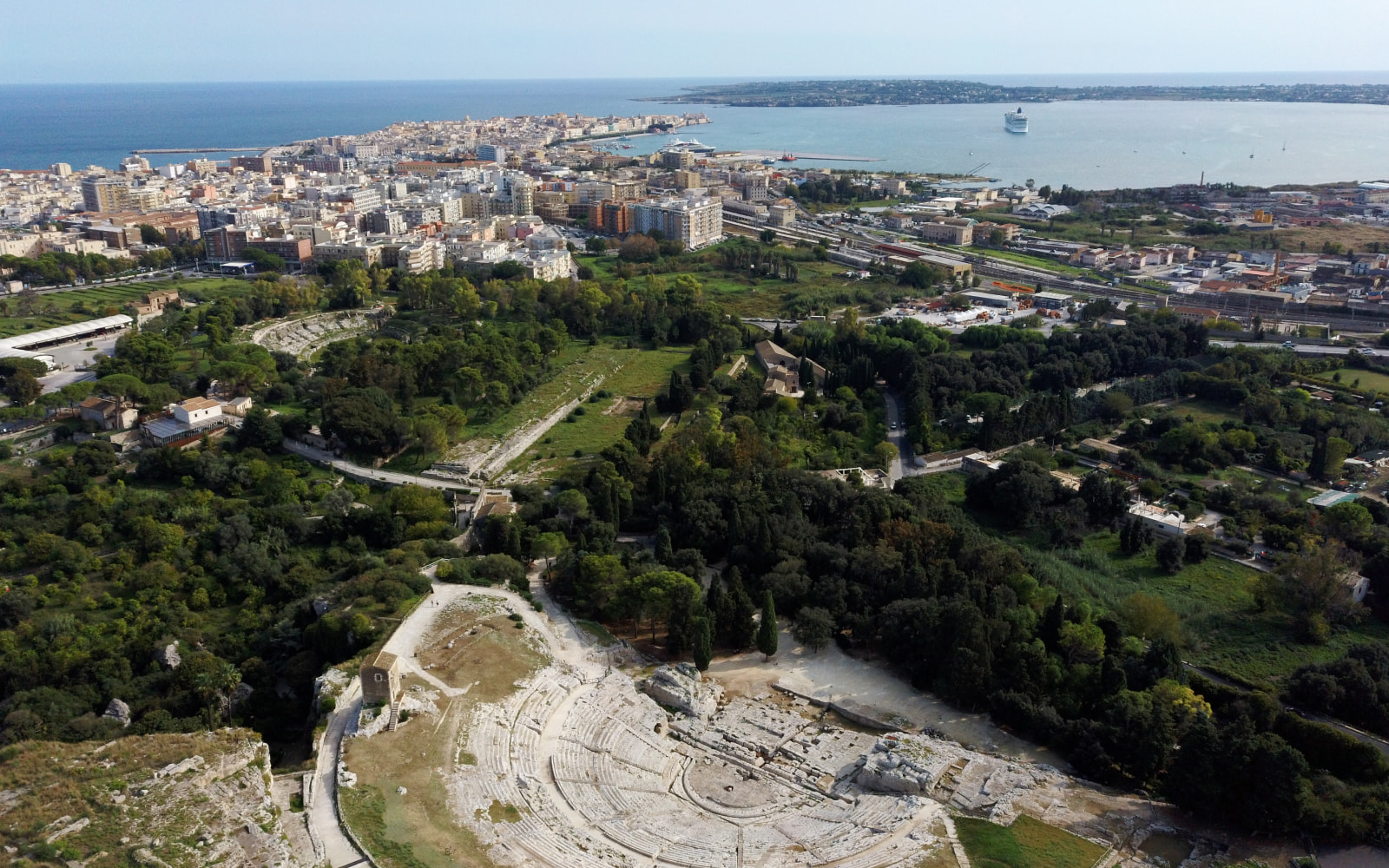
Choose the southeast for archaeology, baroque towns and a road-led sequence. UNESCO recognises both Syracuse with Pantalica and the late Baroque towns as distinct World Heritage properties. That significance supports slower interpretation, not a checklist of town squares. Group visits geographically and reserve room for walking and local guidance.
Aeolian and other island extensions
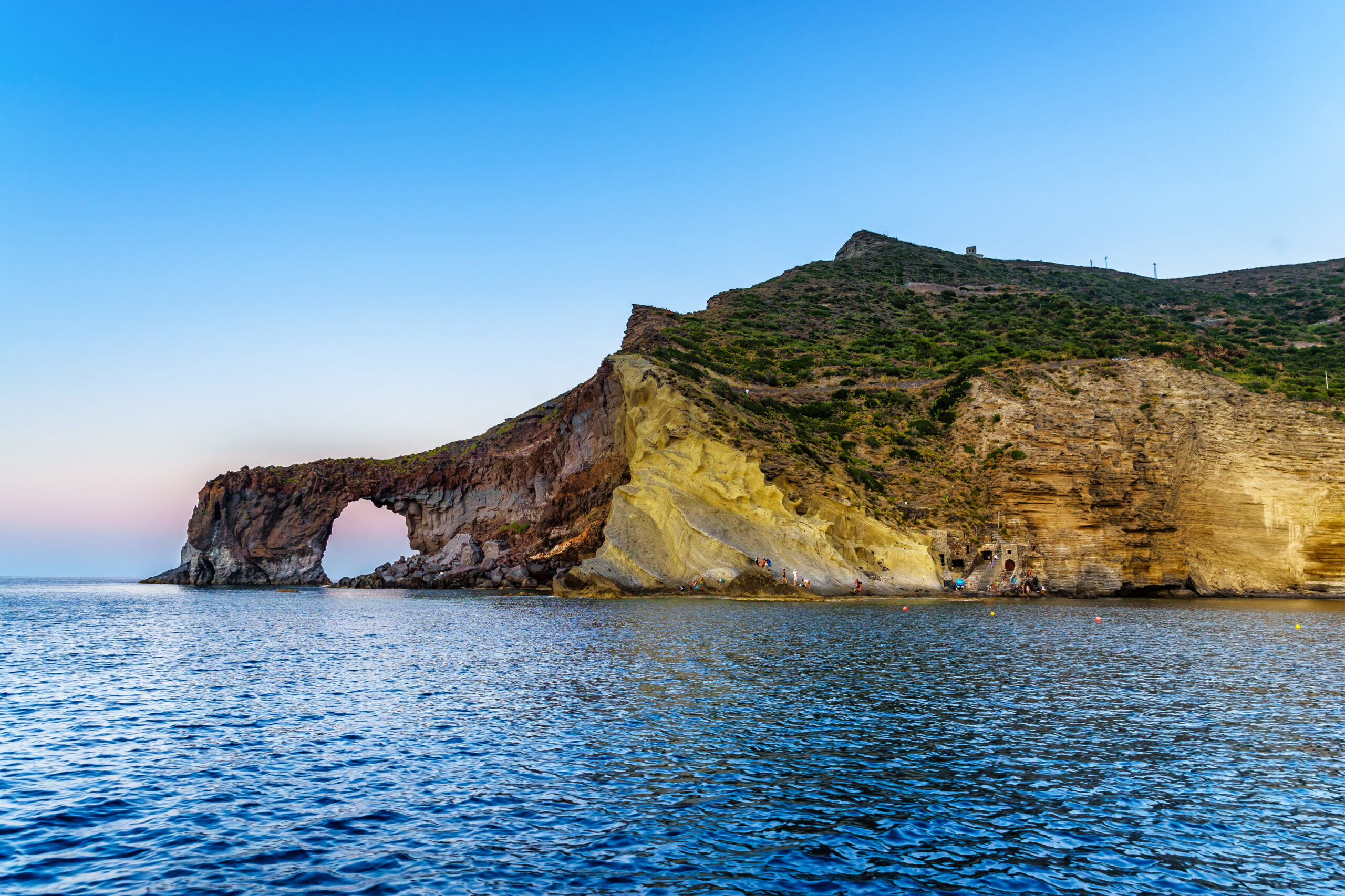
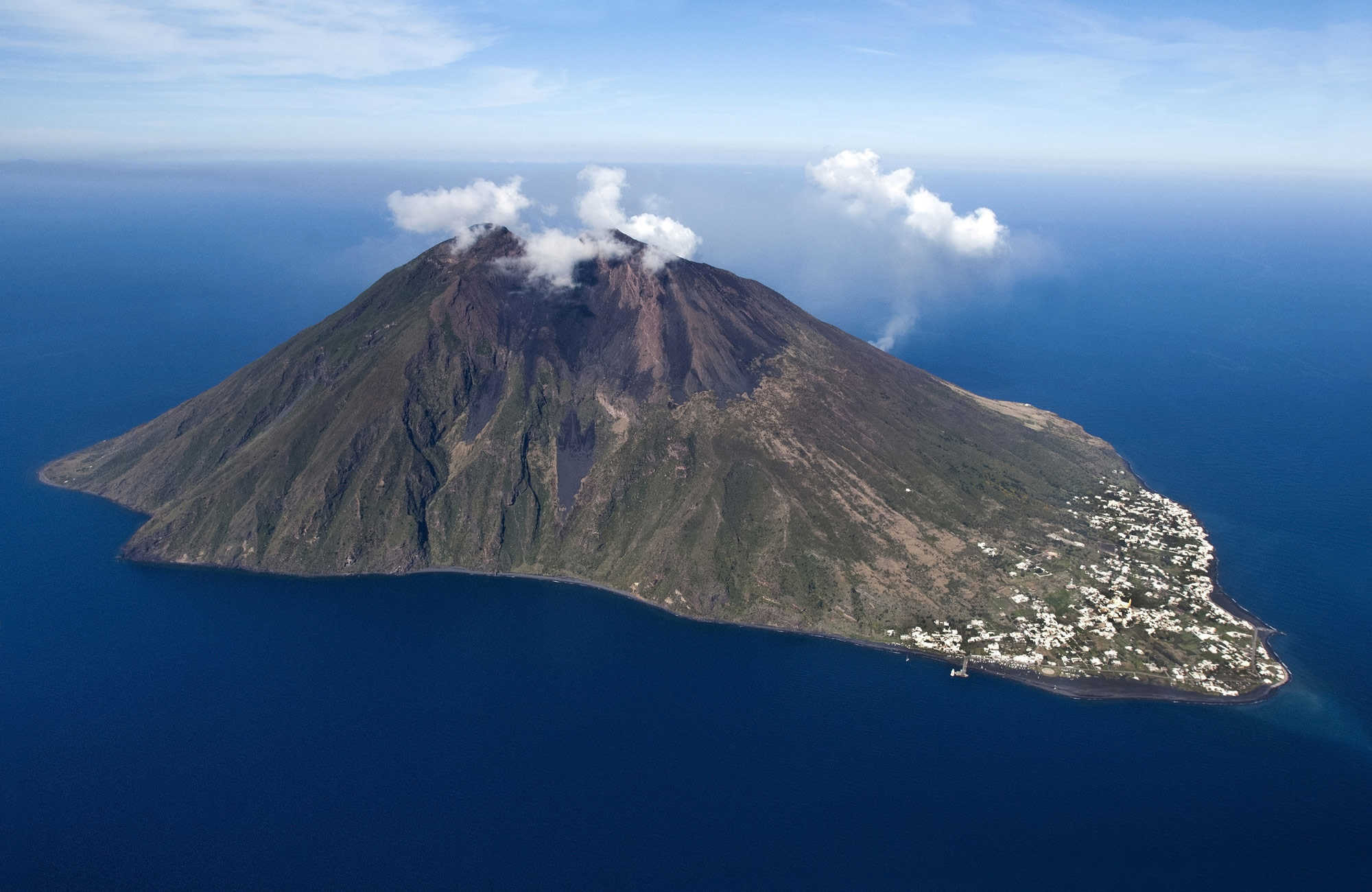
Treat an island extension as a separate module. Marine links depend on schedules and conditions. Avoid placing the defining island stay immediately before a long-haul flight, and do not assume that a private transfer removes weather risk. Build a buffer, confirm luggage handling and know which costs remain if the marine leg changes.
A seven-night decision framework
For seven nights, begin with one primary base of four or five nights. Add a second base only if it materially changes the experience and the transfer creates a logical line toward the departure gateway. Three bases usually turn check-in, packing and road time into the itinerary's dominant rhythm.
Give each day one geographic centre. Combine nearby culture, landscape and dining rather than booking celebrated addresses in opposing directions. Protect one unstructured half-day. This is not unused capacity; it is resilience for weather, fatigue, discovery or a longer experience that proves worthwhile.
Before payment, place every confirmed transfer and experience on one map. Record estimated duration as a planning range rather than a promise. Mark limited-traffic or parking questions, luggage days, early departures and alcohol-related transport. If the map looks like a series of crossings, change the bases before upgrading the car.
Booking checklist
- Which experience is the non-negotiable anchor of the trip?
- Which arrival airport minimises the first meaningful transfer?
- What is the maximum daily road time the travellers will accept?
- Which hotel services are operating on the exact dates?
- Which monuments, restaurants and guides require advance booking?
- What changes in heat, rain, wind or rough-sea conditions?
- Are island or boat plans protected by a land-based alternative?
- Which transfers cross limited-traffic or difficult parking areas?
- Does the final night protect the departure from marine or road disruption?
- Which facts must be rechecked seven days and 24 hours before use?
Editorial verdict
Sicily is best approached as a choice between coherent regional journeys, not as an island to be completed. Season determines which experiences can lead, while geography determines whether the trip feels generous or hurried. The high-end standard is a disciplined route with current verification, operational alternatives and time to encounter a place beyond its headline image.
Key takeaways
- Choose a regional system and gateway before selecting a hotel.
- Spring and autumn support broad itineraries; summer should be coast-led; winter needs exact operating checks.
- UNESCO context argues for depth in Palermo, Syracuse and the Val di Noto rather than compressed sightseeing.
- One primary base and at most one complementary base is a robust seven-night structure.
- Weather, transport and openings must be rechecked for the actual dates.
Sources & credits
Methodology and sources
Official Italian destination and climate guidance, UNESCO World Heritage records and current Catania Airport transport context were rechecked on 26 August 2026. Statements about timing and itinerary quality are editorial planning guidance, not transport, weather or opening guarantees. No stay, restaurant or operator was reviewed for this commission.
- Italia.it: Sicily destination overview
- Italia.it: Sicily climate and seasonal context
- UNESCO: Arab-Norman Palermo and the Cathedral Churches of Cefalu and Monreale
- UNESCO: Late Baroque Towns of the Val di Noto
- UNESCO: Syracuse and the Rocky Necropolis of Pantalica
- Catania Airport: current bus transport context
Media: the Lipari image remains a candidate and is not approved. No media enters this draft. No destination entity is published from this commission; any future Sicily entity remains draft/noindex until its record is complete and approved.