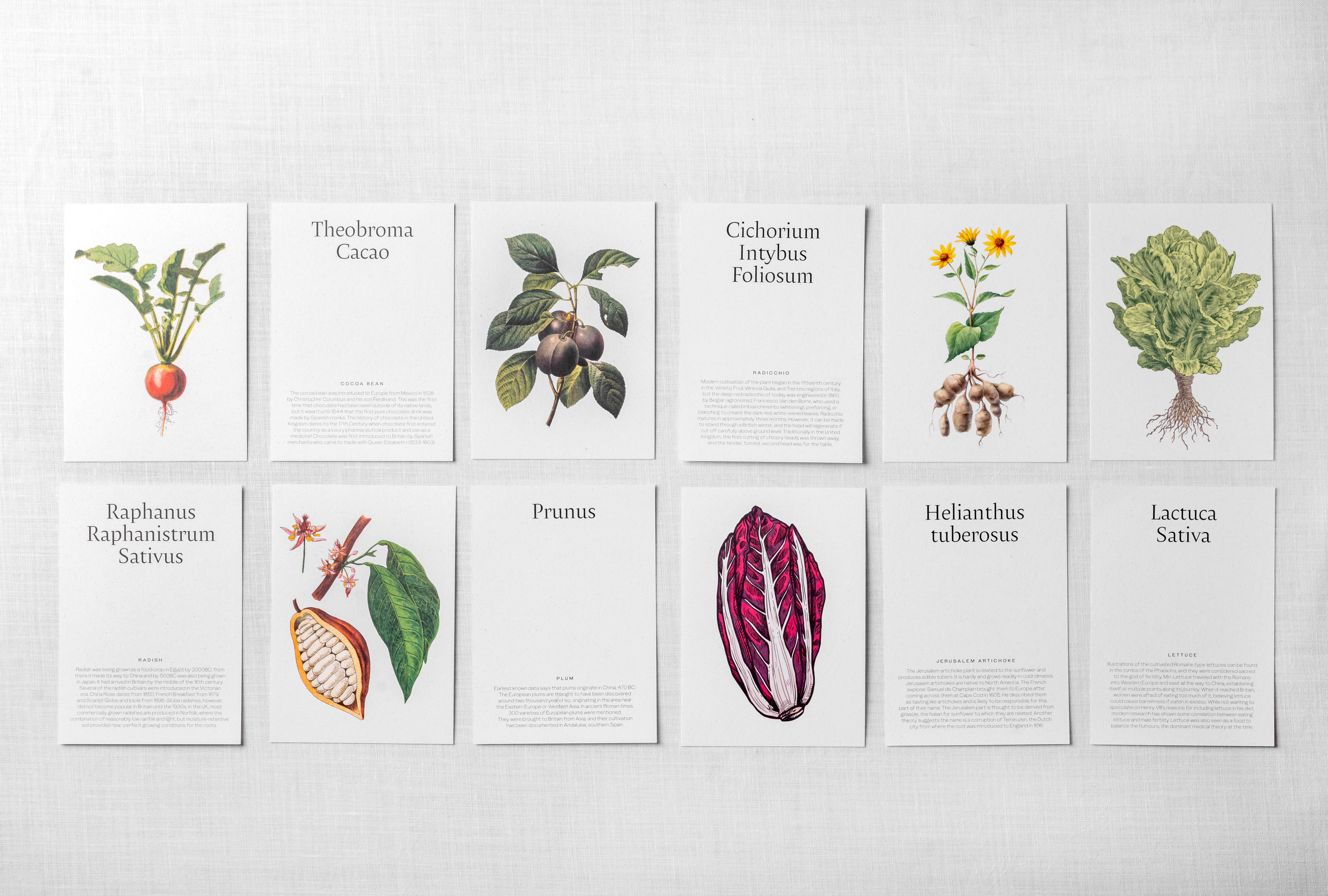
Botanical drawings give the dining room at Mauro Colagreco a second kind of menu. They name and depict plants before a finished dish reaches the table, establishing a connection between ingredient and composition. At Raffles London at The OWO, the restaurant’s published approach turns that connection into a way of considering British produce within a highly resolved Whitehall setting.
The plant arrives before the dish
The official imagery places botanical illustrations alongside photographs of ingredients and finished plates. The drawings do a particular kind of work: they let an individual plant remain identifiable rather than becoming an anonymous green element in a larger composition.
That is a useful introduction to the restaurant’s stated approach. Its current account describes a repertoire drawing on more than 70 varieties of vegetables and fruit grown in Britain. The number concerns the breadth of the culinary account, not a promise that a diner will encounter every variety in a single meal.
The botanical interest also gives the interior a subject of its own. A drawing on the wall can be read independently, then considered again in relation to the table. It is a small but effective bridge between the room’s visual identity and the cooking it has been designed to accompany.
A room with its own daylight
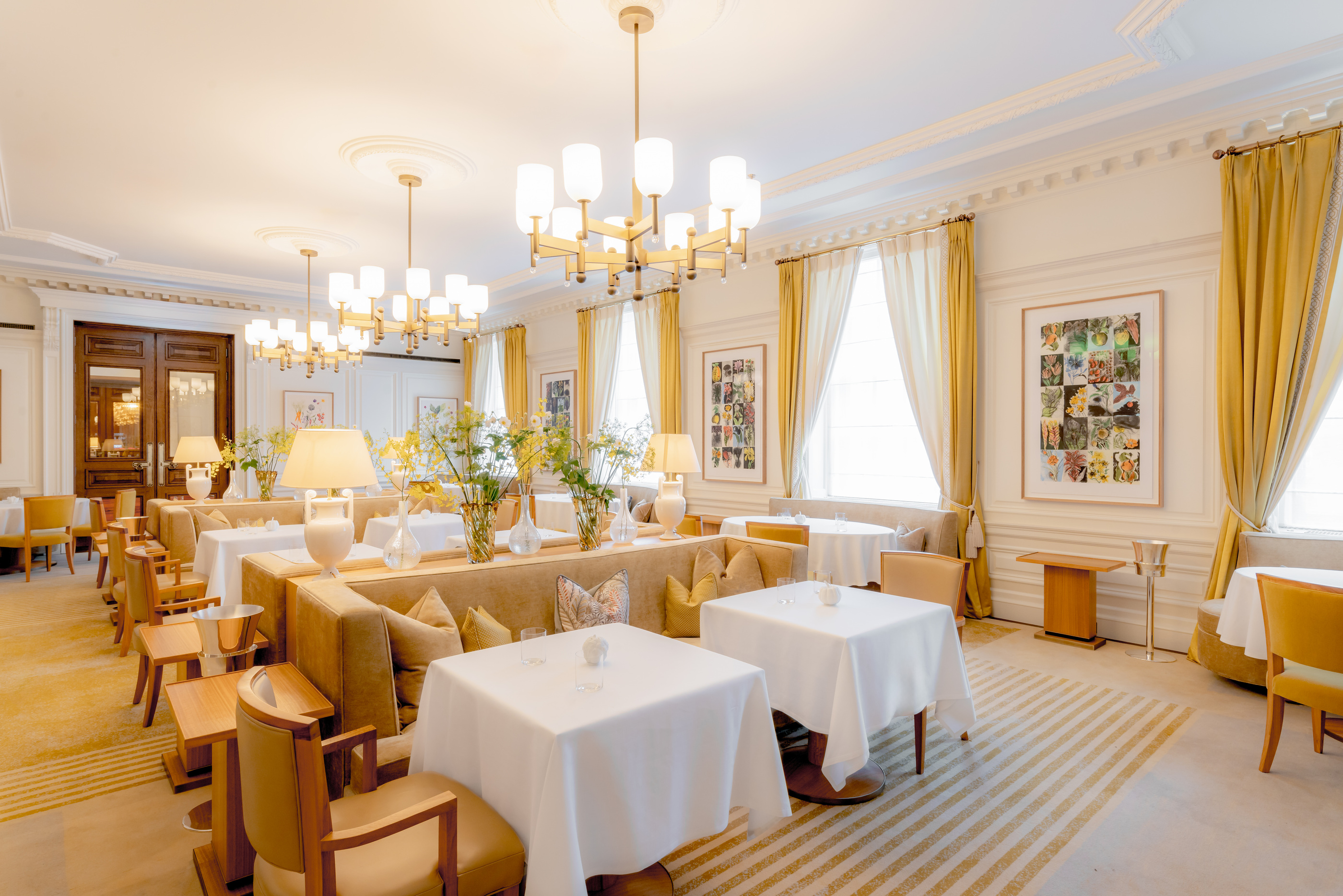
The restaurant occupies Raffles London at The OWO on Whitehall. In the official dining-room photograph, large windows, pale surfaces and warm upholstery give the space a clear daytime character. Tables are distinct places within the room, held together by the repeated scale of chairs, lighting and window frames.
The botanical artwork sits within that larger arrangement. It does not have to fill the room to establish its theme. A framed work close to a table gives the eye something precise to consider, while the broader architecture leaves room for conversation and movement.
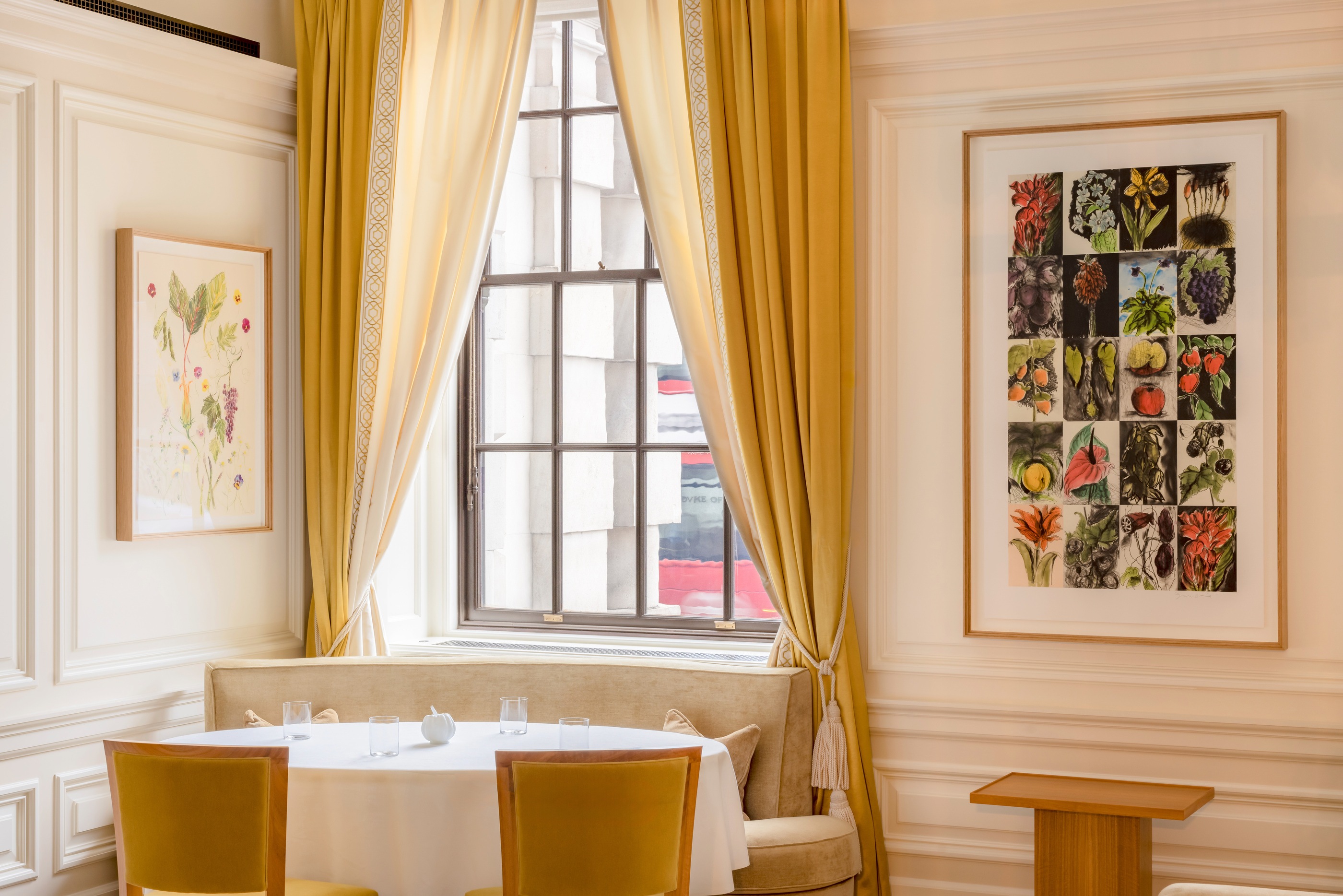
That balance matters when selecting a restaurant for an occasion. The character of a room can shape how a meal is experienced even before the menu is chosen. A prospective diner can use the published photographs to understand the setting, then confirm the practical details that depend on party size, date and the chosen service.
The ingredient and the finished form
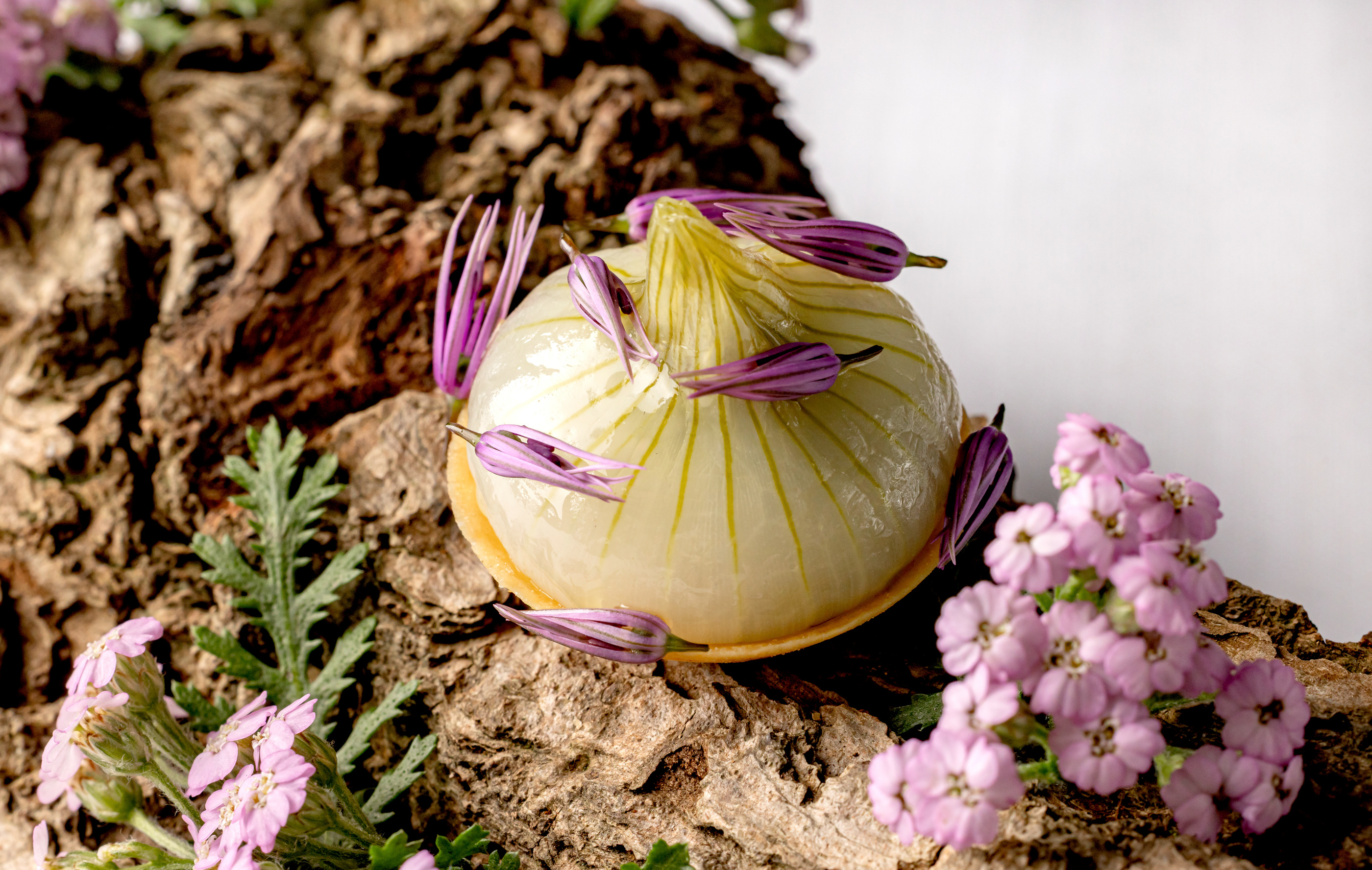
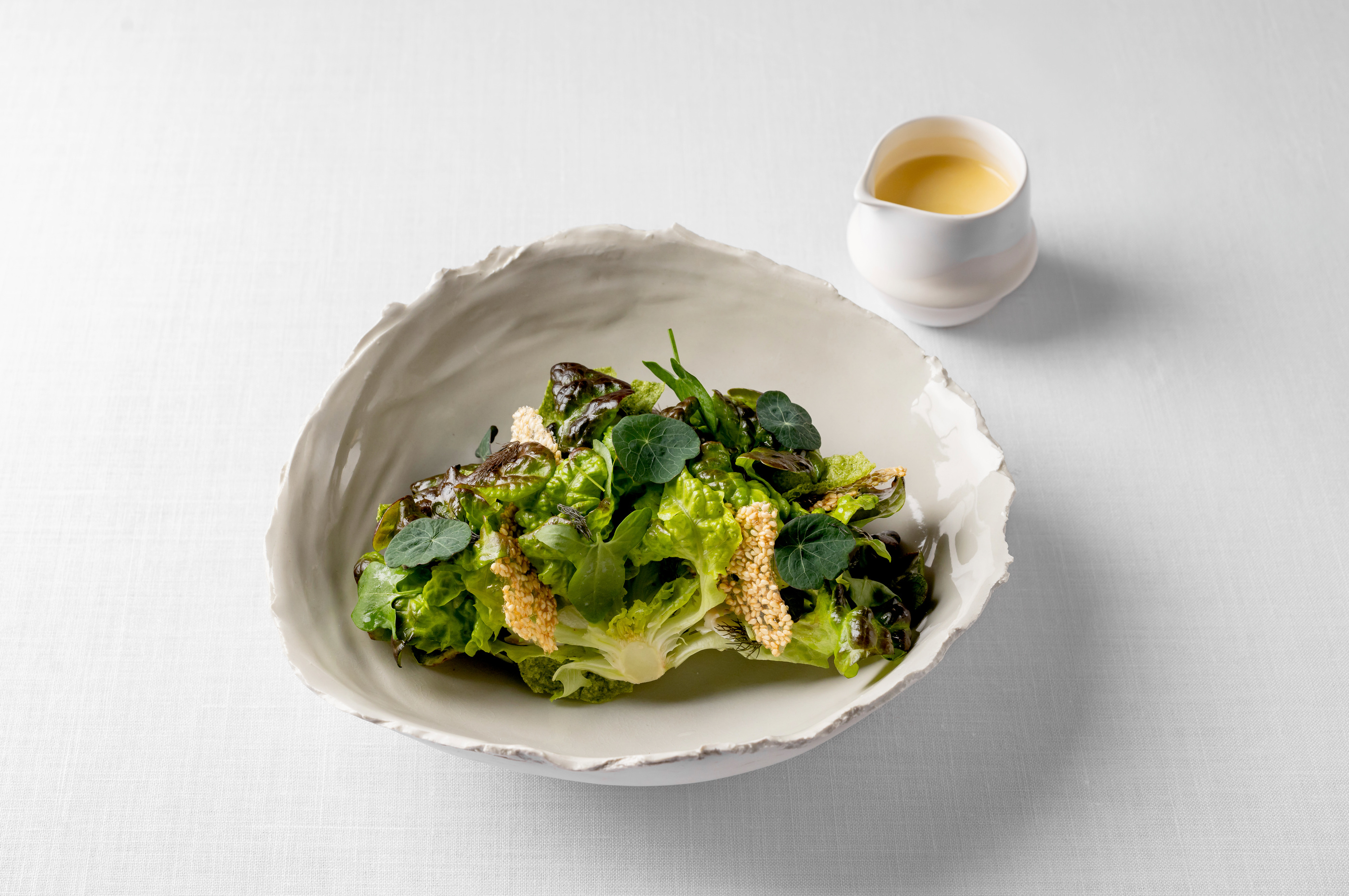
The fungi photograph introduces texture at an unusually close scale. The finished vegetable composition offers a different kind of organisation: selected forms occupy a plate, with space around them and a separate vessel nearby. The two images belong together because they retain both the ingredient’s identity and the work of transforming it.
The restaurant’s botanical language is strongest at that junction. It gives the raw subject enough attention to remain interesting, while allowing the completed dish to develop another structure. A plant can be a source of shape, colour and cultural interest as well as an item named in a menu description.
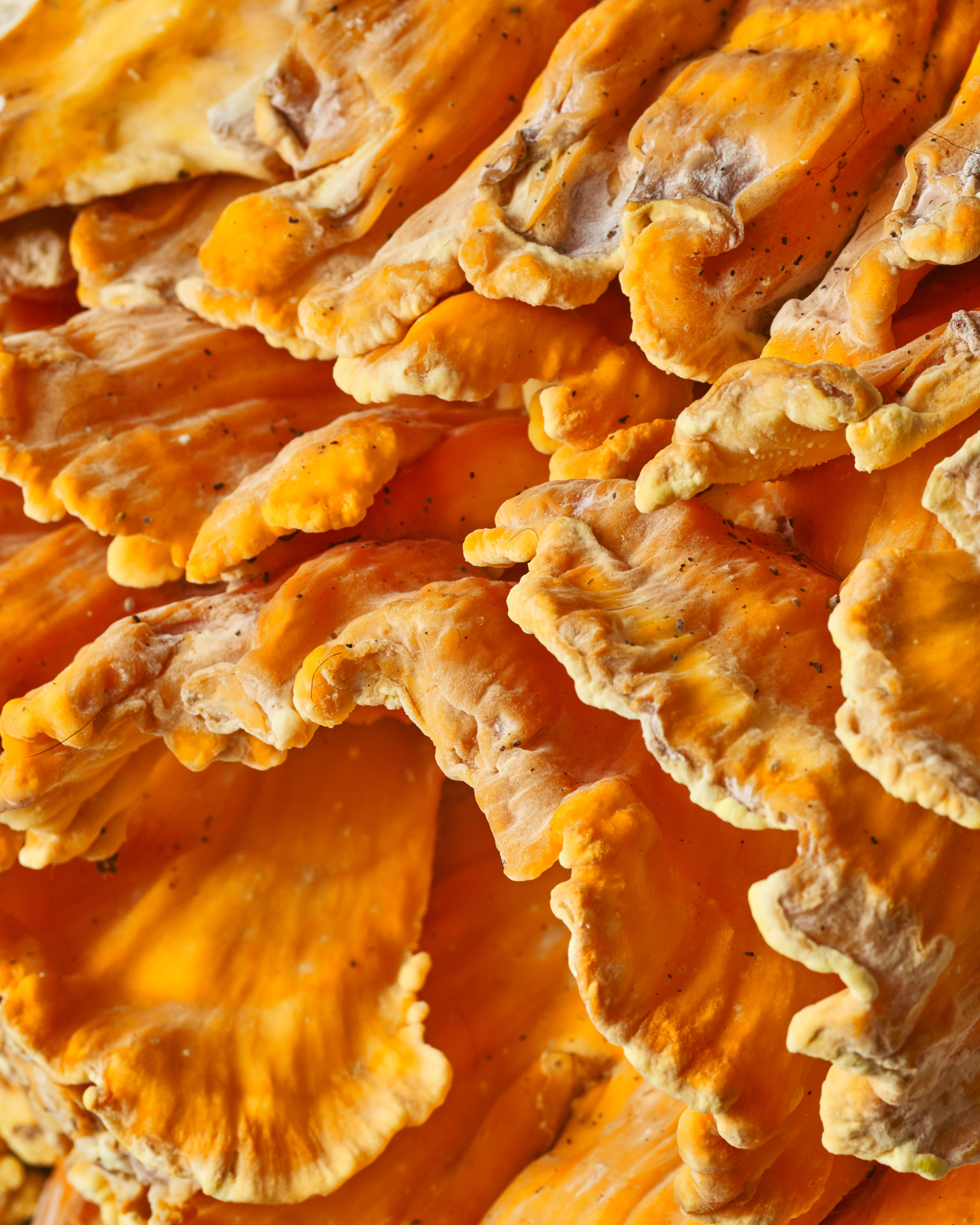
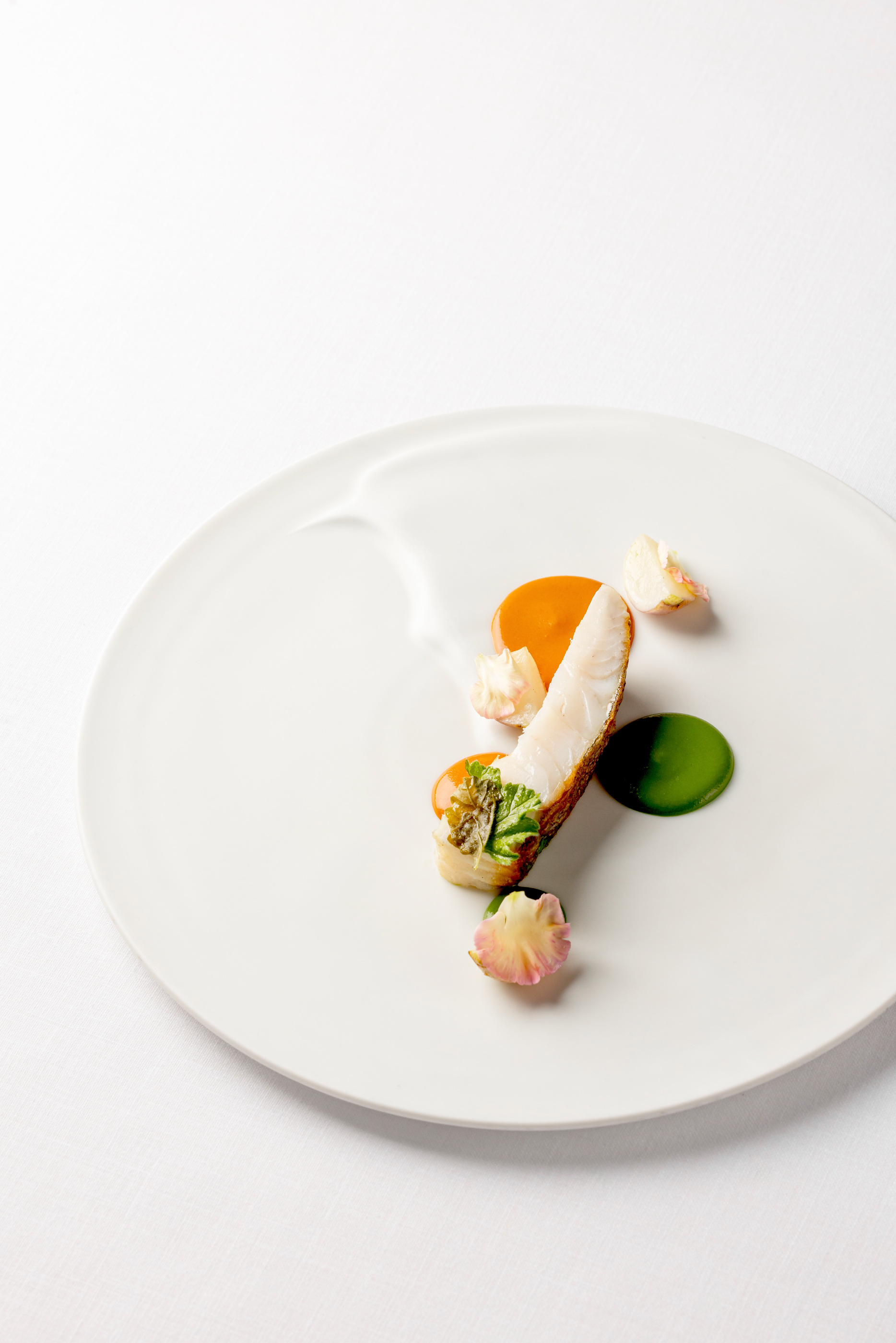
The images support a visual reading, while taste and the experience of service belong to a visit. Keeping that boundary clear allows the feature to examine the creative proposition in detail without supplying an invented response to a dish that has not been eaten for this article.
Season is part of the current account
At the time of this check, the official restaurant page presents an autumn Forest Menu. Its presence gives a seasonal context to the broader botanical approach, connecting the restaurant’s ongoing identity with a particular part of the year.
That should be treated as current menu information, not a permanent description of every reservation. An autumn offering may be revised or replaced, while the larger interest in British-grown produce remains part of the published culinary proposition. A traveller planning further ahead needs to confirm the menu for the intended date.
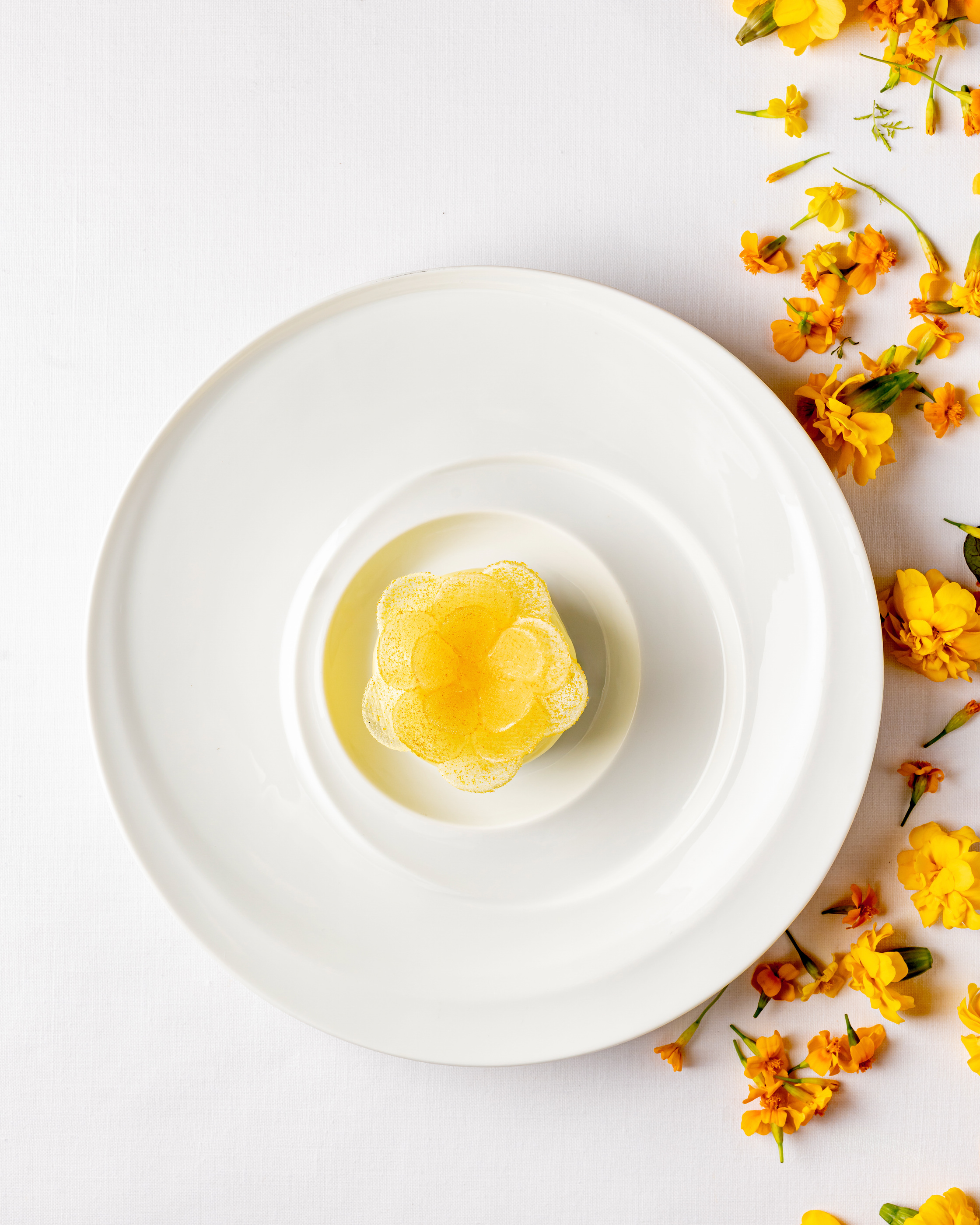
The distinction is useful because it preserves both kinds of value. The restaurant can be considered as a lasting part of a London itinerary, while an individual meal remains specific to its season. The botanical drawings give continuity; the live menu supplies the changing detail.
The questions worth bringing to a reservation
The published room and culinary material provide a substantial beginning. A reservation then needs to connect that creative account with the people who will actually sit at the table. Dietary requirements, the occasion and the current offering are more useful subjects for confirmation than an assumption that every photographed dish is always available.
| Reading point | What the official account shows | What to confirm directly |
|---|---|---|
| Botanical repertoire | More than 70 British-grown vegetable and fruit varieties are described | The ingredients and sequence on the current menu |
| Autumn Forest Menu | A seasonal offering presented at this check | Availability for the intended date |
| Whitehall dining room | Windows, warm upholstery and botanical artwork | Table arrangements and party requirements |
| Published dish images | Examples of the restaurant’s culinary language | Which dishes belong to the live offering |
| Individual needs | Requirements specific to each guest | Dietary accommodation before the meal |
These questions let the restaurant retain its creative identity while keeping the travel decision precise. They also make the experience easier to place within a day in London: a particular room, a particular culinary idea and an evening organised around the actual party.
The Luxe Digital view
Mauro Colagreco at Raffles London is most compelling where the plant remains visible as a subject. The drawings, ingredient photographs and finished compositions give it several lives within the same account. The diner is invited to recognise something before considering how it has been transformed.
The room supports that invitation through scale. Its broader architecture establishes the setting, while individual framed works offer a closer point of attention. A table can belong to an elegant Whitehall interior without losing the more intimate botanical conversation taking place around it.
The result is a specific reason to investigate the restaurant beyond its address. Its published proposition connects the breadth of British-grown produce with a room designed to make that interest legible. The current menu then becomes the next chapter of the enquiry, giving the lasting idea its seasonal form.
Mauro Colagreco at Raffles London is most compelling where the plant remains visible as a subject.
Sources & credits
Sources and methodology
Independent design and reference analysis of the named official records and imagery, checked on 15 October 2026. Launch specifications and later product records retain their own dates and references. Images show the identified configurations. This is a design and repertoire study, without a claimed visit or tasting. Published compositions do not establish future menu availability.