Intent boundary
C04 is the broad, source-led Revuelto model profile. C05 answers one narrower question: how energy and torque move through the three-motor hybrid system. It does not repeat the model overview, design story or general performance positioning, and it makes no road-test verdict.
Answer brief
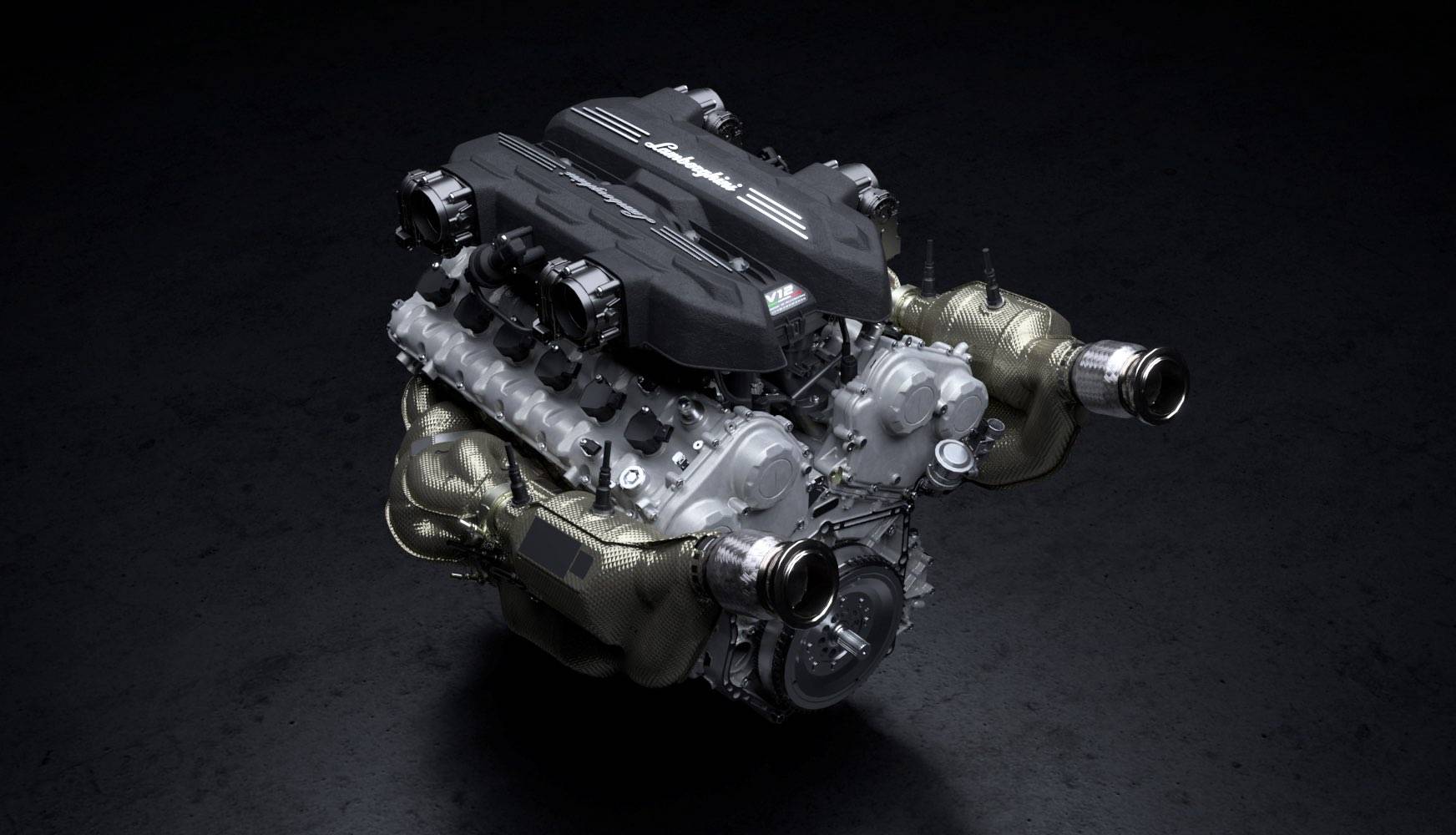
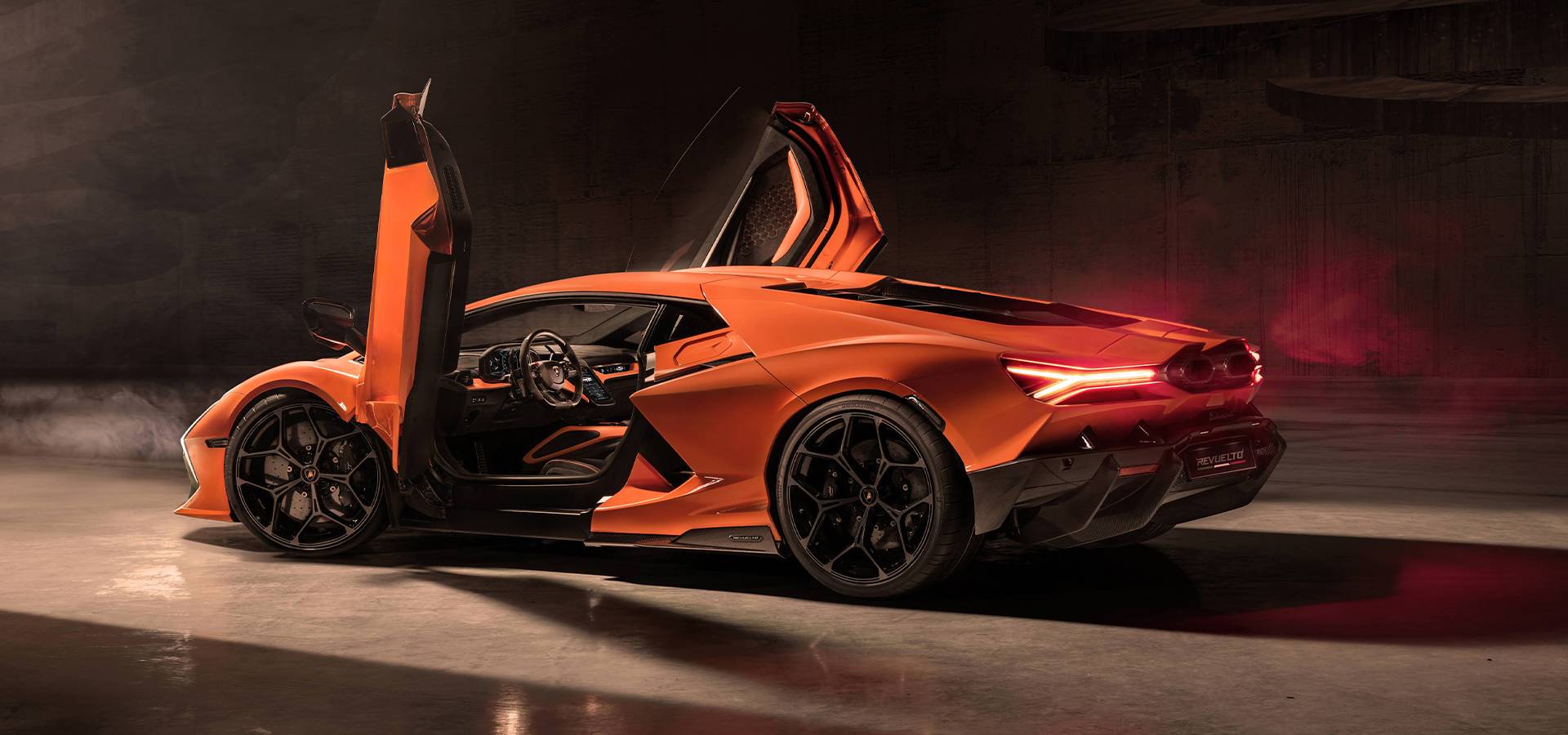
Revuelto combines a naturally aspirated V12 with three electric machines. Two motors act at the front axle, enabling electrically driven front-wheel torque without a conventional mechanical propshaft. A third motor is integrated with the rear powertrain. A compact battery in the central tunnel supplies the electrical side, while an eight-speed dual-clutch transmission manages the combustion powertrain. Software decides which paths are active according to mode, demand, traction, battery state and thermal limits.
Architecture fact unit
- Official combined maximum: 1,015 CV / 747 kW.
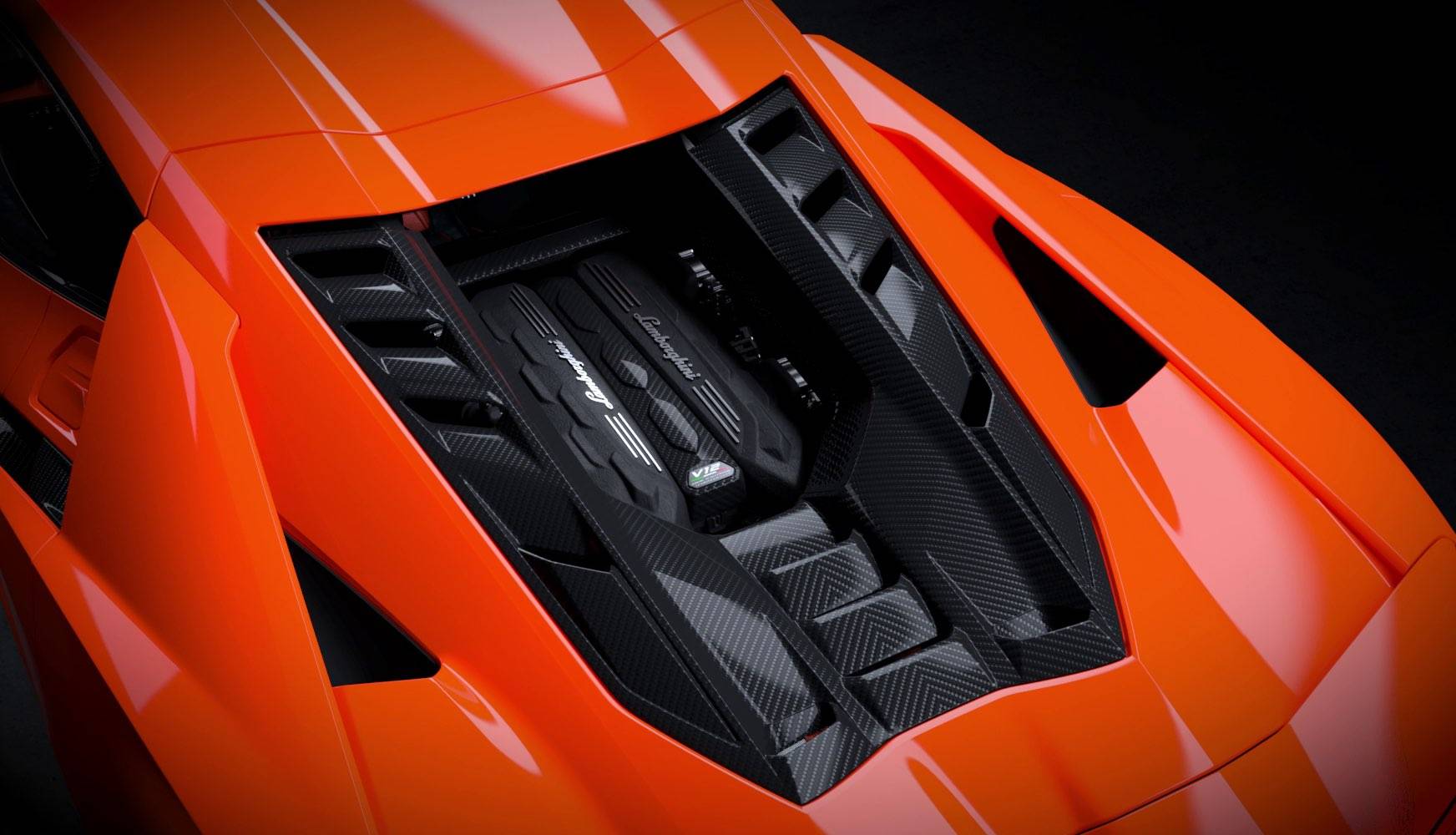
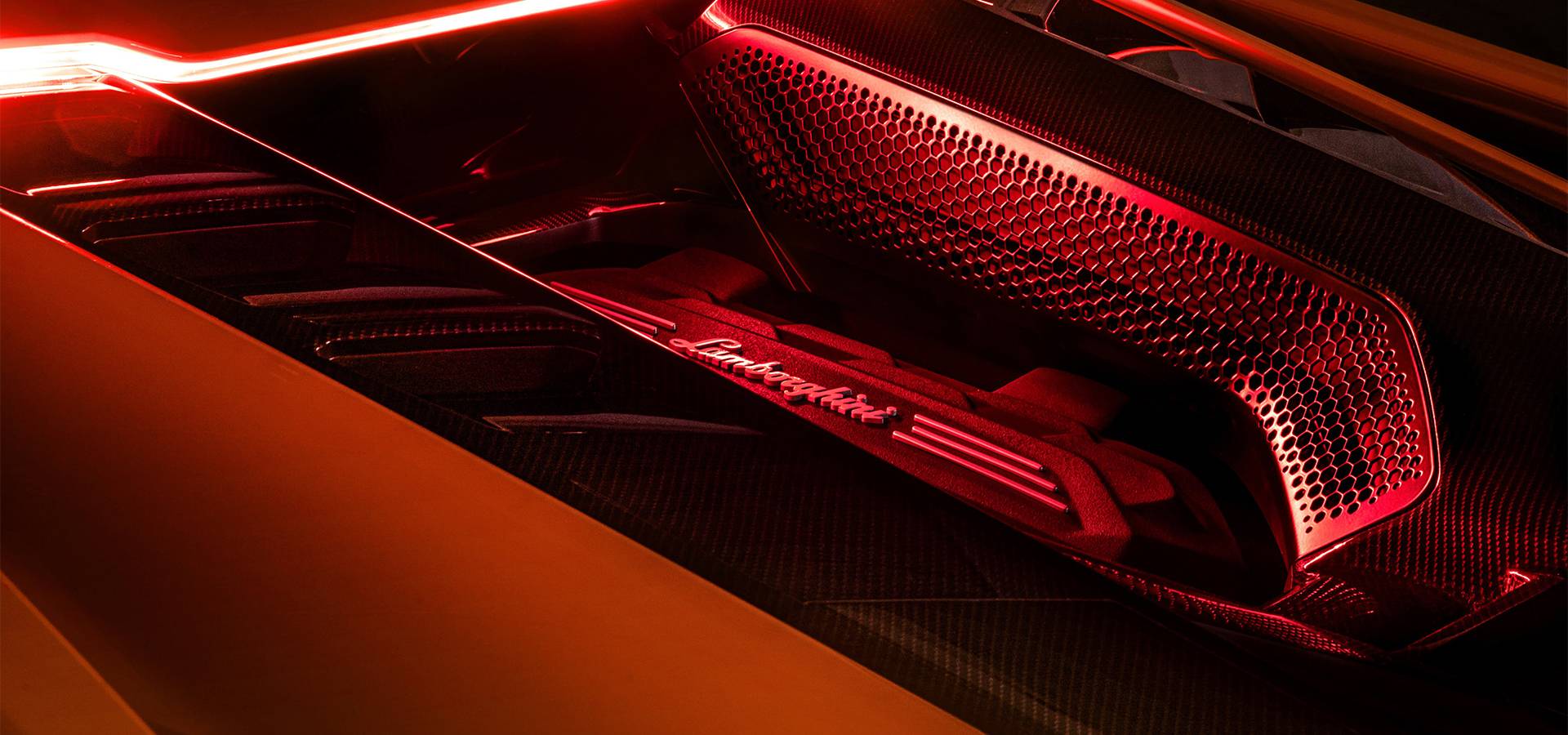
- Combustion engine: 6,498.5 cc naturally aspirated V12.
- Electric machines: three in total; two associated with the front axle and one with the rear system.
- Transmission: eight-speed dual-clutch gearbox.
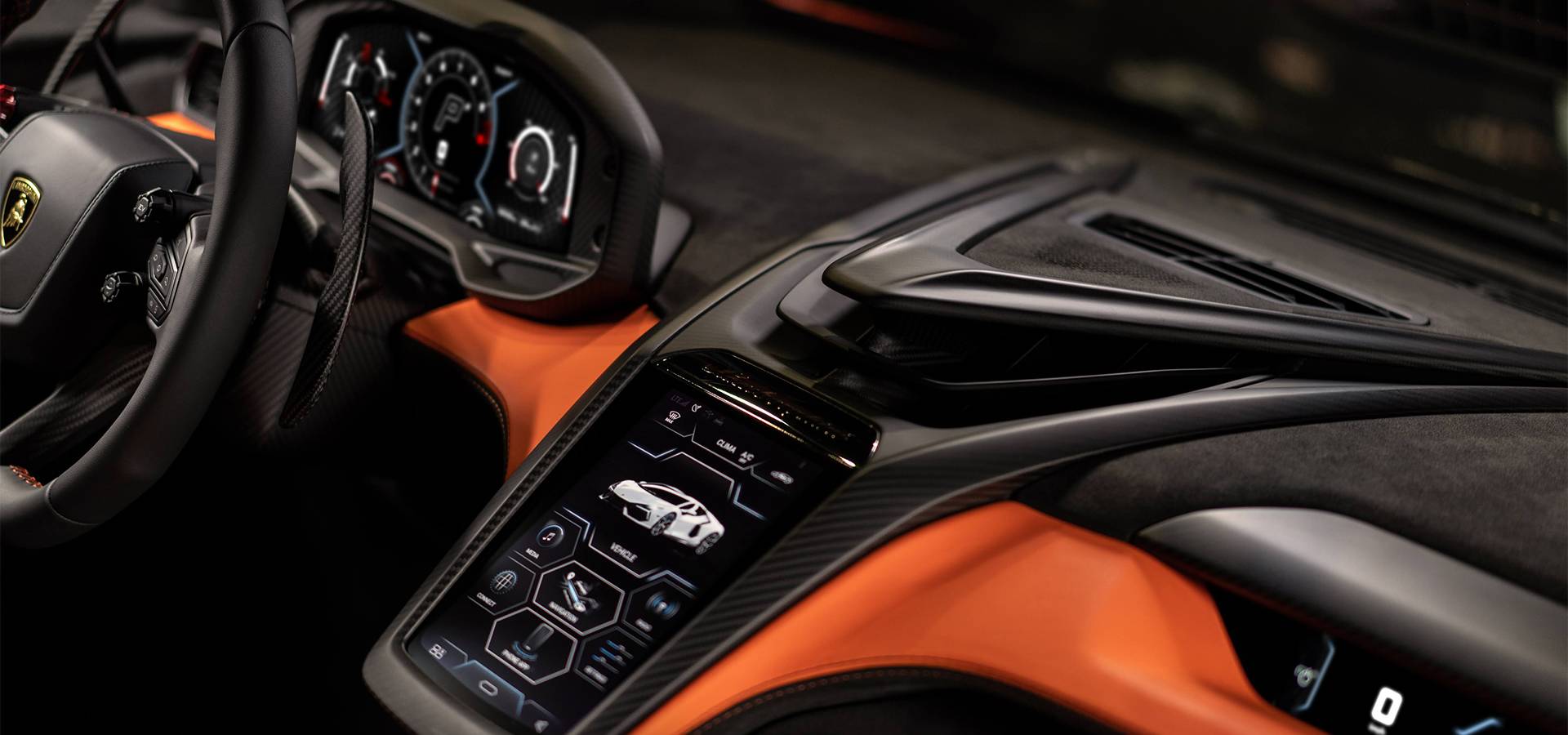
- Battery location: central tunnel, according to Lamborghini's architecture material.
- Evidence boundary: manufacturer diagrams and specifications establish arrangement; they do not prove real-road efficiency or repeated thermal performance.
Path one: V12 to the rear axle
The combustion side begins with the V12 and the dual-clutch transmission. In a conventional simplified diagram, engine torque passes through the gearbox toward the driven axle. Revuelto adds electrical assistance and software coordination, so the actual delivered torque depends on gear, mode, battery availability, traction and protection limits.
Lamborghini publishes an official combined maximum of 1,015 CV. That is the number to quote, with attribution. Reconstructing system output by adding every component's individual peak can be misleading because peaks may occur at different rotational speeds or under different electrical limits. A system figure is a controlled definition, not a casual sum.
Path two: electric torque at the front
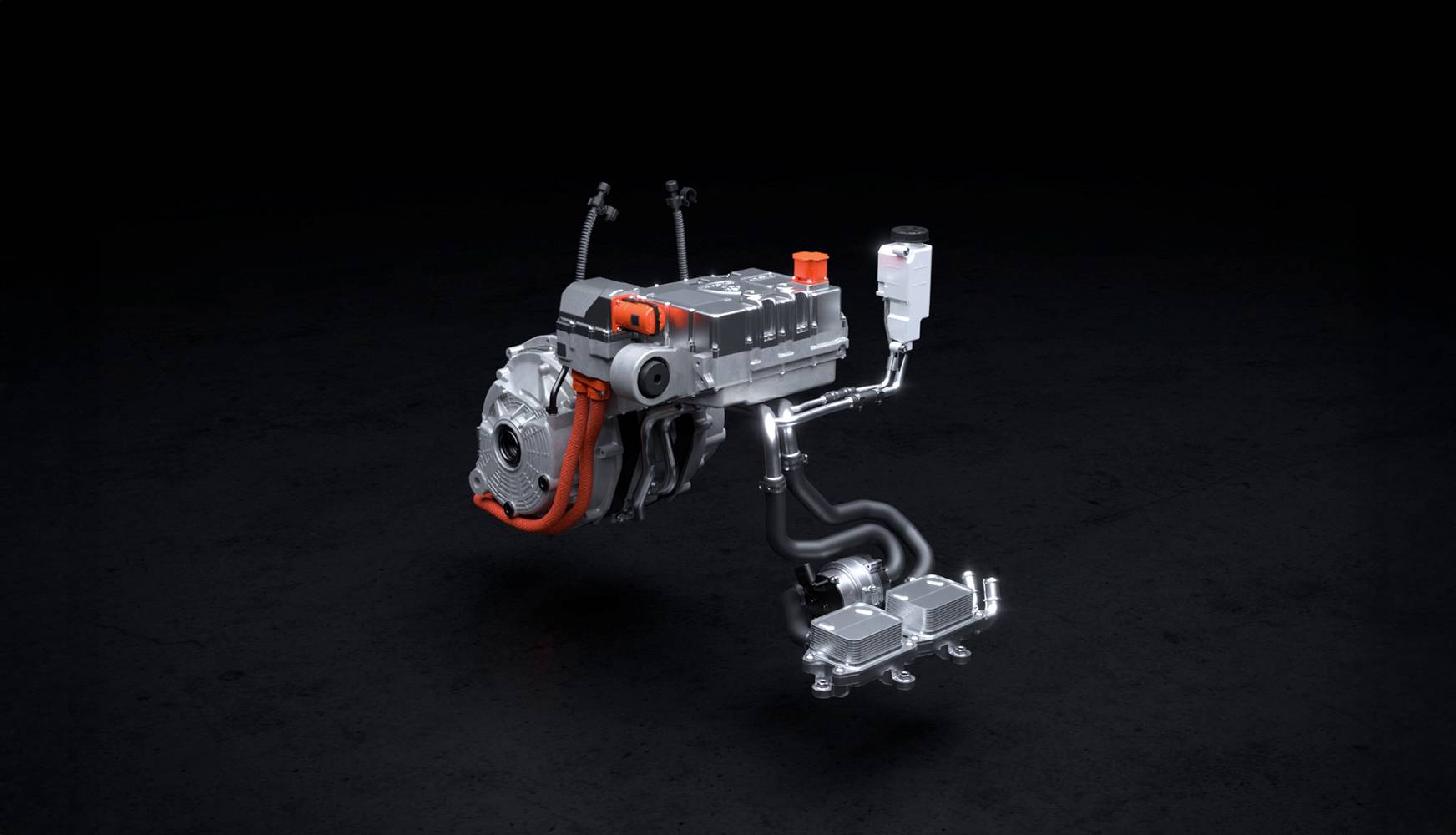

The two front electric motors give the architecture an all-wheel-drive path without running a mechanical propshaft from the V12 to the front axle. The arrangement also gives the control system the ability to vary front torque side to side. That can contribute to traction and yaw control as well as propulsion.
The important distinction is between capability and persistence. A layout diagram shows where torque can be applied; it does not show how long a particular intervention remains available. State of charge, motor temperature, inverter temperature, speed and calibration can all affect the response. Only an instrumented test with declared starting conditions can evaluate repeatability.
Path three: the rear electric machine
The third electric machine works with the rear system. Depending on operating state, an electric machine in this position can contribute torque or energy recovery, but the precise direction, limit and timing are software-governed. An editorial explainer should not infer every control strategy from a hardware diagram.
The useful owner question is not simply whether the third motor adds power. It is how the complete system manages launch, gear changes, low-speed manoeuvring, regeneration and high-load operation while protecting the battery and drivetrain. Manufacturer material defines the architecture; calibration behaviour remains a subject for direct testing.
Why the battery sits in the central tunnel
Lamborghini's official material places the battery in the central tunnel. That uses a protected space close to the car's centreline and avoids a large underfloor pack. It also reflects the mission: Revuelto is a performance hybrid, not a long-range battery-electric car.
The battery must supply high power relative to its energy capacity, accept regenerative energy and operate within temperature and state-of-charge limits. Short electric operation should not be reframed as a whole-vehicle zero-emission claim. Likewise, an electric-range number should be quoted only with its official test basis, market and current specification.
Four operating questions the hardware diagram cannot answer
1. How repeatable is peak assistance?
A first acceleration run can begin with a favourable battery state and temperature. A meaningful test repeats the run, records recovery time and reports when output changes. Without that method, a single result cannot establish sustained system behaviour.
2. How does the car account for energy?
Fuel and electricity must be reported together over a declared route and starting state of charge. Beginning with a charged battery and publishing only the fuel consumed omits part of the energy input. Conversely, measuring electricity without accounting for engine-assisted charging also produces an incomplete picture.
3. How predictable is torque blending?
The transition between combustion and electric paths should be assessed under repeatable conditions: low-speed manoeuvring, steady throttle, corner exit and regenerative deceleration. That requires direct access and a disclosed method. It cannot be inferred from the number of drive modes.
4. What happens as temperatures rise?
Engine, gearbox, battery, motors, inverters, brakes and tyres each have operating windows. Ambient temperature and cooling laps influence a track result. Any claim about sustained performance must disclose those variables.
Reading the current official consumption figures
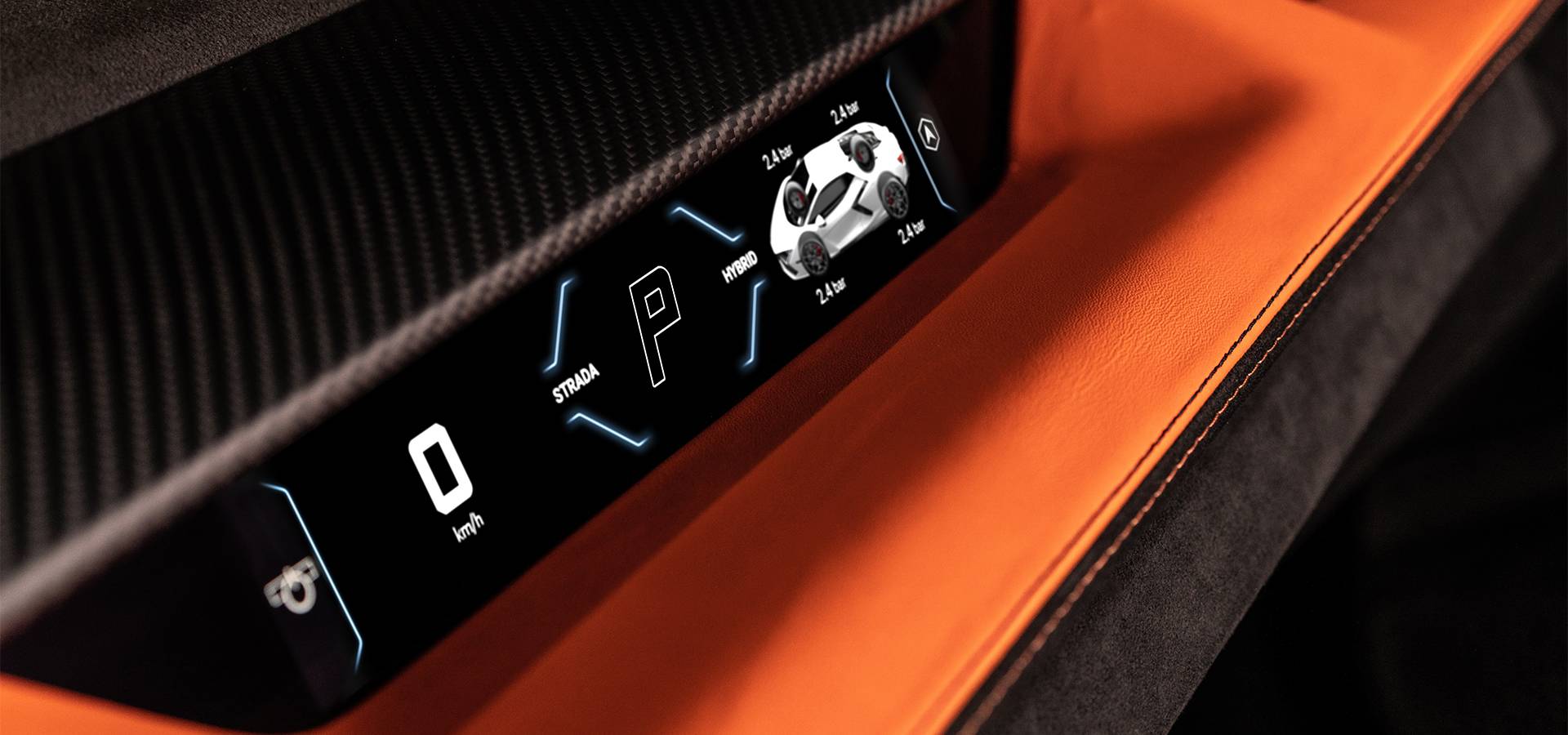
Lamborghini's current model page lists WLTP values including combined fuel consumption, combined electrical consumption and a discharged-battery fuel figure. These values are market- and test-cycle-specific. Their editorial value is that they make the dual energy inputs visible; they are not a prediction of an individual owner's route.
The correct comparison retains the test labels and checks that like is compared with like. A plug-in hybrid result with a charged battery should not be placed beside a discharged-battery result without explanation. Real-road conclusions require a controlled route, charging record and declared starting condition.
A rigorous future test protocol
Luxe Digital should treat any eventual Revuelto review as a separate access-led commission. The minimum protocol would record tyre specification and pressure, ambient temperature, battery state, drive mode, route, fuel added, electricity charged and repeat count. Acceleration testing should disclose direction, surface and timing method. Road consumption should report both energy carriers.
Subjective observations—pedal response, torque blending, steering influence and low-speed refinement—must be identified as direct impressions from a named author. Until that access exists, C05 remains an architecture explainer, not a review.
What belongs in the model entity
The Revuelto entity should store stable architecture facts separately from time-sensitive performance and consumption values. Engine layout, motor count, battery position and transmission type belong to the sourced specification layer. WLTP figures need a market, test basis and last-verified date. A dynamically presented value without those fields should remain unpublished.
That structure also prevents a common editorial error: turning one specification table into several apparently independent claims. The entity is the governed source for reusable facts, while the article explains relationships and limitations. If Lamborghini changes a current-market figure, the entity can be reverified and every dependent surface identified.
The verdict the evidence supports
On the available record, Revuelto's system is notable for distributing electric functions across both axles while retaining a naturally aspirated V12 as the central combustion element. The official architecture is clear enough to explain. It is not sufficient to judge calibration quality, track endurance, efficiency, service complexity or owner value.
That is the appropriate stopping point. An authority article does not become stronger by filling evidence gaps with confident adjectives. It becomes stronger by showing the reader exactly which conclusions follow from the hardware record and which require access, measurement or time.
Key takeaways
- Two electric motors create a front-axle torque path without a conventional mechanical front propshaft.
- The third motor works with the rear powertrain; its precise role changes with system state and software control.
- The central-tunnel battery serves a high-power performance mission rather than long electric touring.
- Quote Lamborghini's official combined output instead of adding component peaks.
- Efficiency, torque blending and thermal repeatability require instrumented independent testing.
Sources & credits
Methodology and sources
This explainer uses Lamborghini's current model page, official launch material and official digital brochure. Manufacturer claims remain attributed and require a publication-date recheck. Limitations: Luxe Digital had no vehicle access and performed no road, track, charging or thermal test. No reliability, lifecycle, investment or ownership-cost verdict is made.
- Lamborghini: Revuelto model specifications
- Lamborghini: Revuelto launch architecture
- Lamborghini Revuelto digital brochure
Media candidates: official Automobili Lamborghini model and launch assets, subject to the governed C6 media review. Entity records car-brand:lamborghini and car-model:lamborghini:revuelto remain governed independently from this article.