
Answer brief
Read every supercar specification as a five-part statement: the metric, its unit, the vehicle configuration, the test basis and the source date. Official data is primary evidence of what a manufacturer declares, not independent proof of what every customer car will achieve. Do not compare dry weight with kerb weight, engine output with hybrid-system output, or WLTP range with a different test cycle. Keep official claims and independent tests in separate columns, preserve the original units, and explain every conversion.
Specification fact unit
- Ferrari 12Cilindri: official material states 830 cv and a 1,560-kilogram dry weight with optional lightweight content.
- Ferrari Purosangue: its official press pack defines its own performance, dimensional and vehicle architecture terms.
- Lamborghini Revuelto: the current official brochure reports combined system data and WLTP values for a plug-in-hybrid architecture.
- Comparison rule: numbers are comparable only when definitions and conditions are compatible.
- Evidence boundary: manufacturer documents establish declared specifications, not independent repeatability, ownership quality or value.
Begin with the noun behind the number

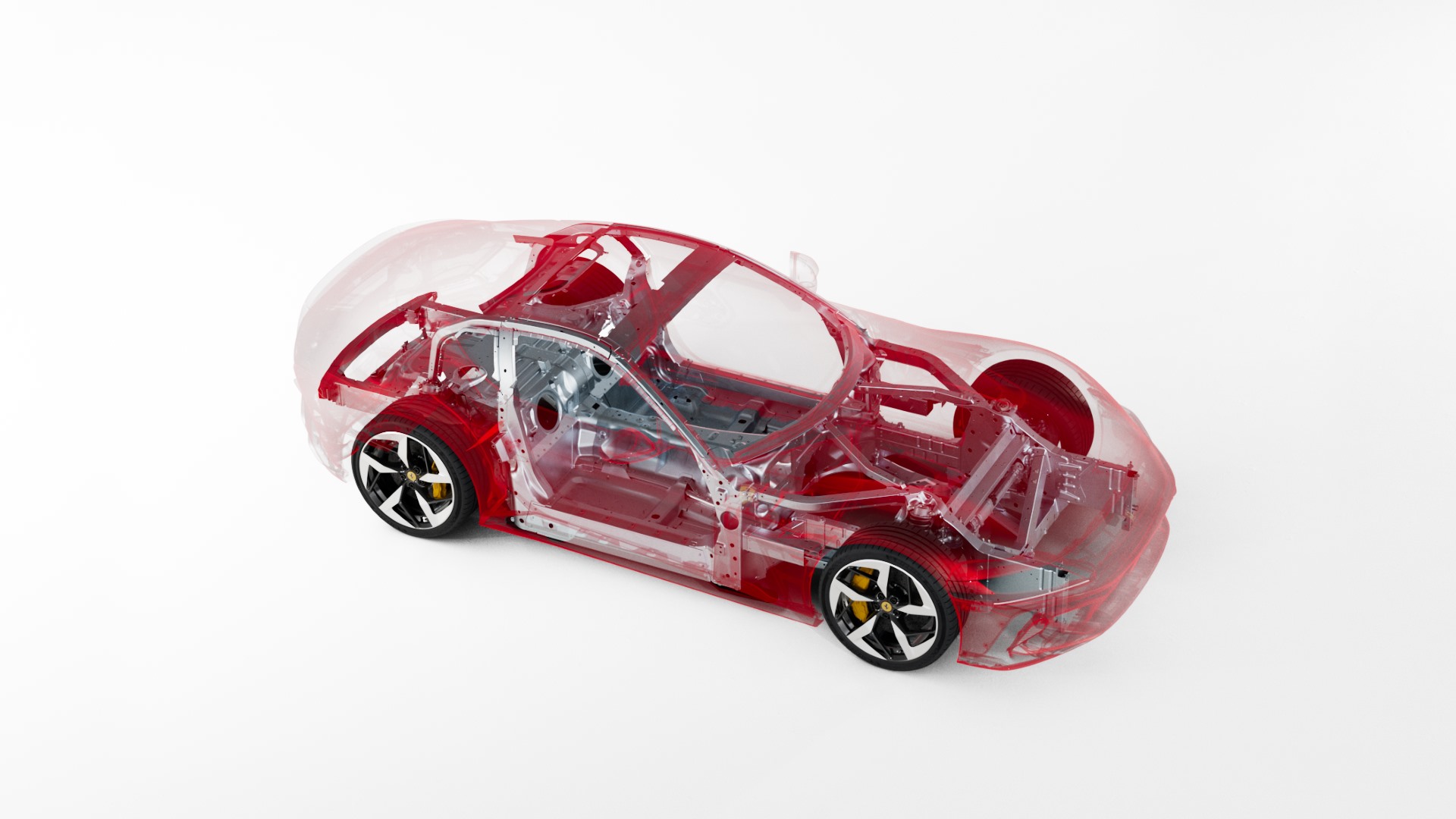

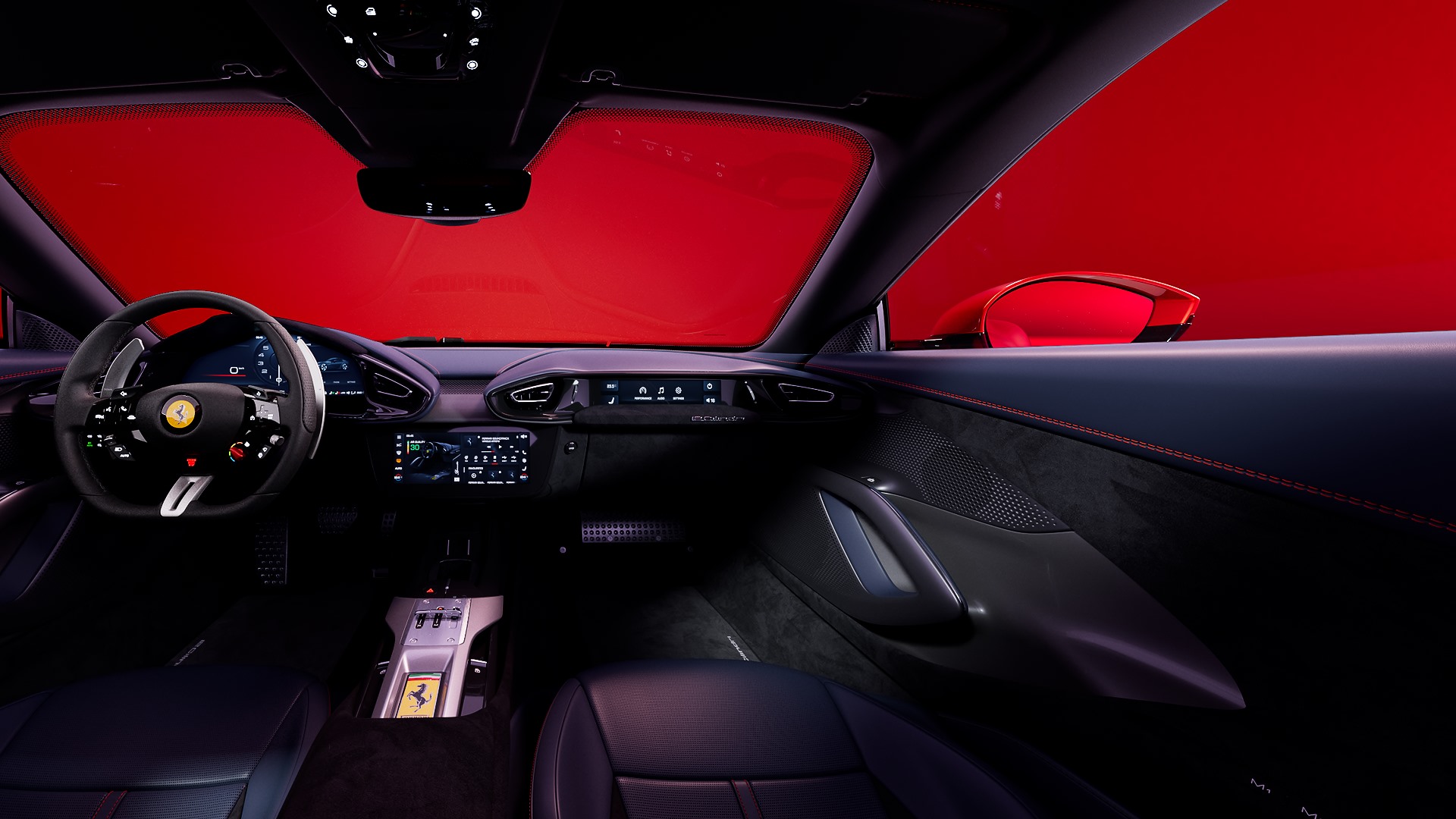
A specification table can look objective while combining unlike measurements. Before comparing the values, identify the noun each number describes. Is power measured at the combustion engine, at an electric motor, as combined system output or at the wheels? Is mass dry, kerb, DIN, EU or an unlabelled estimate? Is range electric-only under WLTP, total touring range, or a manufacturer calculation?
The label matters more than the visual precision of the number. A value shown to one decimal place is not inherently more reliable than a rounded figure. Precision may reflect reporting format rather than test certainty. The source document and definition control what can responsibly be said.
Record the original wording before simplifying it for readers. If a specification cannot be defined from the source, mark it unavailable instead of filling the gap from an aggregator.
Power: engine, motors and combined systems
Combustion-engine output can be presented in kilowatts, metric horsepower or mechanical horsepower. These units can be converted, but the published original should remain visible and the conversion method should be stated. A newsroom shorthand such as hp can conceal whether the source used cv, PS or bhp.
Hybrid cars require another distinction. Individual engine and motor peak outputs may occur at different rotational speeds, battery states or control limits. Their arithmetic sum is not necessarily the combined maximum available at one moment. The defensible number is the combined system output declared by the manufacturer, accompanied by the architecture and source.
Ferrari's 12Cilindri document describes the output of a naturally aspirated V12. Lamborghini's Revuelto brochure describes a plug-in-hybrid system. Placing both headline values under a generic Power column without explaining that difference creates a false equivalence. The figures can inform an architecture comparison, but not a context-free ranking.
An independent dynamometer adds different evidence. It may measure at the wheels rather than the crankshaft and introduces drivetrain loss, correction standard, tyre and test-cell variables. It belongs in an independently tested field, not silently beside a manufacturer engine claim.
Mass: the denominator that changes the result
Dry weight may exclude fluids and operational items. Kerb, DIN and EU definitions can incorporate different fuel, fluid, equipment, luggage or driver assumptions. Optional carbon components, seats, wheels, audio systems and regional equipment may also change the delivered vehicle.
Ferrari's official 12Cilindri material qualifies the declared 1,560-kilogram dry weight with optional lightweight content. The qualification must travel with the number. Removing it converts a bounded configuration claim into an apparent promise for every car.
Power-to-weight ratios amplify any definition error. Dividing official power by a dry figure for one model and a kerb figure for another rewards the lighter accounting basis, not necessarily the lighter car. If compatible masses are unavailable, do not calculate a comparative ratio. The blank is more truthful than a sophisticated-looking mismatch.
For an ownership-oriented article, payload, luggage, fuel and actual configuration may be more relevant than a brochure minimum. A measured vehicle weight can add evidence only if scale accuracy, fuel level, options and test state are disclosed.
Acceleration: a result with conditions
Acceleration depends on surface, gradient, ambient conditions, tyre type and temperature, launch procedure, driver or control strategy, battery state and measurement convention. Rollout can materially alter a short sprint result. A manufacturer claim should be introduced as the manufacturer's declared performance under its basis, not as a universal time.
Independent testing should document the site, equipment, correction approach, number of runs, direction, state of charge and vehicle configuration. A single best run and a repeatable two-way result answer different questions. Neither should silently overwrite the official claim.
The same discipline applies to braking. Initial speed, final threshold, surface, tyre, brake temperature, load and measurement method matter. Carbon-ceramic hardware does not by itself establish stopping distance, pedal consistency or road feel.
Top speed: configuration before theatre
Top speed can be electronically limited, tyre-dependent or available only in a specific drive mode and configuration. It may be a simulated, calculated or physically validated claim; the source should say which. For most owners it is also less informative than stability, thermal management, braking repeatability and low-speed usability.
A responsible table preserves the declared number but prevents it from dominating the verdict. It should never imply that a public-road driver can or should reproduce it. Track or high-speed testing demands a controlled setting, qualified personnel and a separate safety protocol.
Range, battery and consumption
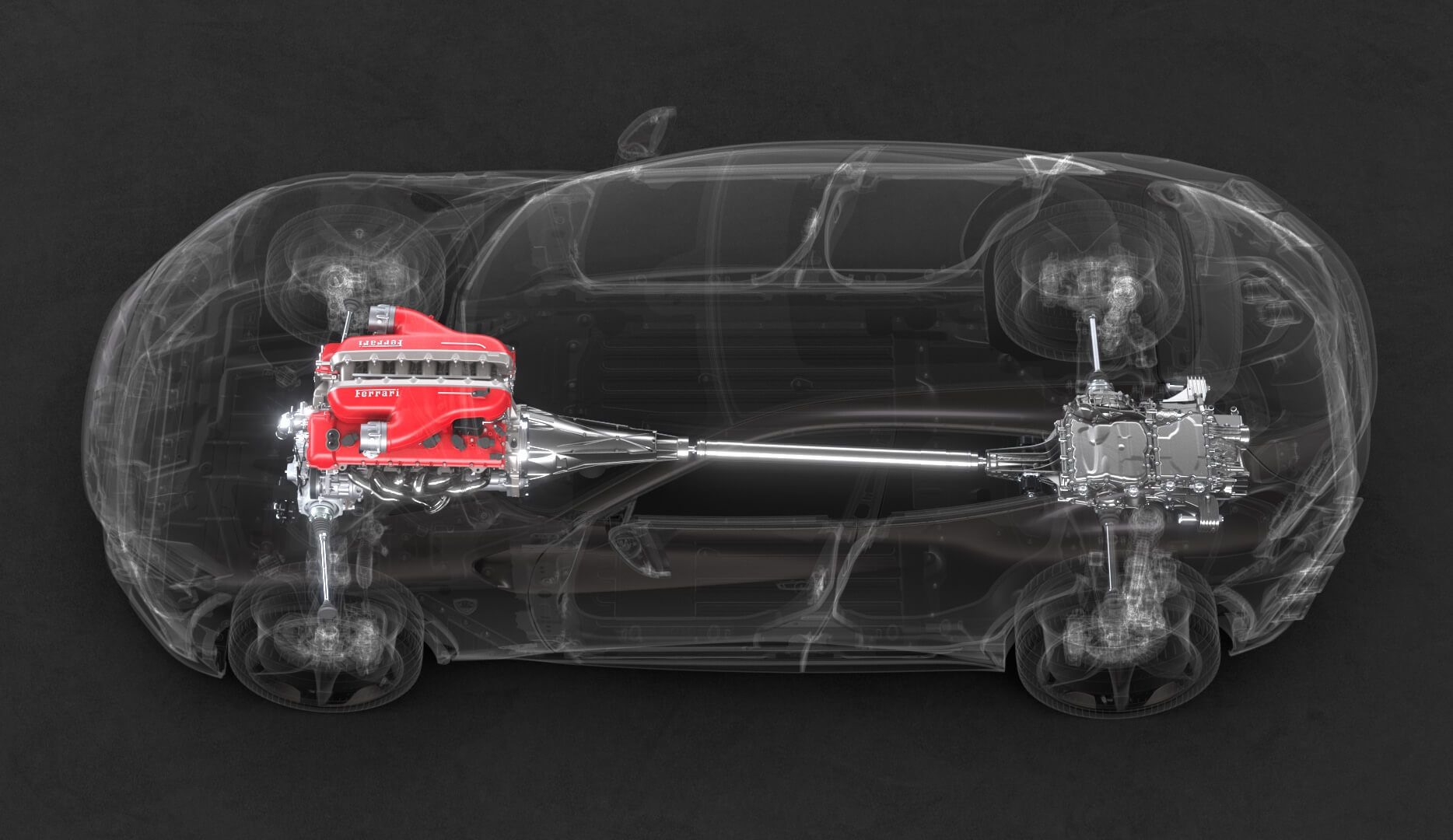


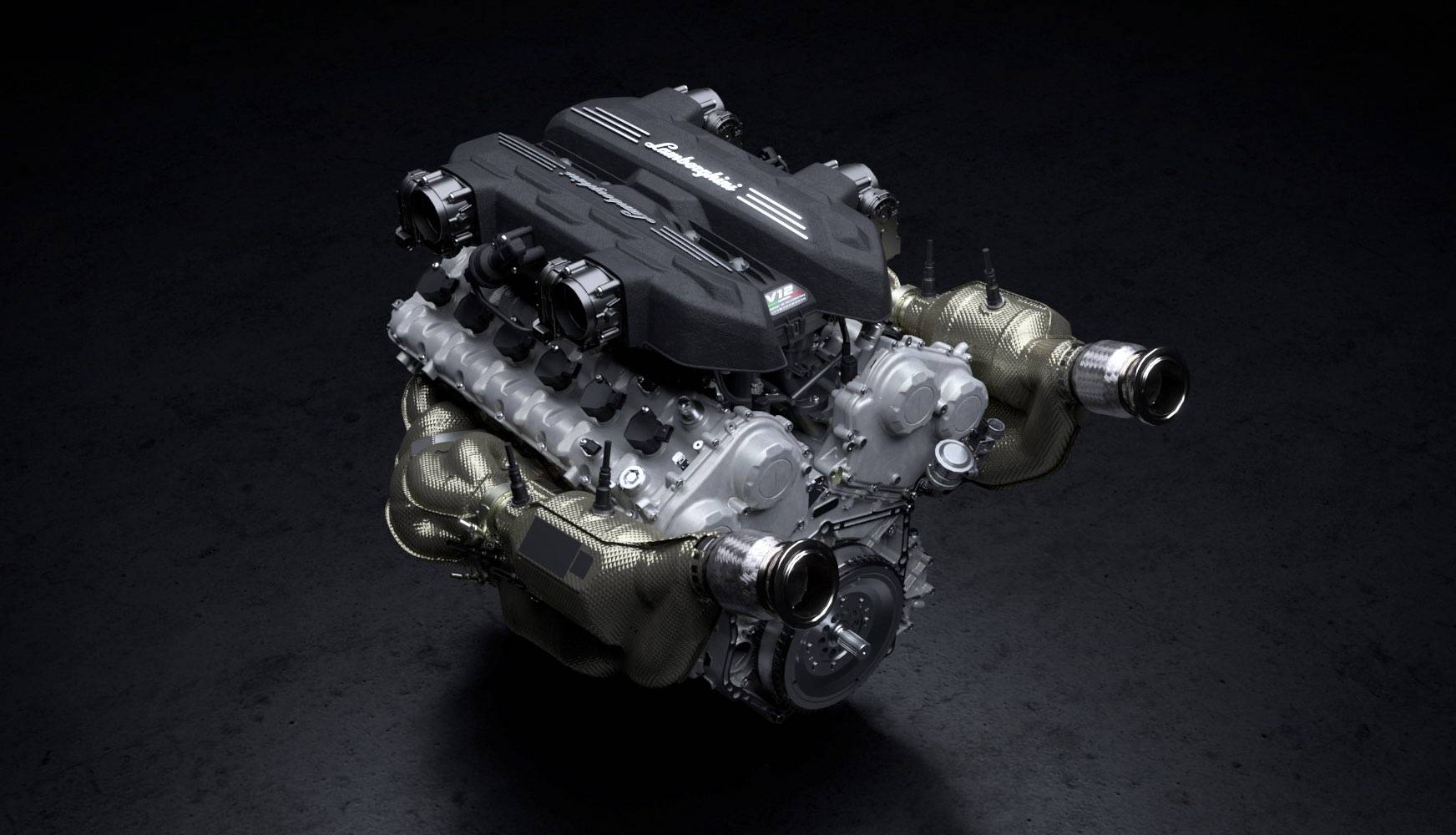
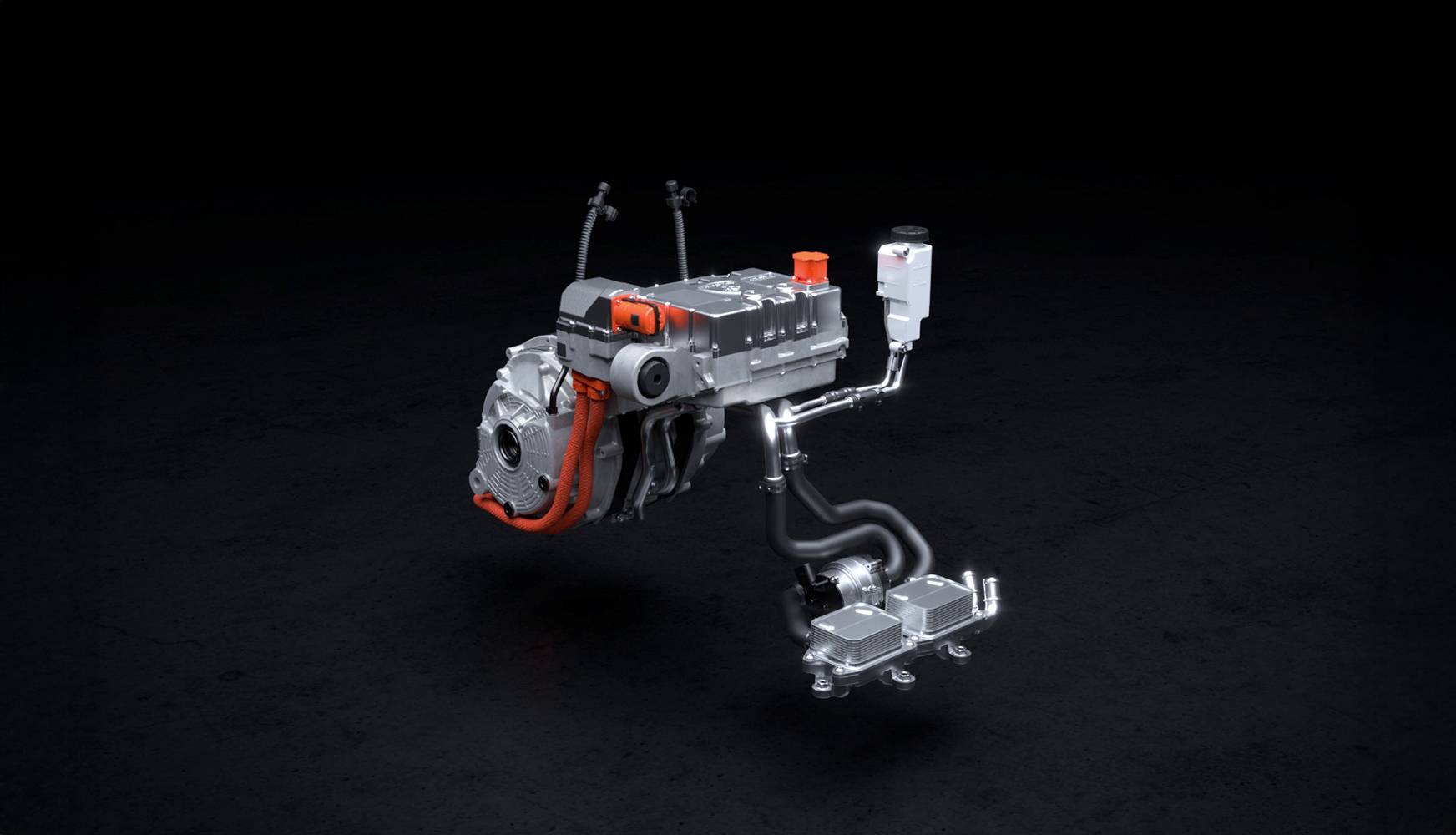
Electrified supercars add gross versus usable battery capacity, electric-only range, combined range, charging power and test-cycle questions. WLTP figures can support comparison within the same regulated framework when versions and conditions align. They are not a promise for an individual route, temperature, speed or driving style.
The current Revuelto brochure provides WLTP-labelled consumption and emissions values. The test framework must stay attached to them. Mixing those values with EPA results, owner reports or another model-year brochure without a visible method would mislead.
Charging power is also conditional. Peak kilowatts do not establish the complete charging curve or time at every station. State of charge, battery temperature, charger capability and software affect the session. For a plug-in hybrid, electric range and charging behavior should be interpreted within the car's intended system architecture, not judged by battery-electric criteria alone.
Aerodynamics: always ask at what speed
Downforce is incomplete without speed, vehicle attitude and aero configuration. A percentage improvement is incomplete without the baseline. Active systems may change wing, flap, diffuser or ride-height states according to mode and conditions.
Record whether the source declares total downforce, balance, drag coefficient, a change relative to a predecessor or a component effect. These are different statements. A dramatic airflow graphic is explanatory media, not independent validation.
For road relevance, cooling and stability can matter as much as maximum downforce. A direct test would need repeatable data and engineering interpretation. Without that access, Luxe Digital attributes the manufacturer's architecture and does not issue a handling verdict.
Price is not one number either
Base price, destination charge, local tax, options and registration vary by market and date. Allocation terms, dealer asking price, auction estimate, hammer price and final transaction total are different datasets. Currency conversion adds a time-specific exchange rate.
An official list price can be recorded with market, tax basis and retrieval date. It cannot establish availability or transaction value. Used asking prices are advertisements, not completed sales. Auction results require fees, condition, mileage, specification and provenance before comparison.
No performance specification supports an investment conclusion. Ownership cost includes tax, insurance, servicing, tyres, storage, financing, opportunity cost and the eventual realised sale. Those inputs require a separate methodology and specialist review.
A publication-ready specification table
Every row should contain: metric name, original value and unit, normalised value if calculated, definition, configuration, test standard or condition, publisher, source date, retrieval date and a note explaining limitations. Independent results need a separate publisher and test-method field.
Use Not disclosed when the manufacturer does not provide a compatible figure. Never copy an unlabeled number into a governed entity record. If a source changes, retain the prior retrieval record and mark which model year or market the update affects.
Structured car entities can reuse these facts only after source, market and lastVerifiedAt fields are complete. Ferrari 12Cilindri, Ferrari Purosangue and Lamborghini Revuelto entity candidates remain draft/noindex until the full records and human approval exist.
Reader verification checklist
- What exactly does the number measure?
- Which original unit and conversion were used?
- Is the value engine, motor, system or wheel output?
- Which mass definition and options apply?
- What surface, rollout and environmental conditions apply to performance?
- Which regulatory cycle governs range, consumption or emissions?
- Does an aero claim state speed and configuration?
- Is price market-, tax- and date-specific?
- Is the result manufacturer-declared or independently tested?
- Can the source and retrieval date be audited?
Editorial verdict
Official specifications are indispensable primary sources when their boundaries remain intact. They become unreliable editorially when labels disappear, incompatible metrics are normalised into one ranking or marketing claims are presented as independent tests. A production-standard comparison should contain fewer numbers if that is what compatibility requires. Context is not decoration around the table; it is what makes the table true.
Key takeaways
- Preserve the metric, original unit, configuration, test basis and source date.
- Do not add hybrid component peaks unless the manufacturer defines that combined method.
- Never calculate comparative power-to-weight from incompatible mass definitions.
- Keep manufacturer declarations and independent measurements visibly separate.
- Specifications cannot establish ownership quality, suitability or investment performance.
Sources & credits
Methodology and sources
Current official Ferrari 12Cilindri, Ferrari Purosangue and Lamborghini Revuelto technical material was rechecked on 30 August 2026. Examples are used to explain source literacy; this commission did not independently weigh, accelerate, brake, charge or drive the vehicles.
- Ferrari 12Cilindri official technical document
- Ferrari Purosangue official press pack
- Lamborghini Revuelto official 2026 digital brochure
- Lamborghini Revuelto current model page
Media: official Ferrari and Automobili Lamborghini imagery is governed by the C07 visual-evidence plan. The two galleries separate vehicle architecture, aerodynamic context and hybrid-system definitions; images do not establish independent performance. Entities car-model:ferrari:12cilindri, car-model:ferrari:purosangue and car-model:lamborghini:revuelto remain draft/noindex.