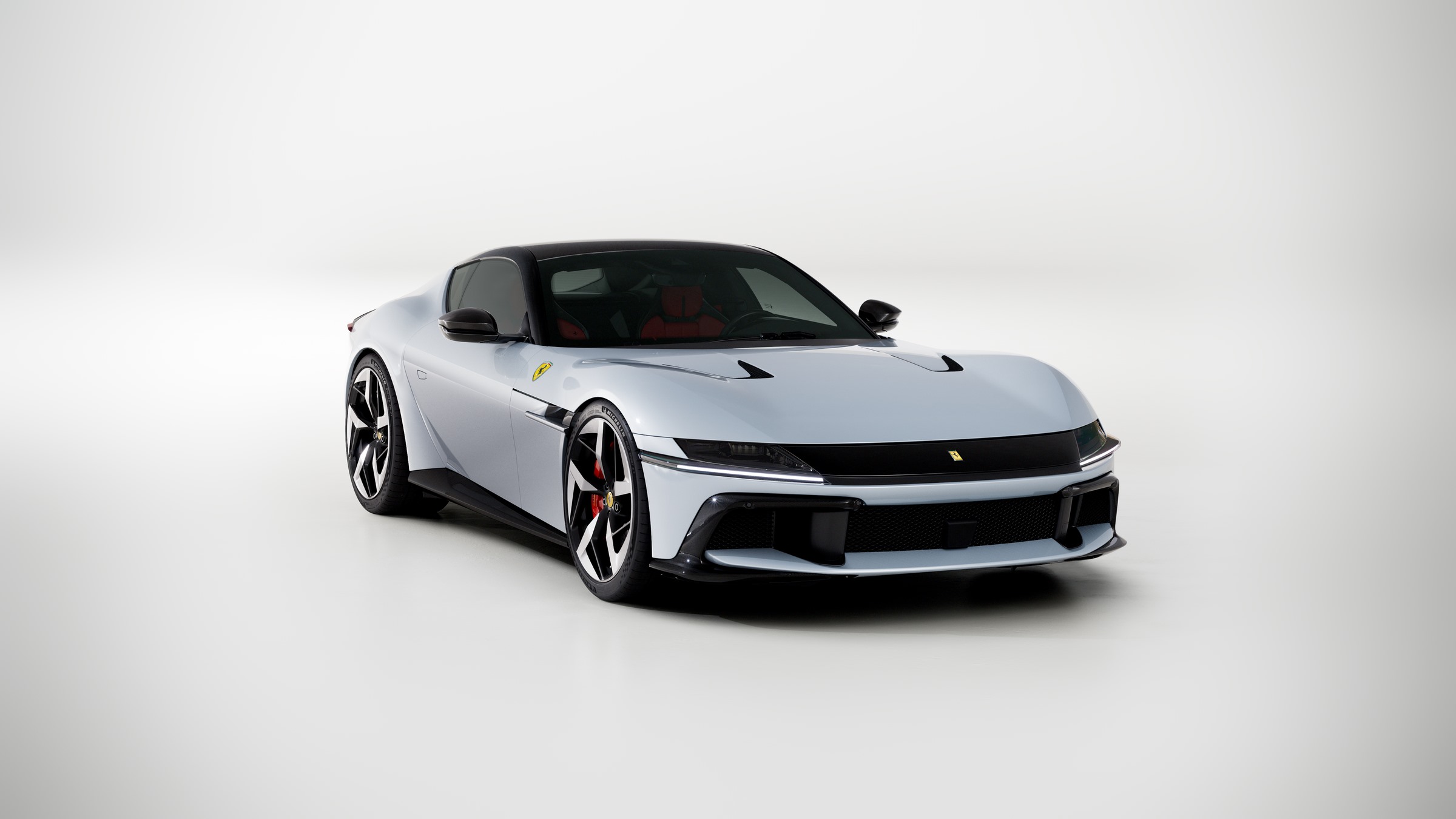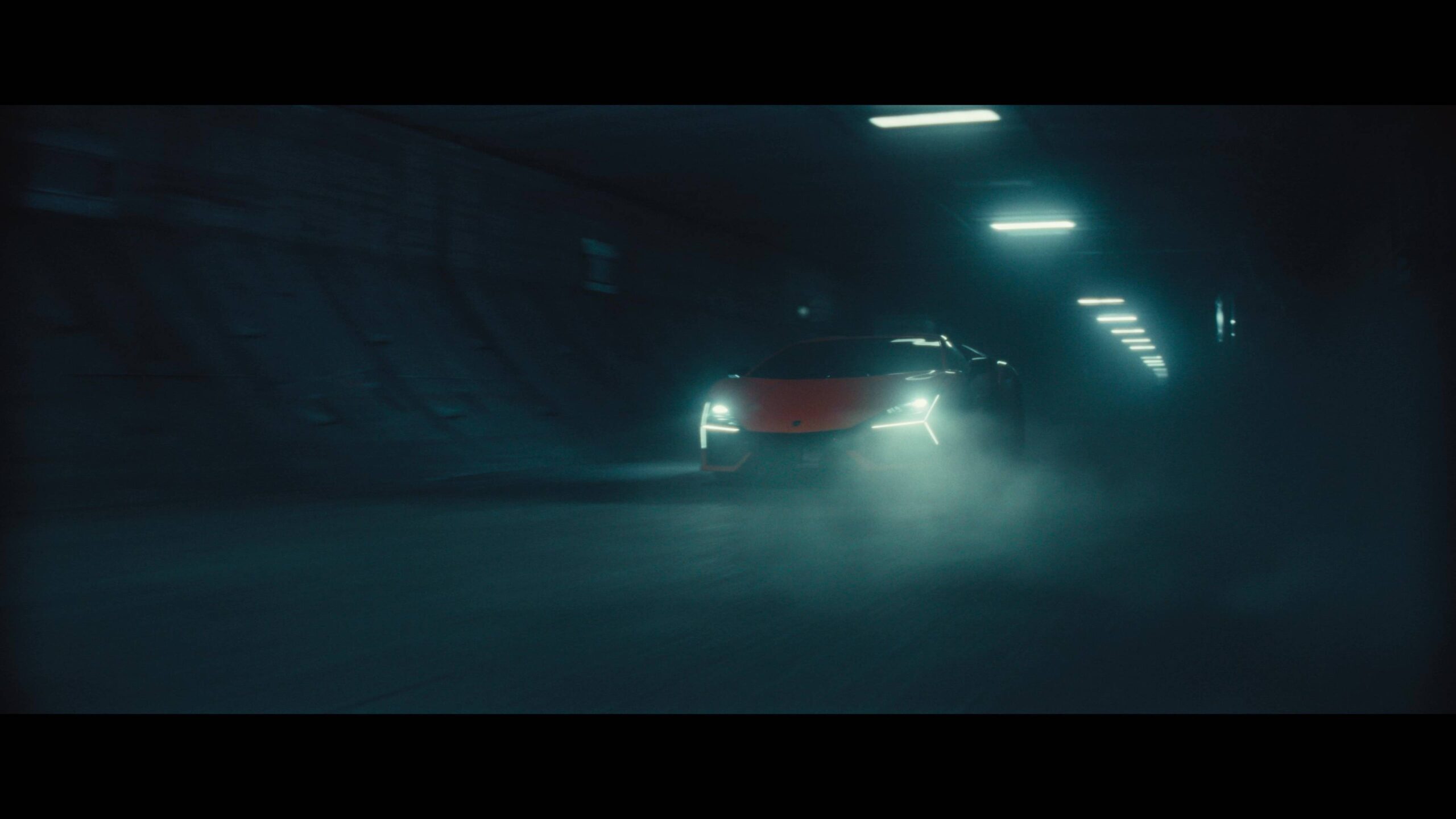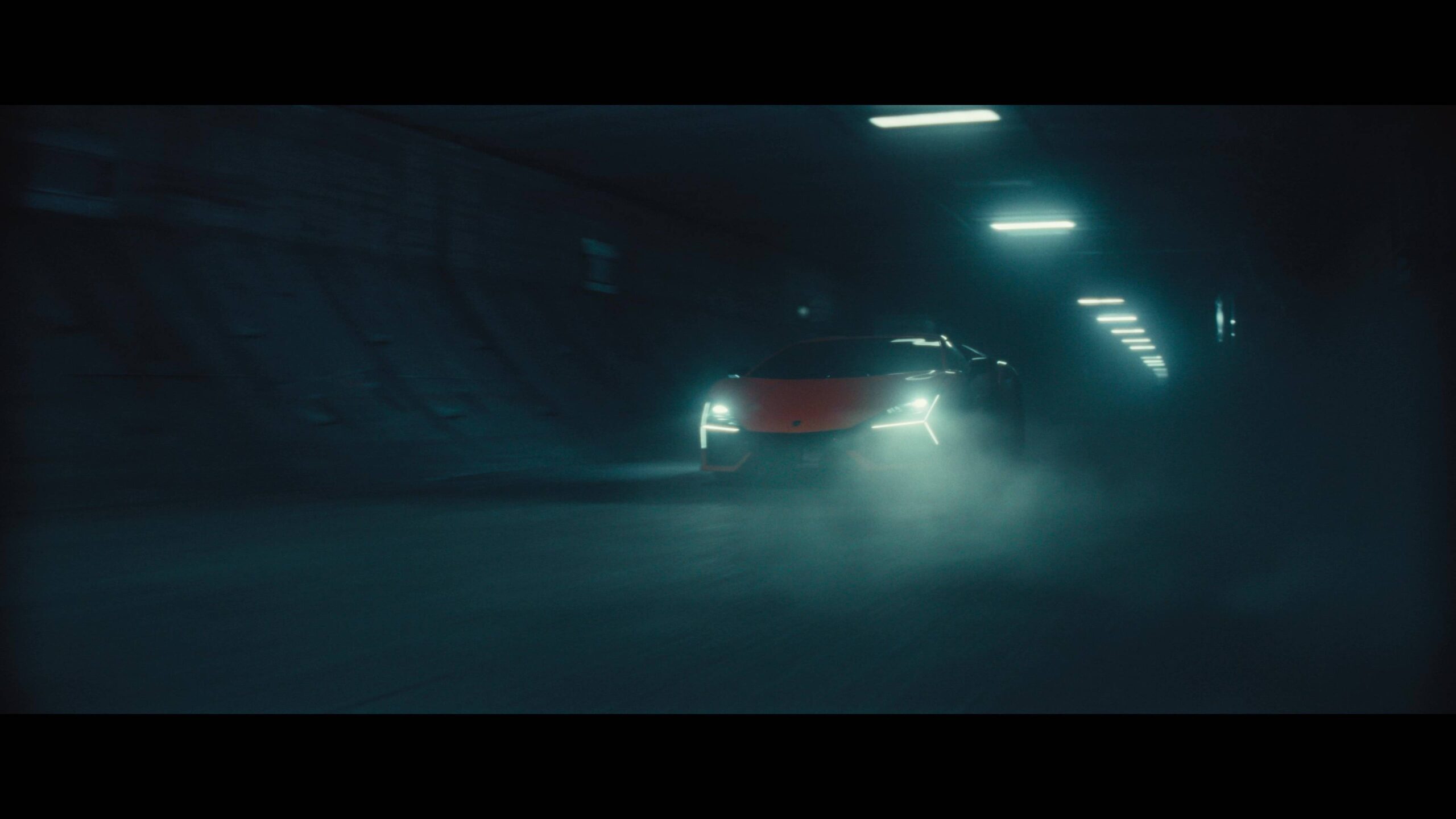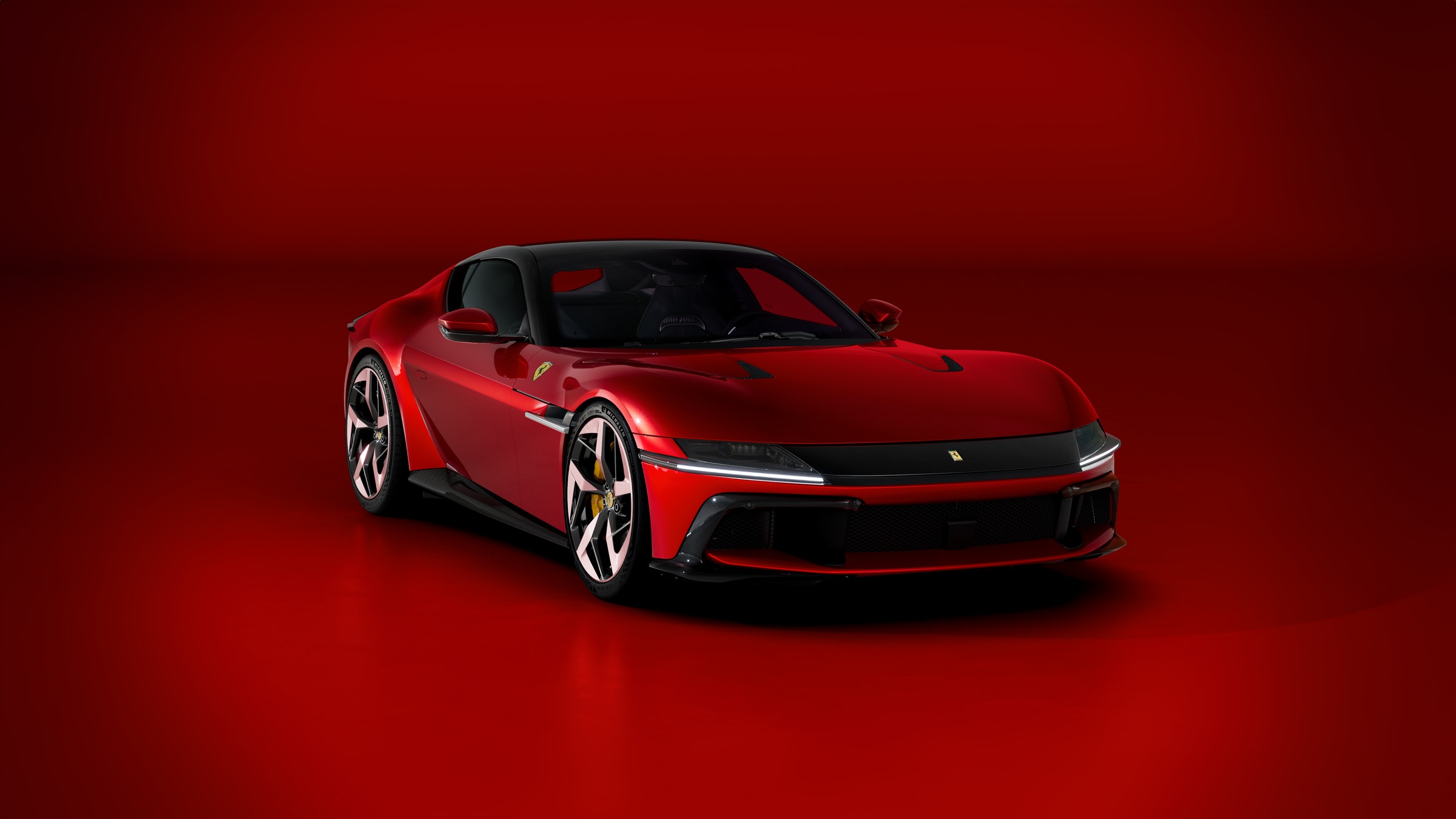
Ferrari 12Cilindri and Lamborghini Revuelto both place a naturally aspirated V12 at the centre of the product, but their architectures pursue different missions. Ferrari uses a front-engined, rear-transaxle, two-seat berlinetta layout without a traction battery. Lamborghini combines a mid-mounted V12, three electric motors and plug-in battery in an all-wheel-drive two-seat super sports car. A winner cannot be selected from official specifications alone.
Comparison fact unit
- Ferrari 12Cilindri: front-mid-mounted naturally aspirated V12 and rear transaxle.
- Lamborghini Revuelto: mid-mounted naturally aspirated V12, three electric motors and plug-in-hybrid system.
- Official output basis: Ferrari engine output and Lamborghini combined system output.
- Drive architecture: rear-wheel-drive Ferrari versus electrified all-wheel-drive Lamborghini.
- Evidence boundary: official manufacturer sources; no Luxe Digital road, track, charging, service or ownership test.
Engine position and packaging
The Ferrari's long-bonnet proportions follow its front-mid-engine layout. The transaxle supports mass distribution and preserves cabin and luggage logic associated with a grand tourer. Revuelto places the engine behind the occupants, with the battery in the central tunnel and transmission behind the V12.
Those choices shape visibility, storage, cabin access, cooling and service. Dimensions can be compared; usability requires physical inspection and road testing.
Power delivery
12Cilindri's official 610 kW comes from the V12. Revuelto's official 747 kW is combined system output. Comparing the numbers as if both describe the same source is incomplete. The hybrid can use electric torque and front-axle control; the Ferrari avoids battery mass and hybrid complexity.
Response, sound, traction and repeatability depend on calibration and conditions. Revuelto performance varies with battery and temperature; Ferrari performance still depends on tyre, surface and launch state. Both official acceleration claims remain manufacturer-attributed.
Structure and control
Lamborghini emphasises a carbon-intensive monofuselage. Ferrari's 12Cilindri uses its own mixed vehicle architecture and control stack. Material labels do not determine whole-car mass, crash outcome or repair cost. Compare homologated definitions and model-specific procedures.
Both cars use advanced chassis electronics. The meaningful review question is whether control intervention feels coherent and predictable across road and track, not which brochure lists more acronyms.
Mission and ownership
12Cilindri's proposition points toward high-speed grand touring with a traditional naturally aspirated powertrain. Revuelto prioritises a mid-engined hybrid performance architecture. Buyers should compare luggage, ingress, ride, charging, dealer support, insurance and intended usage.
Neither official source establishes depreciation, allocation fairness, reliability or investment outcome. A transaction decision needs current market evidence and an independent inspection.
A future comparison test should hold conditions constant: equivalent tyres, fuel, driver, road and battery preparation where relevant. It should include distance driving and low-speed use as well as performance. Without that method, declaring a winner would reward the most dramatic specification rather than the better fit for a particular owner.
Two solutions to preserving the V12
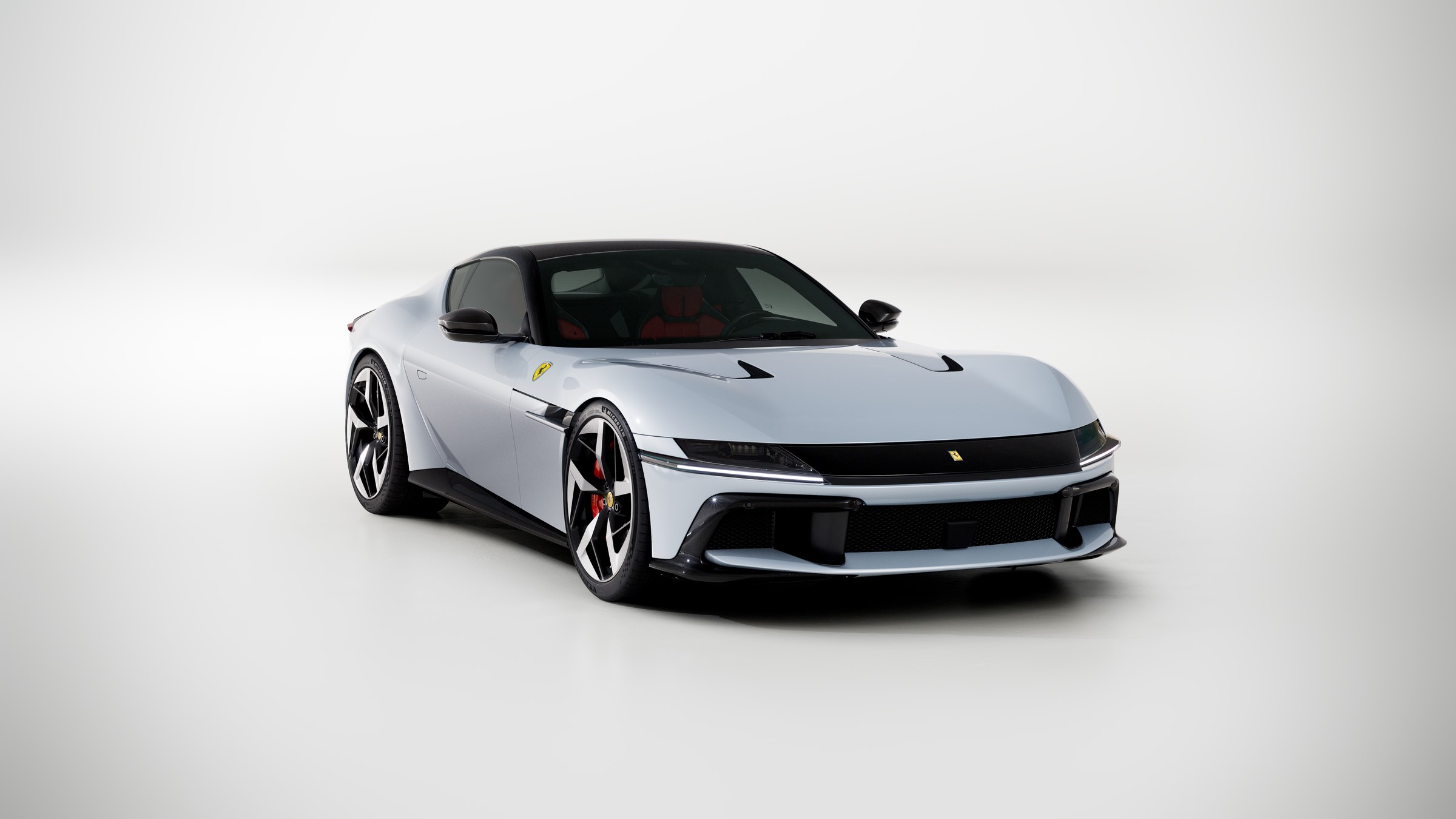
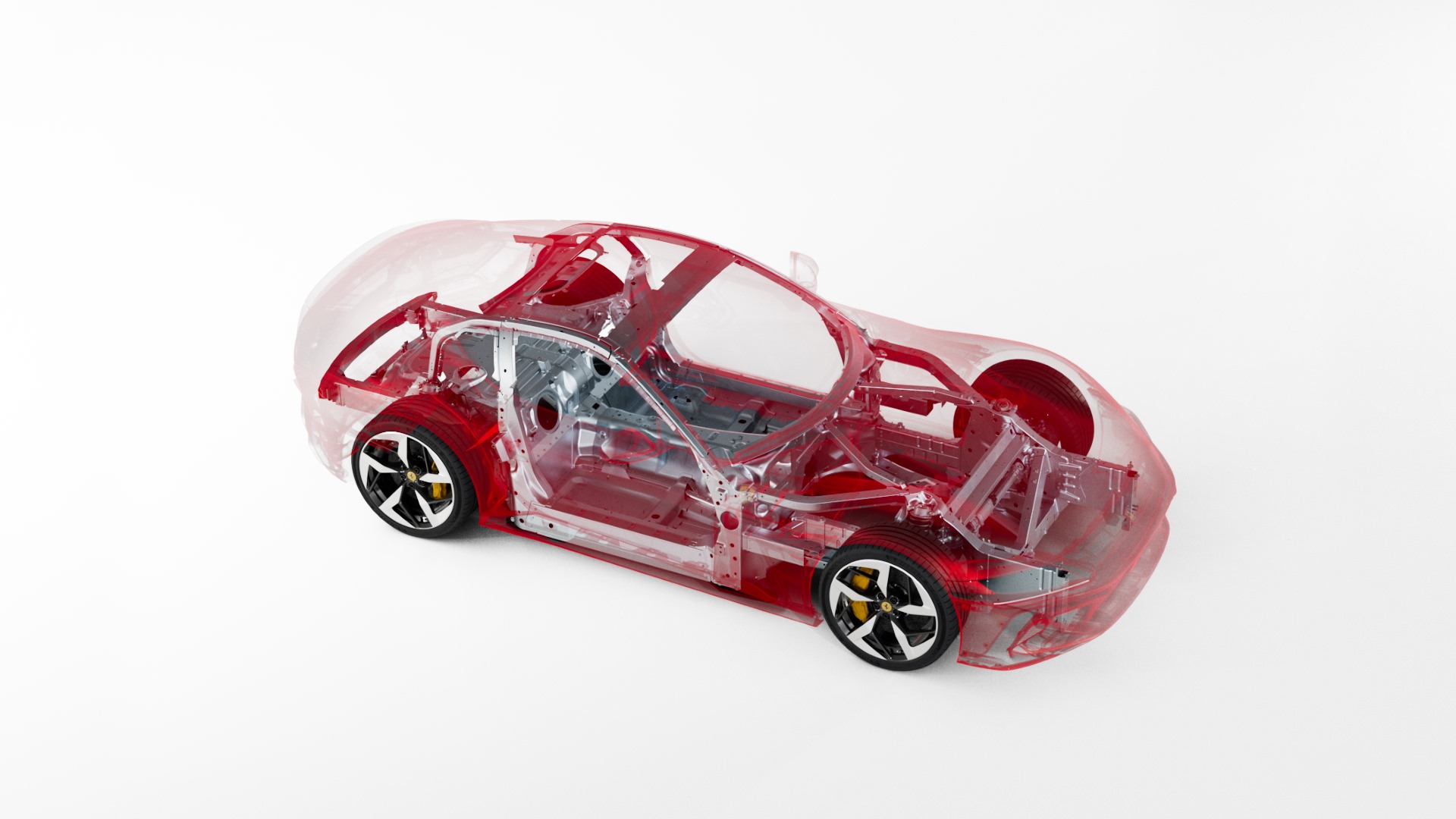
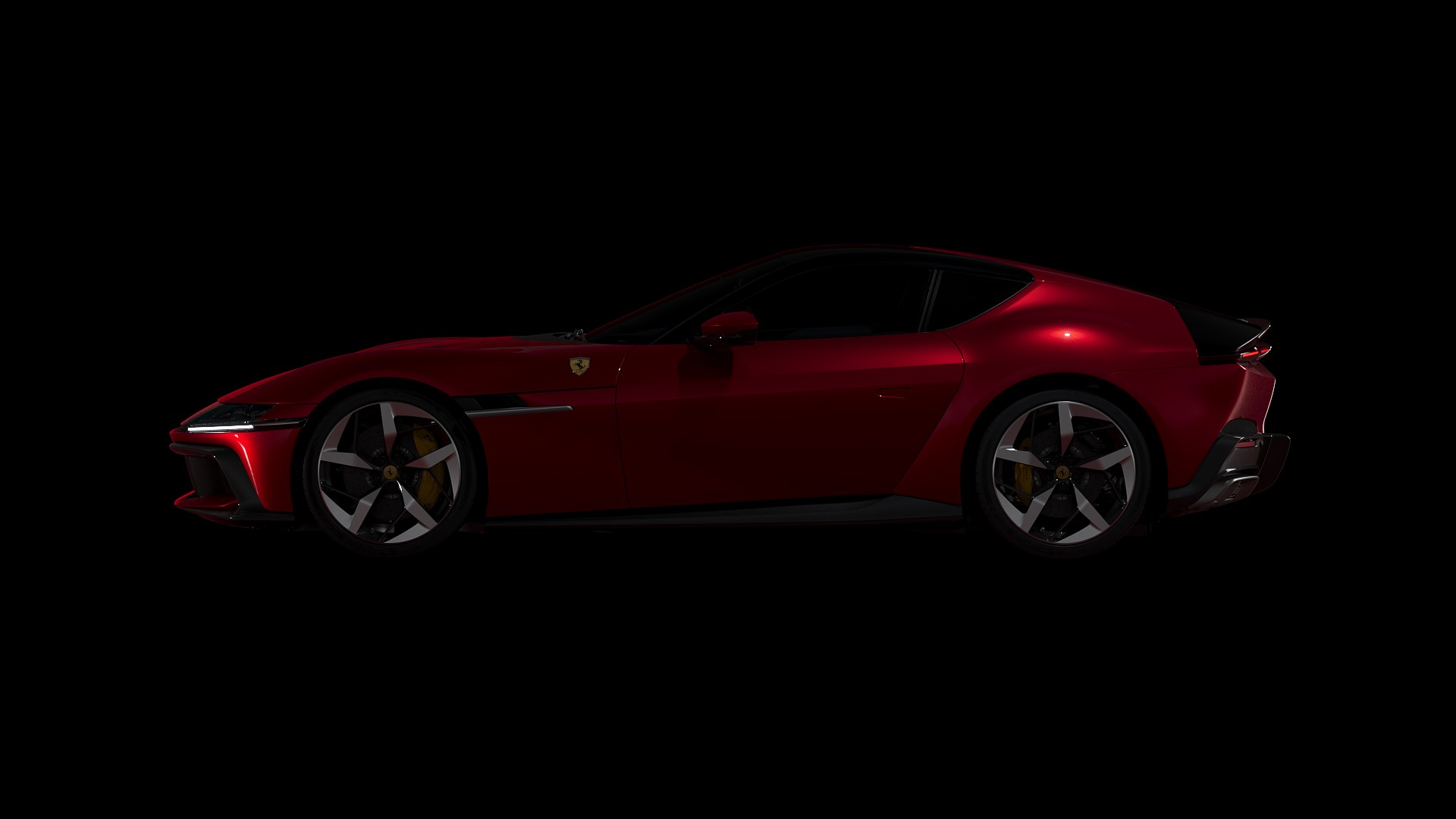
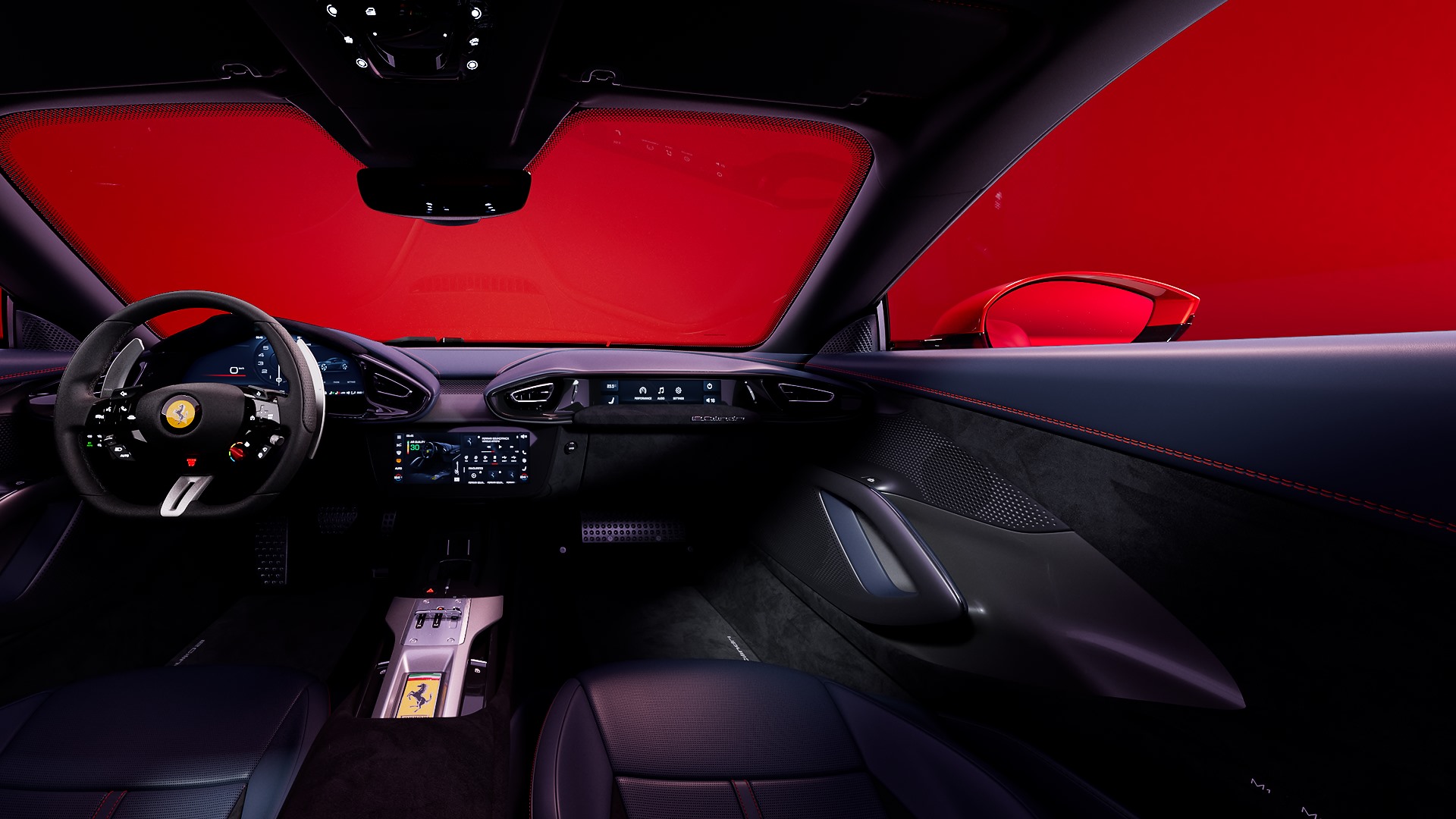
The shared twelve-cylinder identity can obscure the most important difference. Ferrari develops the V12 as the sole propulsion source and places it within a traditional front-engined berlinetta architecture. Lamborghini uses the V12 as the mechanical centre of a broader electrified system.
This changes what the cars ask of engineering. Ferrari must deliver emissions, response, traction and performance without a traction motor filling the torque curve. Lamborghini coordinates combustion, front e-axle, rear motor, battery and control software while preserving the response expected of a flagship super sports car.
Neither approach is inherently more authentic. Authenticity is not a measurable specification. The useful question is whether each system coherently serves its declared mission and remains convincing in the situations an owner will actually use.
Transmission and torque path
The Ferrari's rear transaxle separates the front engine from the driven rear axle and is part of its packaging and balance strategy. Revuelto places a transverse dual-clutch transmission behind the V12 while electric machines contribute at the rear and front axles according to the system design.
Those layouts create different torque paths and different low-speed possibilities. Electric drive can support manoeuvring and front-axle control in the Lamborghini. Ferrari relies on its combustion and transmission calibration. Official architecture explains how the systems are arranged; only direct testing can assess smoothness, predictability and emotional quality.
Gear count or shift time alone cannot determine the better transmission. Urban creep, parking, hot operation, manual control and repeated acceleration all need observation under the same protocol.
Battery state is a test condition
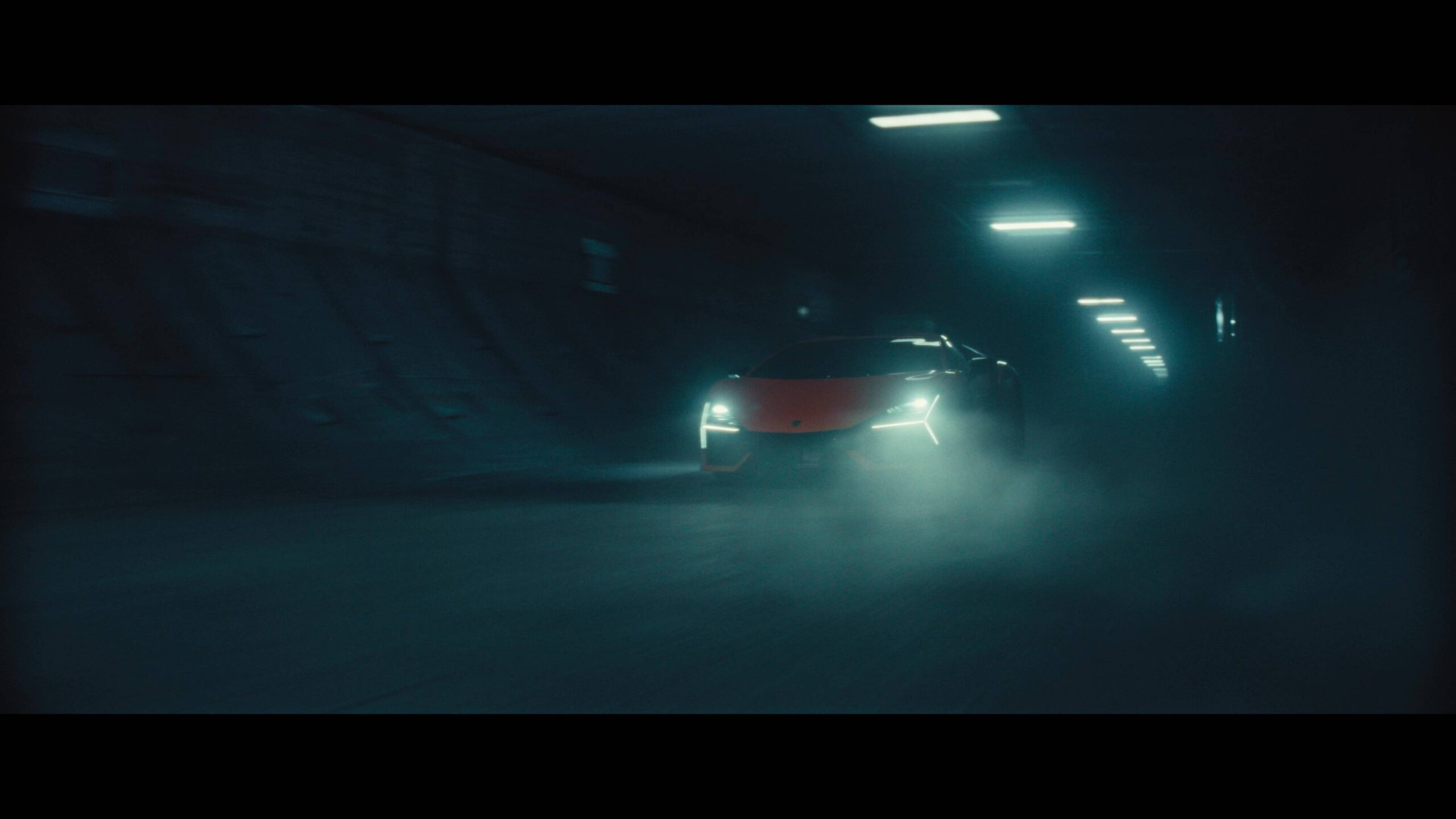

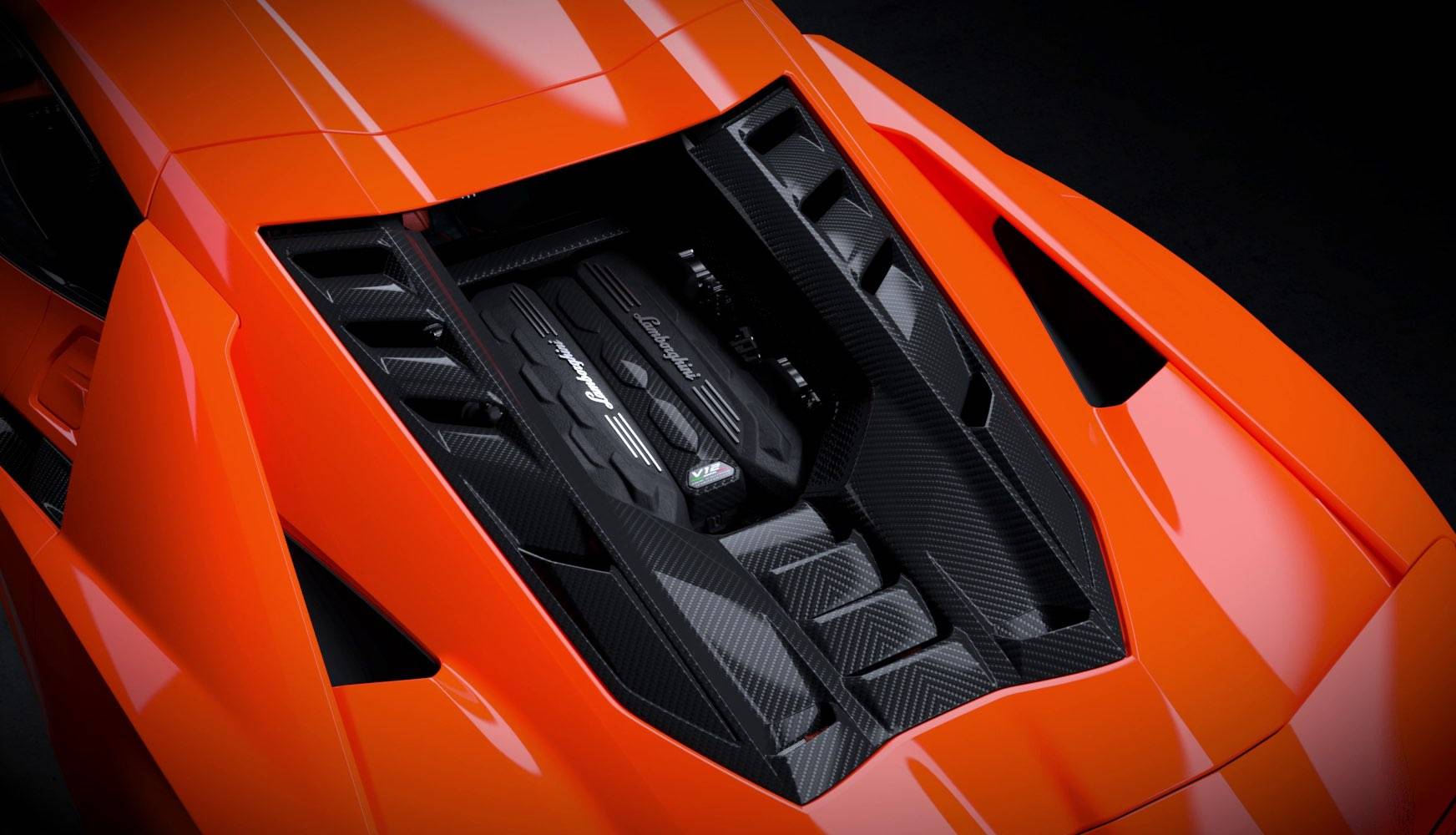
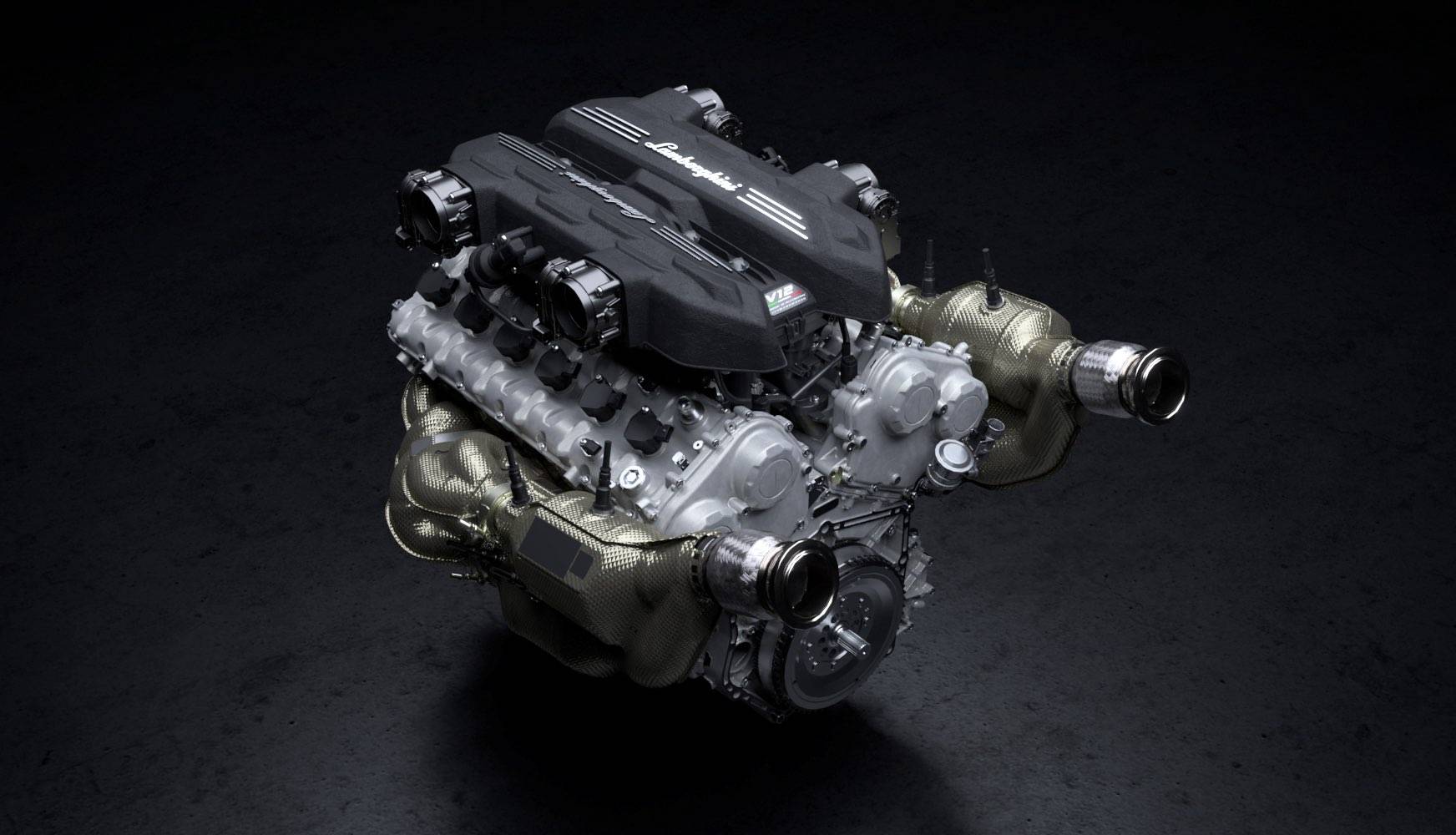
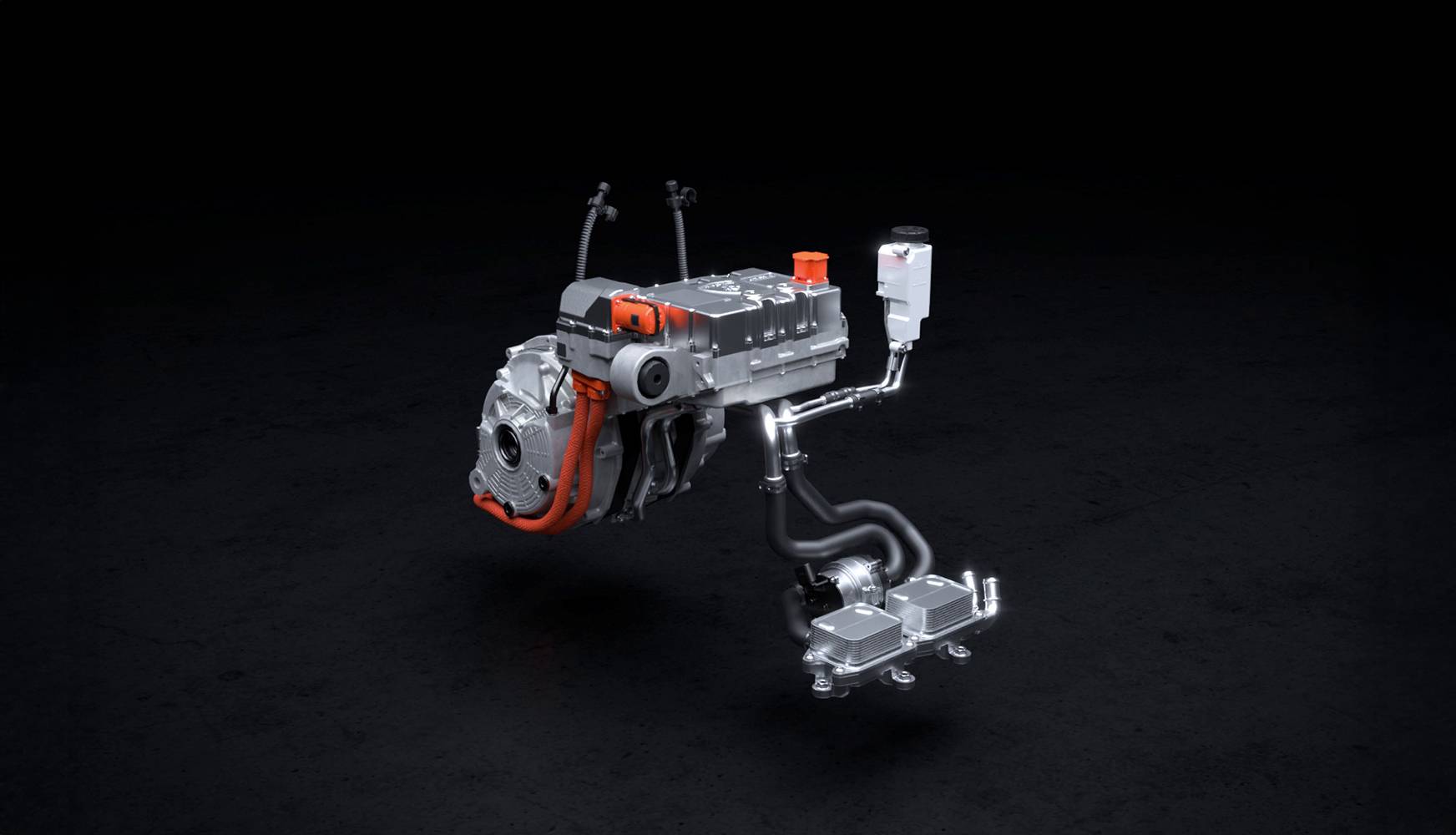
Any Revuelto comparison must record battery state, drive mode and temperature. A plug-in-hybrid system can change its energy strategy as charge and thermal conditions change. A headline combined-output number does not explain how often, for how long or under which state that output is available.
The 12Cilindri has no traction battery to prepare, but its performance still depends on fuel, tyre, surface, ambient temperature and vehicle mode. This does not make its output condition-free; it makes the condition set different.
A fair test should repeat key manoeuvres, not record one best result. It should include the Lamborghini's charging process and degraded-state behavior where safely and appropriately testable. Without that evidence, official output remains a declared architectural fact, not an endurance result.
Packaging and daily friction
The Ferrari's front-engine proportions and grand-touring mission suggest one ownership use; the Lamborghini's mid-engine hybrid package suggests another. The useful comparison includes luggage form, cabin storage, visibility, doors, sill height, seating, turning circle, front lift, charging access and noise at low speed.
Dimensions on a PDF cannot answer whether a bag fits, a driver can see a kerb or a passenger can enter comfortably. Nor does a dramatic door mechanism automatically create inconvenience. These are direct-access questions that require the same people, luggage and route.
The high-end ownership verdict should be situational: airport journey, city parking, mountain road, motorway distance and an appropriate controlled performance setting. A single launch route cannot represent the complete product.
Structure, repair and service boundaries
Lamborghini describes Revuelto through its carbon-intensive monofuselage. Ferrari's 12Cilindri uses its own body and chassis architecture. Material terms are not repair-cost estimates. Damage location, bonded or bolted joints, calibration, parts supply, labour and approved procedures determine a real case.
Electrification adds high-voltage isolation, battery diagnostics and specialised intervention to Lamborghini ownership. Ferrari still has complex electronics, active systems and model-specific service requirements. Neither official launch pack establishes reliability, downtime or whole-life cost.
An ownership study would need warranty terms by market, scheduled service, consumables, insurance, storage, charger requirements and anonymised repair evidence. This commission has none of that access and makes no cost ranking.
Performance claims without false equivalence
Both manufacturers publish acceleration and maximum-speed claims. They can be displayed when clearly attributed, but their test bases may not be identical. A comparison must preserve rollout, surface and state assumptions if disclosed and mark them unknown when not disclosed.
The correct outcome is not always a calculated ranking. Ferrari's engine output should not be divided against one mass definition while Lamborghini's combined system output is divided against another. If compatible homologated mass is unavailable, omit the comparative power-to-weight result.
Braking, lateral performance and repeated thermal behavior demand independent instrumentation. Tyre specification and state are central. No brochure can substitute for that protocol.
Which owner brief each architecture answers
Choose the Ferrari brief when the desired centre is a front-engined, naturally aspirated V12 grand tourer with rear-wheel-drive architecture and no plug-in routine. Choose the Lamborghini brief when the desired centre is a mid-engined V12 flagship whose electric system is part of propulsion, traction and operation.
That is not a purchase recommendation. Dealer access, local service, insurance, ergonomics, use pattern and transaction terms may outweigh architecture. A buyer should drive the exact model, inspect the exact car and review the contract and ownership plan independently.
Direct comparison protocol
- Document model year, market, options, tyres and software state.
- Match fuel, load, route, driver and ambient conditions.
- Record Revuelto battery state, charging and thermal preparation.
- Include city, motorway, poor-surface and controlled dynamic use.
- Measure luggage, visibility, ingress and low-speed manoeuvring.
- Repeat performance and braking observations rather than using one best run.
- Interview authorised service teams about procedures without converting anecdotes into rates.
- Keep ownership, driving and investment conclusions as separate evidence questions.
Editorial verdict
12Cilindri and Revuelto preserve the V12 by choosing opposite system boundaries. Ferrari concentrates the proposition in a front-engined combustion grand tourer; Lamborghini integrates its V12 into a mid-engined plug-in-hybrid, all-wheel-drive system. Official evidence supports that architectural distinction. It does not identify a universal winner, and Luxe Digital will not manufacture one without equivalent direct testing.
Key takeaways
- Shared V12 identity masks fundamentally different layouts and energy systems.
- Ferrari's engine output and Lamborghini's combined system output are not identical metrics.
- Material and control-system lists do not replace whole-vehicle testing.
- Mission fit is more useful than declaring a specification-sheet winner.
Sources & credits
Methodology and sources
Official Ferrari and Lamborghini technical records were rechecked on 30 August 2026. Manufacturer specifications establish declared architecture and performance claims; they do not replace an equivalent Luxe Digital road, track, charging, service or ownership test.
- Ferrari 12Cilindri official technical document
- Lamborghini Revuelto official 2026 brochure
- Lamborghini Revuelto official launch record
Media: official Ferrari and Lamborghini imagery is used to compare packaging, structure and propulsion-system boundaries. It is not independent evidence of performance, durability, repair cost or ownership quality.