
Answer brief
Carbon fibre and aluminium are not rival badges with an automatic winner. A carbon-intensive monocoque can concentrate stiffness and tailor load paths within an integrated cell. An aluminium spaceframe can combine extrusions, castings and sheet structures around a different manufacturing and packaging strategy. Lamborghini's Revuelto and Ferrari's Purosangue make the contrast visible, but they are not equivalent vehicles and cannot produce a universal material ranking. Mission, complete-vehicle architecture, production volume, repair method and lifecycle boundary determine the useful answer.
Fact unit
- Carbon case: Lamborghini describes Revuelto as using a carbon-fibre monofuselage extended into the front structure.
- Multi-material qualification: Lamborghini's rescue guidance identifies a high-strength extruded-aluminium rear structure alongside CFRP areas.
- Aluminium case: Ferrari describes Purosangue's lower chassis as high-strength aluminium alloy.
- Purosangue construction: closed-section extrusions, castings and load-bearing aluminium sheet are integrated into a spaceframe.
- Mixed materials: Ferrari also documents carbon fibre and high-strength steel in the bodyshell.
- Comparison limit: the two cars differ in seating, packaging, powertrain and mission; material labels do not isolate cause and effect.
- Evidence boundary: manufacturer engineering sources establish architecture, not independent crash, insurance, repair-cost or lifecycle rankings.
Start with the load path, not the label
A vehicle structure has to manage suspension forces, powertrain loads, torsion, bending, vibration and multiple crash cases while maintaining space for occupants and systems. The material is one variable. Geometry, section depth, fibre direction, alloy, joining, adhesive, fasteners and local reinforcement decide how the structure actually carries load.
“Carbon monocoque” can describe different scopes. Some architectures use a carbon passenger cell with metallic front and rear frames. Others extend composite structure farther. “Aluminium chassis” can also conceal a sophisticated mix of cast nodes, extrusions, sheet and adhesives. A useful comparison identifies the specific structure and its boundaries before discussing benefits.
The Revuelto carbon-intensive case
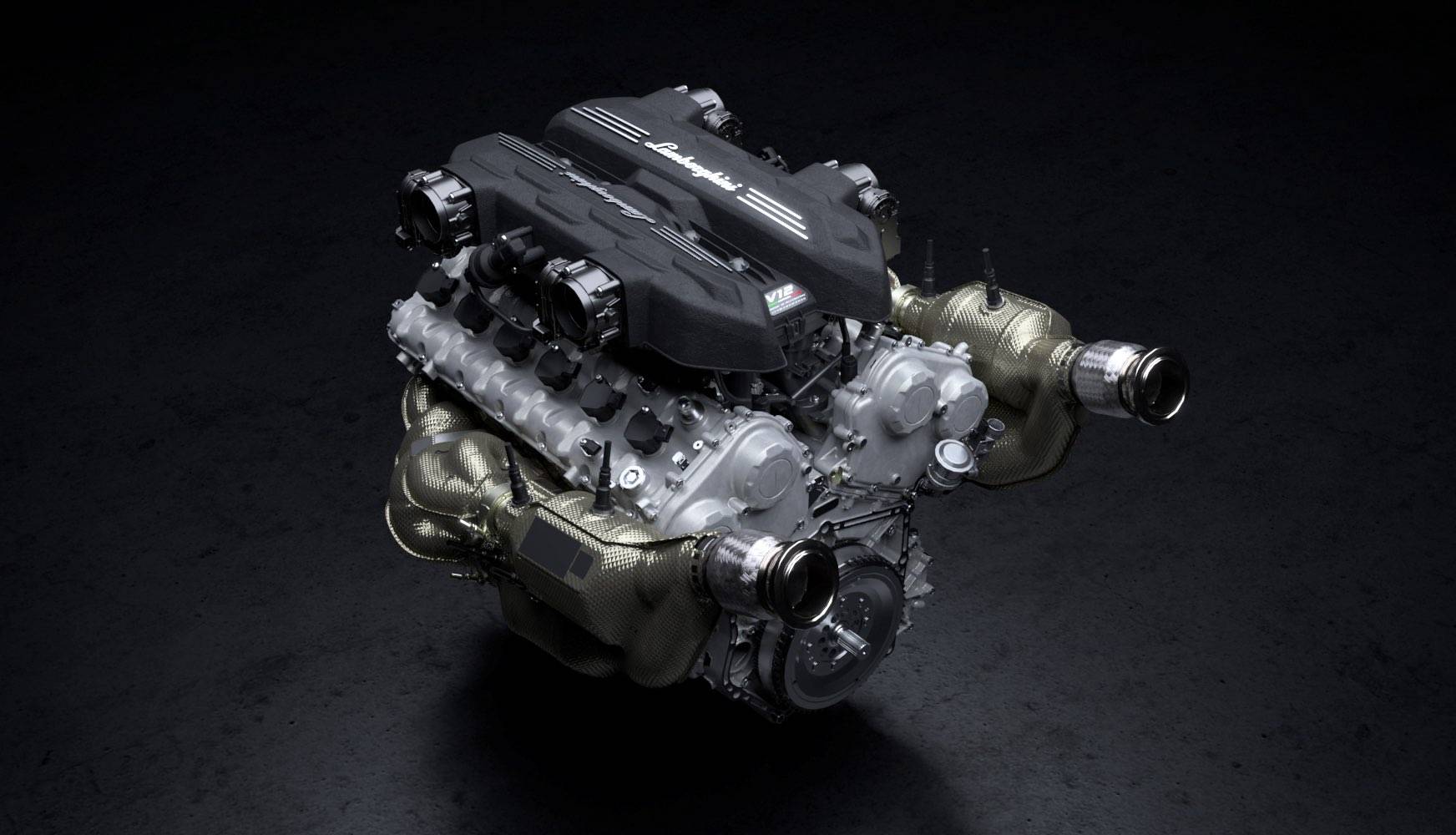
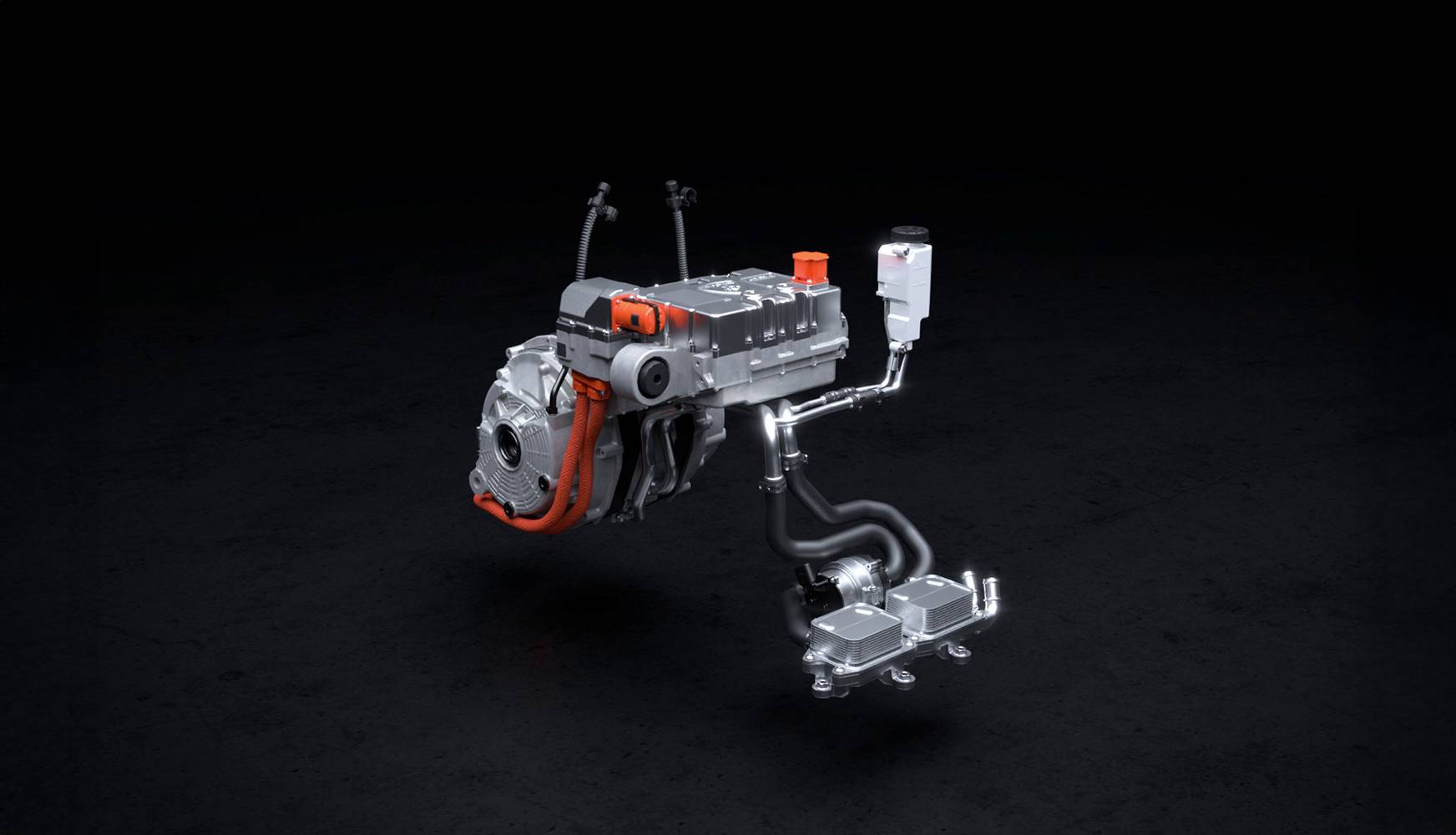
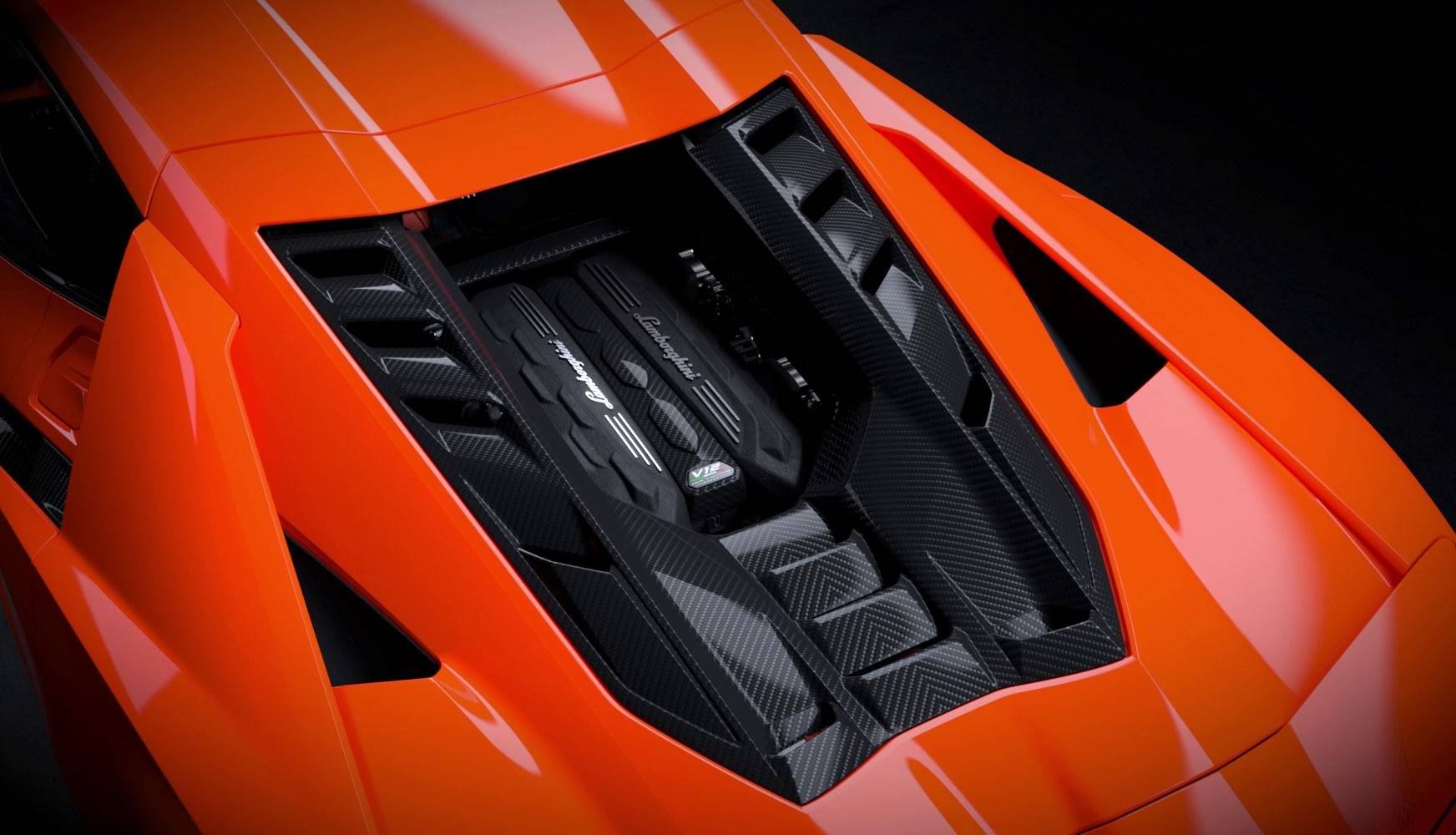

Lamborghini describes Revuelto's monofuselage as extending the carbon-fibre monocoque into the front end. The company also identifies Forged Composites in the front structure and says the architecture exceeds 40,000 Nm per degree of torsional stiffness. That is a manufacturer result for one vehicle architecture, not a property that transfers automatically to every carbon car.
Composite laminates can be tailored by fibre orientation so material is placed along intended load paths. Large integrated parts can reduce the number of conventional joints and create a rigid occupant cell. The trade-off is process control: fibre placement, resin, cure, bonding, inspection and traceability require specialist systems.
The official rescue guide adds an important qualification. It maps CFRP in the chassis and describes high-strength extruded aluminium in the rear structure. Revuelto is therefore better understood as a carbon-intensive multi-material architecture than as a car made from one material. The rescue document is also evidence that access and cutting strategy after a collision are structure-specific.
The Purosangue aluminium-intensive case
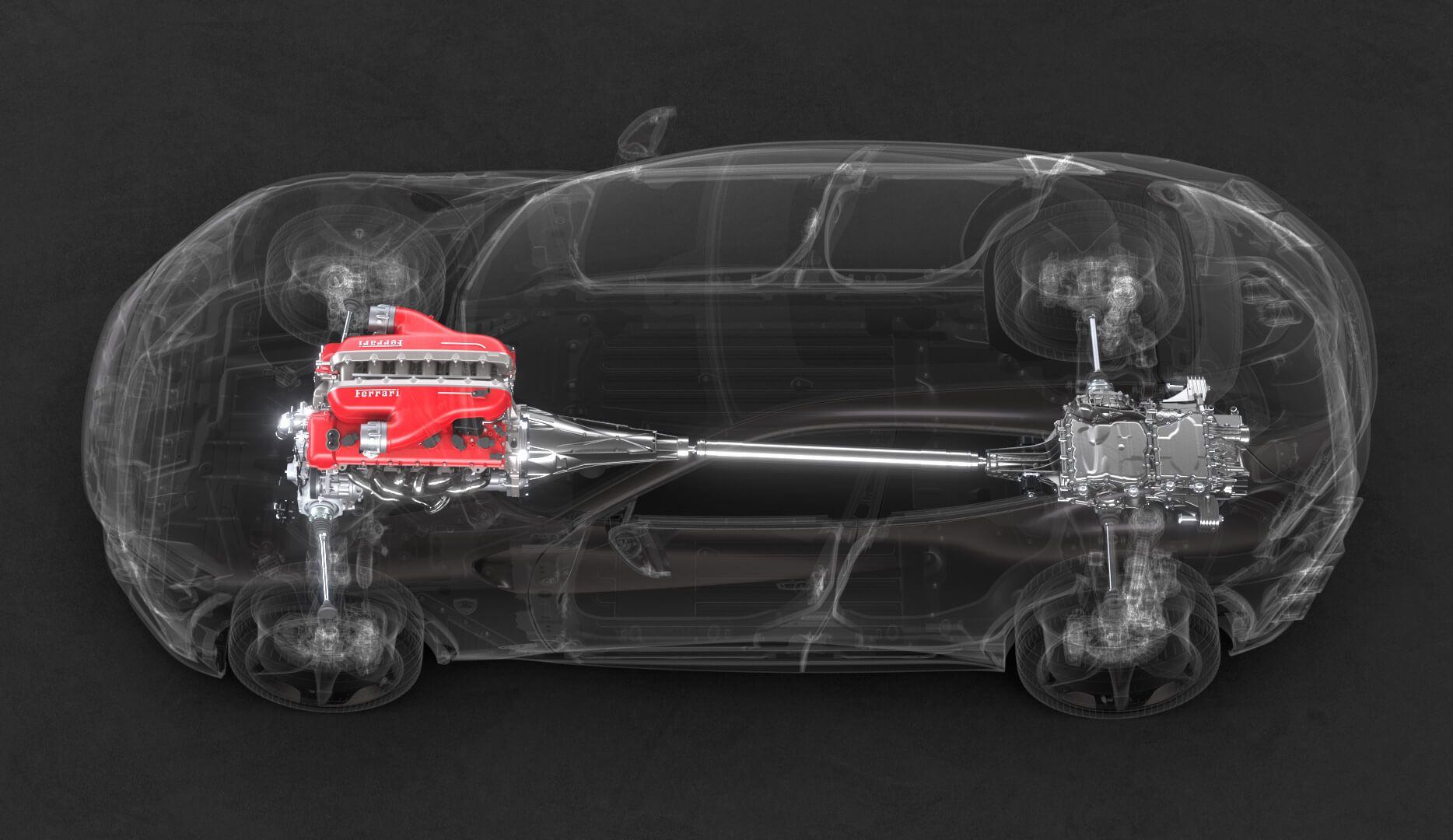
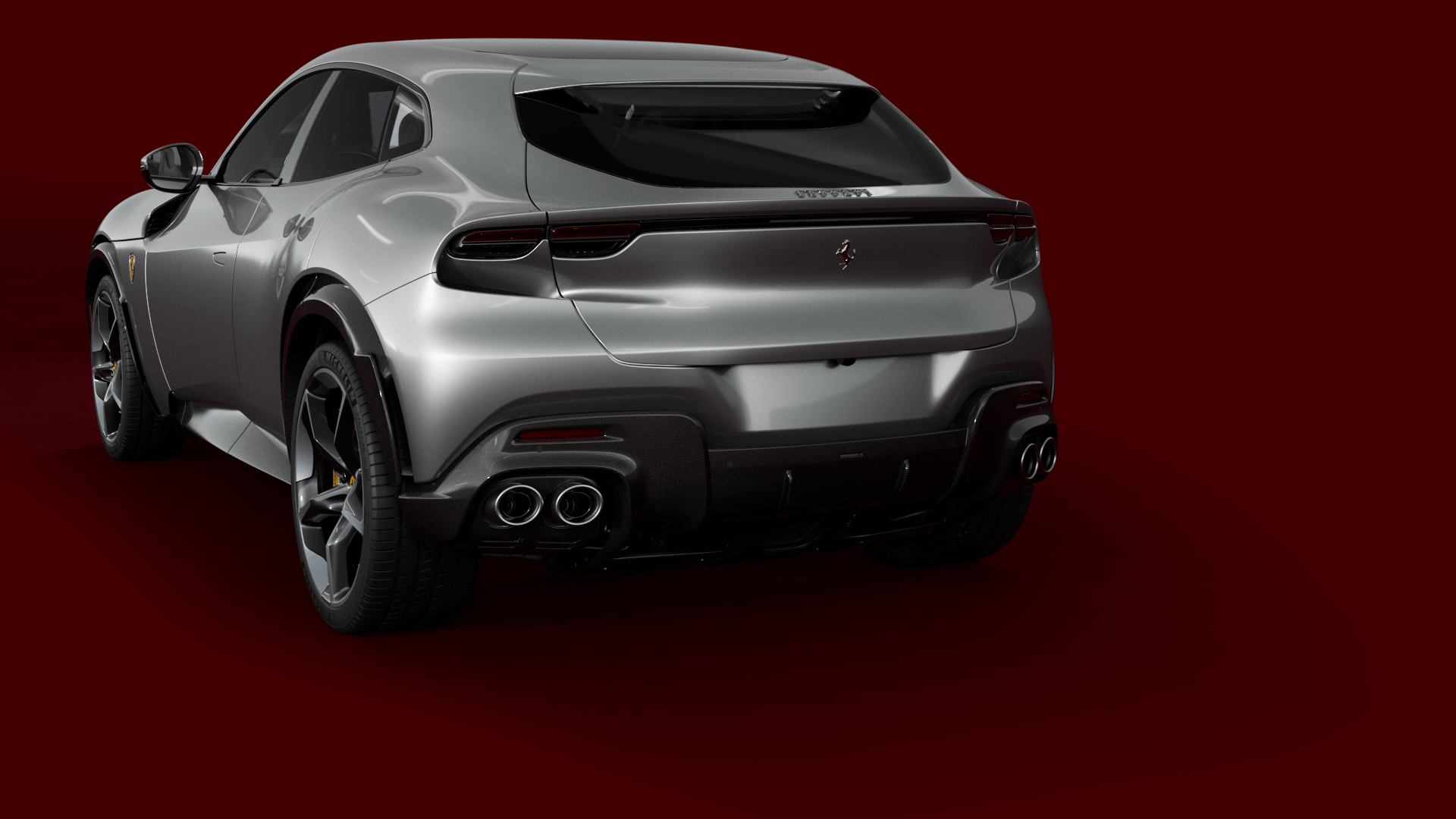
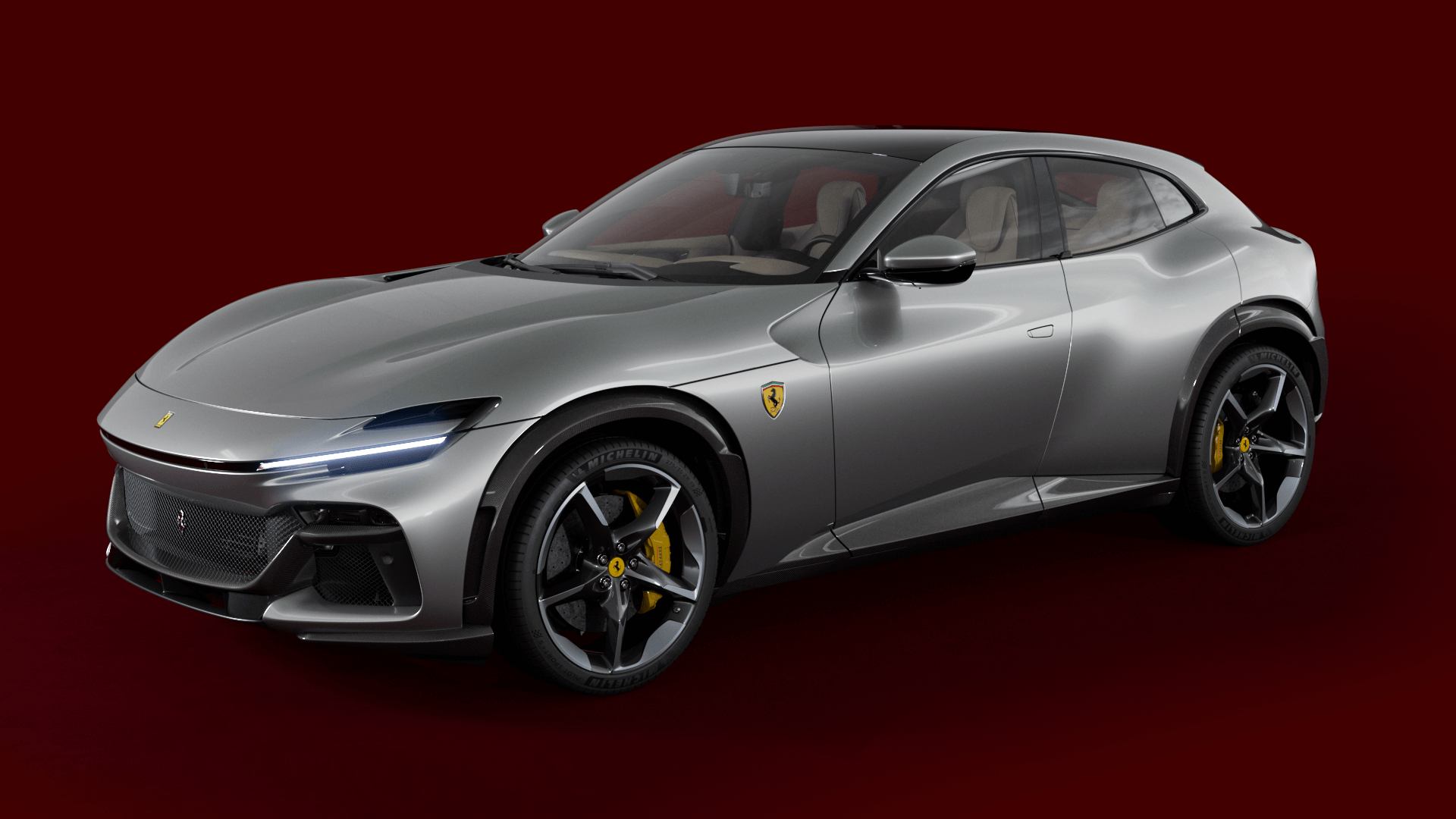
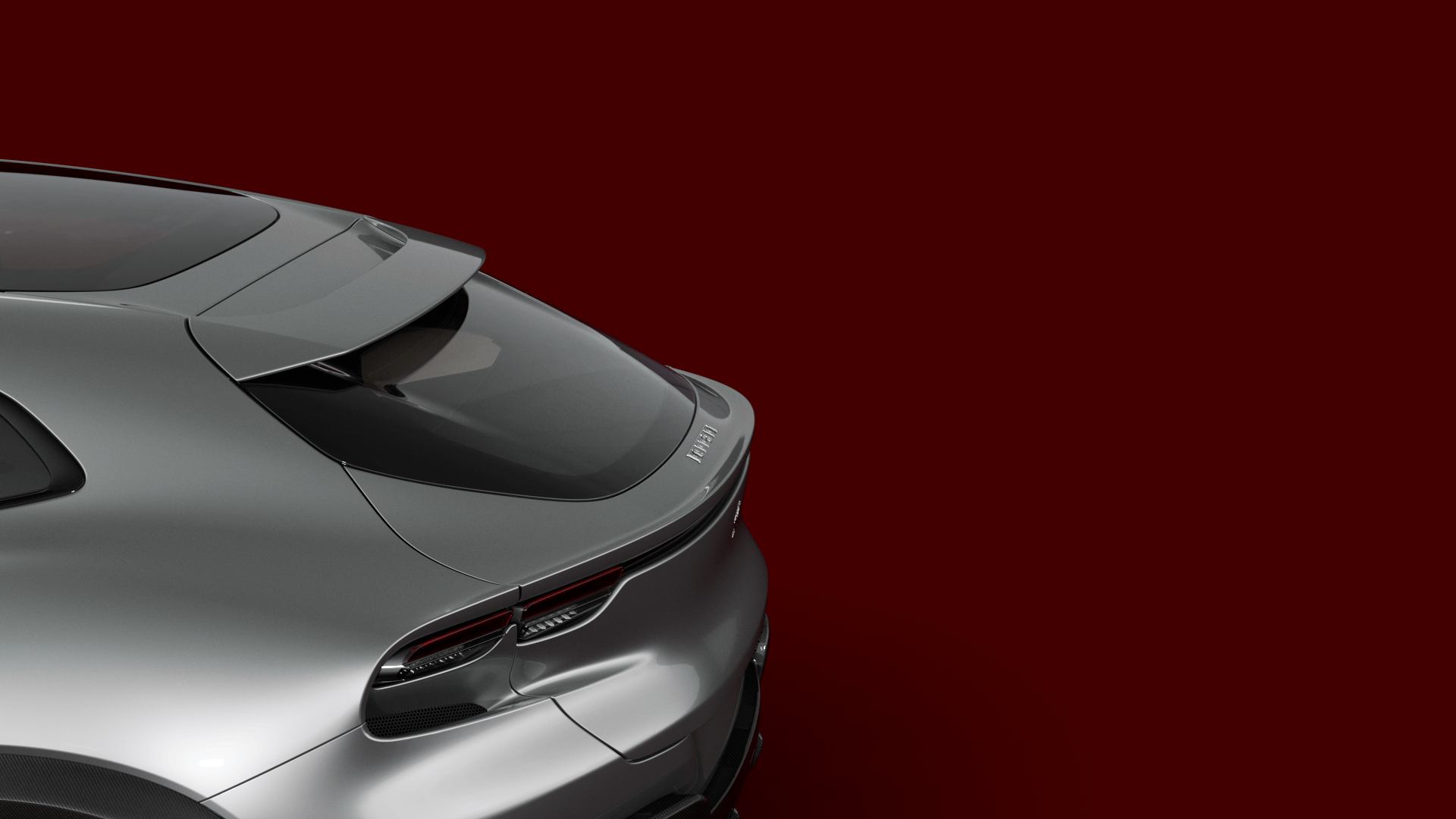
Ferrari's technical release describes a lower chassis made entirely from high-strength aluminium alloy, with closed-section extrusions connected by castings and integrated load-bearing aluminium sheet. It also records high-strength steel in selected reinforcement areas and a carbon-fibre roof. Again, the complete structure is multi-material.
Extrusions can place material efficiently along long members. Castings can consolidate complex nodes where several loads meet. Sheet components close sections and provide surfaces. Adhesive and mechanical joints contribute to load transfer. Aluminium is therefore not a single, simple construction method.
Ferrari says the Purosangue chassis improves torsional rigidity by 30% and beam stiffness by 25% relative to the manufacturer's previous four-seaters. That is a lineage comparison under Ferrari's methods. It cannot be compared directly with Lamborghini's absolute stiffness statement without aligned test definitions, boundary conditions and vehicle configurations.
Why mass figures do not settle it
The passenger cell is only part of vehicle mass. Engine, motors, battery, gearbox, cooling, suspension, brakes, wheels, glazing, seats, sound insulation and fluids all contribute. A carbon structure can sit inside a heavy hybrid vehicle. An aluminium structure can support a lighter car when the total system, dimensions and mission differ.
Published dry weight, kerb weight, unladen weight and homologated mass can use different inclusions. Options add further variation. A comparison must put both vehicles on the same definition and specification before calculating any structural advantage. Dividing a quoted power figure by an incompatible mass value creates precision without validity.
The same caution applies to stiffness-to-weight. A meaningful ratio needs the stiffness test method and the structural mass being measured. Neither can be inferred safely from two marketing summaries.
Crash performance is architecture-specific
Carbon composites and aluminium absorb energy differently, but material stereotypes are not crash results. Composite elements can be designed to fragment progressively along controlled paths; metallic structures can fold and deform through engineered zones. Occupant protection depends on restraint systems, intrusion control, load distribution and the complete homologated vehicle.
Public manufacturer descriptions do not support declaring one of these two cars safer. Regulatory results, comparable independent tests and detailed engineering evidence would be needed. Even then, a result for one model should not become a verdict on every structure using the same headline material.
Emergency response is a separate dimension. Rescue teams need to know where high-strength, composite and electrical hazards sit. Lamborghini's rescue guide demonstrates why model-specific maps matter. That operational documentation is evidence of governance, not proof that one material is inherently easier or harder in every incident.
Damage detection and repair
Visible deformation can help locate damage in a metal structure, but aluminium repair still needs trained technicians, controlled tools, correct joining procedures and contamination management. Heat and straightening limits vary. Parts may be repaired or replaced according to manufacturer instruction, not workshop intuition.
Composite damage can include delamination or internal cracking that is not obvious on the surface. Inspection may require specialist methods. Repair is possible in defined cases, while other damage may require replacement of a larger assembly. The correct procedure is determined by the manufacturer and authorised repair system.
Neither point proves a universal cost outcome. Labour rate, part scope, transport, diagnostic method, insurer policy and local network affect the bill. An owner should obtain model-specific insurance and repair information rather than assuming carbon is always unrepairable or aluminium always inexpensive.
Manufacturing scale and design freedom
Carbon processes can justify specialist tooling and cycle times in a limited-production supercar where integration and stiffness are central. Automation and forged-composite methods can change that equation, but investment remains architecture-specific. Aluminium processes can support different scale and derivative strategies through a combination of extrusion, casting and sheet tooling.
Production volume is not a proxy for quality. It changes which process is economically rational and how consistently it can be controlled. A platform expected to serve several body styles may value adaptable hard points. A tightly focused flagship may value deeper structural integration. Both are legitimate engineering responses.
Design freedom also has boundaries. A large composite part can integrate functions, but repair and replacement boundaries need planning. A cast aluminium node can consolidate geometry, but casting quality and joining remain critical. The best system is the one whose design, manufacture, inspection and service strategy agree.
Lifecycle claims need a full boundary
Recyclability is not the same as low lifecycle impact. A valid study would account for raw material, energy source, scrap, part yield, transport, vehicle use, collision repair, replacement, service life and end of life. It would also state allocation assumptions and regional recycling conditions.
Carbon fibre can deliver use-phase mass benefits in some applications while presenting different manufacturing and recovery challenges. Aluminium can carry substantial primary-production energy but benefit from recycled content and established recovery streams. None of those general observations quantifies Revuelto or Purosangue.
Luxe Digital should not assign a sustainability winner without model-specific lifecycle evidence. If manufacturers publish studies later, their system boundaries and verification must be recorded next to the result.
Buyer and collector checklist
- Which major structures are carbon, aluminium, steel or mixed material on the exact model?
- What mass definition is used in the published specification?
- Which stiffness value is reported, under what test basis and against what comparator?
- What post-impact inspection does the manufacturer require?
- Which components can be repaired and which require assembly replacement?
- Where are authorised structural repair centres located for the owner's normal geography?
- How does the insurer treat diagnostic work, transport and replacement lead time?
- What rescue and high-voltage documentation is available to emergency services?
- Are lifecycle claims independently verified and based on a complete declared boundary?
- Does the structure serve the car's actual use, packaging and ownership mission?
Editorial verdict
Revuelto and Purosangue demonstrate two highly engineered, multi-material answers to different briefs. Lamborghini concentrates composite structure through the carbon monofuselage and uses aluminium in the rear. Ferrari builds an aluminium-intensive spaceframe while deploying carbon fibre and high-strength steel where its design requires them.
The strongest conclusion is not that one material wins. It is that the headline label is an incomplete proxy for a system. An authoritative comparison should reward disclosed load paths, comparable metrics, repair governance and complete lifecycle evidence. Until those records align, a universal ranking would be theatre rather than analysis.
Key takeaways
- Both reference cars use multi-material structures despite different headline architectures.
- Carbon allows directional tailoring and integration but requires specialist process and damage assessment.
- Aluminium supports cast, extruded and sheet strategies but still requires controlled joining and repair.
- Vehicle mass, stiffness, crash and repair claims need equivalent definitions and model-specific evidence.
- No universal ownership or sustainability winner is supported by the cited sources.
Sources & credits
Methodology and sources
Official Ferrari and Lamborghini engineering records were rechecked on 26 August 2026. Manufacturer claims remain attributed. Limitations: no structural teardown, instrumented stiffness test, crash analysis, repair quotation, insurer dataset or lifecycle assessment was available.
- Ferrari Purosangue technical release
- Lamborghini Revuelto model and monofuselage
- Lamborghini Revuelto launch technical record
- Lamborghini Revuelto emergency response guide
No universal material winner or repair-cost estimate is asserted. Media remains unapproved.