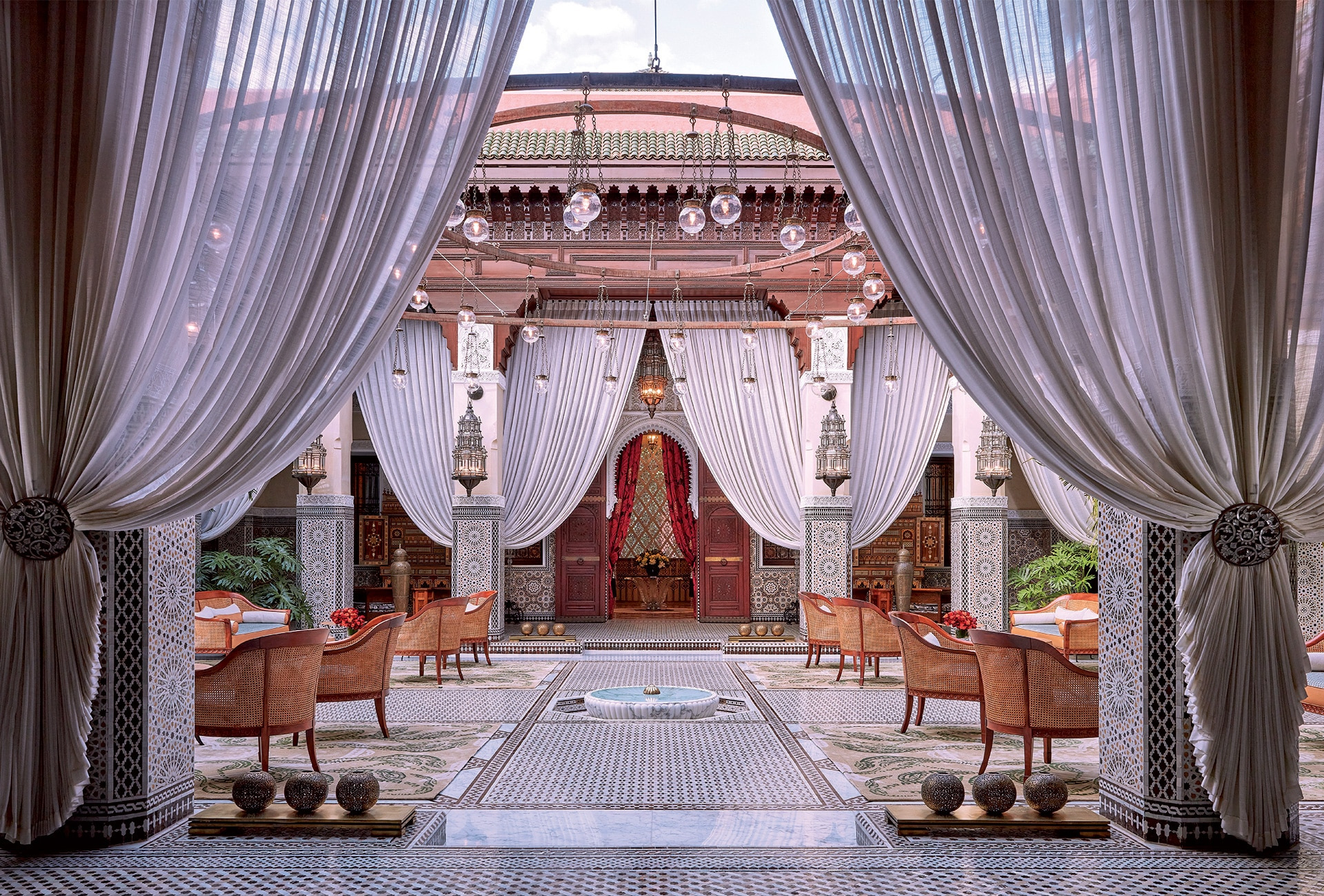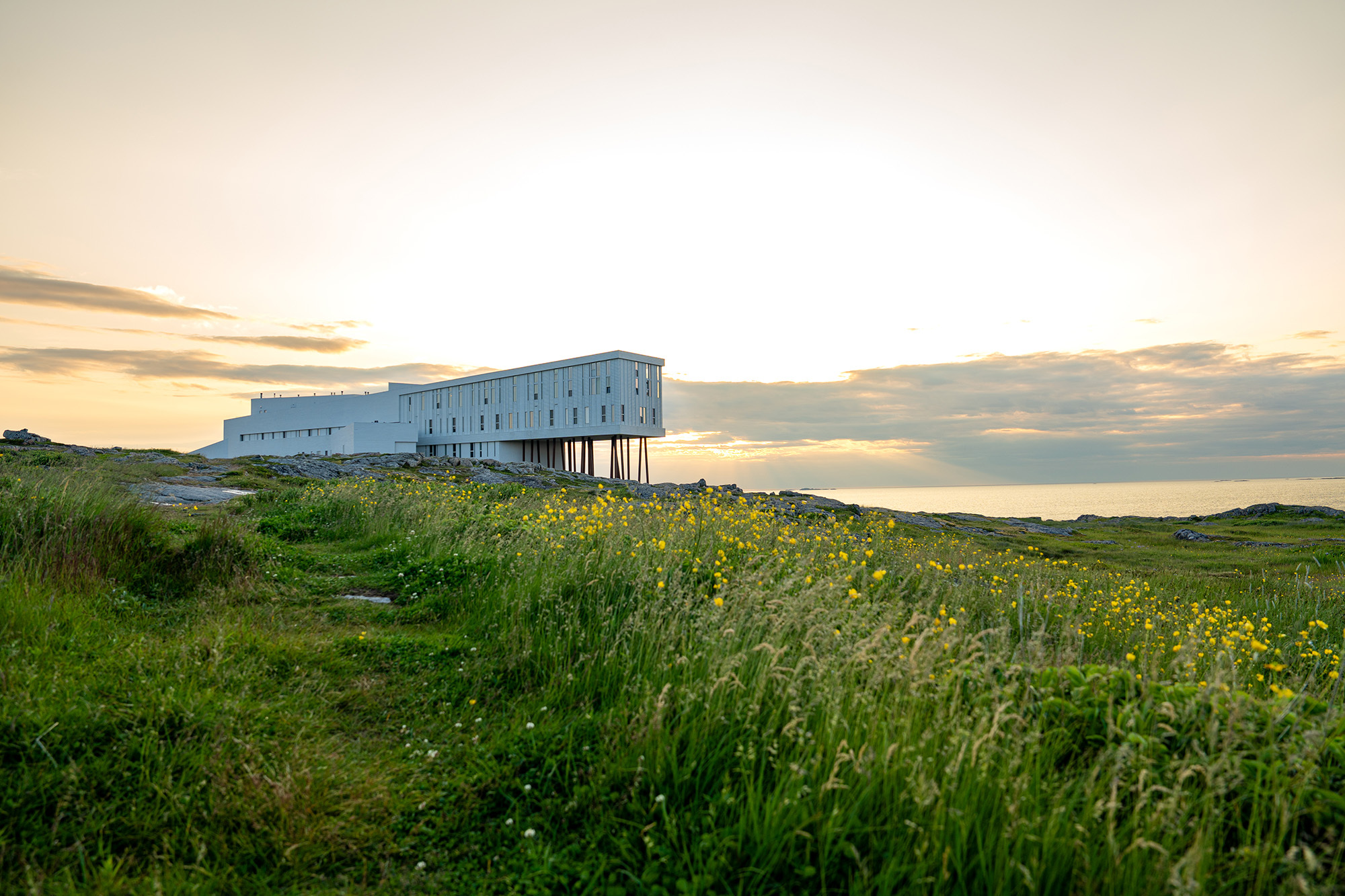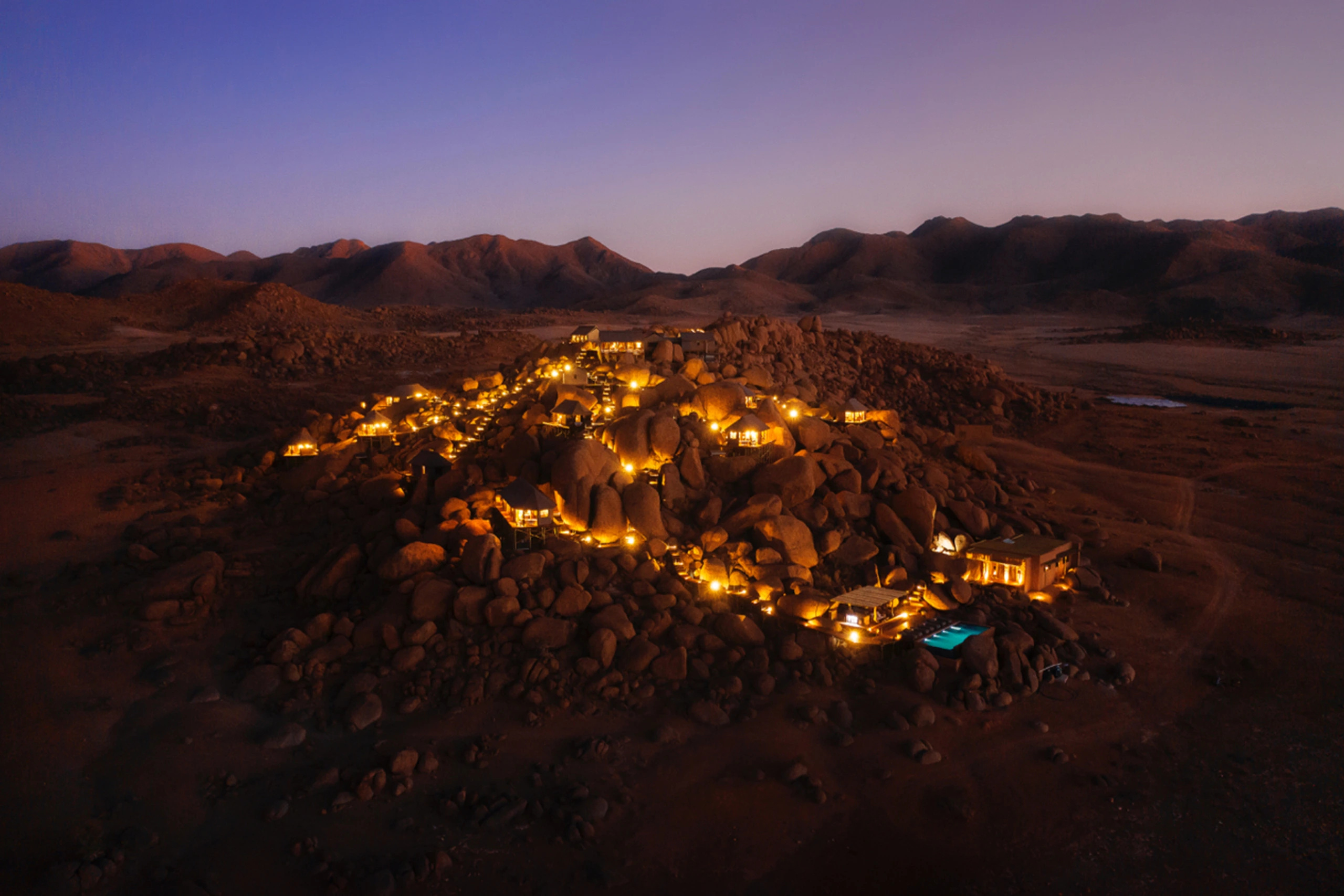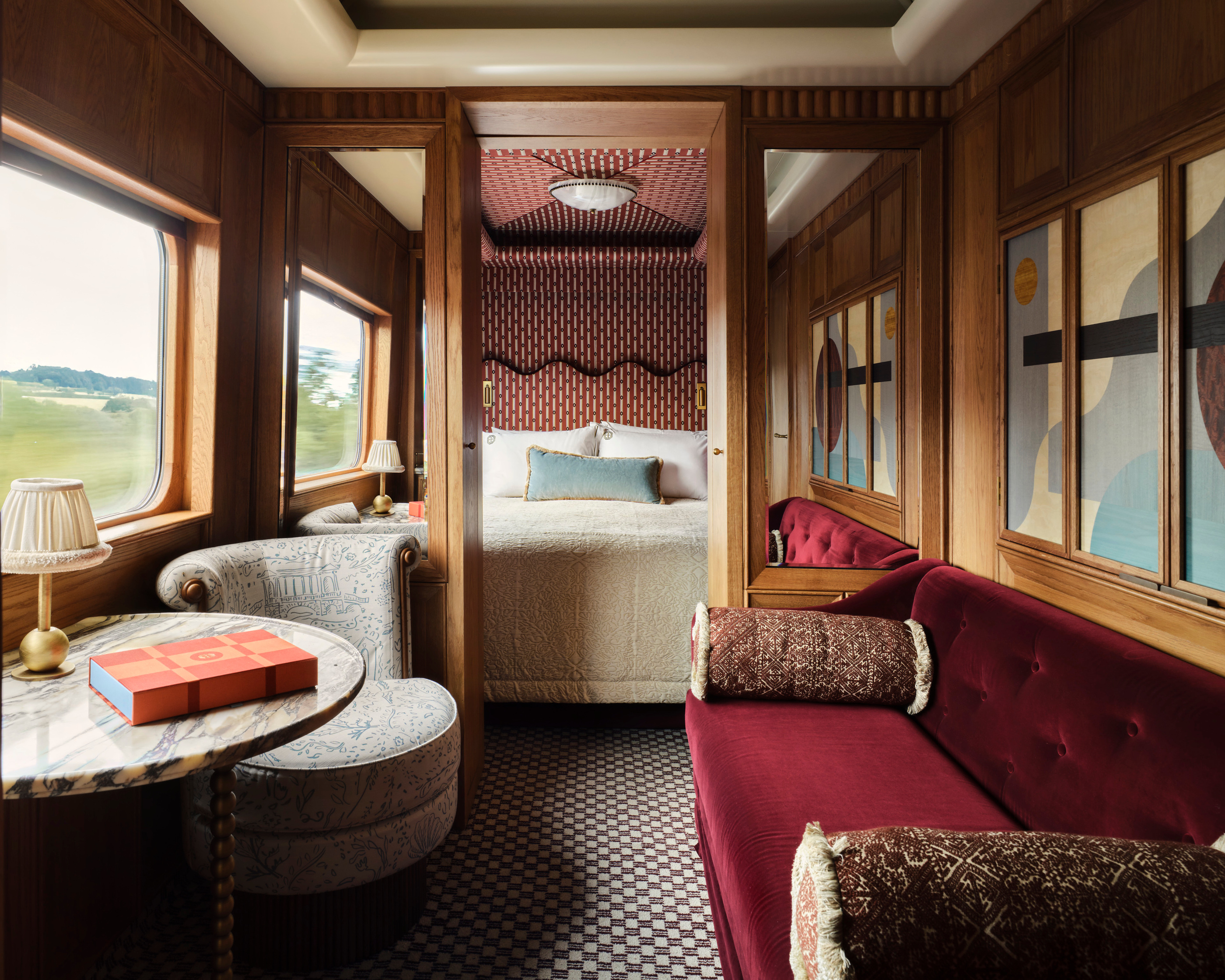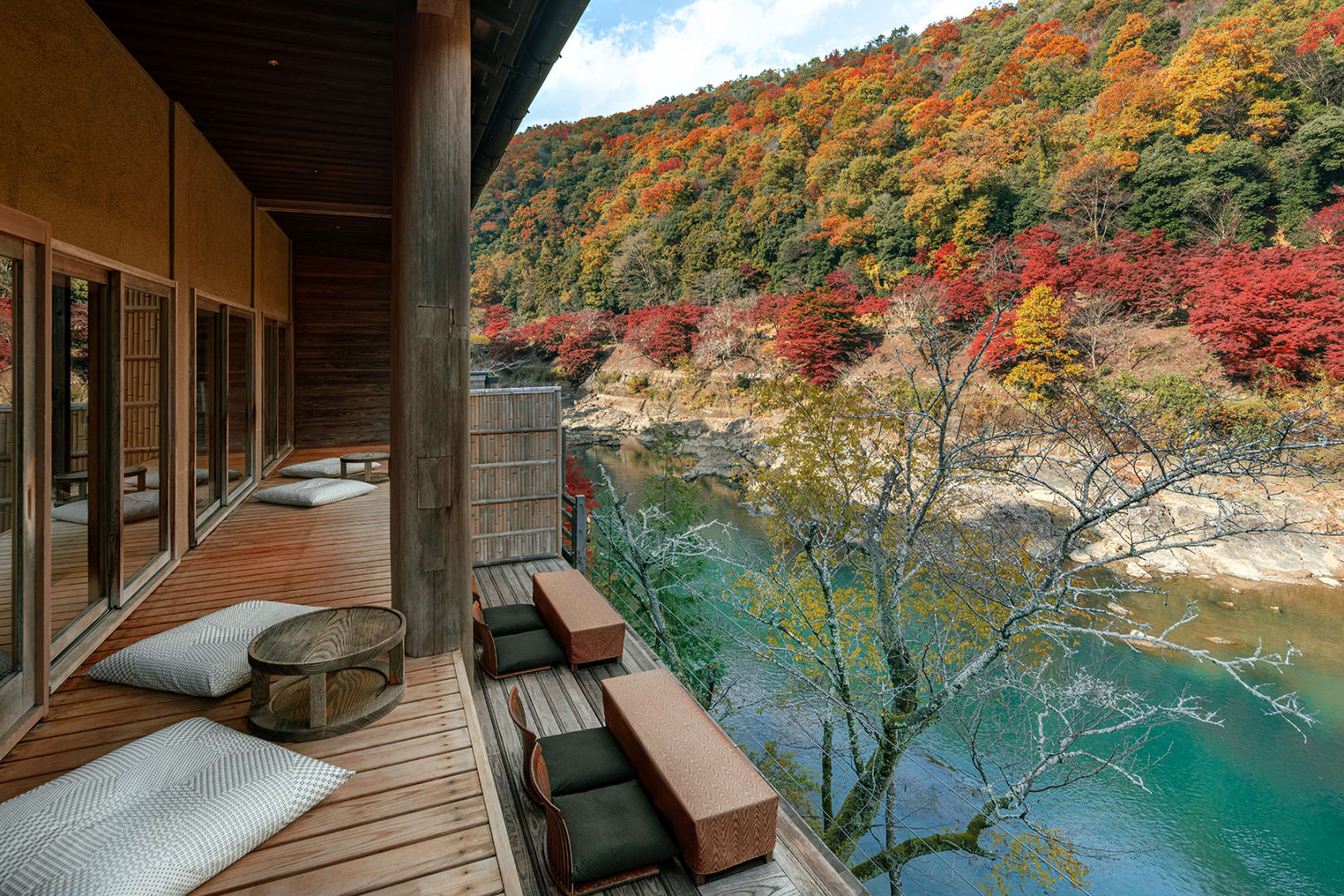
At HOSHINOYA Kyoto, arrival is a spatial decision. The official access route separates the boat waiting area in Arashiyama from the accommodation farther along the river. That separation is central to the appeal: Kyoto becomes a landscape entered in stages, rather than a city navigated from a conventional hotel lobby. It also makes the first journey, and every subsequent outing, worth thinking through before reserving.
The river is a threshold
The operator’s access page describes a private boat transfer to the main building, requiring advance reservation. It also states that weather or river conditions may interrupt the service, with a private-car alternative. Both belong in the same description of arrival. The boat is a documented feature of the experience, not a guaranteed performance at a traveller’s chosen moment.
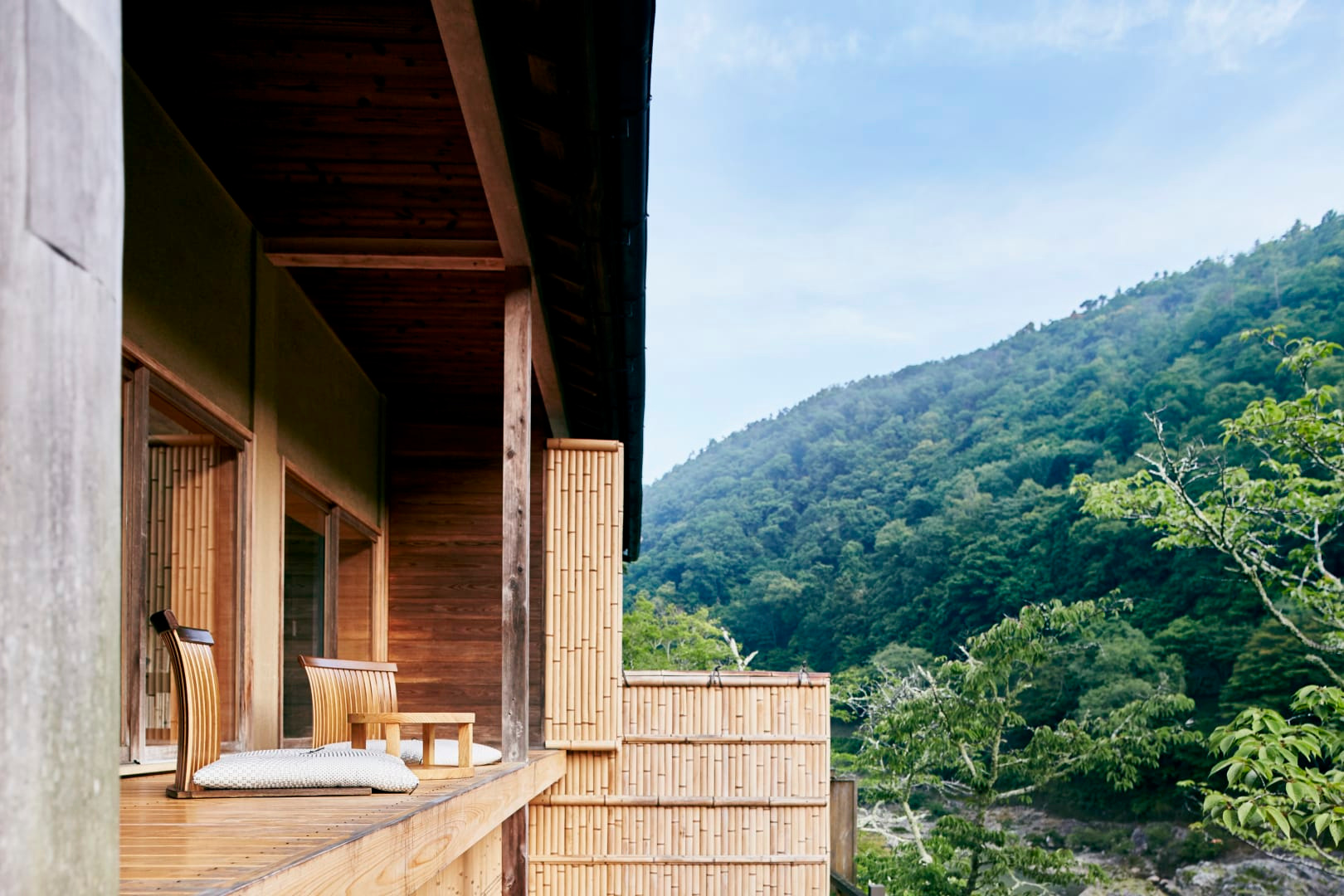
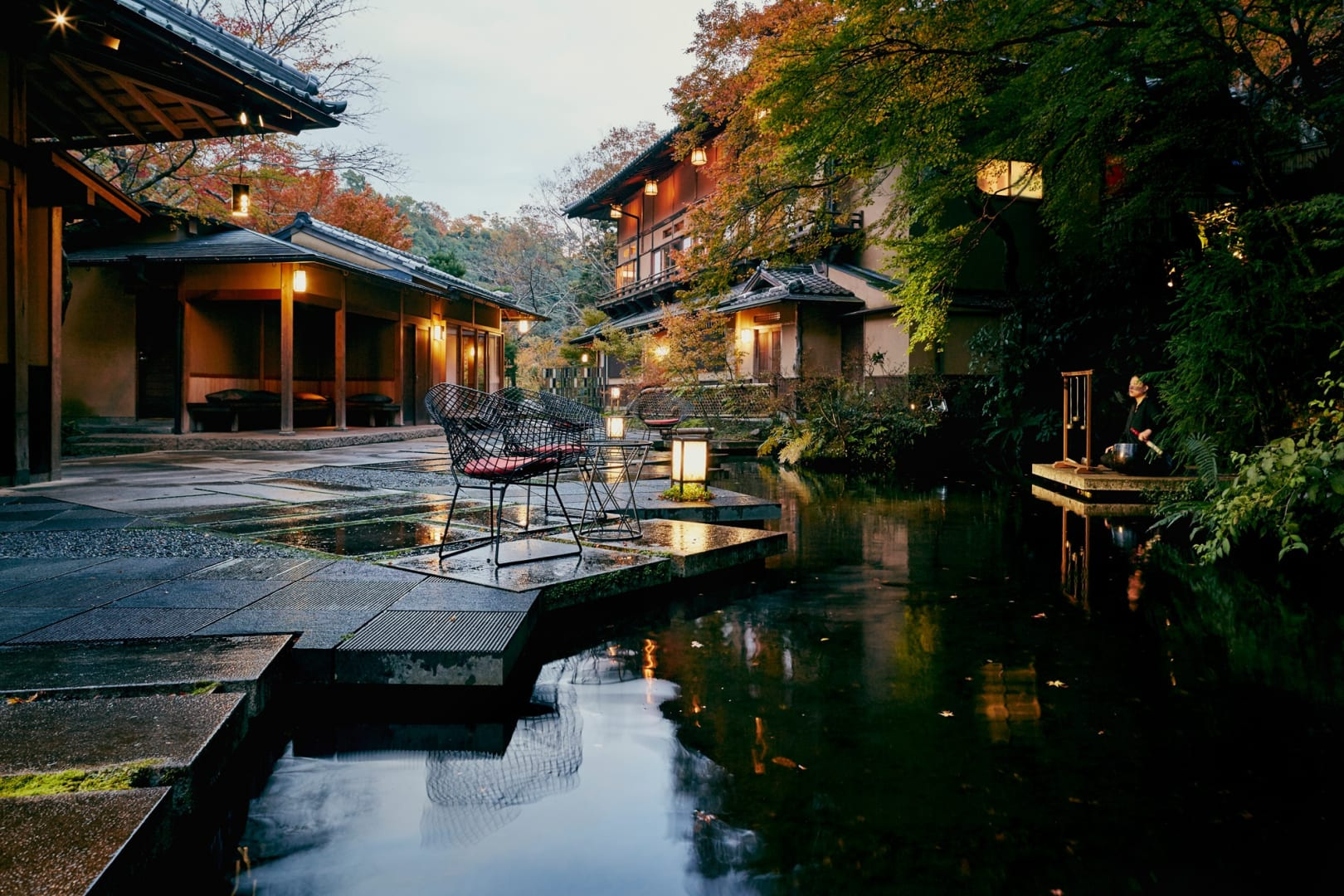
This has an architectural consequence. The approach asks a visitor to distinguish the busy arrival district from the accommodation itself. In the official photographs, buildings sit against trees and water, with edges that alternate between sheltered interiors and open views. The sequence reads as a gradual change of scale: city, river, pavilion, chair. No first-hand passage or stay is claimed here.
That sequence can be a considerable attraction for someone who wants a retreat in Arashiyama. It can be less convenient for someone whose days depend on repeated, spontaneous crossings of the city. Neither preference is inherently more sophisticated. The useful distinction is between a base for constant movement and a place whose approach is part of the reason to stay.
Plan to the waiting area
The access page provides directions to the HOSHINOYA Kyoto Boat Waiting Area from railway stations and by road. This is the destination to clarify with a driver, rather than assuming the accommodation address describes an ordinary taxi drop-off. The operator also discusses leaving larger luggage at the waiting area. Confirm the specific handling arrangement for the booking instead of treating a map pin as a complete arrival plan.
Its currently published boat window runs from 14:30 to 17:45 for departures towards the guest wing. That is a dated operational detail checked on 15 October 2026, not an enduring timetable. Obtain the instructions issued after reservation and use those to plan the connection. An attractive afternoon in central Kyoto is only compatible with arrival if its end point and transfer have been agreed.
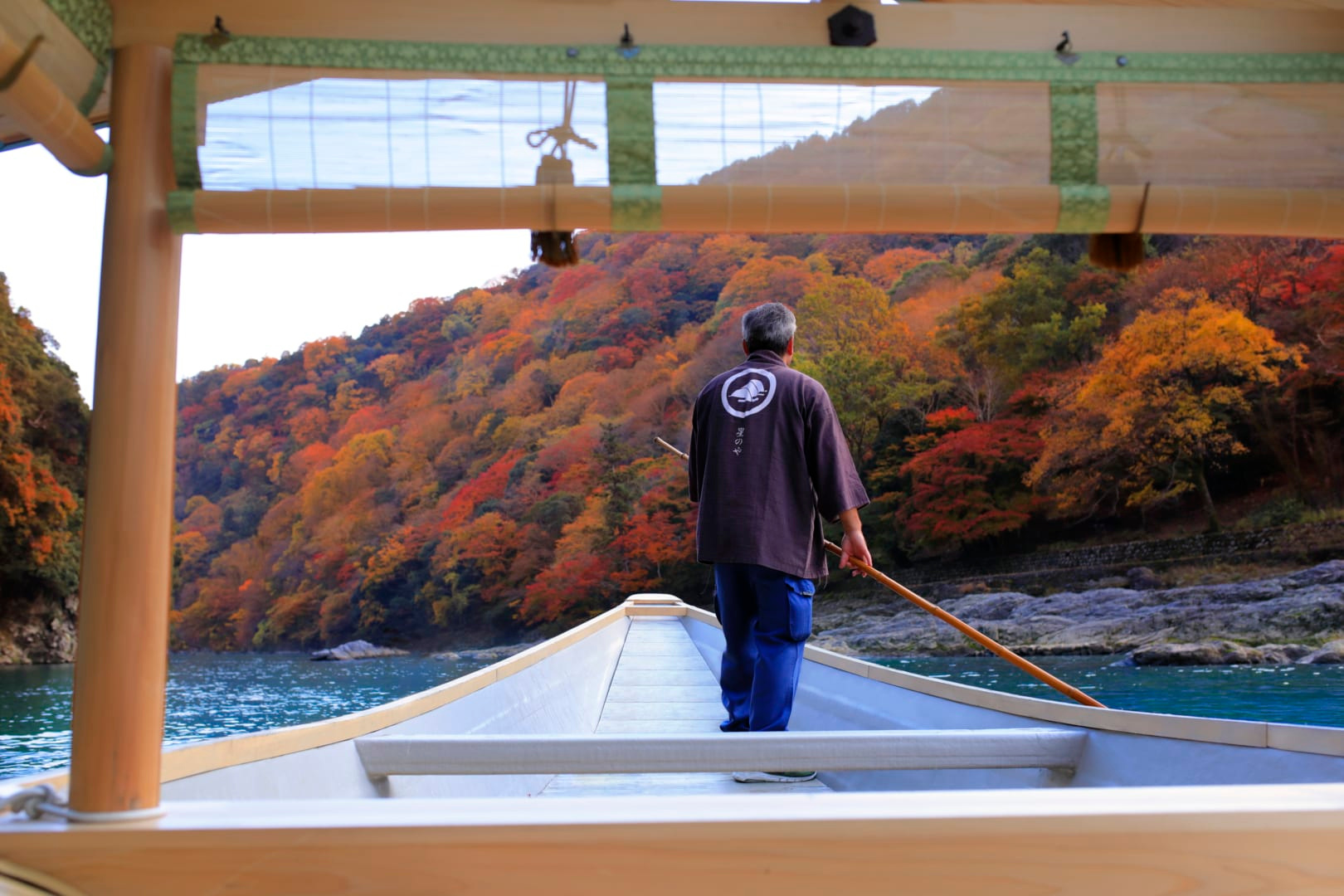
The same care is useful on departure. Work backwards from the train or onward appointment, asking about the transfer available on that date and the fallback if river operations change. Keep the hotel’s own confirmation with the transport booking. A fixed museum entry, restaurant reservation or rail departure should not depend on an assumed crossing time taken from an undated travel anecdote.
A room as a way of looking
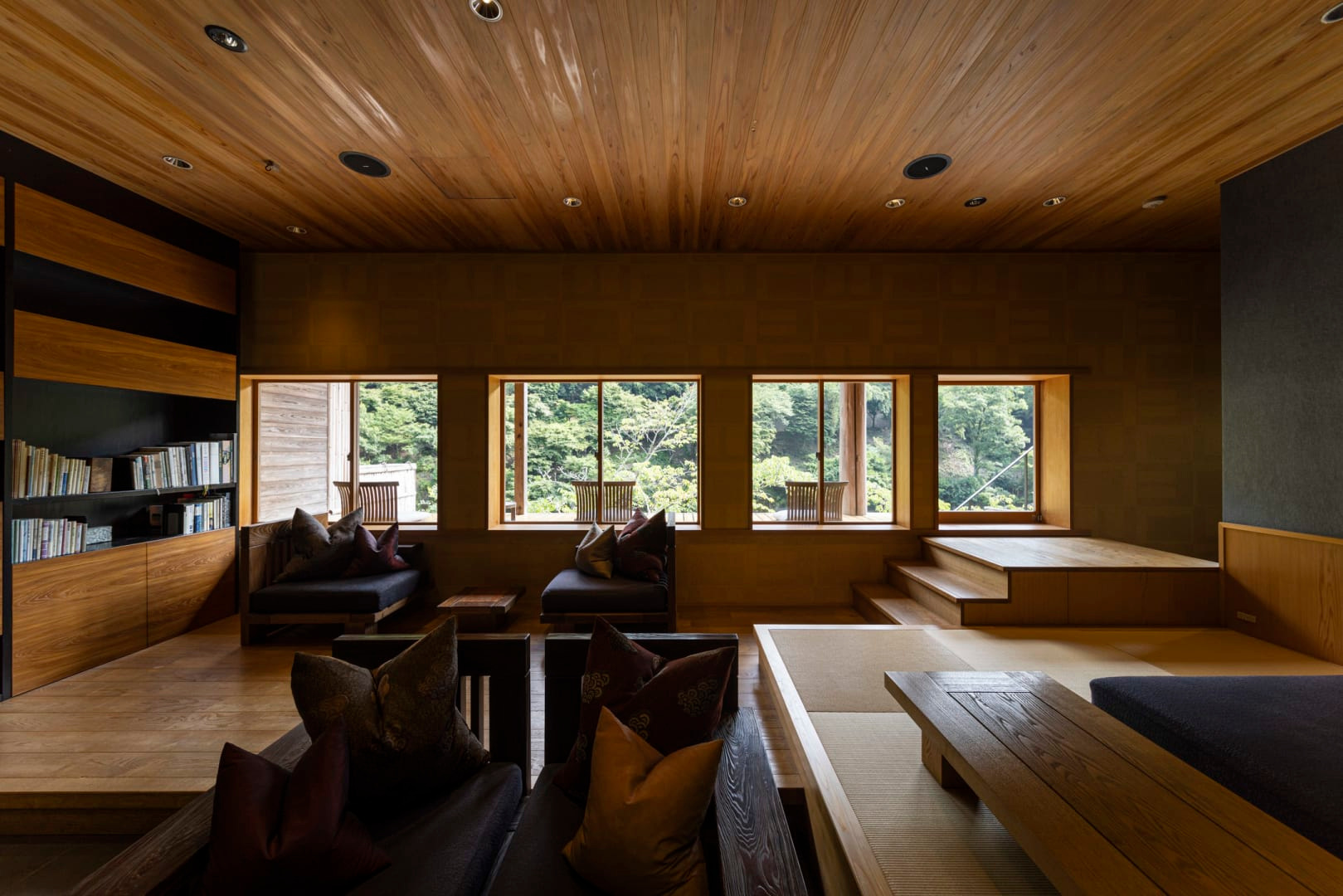
Hoshino Resorts lists 25 guest rooms and describes the guest-pavilion windows as framing the gorge and its seasonal colours. The key point is the relationship between interior and outlook, rather than a claim that one image represents every room. Room category, level, internal layout and the visible landscape should be established for the actual accommodation offered.
The official interior images show timber, low furniture, screens and framed views. Their effect comes from boundaries as much as openness. A window division gives a tree or a patch of water a deliberate position within the room; a seat placed near it suggests time spent observing rather than moving on. That is visual analysis of the published material, not evidence of acoustic privacy, comfort or service performance.
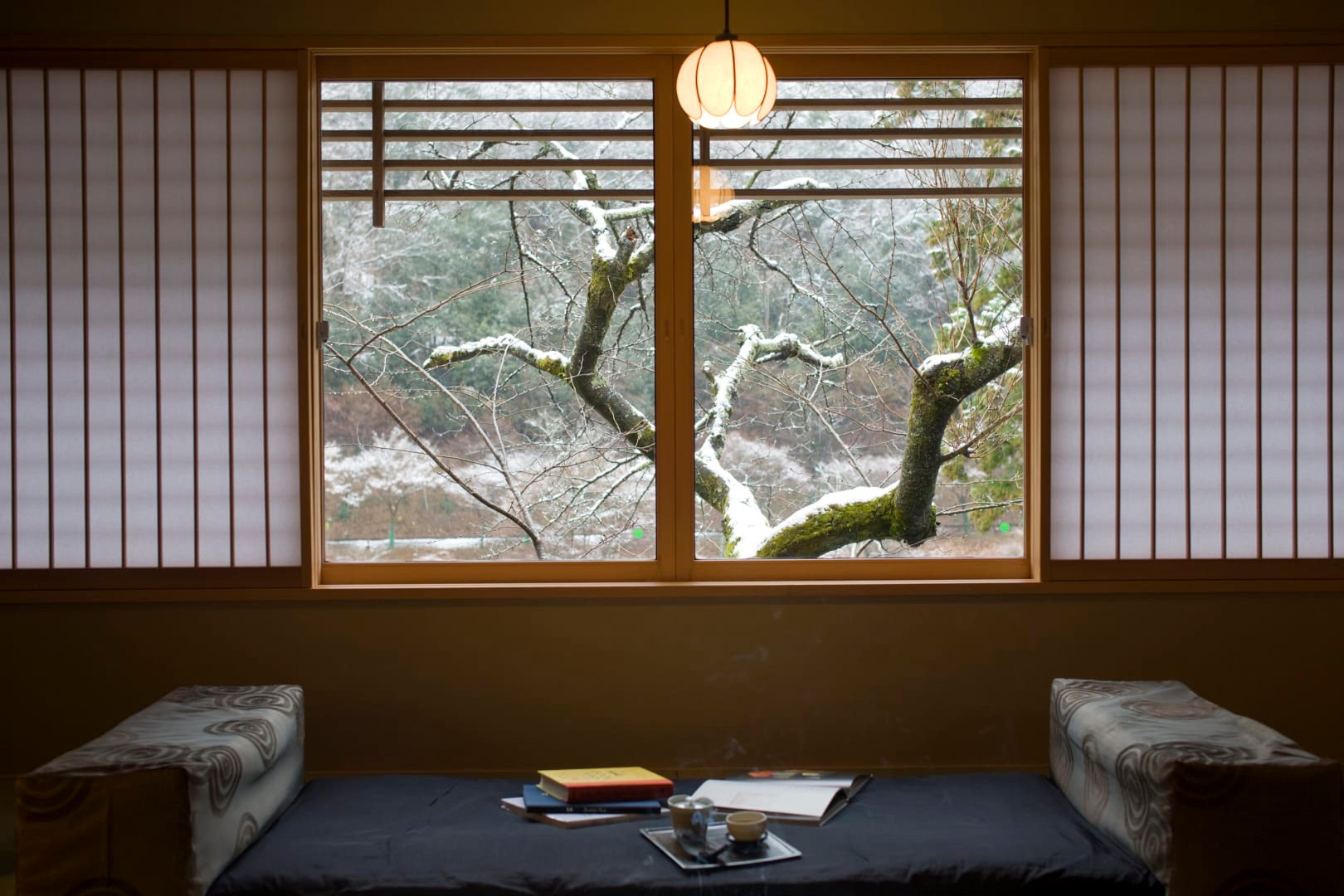
When comparing categories, look beyond floor area. Ask how sleeping, sitting and bathing are arranged, whether there are internal stairs and which view belongs to the proposed room. Discuss any mobility requirements directly. An evocative pavilion photograph cannot settle step-free access, and a broad occupancy statement cannot establish a suitable sleeping arrangement for every party.
Gardens without a timetable
The property’s published images shift between green foliage, autumn colour, evening light and blossom. They demonstrate seasonal variation, not simultaneous experiences. A beautiful sequence can inadvertently compress a year into one imagined weekend. Read each frame as a particular moment and ask which activities and spaces are actually available during the intended dates.
This is especially relevant when choosing between a brief retreat and a stay dominated by city visits. A garden or riverside sitting space is not an itinerary item completed by seeing it once. Its value may come from returning at another hour, reading for a while, or leaving an afternoon unassigned. That is a reason to protect time at the property, rather than simply adding another booked activity.
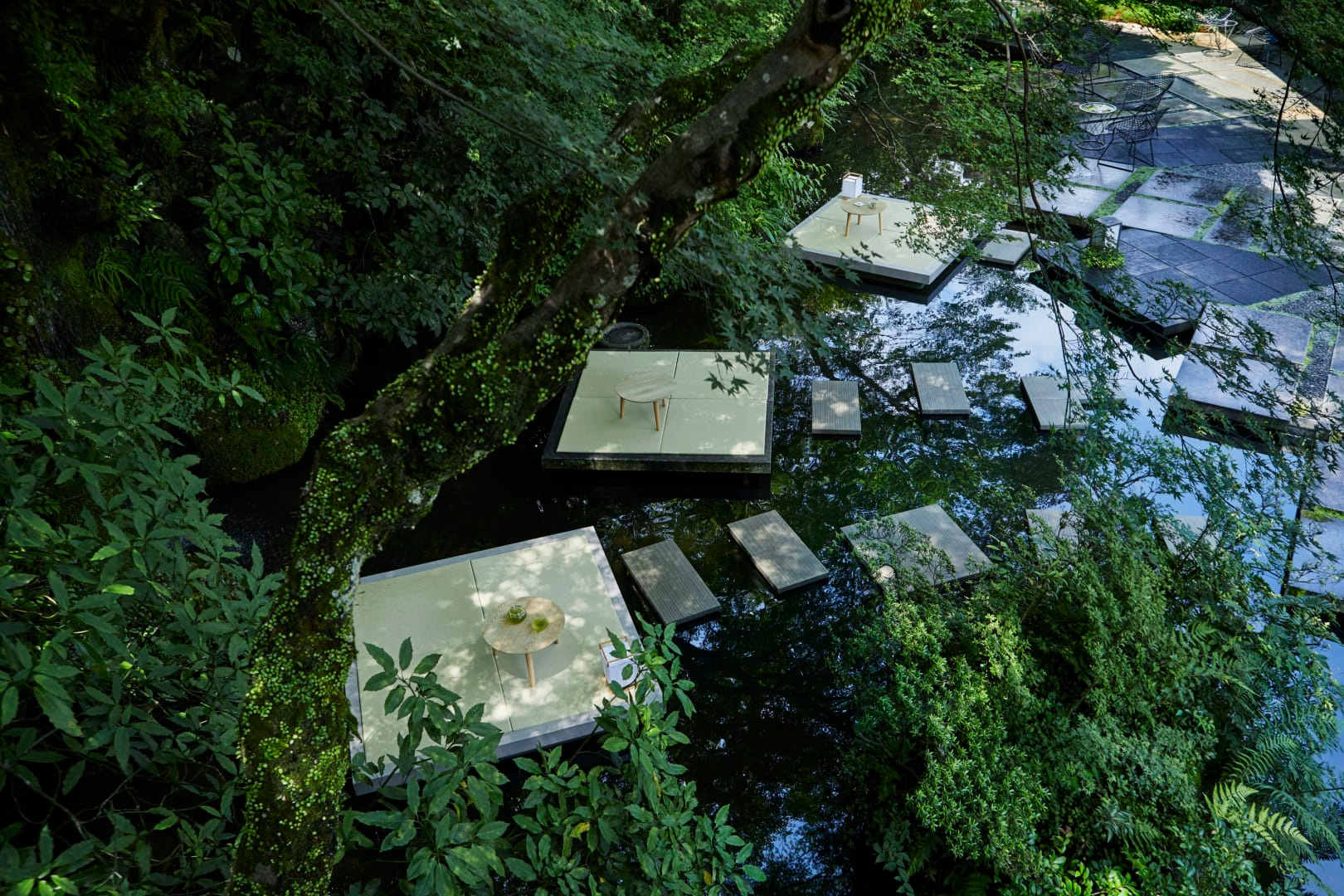
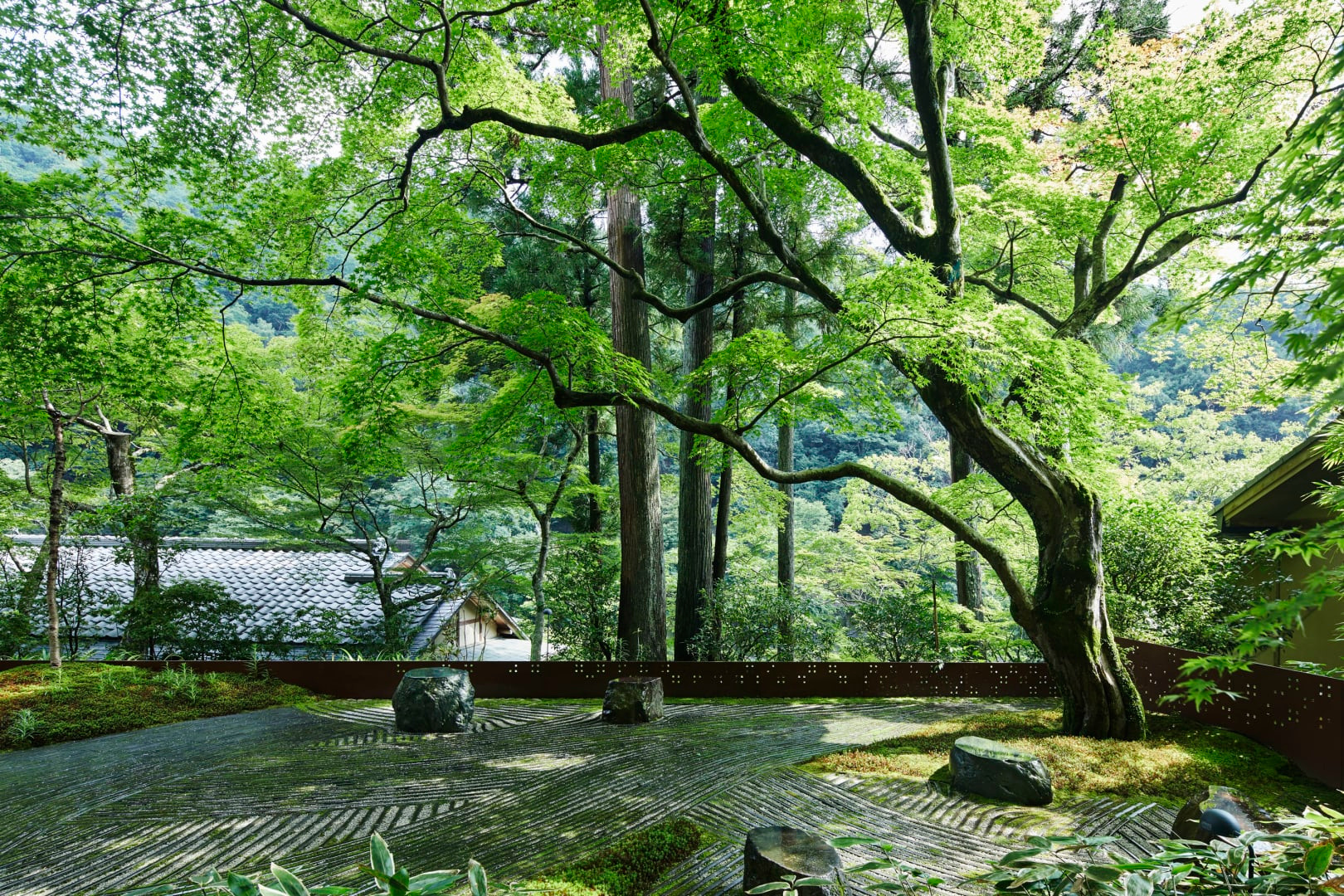
Dining should be planned with the same clarity. Confirm the current meal arrangement and any dietary requirements directly; the official photographs illustrate the property’s presentation but are not a tasting report or a guarantee of a future menu. One carefully chosen evening may fit the stay better than a series of departures that reduces the riverside setting to somewhere to sleep.
An arrival and outing brief
Use this as a conversation with the reservation team. The questions describe decisions still to make, not services claimed to be included. Retain the final instructions for the actual travel dates and share the appropriate arrival point with anyone arranging the journey.
| Stage | Established in the operator’s material | Confirm for the reservation |
|---|---|---|
| Arashiyama arrival | A separate boat waiting area is identified | Driver destination and luggage handover |
| River transfer | Private boat, booked in advance | Date-specific departure and meeting procedure |
| Changing conditions | A car alternative is described | How notification and collection work |
| Guest room | A 25-room property with several configurations | Actual layout, view and access needs |
| City outings | The riverside setting is distinct from a central-city base | Return arrangements before booking fixed appointments |
| Departure | An onward journey begins before the station | Transfer margin and a confirmed fallback |
The central planning choice is how often to leave. Someone determined to visit widely dispersed addresses each day should map those movements honestly. Someone drawn to the gorge can choose fewer external commitments and give the setting time to register. The property’s small scale and landscape-led presentation do not require every guest to travel in the same way; they make that choice more consequential.
The Luxe Digital view
HOSHINOYA Kyoto is most compelling when the journey to the room is treated as part of the stay. Its riverside approach can provide a deliberate change of pace, provided the practical arrangements are understood rather than romanticised away.
Choose it for the relationship between pavilion, garden and gorge, then build a schedule that allows those relationships to matter. Confirm the boat and its alternative, identify the actual room and resist importing every seasonal photograph into one visit. A carefully organised arrival leaves more freedom afterwards: the freedom to stay beside the river without wondering which connection has been overlooked.
HOSHINOYA Kyoto is most compelling when the journey to the room is treated as part of the stay.
Sources & credits
Sources and methodology
Independent travel and accommodation analysis of the named official records and imagery, checked on 15 October 2026. Operating details retain their date of verification. Images show the identified configurations. Original visual and practical analysis of identified official property records and photography. No stay, boat passage, flight, tasting, treatment, interview or service test claimed. Seasonal images do not establish conditions or availability for future dates. Exact access, opening, inclusions, room configuration and activity arrangements require date-specific confirmation.