
The French Riviera becomes more coherent when it is planned as a connected coastal system rather than a checklist of prestigious names. Rail links many of the principal centres; road transfers solve airports, hills, luggage and late hours; local marine services can support selected coastal movements. The high-end decision is not to book the most expensive vehicle for every leg. It is to choose the mode that removes friction from the actual itinerary.
That requires door-to-door thinking. A destination may look close on a map while its station, hillside hotel, marina or event entrance creates a difficult last mile. A private car may look effortless until peak traffic, parking restrictions or a fixed reservation compress the schedule. A resilient plan starts with fixed commitments, maps each complete movement and gives critical legs a fallback.
Treat rail as the baseline test
The official SNCF TER Sud network map identifies the regional rail and road lines and their stations across Provence-Alpes-Côte d’Azur. Current Côte d’Azur information lists coastal services through places including Cannes, Antibes, Nice and toward Menton and Ventimiglia, while live journey tools and timetable notices remain the authority for a particular date.
For a movement between centres on the line, rail can remove parking and reduce exposure to some road congestion. It can be especially effective for an independent day with light luggage and a walkable arrival. But “rail connected” is not the same as door-to-door simple. Platform access, strikes, engineering works, late-evening frequency and the distance from station to final address all need a current check.
Use rail as the first comparison, not an automatic answer. Record the departure station, arrival station, walking distance, stairs or lifts, luggage burden, ticket flexibility and a realistic margin. If the final address is on a steep hill or the party carries formal wardrobe, equipment or several cases, the last mile may determine the mode.
Use road where it solves a defined problem
A private transfer is most valuable when it removes a real constraint: airport arrival, significant luggage, children, reduced mobility, late hours, an inland property or a fixed event. The booking should specify vehicle and luggage capacity, meet-and-greet location, waiting policy, child seats, cancellation, overtime and contact escalation.
Road duration on the Riviera is not a fixed product. Traffic, events, incidents, border conditions and local access rules can change it. Avoid placing an immovable lunch, yacht departure or airport cutoff immediately after a long road leg. A published map estimate is not an operational guarantee.
A rental car provides independence for inland villages or multi-stop exploration, but it also introduces parking, restricted zones, driver fatigue and alcohol constraints. If the vehicle remains at the hotel for most of the stay, it is not creating flexibility. It is creating administration. Compare the actual driving days with rail and selective transfers before committing.
Choose the base from the itinerary

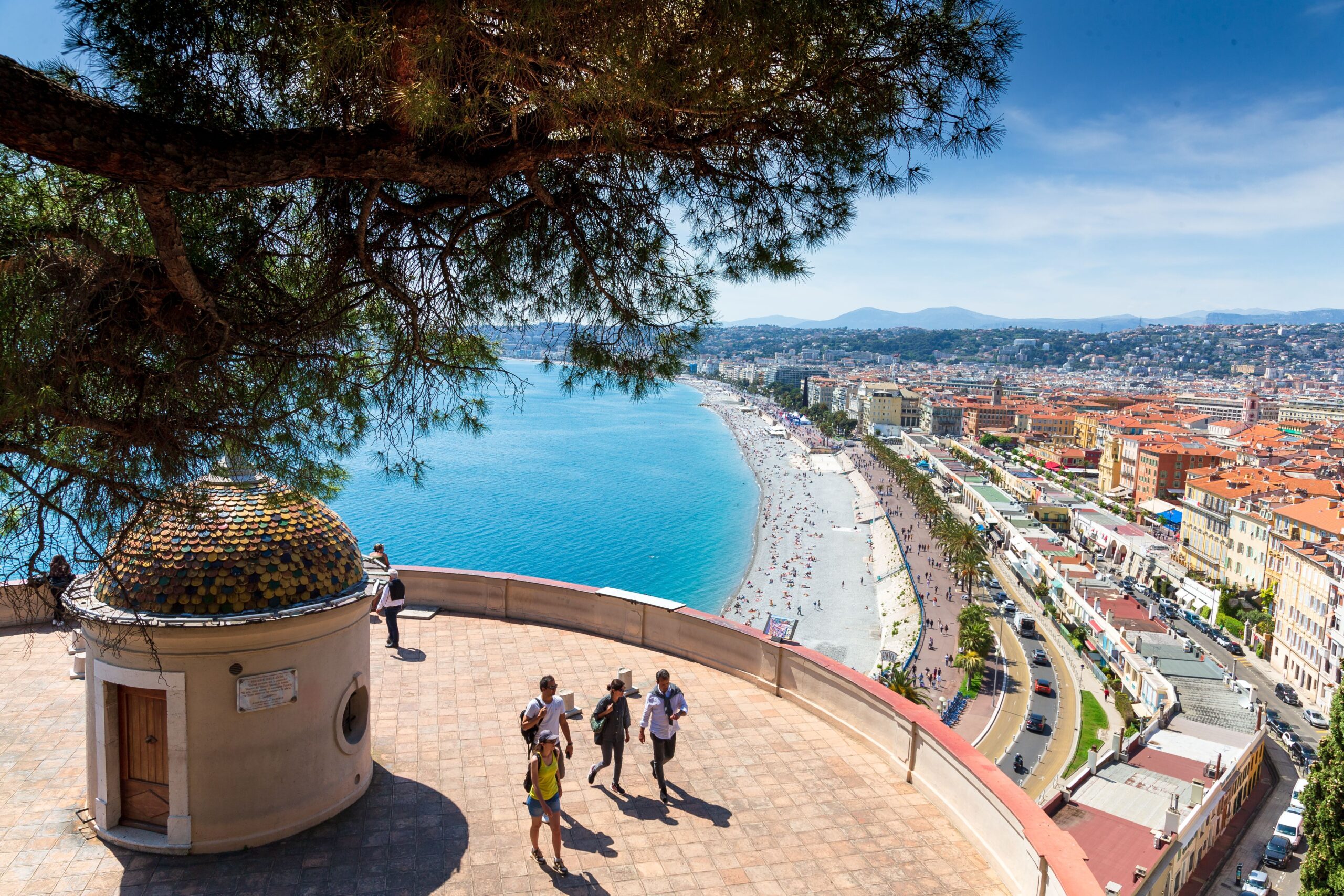
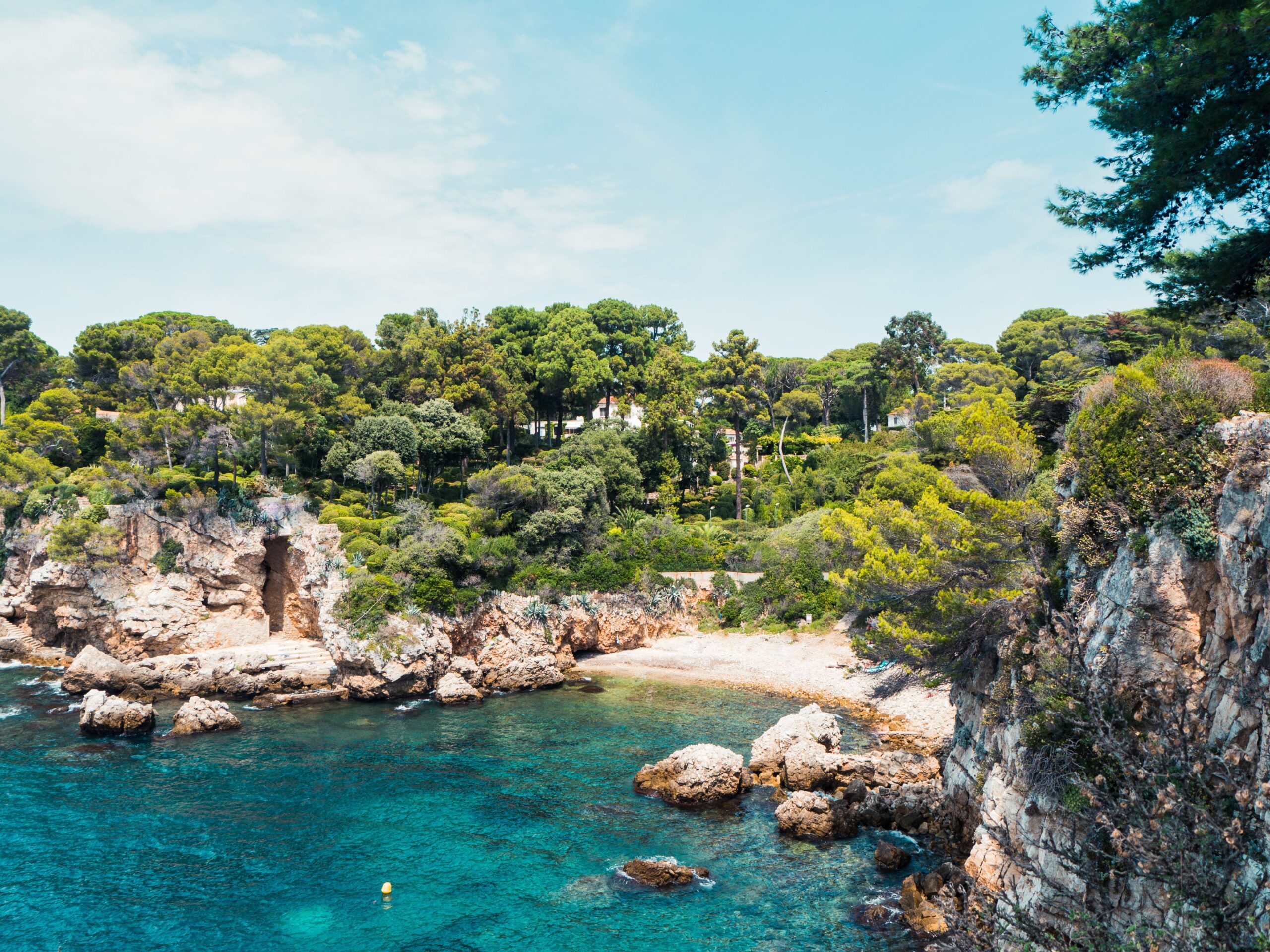
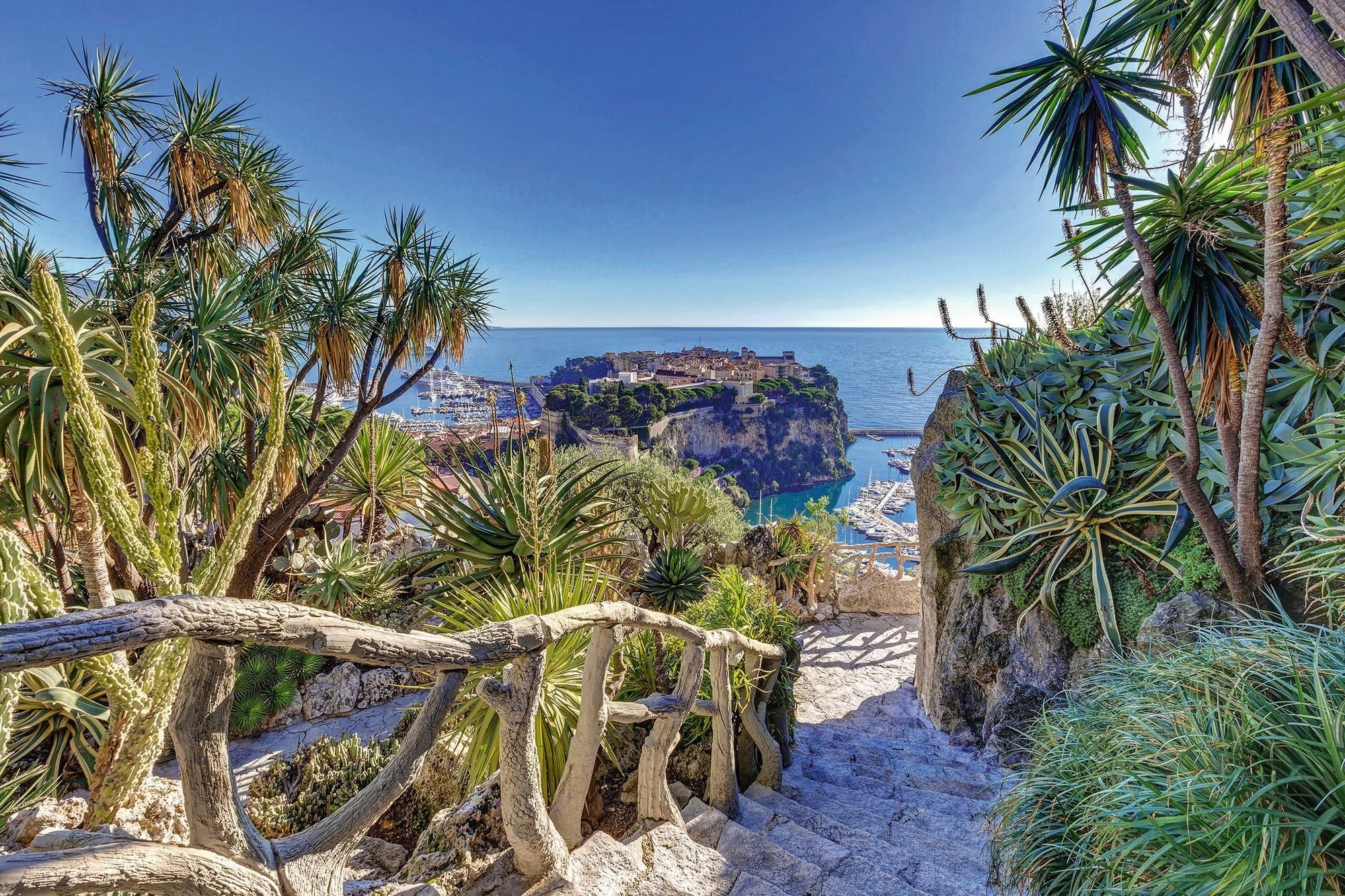
A prestigious address is not automatically the most efficient base. Plot the fixed experiences first: flight, hotel, event, restaurant, marina, museum or meeting. Then calculate the full movement for each candidate base.
Nice offers airport proximity and broad rail utility. Cannes and Antibes can suit western or central coastal priorities. Monaco and the eastern corridor change the balance again. The right answer depends on the trip, and the purpose of this guide is not to rank the destinations. It is to prevent repeated crossings of the same congested corridor.
For a longer itinerary spanning both ends of the coast, two bases may reduce total transfer time. For a short stay, the hotel change may consume more energy than it saves. Count packing, check-out, room readiness and luggage custody as part of the move. Luxury is measured in usable time, not the number of addresses collected.
Design the airport legs conservatively
Arrival and departure carry different risk. On arrival, delay can be absorbed if the first programme is deliberately light. On departure, a missed flight has a hard cost. Build the final airport movement from the airline cutoff backward, add the realistic door-to-door transfer and preserve contingency.
Do not rely on the last plausible train or an optimistic road estimate. Confirm terminal, baggage, vehicle capacity and pickup point. If the trip crosses a border or coincides with a major event, review official notices close to departure. A concierge’s reassurance should complement, not replace, the itinerary’s own margin.
Luggage changes the transport hierarchy
The same rail journey can be elegant with one cabin case and burdensome with family luggage, garment bags or specialist equipment. Count pieces, dimensions and handling capability. Confirm station access rather than assuming step-free movement. When rail is otherwise superior, a separate luggage movement or station transfer may preserve its advantage.
For road, confirm that passenger count and luggage count fit the booked vehicle simultaneously. A premium badge does not guarantee cargo capacity. For yacht embarkation, establish the exact marina, quay or tender point; the town name alone is insufficient.
Use coastal services as a planned experience
Boats can add a valuable coastal perspective and may connect selected places, but they are not a universal substitute for rail or road. Timetables can be seasonal, weather-sensitive and operator-specific. Pier access and luggage policies also vary.
Treat a scheduled or chartered coastal movement as its own product. Verify operator, vessel, departure point, arrival point, cancellation policy, baggage and weather decision process. If the movement protects a flight or another hard commitment, retain a land alternative.
Build a fallback for every critical leg
The most useful contingency is concrete. For each critical transfer, record a primary mode, fallback mode, decision deadline and responsible contact. A generic promise that “the concierge will arrange something” is weaker than an agreed trigger.
Engineering works and service changes are visible on official SNCF pages and must be checked for the travel date. Road restrictions may be event-specific. Weather can affect marine plans. None of these conditions makes a Riviera itinerary unreliable; they simply reward a design that does not depend on one fragile chain.
A practical movement matrix
- Airport arrival with luggage: compare pre-booked road transfer with rail plus confirmed last mile.
- City-to-city day trip on the coast: test rail first, then compare the complete walk or transfer.
- Hillside hotel: treat station-to-hotel access as a separate leg.
- Formal event: preserve wardrobe handling and a generous arrival margin.
- Marina embarkation: verify the precise quay, access controls and luggage handoff.
- Late dinner: confirm the actual final rail option before assuming it exists.
- Coastal boat: verify seasonal operation and keep a land fallback for critical timing.
- Departure day: choose the conservative route and protect the airline cutoff.
What this guide does not promise
It does not guarantee a timetable, journey duration, strike-free service, road condition, marine operation or accessibility. It does not endorse a transfer company. Official sources establish the network and destination context; live operational information and booking-specific confirmation govern the journey.
Key takeaways
- Plan the Riviera as a corridor and compare complete door-to-door movements.
- Test rail first for centres on the official coastal network.
- Use private road transfers where luggage, hours, terrain or fixed commitments justify them.
- Choose bases by total itinerary friction, not name recognition alone.
- Give every critical movement a fallback, decision deadline and current official recheck.
Sources & credits
Methodology and sources
This guide uses current SNCF TER Sud network and Côte d’Azur service information plus official destination context from Atout France. It provides itinerary methodology, not a live timetable or accessibility guarantee. Service frequency, engineering works and booking conditions must be rechecked for the actual travel date.
- SNCF TER Sud regional network map
- SNCF TER Sud Côte d’Azur services and current notices
- Official Côte d’Azur destination context from France.fr
Media: the Nice panorama remains a rights-review candidate and is not authorised for this draft.