Documented sources suggest approximately 200,000 pieces/year
Official Website
breitling.com
Breitling (1884, Saint-Imier, Switzerland, Léon Breitling) is a Swiss watch manufacturer renowned for its chronographs and strong ties to the world of aviation. The brand is known today for its robust designs, precision timekeeping, and its Navitimer and Chronomat collections, favoured by pilots and watch enthusiasts alike. Breitling maintains a reputation for producing high-quality, functional timepieces.
History and Founding
Léon Breitling (1860-1914) founded the Breitling watch company in 1884 in Saint-Imier, Switzerland. Initially, the company focused on producing chronographs for industrial, scientific, and sports applications. Breitling’s early success stemmed from his innovative approach to chronograph design, which prioritised functionality and precision.
In 1889, Breitling patented a simplified chronograph movement, followed in 1893 by a chronograph with a minute repeater. These inventions established Breitling’s reputation for technical expertise and innovation in watchmaking. The company’s early chronographs were widely adopted by professionals who required accurate time measurement, including engineers, scientists, and athletes.
Following Léon Breitling’s death in 1914, his son, Gaston Breitling, took over the company’s management. Gaston continued his father’s focus on chronograph development, introducing the first wristwatch chronograph in 1915. This innovation marked a significant step forward in watchmaking, as it allowed for more convenient and portable time measurement.
In 1923, Breitling introduced the first chronograph with a separate pusher for stop/start and reset functions. This design, which separated the start/stop and reset functions, improved the practicality and usability of chronographs, becoming an industry standard.
Historical Timeline
Year
Event
Significance
1884
Léon Breitling founds Breitling in Saint-Imier, Switzerland.
Establishes the company focused on chronographs.
1889
Breitling patents a simplified chronograph movement.
Demonstrates early innovation in chronograph design.
1915
Breitling introduces the first wristwatch chronograph.
Marks a significant advancement in portable time measurement.
1923
Breitling patents the first chronograph with a separate pusher for stop/start and reset functions.
Enhances the functionality and usability of chronographs.
1934
Breitling patents the second independent chronograph pusher.
Solidifies the modern chronograph design.
1936
Breitling becomes the official supplier to the Royal Air Force.
Establishes a strong connection with aviation.
1952
Breitling launches the Navitimer, featuring a circular slide rule for pilots.
Becomes an iconic aviation watch.
1969
Breitling, in collaboration with Heuer and Buren, develops the Chronomatic movement, one of the first automatic chronograph movements.
Advances automatic chronograph technology.
1979
Ernest Schneider acquires Breitling.
Ensures the brand’s survival during the quartz crisis.
1984
Breitling reintroduces the Chronomat, marking a return to mechanical chronographs.
Signals a revival of interest in mechanical watches.
1995
Breitling launches the Emergency watch with a built-in emergency transmitter.
Showcases innovation in safety and rescue technology.
1999
Breitling develops and produces its first in-house movement, the Caliber B01.
Demonstrates independence and technical expertise.
2017
CVC Capital Partners acquires a majority stake in Breitling.
Brings new investment and strategic direction to the company.
2018
Georges Kern becomes CEO of Breitling.
Leads a brand repositioning and modernisation strategy.
Key Collections and Iconic References
Breitling’s portfolio includes several key collections, each with its own distinct design and functionality. The Navitimer, Chronomat, Superocean, Avenger, and Premier lines represent the brand’s core offerings, catering to diverse tastes and professional requirements.
**Navitimer:** Introduced in 1952, the Navitimer is arguably Breitling’s most iconic model. Designed for pilots, it features a circular slide rule that enables various calculations related to flight, such as airspeed, distance, and fuel consumption. The Navitimer has remained in continuous production since its launch, with various iterations and special editions released over the years.
**Chronomat:** Originally launched in the 1940s, the Chronomat was reintroduced in 1984 as a mechanical chronograph. It features a robust design, a rotating bezel with rider tabs, and a variety of dial options. The Chronomat is known for its versatility, appealing to both aviation enthusiasts and those seeking a sporty yet elegant timepiece.
**Superocean:** The Superocean collection comprises dive watches designed for underwater exploration. These watches feature high water resistance, luminous displays, and unidirectional bezels for timing dives. The Superocean is available in various sizes and styles, catering to both professional divers and recreational water sports enthusiasts.
**Avenger:** The Avenger line consists of robust and functional watches designed for aviation professionals and adventurers. These watches feature large cases, bold numerals, and high levels of legibility. The Avenger is known for its durability and reliability in demanding environments.
**Premier:** The Premier collection represents Breitling’s more elegant and refined side. These watches feature classic designs, sophisticated details, and a focus on understated luxury. The Premier line includes chronographs, day-date models, and other complications, appealing to those seeking a versatile and stylish timepiece.
Reference
Years Produced
Key Feature
Original Price
Current Secondary Market
Navitimer 806
1959-1978
Circular slide rule, beaded bezel
Approximately $200 (1960s)
£3,000 – £8,000
Chronomat 81950
1984-1990s
Rider tabs on bezel, integrated bracelet
Approximately $1,500 (1980s)
£2,000 – £5,000
Superocean A17360
2000s
High water resistance, unidirectional bezel
Approximately $2,500 (2000s)
£1,500 – £3,500
Emergency A73321
1995-Present
Built-in emergency transmitter
Approximately $4,000 (1990s)
£3,000 – £10,000
Chronomat B01
2009-Present
In-house Caliber B01 movement
Approximately $8,000 (2009)
£5,000 – £12,000
Technical Heritage and Innovation
Breitling has a long history of technical innovation in watchmaking, particularly in the field of chronographs. The company has developed numerous patents and inventions that have advanced the functionality and precision of timekeeping.
One of Breitling’s key innovations was the development of the separate chronograph pusher in 1923. This design, which separated the start/stop and reset functions, improved the practicality and usability of chronographs, becoming an industry standard. In 1934, Breitling patented the second independent chronograph pusher, further refining the modern chronograph design.
In 1969, Breitling, in collaboration with Heuer and Buren, developed the Chronomatic movement, one of the first automatic chronograph movements. This movement, also known as Caliber 11, was a significant achievement in watchmaking, as it combined the convenience of automatic winding with the functionality of a chronograph.
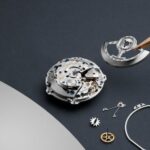
In 1999, Breitling developed and produced its first in-house movement, the Caliber B01. This movement, a column-wheel chronograph with a vertical clutch, is known for its precision, reliability, and robustness. The Caliber B01 has since become the foundation for many of Breitling’s chronograph models.
Breitling is also known for its commitment to chronometer certification. All Breitling watches are COSC-certified, ensuring a high level of accuracy and precision. This commitment to chronometer certification reflects Breitling’s dedication to producing high-quality, reliable timepieces.
Ownership and Corporate Structure
Breitling has undergone several ownership changes throughout its history. Founded in 1884 by Léon Breitling, the company remained under family control for several generations. Following Léon’s death in 1914, his son Gaston took over, and later Gaston’s son, Willy Breitling, led the company.
In 1979, during the quartz crisis, Ernest Schneider, a pilot and owner of the Sicura watch company, acquired Breitling. Schneider’s acquisition ensured the brand’s survival during a challenging period for the Swiss watch industry.
In 2017, CVC Capital Partners, a private equity firm, acquired a majority stake in Breitling. This acquisition brought new investment and strategic direction to the company, with a focus on brand repositioning and modernisation.
In 2018, Georges Kern, a seasoned executive in the luxury watch industry, became CEO of Breitling. Kern has led a comprehensive brand repositioning strategy, focusing on product development, marketing, and distribution. As of 2024, Breitling operates as an independent company.
Key Figures
Name
Role
Tenure
Key Contribution
Léon Breitling
Founder
1884-1914
Established Breitling and focused on chronograph development.
Gaston Breitling
Owner
1914-1927
Introduced the first wristwatch chronograph.
Willy Breitling
Owner
1932-1979
Expanded the brand’s aviation ties and introduced iconic models like the Navitimer.
Ernest Schneider
Owner
1979-2017
Saved Breitling during the quartz crisis and modernised the brand.
Georges Kern
CEO
2018-Present
Led a brand repositioning and modernisation strategy.
Auction Records
Breitling watches, particularly vintage models, have performed well at auction, reflecting their collectibility and historical significance. Rare and well-preserved examples of the Navitimer, Chronomat, and other iconic models have achieved notable prices at auction houses around the world.
Year
Auction House
Reference
Description
Hammer Price
2019
Phillips
Navitimer 806
Early example with AOPA logo
CHF 18,750
2020
Christie’s
Chronomat 769
Vintage chronograph with Venus 175 movement
CHF 8,125
2021
Sotheby’s
Superocean 1004
First generation Superocean dive watch
CHF 12,500
2022
Antiquorum
Datora Chronograph
Rare triple calendar chronograph
CHF 22,500
2023
Bonhams
Breitling Emergency
Original Emergency watch with transmitter
£6,800
Cultural Legacy and Influence
Breitling has cultivated a strong cultural legacy, particularly through its association with aviation. The brand has served as the official supplier to numerous airlines and air forces, and its watches have been worn by pilots and aviation professionals around the world.
The Navitimer, with its distinctive circular slide rule, has become an iconic symbol of aviation. The watch has been featured in numerous films and television shows, further solidifying its cultural significance. Breitling has also partnered with aviation teams and events, such as the Breitling Jet Team, to promote its brand and celebrate its connection to the world of flight.
Beyond aviation, Breitling has also established partnerships with other sports and activities, including motorsports and surfing. These collaborations have helped to broaden the brand’s appeal and reach new audiences. Breitling’s watches have been worn by celebrities and athletes, further enhancing its cultural visibility.
Breitling’s commitment to quality and precision has also contributed to its cultural legacy. The brand’s watches are known for their durability, reliability, and accuracy, making them a trusted choice for professionals and enthusiasts alike. Breitling’s focus on functionality and innovation has also helped to shape the evolution of watchmaking.
Legacy and Significance
Breitling’s legacy lies in its pioneering contributions to chronograph development and its enduring association with aviation. From its early innovations in chronograph design to its iconic Navitimer and Chronomat models, Breitling has consistently pushed the boundaries of watchmaking.
The brand’s commitment to precision, reliability, and functionality has earned it a loyal following among professionals and enthusiasts alike. Breitling’s watches are not only timekeeping instruments but also symbols of adventure, innovation, and technical expertise.
Breitling’s significance extends beyond its technical achievements. The brand has played a role in shaping the cultural landscape of aviation, becoming synonymous with the spirit of flight. Breitling’s watches have been worn by pilots, astronauts, and adventurers, representing the pursuit of excellence and the exploration of new frontiers.
As of 2024, Breitling continues to innovate and evolve, while remaining true to its core values. The brand’s commitment to quality, precision, and functionality ensures that its legacy will endure for generations to come.