| Founded | 1988 — Phuket, Thailand |
|---|---|
| Founder(s) | Adrian Zecha |
| Headquarters | Baar, Switzerland |
| Parent Group | Aman Group Sarl |
| Known For | Secluded resorts, minimalist design, personalised service |
| Price Range | $1,000 to $20,000 per night (2024) |
| Revenue / Production | 36 properties (2024) |
| Official Website | aman.com |
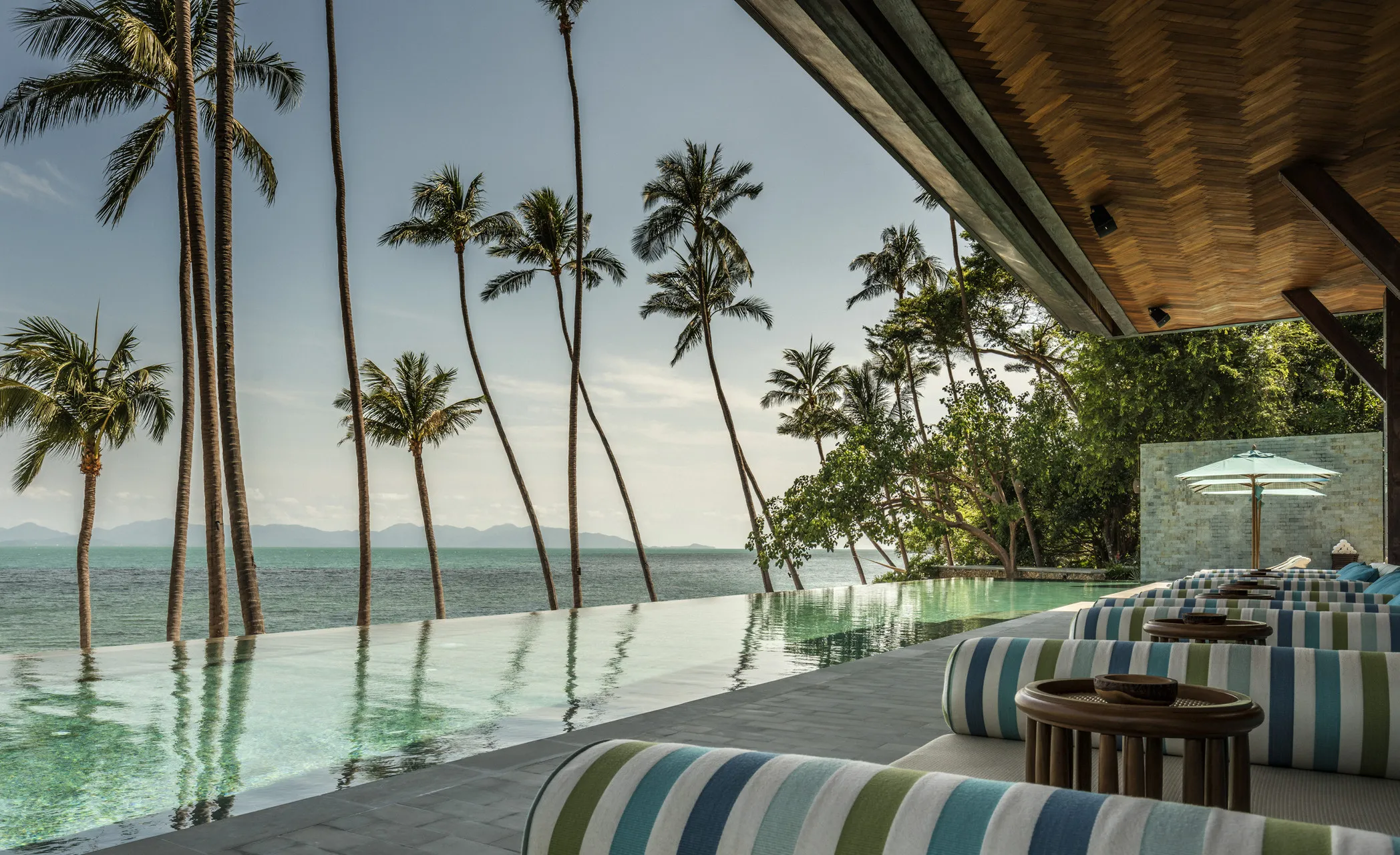
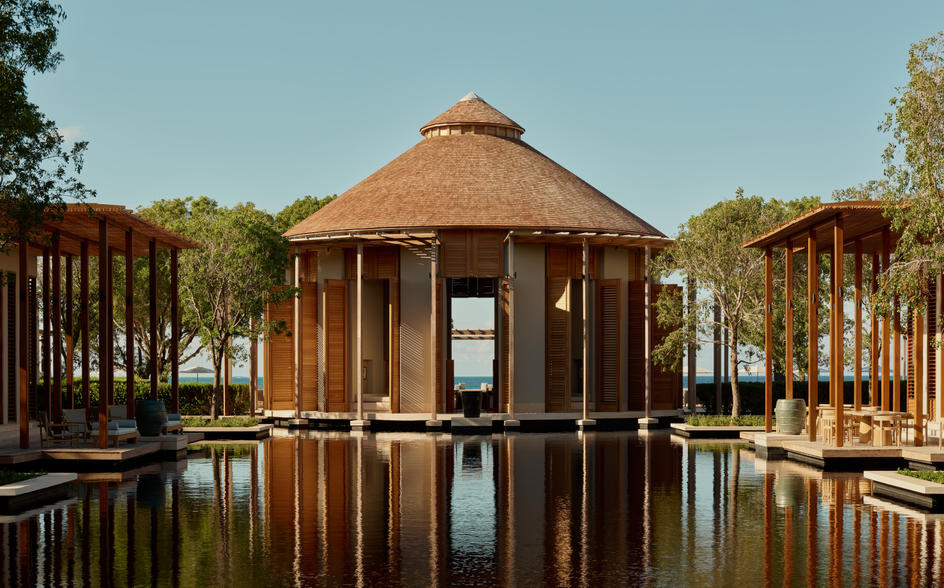
Aman Resorts (1988, Phuket, Thailand, Adrian Zecha) is a multinational hospitality company known for its collection of intimate, secluded luxury resorts. Operating 36 properties in 20 countries, Aman Resorts distinguishes itself through minimalist design, personalised service, and integration with local cultures and environments, appealing to high-net-worth individuals seeking privacy and exclusivity.
History and Founding
Aman Resorts was founded by Indonesian hotelier Adrian Zecha in 1988 with the opening of Amanpuri in Phuket, Thailand. Zecha, after working in publishing and hospitality, envisioned a different kind of resort experience, one that prioritised privacy, spaciousness, and a connection to the local environment. The concept arose from Zecha’s frustration with the large, impersonal nature of conventional luxury hotels. He aimed to create a more intimate and exclusive atmosphere, reminiscent of staying in a private home.
The name “Aman” is derived from the Sanskrit word for “peace,” reflecting the brand’s emphasis on tranquility and seclusion. Amanpuri, meaning “place of peace,” set the standard for future Aman properties. Its design, characterised by minimalist aesthetics and the use of natural materials, was conceived by architects Ed Tuttle and Jaya Ibrahim. The resort’s layout incorporated private villas and pavilions, ensuring a high degree of privacy for guests. The success of Amanpuri established the foundation for Aman’s expansion into other locations around the world.
Following the success of Amanpuri, Aman Resorts expanded strategically, selecting locations known for their natural beauty, cultural significance, or historical interest. Early properties included Amandari in Bali (1989) and Amanjena in Marrakech (2000), each reflecting the architectural styles and cultural traditions of their respective locales. These resorts further solidified Aman’s reputation for understated luxury and immersive experiences.
Portfolio Overview
Aman Resorts operates a diverse portfolio of 36 properties located in 20 countries as of 2024. The portfolio includes resorts, hotels, and residences, each designed to offer a unique and authentic experience. The properties are categorised by location and experience, including coastal retreats, urban escapes, mountain hideaways, and wilderness camps.
Coastal properties, such as Amanyara in Turks and Caicos and Amanzoe in Greece, offer secluded beachfront settings with private villas and access to water-based activities. Urban properties, including Aman Tokyo and Aman New York, provide a tranquil sanctuary amidst the bustling city, with spacious suites, spa facilities, and fine dining options. Mountain properties, such as Aman Rosa Alpina in the Italian Dolomites, cater to ski enthusiasts and offer access to winter sports and alpine scenery. Wilderness camps, such as Amangiri in Utah and Amangani in Wyoming, provide immersive experiences in remote natural settings, with activities such as hiking, horseback riding, and wildlife viewing.
Aman also offers private residences at select properties, allowing guests to purchase and own a home within the Aman community. These residences provide access to the resort’s amenities and services, as well as a dedicated staff to cater to residents’ needs. Aman Residences are designed to blend seamlessly with the surrounding environment, offering privacy and exclusivity.
In addition to its resorts and residences, Aman has expanded into other areas of luxury lifestyle, including the launch of a clothing line and the introduction of Aman Skincare products. These extensions of the brand reflect Aman’s commitment to providing a holistic and integrated luxury experience.
Signature Properties
Several Aman properties are recognised as flagship locations, embodying the brand’s core values and design principles:
Amanpuri (Phuket, Thailand): The original Aman resort, Amanpuri, remains a benchmark for luxury hospitality. Its design, inspired by Thai temple architecture, features private pavilions with views of the Andaman Sea. The resort offers a range of activities, including water sports, yoga, and cultural excursions.
Amandari (Bali, Indonesia): Located near Ubud, Amandari is designed to resemble a traditional Balinese village. The resort’s villas are built with local materials and feature private courtyards and swimming pools. Amandari offers guests the opportunity to experience Balinese culture through dance performances, cooking classes, and visits to nearby temples.
Amanjena (Marrakech, Morocco): Inspired by the architecture of Marrakech, Amanjena features a serene oasis of courtyards, reflecting pools, and olive groves. The resort’s pavilions and maisons offer privacy and luxury, with views of the Atlas Mountains. Amanjena provides guests with access to Marrakech’s cultural attractions, including the Medina and the Jardin Majorelle.
Amangiri (Utah, USA): Set amidst the dramatic landscape of the American Southwest, Amangiri is a modern architectural marvel. The resort’s suites and pavilions are designed to blend seamlessly with the surrounding rock formations. Amangiri offers a range of outdoor activities, including hiking, rock climbing, and hot air ballooning.
Aman Tokyo (Japan): Occupying the top floors of the Otemachi Tower, Aman Tokyo offers panoramic views of the city skyline. The hotel’s design combines modern aesthetics with traditional Japanese elements, such as shoji screens and ikebana floral arrangements. Aman Tokyo features a spa, a fitness centre, and several dining options, including a traditional Japanese restaurant.
Amanyangyun (Shanghai, China): Amanyangyun is a unique resort that combines historic villas with a tranquil forest setting. The resort’s villas were relocated from a village in Jiangxi province and restored to their original glory. Amanyangyun offers guests a range of cultural experiences, including tea ceremonies, calligraphy classes, and visits to nearby temples.
Service Philosophy and Awards
Aman Resorts is known for its personalised service and attention to detail. The brand’s service philosophy is based on anticipating guests’ needs and providing a seamless and intuitive experience. Staff members are trained to be discreet and attentive, creating a sense of privacy and exclusivity.
Aman properties typically have a high staff-to-guest ratio, ensuring that guests receive individualised attention. The staff are often multilingual and knowledgeable about the local culture, providing guests with insider tips and recommendations. Aman also offers a range of bespoke services, such as private dining, spa treatments, and curated excursions.
Aman Resorts has received numerous awards and accolades for its exceptional service and design. The brand has been recognised by publications such as Condé Nast Traveler, Travel + Leisure, and Forbes as one of the world’s leading luxury hotel groups. Individual Aman properties have also received awards for their architecture, spa facilities, and dining options.
In addition to its awards, Aman is committed to sustainable practices and responsible tourism. The brand works to minimise its environmental impact and support local communities. Aman properties often incorporate eco-friendly design elements and offer guests opportunities to participate in conservation efforts.
Ownership and Corporate Structure
Aman Resorts is the trading entity of Aman Group Sarl, a Swiss-headquartered multinational hospitality company. Vladislav Doronin is the Chairman, CEO, and owner of Aman Group Sarl. Doronin acquired Aman Resorts in 2014.
The corporate structure of Aman Group Sarl includes a management team responsible for overseeing the operations of the company’s properties and developing new projects. The company has offices in several locations around the world, including Switzerland, Singapore, and the United States.
Aman Group Sarl continues to expand its portfolio through strategic acquisitions and new developments. The company is focused on maintaining its reputation for luxury and exclusivity while also exploring new opportunities in emerging markets.
Key Figures
Adrian Zecha: The founder of Aman Resorts, Adrian Zecha, is a highly respected figure in the hospitality industry. His vision for creating intimate and exclusive resorts has had a lasting impact on the luxury travel market. Zecha’s background in publishing and hospitality provided him with the insights and experience necessary to develop the Aman concept.
Vladislav Doronin: The Chairman, CEO, and owner of Aman Group Sarl, Vladislav Doronin, is a Russian businessman with extensive experience in real estate development. Since acquiring Aman Resorts in 2014, Doronin has overseen the company’s expansion and diversification into new areas of luxury lifestyle. Ben Trodd serves as the Chief Operating Officer.
Guest Profile and Pricing Intelligence
Aman Resorts caters to a discerning clientele of high-net-worth individuals who value privacy, exclusivity, and personalised service. The typical Aman guest is well-travelled, culturally curious, and seeking authentic experiences. They are often entrepreneurs, executives, or celebrities who appreciate the brand’s understated luxury and attention to detail.
Aman’s pricing reflects its commitment to providing a premium experience. Nightly rates at Aman properties typically range from $1,000 to $20,000, depending on the location, accommodation type, and time of year. The most exclusive villas and residences command the highest prices. These rates include access to the resort’s amenities and services, as well as personalised attention from the staff.
Aman’s pricing strategy is based on several factors, including the cost of development, the level of service, and the exclusivity of the location. The brand invests heavily in creating unique and memorable experiences for its guests, which justifies its premium pricing. Aman also offers a range of packages and promotions, such as spa retreats, culinary experiences, and cultural excursions, which can add value to the guest’s stay.
Demand for Aman properties remains strong, driven by the brand’s reputation for excellence and its loyal customer base. Aman’s occupancy rates are typically high, particularly during peak seasons. The brand’s ability to maintain its premium pricing and high occupancy rates is a testament to its strong brand equity and its ability to consistently deliver exceptional experiences.
“`